
King Henry VIII, the second monarch of the House of Tudor, ruled England between 1509 and 1547. Although his life was closely guarded by those who surrounded him, King Henry was no stranger to danger, whether it came in the form of sickness, battle wounds, sports-related injuries or attempted assassinations.
When considering King Henry VIII and the calamities that might have finished him, there are six instances which immediately spring to mind. If timings had been slightly different, or if certain heroic individuals had not been so quick to help, King Henry may not have been so lucky, and the course of history could have been very different.
Potential Death #1. Trouble on the Tiltyard
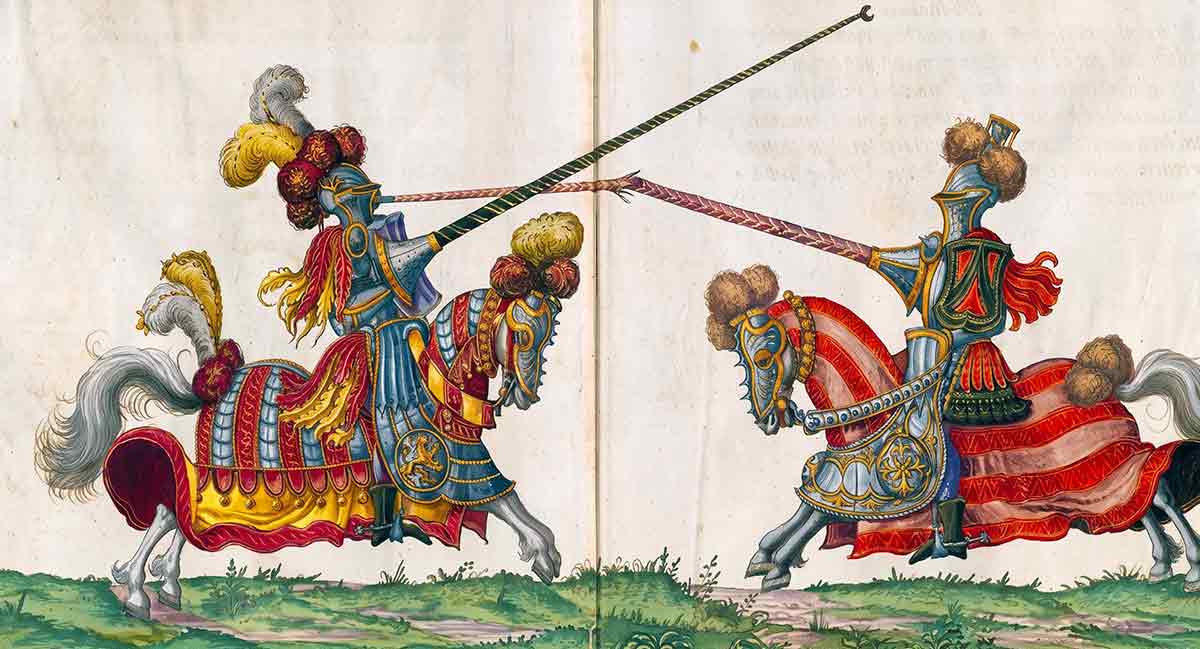
On January 24, 1536, King Henry VIII suffered the most serious accident of his reign. He was 44 years old and unhappily married to his second wife, Anne Boleyn. He had three potential heirs to follow him, none of whom were entirely suitable. There was Princess Mary (the daughter of Catherine of Aragon, who had been declared illegitimate), there was Henry Fitzroy (the son of Mistress Elizabeth Blount, who was illegitimate by birth), and finally there was Princess Elizabeth (the legitimate but infant daughter of Anne Boleyn). For King Henry and the future of his country, this would not have been a good time to die.
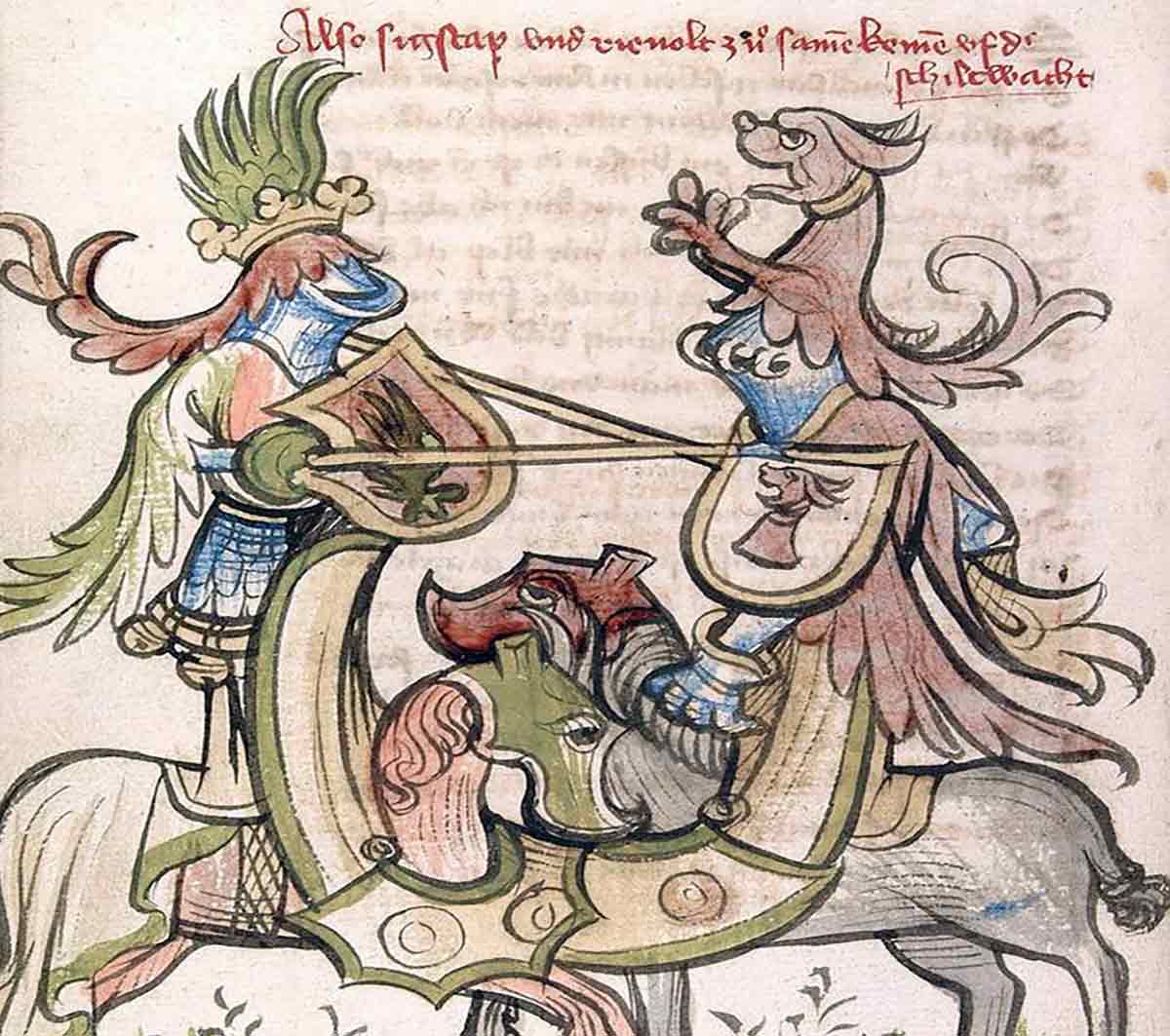
The incident took place during a jousting tournament at Greenwich Palace. During his participation in the tournament, King Henry was knocked from his horse, which in turn fell directly on top of him and crushed him. According to reports, he remained unconscious for nearly two hours. Those around him either assumed him to be dead already, or that his death was imminent.
Eustace Chapuys, an Imperial Ambassador living in England, wrote an account of the event…
“On the eve of the Conversion of Saint Paul, the King being mounted on a great horse to run at the lists, both fell so heavily that everyone thought it a miracle that he was not killed.”
Amazingly, and no doubt to the great relief of many around him, King Henry eventually came around. His reign continued as if nothing had happened; as if he truly had cheated death.
However, King Henry would be affected for the rest of his life by the injuries he’d sustained.
And he wasn’t the only person to suffer. Despite the state of her failing marriage, the event caused significant emotional distress to Anne Boleyn. Even though by this point their relationship was almost over, she did not take the news well that the man she loved was presumed dead. This would have been a confusing situation. On the one hand, she faced losing her husband. On the other hand, this might very well have been the best thing that could possibly have happened, for technically her daughter was next in line to the throne.
Within a few days of the accident, Anne Boleyn miscarried the child she was carrying. Many historians consider this loss to have been caused by the emotional turmoil she experienced during those days.
In May, Anne Boleyn was tried for treason and executed for adultery, and King Henry was married to his new Queen, Jane Seymour. Some historians continue to argue that the brain injuries that he may have suffered during this accident severely impacted his behavior and decision-making throughout the next decade of his reign.
Potential Death #2. Drowning in a Ditch
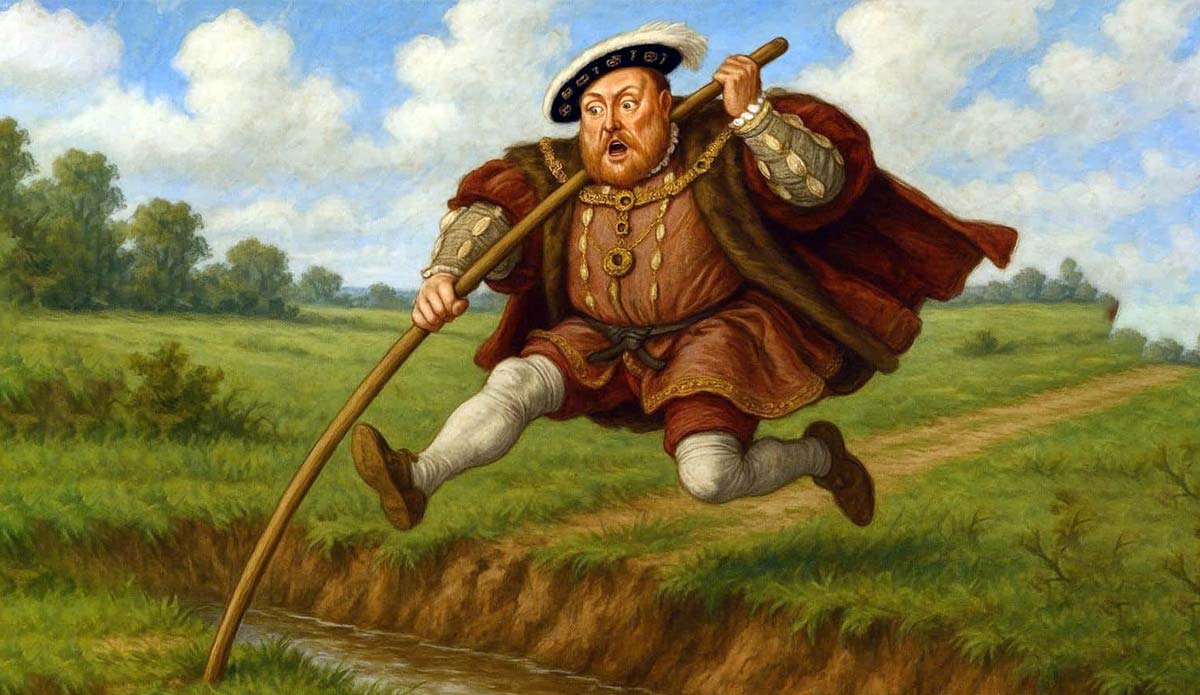
If you were out for a walk in the countryside, and you came across a wide and deep ditch in the road, what would you do? Most people would naturally bring to mind two options. Either they would call an end to their trip and go back the way they came, or they would make a diversion and go around a longer, albeit safer way.
Not King Henry VIII, though. In his typical fashion of showing off and flaunting his fitness and manhood, he decided that he would not go around a ditch full of mud, but that he would vault over it. In the midst of his vault, disaster struck. His stave snapped into two pieces, and King Henry plunged headfirst into the bottom of the ditch.
Thankfully, the quick-thinking Edmund Moody was present on the scene. As a trusted member of King Henry’s retinue, he did not hesitate to jump in after him. It was Moody who saved King Henry from certain drowning. For his efforts, he was rewarded with an annual pension and his own coat-of-arms.
These events are depicted in the Television series The Tudors. After the accident, King Henry (depicted by Jonathan Rhys Meyers) is seen lying down with a doctor at his bedside. The doctor explains to the king that he is “not as young as he used to be,” expresses disapproval for his actions, and reminds him of his own mortality.
Of all the ways in which King Henry could have died, this was absolutely the most reckless and preventable.
Potential Death #3. The Boar, the Bow, and the Arrow

This incident is so poorly documented that many academics doubt that it ever actually happened because of a lack of contemporary sources.
How did it happen that King Henry was left exposed to the anger of a dangerous creature? Well, it occurred while he was partaking in one of his favorite recreations: hunting. This he liked to enjoy with just a few companions such as close friends and essential attendants. He was known to savor the feeling of being outside, in the fresh, clean air, far away from the crowds.
But on this occasion, in mid-July of 1528, a regular hunting trip took a dreadful turn for the worse. In Sutton Chase, King Henry happened upon a rare boar and naturally began to pursue it. However, instead of running away as King Henry had expected, the boar aggressively turned on him. This was no longer a situation of a king hunting a boar, but a boar hunting a king.
King Henry was far from his attendants, and it appeared that nothing could be done to save him.
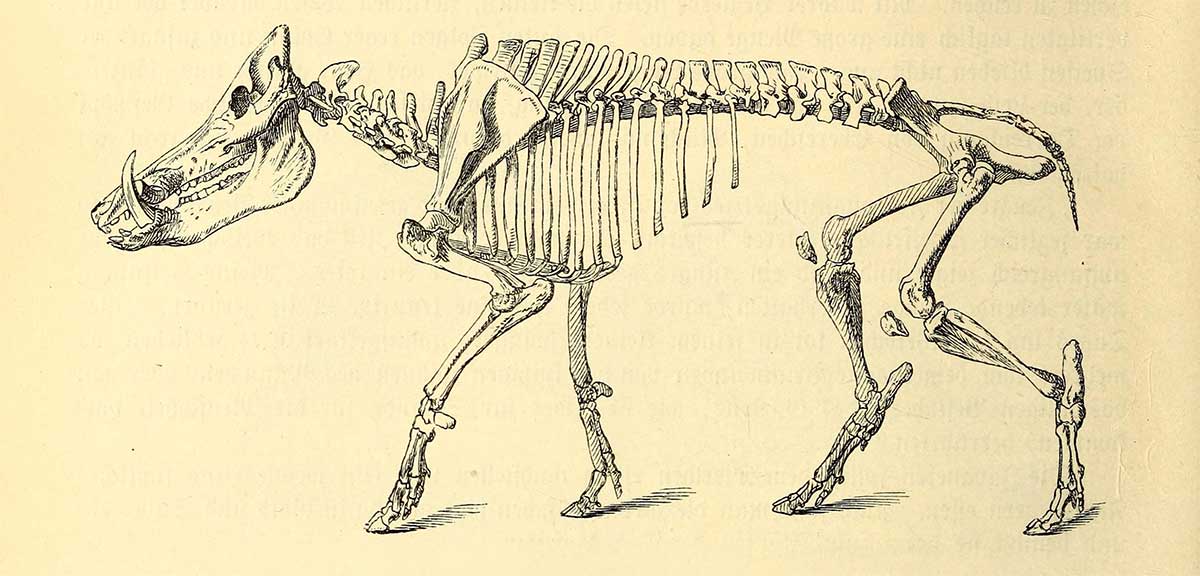
The curious incident that followed never ceases to amaze the modern reader. Apparently, it was a local girl who saved the day. She was young, confident, and skilled. Most importantly of all, not only was she fortuitously in the right place at the right time, but she also had a bow and arrow in hand. She acted quickly and effectively, and shot the creature dead with one single attempt.
Legend has it that, thanks to the unknown local girl, King Henry granted the town of Sutton Coldfield a royal warrant. To this day, it is often referred to as Royal Sutton Coldfield.
Potential Death #4. Plague, Sweat, and Smallpox
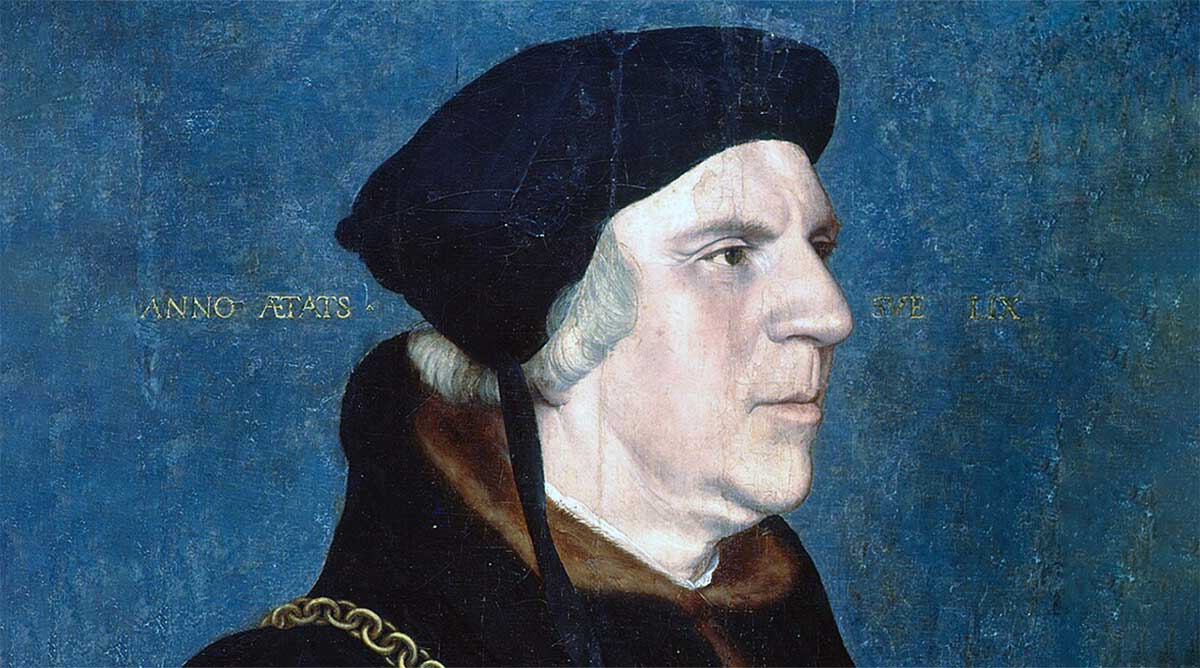
During the 16th century, there were a plethora of fatal viruses and diseases to worry about. These included Smallpox, Tuberculosis, the Plague, Measles, Influenza, Malaria, and Dysentery. The threat of contracting such an illness loomed over each and every member of King Henry’s court, particularly during the late summer and early autumn, when rates of infection were at their highest.
Fortunately, King Henry VIII is thought to have suffered just one of these nightmares. He was likely to have been diagnosed with Smallpox in either 1513 or 1514, four or five years into his reign, at the age of just 21 or 22. His most notable symptom was a red skin rash spreading over his body. For a while, his life was thought to have been in danger.
We don’t know how much King Henry remembered of his time of sickness, for Smallpox is typically accompanied by a great fever, and neither do we know exactly how serious his friends and advisors considered the situation to be. However, he was not out of action for long.
Although King Henry was lucky enough to make a full and fairly quick recovery, this wasn’t the case for many other notable figures. Smallpox was no joke; until the 18th century it was responsible for the deaths of around 400,000 European people each year. Although figures are unclear, scientists and historians estimate that between 20 and 60 percent of those infected with Smallpox would succumb to it.
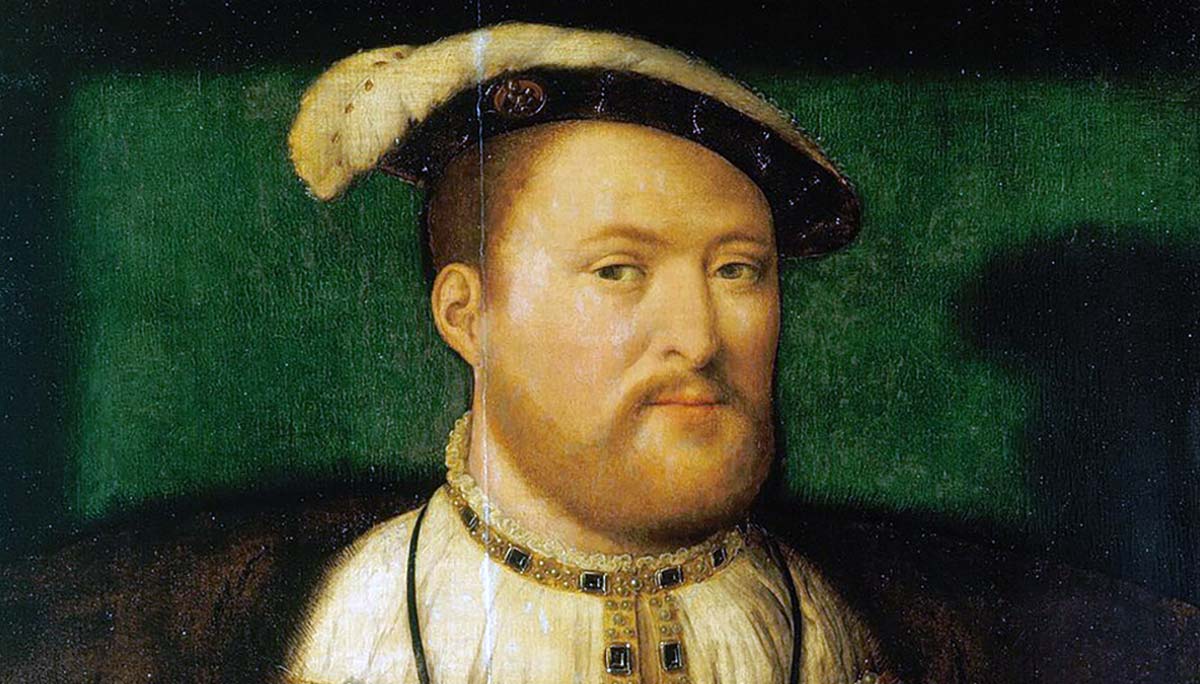
Smallpox was likely to have been the first real threat to King Henry’s life during his reign.
Little did he know that his future daughter, Queen Elizabeth I, would also come down with the same illness half a century later. She contracted Smallpox during the early part of her own reign, originally believing that she was suffering from a cold. On October 10, 1562, she was diagnosed with Smallpox, and became critically ill. Fortunately, she was as strong as her father. Although her nurse named Sibyl Penn died while caring for her, Elizabeth herself survived and went on to live for another forty years.
Although it was Smallpox that King Henry suffered from, it was the notorious Sweating Sickness that he feared most. Thankfully, despite the fact that many of his friends and companions caught or even succumbed to “the Sweat,” King Henry avoided it.
Potential Death #5. Worries at War
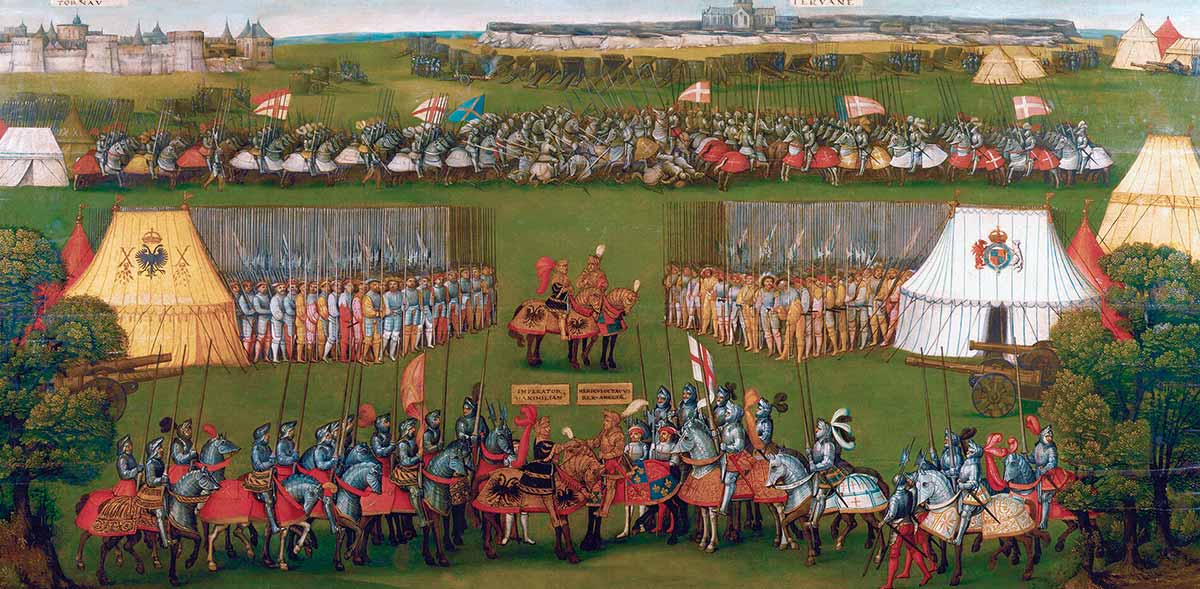
King Henry VIII is not typically remembered for his bravery or military prowess. Rarely is he mentioned in the same breath as Britain’s great warrior kings: William the Conqueror, Richard the Lionheart, King Edward I, and King Henry V. However, this does not mean that King Henry VIII did not achieve great victories of his own.
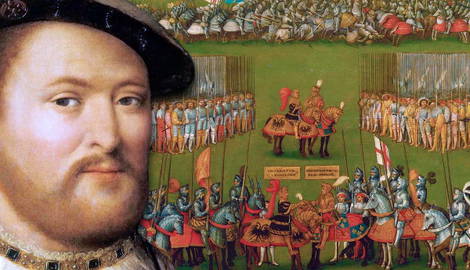
There were two notable battles in which King Henry actively participated. These were the Battle of the Spurs (one of his first in the year 1513) and the Siege of Boulogne (one of his last in 1544).
Although King Henry was lucky enough to get away without any serious battle wounds, things could very easily have been different. Getting in amongst the actual conflict carried a high risk of fatal injury for any participant. The notion of a monarch dying in battle is hardly out of the question; Duncan I of Scotland, Harold Godwinson, Henry VI of Luxembourg, King Richard III, and King James IV of Scotland are just a few of the reigning Kings that suffered that exact fate.
Potential Death #6. An Assassination Attempt
The privilege of royalty comes at a cost. Those who possess significant fame, wealth, or power are naturally at risk of becoming a target. Throughout centuries of British history, kings and queens in particular have been subject to unwanted public attention. The Tudor Era itself was littered with plans, plots, secrets and conspiracies. All these conspirators had one common goal: to displace the sovereign, more often than not by means of murder.
This is where King Henry VIII was extremely lucky. During his 38-year reign, there were just three attempts made on his life (that we know about, of course). Moreover, these alleged assassination attempts appear rather tame when compared with the likes of the Gunpowder Plot of 1605.
Instead of inciting a gang to blow up the Palace of Westminster, King Henry’s attempts came in the form of poisonings and carefully prepared prayers. But in an era where it was treason even to imagine the king’s death, those who wished to keep themselves alive would have been best advised to avoid the subject altogether.
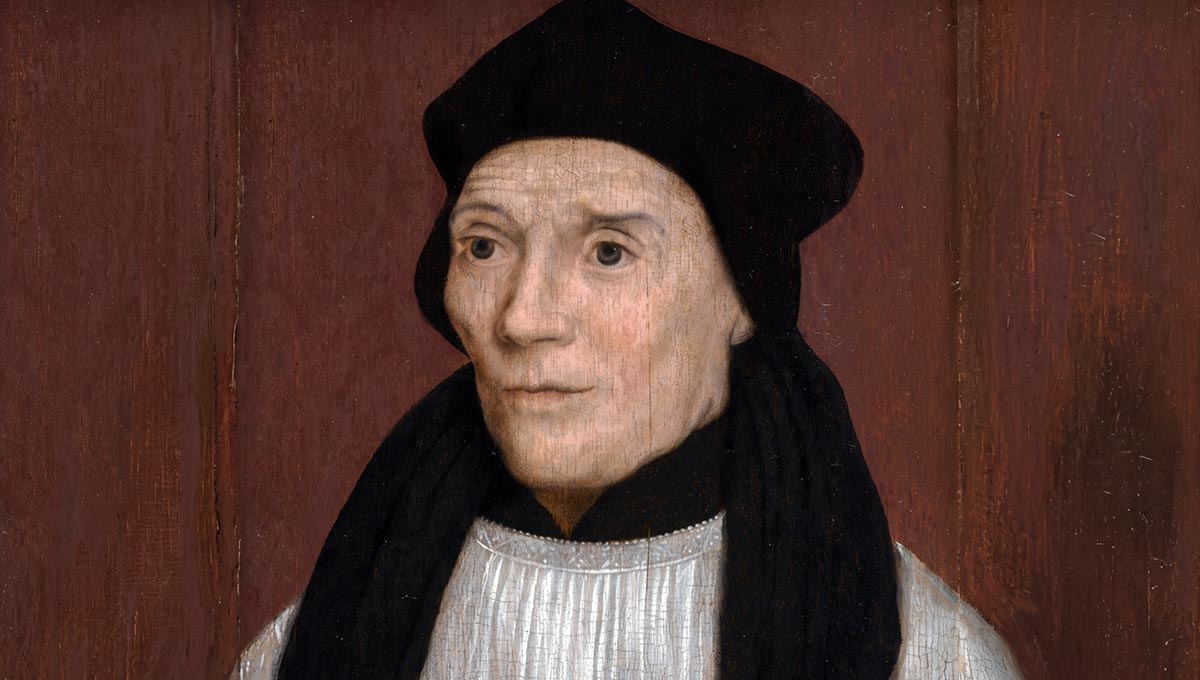
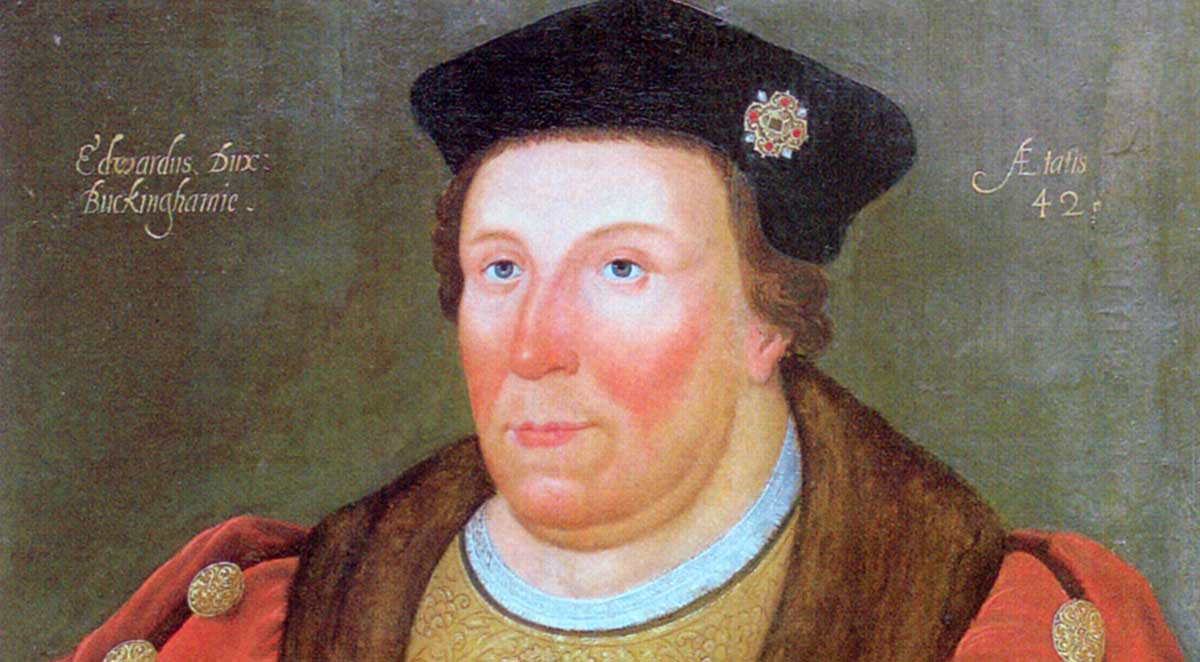
King Henry VIII’s three potential assassins were Mabel Brigge (who supposedly made her attempt in 1537), Edward Stafford the Duke of Buckingham (1521), and Richard Roose (1531).
Brigge supposedly carried out three days of fasting and prayer, in the hope that King Henry would die as a result.
The Duke of Buckingham supposedly plotted to kill King Henry and, as a descendant of King Edward III himself, install himself as the new King of England.
Richard Roose (probably the most credible of these three stories) was accused of poisoning food in the household of John Fisher, Bishop of Rochester, in hopes of reaching the king.
Mabel Brigge, the Duke of Buckingham, and Richard Roose were all executed for their suspected treasonous activity.
The Natural End to Henry’s Life
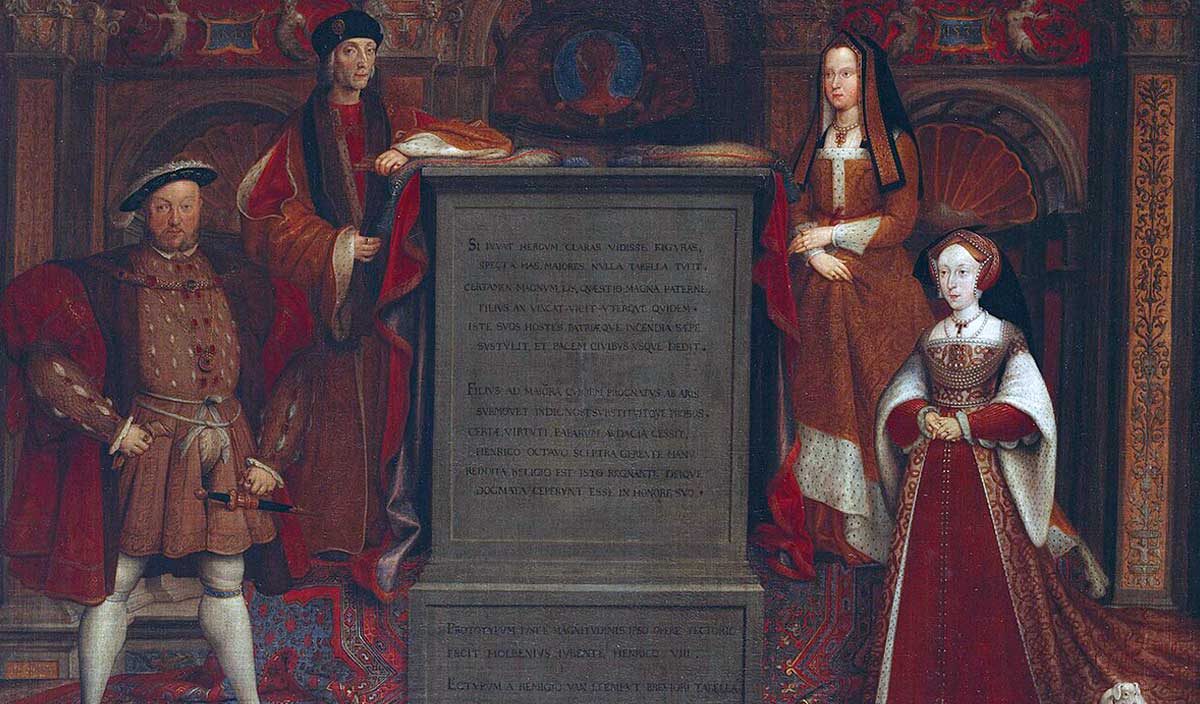
King Henry VIII died on January 28, 1547, at his home of Whitehall Palace, at the age of 55. He had enjoyed a reign of 37 years, and would be remembered as the second monarch of the House of Tudor. He shared the date of his death with his father’s birthday. Incidentally, had he been alive, King Henry VII would have turned 90 on that exact day.
Just as he’d always desired, King Henry died with a legitimate boy to follow him. He was immediately succeeded by his single, beloved son, the nine-year-old Prince Edward. It was Edward’s uncle, Edward Seymour, who would act as Lord Protector throughout his minority.
The body of King Henry was laid to rest beside that of his third wife, Jane Seymour, in Saint George’s Chapel in Windsor Castle. To this day, King Henry is thought of as one of England’s most fascinating kings.