Throughout the majority of World War II, Winston Churchill was Prime Minister of the United Kingdom; he was Minister of Defence; he was an unshakeable leader; and he was a fearless and inspirational figurehead. Due to the nature of Winston Churchill’s position, he was required to deliver many important speeches, not only in Parliament but also to the wider listening audience on the radio. Within these speeches, he uttered the phrases that have since been considered as some of the greatest of all time.
1. “An Appeaser Is One Who Feeds a Crocodile, Hoping It Will Eat Him Last”
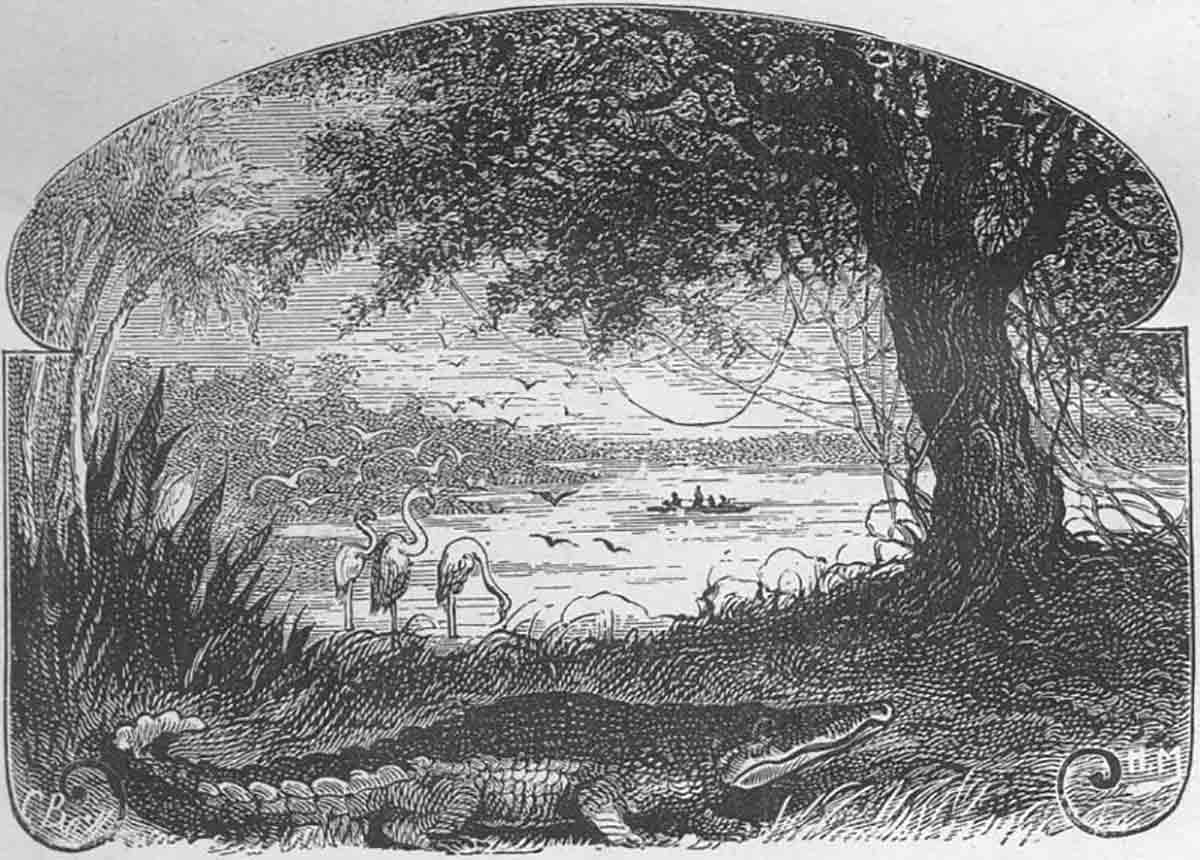
“An appeaser is one who feeds a crocodile, hoping it will eat him last.”
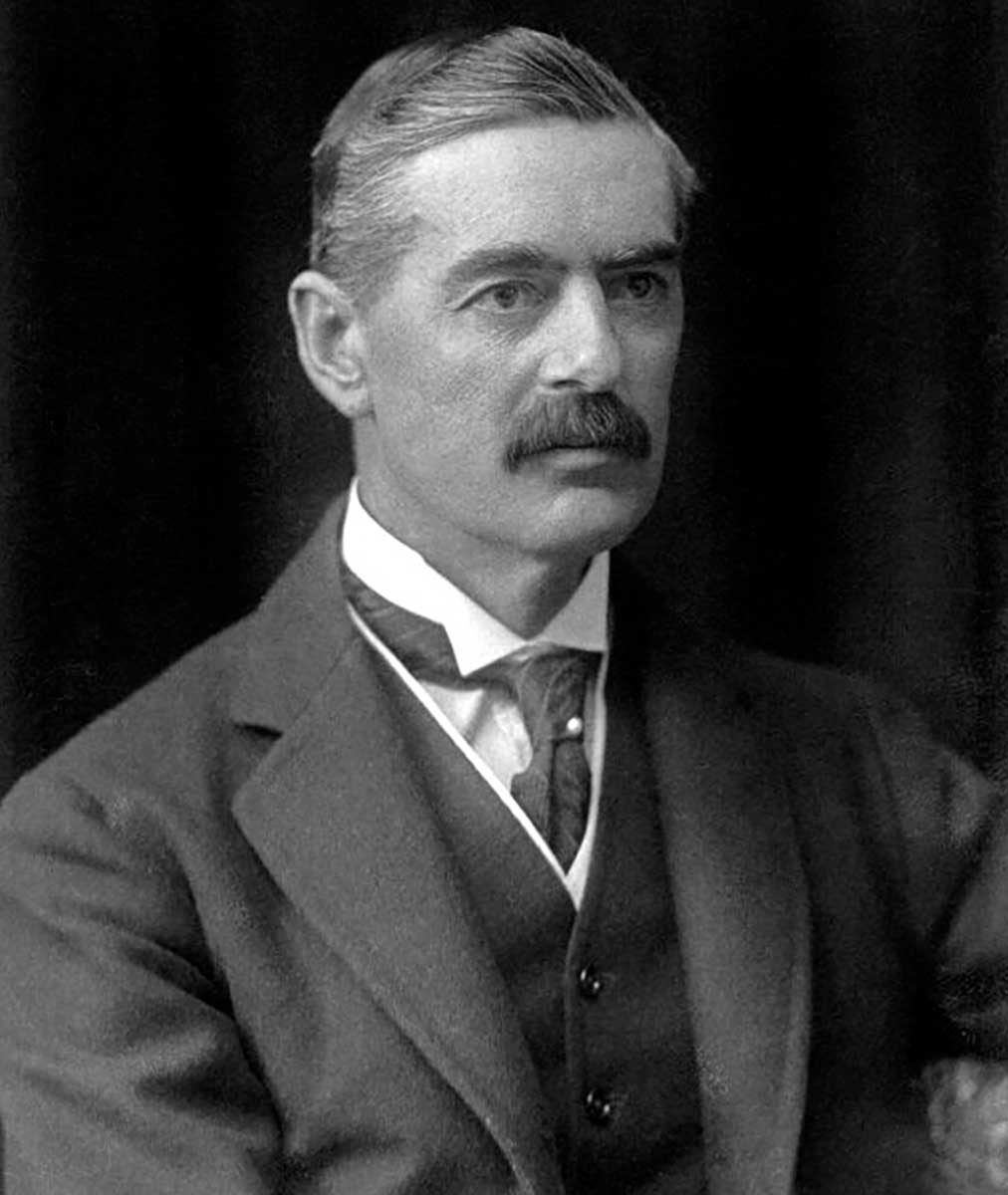
These words were famously delivered by Winston Churchill on the 20th of January, 1940. At the time it was not Churchill but Neville Chamberlain who held the office of Prime Minister. Chamberlain had been Prime Minister since May of 1937, and Churchill was simply First Lord of the British Admiralty. However, a dramatic change in leadership was beginning to look more and more likely by the day, and within just a few months, Churchill would be invited by King George VI to form a new government.
Neville Chamberlain was the man at whom—at least in part—Winston Churchill’s quote was aimed. Essentially, Churchill was explaining the uselessness of appeasement, and Chamberlain was a notorious supporter of this strategy. Throughout the 1930s, the British government used a policy of appeasement toward Nazi Germany; their main intention had been to avoid war at any cost.
Some may wonder, what exactly does appeasement involve? The answer is this: appeasement is a diplomatic strategy, examples of which can be found throughout the last few thousand years. Basically, it involves making ongoing concessions to an aggressive foreign power in order to avoid war. The aggressor demands what they want, and the appeaser simply appeases them in return for being left out of things.
These days, appeasement is generally regarded as an unwise strategy. Just as it had had no effect on other many conflicts that have occurred throughout history, appeasement did nothing to prevent the progression of World War II. With good reason, Winston Churchill hated appeasement and perceived it as pointless and even dangerous.
Of course, it was all very well to appease the enemy (it may have seemed the safest and easiest method in the short term), and it was all very well to stave off war for as long as possible. But one may ask, what would happen as the enemy became stronger and stronger? Eventually, after years of appeasement, Britain would inevitably be eaten by the crocodile. Churchill later remarked that “you cannot reason with a tiger when your head is in its mouth.”
In this metaphor, it was Nazi Germany who was the tiger, and it was Britain that was about to be eaten. With this picture in mind, we may understand why Winston Churchill considered appeasement as preposterous.
Like many quotes, the version we are all so familiar with today is not actually identical to the original. However, despite the fact that the wording has been significantly changed, the sentiment is still the same.
Originally, the quote reads, “Each one hopes that if it feeds the crocodile enough, the crocodile will eat him last. All of them hope that the storm will pass before their turn comes to be devoured,” Winston Churchill continued ominously, “but I fear that the storm will not pass. It will rage and it will roar ever more loudly, ever more widely.”
The following morning, Time Magazine paraphrased the quote, and printed the words, “Each one hopes that if he feeds the crocodile enough, the crocodile will eat him last.”
As anyone can see, neither the word appeasement nor appeaser appears in these passages at all. The more popular, more modern quote—probably in common circulation by around 1954—both simplified and shortened the phrase while maintaining its meaning.
Three years following this, in 1957, the memorable saying was placed into a compilation book entitled Best Quotes, taken from various years. The entry, “an appeaser is one who feeds a crocodile, hoping it will eat him last,” is attributed to Winston Churchill, and described as being part of this most powerful speech.
2. “I Have Nothing to Offer but Blood, Toil, Tears, and Sweat”
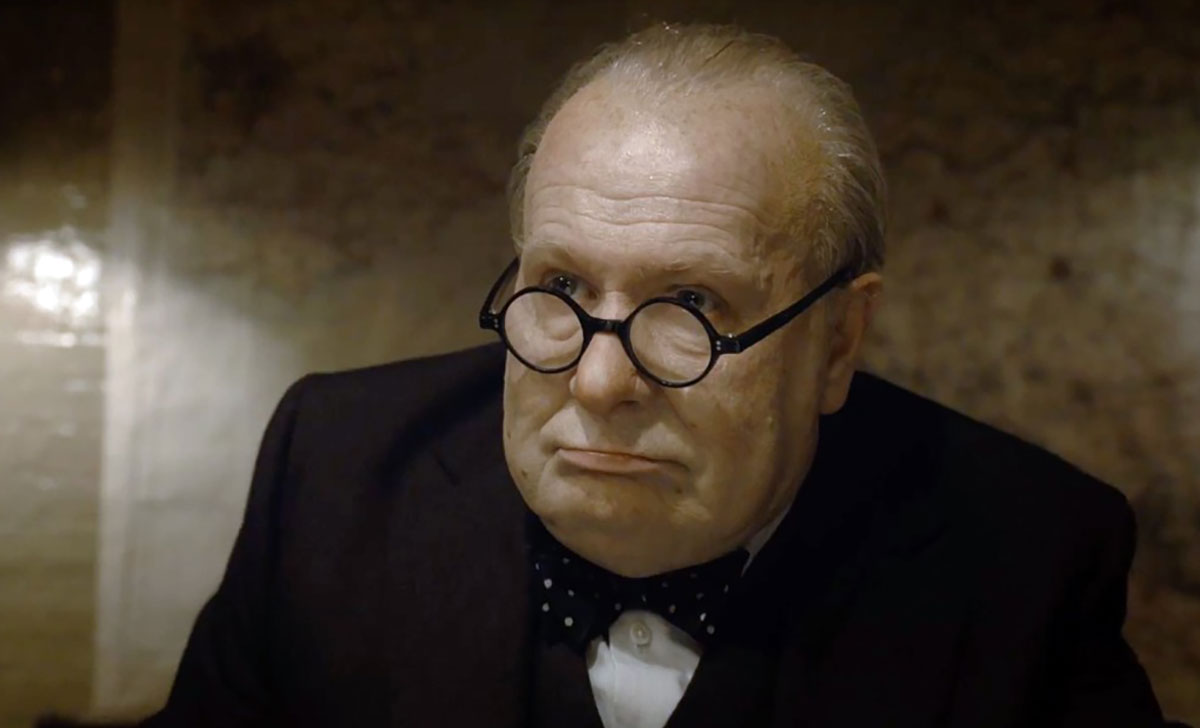
“I have nothing to offer but blood, toil, tears, and sweat.”
On May 10, 1940, Winston Churchill became Prime Minister of the United Kingdom. Neville Chamberlain had agreed to step down, and Churchill had been called upon by King George VI to form a new government. Although he was not particularly well-liked by any political party, it was acknowledged that he was the best man for the job and that he would be the strongest leader available to the country.
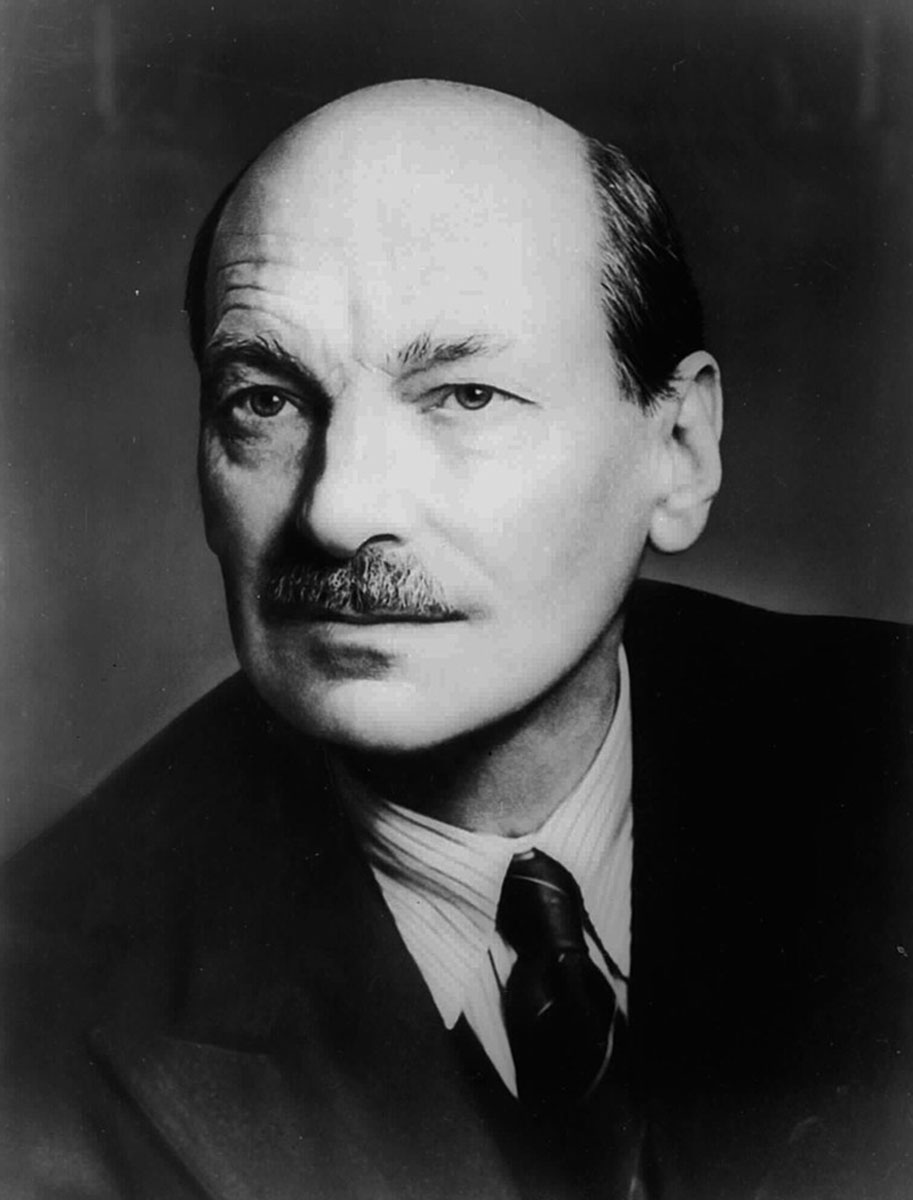
The first thing to do was to form a War Cabinet. The Cabinet included Edward Wood (Lord Halifax), former Prime Minister Neville Chamberlain, future Prime Minister Clement Attlee, Sir Archibald Sinclair, and Sir Edward Bridges. To give himself complete control over decisions regarding the war, Winston Churchill made himself minister of defense.
Churchill described his cabinet as “the Unity of the Nation.” The leaders of three major parties—Conservative, Labour, and Liberal—were all included and treated as equals. If ever there was a time to join together and put petty political differences behind them, it was certainly now.
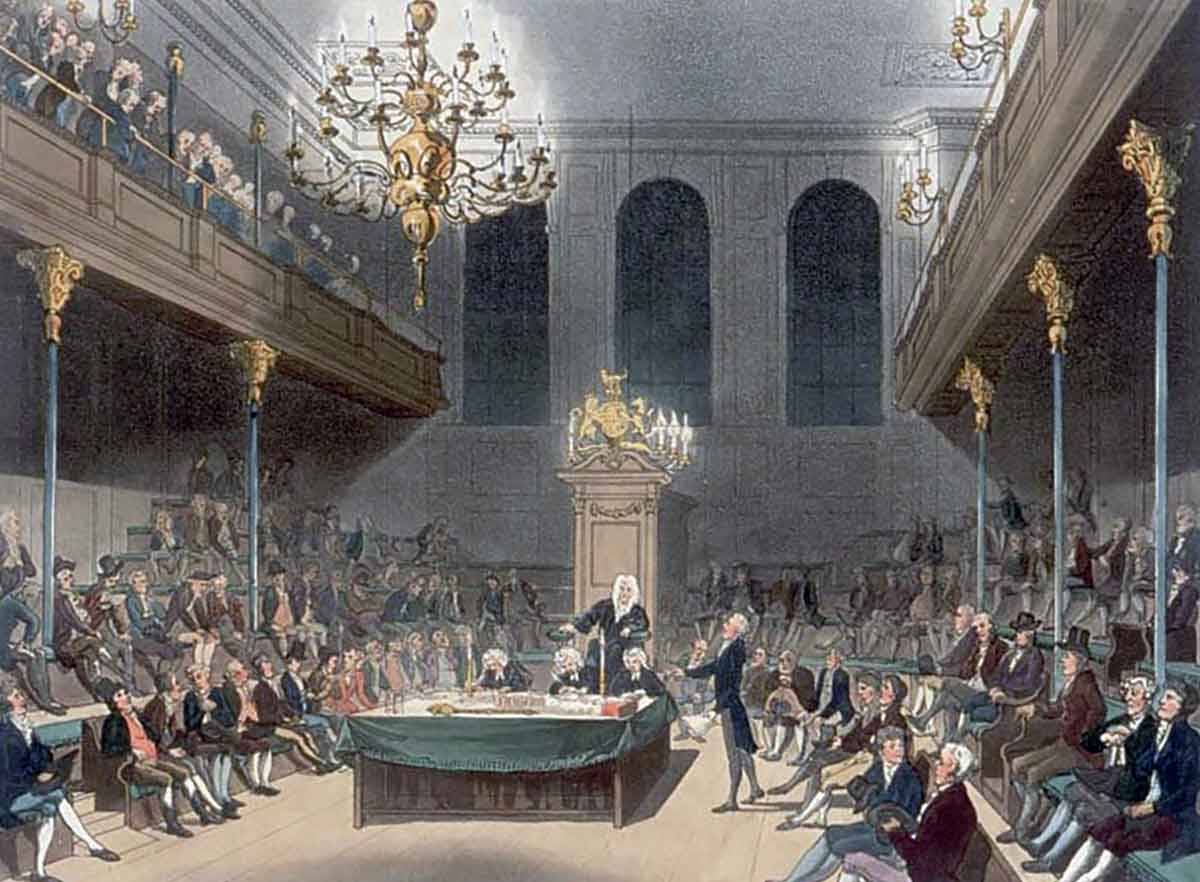
Three days later, on May 13, Winston Churchill delivered his first speech as Prime Minister. He famously promised his commitment to his role by offering his “blood, toil, tears, and sweat.” The words were delivered, for the first time, at the House of Commons of the Parliament of the United Kingdom.
It turns out that blood, toil, tears, and sweat were all required in equal measure. An enormous, arduous job lay before Churchill, and he knew it. Britain was about to suffer one of the scariest periods in its history.
The situation was this: the war had broken out officially on September 1 of the previous year. Britain had become involved when Nazi Germany, under the command of Adolf Hitler, invaded Poland. Earlier that day—the same day that Churchill made his maiden speech—Germany had invaded both the Netherlands and France. Within a few more weeks, by July of 1940, Germany had begun to send planes across the Channel to attack England with a relentless series of bombings. Churchill described “the extreme urgency and rigor of events”; this was by no means an understatement.
Winston Churchill began his speech by explaining what had occurred over the last few days.
“On Friday evening last,” he began, “I received His Majesty’s commission to form a new Administration. It was the evident wish and will of Parliament and the nation that this should be conceived on the broadest possible basis and that it should include all parties, both those who supported the last Government and also the parties of the opposition.”
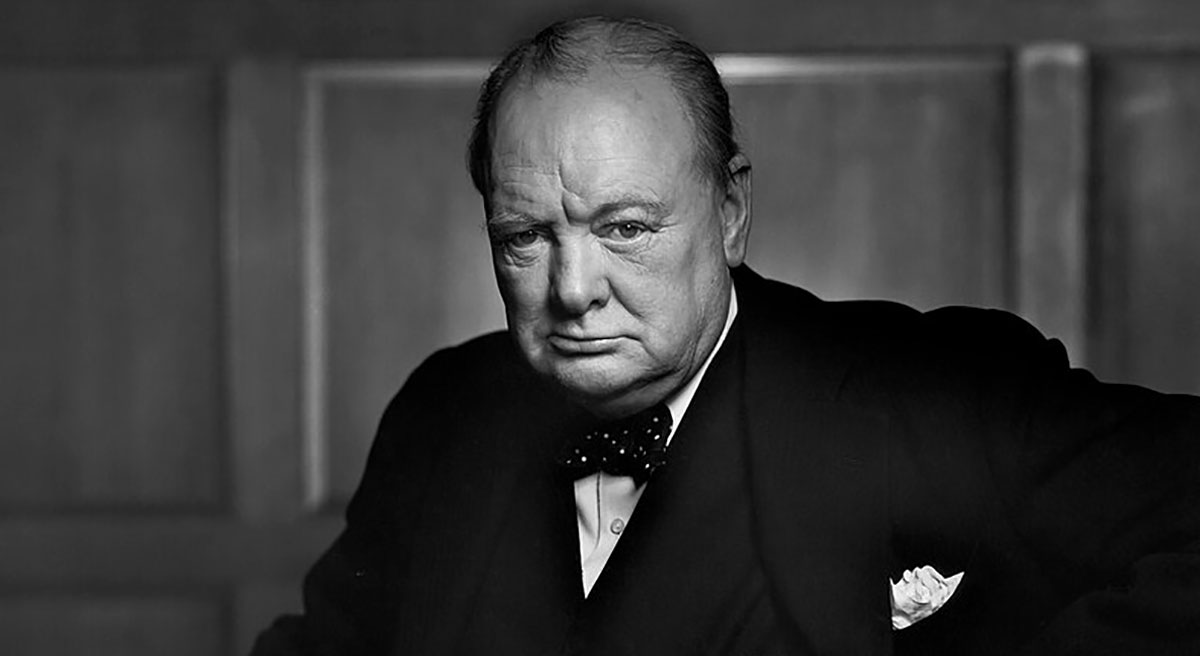
Later in his speech, he uttered the words that would echo through the decades. “I would say to the House as I said to those who have joined this government, I have nothing to offer but blood, toil, tears, and sweat. We have before us an ordeal of the most grievous kind. We have before us many, many long months of struggle and suffering.”
To say that Winston Churchill’s speech was well received would be to underplay its success. It has since been described as electrifying; the members of the House of Commons not only listened but even cheered.
At this point—the very beginning of a long struggle—Winston Churchill was confident that he would win. However, he was also realistic about the trials that would have to be endured until that time. After his speech, during the applause, it was recorded that he quietly spoke the words, “Poor people, they trust me, but I can give them nothing but disaster for a long time.”
Nonetheless, Winston Churchill finished his maiden speech with the words, “I take up my task with buoyancy and hope; I feel sure that our cause will not be suffered to fail among men; at this time I feel entitled to claim the aid of all, and I say, come then, let us go forward together with our united strength.”
Even in the 21st century, Winston Churchill’s words are quite literally handled and passed around each day. So admired is this quote in Britain that it adorns the back of the five-pound note, one of the most common banknotes in circulation. On April 26, 2013, the Bank of England announced that a portrait of Churchill would feature on the note, with the phrase “I have nothing to offer but blood, toil, tears and sweat,” appearing beneath him. It was eventually issued in September of 2016.
In modern usage, the quote is usually shortened to blood, sweat and tears. One might use this expression after completing a harrowing but worthy project: “I put my blood, sweat, and tears into this.”
3. “We Shall Never Surrender”
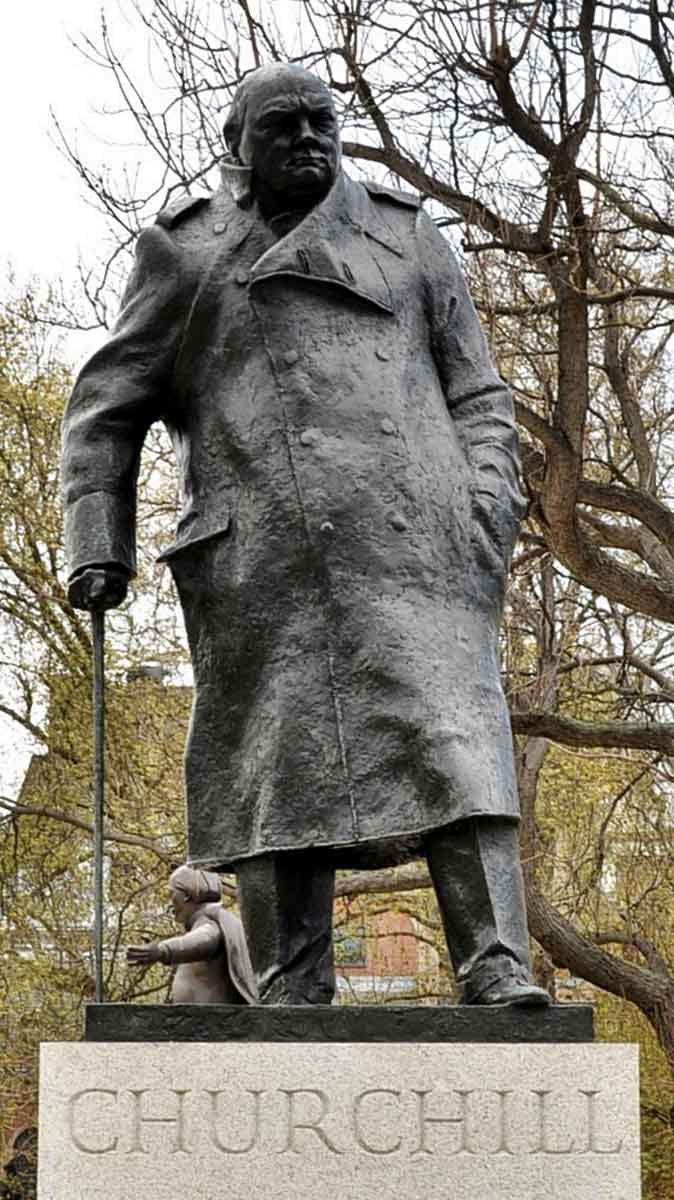
“We shall fight on the beaches, we shall fight on the landing grounds, we shall fight in the fields and in the streets, we shall fight in the hills, we shall never surrender.”
This speech—which has since become known as “We Shall Fight Them On The Beaches”—was originally delivered by Winston Churchill to the House of Commons on June 4, 1940. It was the second of three major speeches given within a few months of his leadership. The first was “Blood, Toil, Tears, and Sweat,” and the last being “This Was Their Finest Hour” on June 18.
“We shall fight in France, we shall fight on the seas and oceans, we shall fight with growing confidence and growing strength in the air, we shall defend our island, whatever the cost may be.
We shall fight on the beaches, we shall fight on the landing grounds, we shall fight in the field and in the streets, we shall fight in the hills; we shall never surrender.”
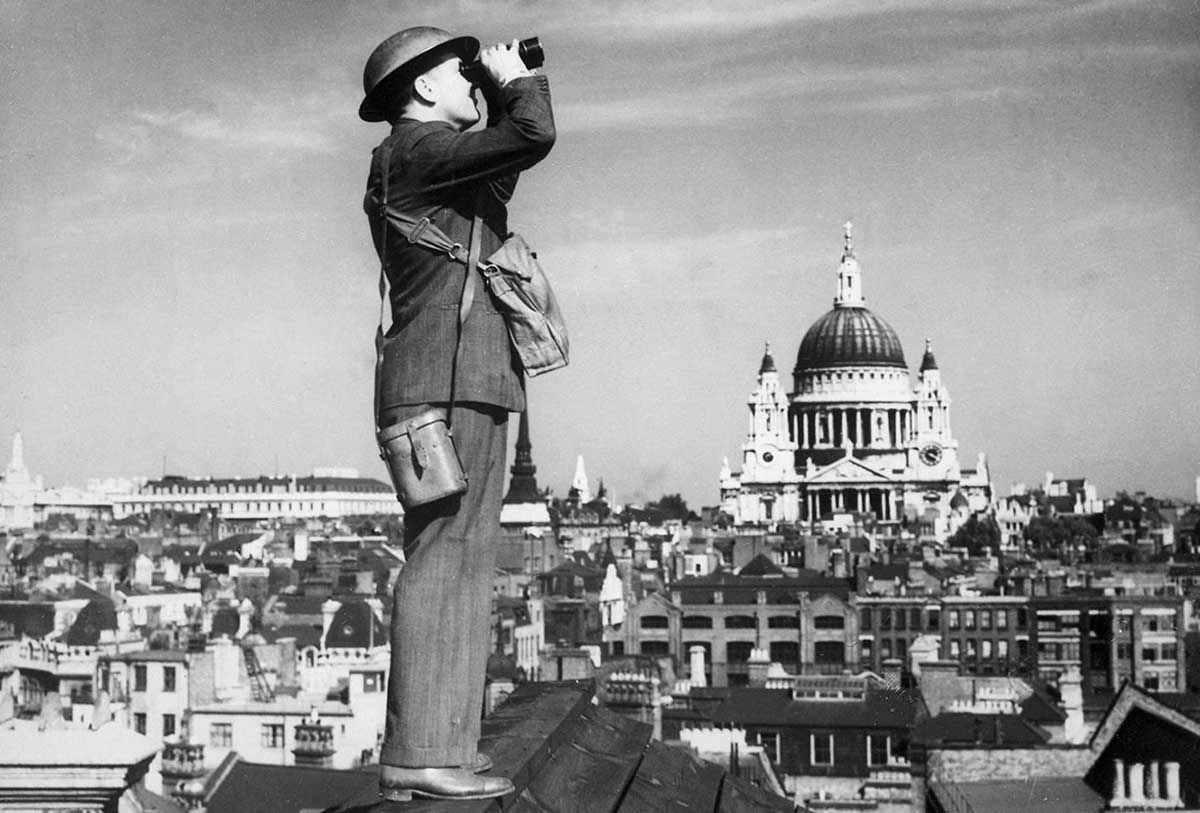
Immediately following the delivery of his speech, Winston Churchill’s secretary (Jock Colville), noted that it had been a “magnificent oration, which obviously moved the house.”
Chips Channon, a Conservative MP, wrote in his diary that Winston Churchill had been “eloquent and oratorical and used magnificent English; several Labour members cried.”
A Labour MP, Josiah Wedgwood, felt the need to write to Winston Churchill and praise him directly. “My Dear Winston,” he wrote, “that was worth one thousand guns and the speeches of one thousand years.”
The American journalist, H.R Knickerbocker, wrote that Winston Churchill’s words “deserved to be memorized by us all,” and observed that “with Churchill’s picture these words are placarded in homes and offices throughout Britain.”
Contrary to popular belief, the speech was not actually broadcast to the nation at the time of its delivery. Many adults who lived through the war have claimed, in recent years, that they remember hearing the speech on the radio as children; they recall the eerie significance of the moment. However, these have been reported as false memories. Many of Churchill’s speeches were broadcast, but this one was not.
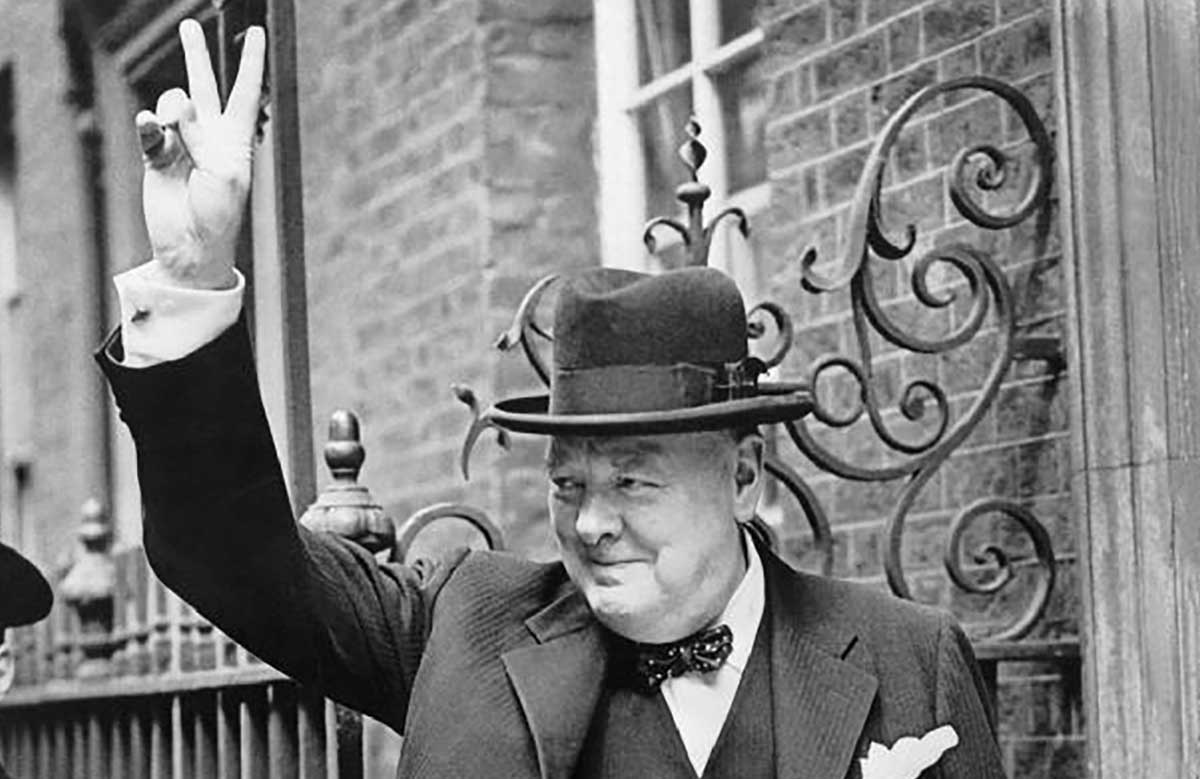
Instead, excerpts of Winston Churchill’s “We Shall Fight Them On The Beaches” were read out later that evening. Vita Sackville-West, an English author and garden designer, wrote of the impact Winston Churchill’s words had on her. “Even repeated by the announcer, it sent shivers down my spine.”
It was not until the year of 1949, four years after the war had ended, that Winston Churchill agreed to produce an audio recording of his original speech. It is thanks to this recording that every person living in Britain today can recall not only the words but the chilling voice of Winston Churchill himself.
Winston Churchill was right. Britain did not surrender. After six treacherous years, the war came to an official end on May 8, 1945, with Germany’s unconditional surrender of its armed forces. Nearly 80 years later, May 8 is still marked as Victory in Europe Day.
4. “My Most Brilliant Achievement Was My Ability to Persuade My Wife to Marry Me”
“My most brilliant achievement was my ability to persuade my wife to marry me.”
When compared to the previous three, this quote of Winston Churchill’s has a completely different feel to it. Instead of addressing Parliament about serious and political matters, Winston Churchill addresses his family and friends with personal and marital matters. This quote gives us a glimpse of Churchill the man rather than Churchill the politician.
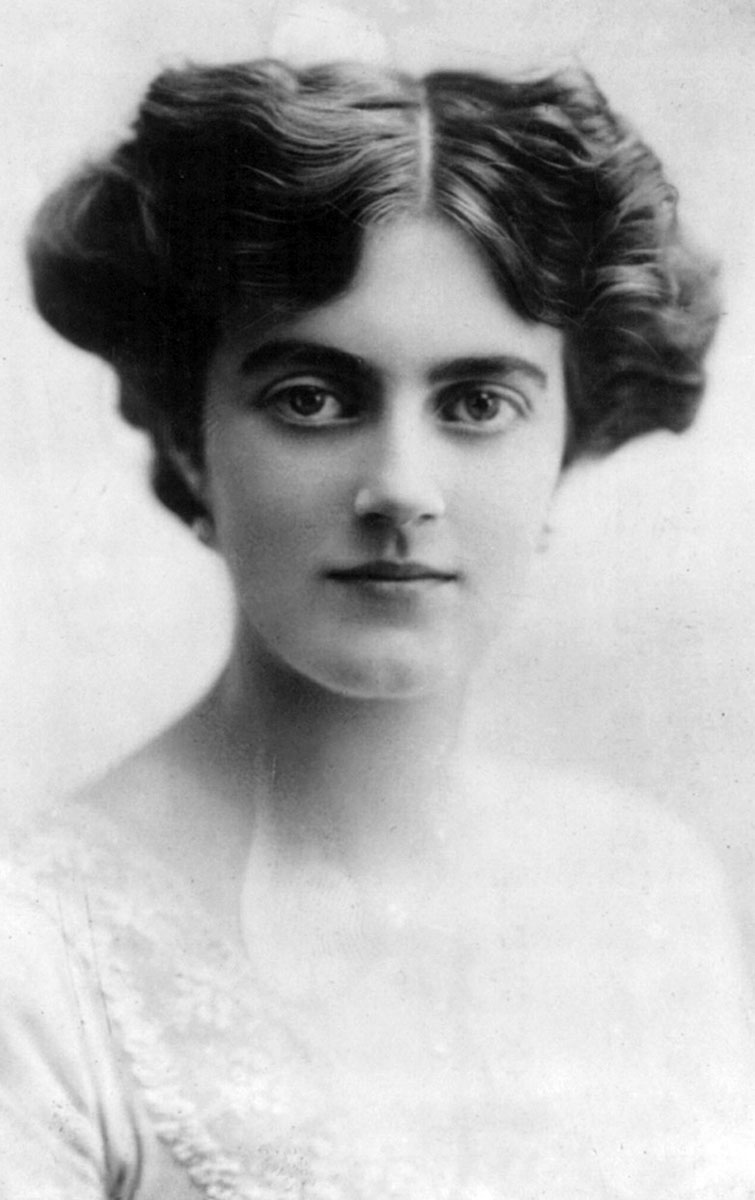
Winston Churchill’s wife was named Clementine Ogilvy Spencer. She was born on April 1, 1885. She first laid eyes on her future husband at the age of 19, when they both happened to attend the same ball hosted by the Earl and Countess of Crewe. The couple noticed each other immediately, but it was not until four years later that they met once again. In March of 1908, they were seated beside each other at a dinner given by Lady St Helier, a distant relative of Clementine.
After five months of meeting each other at social events, as well as exchanging frequent letters, Winston Churchill proposed to Clementine during a party at Blenheim Palace on August 11, 1908.
She accepted, and the pair were married on September 12 of that same year.
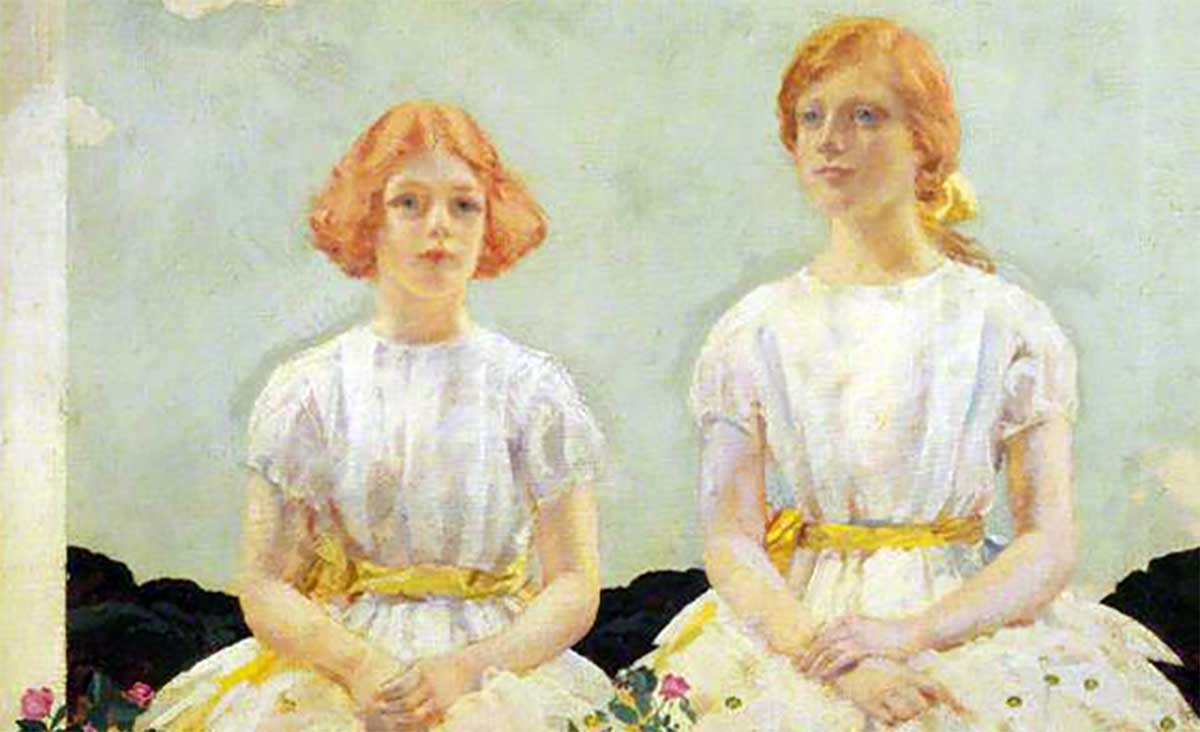
The couple had five children, four of whom survived into adulthood. They were Diana (1909-1963), Randolph (1911-1968), Sarah (1914-1982), Marigold (1918-1921), and Mary (1922-2014).
Clementine Churchill could not have been more supportive of her husband and his career. She was known to rehearse and even edit his speeches, as well as attend, host, and manage many high-level diplomatic events. Their relationship was said to have been close, affectionate, and loving. Despite the stresses of war, politics, and public life, their marriage was strong, and she was his great support.
After just over 46 years of marriage, Clementine Churchill was made a widow on January 24, 1965, when her husband died at the age of 90.
It is unbelievable—romantic, even—that Winston Churchill considered marrying his wife to be his greatest achievement. Nonetheless, the quote can be interpreted in a couple of different ways.
Was Winston Churchill implying that he did not consider himself to be a good match for her? Or was he gently suggesting that she was too picky? Could it have been that he thought attracting Clementine required more charm, intellect, wit, and skill than any other accomplishment of his life?
Whatever way we choose to look at it, we can be sure that Winston Churchill considered his marriage a success, not only in the way of social expectation, but also in the way of personal fulfillment, and in the happiness it evidently brought to both husband and wife.
5. “If You Were My Wife, I’d Drink It”
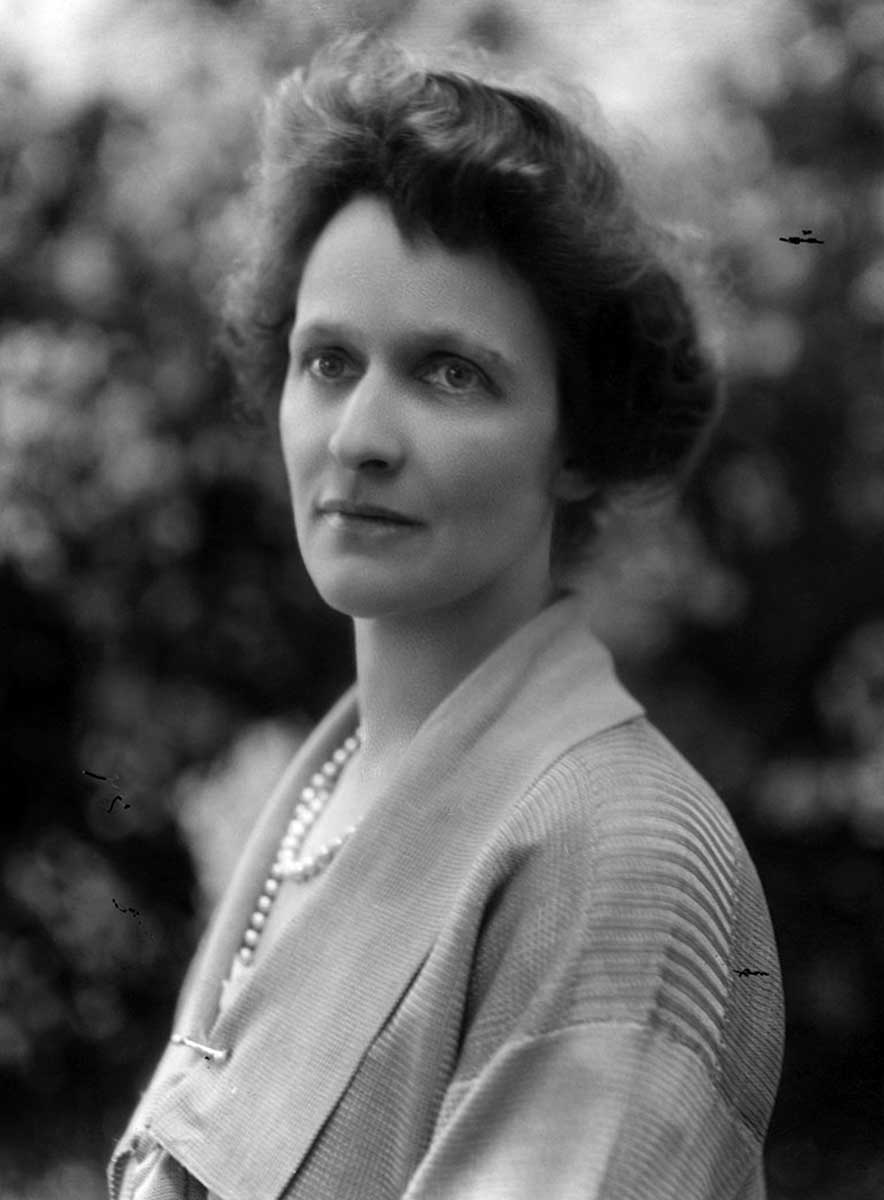
Nancy Astor: “If you were my husband, I’d put poison in your coffee.”
Winston Churchill: “If you were my wife, I’d drink it.”
It would be wrong to complete an article entitled Five Iconic Quotes By Winston Churchill without including at least one of his many witty and sarcastic quips. Although he is remembered chiefly as a stern and serious figure, it should not be forgotten that he possessed a sense of humor, even if his jests weren’t to everyone’s taste. “If I were your husband, I’d drink it,” is probably the most famous Churchill quote of this nature.
Although there has been much debate regarding the validity of the claims, it is generally believed that these words were first recorded after an exchange between Winston Churchill and Nancy Astor.
Nancy Astor was an American-born, British politician, best remembered for being the first woman seated as a Member of Parliament. She served from 1919 until 1945 and she was present throughout Winston Churchill’s leadership. Obviously, she was extremely familiar with Churchill, and they knew each other personally.
Both Winston Churchill and Nancy Aster possessed shockingly strong personalities; to say that their characters clashed would be a vast understatement. Although these quotes may resemble the sound of light-hearted banter, this was no friendly exchange. They were enemies—both personal and political—and the fighting duo became notorious for their ongoing and amusing string of insults.
Winston Churchill, on one occasion, explained to Nancy Astor that having a woman in Parliament was like having a woman intrude on him in the bathroom. Nancy responded with the words, “Sir, you are not handsome enough to have such fears.”
On another occasion, Winston Churchill asked seriously what disguise he should wear to an upcoming masquerade ball. Nancy Astor asked, “Why don’t you come sober, Prime Minister?”
Winston Churchill was not alone in his dislike of Nancy Astor; despite her many political successes, she had done an excellent job of making herself unpopular in Parliament. She was an advocate for temperance, welfare, education, reform, and women’s rights, but her views were largely anti-Catholic, anti-communist, and antisemitic. There were whispers that her views of Nazism were more sympathetic than was acceptable.
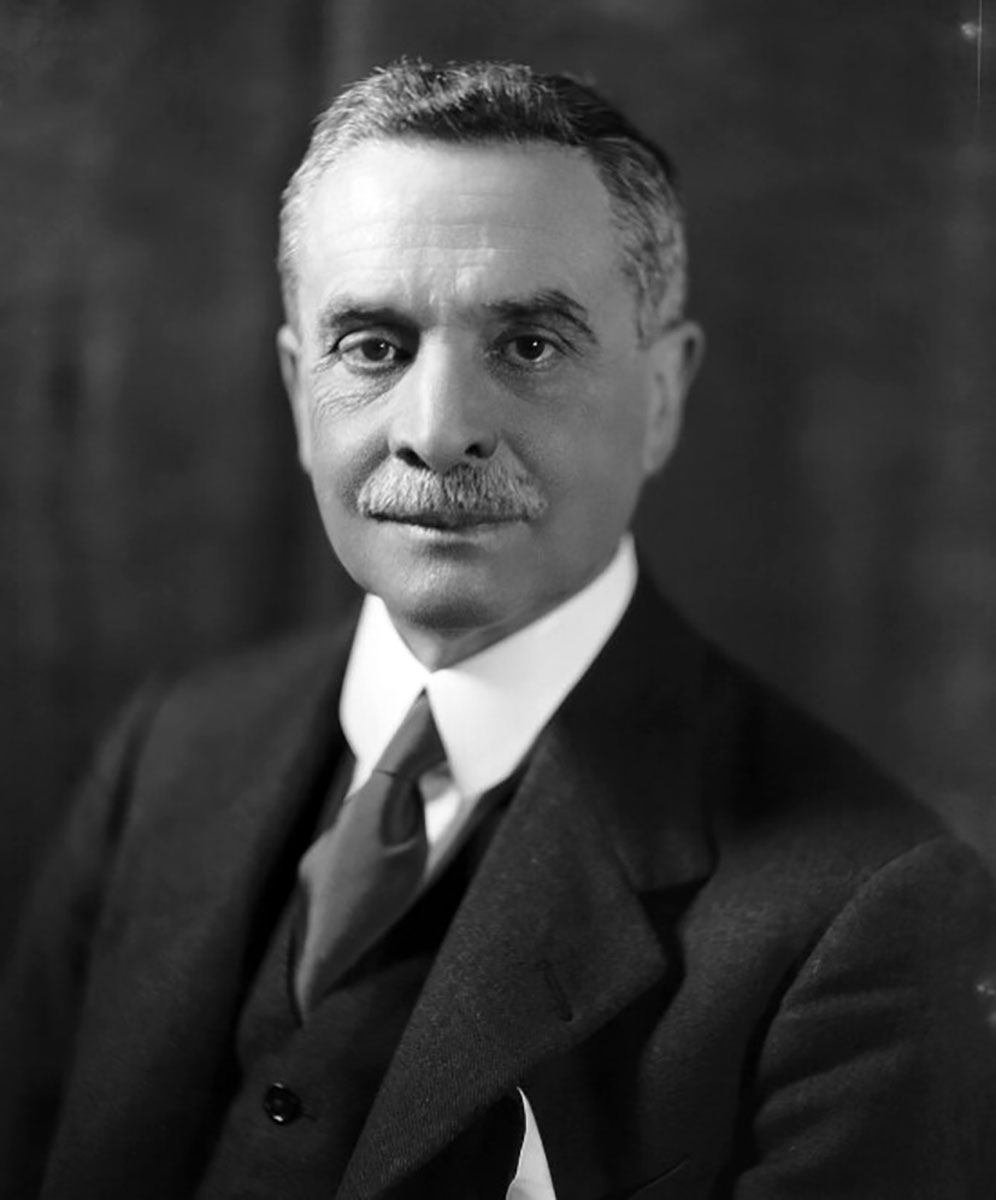
During 1945, the final year of World War II, she was persuaded by her colleagues that it was time to step down.
Although Nancy Astor was repulsed by the idea of marriage to Winston Churchill, the idea of marriage in general was seemingly acceptable to her. Unfortunately for her, her first marriage to socialite Robert Gould Shaw II was extremely unhappy and ended in divorce. Her second—lasting much longer than her first—was to Waldorf Astor, and ended with his death in the year of 1952.
In the 21st century, Nancy Astor is as famous for her scathing wit as she is for her political career. However, rather obviously, it was Winston Churchill who had the winning word this time around.
The Wise Words of Winston Churchill: A Lasting Legacy
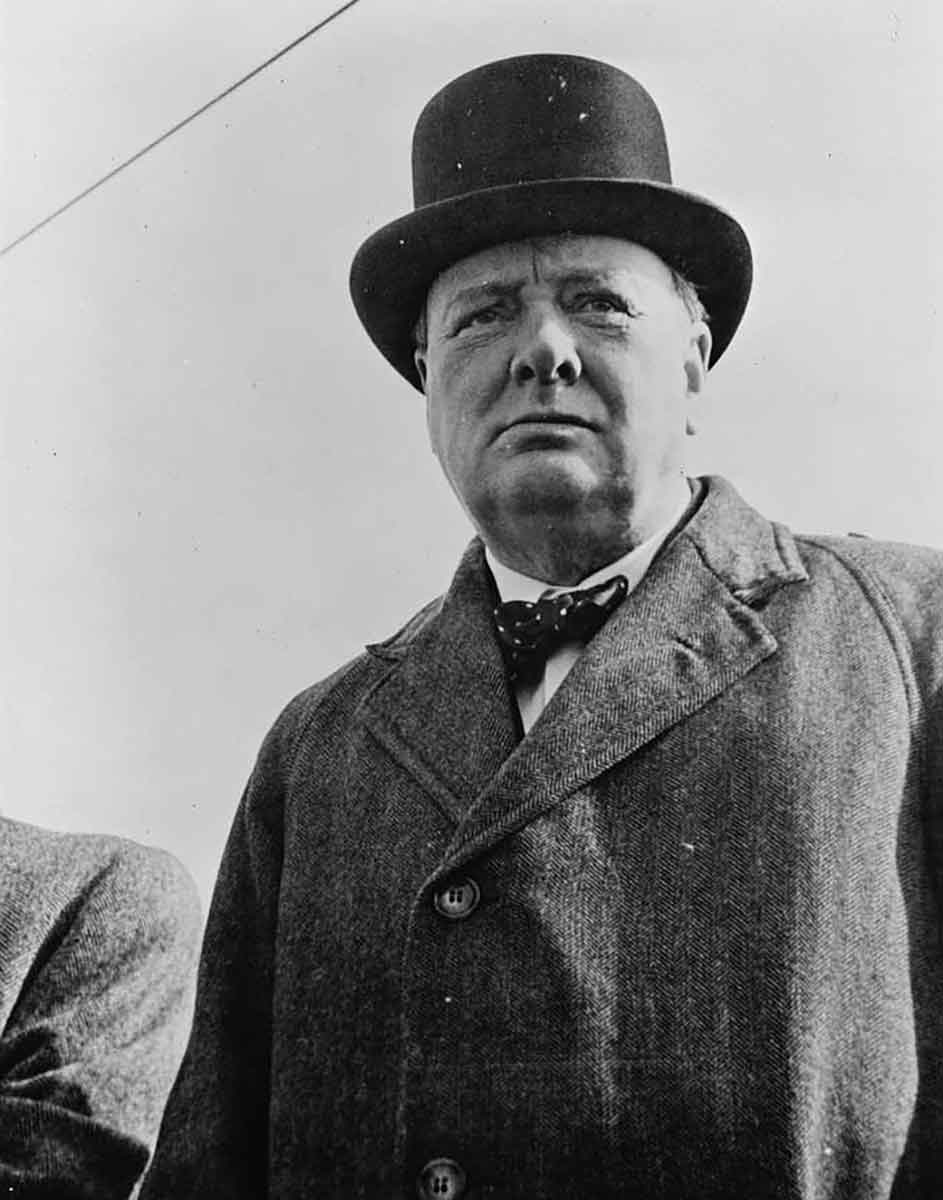
In this article, we have reviewed just five of the most iconic quotes spoken by Winston Churchill. However, it would be just as easy to discover 100 more iconic quotes by the same man. Just a few more of the most important sayings to research include “A nation that forgets its past has no future”; “If you’re going through hell, keep going”; and “Never give up on something you can’t go a day without thinking about.”
Winston Churchill died on January 24, 1965, at the age of 90. He was granted a state funeral; this is practically unheard of for anyone except a member of the royal family. Churchill’s was the first state funeral in the United Kingdom for a non-royal since Edward Carson’s in 1935. It was the last state funeral until that of Queen Elizabeth II on September 19, 2022. Not even Princess Diana—the mother of the future King of England—was granted such an honor.
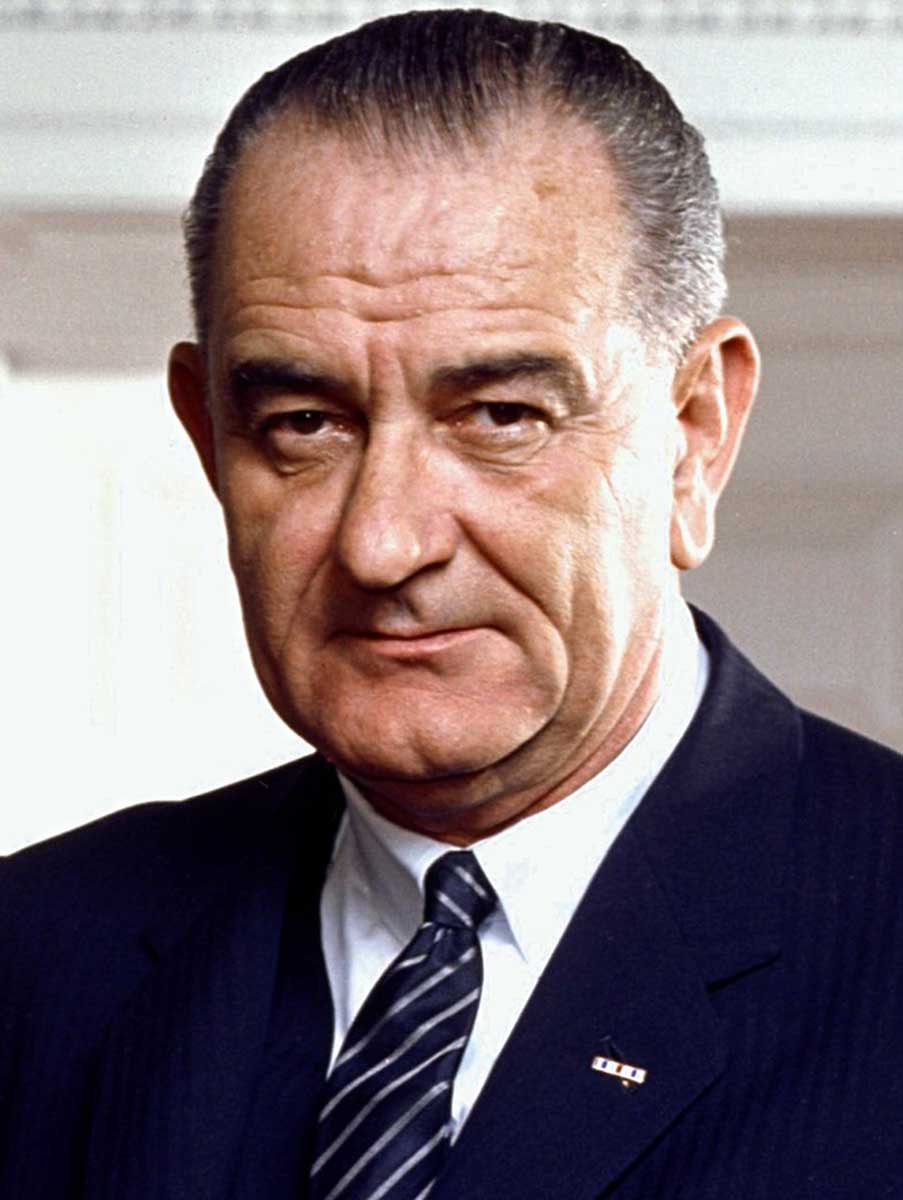
After Winston Churchill’s death, many notable figures gave tributes to his life and his achievements.
On hearing of the death of Winston Churchill, Queen Elizabeth II immediately sent a letter of condolence to his widow, Lady Clementine. In her short but heartfelt note, she stated that “the whole world is the poorer by the loss of his many-sided genius.”
Lyndon B. Johnson, the current President of the United States of America, issued an official statement saying, “when there was darkness in the world, and when hope was low in the hearts of men, a generous providence gave us Winston Churchill,” and that, “what he said and what he did will never die.”
Harold Wilson, the Prime Minister at the time, announced that “Sir Winston will be mourned all over the world by all who owe so much to him.” It was Wilson who summed up the life and legacy of Churchill in one poignant sentence: “He is now at peace after a life in which he created history, and which will be remembered as long as history is read.”