
War stories or documentaries usually speak of operations of great strategic value. Picture events like Big Week, Britain’s Dunkirk, or America’s island-hopping plan. Correct forecasting itself evolved into an operational power. Accurate weather predictions mattered for convoy movements, aircraft deployment
From the get-go, Germany and Britain (later the U.S.) realized the importance of weather. Both sides, especially the Allies, expended great effort to obtain good data. All deployed planes, ships, or established weather stations. All knew the critical importance of the Atlantic convoys. Should U-boat wolfpacks sink sufficient ships to the bottom, Britain’s fate was sealed.
The Allies invested in weather ships, university-trained meteorologists, and balloon-borne upper-air soundings. Occasionally, this led to opportunities their German counterparts missed.
The North Atlantic Weather Battleground
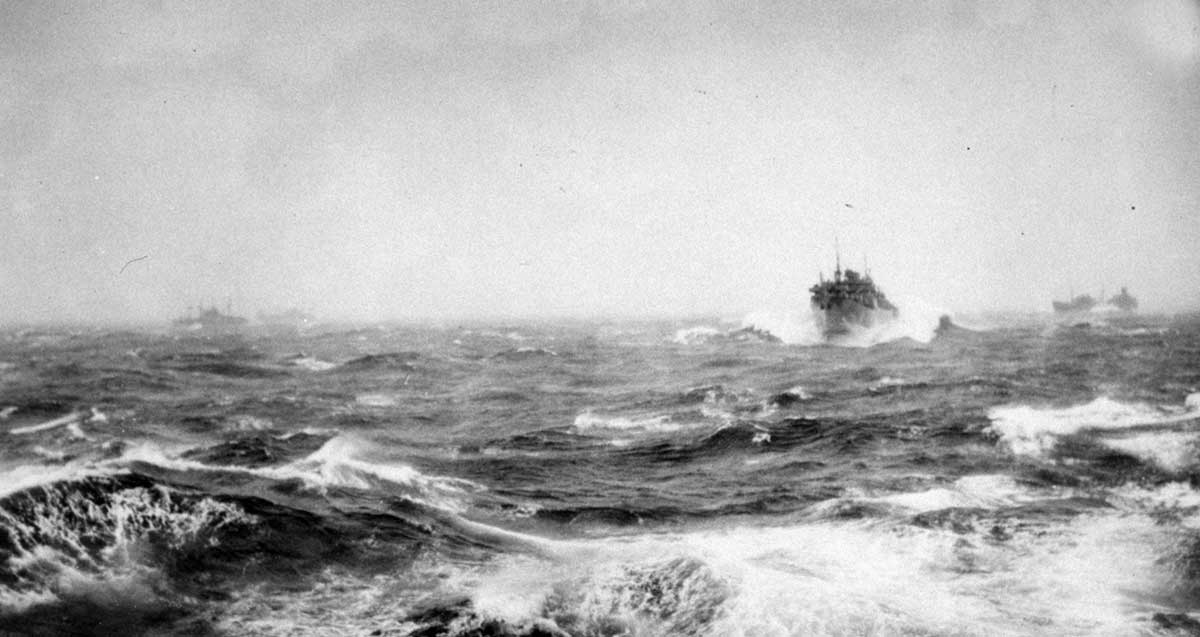
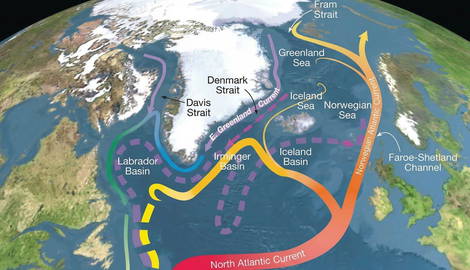
As far as bad places to fight go, the North Atlantic checks nearly every box. In this churning environment, freezing, thick Arctic air is pushed south to meet the warm, damp Atlantic air. As a result of this collision, the atmosphere’s instability increases. Huge days-long storms, thick fog, and incredibly rough seas form, making both navigation and protection for the Allied convoys challenging.
Despite the North Atlantic’s volatile weather, German and Allied personnel tried to make correct predictions. These calculations affected factors that could spell success or doom for operations, especially early in the war.
Factors influenced by these forecasts included:
- Concealment-Allied convoys could use storm fronts or fog to hide from marauding wolfpacks.
- Visibility-spotting the enemy first was critical.
- Aerial Sorties-bad weather grounded bombers and reconnaissance flights. Convoys and U-boats always benefited from an eye in the sky.
Fighting for Data and Survival
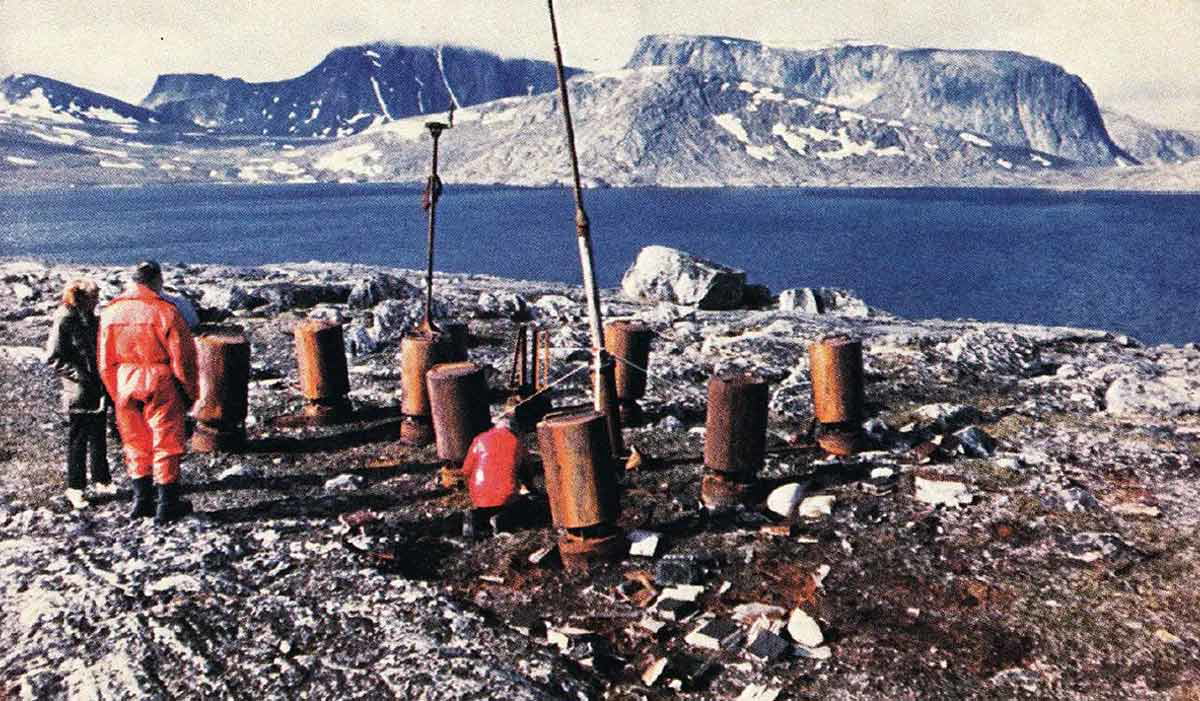
From the war’s start in 1939, the Allies and Germany sent aircraft and weather ships, or built Arctic stations, hoping for a first crack at weather data. Deployed around Greenland, Iceland, and the Labrador Sea, each sought to predict early data such as storm tracks or sea states. The Allies, with their better resources, stationed weather ships at sea or flew long-range flights.
After 1941, Germany’s weather-collection methods became covert. The Germans relied on secret stations built on Greenland, Svalbard, or Labrador. Aircraft or U-boats backed these efforts. Such efforts, however, came with a cost. Allied forces intercepted weather trawlers or destroyed Arctic bases. Top secret Enigma logs and transmission schedules fell into Allied hands. Now they could peer into Nazi efforts.
As mentioned, accurate forecasts improved Allied convoys. Employing storms as camouflage, planners directed convoys into storms. The rough conditions reduction detection by periscopes or hydrophones.
But obtaining surface and atmospheric data came with risks. The Allies deployed slow, lightly armed weather ships. In turn, these sometimes fell victim to U-boat attacks. For example, the U.S. Coast Guard USCGC Muskeget disappeared with all hands in September 1942.
1943: Forecasting Helps a Defeat
By early 1943, weather forecasting reached a crescendo in the Allies’ favor. As the Allies knocked out Germany’s meteorological abilities, it also affected U-boat operations. Harsh storms radically altered U-boat tactics.
As one U-boat or patrol line sighted a convoy, the captain radioed in the position, drawing in other hunters. Different harsh weather created different results. Thick fog nullified visibility, low pressure disrupted radio coordination, and sea states disrupted torpedo electronics or torpedo runs. With no way to coordinate, the wolfpack broke away due to bad weather.
The Allies successfully weaponized forecasting, exploiting this advantage. With more weather ships, balloons, and Arctic stations, forecasting became more reliable.
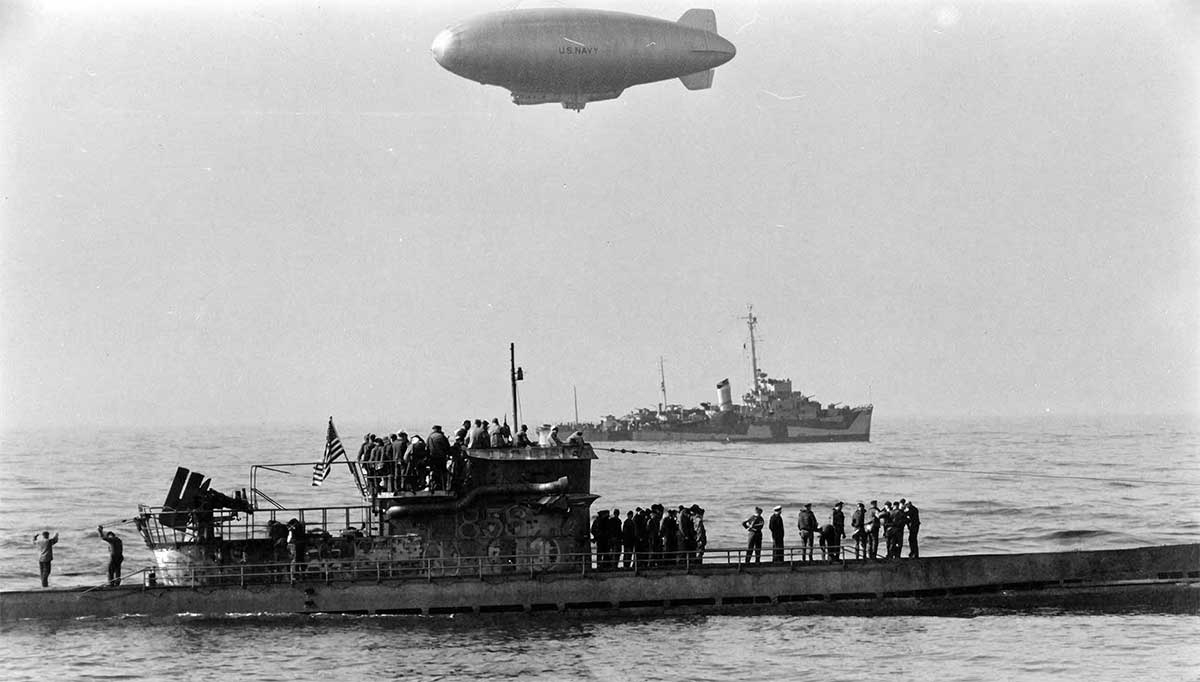
The Allies shared weather data. This data became an operational advantage. When combined with carrier hunter-killer groups, long-range aircraft, and improved radio detection finding (HF/DF), the U-boats stood little chance.
“Black May” in 1943 marked the Kriegsmarine’s first decisive U-boat defeat. The Allies sank 41 U-boats, some 25% of Germany’s operational fleet. Yet March 1943 proved to be the U-boats’ greatest month, sinking 131 ships. In May, U-boats sank only 49 ships, a more than 50% decrease. Germany recalled nearly all its U-boats; losses like this meant annihilation within only a few months.
Weather Forecasting’s Crucial Role
Forecasting the weather in any environment can be tough. In conditions like the North Atlantic, it’s much worse. In this campaign, coincidentally, World War II’s longest-running battle, forecasting, helped defeat the U-boats. While not glamorous, it played an important part.