In 1492, Columbus sailed the ocean blue, and thus began an era of insatiable conquest. Indigenous peoples throughout the Americas were subjected to new threats, from disease to new competition for resources to intentional extermination. Thousands were killed and their homes lost to history. However, despite this influx of outsiders, some towns and villages survived. Picking up the pieces, resilience paved the way for a return to tradition—and growth into the future.
Here are four remarkable Indigenous towns that persevered through conquest and remain vibrant amid contemporary challenges.
1. Mexico City Was Once Tenochtitlan
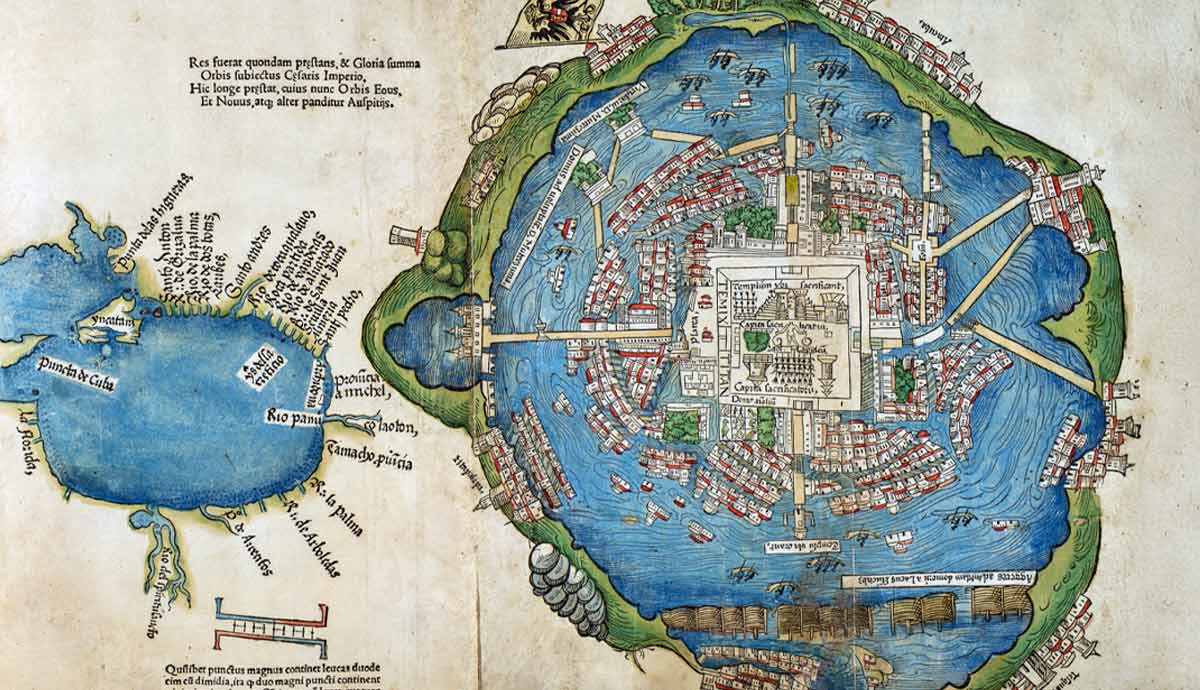
Mexico City is known for many things, one of which is its status as the oldest extant metropolis in North America. Founded in 1325 (though people have lived in the area much longer) and originally named Tenochtitlan, Mexico City was the capital of the Aztec Empire. The Aztecs were a powerful entity that ruled much of Mexico. They were exceptional warriors with impressive engineering skills, as evidenced by their massive stepped pyramids that remain today. Large marketplaces could be found throughout the empire and included goods from agricultural pursuits, weaving, ceramics, jewels, and more. At the height of Aztec power in the 16th century, the city of Tenochtitlan was home to somewhere between 200,000-250,000 people, connected with a number of satellite villages.
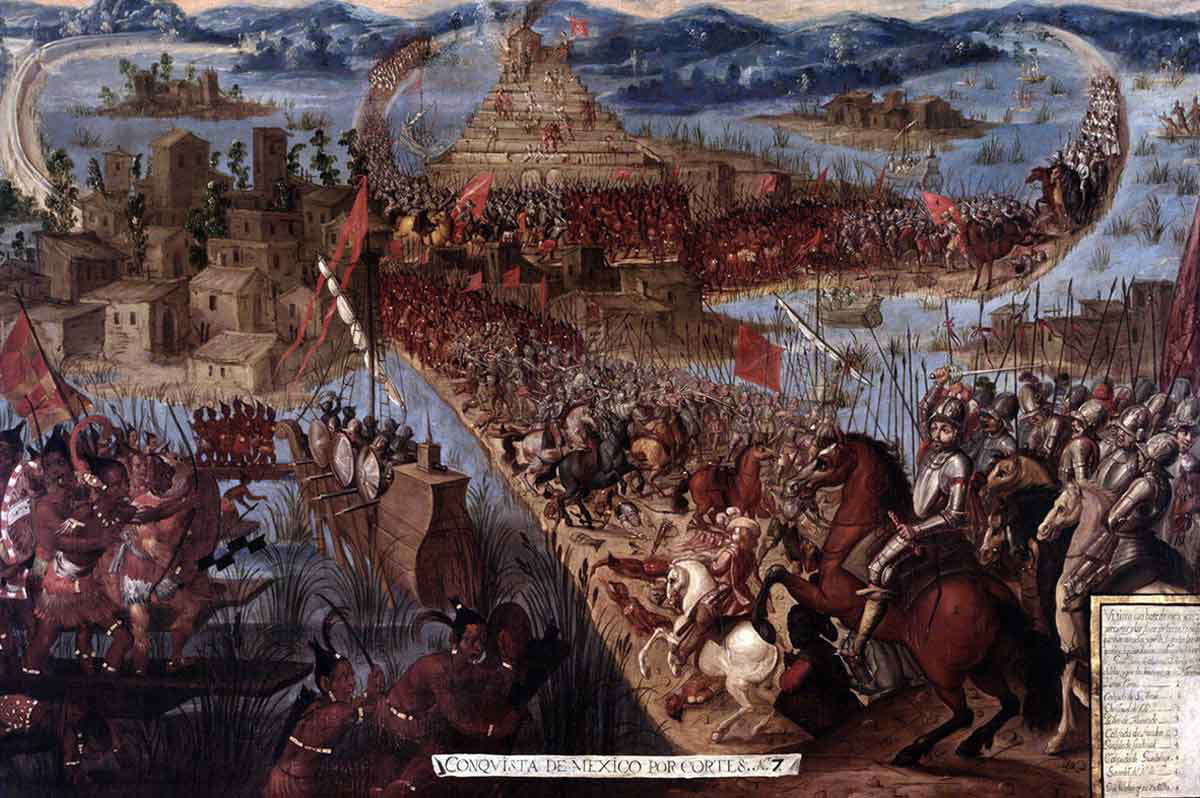
It was a thriving city, one that Spanish conquistador Hernán Cortés noted as resembling Venice, Italy. Unfortunately, Cortés orchestrated the downfall of the Aztec capital, culminating in his conquest of the city in August 1521. His efforts were supported by competing tribes, disease, and the Aztec emperor’s belief that the Spaniards were part of a religious prophecy.
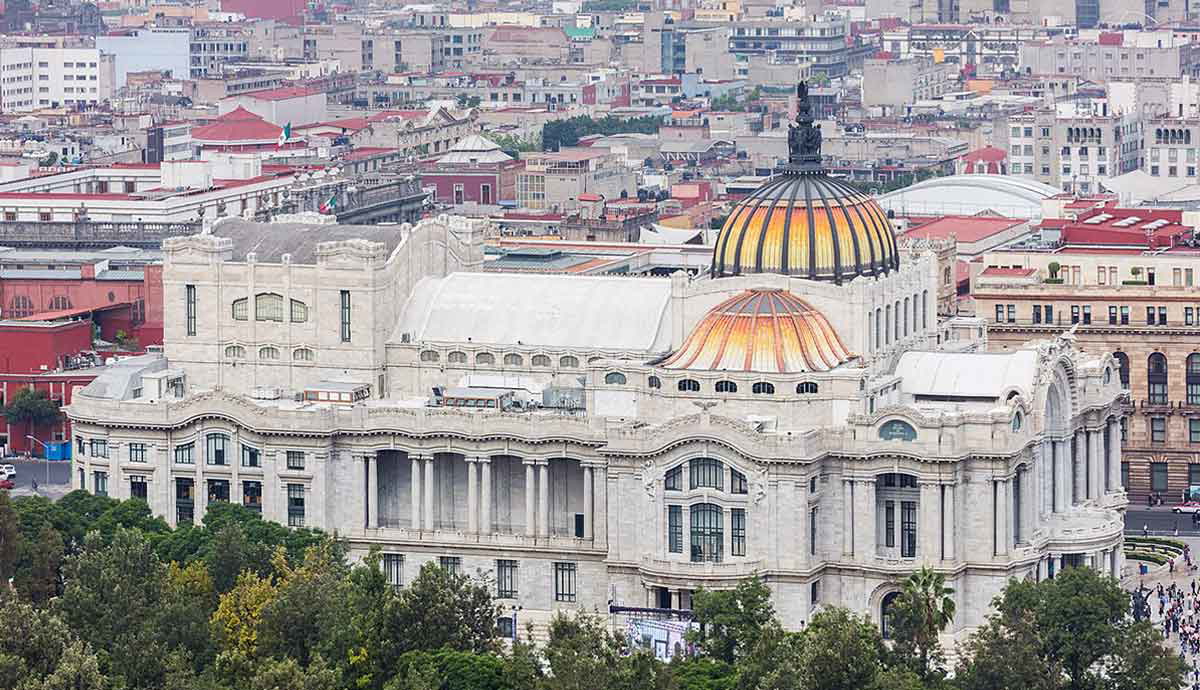
Cortés began building his new capital atop the conquered one, forcing survivors to do most of the construction. The city returned to prosperity very quickly and gained prominence during the colonial era. In the 19th century, Indigenous Mexicans gained enough strength to successfully take their homeland back from Spanish colonials, with September 16, 1810, noted as the day independence was declared. The name Mexico comes from the Aztecs’ name for themselves, Mexica (meh-shee-ka).
Today, Mexico City is estimated to have a population of nearly 23 million, and that number is increasing annually. It is home not only to native populations but also to immigrants from Canada, the United States, Central and South America, South Korea, China, and other regions. It is home to the largest population of Americans outside of the United States. The economy is largely service and manufacturing-based, and accounts for nearly a quarter of the gross domestic product of the country.
2. The Rebuilding of the Pueblo of Acoma
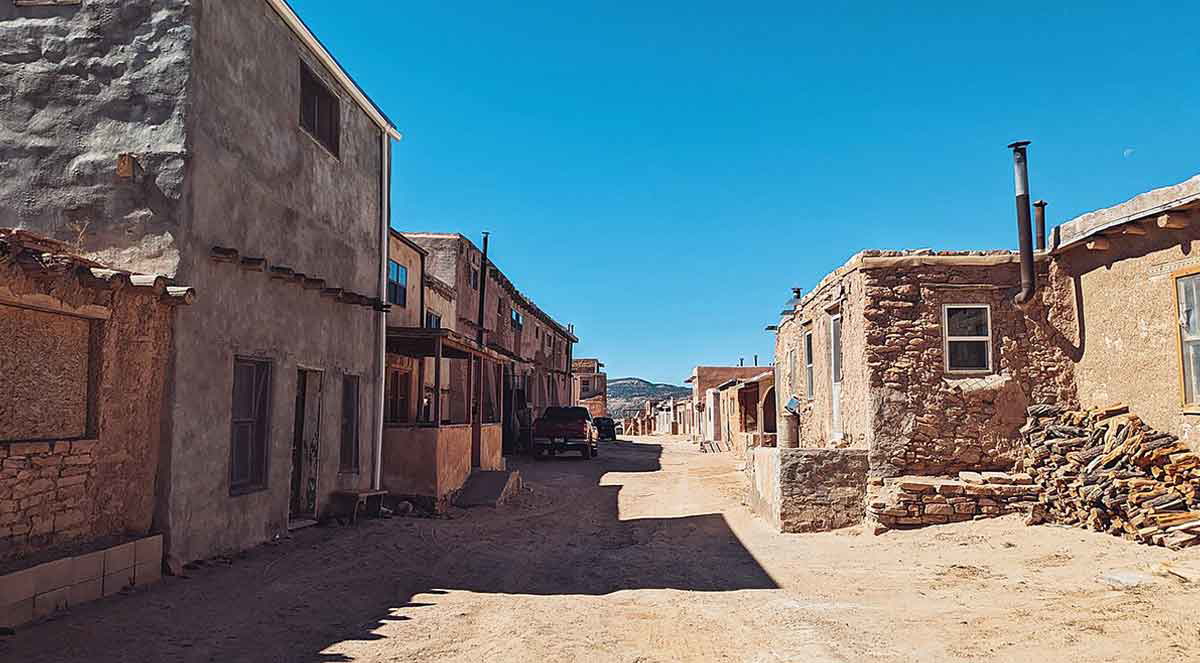
Located in modern New Mexico, the village, or pueblo, of Acoma is ancient, with references to it appearing frequently in accounts of Spanish exploration. Peaceful contact between Indigenous peoples and the Spanish occurred numerous times in the 16th century, but in 1595, Don Juan de Onate was awarded permission by Spanish authorities to undertake efforts to conquer what we now know as New Mexico. By 1598, Onate took possession of the area and required the Acoma people to take an oath known as the Act of Obedience and Homage. Under this ceremony, the Acoma acknowledged that they would obey the King of Spain. Several Acoma people did, but once they realized what the words meant, they decided to retaliate against the invaders.
After a three-day battle, the Spanish prevailed, burning the pueblo of Acoma and taking about 500 Acoma men, women, and children prisoner. Trials followed, some resulting in death sentences. The trials made news headlines around the world and were scrutinized closely. Upon examination, complaints were made against Onate, and he was eventually banished from New Mexico.
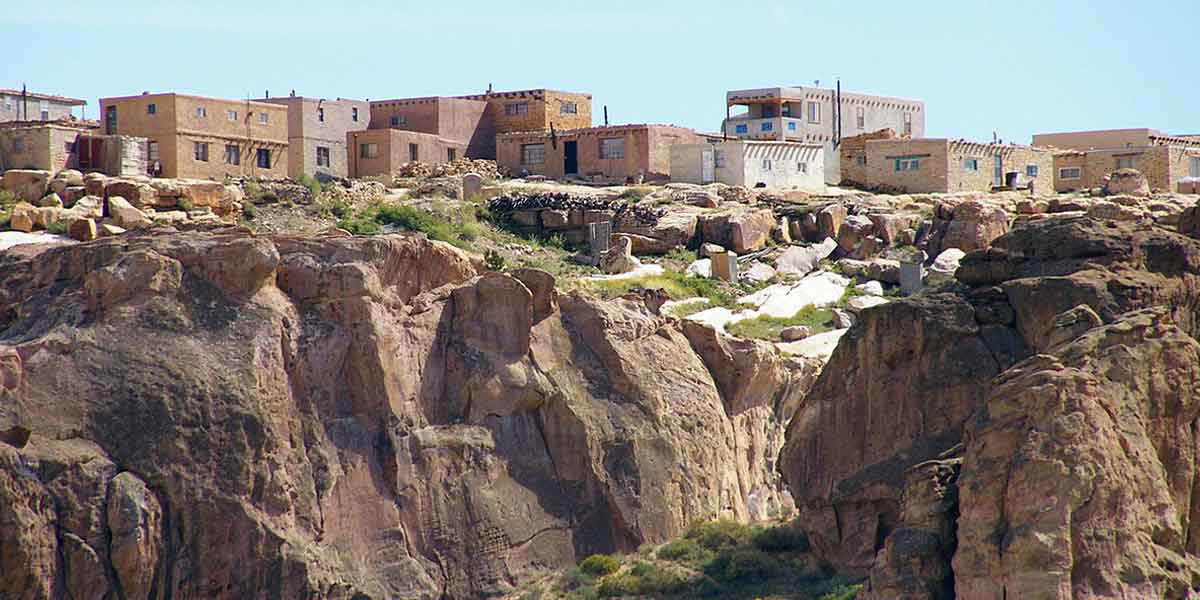
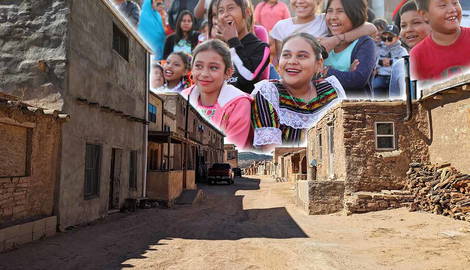
Although Onate was absent, Spanish influence remained, and missionary efforts were prevalent. Resistance among the Acoma people remained high, and they briefly regained control of the area after the Pueblo Revolt of 1680. However, the Spanish re-conquered the area in 1699. Even so, Acoma Indigenous culture remained strong and persisted for centuries thereafter. The city was rebuilt, preserving much of the original streetscape. Today, it features traditional flat-topped adobe buildings, with the tribe committed to its continuing restoration and care. A small population lives in Acoma full-time, with many other Acoma people living nearby in Acomita, 15 miles away. The Pueblo of Acoma is a popular tourist attraction and is used regularly for tribal ceremonies.
3. Perpetual Resistance: The Yaqui in Vicam
The Yaqui people resisted more than just the Spanish invaders during their 396 years of on-and-off conflict. This Indigenous nation occupied numerous pueblos throughout northwestern Mexico, including Vicam. The Yaqui fought Spanish armies, beginning with the soldiers of Nuno Beltran de Guzman in 1531, refusing to give up their homeland and way of life. When Mexican Independence was officially declared in the early 19th century, many Mexicans celebrated, but not the Yaqui. They wished to retain their own state and system of government within the new country. Ethnic cleansing efforts by the Mexican government were initiated, resulting in the death and enslavement of thousands.
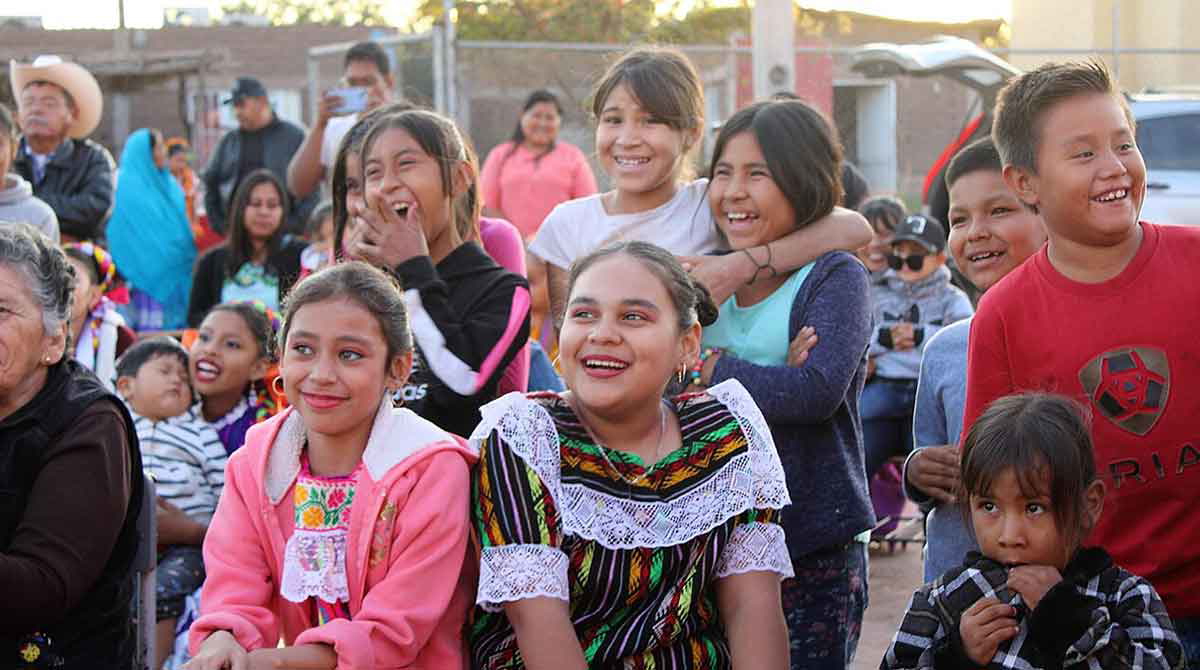
In 1927, the Yaqui surrendered, but did not give up their identity. The Yaqui Zona Indigena (Yaqui Indigenous Zone) was created by the President of Mexico, Lazaro Cardenas, in 1930, which allowed for some tentative improvements for the Yaqui people. Vicam is one of the eight traditional pueblos located within this zone. There are also Yaqui outposts in the United States, based in Arizona, Texas, and California. The Yaqui received US federal recognition in 1978.
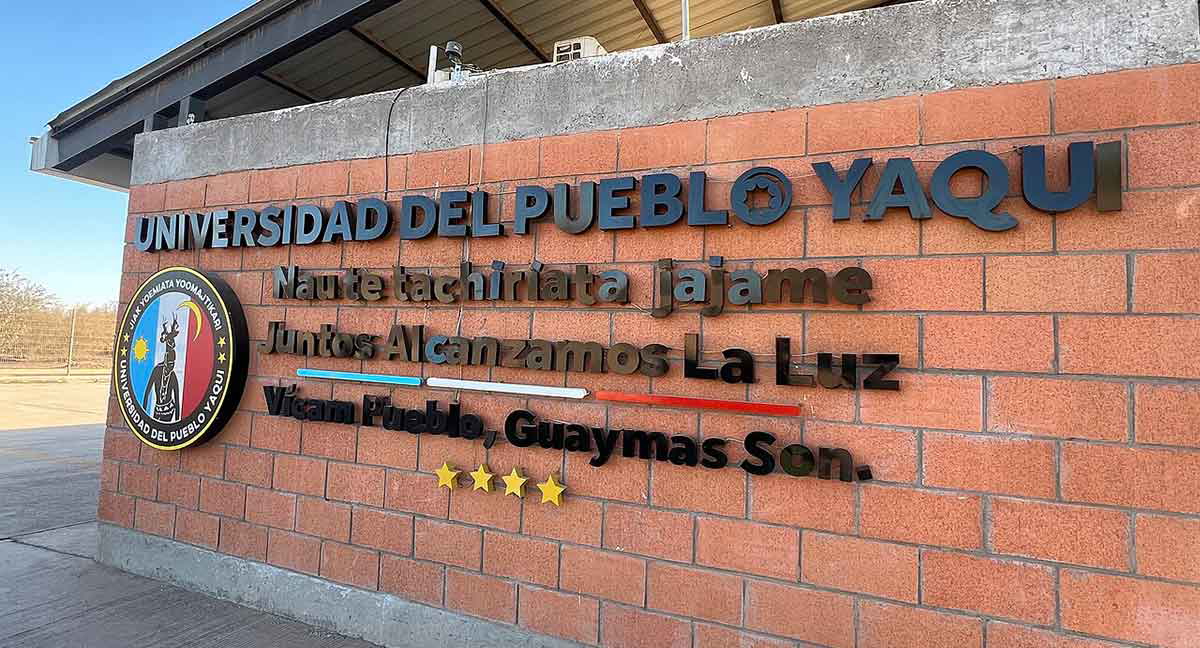
Today, Vicam offers tourists an immersion into Yaqui culture. It isn’t home to resorts and other tourist traps, but serves as a hub for traditional activities. Festivals, ceremonies, and events such as cultural runs are celebrated in Vicam. In 2023, the Yaqui People’s University opened in Vicam. The higher education institution offers degrees in typical fields like education and engineering, but tailors learning to the cultural history and needs of the Yaqui people.
4. From Ancient Settlement to Art Capital: Hanapepe
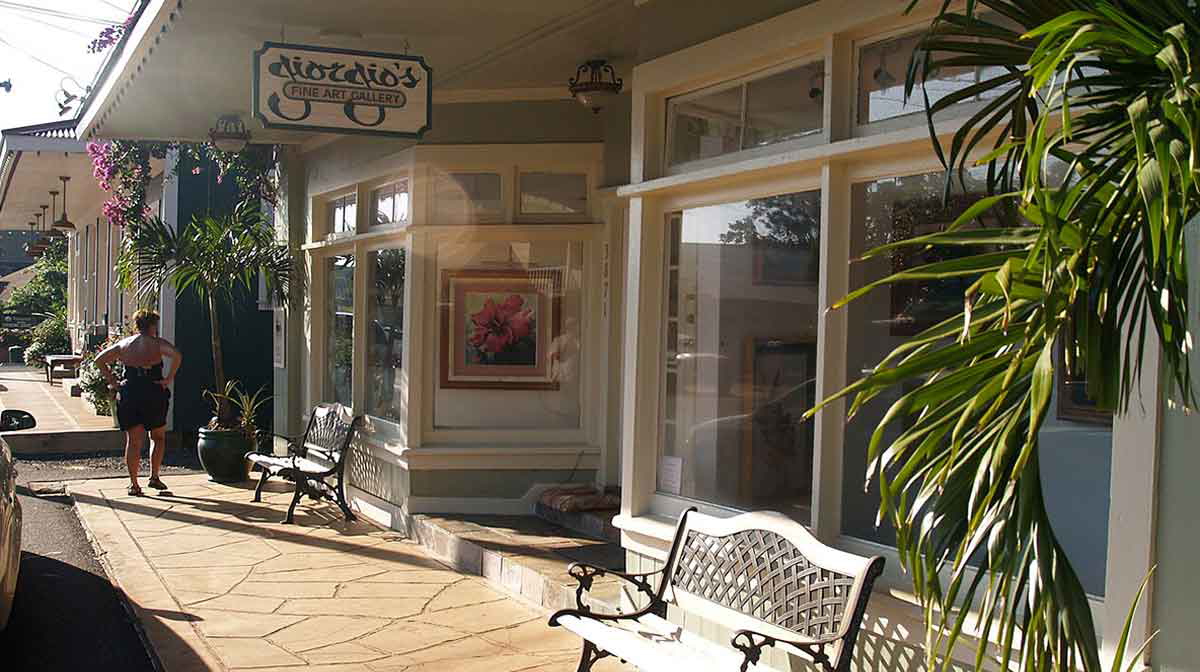
Hanapepe, Kauai, Hawaii, was inhabited by native Hawaiians for centuries before European contact in 1778. Its fertile soils meant that agricultural pursuits flourished, both before but also after colonization. Salt was also an important commodity for the area. The growing sugar industry led to widespread immigration to the islands, and Hanapepe became popular for smaller farms. The town was an economic hub by the time the 20th century rolled around.
The United States annexed Hawaii in 1898 following the overthrow of the traditional royal family, largely as a result of interference by agricultural magnates. It became the 50th state in 1959. However, many argue that the annexation was illegal, and in 1993, Congress issued a joint resolution and apology. Still, Hawaii remains part of the United States. Additionally, natural disasters, such as hurricanes, have hindered Hanapepe’s success over the years.
Regardless of annexation status, Hanapepe remains a vibrant cultural reminder of Hawaii’s Indigenous history, with a modern twist. Today, it is known as the “biggest little town” and “the town that keeps refusing to die.” Hanapepe is home to salt ponds, with farms that are one of only two areas in Hawaii where sea salt is harvested using traditional methods. It has a rich reputation as a destination for artists and art lovers alike. Historical buildings have undergone renovations, retaining their original aesthetic. Hanapepe is even said to be the inspiration for Kokaua Town, the setting of Disney’s popular Lilo & Stitch franchise. Although the population is only a few thousand, it is a major stop for a large portion of Kauai’s annual tourist influx, which exceeds 1 million.
There is no denying that colonial interests, genocide, and conquest have irreparably changed the landscape of the Americas. Even so, conquerors were unable to completely erase the legacy, culture, and tradition of American Indigenous peoples. These four towns illustrate the ability of native cultures to survive and even thrive in the face of assimilation and adversity.