Summary
- The Islamic Golden Age preserved classical Greek and Roman texts through Arabic translation, later inspiring Renaissance thinkers.
- Key scientific innovations in optics and astronomy by Islamic scholars directly influenced figures such as da Vinci and Copernicus.
- The Renaissance adopted the Hindu-Arabic numeral system from the Islamic world, revolutionizing mathematics and commerce.
- Baghdad’s House of Wisdom was a multicultural hub for scholars, translating knowledge that became foundational for the Renaissance.
Self-discovery, creation, and challenging the status quo were defining principles of the Renaissance. The period was characterized by transformations in science, medicine, technology, and art, which had a lasting impact on the course of human history. However, the Renaissance rested on the foundations of the work of Islamic scholars centuries earlier. The Islamic Golden Age, itself characterized by advancements in technology and science, provided the tools, texts, and ideas that would become integral to Renaissance thinkers, builders, and creators.
The Rise of Islam
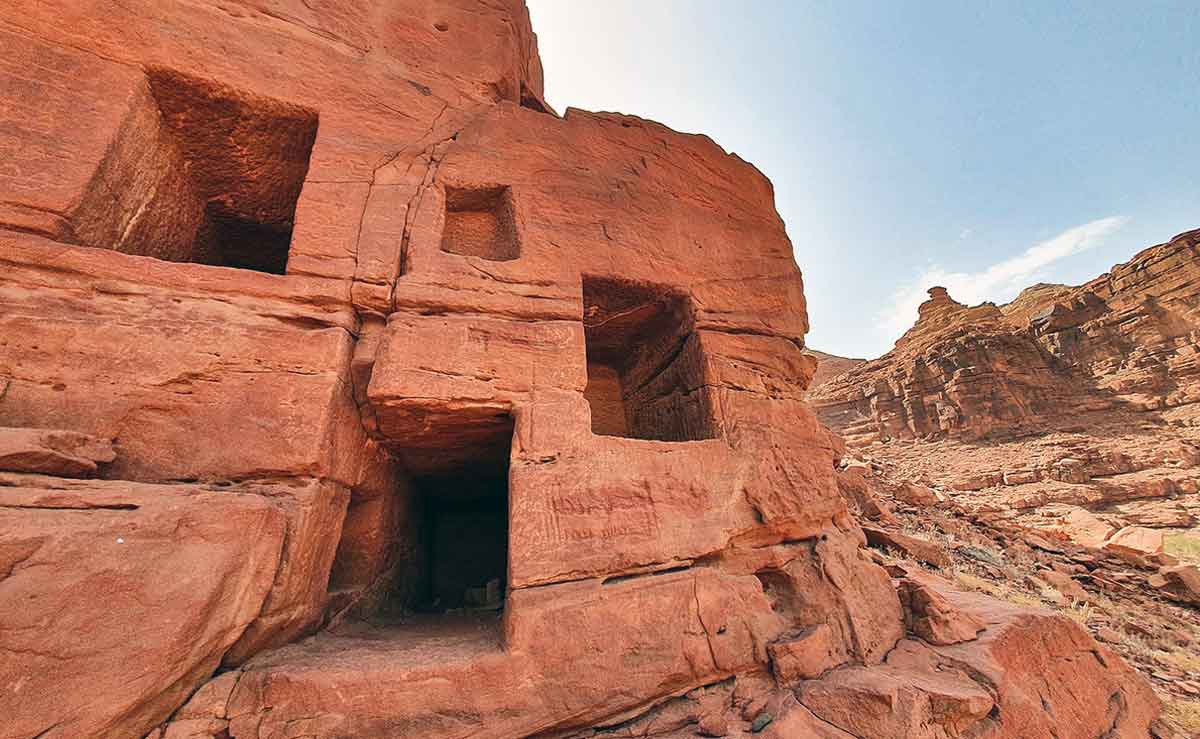
The desert valley landscape of western Arabia, 43 miles (70 kilometers) inland from the waters of the Red Sea, was the birthplace of a religion that would spread across both the Mediterranean and Indian Ocean, unifying a diversity of cultures under a single belief and practice. This religion would be called Islam, an Arabic term meaning ‘submit’, or submission to the single Abrahamic God, who was also worshiped in Judaism and Christianity. Its followers were called Muslims, or the ones who submit to God and God’s will.
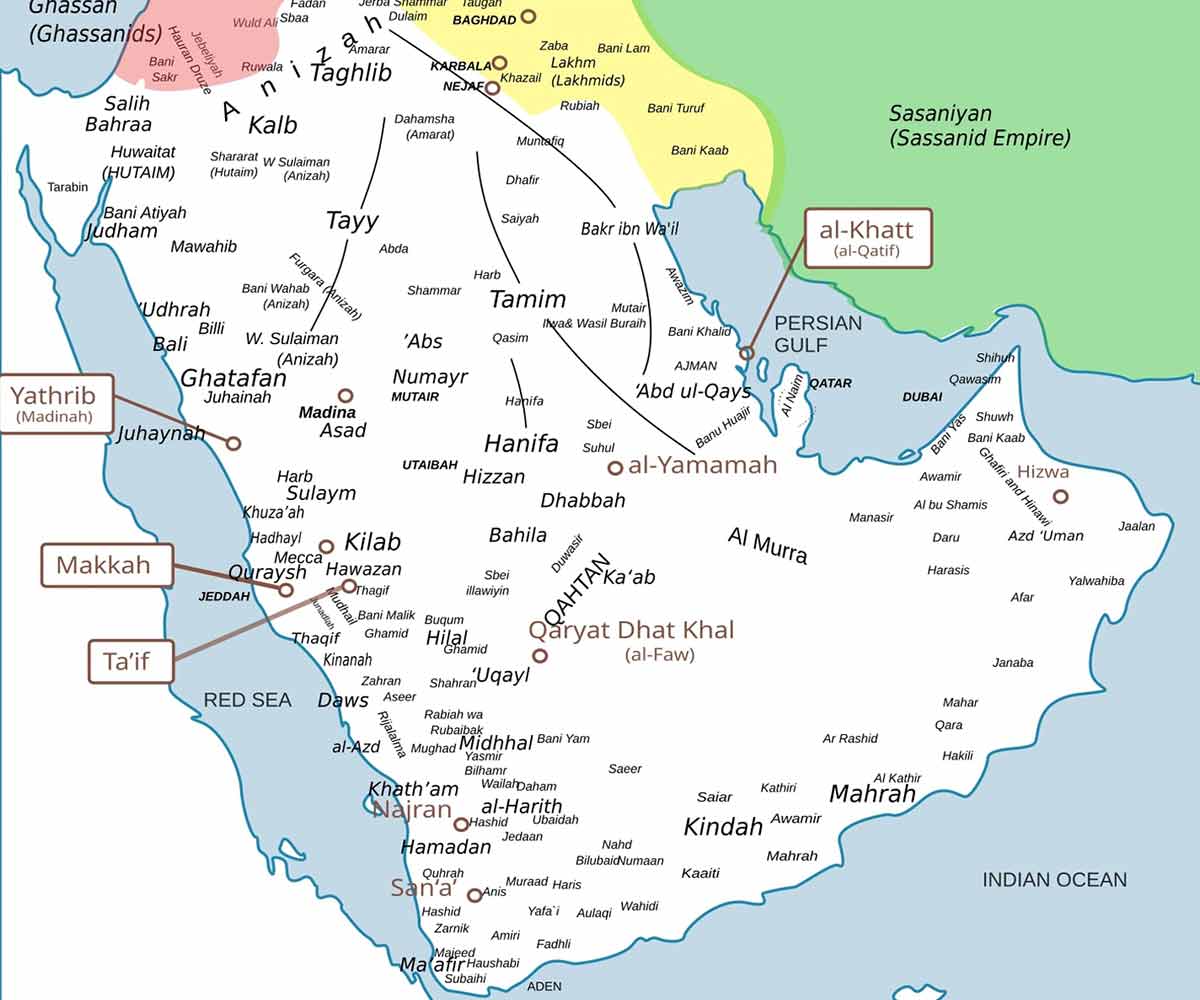
Arabia prior to the rise of Islam, sometimes negatively referred to as Jahiliya or ‘ignorance’ by Muslims, was an arid mountainous region ruled by tribes that were part of larger related clans. This society, although fragmented and nomadic, had a strong trading economy through their involvement with the Silk Road, a rich poetry tradition, but lacked a unanimous faith. Poetry held such weight in pre-Islamic society that poetry competitions might be used to resolve disputes between tribes. Notably, this poetic tradition would appear in the Qur’an, the written account of the revelations Prophet Muhammed received from God.
Like a ripple with Mecca and Medina at its center, Islam radiated outwards, spreading east across the Arabian Peninsula, north towards the Levant, and westward towards the Mediterranean. Under the leadership of the Prophet Mohammed and his successors, Islam spread throughout Arabia through both diplomacy and military campaigns, uniting the different Arab clans under the banner of Islam.
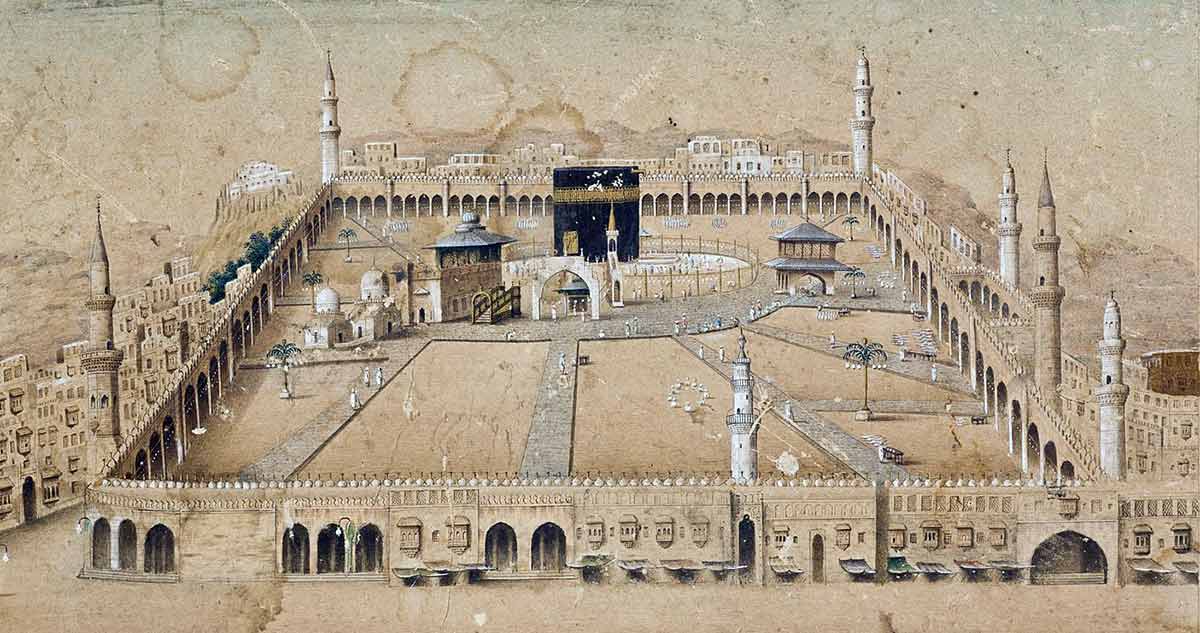
In the century after Mohammed’s death in 632 AD, Muslim leaders, called caliphs, dismantled the once-great empire of the Sasanians in present-day Persia, severely weakened the Byzantines in the Eastern Mediterranean, secured their footing across North Africa, and took root in southern Europe, particularly in present-day Sicily and the Iberian peninsula. The unification of these lands under Islamic rule would set the stage for a golden age shaped by developments in math, science, technology, and philosophy.
Islam and Literacy
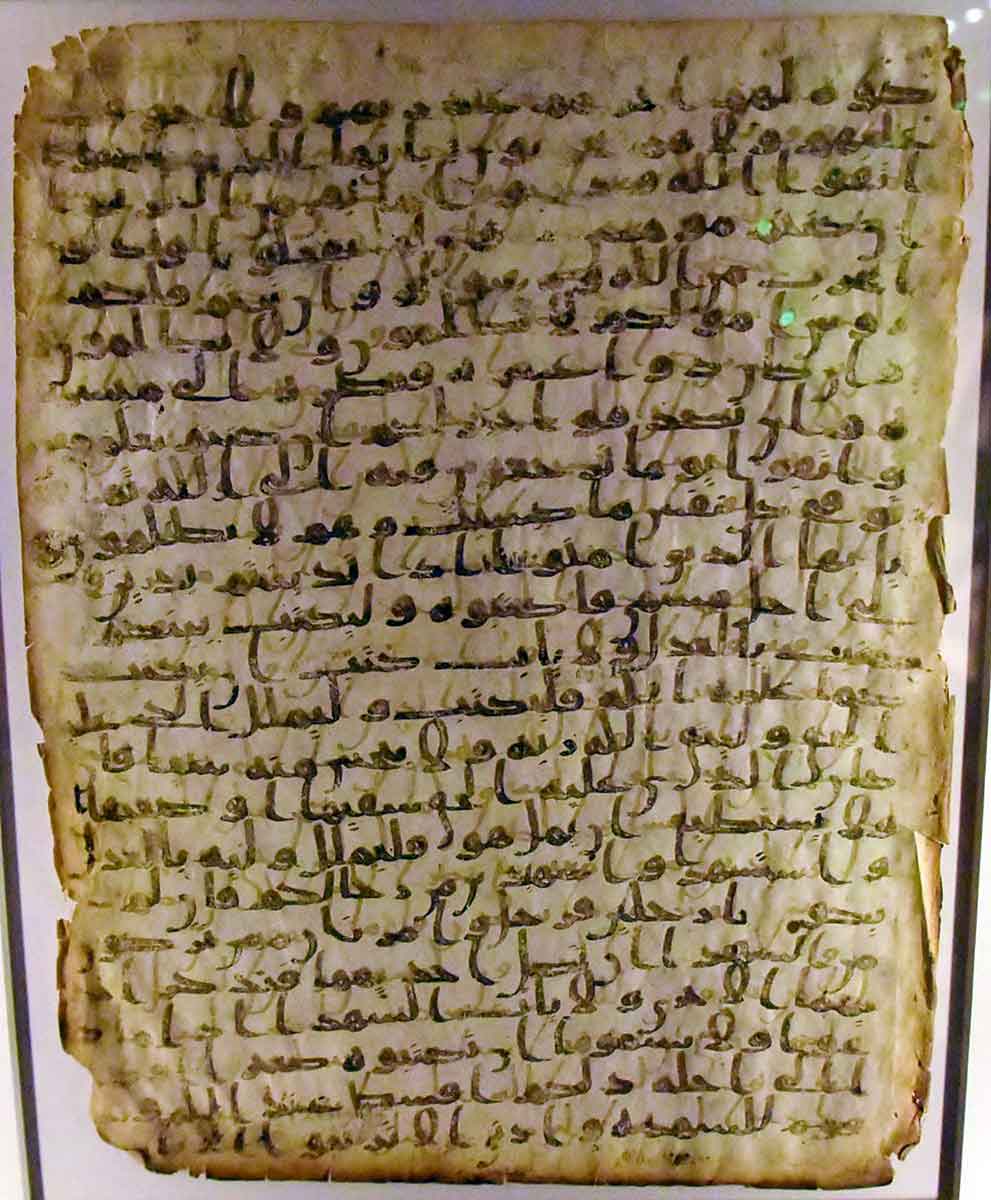
The word Qur’an, though derived from pre-existing Arabic, Syriac, and Hebrew roots, came to denote the Islamic holy scripture only beginning in the 7th century (Graham, p. 362). The word Qur’an, in the eponymous holy scripture, appears with the distinct purpose of conveying the act of recitation- the text was meant to be read, and through reading, spoken aloud (Graham, p. 366). Further, the first word believed by Muslims to be revealed to the Prophet Muhammad by God is ‘read’: “Read! In the name of your Lord […]” (Haleem, 428).
In Medieval Europe, the Bible was only available in Latin, knowledge of which was generally limited to the Church and intellectual elite. This meant that most Christian worshipers relied on the clergy to interpret the Word of God, a practice that would be challenged in the 16th century by Martin Luther. This is also why Medieval churches were decorated with images of Biblical figures and tales, so that the illiterate masses could see what they could not read.
By contrast, reading the Quran was encouraged, if not enforced, in the Islamic world, leading to higher levels of literacy across Muslim populations. The increase in literacy across the new Islamic empire was likely a driving force behind the so-called age of discovery that followed the consolidation of the Mediterranean and West Asia under Islam, creating the foundation for the so-called Islamic Golden Age.
Bayt al-Hikmah: House of Wisdom
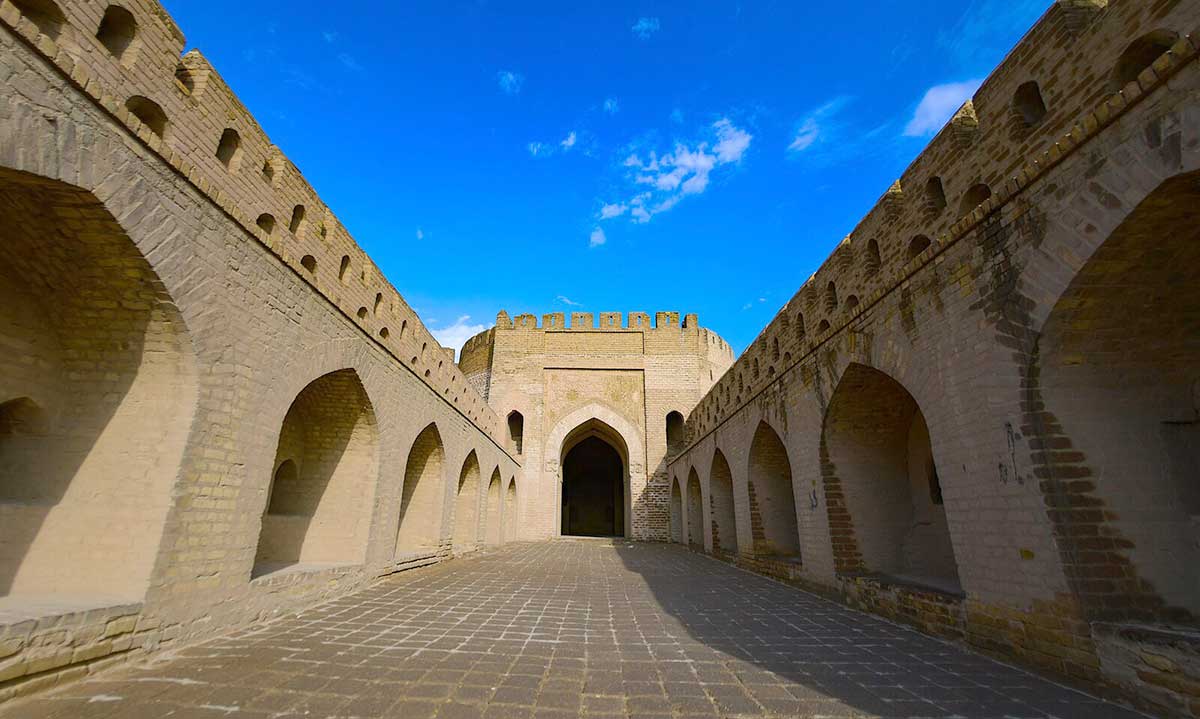
The genesis of the Islamic Golden Age is often associated with the translation of scientific texts in Ancient Greek, Latin, Persian, and Sanskrit into Arabic, commonly believed to have begun with the Abbasid Caliphate in the 9th century. The Abbasids began ruling the vast empire that stretched as far west as Portugal to present-day Afghanistan after their overthrow of the Umayyads around 750 AD. The Abbasid “metropolis” was Baghdad in present-day Iraq, which served as the beating heart of Islamic scholarship (Browne, p. 5).
Scholars, scientists, doctors, and philosophers from all over the empire came to Baghdad with aspirations to learn and practice their respective disciplines. Baghdad was home to the House of Wisdom, or Bayt al-Hikmah, an extensive library of Persian, Greek, Roman, and other texts in astronomy, science, technology, and philosophy. It is understood that The House of Wisdom was heavily influenced by the extensive libraries throughout the Persian empire, which Muslims encountered during the conquest of the Sasanians.
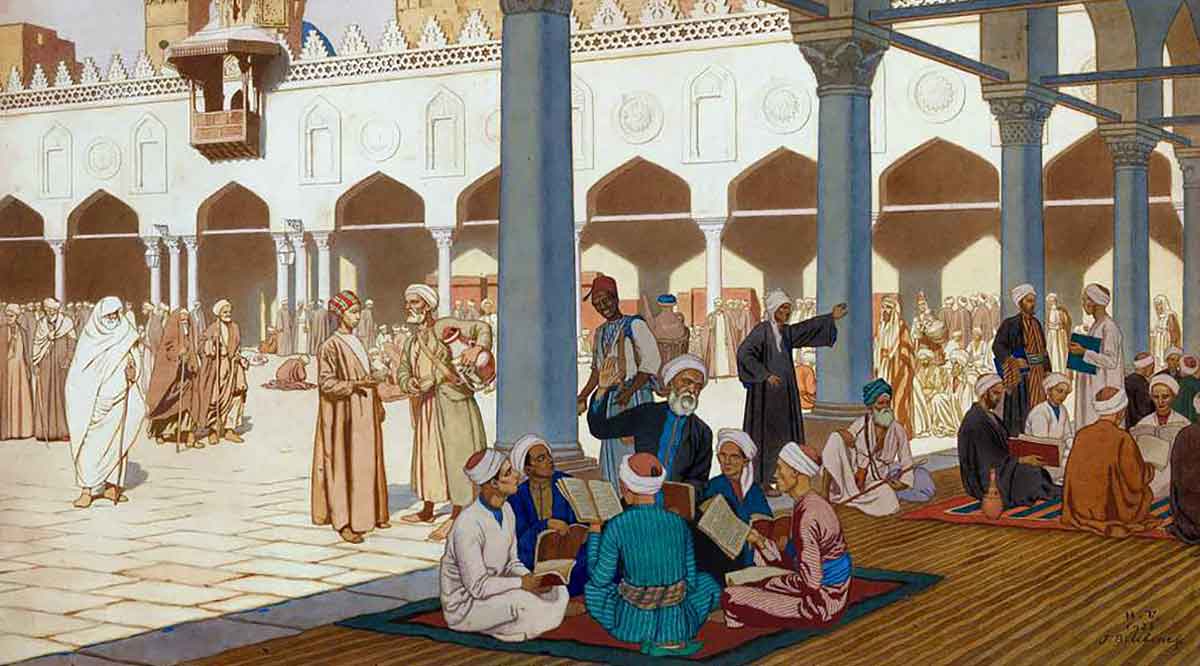
In the House of Wisdom, many, if not a majority, of texts were in Arabic, the “scientific language of the Islamic civilization” (Saliba, viii). The universal use of Arabic across the Islamic world made the different disciplines accessible to people irrespective of geography, culture, or religious affiliation. In many cases, Arabic was not the main language of scholars and translators, who spoke Syriac, Urdu, Persian, and other languages in their homes.
Further, although it was an ‘Islamic’ world, there was no compulsion for scholars to be Muslim. In fact, many translations of ancient texts into Arabic were often carried out by “Syrians, Hebrews, Persians of the Christian, Jewish, or Magian faith” (Browne, p. 2).
The Preservation of Ancient Texts
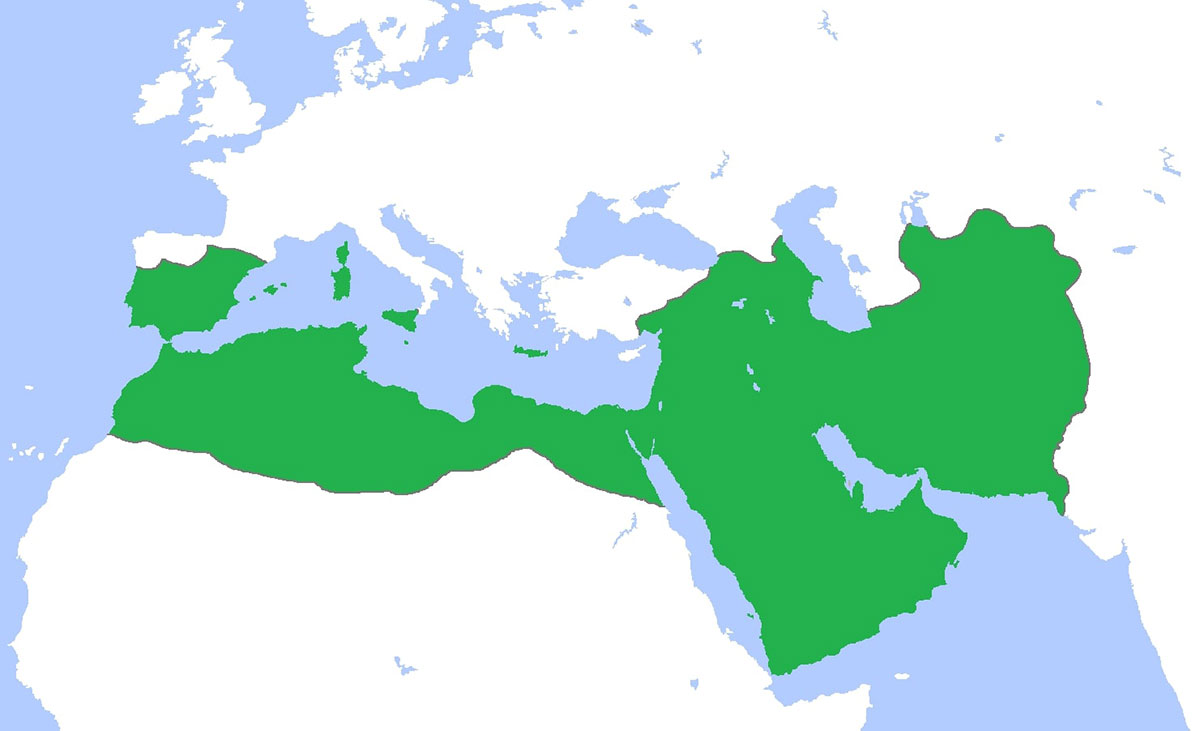
One impact the Islamic Golden Age had on the Renaissance was the preservation of Ancient Greek and Latin texts through their translation into Arabic. As stated above, translations of these texts are commonly understood to have begun in the 9th century. However, Islamic history scholar George Saliba suggests a different narrative, the presence of highly technical terms in the Arabic language and major advances in science and astronomy suggests that these texts were known at an earlier stage. For example, Ptolemy’s Almagest, a Greek astronomical treatise, theorized that Earth’s tilt was 23°51’20”. In the Arabic translation, it was listed at 23°30’, reflecting the latest developments in the study of astronomy (Saliba, p. 20).
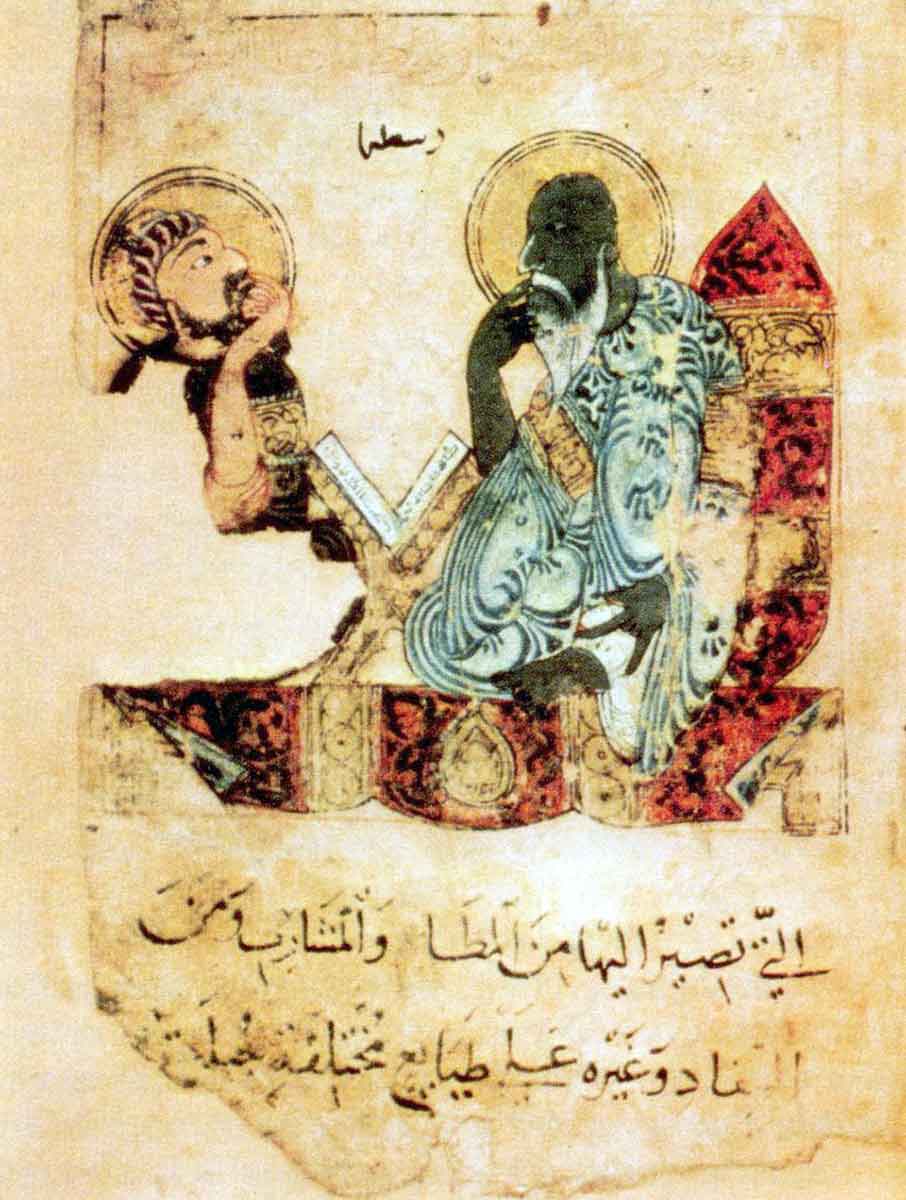
These advances imply Arabic translations that appear in the 9th century represent an accumulation and continuation of developments that began at an earlier period (Saliba, p. 16). Regardless of the origins, the Arabic translations of Graeco-Roman scientific texts helped preserve them for scholars of the Renaissance, who translated them from Arabic into Latin. Without the Arabic translation, Renaissance scholars would not have had access to a number of important classical texts.
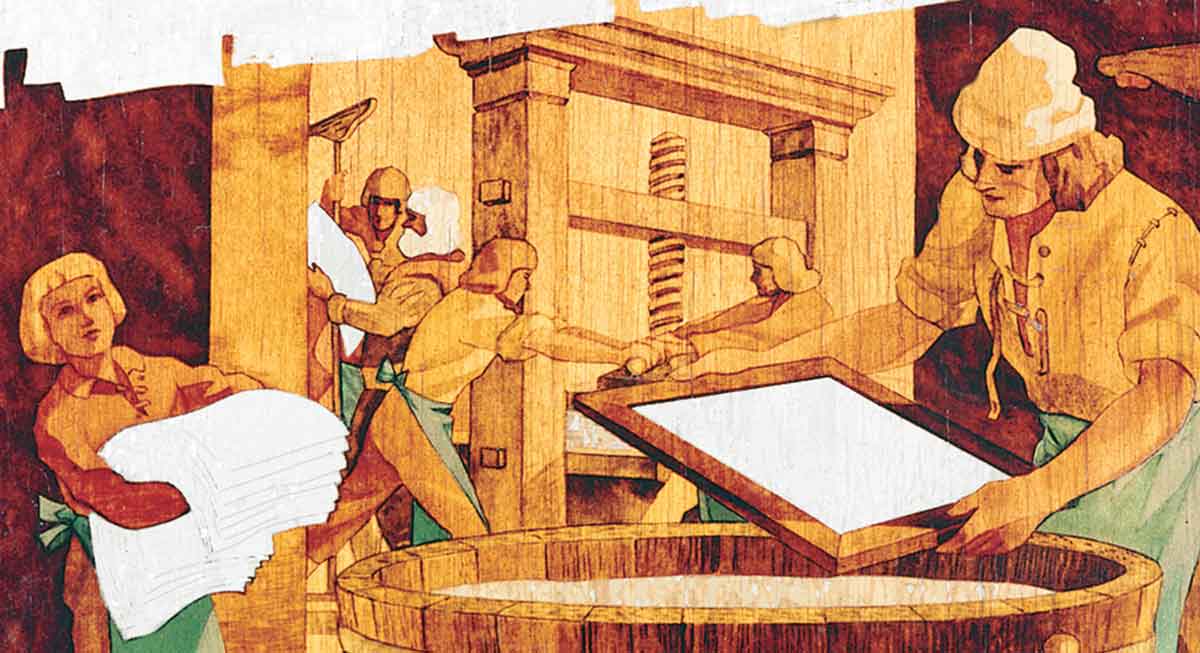
Further, the introduction of paper into the Islamic world from China made these translations possible. The circulation and use of paper in the Islamic world would have a significant impact on Europe during the Renaissance; transformative technology such as the famous Gutenberg Printing Press would have been impossible without it.
The Influence of Islamic Science on Renaissance Thinkers
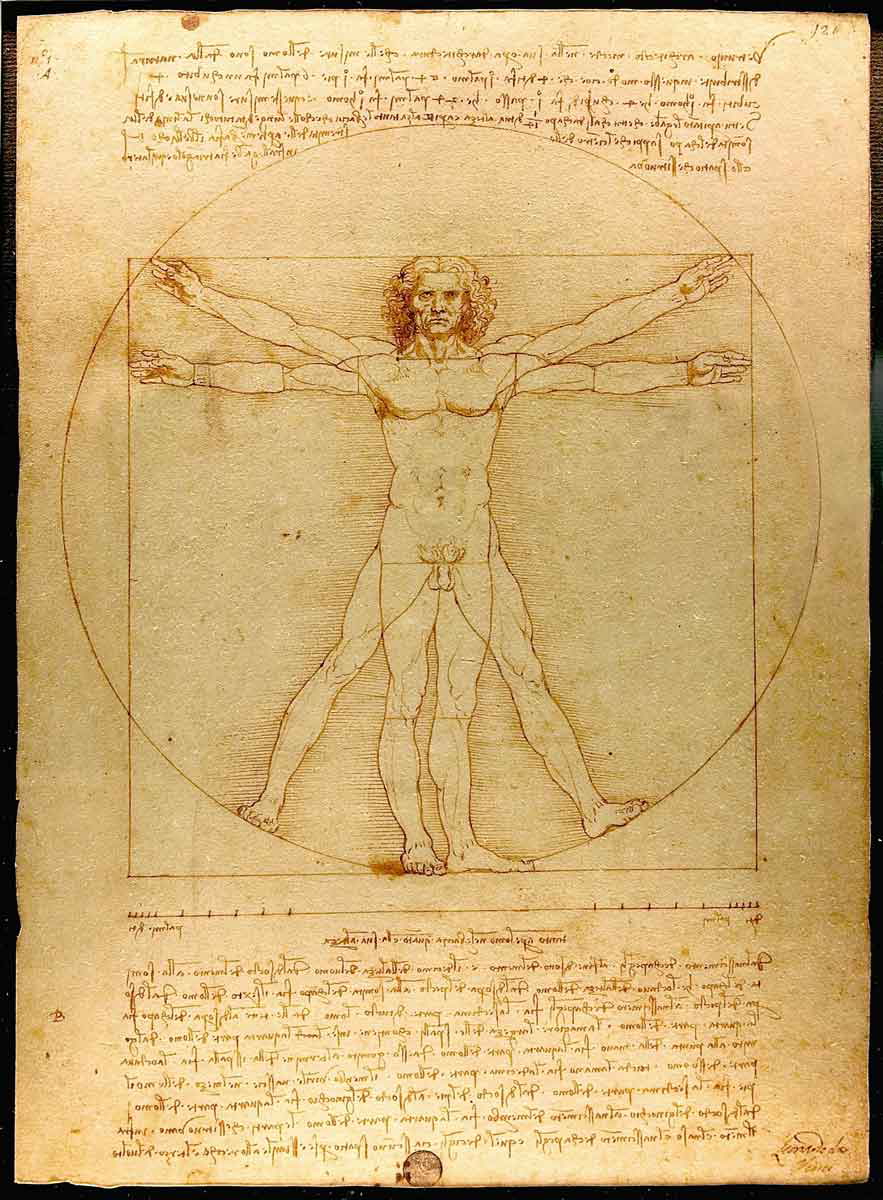
Bent over in a Milanese study dimly illuminated by candlelight, a man in his late thirties was teaching himself how to read Latin texts about science, anatomy, and technology. It was the 1490s, and Europe was in the midst of an age of intellectual and scientific discovery. Although this man was a self-proclaimed omo sanza lettere, or illiterate man, he was one of the most accomplished Renaissance scholars of his time: Leonardo da Vinci. Many texts read by the artist were Latin translations of scientific studies in Arabic, which Da Vinci would become “thoroughly familiar” with (Ackerman, 215).
One notable Arabic scholar who would influence Da Vinci was 11th century scholar Ibn al-Haytham. The so-called ‘Father of Modern Optics’ was born in present-day Iran but educated in Baghdad, where he became a pioneer of the modern scientific method, which combined theory with practice and documented observation. His methods would be highly influential for Renaissance scholars such as Francis Bacon, whose own scientific methods were based on those of Ibn al-Haytham nearly 500 years earlier.
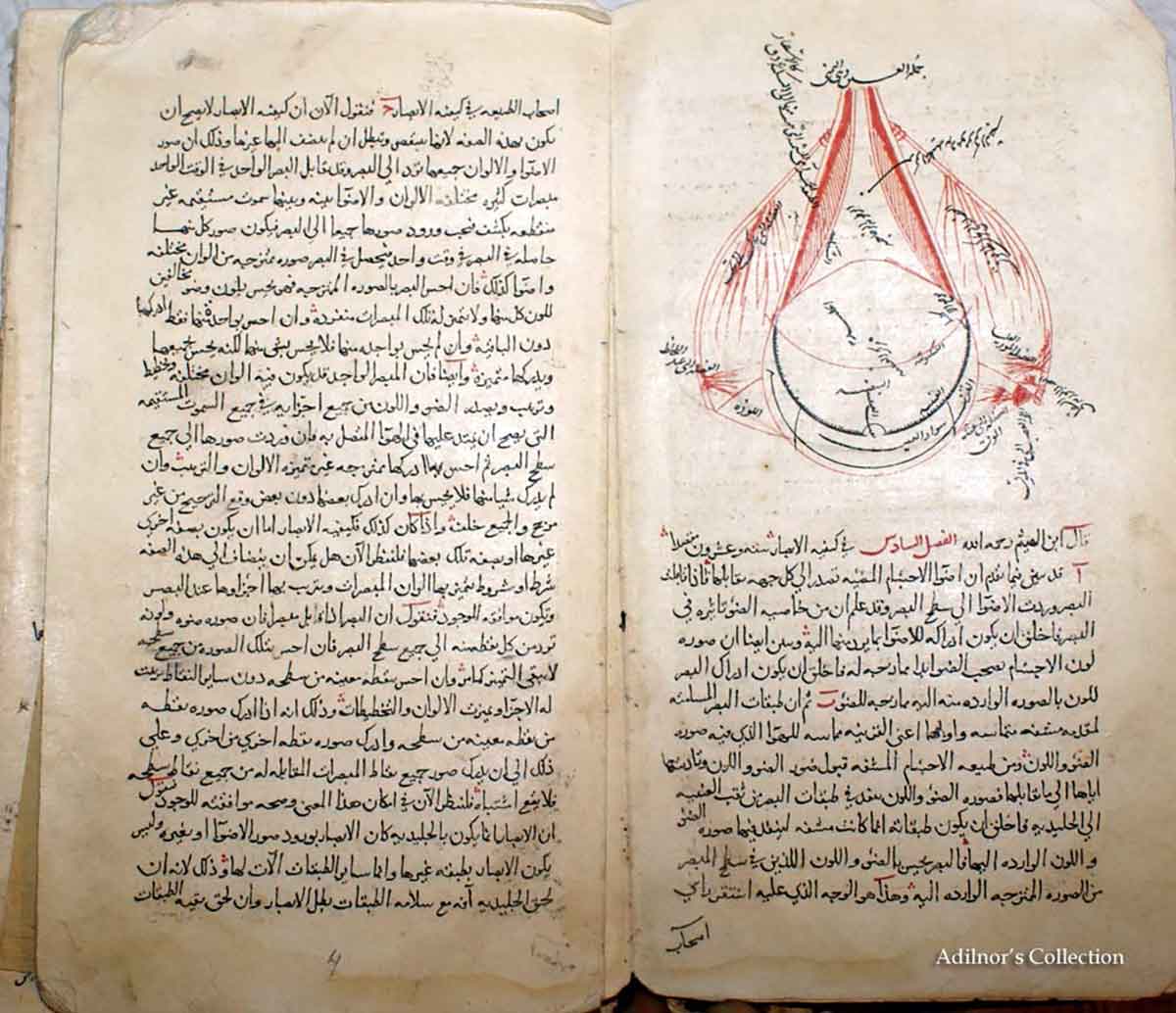
In the Book of Optics, or Kitab al-Manazir, Ibn al-Haytham observes how light is perceived by the human eye. As opposed to Ptolemy, Ibn al-Haytham found that when looking at an object, light radiates from said object rather than vice versa. His observations of optics progressed through his development of the camera obscura, the precursor to the modern camera. This object found that when an image of light filters into a small hole, a flipped version of that same image will appear.
Both the camera obscura and Ibn al-Haytham’s optical theories were used by Da Vinci as a starting point for his own experiments, most recognizably in perspective. Da Vinci used linear perspective to create visual depth in famous artworks such as The Last Supper or the Mona Lisa (Ackerman, p. 215).
Astrolabes, Astronomy, and the Tusi Couple
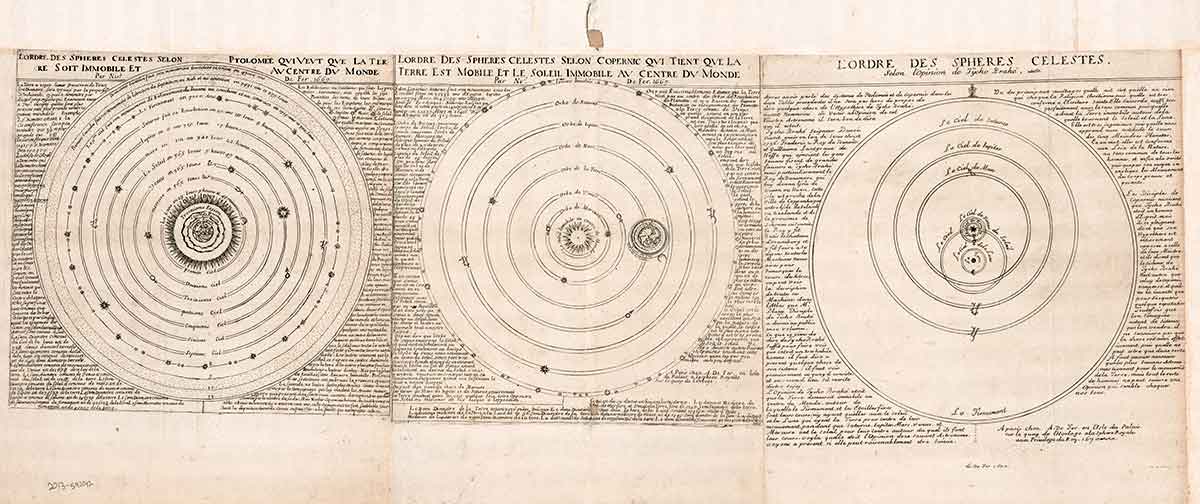
Nicolaus Copernicus was a Polish Renaissance astronomer best known for developing the theory that the earth revolved around the sun. Copernicus’ heliocentric model rejected the Ptolemaic theory that the earth was at the center of the universe, which was widely accepted since antiquity. However, Copernicus was highly influenced by the work of scholars from the Islamic Golden Age, such Naṣīr al-Dīn al-Ṭūsī.
Tusi was part of a group of Islamic astronomers in the 13th century who were challenging and expanding upon astronomical theories put forth by Ancient Greeks, particularly Ptolemy’s Almagest. Tusi’s book ‘Al-Tadhkira’, or Memoir on Astronomy, not only provided empirical support for some of Ptolemy’s theories, but also described a theory of his own, known today as the ‘Tusi couple’.
The Tusi couple is a geometric model that illustrates the movements of one circle in relation to another, functioning as a map of solar movements. The Tusi couple was instrumental in the celestial observations of Copernicus, who tweaked the model only once in the case of Mercury (Saliba, p. 158). Copernicus was also influenced by Ibn al-Shatir, whose lunar models he replicated nearly identically a century after they were published by al-Shatir (Saliba, p. 144). Although al-Shatir’s methods were geocentric in nature, they are mathematically identical with those of Copernicus.
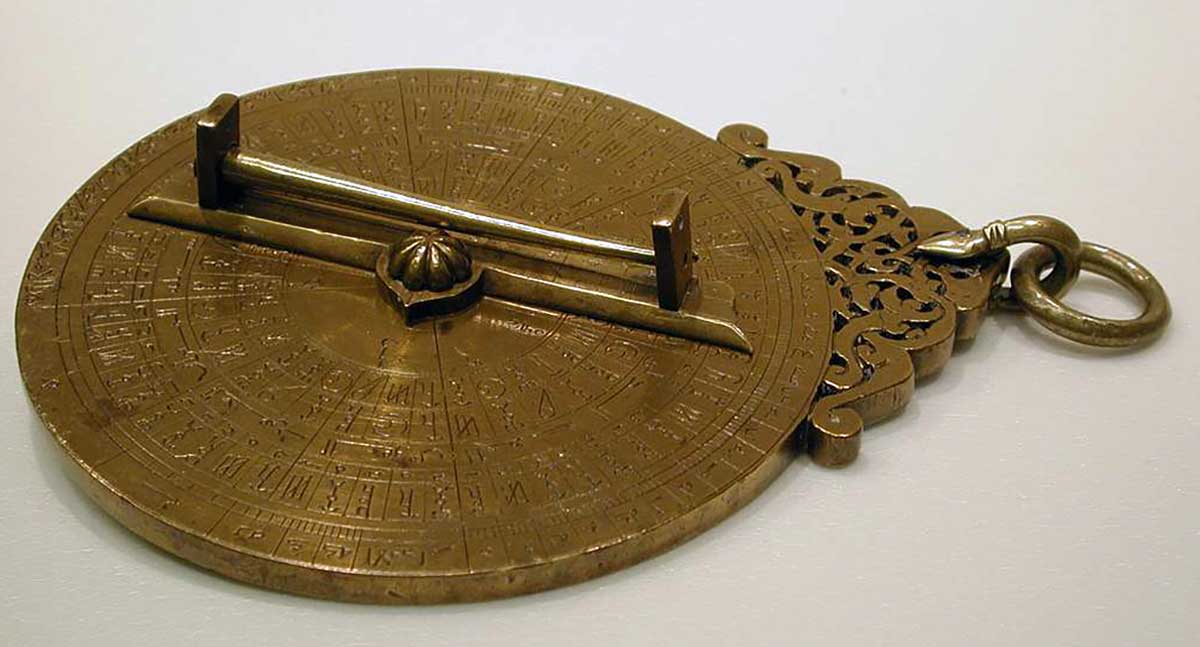
Copernicus and his contemporaries also made use of a device called an astrolabe, an instrument used to track celestial movements, tides, and latitudes. Although invented by the Greeks, the astrolabe was increasingly used after the rise of Islam to calculate the times of daily prayer, as well as enabling Muslims to face Mecca while they were praying. Astrolabes with Arabic inscriptions were widely popular among Renaissance scientists like Copernicus, who copied them in their manuscripts or used them in their own observations (Saliba, p. 223).
Arabic Numerals and Algebra
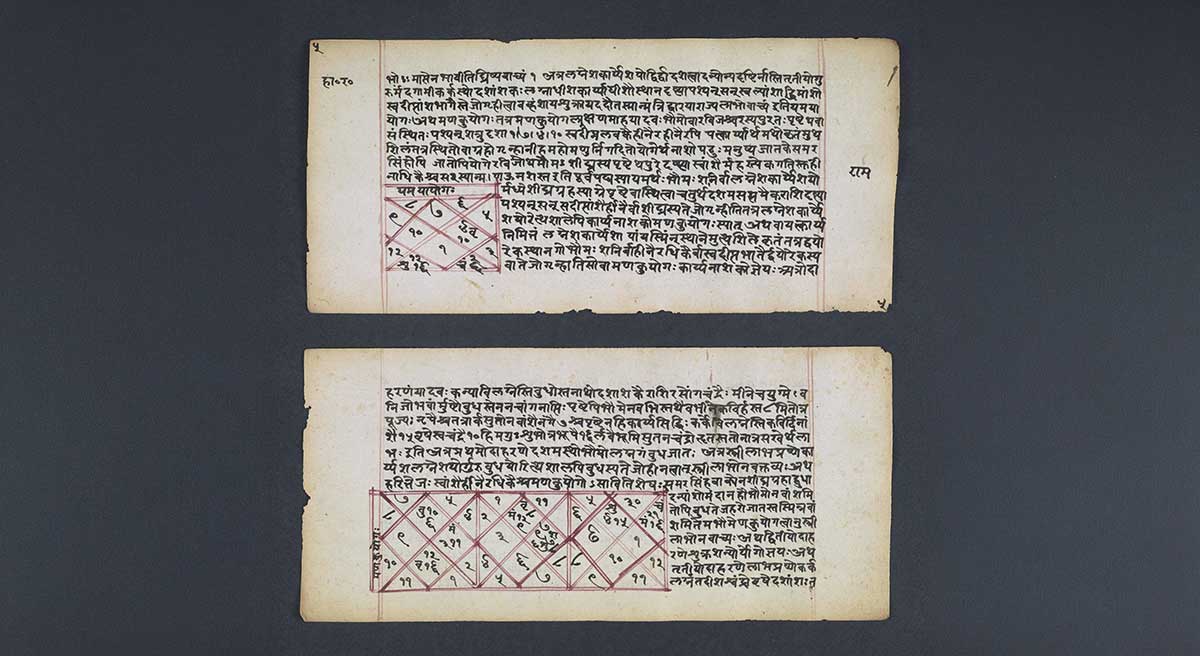
Another import from the Islamic Golden Age into the Renaissance was what Europeans referred to as ‘Arabic numerals’, the representation of numbers with the symbols 0 to 9. However, scholars from the Islamic world referred to them as ‘Hindi numbers’ owing to their origin in present-day India. It is understood the number zero was invented in India around the 3rd or 4th century AD. This innovation transformed record-keeping, accounting, and mathematical equations by increasing speed and accuracy, and opened up the development of more complex mathematics (Shaffer, p. 249).
The Sanskrit numerical system was translated into Arabic, which paved the way for a new mathematical method to be improved in the Islamic Golden Age: al-jabr, or algebra (Saliba, p. 18). Algebra would prove to be crucial for Renaissance scholars like Scipione del Ferro, who used algebra to solve the cubic equation.
Decimals also appeared in the Islamic world, which again built off pre-existing mathematical methods from present-day India. These ‘Hindu-Arabic’ decimals provided Renaissance scholars like Piero della Francesca, Leonardo Da Vinci, and Leon Battista Alberti with the tools to make key advances in fields of art, architecture, and mathematics, and laid the foundations of 13th and 14th century European banking and accounting systems.
Omnipresence of Islamic Golden Age
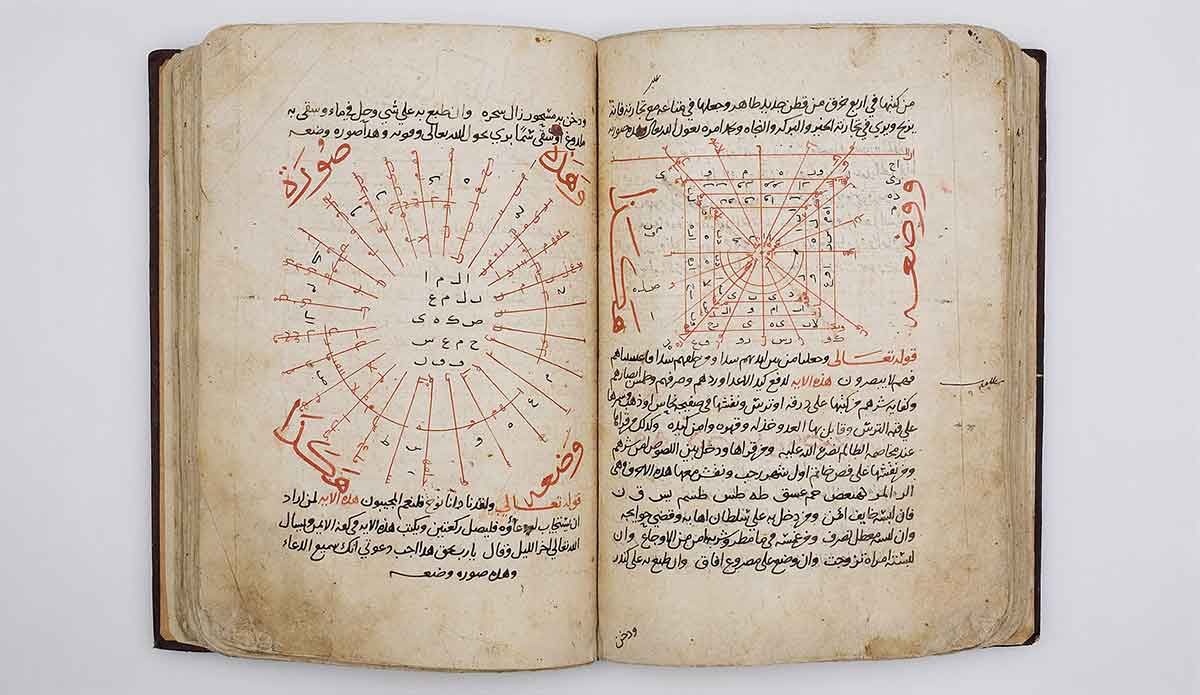
The Islamic Golden Age’s influence on the Renaissance was omnipresent, permeating nearly every scientific and mathematical discipline. Many developments in mathematics, technology, astronomy, and art have often been attributed solely to European Renaissance scholars; however their work would have been impossible without the reservoir of knowledge created by the Islamic world centuries prior. While the Islamic Golden Age and the European Renaissance are usually considered separate processes, it is important to consider the relationship between them.
Sources:
- Ackerman, James S. “Leonardo Da Vinci: Art in Science.” Daedalus, vol. 127, no. 1, 1998, pp. 207–24. JSTOR, http://www.jstor.org/stable/20027483.
- Browne, E. G. Arabian Medicine. Cambridge University Press, 1962.
- Graham, William A. “The Earliest Meaning of ‘Qurʾān.’” Die Welt Des Islams, vol. 23/24, 1984, pp. 361–77. JSTOR, https://doi.org/10.2307/1570680.
- Shaffer, Lynda. “Southernization.” The New World History, 31 Dec. 2019, pp. 242–258, https://doi.org/10.1525/9780520964297-026.
- The Qur’an. Translated by M.A.S Abdel Haleem, Oxford University Press, 2008.