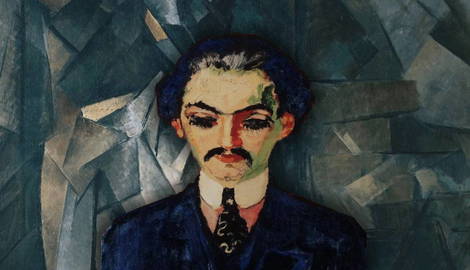

Kahnweiler thoroughly explores the theory behind the representational conflicts between Picasso and Braque during the early years of the Cubist movement. However, Kahnweiler’s history should primarily be seen as his personal perspective, even though it overlaps with the concerns of the two artists. It is as much a story of Kahnweiler’s Cubism as it is of Picasso’s and Braque’s, if not more. This article will explore The Rise of Cubism in this context and point out where Kahnweiler and his artists agree and where they differ.
Daniel-Henry Kahnweiler on Cubism
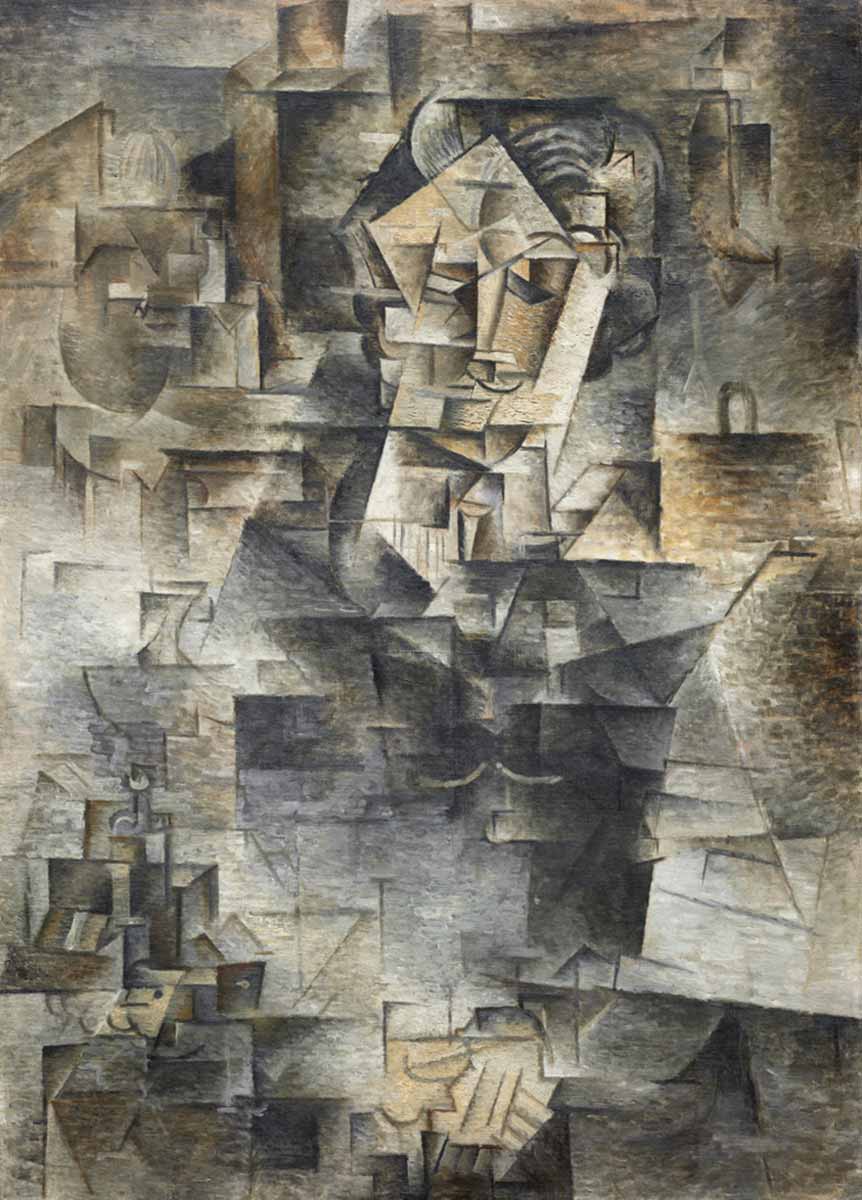
Daniel-Henry Kahnweiler (1884-1979) was one of the most influential voices in the sphere of avant-garde art in the early decades of the 20th century. He was the art dealer and personal confidant of Pablo Picasso and Georges Braque, the originators of Cubist painting, and as such, his thoughts on this “new painting” are invaluable. There are many approaches to the study of Cubism, with different methods and concerns. Kahnweiler’s theoretical understanding of the Cubist project, however, must be attended to as a testimony to the problems which Picasso and Braque were wrestling with, given the close cooperation of the three men. Nonetheless, Kahnweiler’s account must not be made synonymous with the authentic and personal aims of Braque and Picasso, as he imports certain concerns of his own into his narrative.
In 1912, four years after Braque’s Houses at l’Estaque and five years after Picasso’s Demoiselles d’Avignon, Kahnweiler published The Rise of Cubism. This book, among others by the same author, formed the generally accepted canonical story of the development of Cubism. Yet it is a partisan story of Cubism, as Kahnweiler naturally emphasized the work of his two protégés at the expense of the so-called Salon Cubists, who diverged in their aims. Kahnweiler’s book is essential for an understanding of his “studio Cubists.”
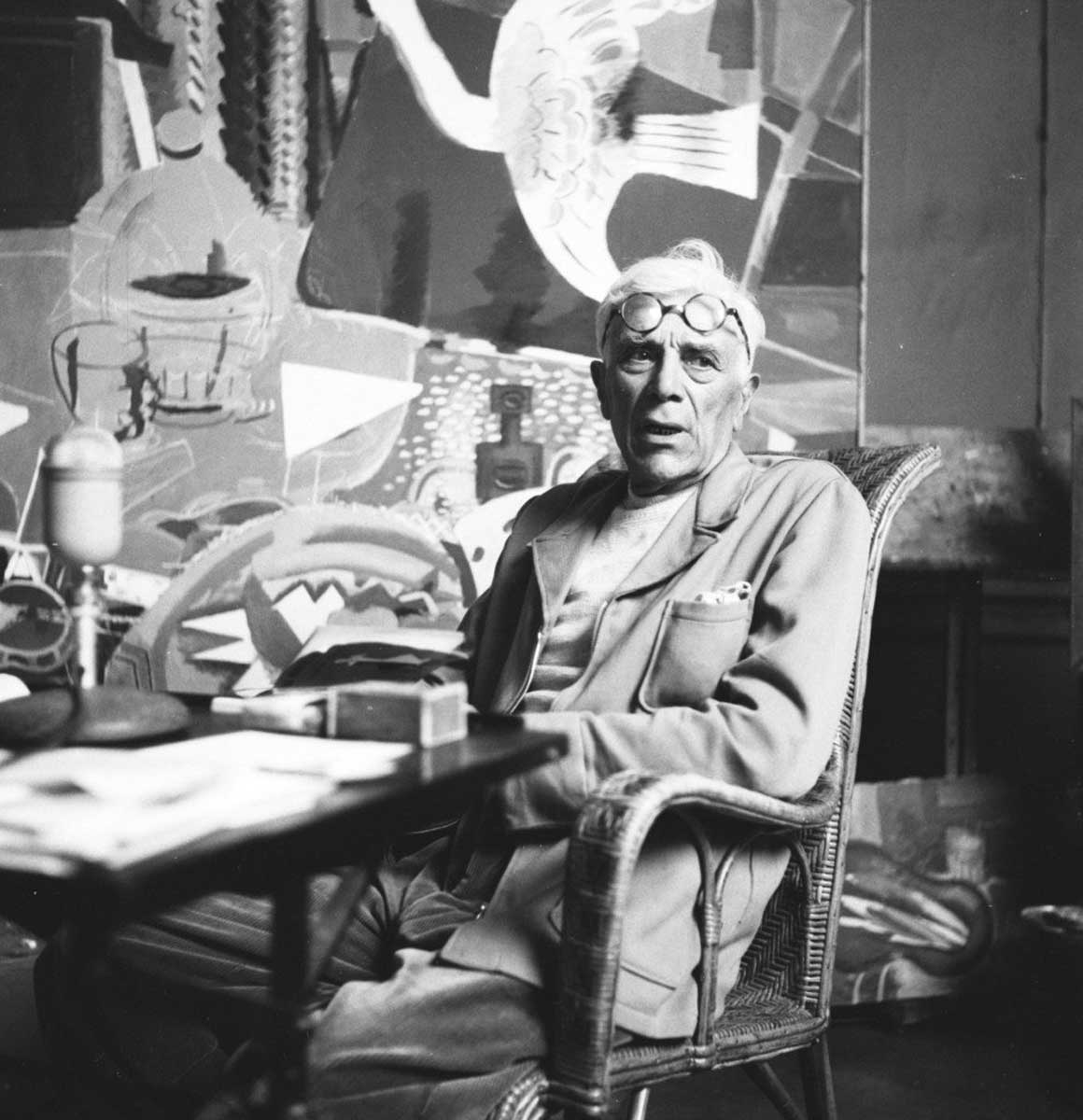
This article will look at some of the theoretical underpinnings of Kahnweiler’s understanding of Cubism. He was in a unique position as a first-hand witness to the early development of the movement. But, despite there being an overlap in themes and concerns in his account and the scant accounts of Picasso and Braque, there are differences. Most importantly, Kahnweiler seeks to impose his own reading of 18th-century German idealism on the Cubist project. His epistemology (theory of knowledge) is borrowed from Immanuel Kant’s thought, and there is no evidence that Braque thought in this way, while it is even less likely that Kant was an influence on Picasso’s work.
The Task
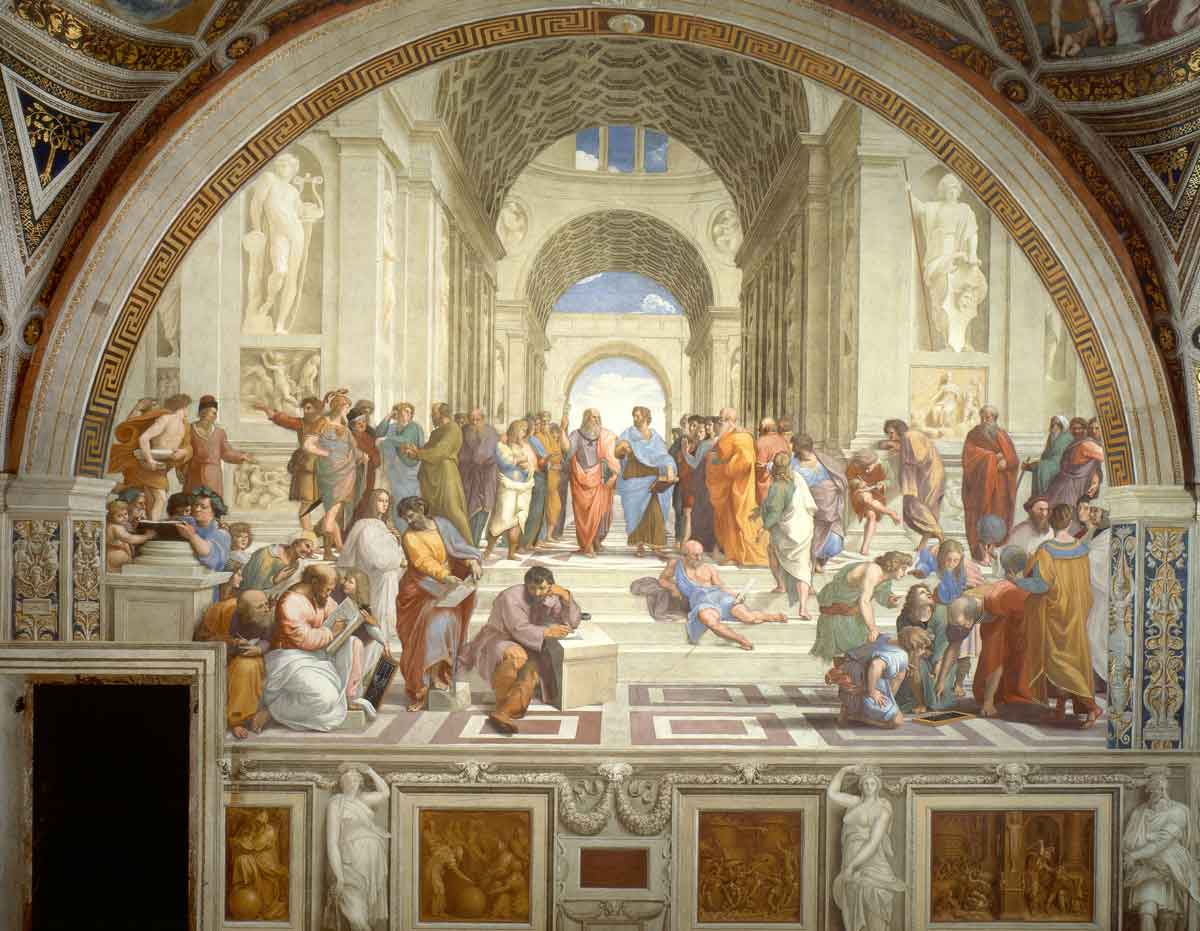
Kahnweiler writes that Cubism does not differ in its means from representational art in general. He remarks that the method and the task are the same: the transposition of the three-dimensional world onto the two-dimensional surface of the canvas. In this, even traditional painting—but especially Cubist art—is akin to “geometrical drawing.”
Because Cubism bears the geometrical principle as integral to its formalism, Kahnweiler seems to be implying not only the illusoriness of traditional representation but also its deceit. Traditional painting, he says, has characterized its images as self-contained, exhaustive, and complete. But, because it is “merely visual” as an art, and excludes what he maintains as the tactility of Cubism, traditional painting is inherently flawed and partial in two senses. Firstly, it is incomplete, and secondly, it permits only one perspective on the physical world, rooted in its single-viewpoint derived simulacra or untrue “semblances.”
Opening Form
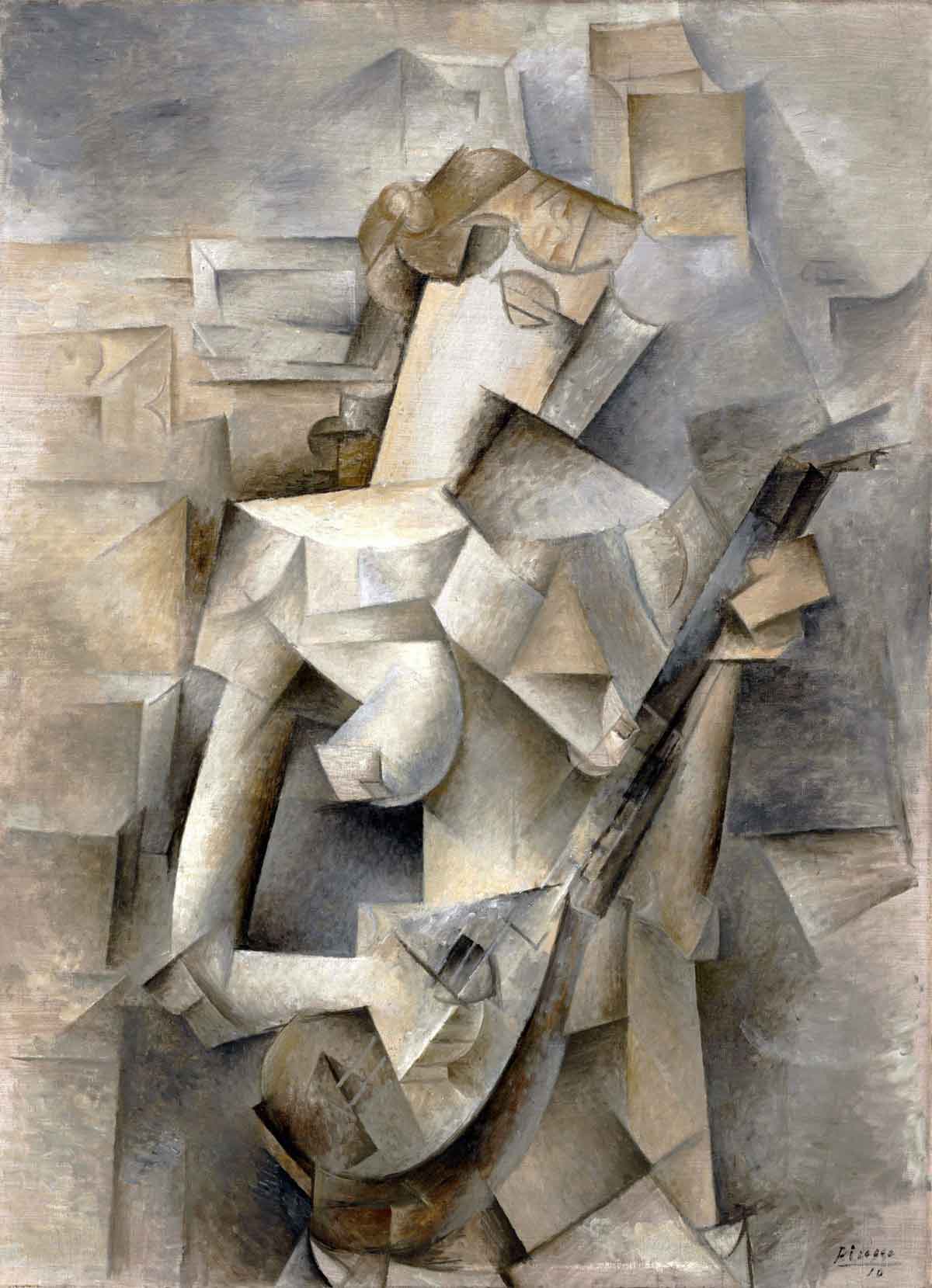
According to Kahnweiler, it was Picasso who first “pierced” the “closed form” of traditional illusionistic representation in painting and paved the way for Cubism. This “closed form” is held to neglect the essential characteristics of the object itself. It does so in its use of “chiaroscuro,” or, as Kahnweiler terms it, “objectivated light.” By this, he seems to mean that traditional illusionism paints light as it falls on the object, without any insight into the object itself. Cubism, on the other hand, liberates form and color from the object as it is in itself. Traditional painting, therefore, misses the point and goal of representation and is “illusory” for the reason that it portrays merely the inessential surfaces of things.
Authenticity, not Distortion
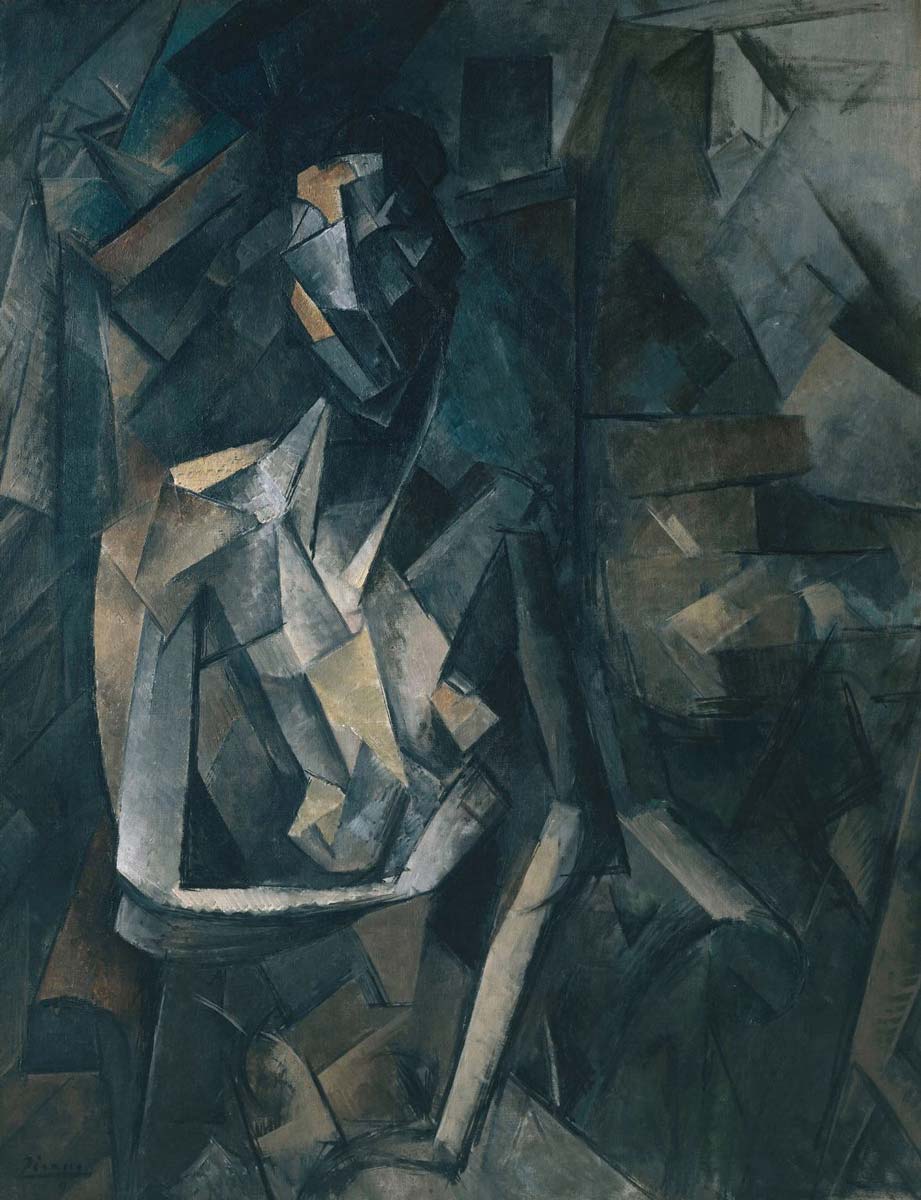
Many accounts of Cubism refer to its distortion of form or of the physical object. This is a false perception according to Kahnweiler. He accords this attribute instead to traditional painting. By virtue of its verisimilitude, or naturalist depiction of the world, he seems to imply that the distortion involved in traditional painting is conceptual and perceptual.
Kahnweiler argues that the real object is in both the Cubist “rhythm of forms” and the spectator’s memory, perhaps in a relation of synthesis. In this, he makes Cubism, for all its seeming austerity of pictorial form and rarefied theory, a social and discursive art. This “new painting” is opposed by implication to traditional painting’s seeming pictorial dictation, its closed expression, and its unchangeable perspective (in both senses).
Far from asserting a Cubist distortion of form or an exclusive concern with form, Kahnweiler writes that Braque and Picasso are representing objects rather than planes, cylinders, etc. He notes Braque’s “undistorted real objects” as a “stimulus which carries with it memory images.” This is a further comment on the participation of the attuned spectator: “These images construct the finished object in the mind.” The completion of the object is, therefore, ideational as well as perceptual, reliant on the observer’s imagination as well as his/her store of memory images.
Kahnweiler says that there can be no distortion in Cubism’s rhythmic coordination and its aesthetic unity. With its analysis of form (the object in its constituent parts) comes “assimilation” and the reconstruction of the object in its visual and tactile entirety. This principle is embodied in Picasso’s and Braque’s depiction of the object in the round and from multiple viewpoints in a simultaneous cohesion.
Objective Unity
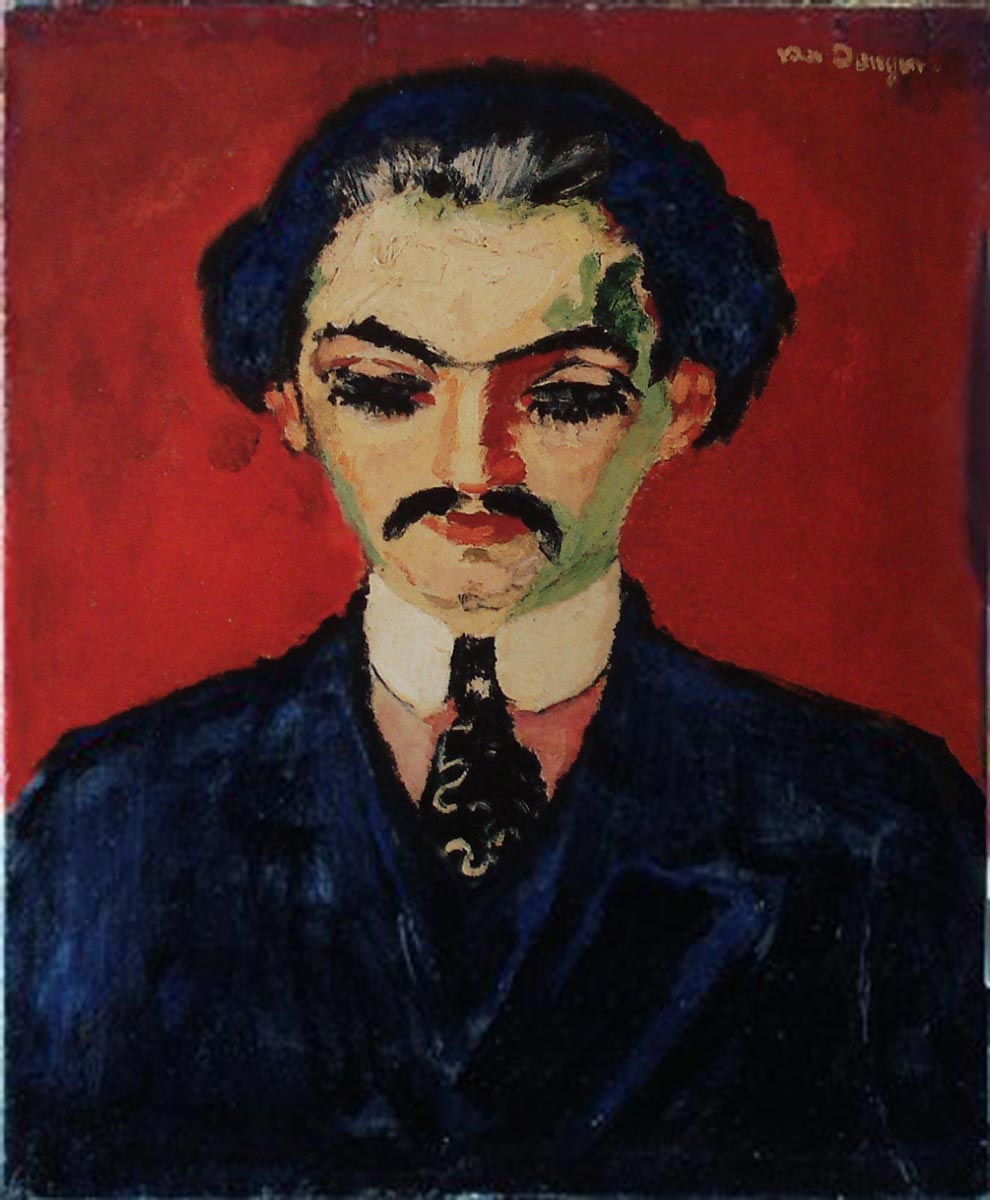
The Cubist concern with unity, as Kahnweiler terms it, is also a concern of traditional single-point painting. However, he writes that the traditional style and Cubism diverge in terms of how to achieve it. The opposition he establishes here is between the “closed form” of tradition with its illusory pretensions and Cubist unity: that of the representation of the essential wholeness of the object.
This new unity is achieved in a double manner and in two “spheres.” The double manner is in the analysis of the objective form and the synthesis of the resultant parts in the revelation of the fullness of the object. This double process takes place in both the sphere of the artistic process (perceiving and representing the object) and in the mind of the spectator. The spectator perceives the representation in an act which Kahnweiler calls “objective perception.” It is possible that he means this in a double way too: to refer to the perception of the representation of the object as it is, and to a clear and impartial perception that is free of both artistic dictation and the projection of preconceptions.
Kant’s Metaphysics or the Aesthetic?
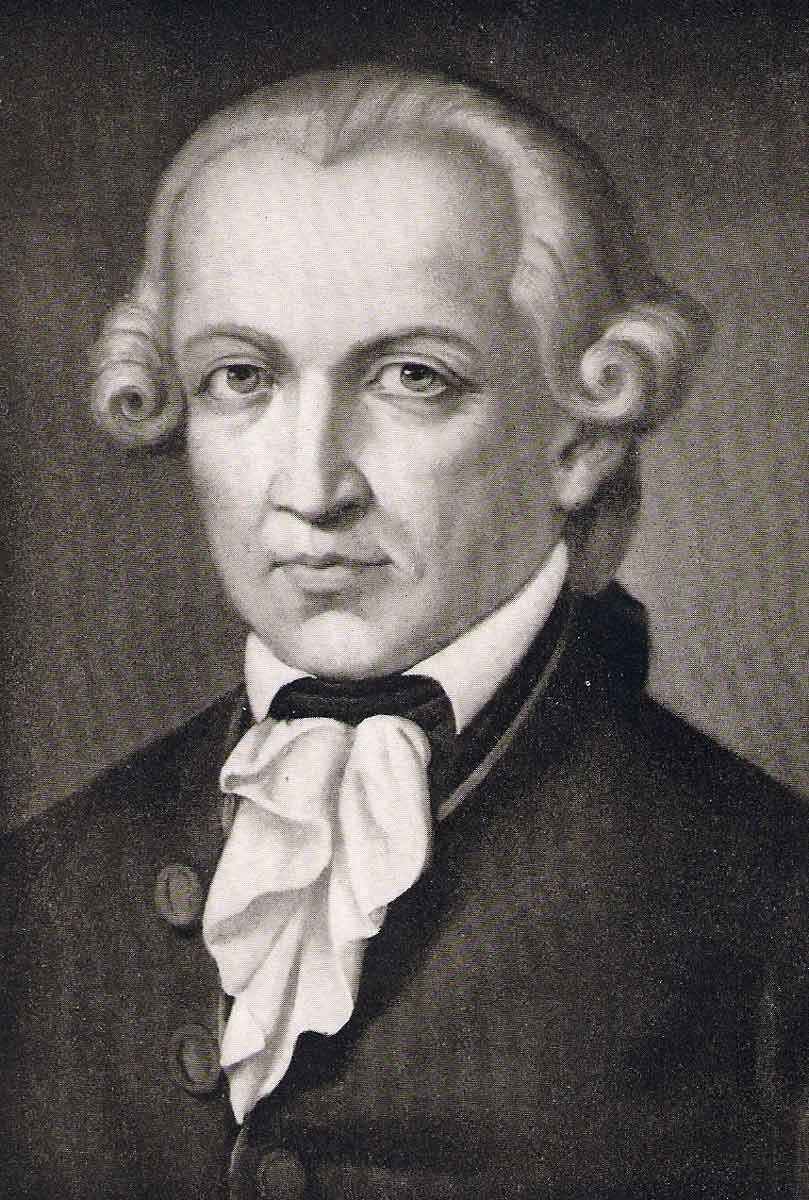
Kahnweiler’s use of the terms “analytic” and “synthetic,” which he also applies to two supposed stages of the development of Cubism, provides a clue as to the derivation of his theoretical apparatus. Indeed, he explicitly quotes his inspiration in The Rise of Cubism. The 18th-century German transcendental idealist philosopher Immanuel Kant’s theory of perception wants to “put together the various conceptions and comprehend their variety in one perception.” This quotation seems a neat summation of the operations of Cubist representation.
The geometric shape, straight lines, and regular curves are “deeply rooted in man” (sic), according to Kahnweiler. He states in Kantian language that geometric shapes “are the necessary condition for all objective perception.” He characterized Cubist abstraction of form as quite opposed to a distortion, as a humanist return to an original and universal archetype “deeply rooted in man.”
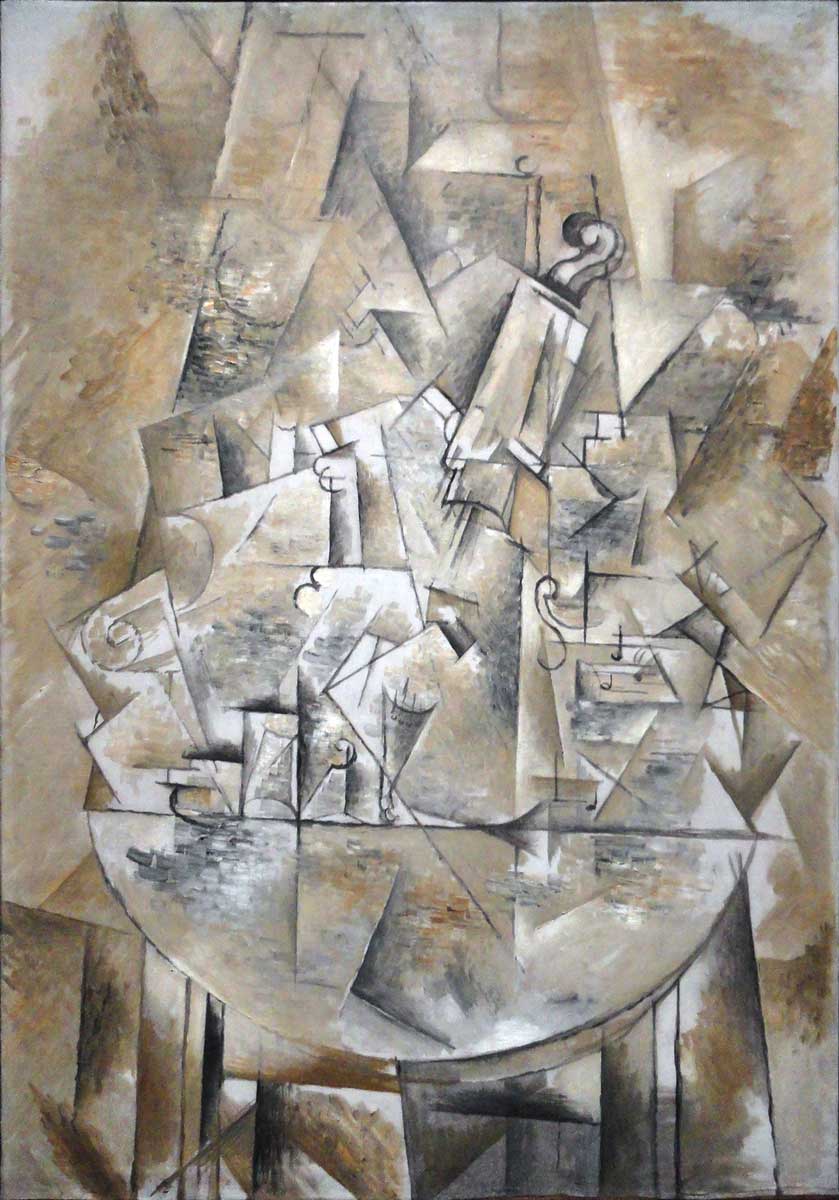
Kahnweiler goes on to say that it is not only “objective perception” that is dependent on this in-built capacity: “[o]ur a priori knowledge of these forms is the necessary condition without which there would be no seeing, no world of objects.” This is all part of Kantian idealist philosophy, which maintains that time and space themselves have no external existence and are rooted in the human faculties. But it is here perhaps that Kahnweiler veers away from the sense that Georges Braque made of his Cubism. Braque wrote of a translation of the worldly fact into “the pictorial fact” that would be a sort of analogue or parallel to that world of physical objects. In this, he could be argued to prioritise the physical world as knowable, but pre-existent to and independent of human consciousness.
For Braque, Cubism—or at least his Cubism—is more responsive to artistic means and the world than self-referencing the a priori (original, before experience) longing for geometric form. In this way, he differs from Kahnweiler’s contention that geometric form is the structure upon which we build the “products of our imagination.” These products, he says, are made of the “stimuli on the retina and memory images.” For Braque, the pictorial means in response to the world comes first, and this informs the artistic manipulation of form into the essential appearance.
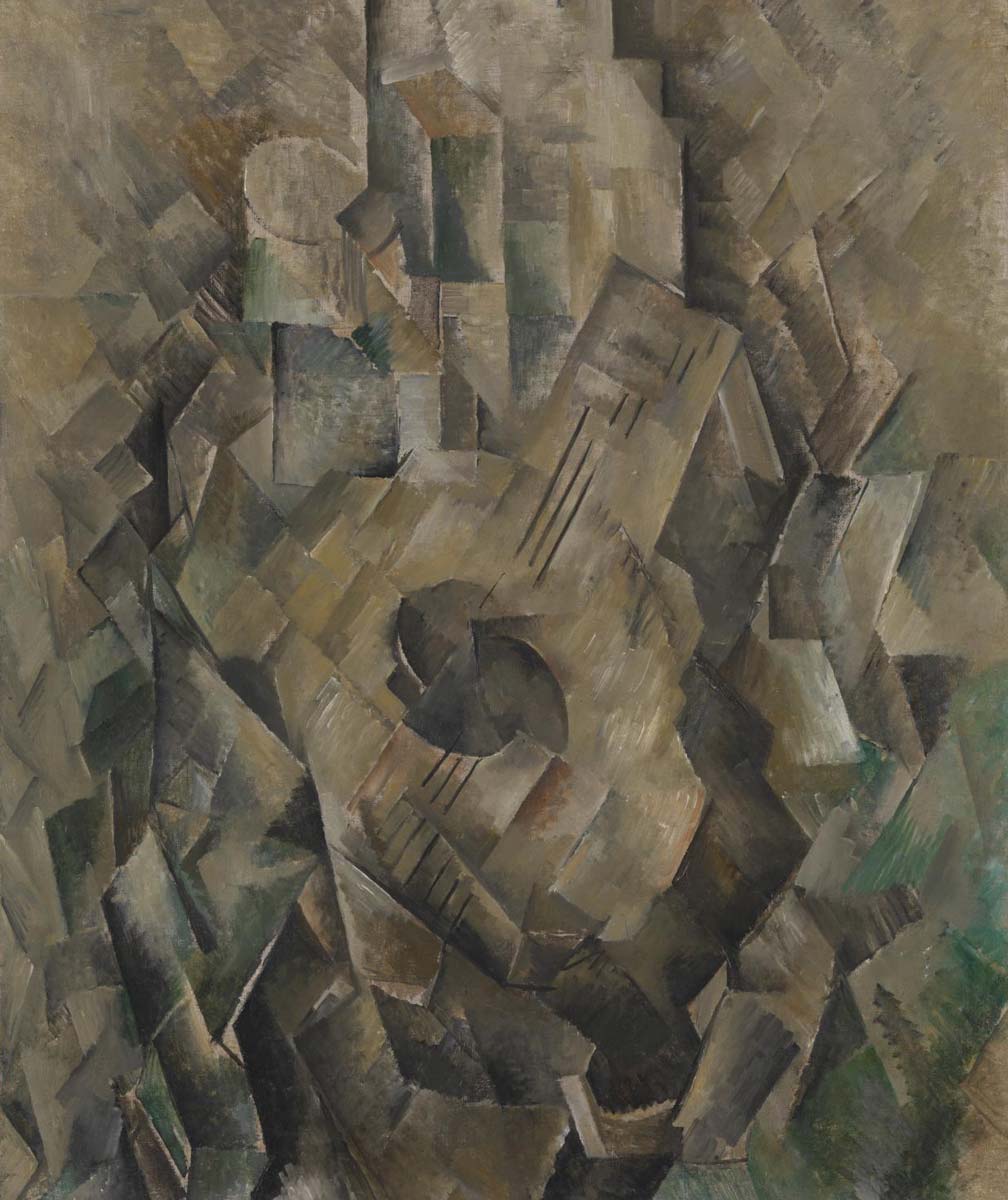
Braque also opines that “[t]he subject is not the object; it is the new unity, the lyricism which stems entirely from the means employed.” In this, there is a seeming claim for artistic autonomy in terms of finding solutions to the task of true representation. Yet, in terms of the “stimuli of the retina,” Braque does not lose sight of the physical object either in his explications or in his painting. So, Braque slightly disagrees with Kahnweiler. The former attributes the formal appearance of Cubism to the resolution of representational problems, while the latter attributes it to the innate propensity to “underlying basic forms.” These forms for Kahnweiler are a “skeletal frame” beneath the “final visual result of the painting.”
Kahnweiler’s Cubism: In Conclusion
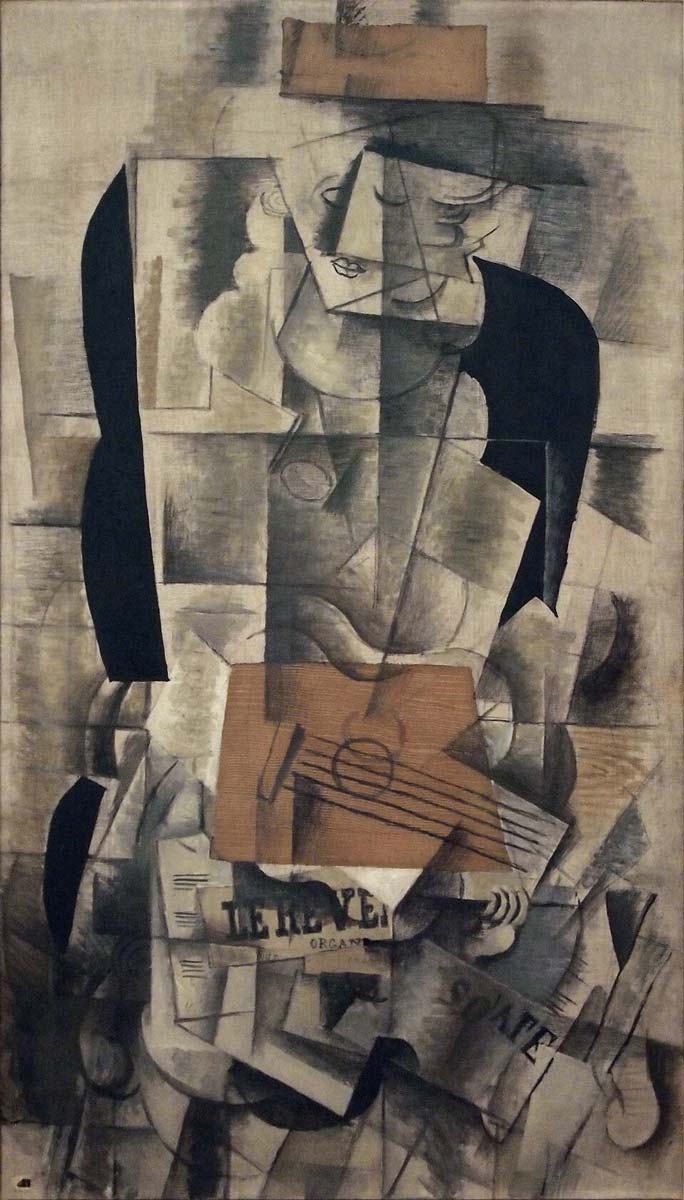
In all, Kahnweiler’s account of Cubism is both authentic and not completely trustworthy. The Rise of Cubism is a genuine narrative based on personal relationships with the two prime artists of early Cubism. Because of this, he had an intimate knowledge of the aesthetic and representational problems that the two pioneers were wrestling with, and no doubt he related much of the artists’ thoughts. It is also an authentic account of the efforts he himself mounted for the publicization of the work of Picasso and Braque, which were hugely successful in terms of subsequent views on the history of the movement.
It is indisputable that the two men were Cubism’s originators, but Kahnweiler’s history makes little sense when studying the slightly later school of the Salon Cubists. For example, his later division of two periods of the early movement into “analytic” and “synthetic” is entirely based on the course of Picasso’s and Braque’s Cubism, and he rarely refers to contemporary or subsequent innovations within that school.
The Rise of Cubism and Kahnweiler’s later histories are largely exercises in the promotion of the importance of his two protégés. But his attempt to foist 18th-century German transcendental idealism on early Cubism as its prime mover is, despite its similarities, a concern of his own.
Bibliography
Harrison and Wood (eds), Art in Theory: 1900-2000.