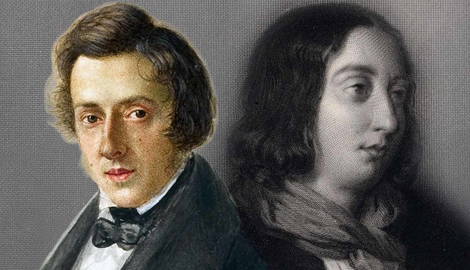

Paris, 1836. Dilettantish ladies and gentlemen of the upper classes mix with the poets and artists who, now more than ever, constitute the city’s true nobility: a meritocracy, founded on a veneration for art’s spiritual importance. The lights are low; the conversation turns on revolution, freedom, democracy: this is the height of Romanticism. It is the optimal setting for a meeting which will forever marry the music and literature of this era, an auspicious meeting (or was it?) between the composer Frédéric Chopin and the author George Sand.
Who Were Chopin and Sand?
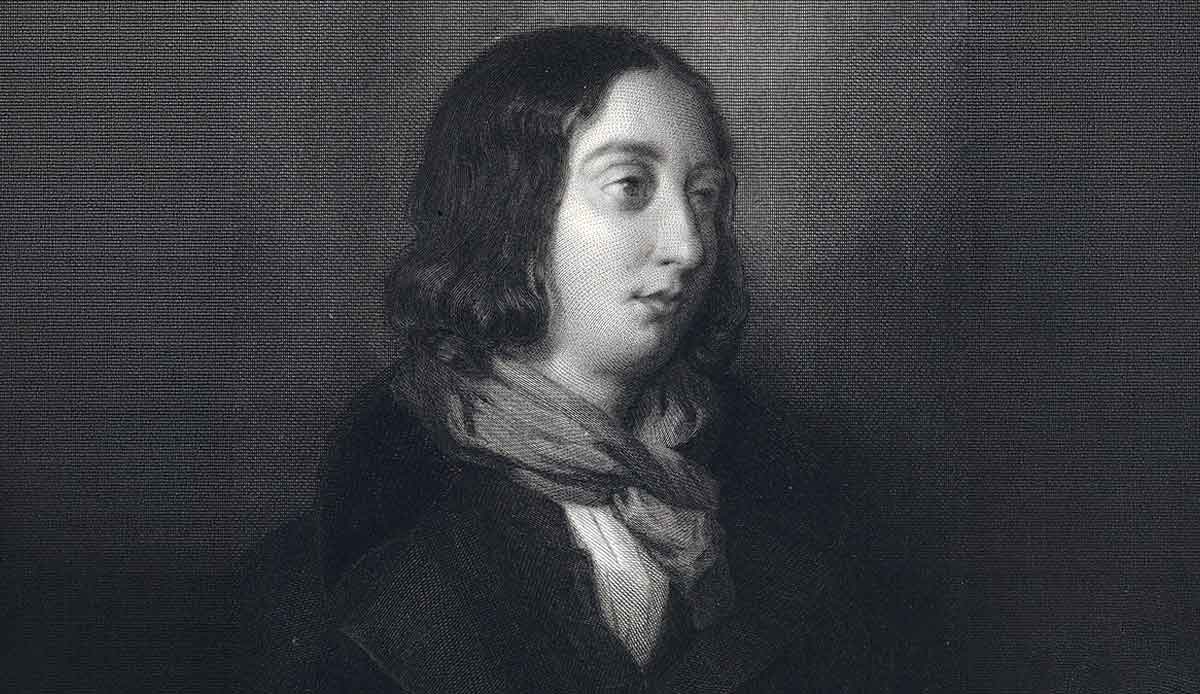
You’d be forgiven for thinking that this meeting in a Paris salon in 1836 comprised two men. George Sand, aged 32 and already the author of a dozen novels, had taken her pen name from a former lover and co-author, Jules Sandeau. She also abbreviated her first name, removing the final ‘s’ that ordinarily ends the name Georges in French, constructing a pseudonym which successfully confounded her audience and her peers.
Over the course of a prolific writing career, Sand (born Amantine Aurore Lucile Dupin) came to be regarded as an equal by contemporaries such as Honoré de Balzac, Victor Hugo, and Gustave Flaubert. The latter addressed her as “Chère Maître,” blending the feminine word for ‘dear’ with the masculine word for ‘master.’ Hugo once commented:
“George Sand cannot determine whether she is male or female. I entertain a high regard for all my colleagues, but it is not my place to decide whether she is my sister or my brother.”
This was in part because Sand had obtained police permission (as was necessary in early 19th-century Paris) to wear men’s clothing. Ostensibly, such permits were for occupational purposes, or for horse-riding, but Sand used her dress (and habit of cigar smoking) to move uninhibited among men’s circles.
Then there was her writing, begun after a scandalous separation from her duke husband and a string of public affairs, including poets, politicians, and possibly an actress. With their frankness about relationships between men and women, Sand’s novels shocked and delighted people as much as her behavior did, and encouraged public uncertainty around her gender presentation.
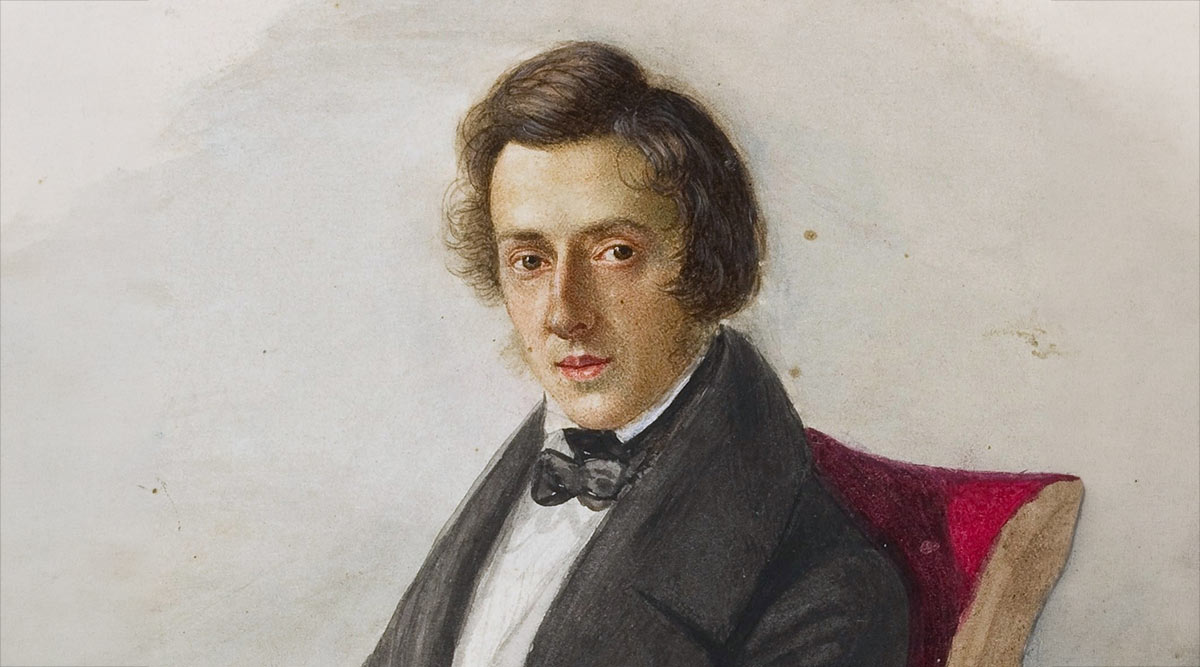
This explains Chopin‘s notorious slight on meeting Sand that night in 1836: “What an unattractive person la Sand is. Is she really a woman?” Not the most auspicious start, but it is unlikely Chopin had ever met anyone quite like Sand.
The pianist, aged 26, had moved to Paris five years earlier, fleeing political unrest in his native Poland. As an émigré who retained a strong connection to his homeland, he was reluctant to shake up society in the way that Sand, a passionate socialist, was doing.
By most accounts (and he left very little about himself in his own words), Chopin was intensely private, shunning the showy world of virtuoso performances (then a very popular spectacle thanks to his friend Franz Liszt) and carefully selecting students for his piano teaching from the best Parisian families.
It was thanks to Liszt that Chopin and Sand met, although it would take a little while for Chopin to be grateful for this. Liszt was engaged in a Romantic liaison of his own, with another author who had left her high-born husband: Countess Marie d’Agoult. When d’Agoult invited various artistic friends to her salon one evening in 1836, Liszt invited Chopin, but they didn’t hit it off. That would take another couple of years.
Turmoil: Winter in Majorca
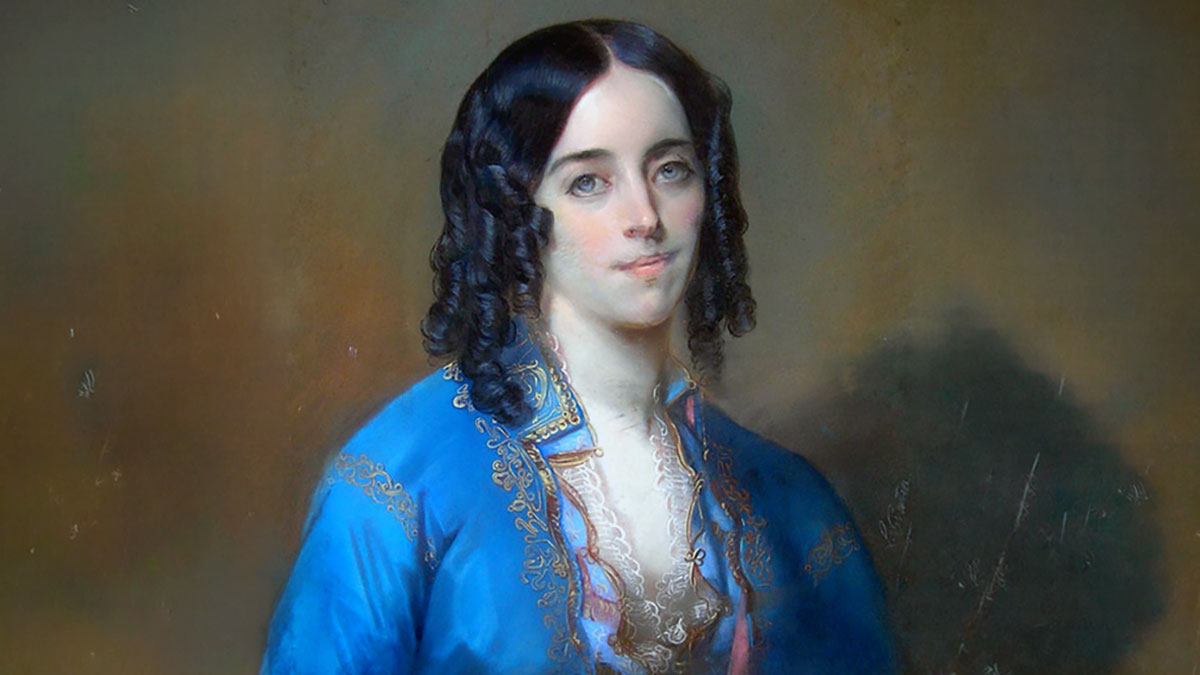
According to one possibly apocryphal story, Sand tried to wear down the reluctant Chopin at one soirée following their initial meeting by robing herself in a silk dress of red and white, the colors of the Polish flag. It was a demonstration of her fierce support for revolutionary uprising, for ordinary people claiming their freedoms, as many interpreted the outbreaks of civil unrest in both Poland and France at this time.
The sentiment may or may not have appealed to Chopin; the extent of his support for a free Poland remains the subject of critical debate. When their relationship ended, Sand got rid of nearly all their letters, so it is difficult to get close to the real Chopin or imagine how the two conversed.
Writing in 1838 to another Polish émigré and close friend of Chopin, Count Wojciech Grzymała, Sand wrote that she had, with surprise, realized the strength of her feelings for Chopin. She was prepared to throw over any other potential suitors if he would just ask. Soon he did, and in the winter of 1838, they set off together to escape the wagging tongues of Paris, making for the Spanish island of Majorca.
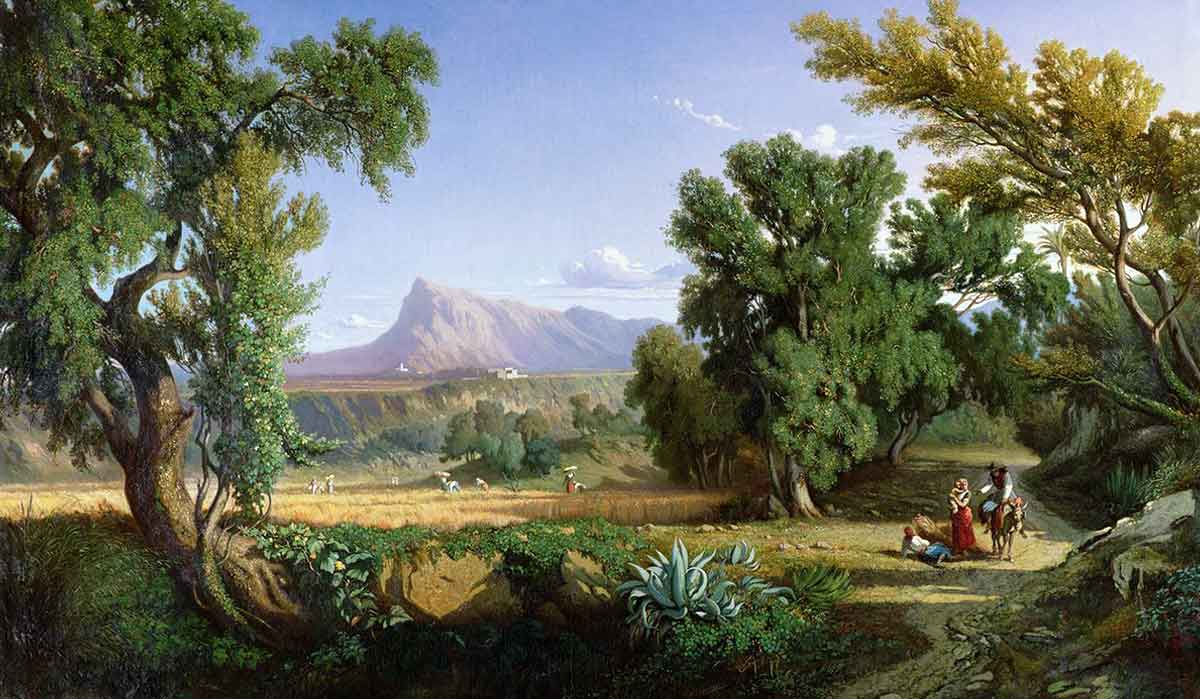
It was intended to benefit them both. Chopin sought the warmer southern climate to soothe his periodic bouts of ill health (later to develop into tuberculosis). Sand hoped to discover in the Majorcans a group of people primed to rise up and claim their independence.
Our source for the trip is Sand, who wrote up the experience as a travelogue published in 1841 (A Winter in Majorca). The island was not quite what she hoped. It was November, cold and wet. The locals were hostile to the unmarried, bohemian couple, who had pitched up with Sand’s two children. Struggling to find adequate food or lodgings, the four ended up staying in a damp disused monastery in the village of Valldemossa.
Curiously, Chopin is only a shadowy figure in Winter in Majorca, referred to not by name but as “the sick man.” Sand is tight-lipped on a topic which has since garnered a lot of interest from Chopin scholars: his composition, during their stay, of his Preludes, Op. 28.
This collection of 24 preludes was modeled on J.S. Bach‘s Well-Tempered Clavier, which contained preludes and fugues written in every key (12 major and 12 minor). Chopin omitted the fugues and concentrated on the prelude as a complete work in its own right, revealing an interest in fragmentation and smaller forms which was characteristic of Romantic piano music. We know that Chopin took a copy of Bach‘s collection to Majorca, though it is difficult to tell which of his own pieces he finished there, and which had already been completed back in Paris.
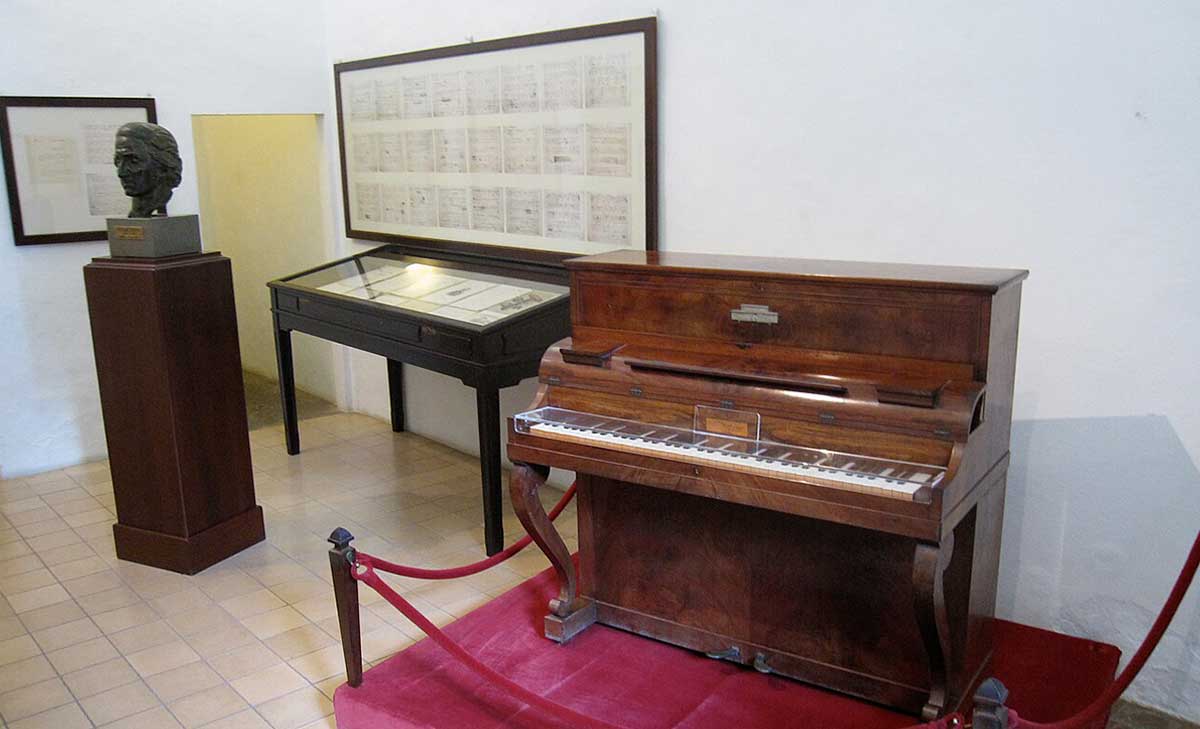
Although Chopin underwent quite a saga in getting his preferred make of piano (a Pleyel) shipped to Majorca so that he could compose, he must eventually have found the environment stimulating enough to compose these celebrated pieces, including the ‘Raindrop’ Prelude. This title came not from Chopin (who never gave titles to his works beyond simple descriptions of their form, such as Ballade or Waltz), but from Sand.
Later, in her autobiography, she wrote about inventing the title on a rainy day during their sojourn in Majorca:
“When I called [Chopin’s] attention to those drops of water which were actually falling upon the roof, he denied having heard them. He was even vexed at what I translated by the term, imitative harmony. He protested with all his might, and he was right, against the puerility of these imitations for the ear. His genius was full of mysterious harmonies of nature.” (Huneker 2004, chapter 7)
Were any of Chopin’s Preludes really inspired by, or even written in, Majorca? Was he as constantly ill as Sand suggests? Can music, like poetry, imitate nature? This most Romantic of getaways leaves open these questions and many more.
Tranquility: Summers at Nohant
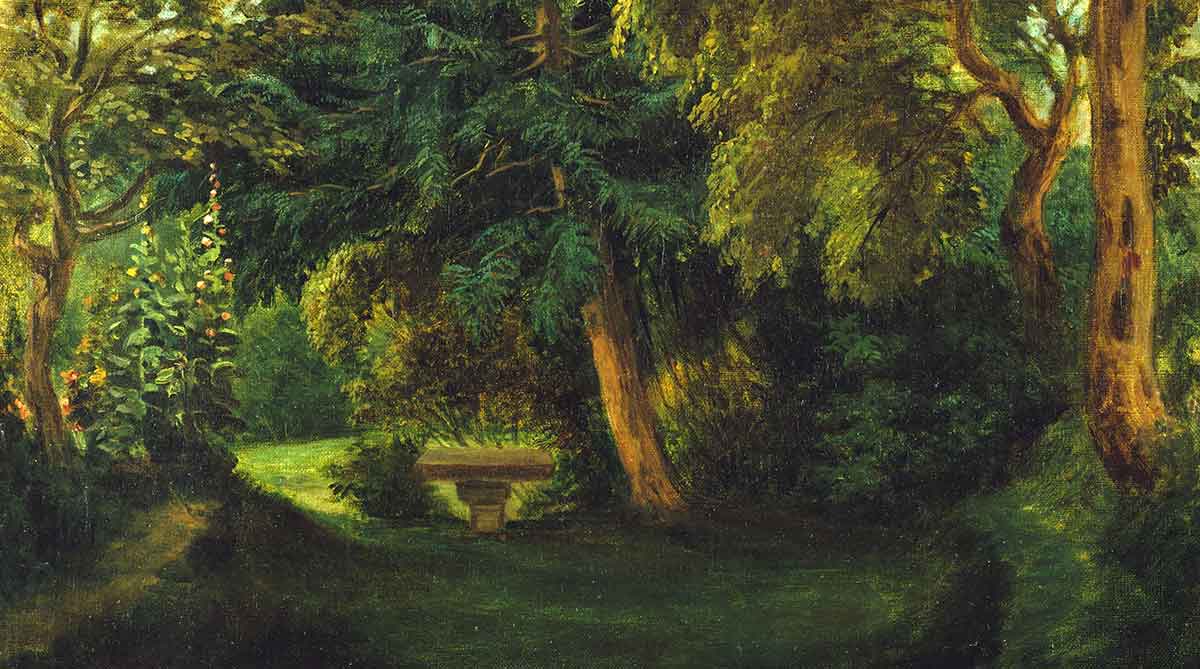
Most biographers, even the least sympathetic to Sand, credit the relationship with helping Chopin to write his best compositions. James Huneker, who generally demonized Sand for her numerous affairs and accused her of draining artistic geniuses of their talent like a vampire, admitted:
“Chopin had some one to look after him—he needed it—and in the society of this brilliant Frenchwoman he throve amazingly: his best work may be traced to Nohant and Majorca.” (Huneker 2004, chapter 2)
Nohant was Sand’s country house, inherited from her grandmother, where she and Chopin spent every summer from 1839 to 1846. Guests joining them included Liszt, Balzac, Flaubert, the renowned soprano Pauline Viardot, and the painter Eugène Delacroix, who (like many Romantics) was deeply inspired by music, and who began an unfinished double portrait in 1838 showing Chopin at the piano and Sand at his side, rapt in listening to his music.
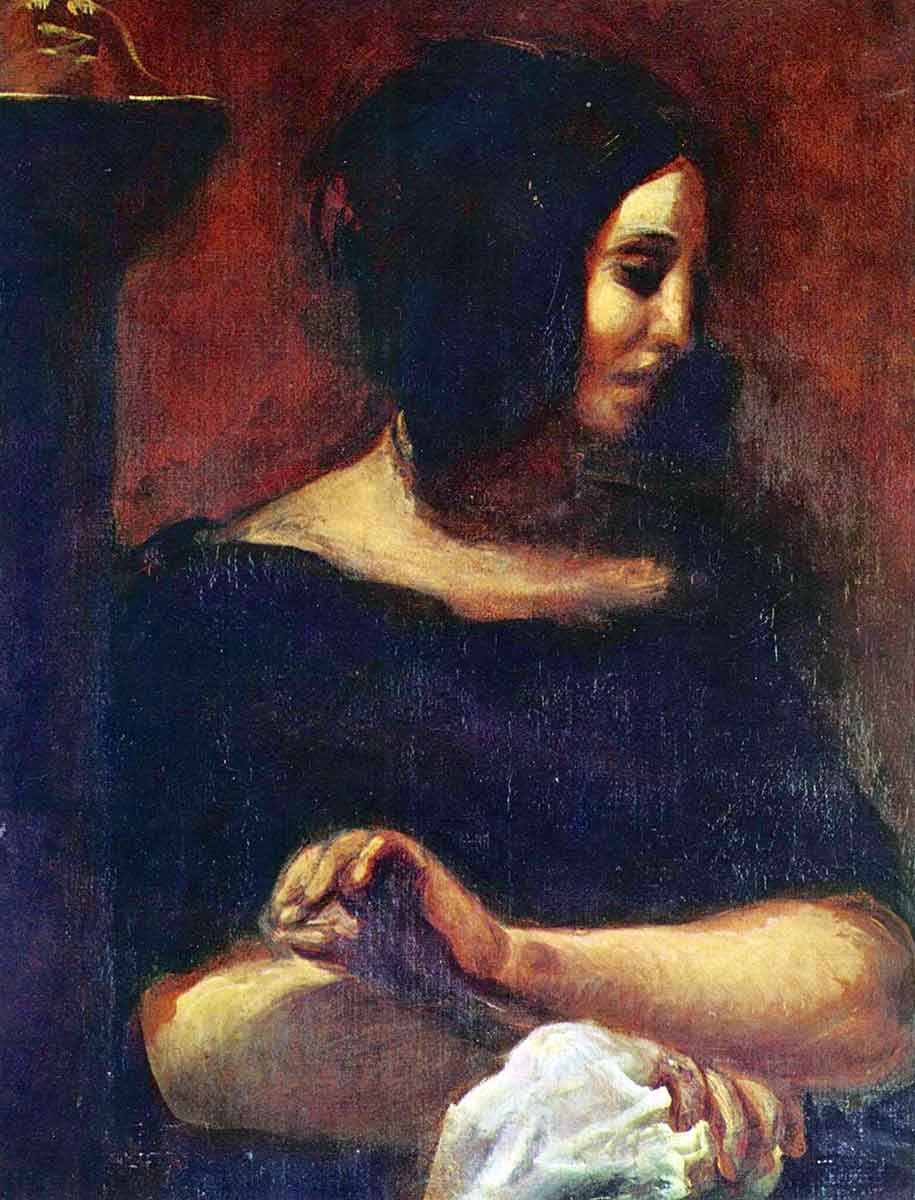
We know that Nohant gave Chopin a tranquil base, away from the hustle and bustle of Paris, to compose pieces such as his ‘Heroic’ Polonaise. But what did Sand gain? Did Chopin supply her with ideas, as she furnished Romantic fantasies surrounding his compositions?
In 1838, Sand wrote a closet drama (a play written for private reading, not the stage), which suggests that conversations with Chopin (and perhaps Liszt, a voracious autodidact and writer himself) influenced her thought. The Seven Strings of the Lyre is Sand’s reworking of the Faust legend, in which the scientist Faust is tempted by Mephistopheles, a servant of the Devil, to forsake his soul in the pursuit of knowledge.
Sand’s version is even more Romantic than Johann Wolfgang von Goethe‘s famous play. Faust is replaced with Albertus, who suffers the characteristic ennui of the Romantic hero. As Mephistopheles tries to win his soul, Albertus is helped by the angelic Helen and her lyre, whose seven strings represent different virtues of human nature. The lyre becomes instrumental, literally, in transmitting harmonious music representative of human goodness.
Recent readers of the play, although interested in Sand’s ideas about the spiritual power of music, have been disappointed that this version of Faust by such a radical proto-feminist as Sand seems to preserve Goethe’s one-dimensional, heavily idealized portrayal of womanhood. But given that the play was written during, and inspired by, her relationship with a musician, it’s tempting to read Chopin as an inspiration for the lyre-wielding Helen.
Romanticism’s Odd Couple
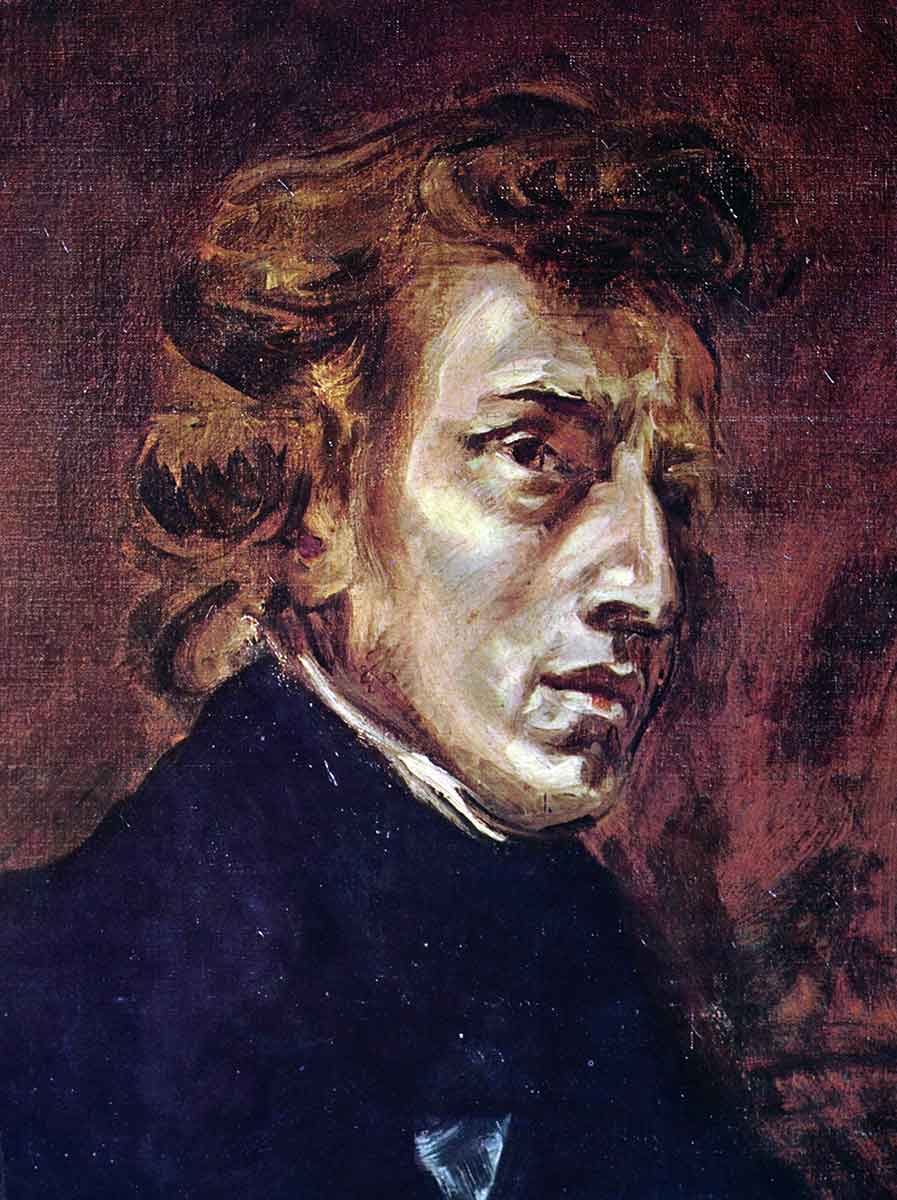
Chopin and Sand have always been swathed in gender ambiguity. Sand was the cross-dressing cigar smoker who defied expectations to claim her place in a literary pantheon dominated by men. Chopin, many contemporary sources note, was as picky about his clothing as any high-society woman. He wrote almost solely for the piano, which in early 19th-century Paris was played by women in their droves. His pieces were heard as light, airy, delicate, not quite feminine but androgynous, like an angel or a sprite.
Recent speculation has centered on Chopin’s letters to his schoolfriend Tytus Woyciechowski, which address him in passionate language and refer to kissing. While it’s important to remember that understandings of sexuality are constructed differently across places and times, and these expressions of love may not have correlated to a modern, Western view of homosexual identity, this speculation about Chopin’s identity does offer a different slant on his relationship with Sand. Think back to his early comment casting aspersions on her femininity: perhaps he was drawn to her cross-dressing, not repelled by it.
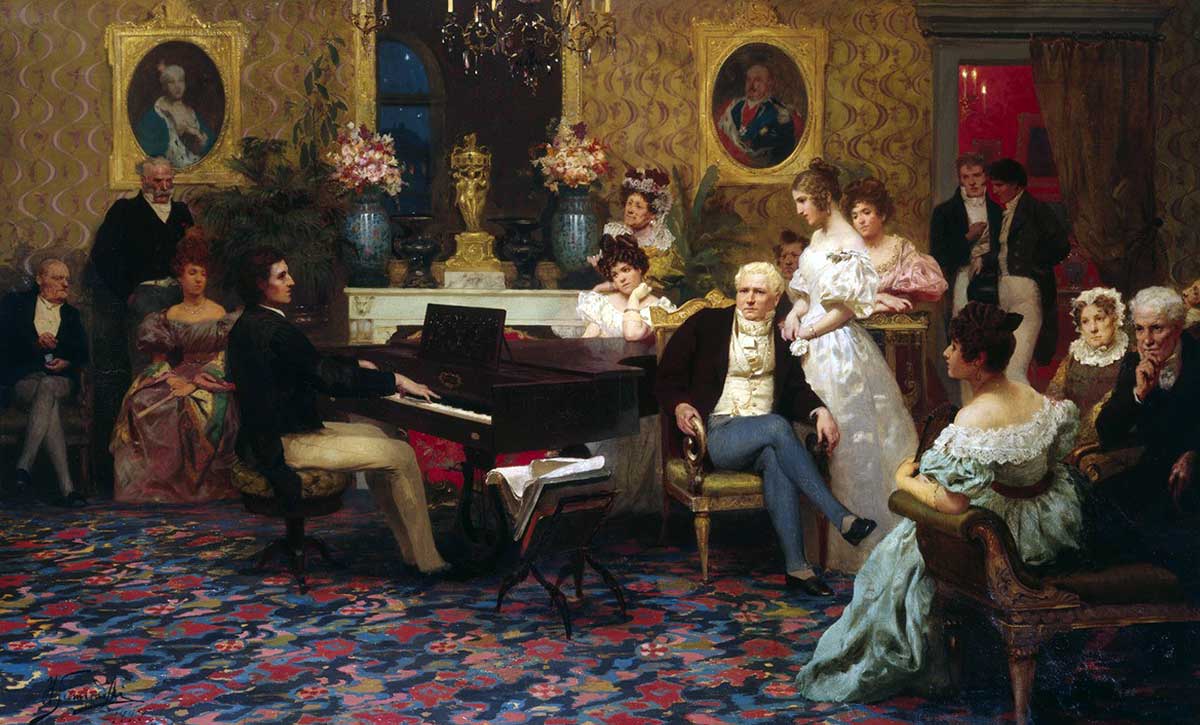
Another way of seeing the relationship, fueled by Sand’s comments as the years went on, is in terms of a mother and child. Although she was only six years older, she came to view Chopin as her third child, especially during his periods of illness when she took on a caregiving role.
Although the two lived together in Paris and Nohant, they gradually ceased to have a physical relationship, if they had ever had one. This question is also swathed in ambiguity, not least because many subsequent commentators (conscious of Sand’s reputation and eager to rescue Chopin from scandal as he grew, posthumously, into a revered icon of the classical canon) represented the relationship as “a pure and cordial friendship” (Hadow 2012, p. 128). Was her “little angel,” “beloved little corpse,” a lover in the same sense as the ones before him?
What Drove Chopin and Sand Apart?
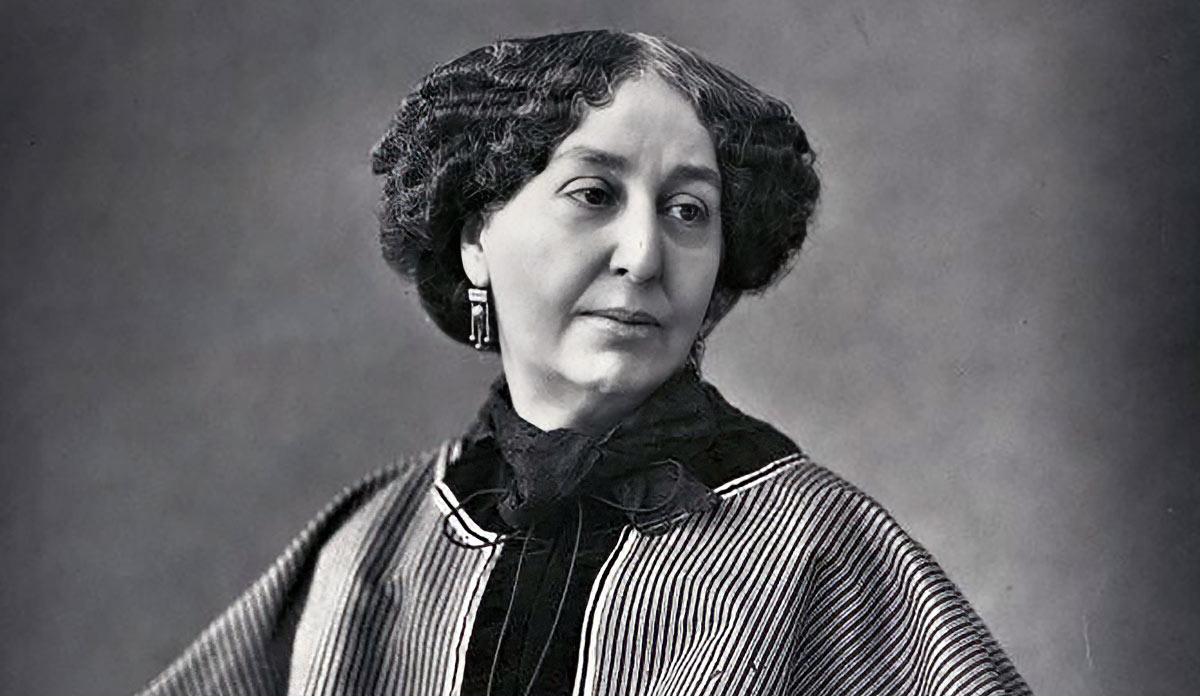
You might think that airing dirty laundry in a novel is a good reason for a break-up. When Sand published Lucrezia Floriani in 1846, mutual friends of the author and of Chopin were taken aback by the close similarity between the real-life couple and the fictional Lucrezia and Prince Karol. Lucrezia is older, a retired actress, with children from a previous relationship; Prince Karol is sickly, reclusive, and jealous of Lucrezia’s interactions with other men.
Is this a portrait of Sand and Chopin’s relationship? She later insisted that, although her writing achieved its trademark realism by drawing on her life, she had the artist’s skill of transforming her material into art through her imagination. If this seems a flimsy excuse, what about the fact that Chopin, apparently, listened to Sand recite passages of the novel and did not object once?
Romanticism is known for blending life and art. These artists prided themselves on creating works that could truly claim to give insight into the human soul. Whose souls did they know best? Their own, and those around them. The roman à clef, or novel with a key, in which characters correspond to real people in the author’s life, was rife in this period.
While the Romantics had the same debates as we do about the ethics of displaying our private lives, they prized verisimilitude, or faithfulness, in art. If Chopin did recognize himself in Lucrezia Floriani, perhaps he chose to ignore this and pay more attention to the truth of the feelings Sand was representing.
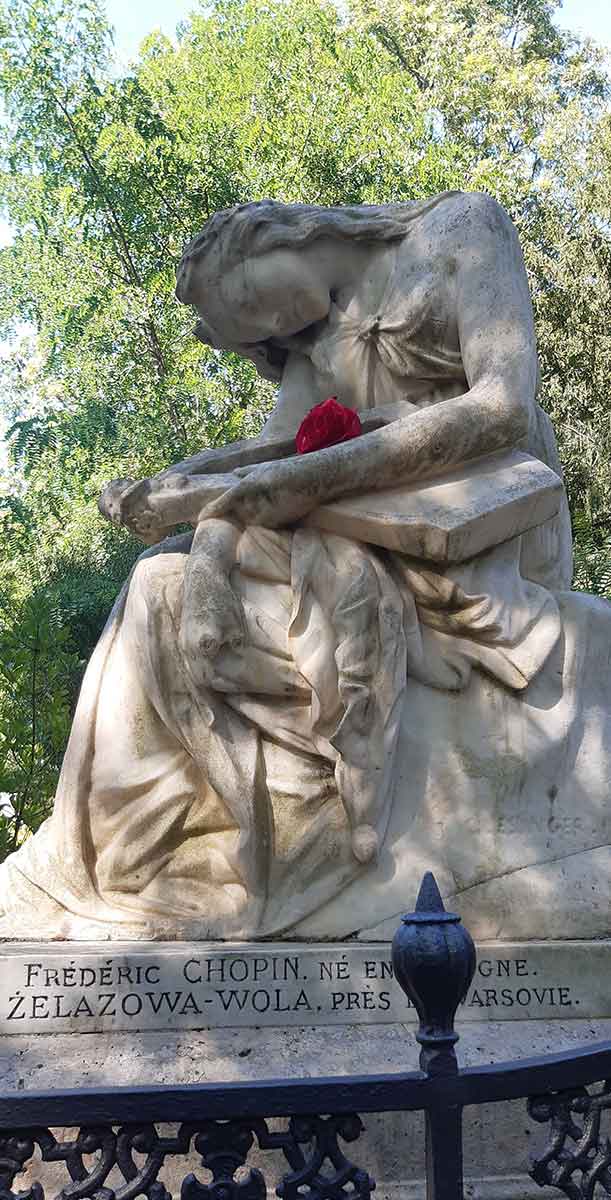
A more prosaic cause of the breakdown between Chopin and Sand was the composer’s relationships with the author’s children as they grew into adults. Maurice, the son, was resentful of Chopin, while Solange, the daughter, doted on him (there has been speculation about their relationship). In 1847, Chopin took Solange’s side in a dispute between Sand and her daughter and son-in-law, sculptor Auguste Clésinger. Sand and Chopin separated, seeing each other only once more: a chance meeting, when neither spoke.
When Chopin died of tuberculosis in 1849, Solange was among the mourners at his deathbed. Clésinger sculpted the monument of a weeping woman (Euterpe, the classical muse of music) on Chopin’s tomb in Paris’s Père Lachaise cemetery. Sand kept away.
To her detractors, Sand’s absence is further proof that she was to blame for Chopin’s death. Many 19th-century accounts, in the absence of widespread knowledge about tuberculosis, represent the composer as dying of heartbreak. But from a modern perspective, we might speculate that Sand stayed away because it was too painful, or out of a desire not to cause more harm.
Sand and Chopin remain one of Romanticism’s quintessential pairings, precisely because of the unlikeliness and tempestuousness of the affair. They leave more questions unanswered than answered, suspending us in an essentially Romantic striving after impossible knowledge.
They united music and literature in a melting pot of fascinating mutual influence. Like all the great Romantics, they testify to the important results that come from the overlapping of art, genius, and love.
Sources
Hadow, W. H. (2012). Studies in modern music, second series: Frederick Chopin, Antonin Dvořák, Johannes Brahms. Project Gutenberg edition.
Huneker, James (2004). Chopin: the Man and his Music. Project Gutenberg edition.