
The Ancestral Puebloan people were an enigmatic agrarian culture in the ancient American Southwest, and their descendants can be found today among the Hopi, Zuni, and other communities along the Rio Grande. Researchers recognize eight distinct cultural phases of the Ancestral Pueblo culture, with major changes in settlement behavior occurring during the Pueblo I period.
During the 8th century AD, Ancestral Pueblo peoples shifted from hunter-gatherer subsistence to agriculture. Communities grew, creating a need for increased housing, food, and water. Using natural resources like sandstone, clay, and lumber, the Ancestral Pueblo culture developed monumental structures using stone masonry and calculated engineering. These ingenious architects also created reservoirs and irrigation channels to meet the water requirements of the people and their crops.
Several of these engineering marvels are still standing over 1,000 years later and are recognized as World Heritage Sites by UNESCO. These UNESCO World Heritage Sites include Mesa Verde, Chaco Canyon, Taos Pueblo, and Aztec Ruins National Monument.
Mesa Verde, Engineered in Sandstone and Alcoves
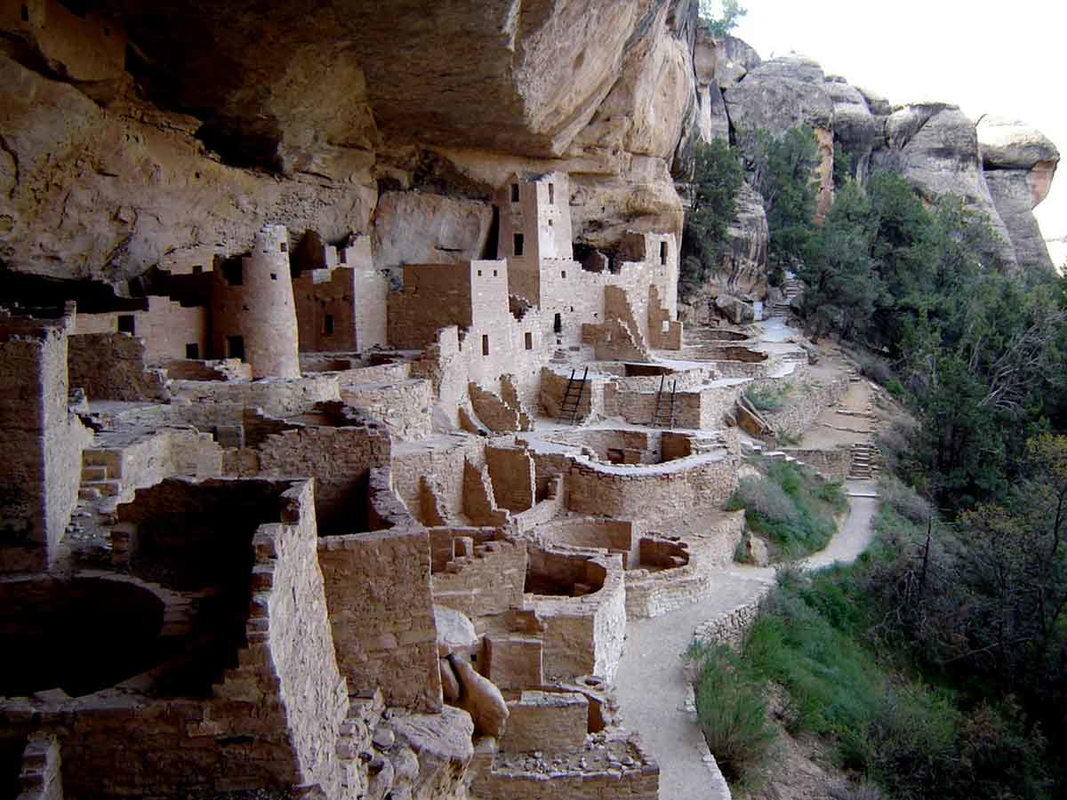
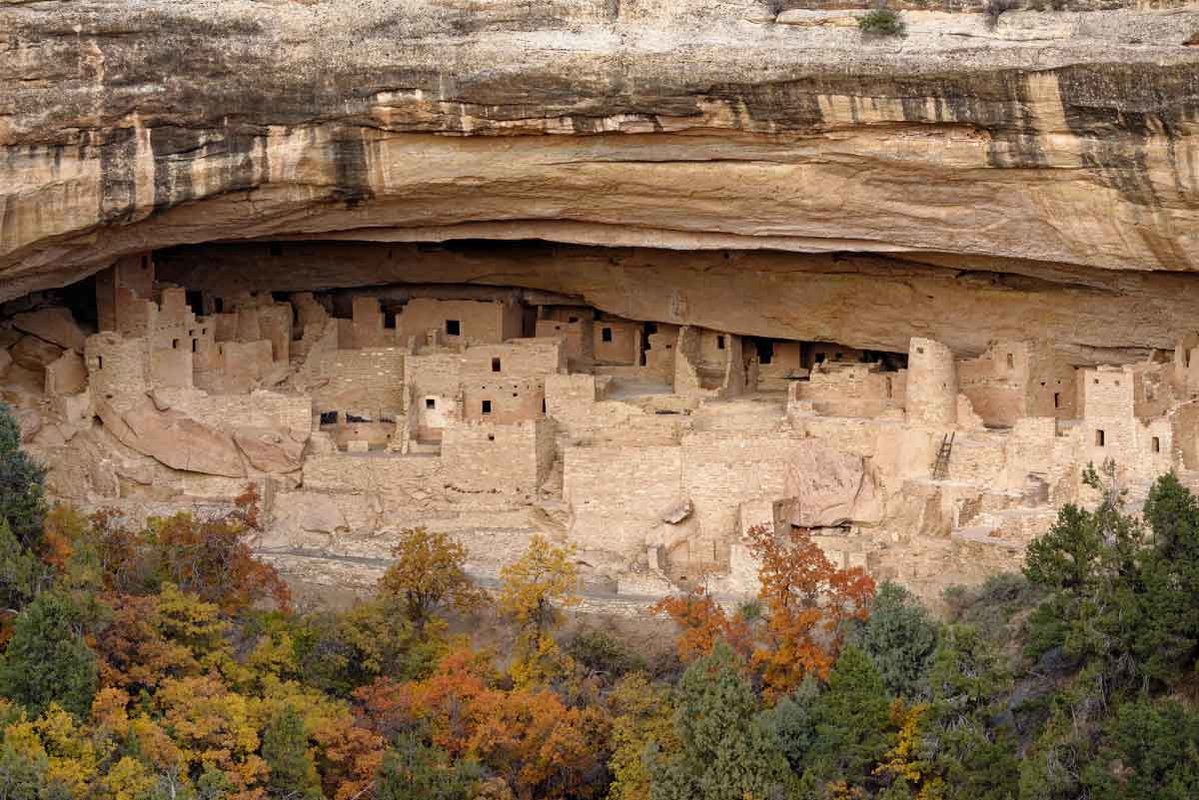
During the 12th century AD, the Ancestral Pueblo people constructed monumental stone masonry dwellings in the cliffs of the Colorado Plateau. They utilized spaces under overhanging cliffs, which sheltered the structures from wind and rain while providing a defensive advantage against their enemies. The dwellings varied in size, ranging from single-room constructions to multi-storied villages with over 100 rooms. The Ancestral Pueblo farmed on the mesa tops above, making the most of the semi-arid climate of the region. By the 14th century AD, they had abandoned these cliff dwellings.
The largest of these vertical dwellings is Cliff Palace. This monumental structure consists of 150 rooms and 21 kivas used as administrative centers and gathering places for ceremonies. These structures were built using wood beams, local sandstone, and adobe mortar, and are considered to be some of the most impressive examples of ancient vertical engineering in North America.
Known as pueblos, these apartment-like cliff dwellings had a defensive advantage, as the only ingress and egress was a ladder that could be pulled up quickly in the event of an attack. The stone walls of the structures provided a strong defense against enemy weapons, and strategically placed window openings allowed for the Ancestral Pueblo warriors to return fire.
Advanced Math and Ingenious Hydrology
While studying the Sun Temple, a ceremonial structure on top of a mesa within the Mesa Verde complex, archaeologists discovered that the site was constructed using geometric principles like Pythagorean 3:4:5 triangles and right angles. Another remarkable discovery was a standard unit of measurement of around 30 cm, which is very close to the modern imperial measurement of 1 ft, 30.5 cm.
During the Pueblo I cultural phase, the Ancestral Pueblo people engineered water reservoirs at the base of canyons that could hold as much as 40,000 gallons. These reservoirs were filled by both groundwater and runoff from the surrounding canyons and were sealed with clay to prevent leaking. According to hydrologists, some modern engineers still use this technique to prevent the leaching of wastewater.
The Ancestral Pueblo engineers also built canals and ditches to channel water into the reservoirs, using height and gravity to their advantage. Over time, they would adjust the height of the channels to match the reservoirs, as the accumulation of sediment would raise the reservoirs’ height over time. This precise engineering is recognized today, with the American Society of Civil Engineers honoring the reservoirs of Mesa Verde as a Historic Civil Engineering Landmark.
The Massive Highway Network of Chaco Canyon
With an arid climate and challenging landscape, one would think the San Juan Basin of New Mexico an unlikely location for a thriving ancient society. This region has an annual rainfall of just eight inches, long winters, and a limited growing season. Despite these environmental challenges, the Ancestral Pueblo people built monumental settlements and lived in the Chaco Canyon for over 300 years.
The Ancestral Pueblo also constructed roads to connect the great houses of Chaco Canyon, going beyond the canyon to connect to outlying settlements. They managed to farm corn, beans, and squash using terraced crops and prudent irrigation systems. There is also evidence that some resources and food supplies were imported using these roads. As the region was limited in resources, trade was vital to the survival of this large community.
The Ancestral Pueblo constructed well-engineered roads to connect communities within Chaco Canyon, and Chaco Canyon to other outlying settlements. Engineers leveled ground for the roads and, in some areas, built stone or earthen curbs. Signal fire stations were placed along these roads, allowing for fast communication along Chaco Canyon and to its sister sites. These roads also facilitated trade that extended as far as modern-day Mexico and the Gulf of California.
Housing and Irrigating Chaco Canyon
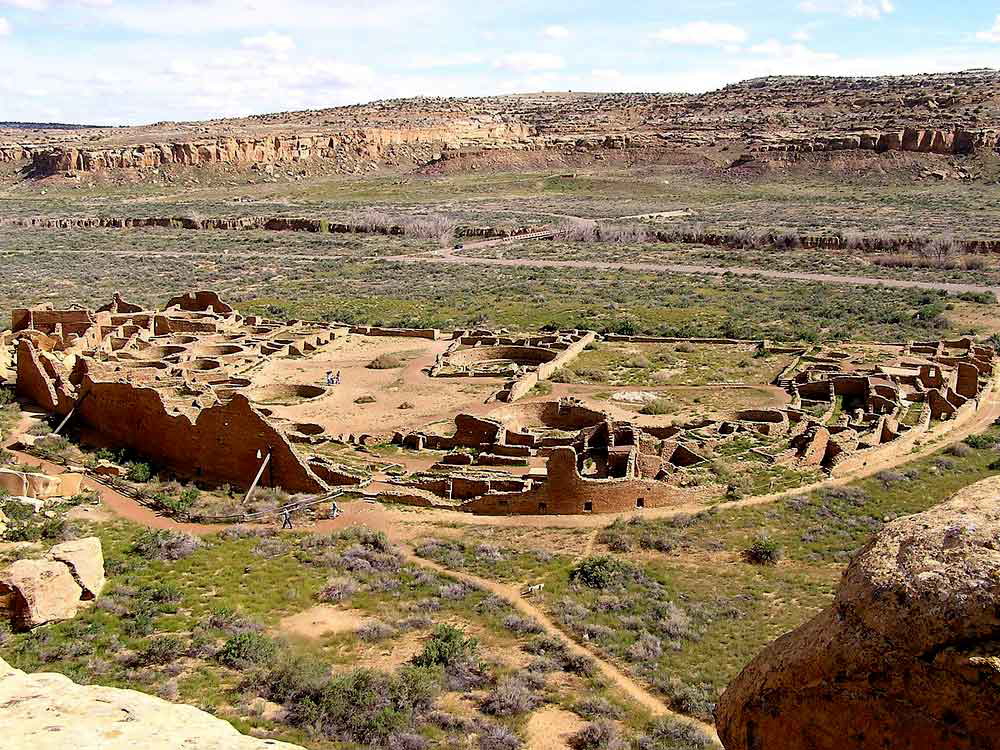
During the 9th century AD, the Ancestral Pueblo people began constructing large settlements along Chaco Canyon. These monumental structures are known as great houses and were designed for residential, public, and official uses. Great houses were constructed using precise masonry and had as many as 800 rooms and five levels. Included were room blocks, intended as living spaces and storage rooms, and subterranean kivas for ceremonial or political gatherings. In front of the kivas and room blocks were plazas, open spaces used for day-to-day activities and gatherings.
During archaeological work, researchers have uncovered evidence of several canal systems and water diversion from different sources by stone masonry gates. These canals led to reservoirs, gridded fields, and terraced crops, making the most of their limited water supply. The Ancestral Pueblo also utilized the cliffs north of the great houses for water, constructing reservoirs and channels to collect and divert rainwater down to small agricultural fields.
Taos Pueblo’s Glittering Adobe Marvels
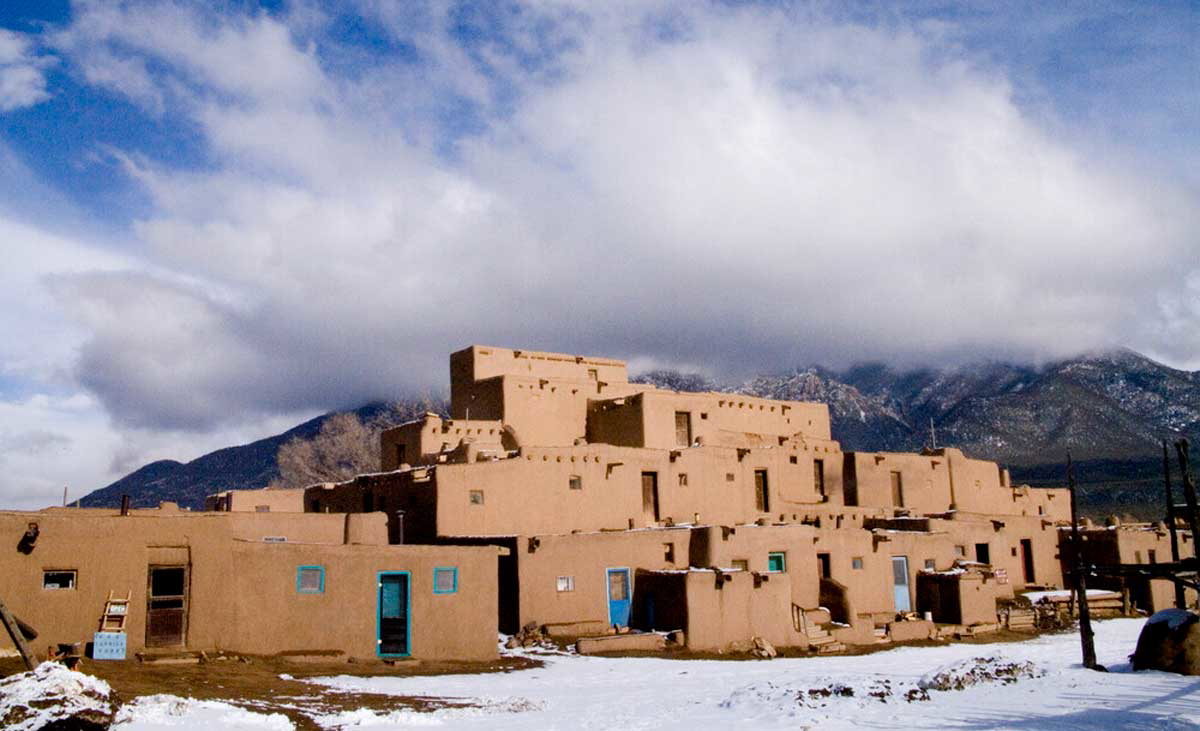
The Taos Valley of northern New Mexico provided resources that supported the Ancestral Puebloan peoples for many centuries. Bordered by the Rio Grande and the Taos Mountains, life-sustaining water and construction materials were within reach of the Ancestral Pueblo people going back to the 10th century AD.
Established during the 13th century AD, Taos Pueblo quickly became an important trade and communication hub between tribes. The Ancestral Pueblo went on to host impressive trade fairs in the fall seasons following major harvests. Descendants of the Ancestral Pueblo still live at Taos Pueblo today, maintaining the traditional adobe structures, which have survived for seven centuries.
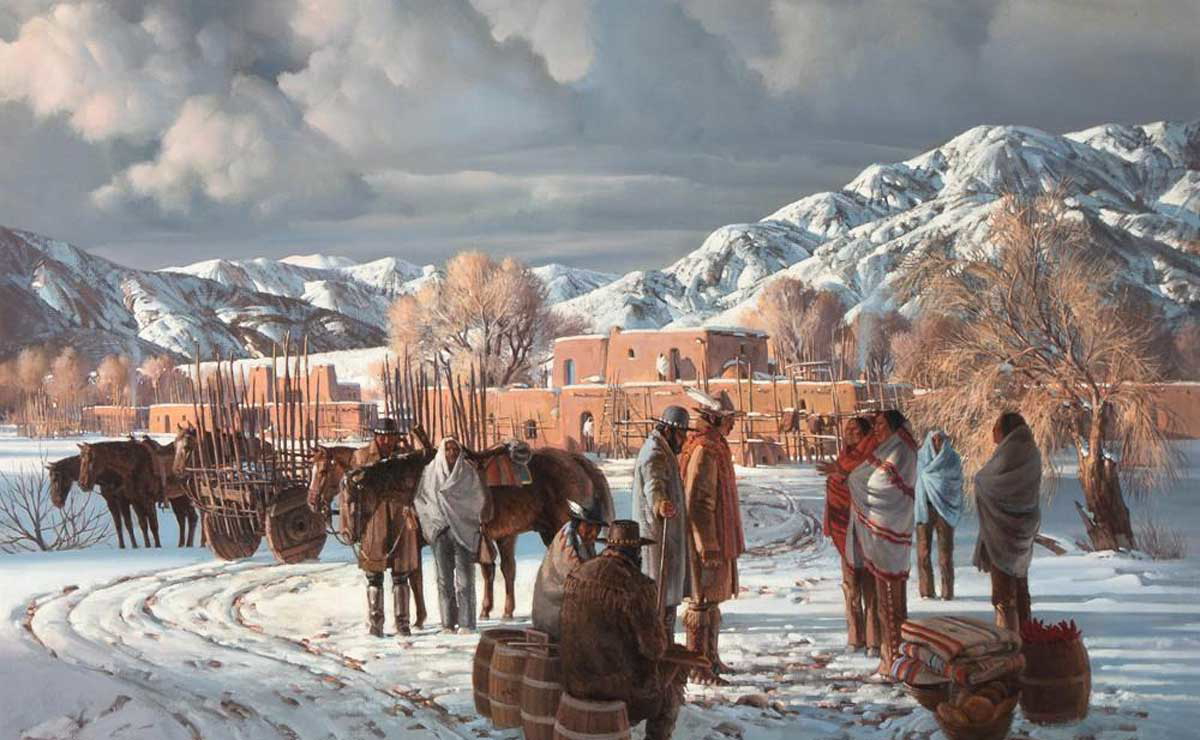
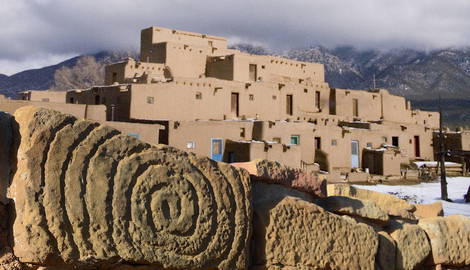
Recognized as the best-preserved pueblo located north of the modern-day border between the United States and Mexico, Taos Pueblo includes adobe houses built close together, with five or six vertical stories. The houses were built in a step-back style, with the roofs of each level acting as the floors and terraces for the stories above. The homes became narrower as they rose, with 70 cm thick adobe walls at the base, narrowing to 35 cm at the top of the house.
The local clay used in construction contains mica, which lends a glittering appearance to the buildings, especially in the sunlight. It is said that the Spanish explorers thought they had discovered the legendary “cities of gold” when they first saw Taos Pueblo. There is no doubt that this settlement with its glittering walls was a sight to behold.
The Misnamed Wonders at Aztec Ruins National Monument
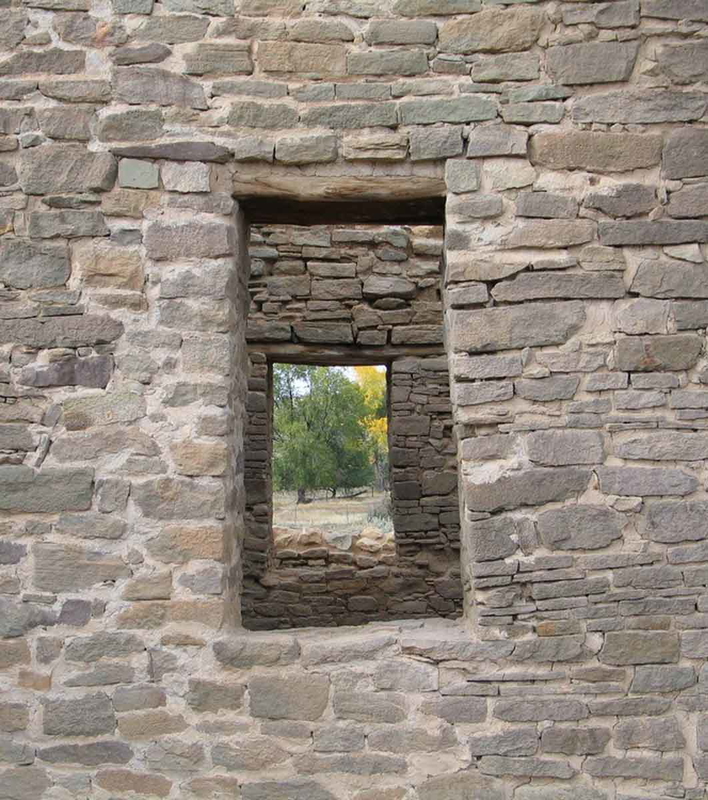
Located in the modern-day city of Aztec, New Mexico, the settlement known as Aztec Ruins was built during the 12th century AD by the Ancestral Pueblo culture. 18th-century American settlers named the structures after the Aztecs, mistakenly believing they were of Aztec origin. Now a national monument, the Aztec Ruins are situated on the west bank of the Animas River in northern New Mexico.
Many of the stone masonry buildings and kivas have been reconstructed, so visitors can visualize and understand the history of the Ancestral Pueblo people. The Aztec Ruins complex includes several multi-story residential great houses similar to those of Chaco Canyon. Each great house has a subterranean kiva used for gatherings, and Ancestral Pueblo engineers built roads to connect the great houses.
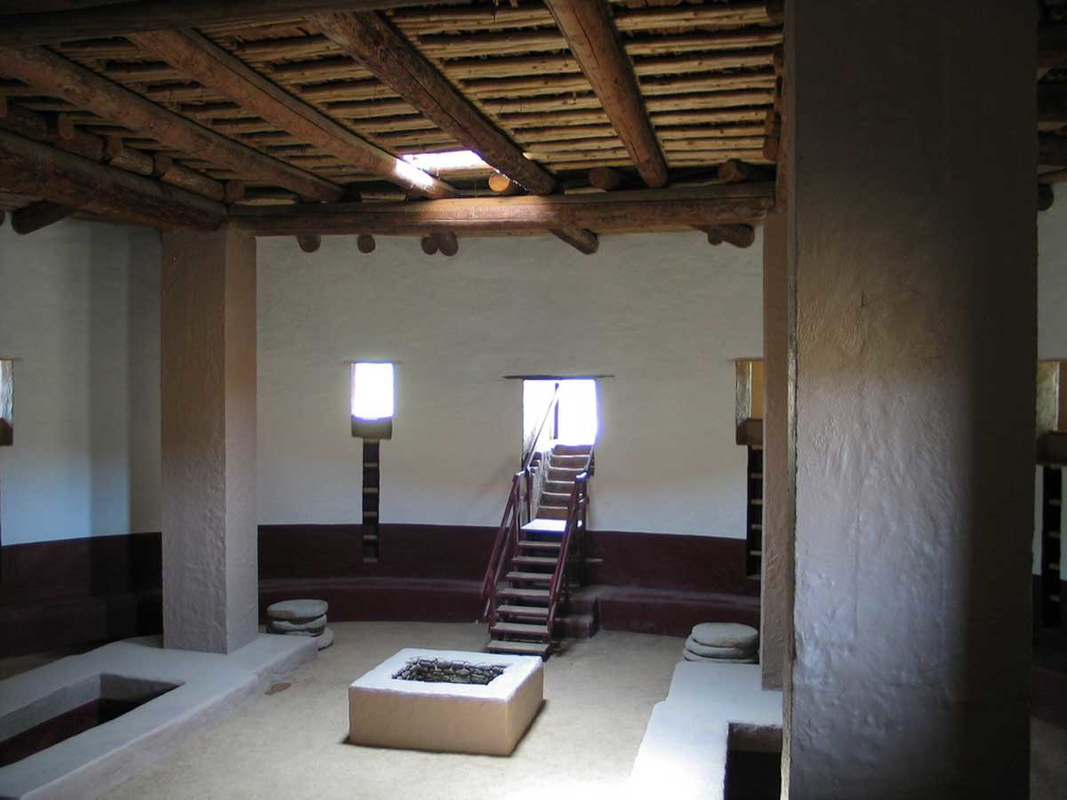
While performing research, archaeologists discovered that the stone masonry structures were built using formal engineering and local resources. The structures and surrounding features suggest that the Ancestral Pueblo relied heavily on the nearby Animas River while respecting the power this water source yielded. Archaeological excavations have uncovered earth pedestals used to raise structures above potential flooding, as well as earthen berms surrounding the structures. The latter may have been intended as windbreaks and channels to deter floodwater.
Many archaeologists find it remarkable that these early settlers not only recognized the potentially destructive power of the river, but also successfully protected the structures against these dangers. The Animas River still floods occasionally, causing damage to modern neighborhoods along its banks.