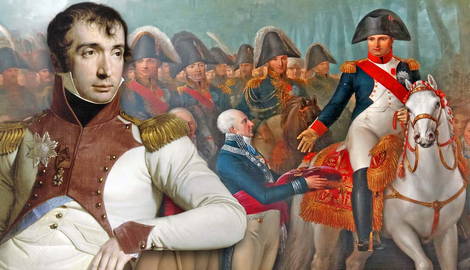

In 1806, Emperor Napoleon made his younger brother Louis Bonaparte King of Holland. During his four-year reign, Louis was caught between the interests of his Dutch subjects and his brother’s demands for men and taxes. In 1810, Louis’s sympathy with the Dutch prompted Napoleon to abolish his kingdom and absorb the Netherlands into the French Empire. Louis continues to be fondly remembered in the Netherlands for his efforts to defy Napoleon’s centralizing decrees.
Who Was Louis Bonaparte?
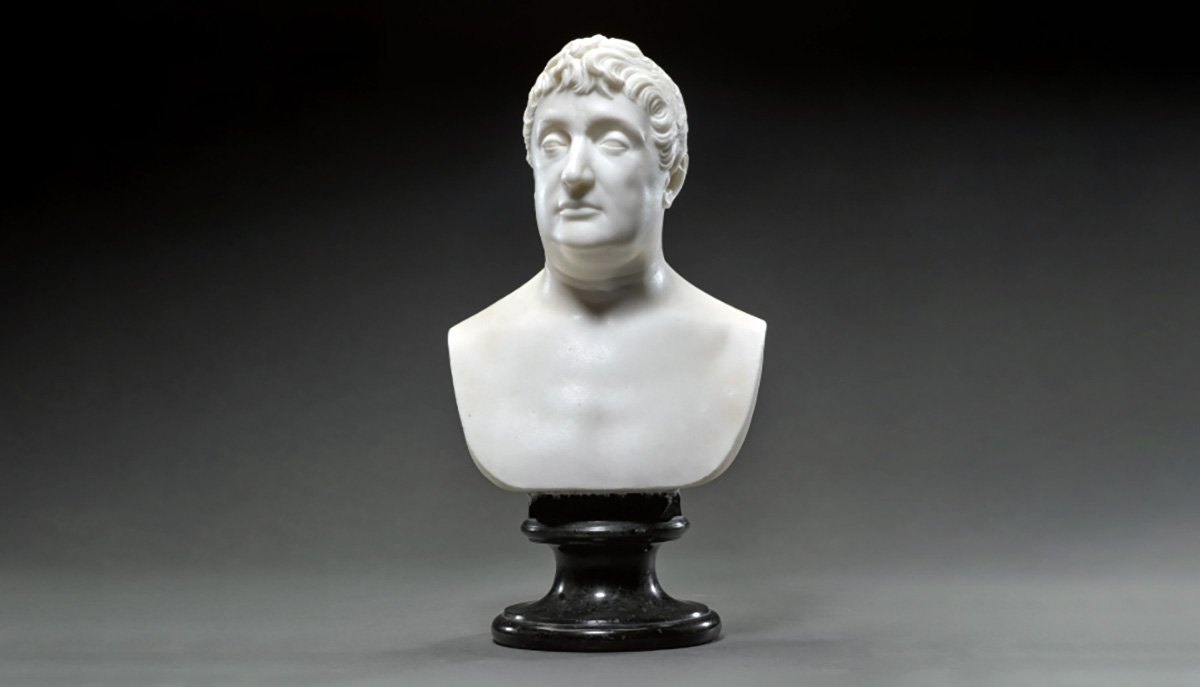
Louis Bonaparte’s life was forged under Napoleon’s stern tutelage. Born in 1778 in Corsica, Louis was the third son of Carlo and Letizia Bonaparte. When Carlo died in 1785, the 16-year-old Napoleon assumed responsibility for Louis’s education. Louis, who hoped to become an artist and a poet, decided to follow Napoleon into the French Army. However, he showed a serious reluctance to serve. For instance, when he commanded a cavalry regiment in 1800, he spent long periods of time away from his unit on sick leave.
Personally, he was a brave man. Serving as Napoleon’s aide-de-camp during the First Italian campaign, he rescued his older brother when he had his horse shot out from under him at the Battle of Arcole. He routinely rode through heavy fire to deliver messages to subordinates. However, when he went to Egypt with the rest of Napoleon’s army, he forced his brother to send him back to France because he detested the desert. His association with his brother and his personal courage meant that he was promoted to Général de Division at 25 years old. However, he still harbored artistic ambitions and was reluctant to carry out his brother’s bidding.
By 1796, Louis began suffering from chronic health issues, including bouts of depression and what he described as “neurasthenia.” He often sought relief at various spa towns, using his ill health to avoid certain military assignments. In 1802, Napoleon arranged Louis’s marriage to his beloved stepdaughter Hortense de Beauharnais. The marriage proved a disaster, although the couple had three children, including the future Emperor Napoleon III.
The Collapse of the Batavian Republic
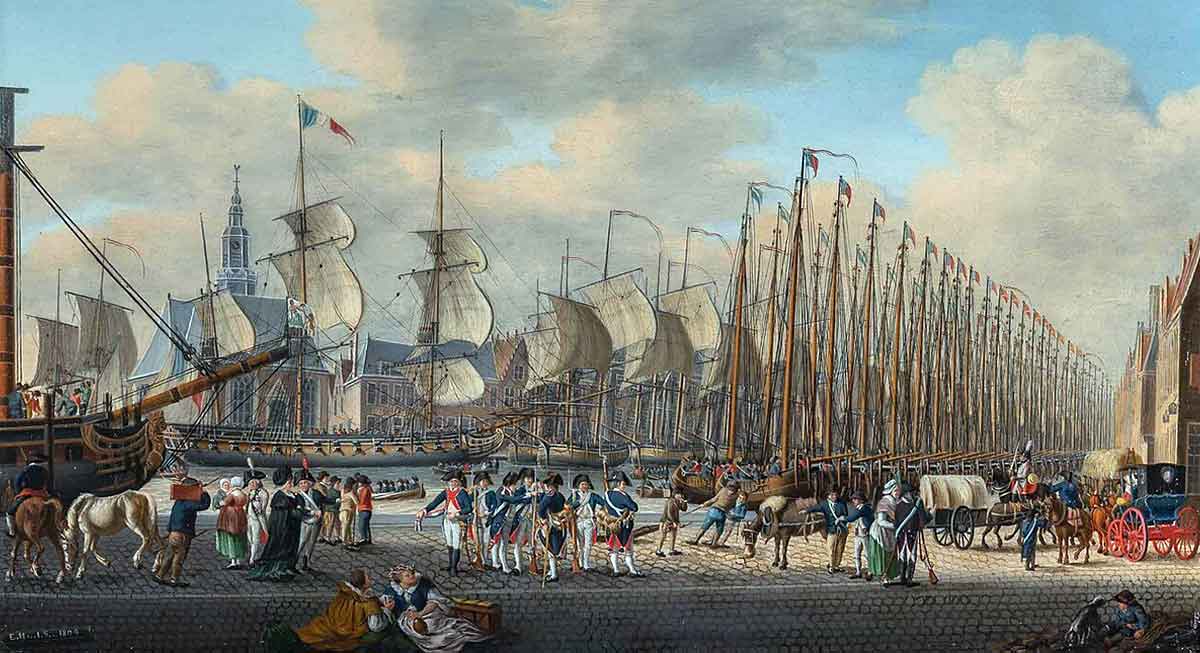
Established in 1795 after King William V fled with his family, the Batavian Republic was the Dutch satellite of the French Republic. While it was a democratic republic on paper, it suffered from chronic instability, including several coups d’etat. For the French government, instability in the Netherlands could be weaponized by France’s enemies against them. After seizing power as First Consul in November 1799, Napoleon began insisting on major changes to enable his government in France to assume greater control over the Netherlands.
In 1805, Napoleon tried to centralize power in the Netherlands by installing a single leader, Rutger Jan Schimmelpenninck, as Grand Pensionary. However, Schimmelpenninck proved to be ineffective as a puppet leader and further enraged Napoleon. The Dutch were unable to break the British blockade of French ports in the English Channel, while the British Royal Navy captured a host of Dutch colonies around the world.
In early 1806, Napoleon issued the Republic an ultimatum. Either they accept the rule of his brother Louis, or he would directly annex the entire territory into France proper. The Dutch, fearing that Napoleon would destroy their country if they refused, agreed to accept Louis as their new king. On June 5, 1806, the Republic was formally dissolved and replaced by the new Kingdom of Holland under King Louis.
King of Holland

One of the grim ironies about Louis’s reluctance to take up the role of King of Holland was that he proved to be effective and somewhat popular. Many Dutchmen looked at him as a stabilizing force after years of turmoil in the Republic. Additionally, he sought to ingratiate himself with the public and made a conscious effort to avoid being a French puppet. While this proved to be a positive for his subjects, it led to major tensions with Napoleon, who hoped to use Dutch resources to support his military and political objectives as Emperor of the French.
He attempted to learn Dutch to better communicate with his subjects and called himself King Lodewijk. While he famously slipped up and called himself the “Rabbit of Holland” (Konijn van ‘Olland) instead of “King of Holland” (Koning van Holland), the gesture earned him immense popular respect. He established the Royal Academy of Sciences and founded the collection that became known as the Rijksmuseum. Additionally, when he introduced the Napoleonic Code, he adapted it to Dutch customs rather than imposing it verbatim. These decisions showed that he considered local sensibilities when ruling the Netherlands.
Louis also showed personal sympathy for his subjects. When a barge carrying gunpowder exploded and destroyed much of the city of Leiden in 1807, Louis personally rushed to the scene, funded the reconstruction from his own pocket, and exempted the city from taxes. During major floods in 1809, he donned boots and waded through mud to help victims, a level of royal empathy previously unseen in the Netherlands.
Resisting Napoleon’s Demands
Louis’s policies may have worked for him and the Dutch people, but it set him on a collision course with Napoleon. In 1806, Napoleon established the Continental System to blockade British ships from European continental ports. He ordered Louis to crack down on the widespread violation of the blockade by the Dutch and made incessant demands for Dutch conscripts for military service across the French empire.
Louis knew that the Dutch economy was dependent on continued trade with Britain. Therefore, he publicly claimed he would stop Dutch merchants from trading with the British while allowing it to continue in private. Napoleon knew about this and derided Louis in private letters, calling the Netherlands “nothing more than an English colony.” Louis also insisted that no Dutchmen would be forced into military service against their will. When Louis agreed to allow the French to take some Dutch orphans for enlistment, it caused major unrest in the city of Rotterdam and Louis had to stop the practice immediately.
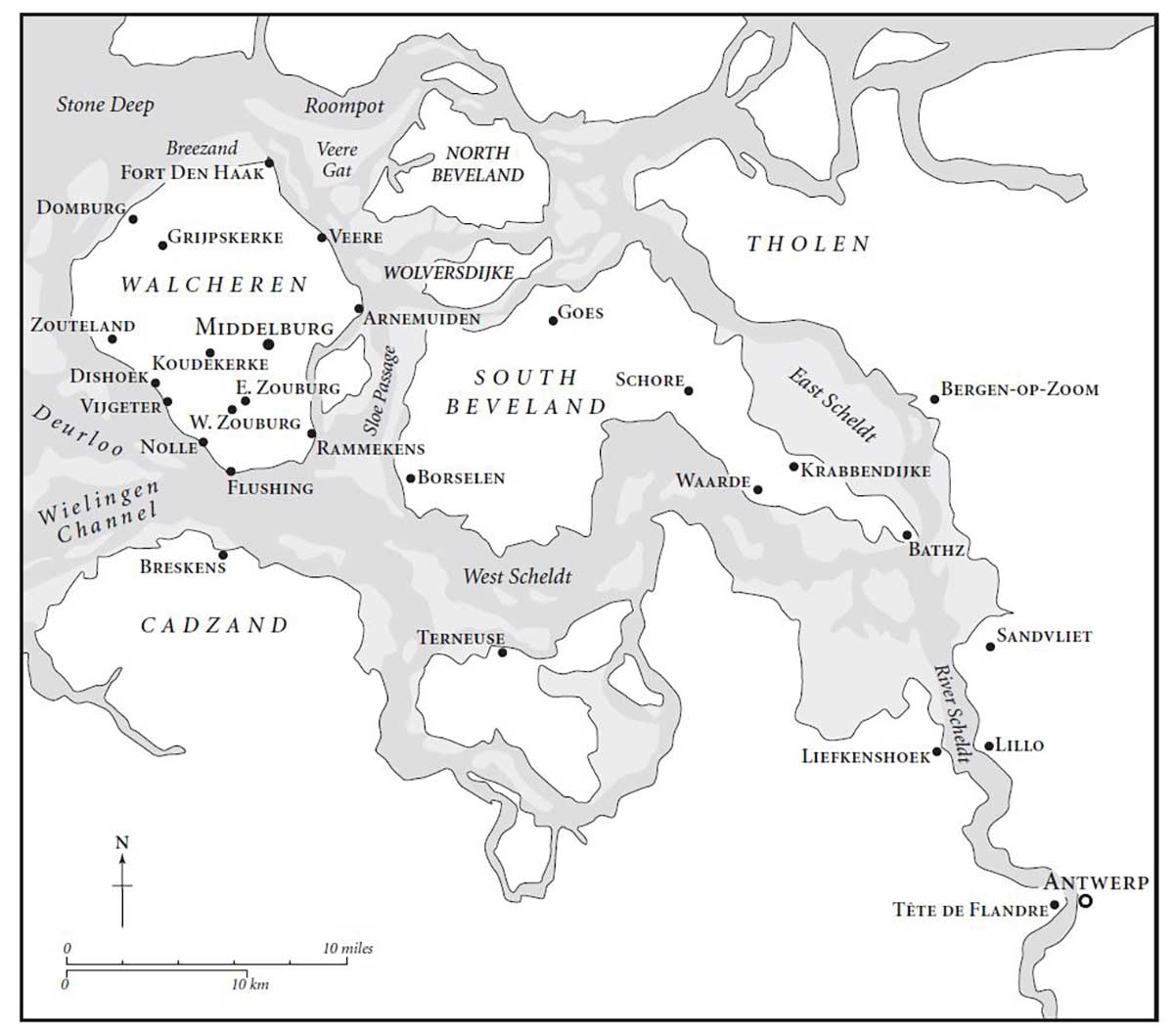
In 1809, when 40,000 British troops landed at Walcheren targeting the French fleet at Antwerp. Napoleon had already depleted the Dutch army because he feared that it would turn against him, leaving Louis with only 9,000 untrained men. Napoleon viewed this inability to protect the “northern gateway” to the Empire as a personal failure of Louis’s leadership. While the British expeditionary force was decimated by yellow fever and forced to abandon its campaign, reinforcements arrived from France and began to occupy major institutions throughout the Netherlands, effectively making the territory a French colony.
Louis’s Abdication
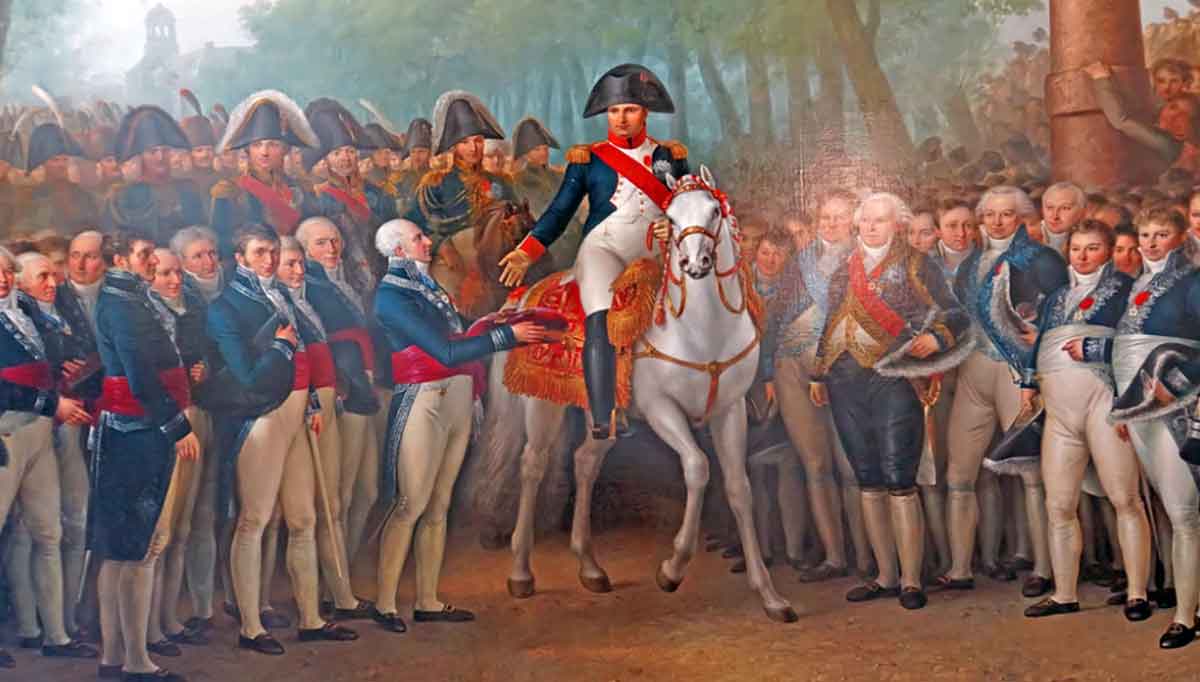
While the French intervention “saved” the Netherlands from the British, it spelled the end of Louis’s rule. Napoleon and his marshals thought that Louis and his Dutch advisors were incapable of keeping the British out of northern Europe. Additionally, Louis publicly opposed the permanent stationing of French troops on Dutch territory. Once it became clear that Louis was going to be nothing more than a puppet surrounded by French bayonets, he began plotting his escape.
On July 1, 1810, Louis wrote up his abdication papers and prepared to hand over the throne to his son, Prince Napoleon Louis. The next evening, he fled his palace at Haarlem in secret. He traveled under the pseudonym Comte de Saint-Leu (after his estate in France) to seek asylum in Bohemia, then part of the Austrian Empire, effectively abandoning his family and throne to escape his brother’s reach. The French army entered Amsterdam shortly afterward and Napoleon announced that he planned to annex the Netherlands directly into the French Empire. Governor-General Charles-François Lebrun oversaw the occupation from Paris while the French began dragooning Dutch resources and manpower into the war effort.
When Napoleon invaded Russia in 1812, Dutch conscripts in the French army suffered heavy losses, enraging the Dutch public. Underground organizations began plotting to rebel against the French while smuggling to the British continued, notwithstanding the French crackdown. After Napoleon’s disastrous defeat at Leipzig, the French garrison in the Netherlands began to withdraw. This enabled King William I of the House of Orange-Nassau to return, leading to the restoration of Dutch independence.
The Legacy of Louis’s Rule
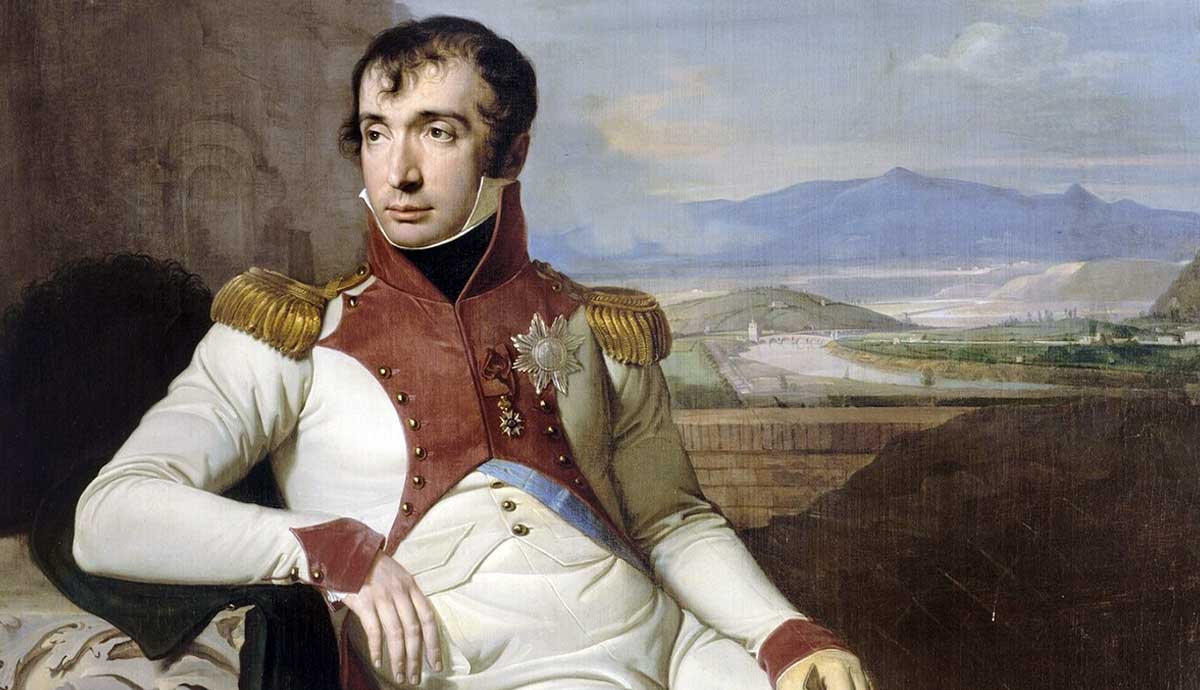
After a protracted legal battle with his estranged wife over the custody of their eldest son, Napoleon Louis, Louis settled in Florence in 1826, where he finally had the opportunity to pursue his literary ambitions. Initially, he wrote a three-volume work defending his record as King of Holland, and later, he wrote a novel. In 1846, he died in Italy and was buried in the town of Saint-Leu-la-Forêt, in France.
While Louis was imposed as king by Napoleon, he is fondly remembered in the Netherlands. His willingness to learn the language, his desire to create a Dutch law code that reflected local conditions, and his empathy towards the Dutch people in times of disaster made him popular amongst the locals. Additionally, he established a unified national tax system and the Ministry of Water Management, which remains a vital part of Dutch infrastructure today. Many of the main institutions in Amsterdam today are a legacy of his rule.
When King William took over the Netherlands, he instituted a policy of “forgetting” the Napoleonic period. However, he sought to copy many of Louis’s policies. For instance, he insisted on a unitary Dutch state instead of a confederation of provinces. Additionally, he kept the Civil and Land registries in place that Louis had set up. Subsequent Dutch leaders sought to blend local governance practices with Louis’s Bonapartist vision of leadership.