Since the second half of the 20th century, global superpowers have scrambled to build nuclear weapons and power plants. As a result of inevitable mistakes, radioactivity has left a deadly trail on planet Earth. From disastrous nuclear accidents to reckless waste disposal, the most radioactive places on Earth reveal how mankind’s quest to harness nuclear power has had a long-lasting impact on the natural environment.
1. The Chernobyl Exclusion Zone
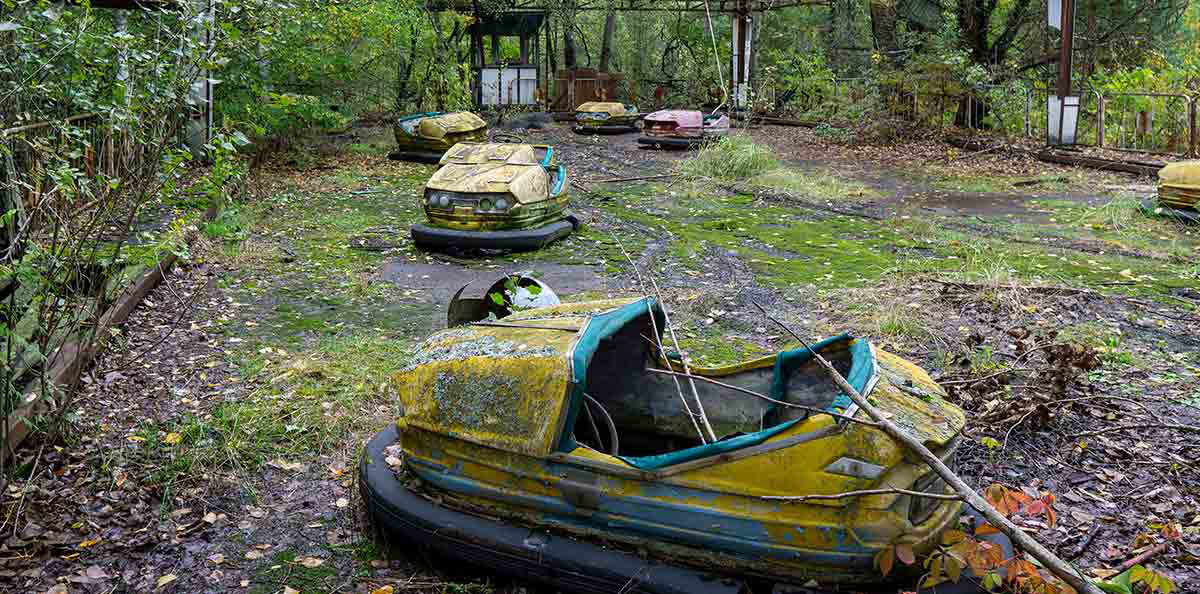
The worst nuclear incident in history took place on April 26, 1986, when a reactor at the Chernobyl Nuclear Power Plant in the Soviet Socialist Republic of Ukraine exploded. Massive amounts of radioactive material were thrown into the atmosphere by the blast, contaminating vast swaths of Eastern Europe, Belarus, Russia, and Ukraine. About a hundred Hiroshima bombs’ worth of radiation was emitted after Reactor No. 4 exploded. As a result, entire communities, including the city of Pripyat, were permanently evacuated. The Soviet Union created an exclusion zone around the power plant.
The bulk of the radioactivity present in the exclusion zone is caused by the unstable isotopes Cesium-137 and Strontium-90, each with a half-life of over 30 years. Due to the nature of these isotopes, they still persist in the soil and water of the exclusion zone to this day and present a serious hazard to the health of the nearby population. The amount of radioactive material present within the damaged reactor is still so harmful that the international community was forced to raise hundreds of millions of dollars to help the struggling government of Ukraine build a new containment building to cover the crumbling Soviet sarcophagus that was built during the liquidation process.
2. The Fukushima Daiichi Radioactive Trace Area
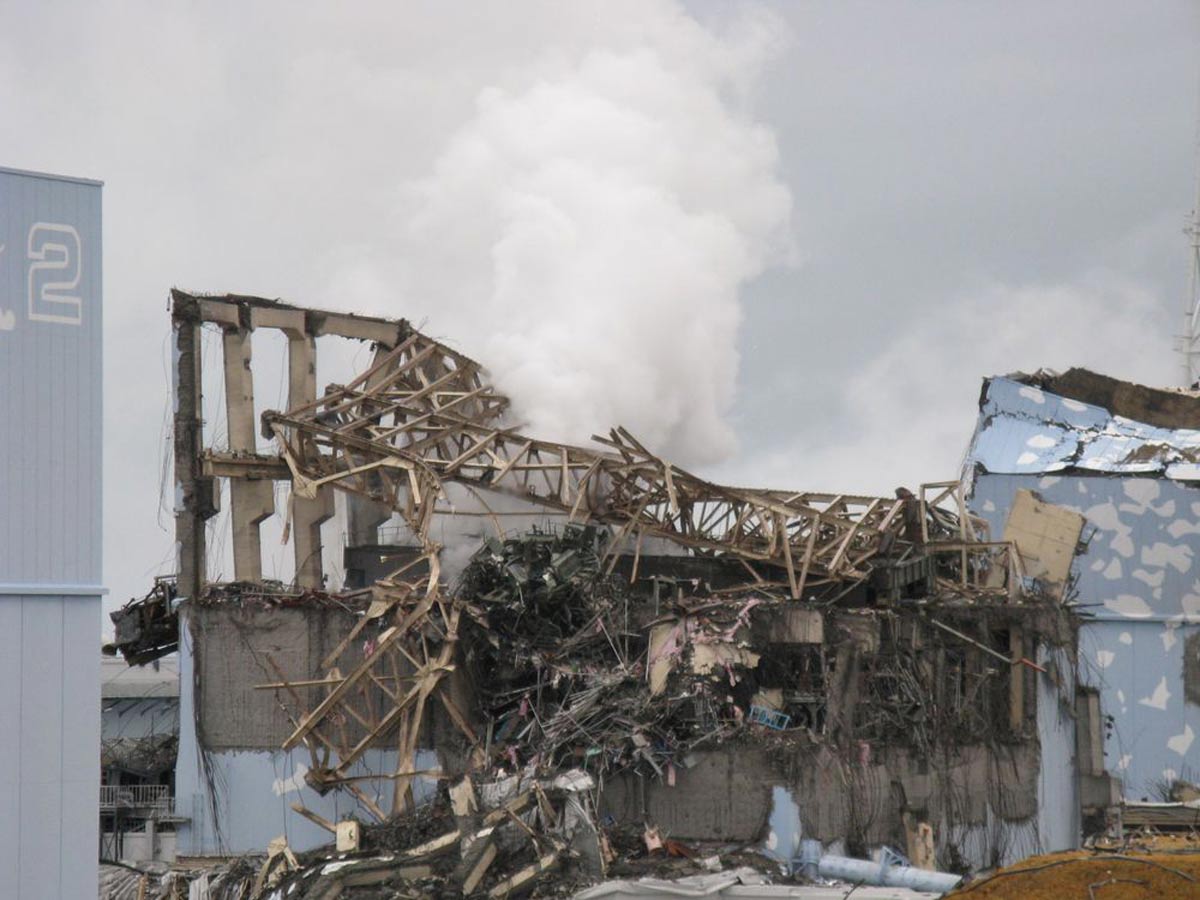
The Fukushima Daiichi Nuclear Power Plant in eastern Japan became the focus of global attention in March 2011. A record-breaking earthquake caused a tsunami, which triggered a chain reaction that caused the meltdown of three nuclear reactors. While Japanese nuclear technicians raced to resolve the situation, the three damaged reactors released huge amounts of radioactive iodine, cesium, and strontium into the atmosphere and surrounding area.
In the wake of the triple meltdown, the Japanese government issued an evacuation warning that affected hundreds of thousands of residents over a wide area. While extensive cleanup efforts are ongoing, a large area surrounding the Fukushima plant remains heavily radioactive, and there continues to be contamination of cooling water used to prevent the damaged reactors from melting down further. Recently, the decision to release this radioactive water into the Pacific Ocean sparked controversy. Second only to the Chernobyl exclusion zone, the Fukushima Daiichi Radioactive Trace area remains one of the most heavily radioactive areas on the planet both in terms of severity and scale.
3. Lake Karachay Nuclear Waste Site
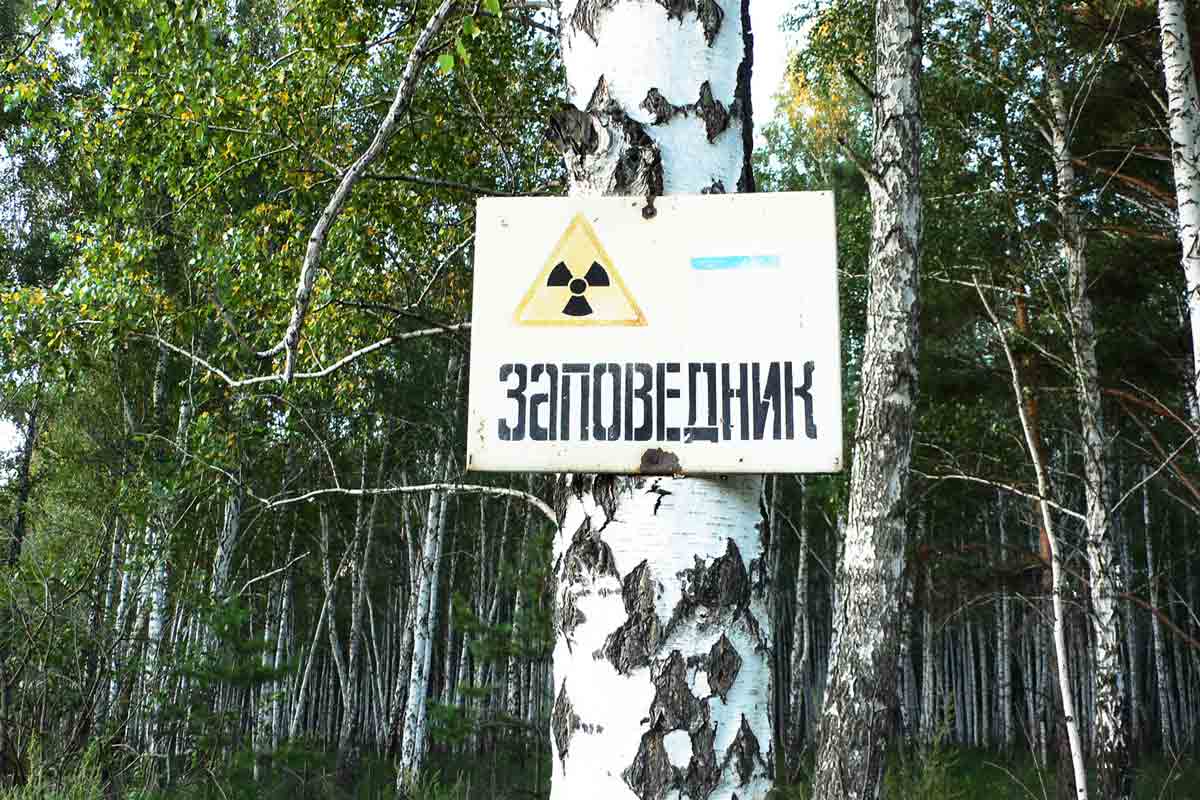
The next most radioactive place on Earth was not the product of a nuclear accident or an atomic weapon test. It was contaminated from years of negligence that thrived under the secretive Soviet nuclear weapons program. Lake Karachay, located in the heart of Russia’s Ural Mountains, is one of the most polluted places on the planet. The lake was used as an open-air dumping facility for radioactive waste from the Mayak Production Association, a Soviet facility that produced weapons-grade plutonium. By the late 1950s, after decades of pollution, the lake had absorbed the same amounts of cesium-137 and strontium-90 that were released across the entire Chernobyl exclusion zone.
The contamination at Lake Karachay was made considerably worse when, on September 29, 1957, a huge explosion occurred at a nearby nuclear waste processing facility. A failure in the cooling system of the nuclear waste tank storage area caused a chemical explosion equal in size to 70 tons of TNT, and released massive amounts of radioactive material into the surrounding area.
The blaze sent a column of radioactive dust into the atmosphere, dispersing fallout across a massive area now known as the Eastern Ural Radioactive Trace region. In the 1960s, a severe drought affected Siberia, exposing the lakebed to the elements. Strong winds carried the radioactive dust across a wide area. Lake Karachay has since been filled in with concrete to prevent further contamination, but the surrounding area remains dangerously radioactive due to years of pollution.
4. The Semipalatinsk Nuclear Testing Site
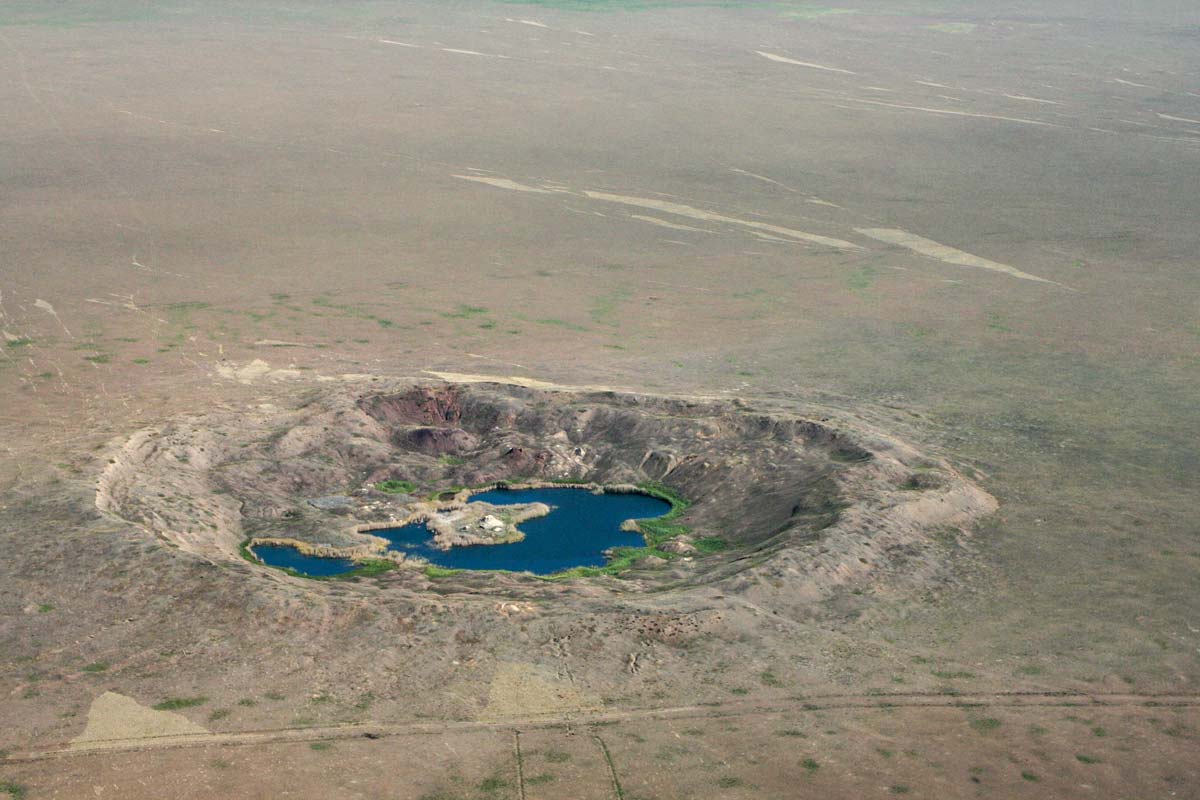
The Semipalatinsk Nuclear Testing Site, also known as the “Polygon,” was used by the Soviet Union as a primary testing ground for atomic weapons between 1949 and 1989. Located deep in the heart of the Kazakhstan steppes, the site witnessed 456 nuclear detonations both above and below ground. The constant nuclear testing contaminated a large area and spread radioactive fallout that affected a number of local communities. Notably, residents of villages near the Semipalatinsk testing site have reported increased rates of cancer, birth defects, and other radiation-related ailments. Today, there still remains a number of highly radioactive places at the testing site, despite frequent efforts to decontaminate the “Polygon.”
5. The Hanford Nuclear Weapons Site
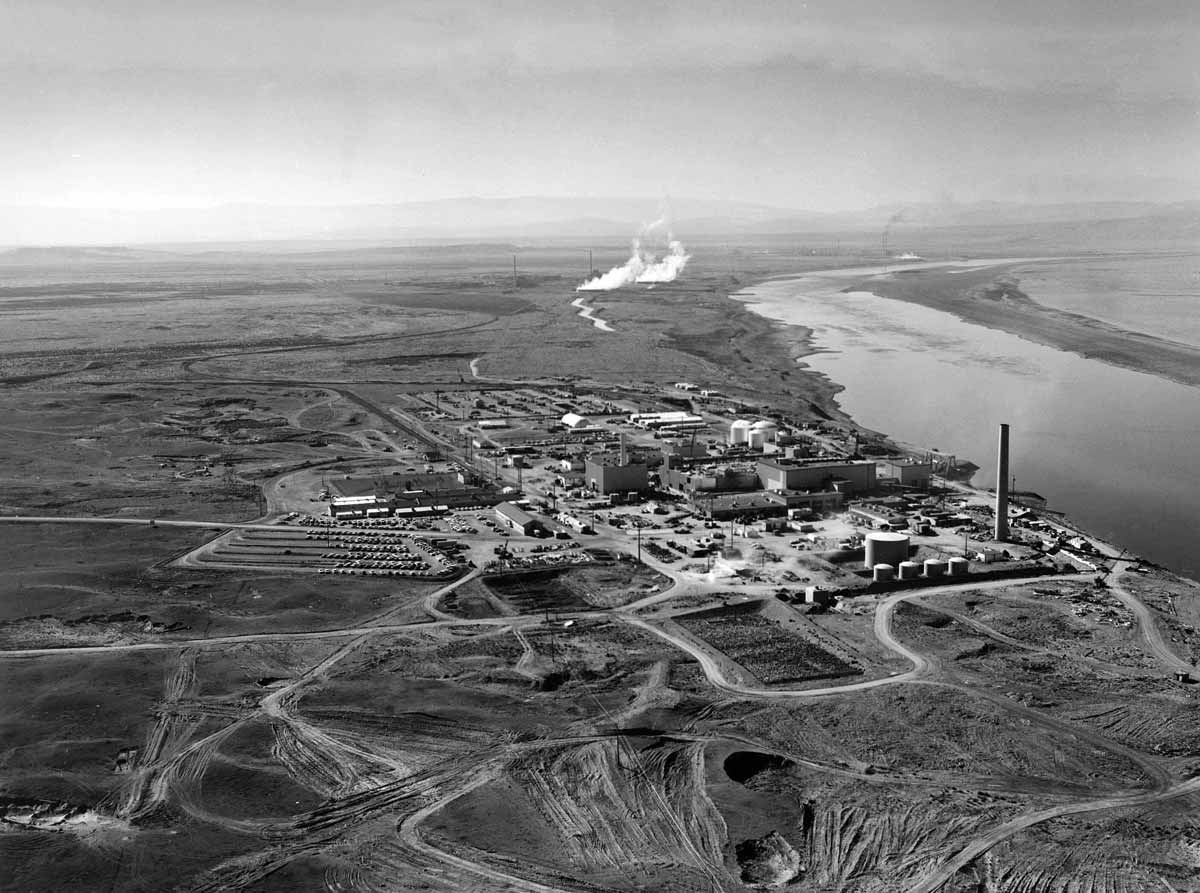
Located in verdant Washington State, the Hanford Site was one of the most important facilities to the Manhattan Project and later became a key production hub during the Cold War arms race. Hanford housed a number of nuclear reactors that were used to produce the large quantities of weapons-grade plutonium used in the atomic bombs dropped on Hiroshima and Nagasaki. Over the four decades it was used as a nuclear weapons site, the Hanford facility produced massive amounts of highly radioactive waste, most of which was stored improperly.
Today, Hanford is considered by many to be one of the most radioactive places in the United States and one of the most contaminated places on Earth. Much of this contamination was caused when storage tanks containing liquid radioactive waste leaked into the soil and groundwater. Large cleanup efforts to decontaminate the Hanford site are ongoing, but the process remains slow and costly due to the sensitive nature of the historic site.
6. Sellafield Nuclear Processing Center
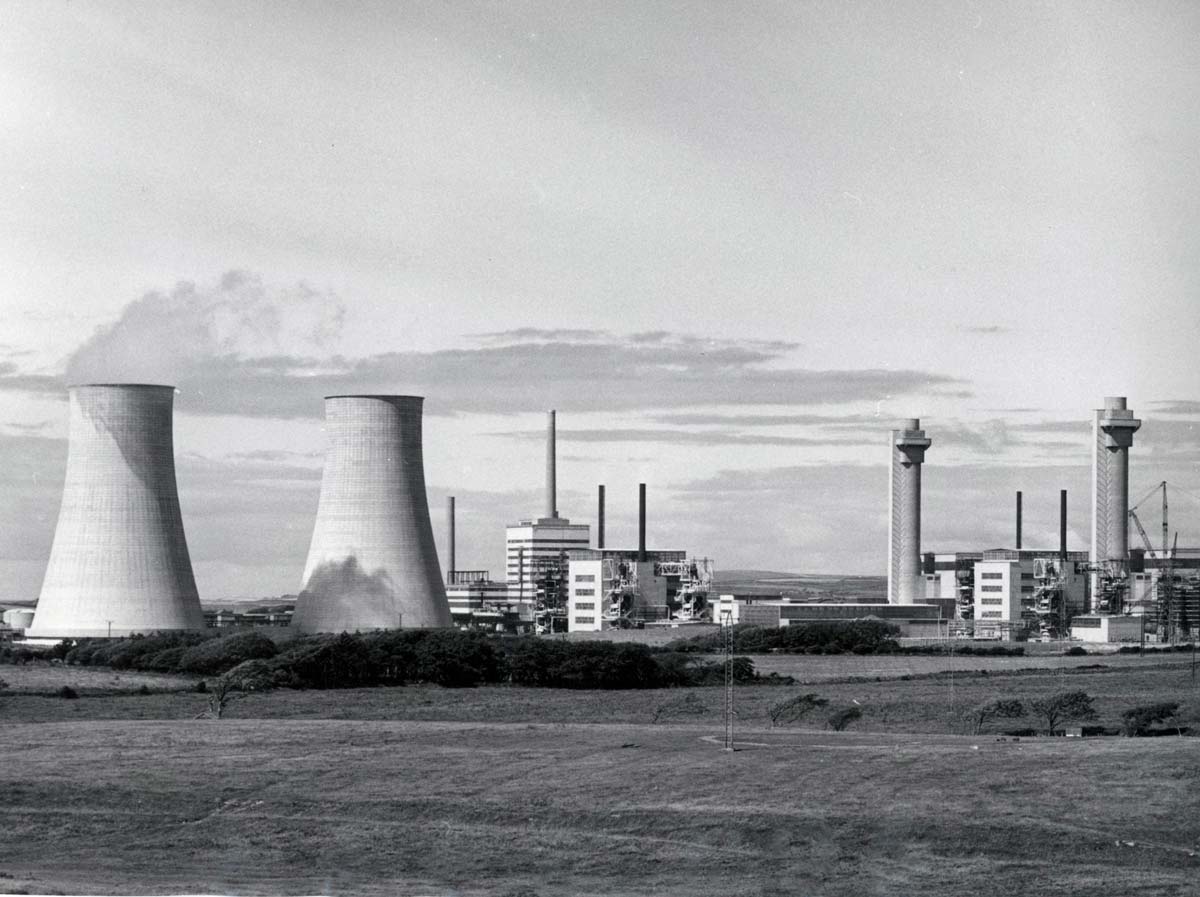
Sellafield, located on the coast of Cumbria in England, has been a hub of nuclear activity since the 1940s. A key component in the United Kingdom’s efforts to build a hydrogen bomb, Sellafield was used to develop the raw materials for Britain’s nuclear arsenal.
Sellafield was also used as a nuclear fuel reprocessing center where radioactive waste was broken down and disposed of. However, over the decades, a number of accidents and leaks caused Sellafield to release significant amounts of radioactive material into the surrounding environment.
As a result, the Irish Sea became heavily contaminated by radioactive waste; it has since been dubbed the most radioactive sea in the world. While cleanup efforts of the British government have continued to reduce the damage to the local environment, the Sellafield site still remains one of the largest repositories of nuclear waste in the world.
7. The Goiania Radioactive Incident
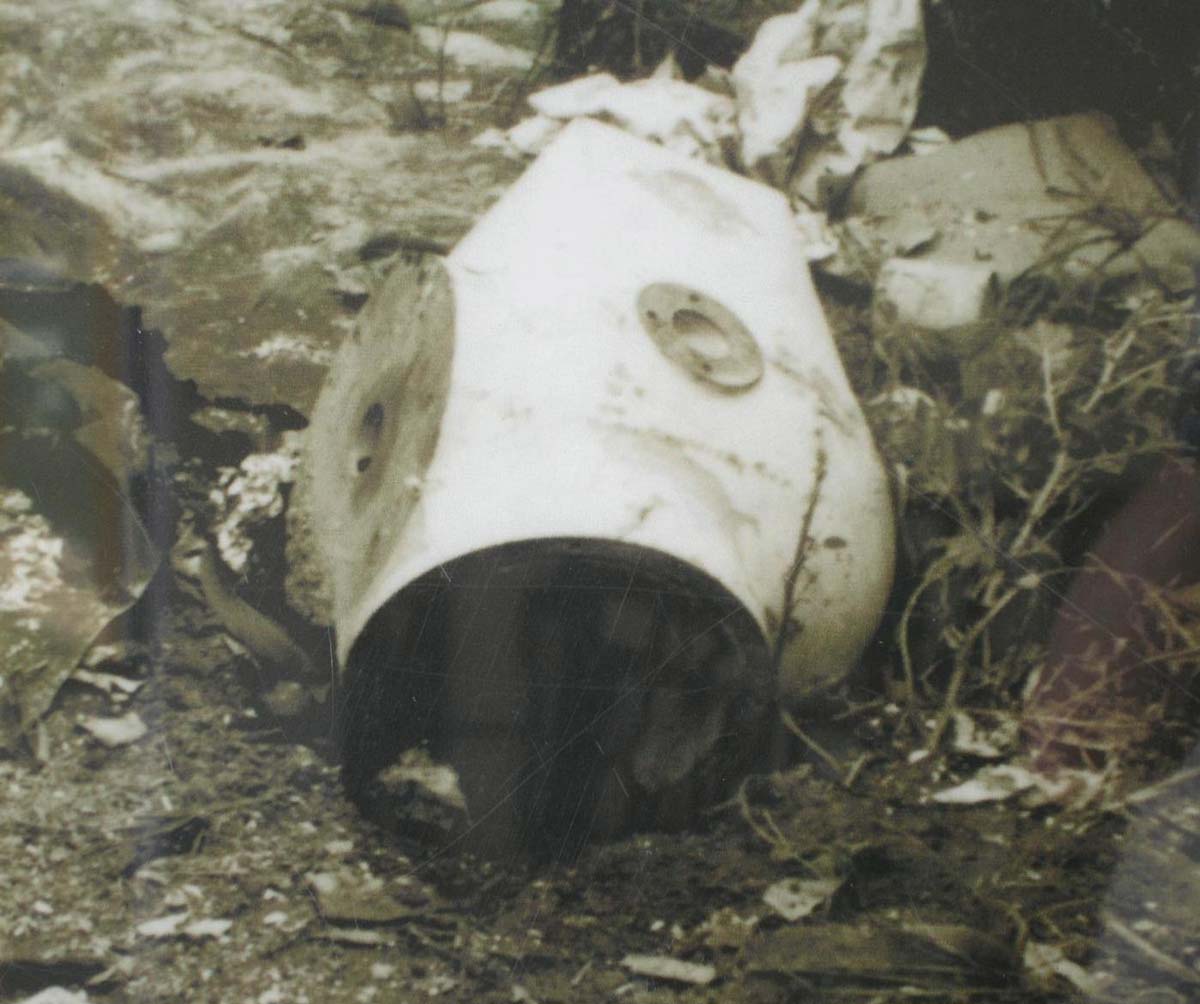
One of the most radioactive regions in the world was created as the result of one of the most surprising nuclear incidents in modern times. The Goiania radiation incident was a catastrophic accident that took place in the Brazilian state of Goias on September 13, 1987.
The radioactive contamination was caused when a radiotherapy device was looted from an abandoned hospital and taken apart. The accident caused widespread contamination and resulted in the deaths of four people. The source of the radiation was caused by the breach of a capsule containing 93 grams of cesium-137, which was opened by two men looking for scrap metal. As they dismantled the radiotherapy unit that contained the capsule, they encountered a glowing blue powder. The men distributed this powder to their families and sold the scrap metal to a local dealer. The authorities first became aware of the incident when a child died after playing with the glowing blue powder, and multiple individuals ate contaminated food.
The cleanup to reduce the levels of radioactivity in Goiania required the demolition and burial of the contaminated homes of the scrap metal scavengers as well as the removal of topsoil. The personal items of the most contaminated individuals were also confiscated and destroyed. The incident sparked a widespread debate in Brazil about the regulation of nuclear materials, and the city of Goiania became ostracized for many years, with multiple products from the region being banned from entering the wider Brazilian economy.
8. Mailuu-Suu Uranium Mining Center
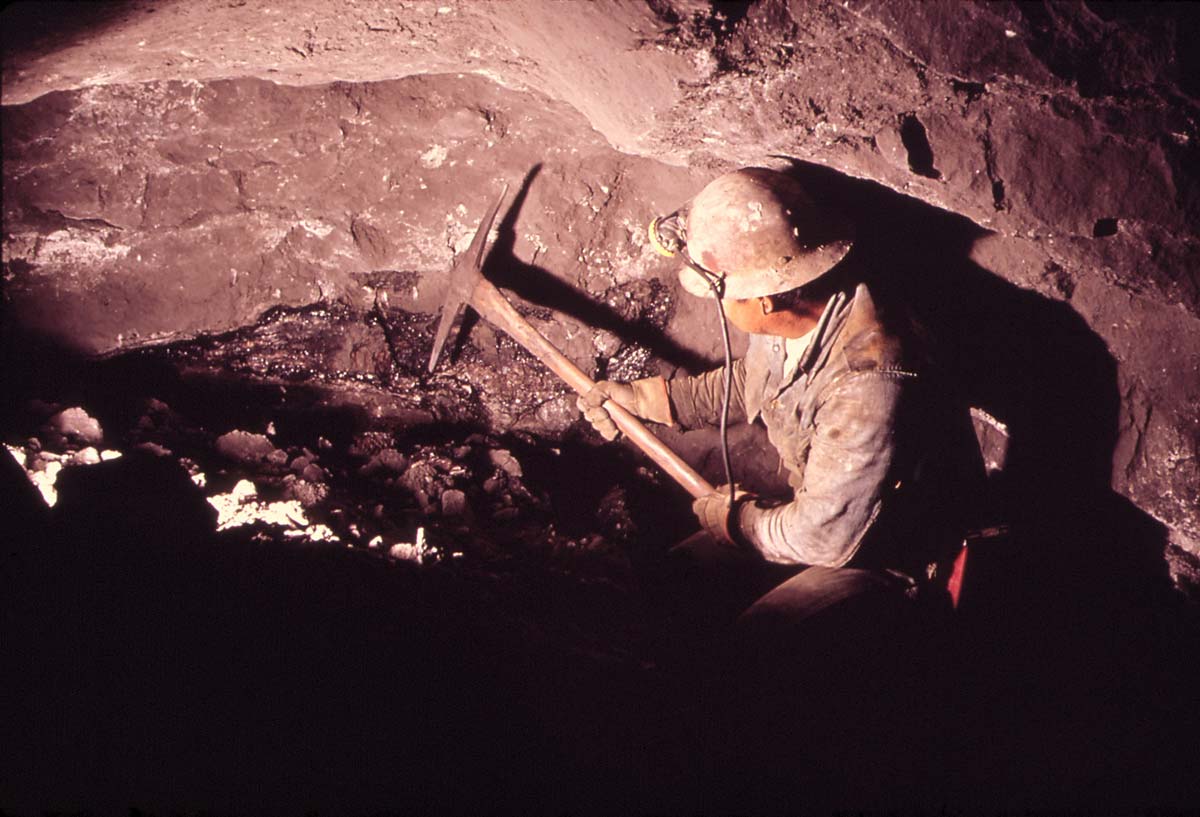
While the vast majority of radioactive contamination has been caused by humanity’s efforts to refine natural minerals into more hazardous substances, in Mailuu-Suu, a small town in Kyrgyzstan, the majority of radioactive contamination was caused by mining raw uranium. During the Soviet era, byproducts of uranium mining were improperly stored in open-air waste piles. Over time, these haphazard waste dumps have eroded, releasing harmful radiation into local rivers and polluting countless communities. Moreover, the area surrounding the Mailuu-Suu uranium mining complex is prone to frequent landslides and earthquakes, further spreading the harmful byproducts of uranium mining across a wide area.