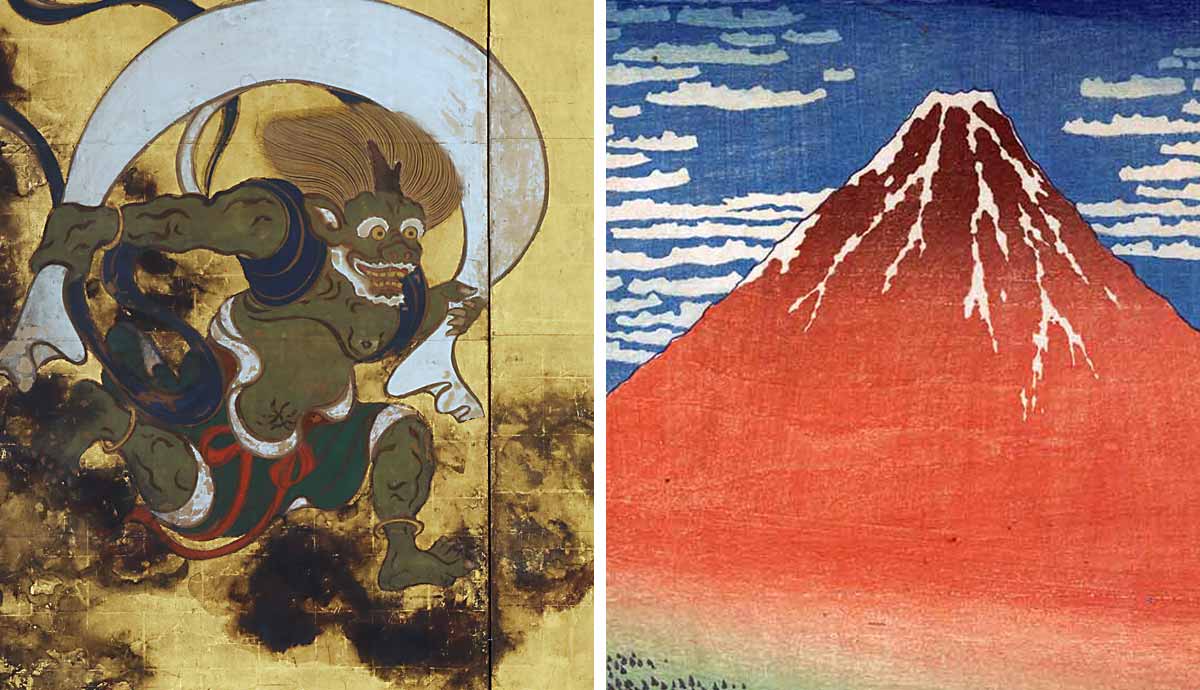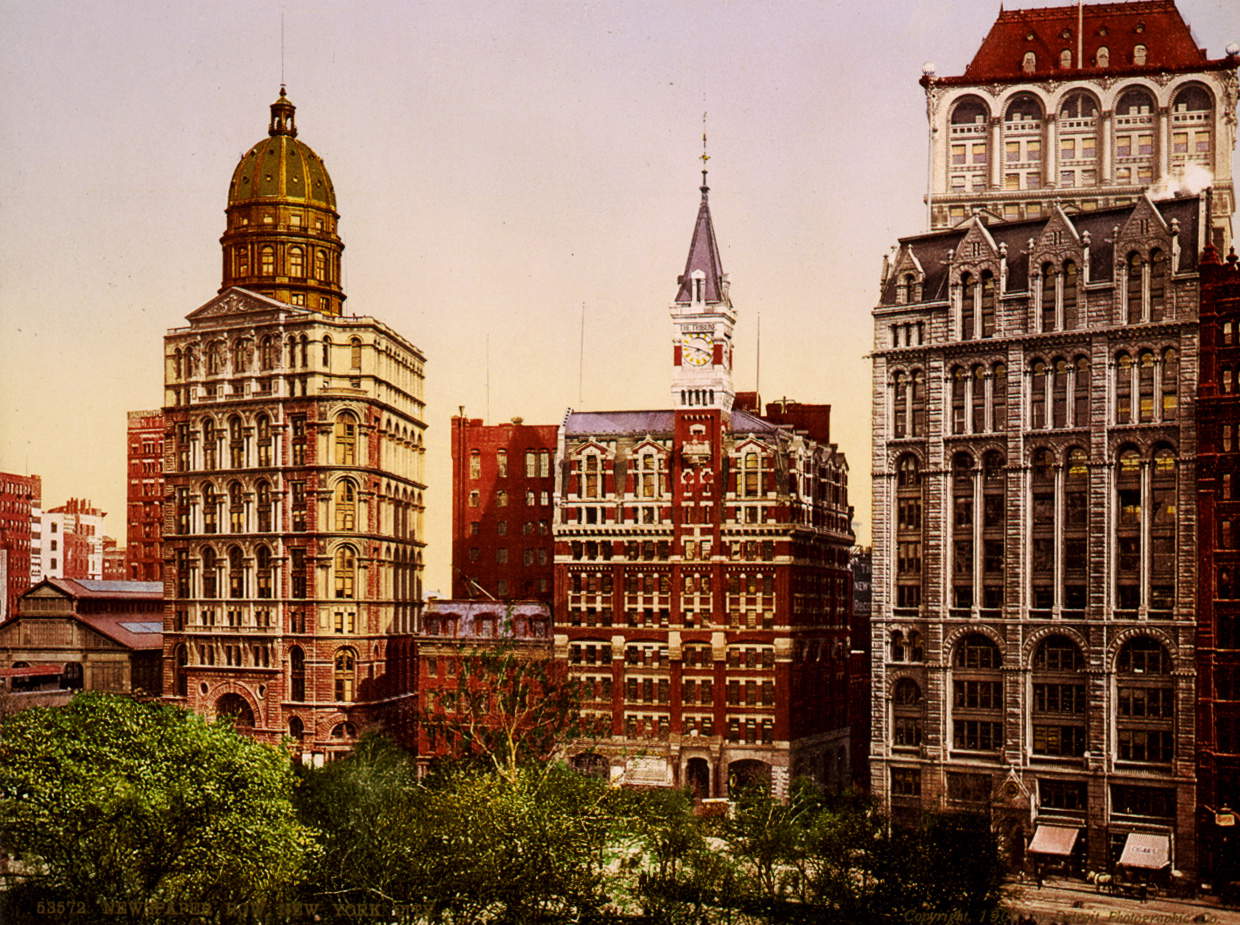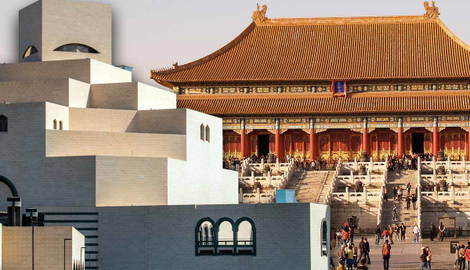
Asia has been one of the fastest-changing continents in recent history, so much so that the 21st century is often dubbed the Asian Century. The speed of economic growth and urban expansion resulted in the transformation of entire societies within mere decades. As a consequence, museums in Asia were built quickly, sometimes urgently, resulting in a generation of institutions shaped less by nostalgia than by the need to document change while it was still unfolding.
1. Museum of Islamic Art: Doha, Qatar
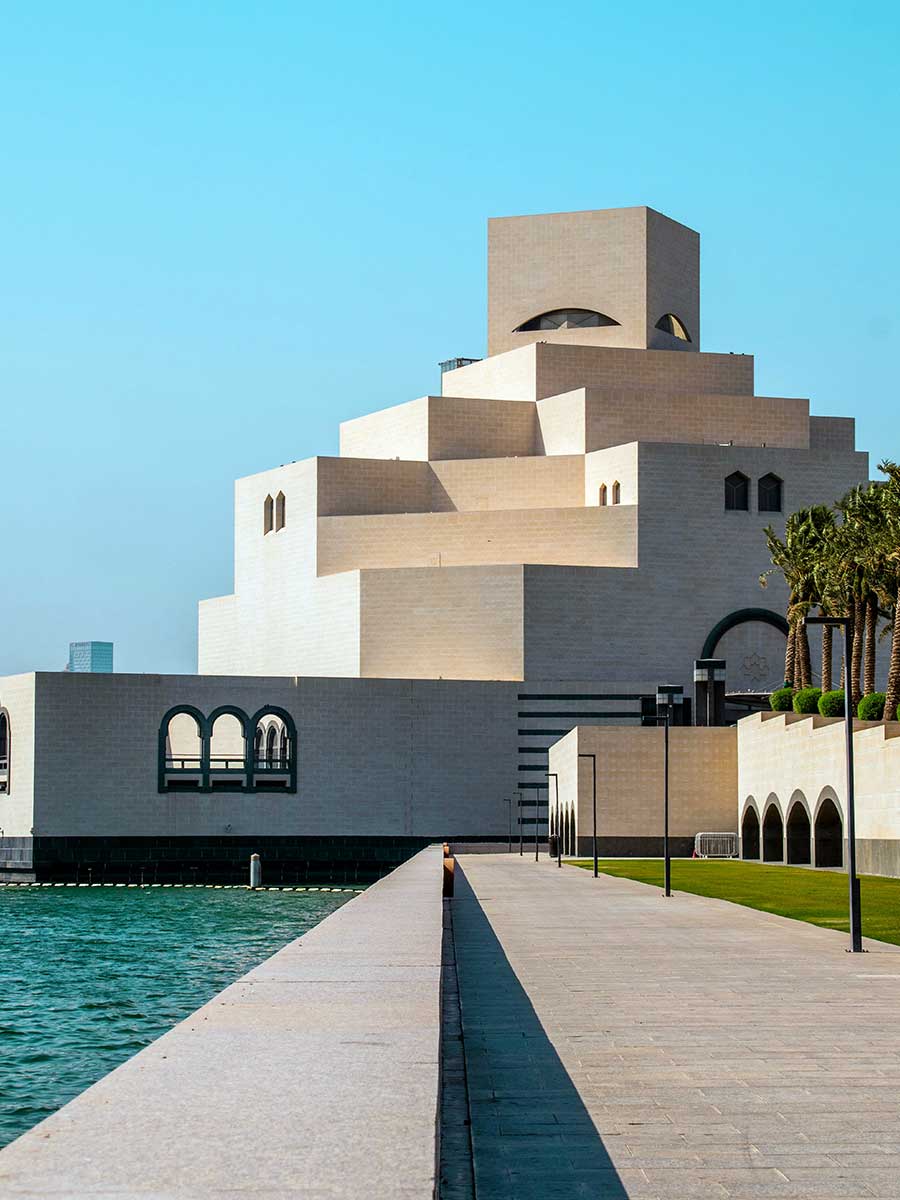
Few countries reflect fast-paced change as clearly as Qatar. While grandparents grew up on sandy shores fishing for pearls and grouper, their grandchildren now live in high-rise penthouses and hold jobs with global companies. The change was head-spinning, and early in that transformation, the Museum of Islamic Art was born. The desire was to record and preserve the country’s older material culture before it slipped out of living memory.
The collection here spans more than a 1,000 years, stretching from Spain to South Asia, while avoiding any kind of dynastic timeline. Instead, the galleries are organized by how objects were used, be they in writing, science, worship, trade, or domestic life. Scientific instruments appear throughout, including astrolabes and medical manuscripts, documenting how knowledge once moved through the broader Islamic world.
2. National Museum of China: Beijing, China
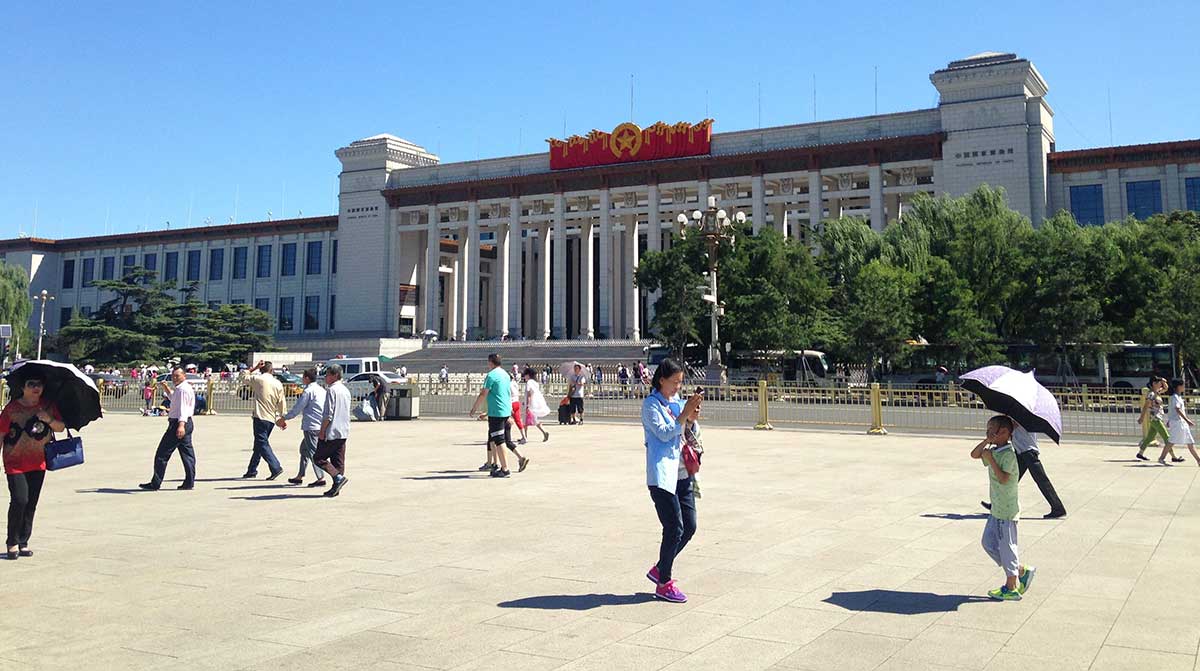
China’s pace of change over the past century has been extreme even by Asian standards, and the National Museum of China reflects that compression of time. Set on Tiananmen Square, it brings together material from early settlement cultures, imperial dynasties, and the modern state in one single, continuous sequence.
From Neolithic pottery to bronze ritual vessels and burial goods, which introduce all the regional cultures that existed long before political unification. It is an extraordinary way to see how varied early China actually was, and still is.
3. War Remnants Museum: Ho Chi Minh City, Vietnam
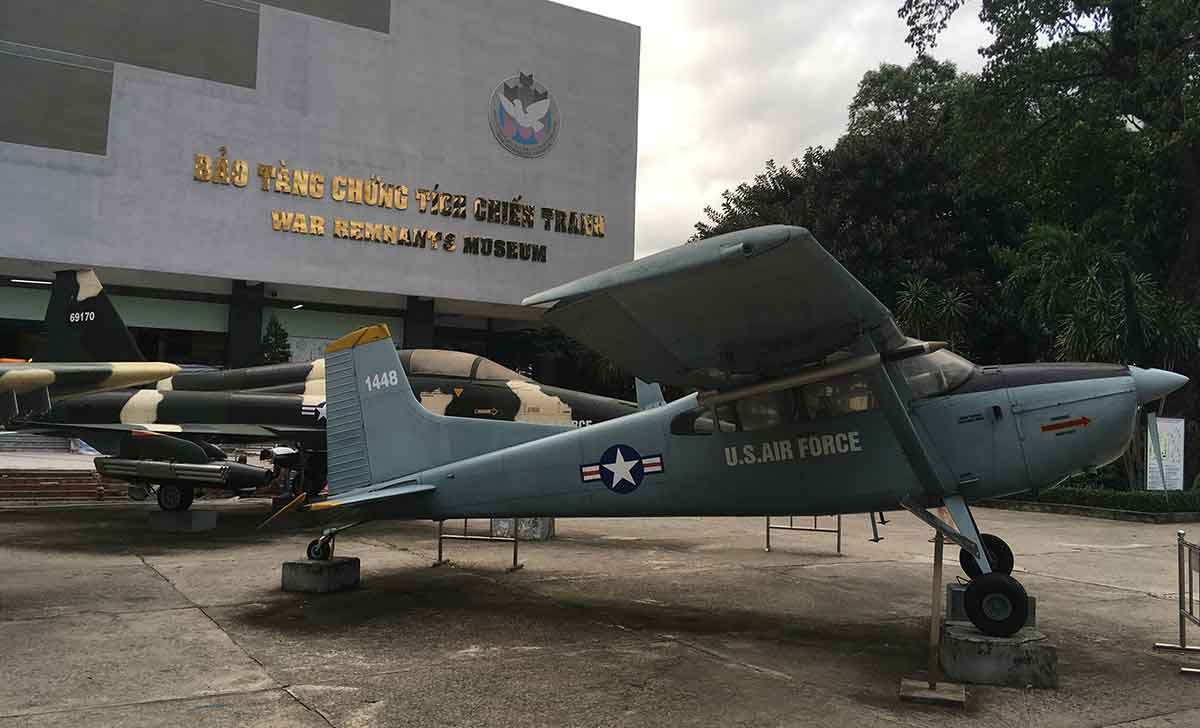
The War Remnants Museum deals with a past that is neither distant nor settled. It homes in on the Vietnam War and its long aftermath using photographs, military equipment, personal testimony, and official records that document the conflict mostly, and understandably, from a Vietnamese perspective. Early galleries cover French colonial rule and the division of Vietnam, before moving into the American war years and their consequences.
Some of the most striking material is not military at all. Photographs of civilians, documentation of chemical warfare, and displays on unexploded ordnance and Agent Orange really ground the war in its impact on everyday life.
4. The Forbidden City (Palace Museum): Beijing, China
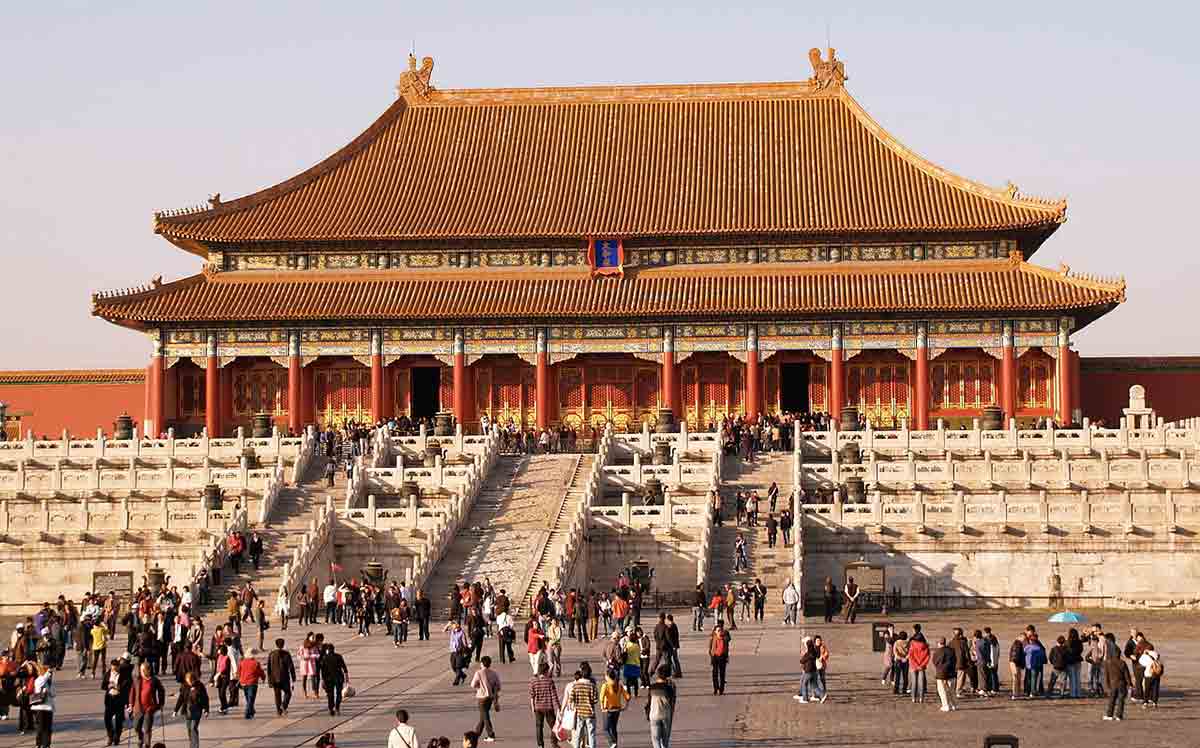
The Palace Museum is housed in the Forbidden City, the former administrative and ceremonial center of imperial China. For nearly five centuries, emperors ruled from this walled compound, and the museum now preserves not only the architecture but the systems that kept the court wheels churning.
The collection goes far beyond ostentatiously decorated rooms and symbols of authority. There are also court documents, clocks, clothing, paintings, and everyday objects revealing how tightly controlled life inside the palace was. One flabbergasting detail is the sheer scale of the stored collection and how much of it remains off display, emphasizing how much the palace acted as a self-contained world.
5. Tokyo National Museum: Tokyo, Japan
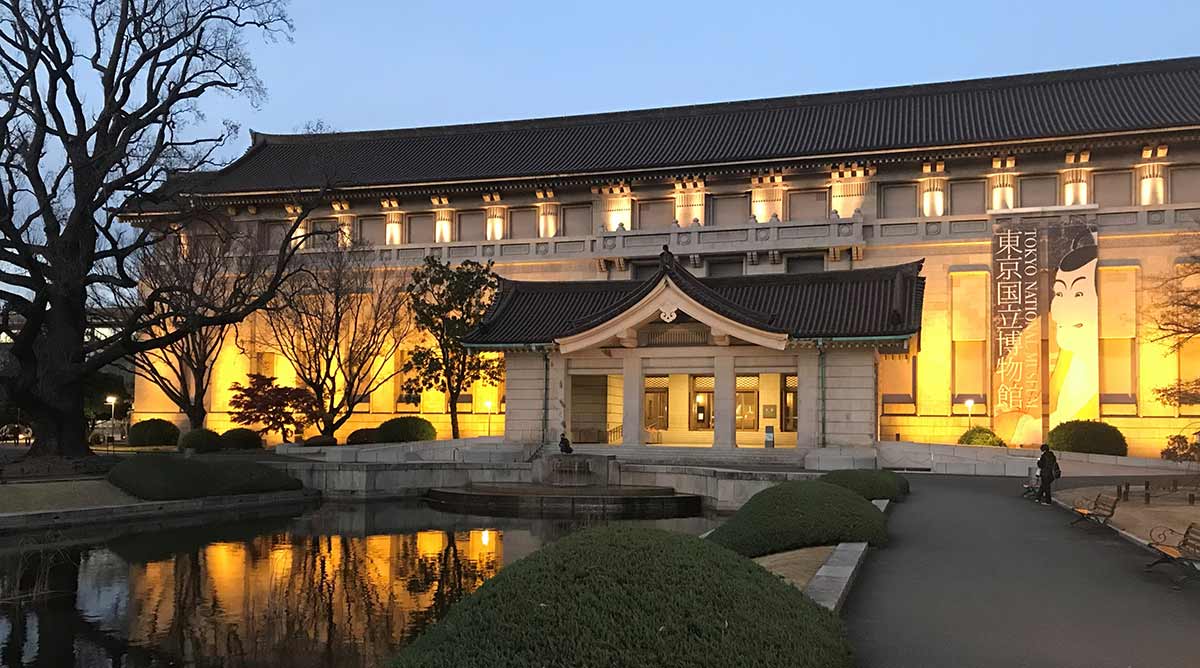
Japan’s oldest museum was founded in the early Meiji Period, in 1872, when the country was actively reworking itself after centuries of isolation and deciding how to present its cultural heritage to the world. Its collections span more than 10,000 years, from Jōmon-period pottery dating back to roughly 10,000 BC to works from the late Edo Period in the 19th century.
Unlike many national museums, it focuses almost entirely on Japanese art and archaeology, with East Asian objects used primarily for comparison rather than as the main narrative. What’s also unusual about this national museum is that the displays rotate frequently, partly because many works are fragile, but also because stewardship here is treated as ongoing work rather than a finished task. That means no two visits are ever the same.
6. Hiroshima Peace Memorial Museum: Hiroshima, Japan
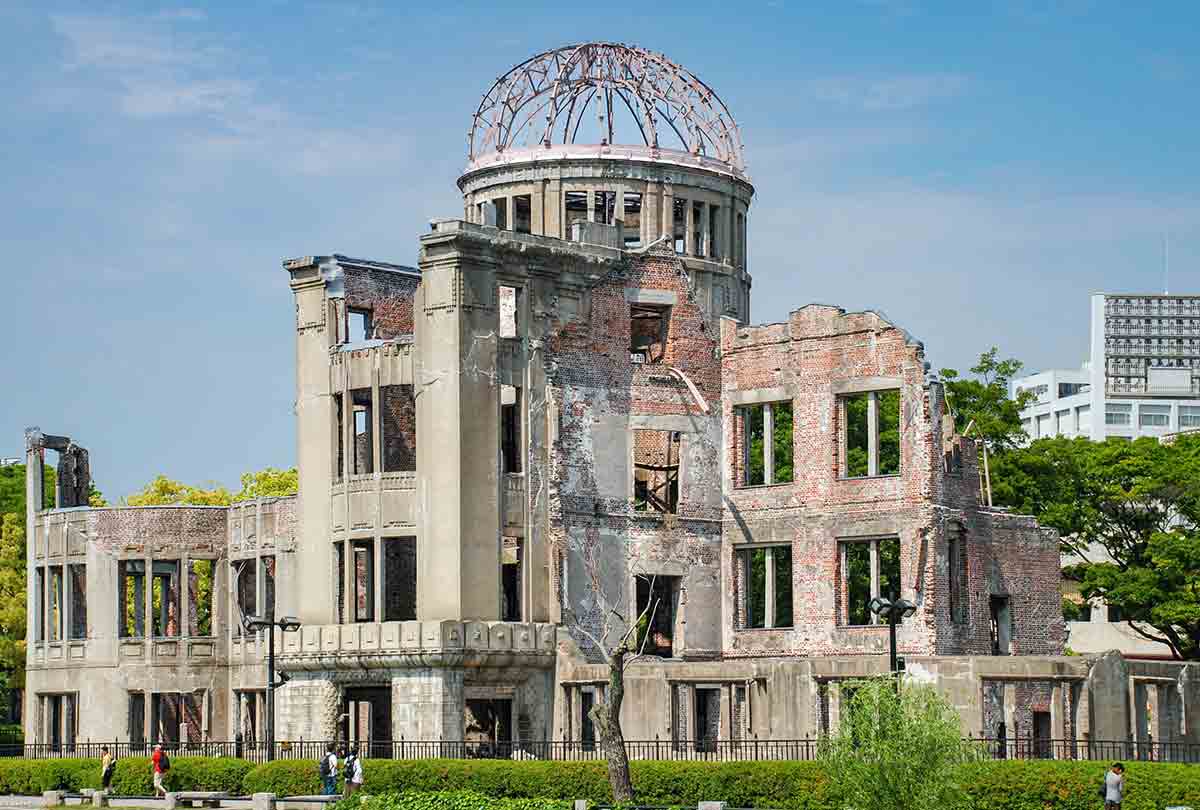
If the Tokyo National Museum delivers in scope, the Hiroshima Peace Memorial Museum does the complete opposite. It focuses on just a single, world-altering moment in time: the atomic bombing of August 6, 1945. The museum’s journey begins with Hiroshima shown as a fully functioning city before moving into the immediate aftermath of the blast and the long-term effects of radiation exposure. There are maps, photographs, and timelines to explain what existed before the bomb, which makes the scale of devastation and loss easier to grasp.
Much of the museum is built around personal belongings recovered from the ruins, which makes everything much more relatable. There’s burnt clothing, melted school lunch boxes, and watches stopped at the moment of the blast. There are also handwritten messages that anchor the event in everyday lives that were abruptly ended. Later sections address the radiation illness and environmental damage that plagued the nation in the decades that followed. The museum avoids dramatization, but it is almost impossible to leave unaffected.
7. Tuol Sleng Genocide Museum: Phnom Penh, Cambodia
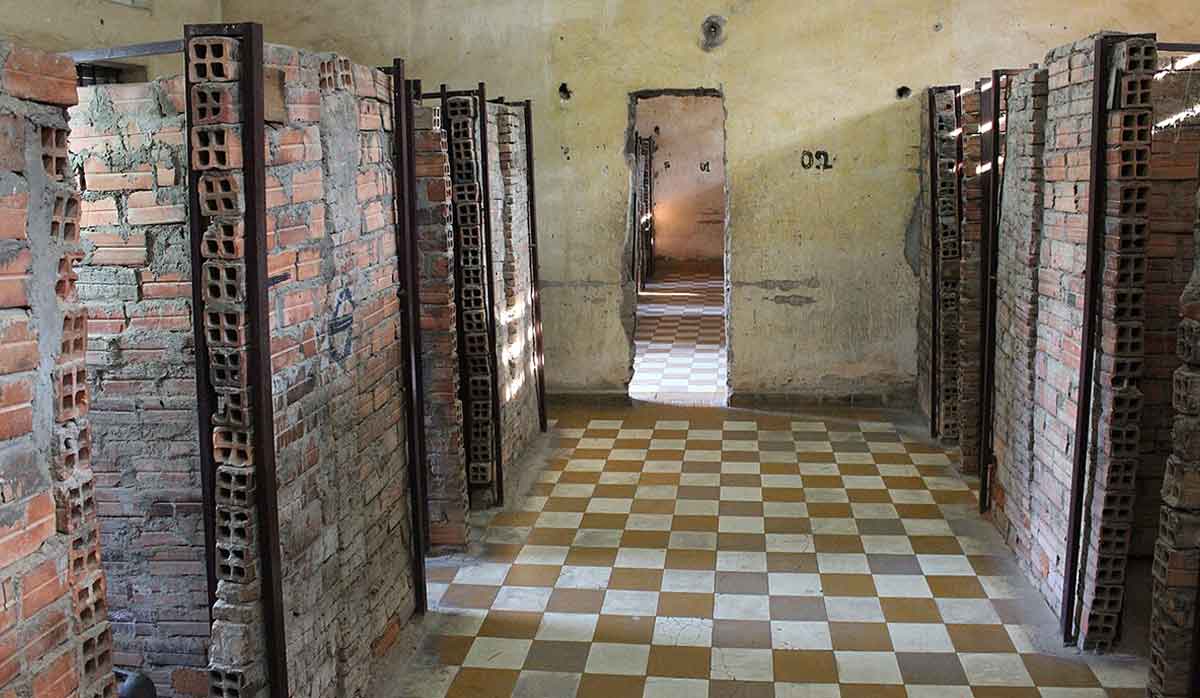
Alongside the atomic bombing of Japan, the Cambodian genocide rates as one of the most pivotal and devastating events in modern Asian history. The Tuol Sleng Genocide Museum, known as S-21 during the Khmer Rouge period, is housed in what was a secondary school. It was converted into a secret prison between 1975 and 1979. An estimated 14,000 people were detained here, only a handful of whom survived.
The museum preserves the site pretty much as it was when it was liberated by the Vietnamese army in 1979. Classrooms are stark, some divided into spartan cells, others used for interrogation, furnished only with iron beds and restraints. Thousands of prisoner photographs line the walls between the rooms. Ironically, the Khmer Rouge kept meticulous records of their torture and executions, and those form much of the evidence on display.
Tuol Sleng does not attempt to reconstruct events symbolically but relies on the physical space and surviving documents to show how bureaucratic systems enabled violence on such a massive scale. The museum is part of a three-part UNESCO memorial to the genocide, but to be brutally honest, one does need a strong stomach to visit all three.
8. National Museum of Korea: Seoul, South Korea
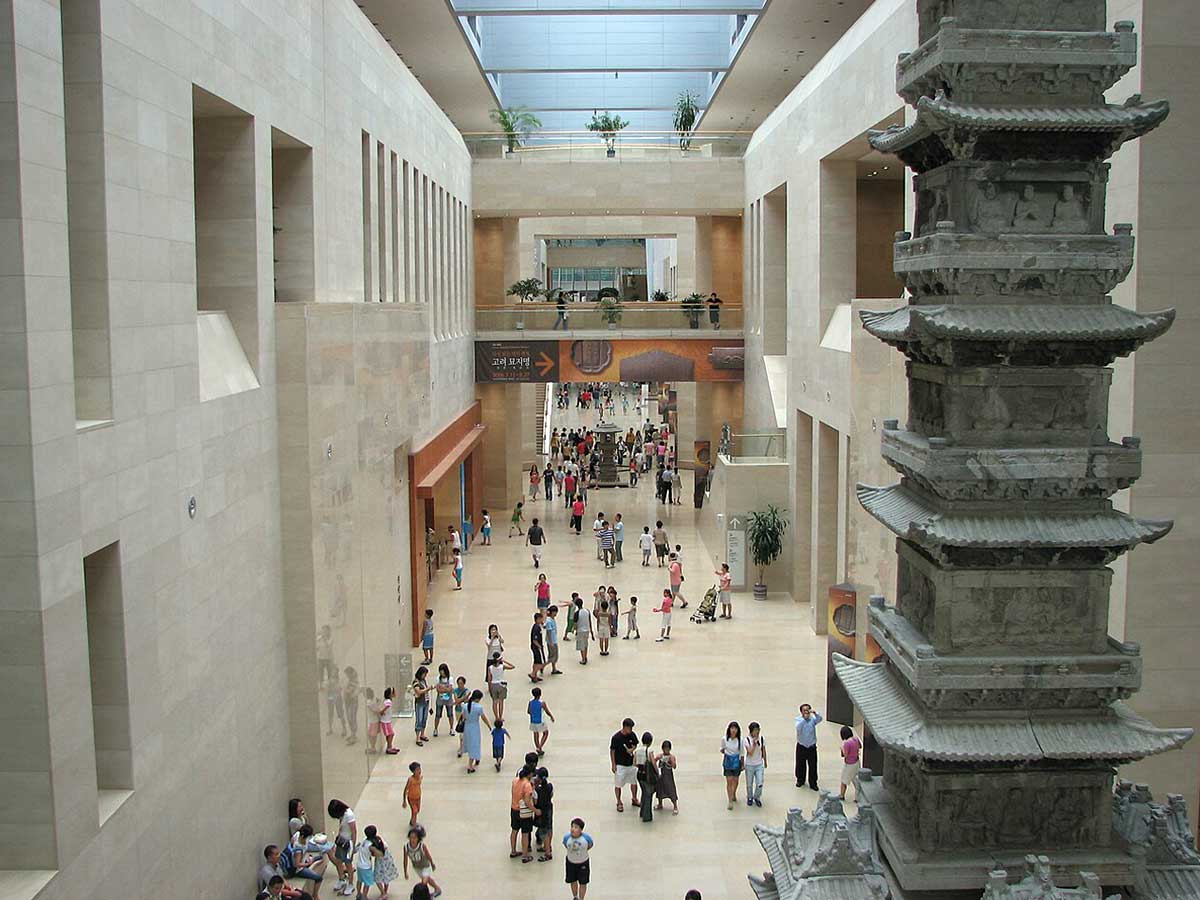
Korea’s modern history is still palpably marked by invasion, occupation, war, and division, yet the National Museum of Korea prefers to focus more on what endured rather than what broke. The museum’s collections cover more than 5,000 years, from prehistoric tools and Bronze Age artifacts to Joseon Dynasty painting, calligraphy, and Confucian scholarship. Ceramics are undoubtedly its biggest strength, with the museum boasting some of the best examples of Goryeo celadon in existence. That’s a type of jade-green pottery that became widely admired in China during the Medieval Period.
Many of the objects on display only survived thanks to people’s ingenuity and abundant luck. During Japanese colonial rule and later the Korean War, artifacts were packed up in haste, hidden in temples, or moved from place to place to keep them from being destroyed or taken. Some show the consequences of that, so they are cracked, incomplete, or visibly repaired. The museum does not gloss over those stories but tells them plainly, making it clear how deliberately people worked to protect the country’s past when everything around them was unstable.
9. National Museum: New Delhi, India
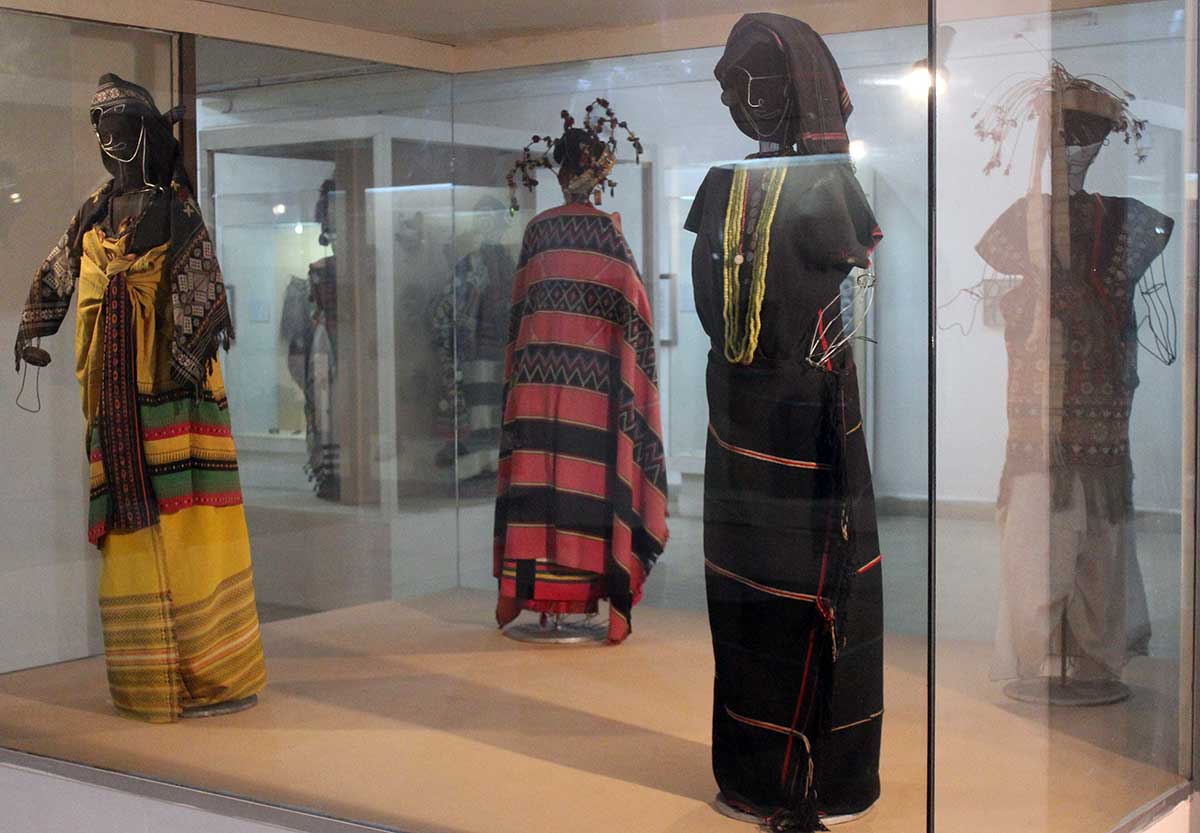
If you had time to visit only one museum in India, you’d need a place that could handle ancient urban civilizations, multiple religions, regional cultures, empire, colonial rule, and independence without simplifying any of it. It is no mean task, but the National Museum in New Delhi does a fine job of placing all those layers side by side and letting their overlaps remain front and center.
You’ll move from Harappan seals and small figurines that point to early city life and trade, into rooms filled with intricate Buddhist relics, court sculpture, and manuscripts. It becomes clear pretty quickly that religion, power, and art were developing side by side in India, and not one after the other. Regional differences are unusually highlighted, with the museum choosing to leave them standing alone rather than attempting to blend them into a single national narrative. Islamic and colonial-era material also adds to the story, proving how adaptation and, at times, resistance often occurred at the same time, sometimes even within the same communities.
If you are trying to understand how layered history functions on a continental scale, this is one of the museums in Asia that makes complexity feel quite manageable.
10. Topkapi Palace Museum: Istanbul, Turkey
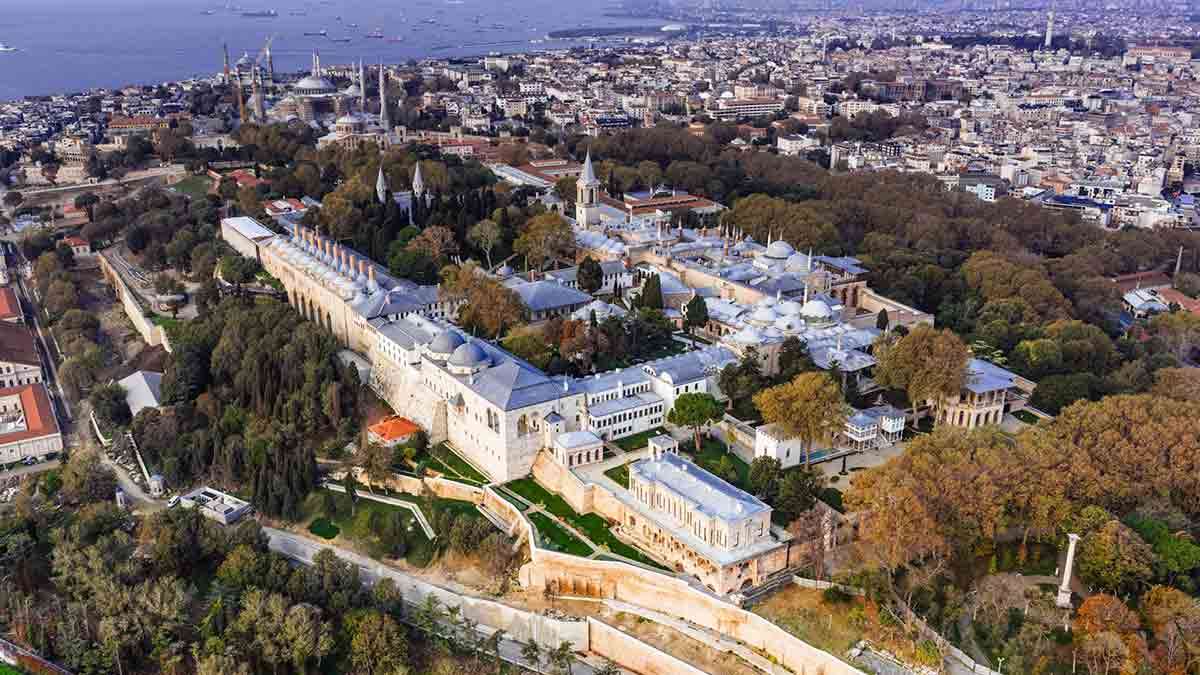
The Topkapi Palace was built in the mid-15th century, soon after the Ottoman conquest of Constantinople in 1453. For almost four centuries, this was where the empire was run. Sultans governed a territory stretching from southeastern Europe to North Africa and the Middle East from a complex that combined Islamic court traditions with the administrative legacy of Byzantium.
Walking through Topkapi feels equal parts touring a palace and exploring the guts of the machinery of government. The place is still immensely imposing, but in a controlled, deliberate way. As you pass through each courtyard, the access hallways get narrower, making it clear how carefully those at the top were guarded. You’ll see council chambers and treasury rooms, as well as enormous kitchens that once fed thousands every day.