Many of the world’s greatest writers left a part of themselves wherever they lived and worked, from the foggy streets of London to the sunbathed hills of Tuscany. The thought of visiting a writer’s home can feel abstract, but the moment you enter, the author you’ve been reading for years becomes very real, very quickly. That old desk where your favorite novel was written, and a myriad small personal details: These are the things that can bring a mythical figure to life. The best museums dedicated to authors do precisely that.
1. Shakespeare’s Birthplace, Stratford-Upon-Avon, England
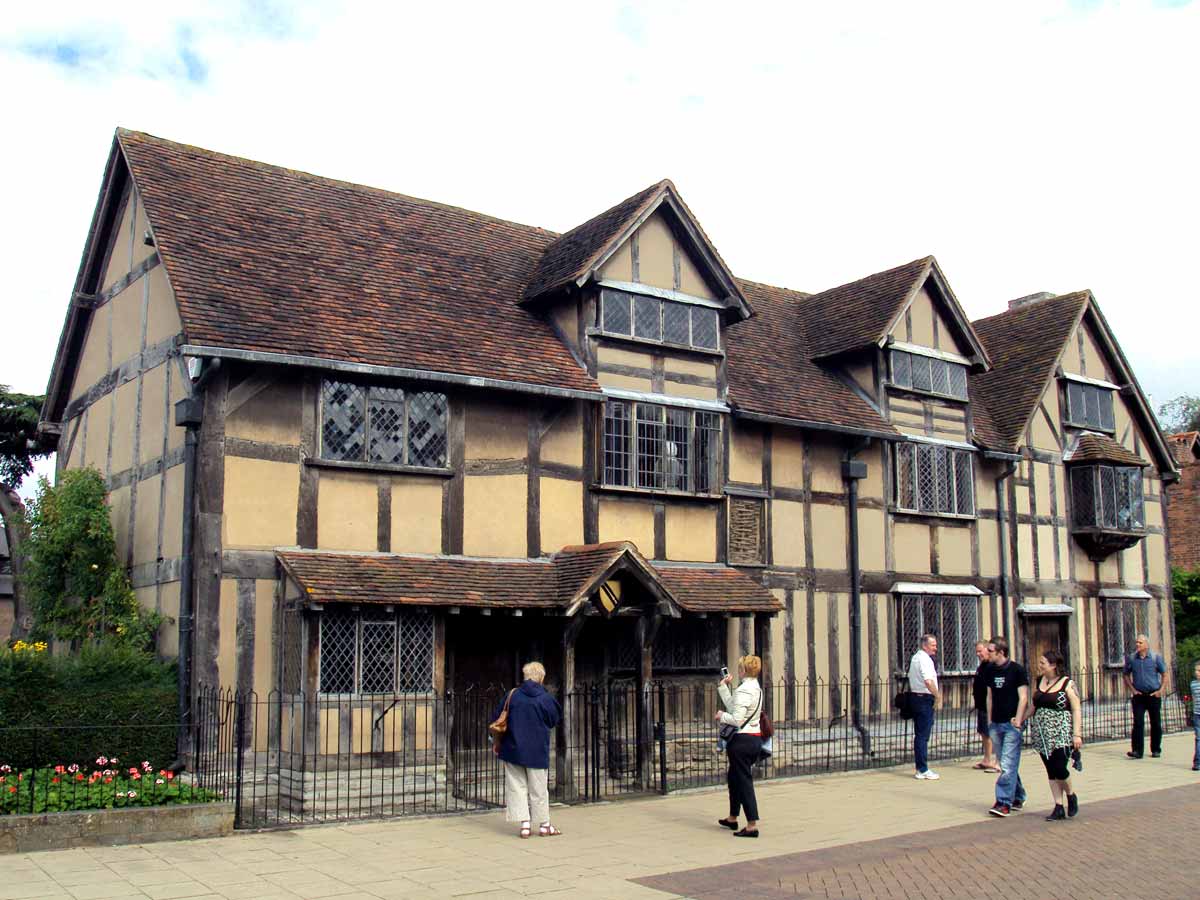
It might be the most visited literary site in the world, and that’s because he is one of the most famous authors of all. The half-timbered house on Henley Street in Stratford-upon-Avon is where William Shakespeare was born in 1564 and where he spent his first, formative years. The rooms have been restored to reflect 16th-century domestic life, and the gardens are planted with the flowers and herbs mentioned in his plays.
The site is managed by the Shakespeare Birthplace Trust, part of a wider collection of Shakespeare properties in town, including Anne Hathaway’s Cottage and Hall’s Croft. But the birthplace itself is where you will likely linger longer, as most everyone does.
Insider tip: Visit on a weekday morning to beat the tour groups. The garden is at its best in late spring, when the flowers referenced in A Midsummer Night’s Dream are in full bloom.
2. The Charles Dickens Museum, London, England
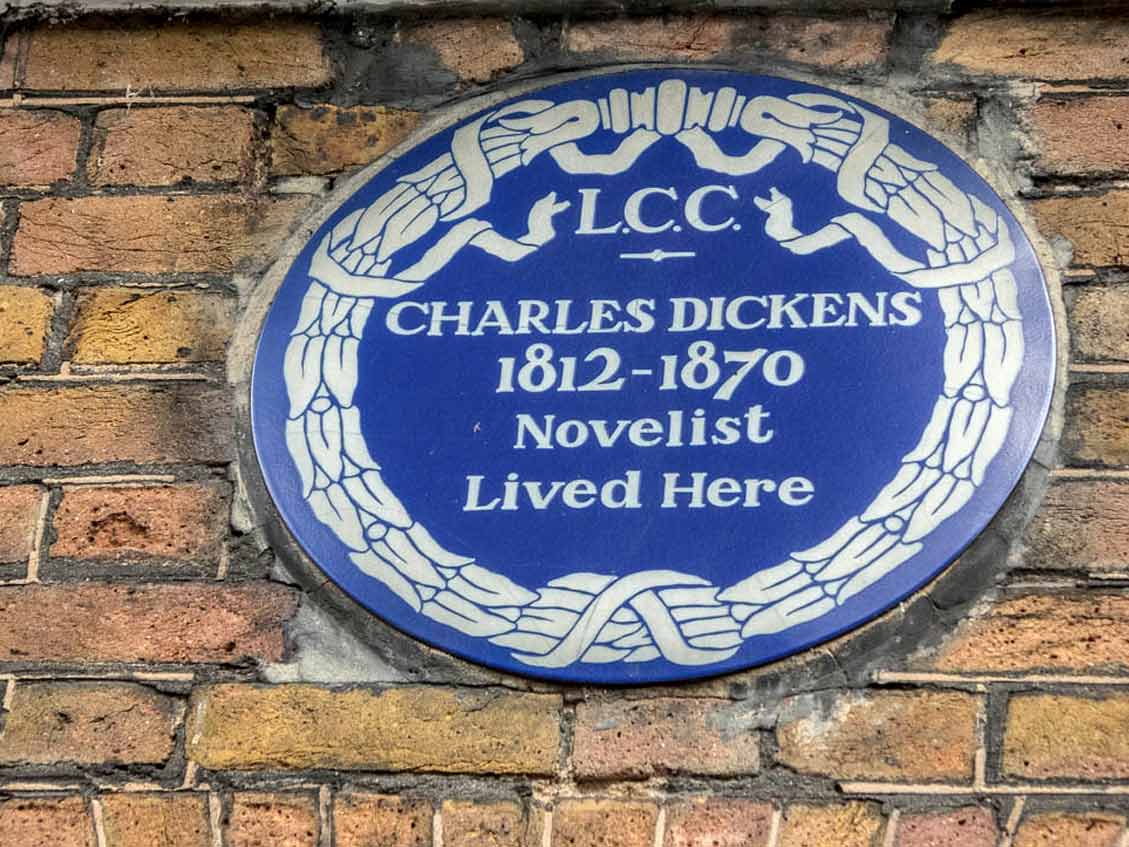
Charles Dickens was a prolific mover of homes, but one address stands above the rest. The Charles Dickens Museum at 48 Doughty Street in the King’s Cross area of London is the only surviving London home of the great Victorian novelist, and it is where he wrote some of his most beloved works, including Oliver Twist and Nicholas Nickleby, between 1837 and 1839.
The museum occupies the Georgian terraced house across multiple floors, holding an extensive collection of Dickens-related material: portraits, manuscripts, letters, and personal items filling rooms that have been carefully restored to reflect the period in which Dickens lived here.
Insider tip: The museum often holds evening events and talks that resurrect Dickens’s world in wonderfully entertaining ways. Check the events calendar before you visit.
3. The Jane Austen Center, Bath, England
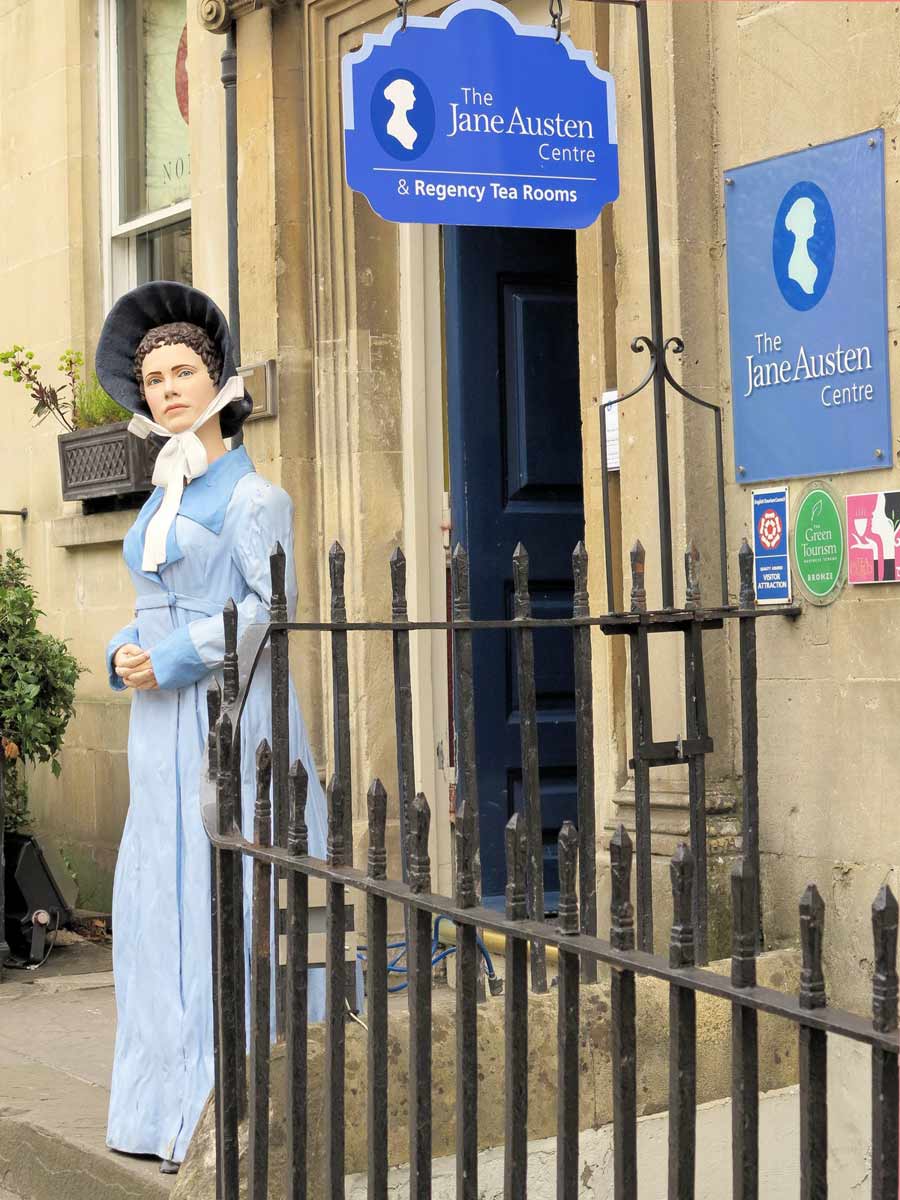
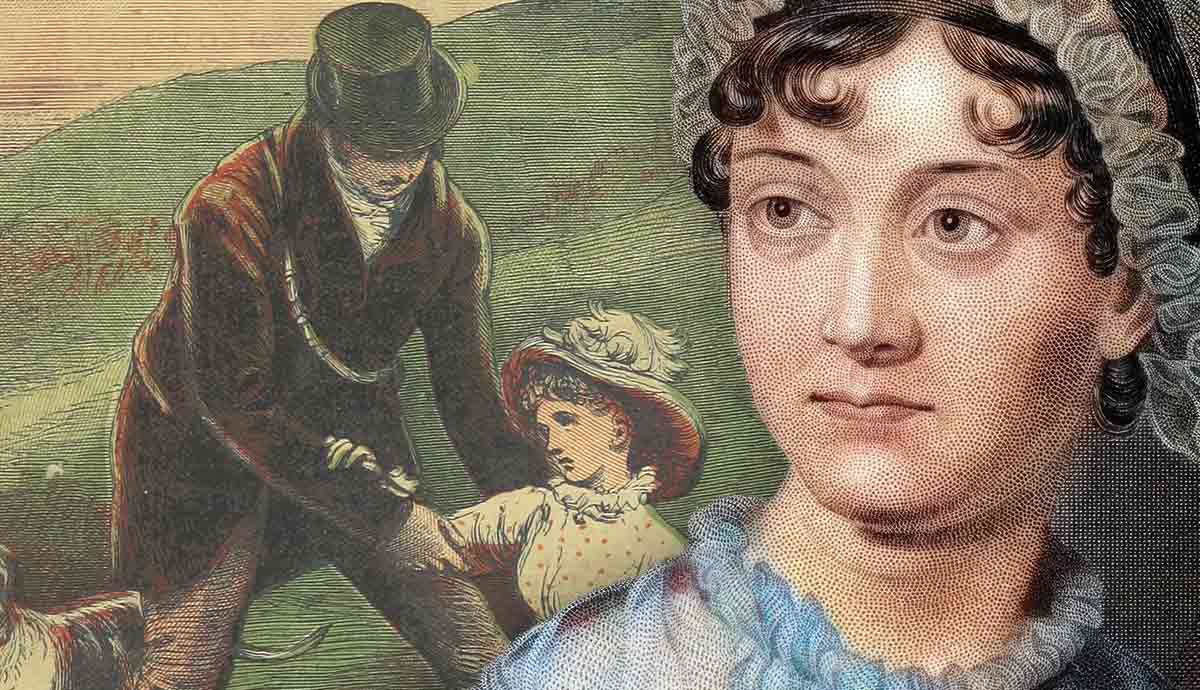
Bath is as much a character in Jane Austen’s novels as any of her beloved heroines, and the Jane Austen Center does a brilliant job of capturing that relationship. The Center is at 40 Gay Street, the very street where Austen herself lived (at number 25) for some months in 1805. The houses look much as they would have done in her time.
Inside, costumed guides bring the Regency Era to life, and the permanent exhibition explores the impact that Bath had on Austen’s writing and her feelings about the city (spoiler: they were complicated).
Insider tip: The center puts on a Jane Austen Festival each September, when the entire city embraces Regency dress and outdoor promenades. It holds the Guinness World Record for the largest gathering of people dressed in Regency costume. If you can time your visit for that week, do.
4. The Hemingway Home and Museum, Key West, Florida, US
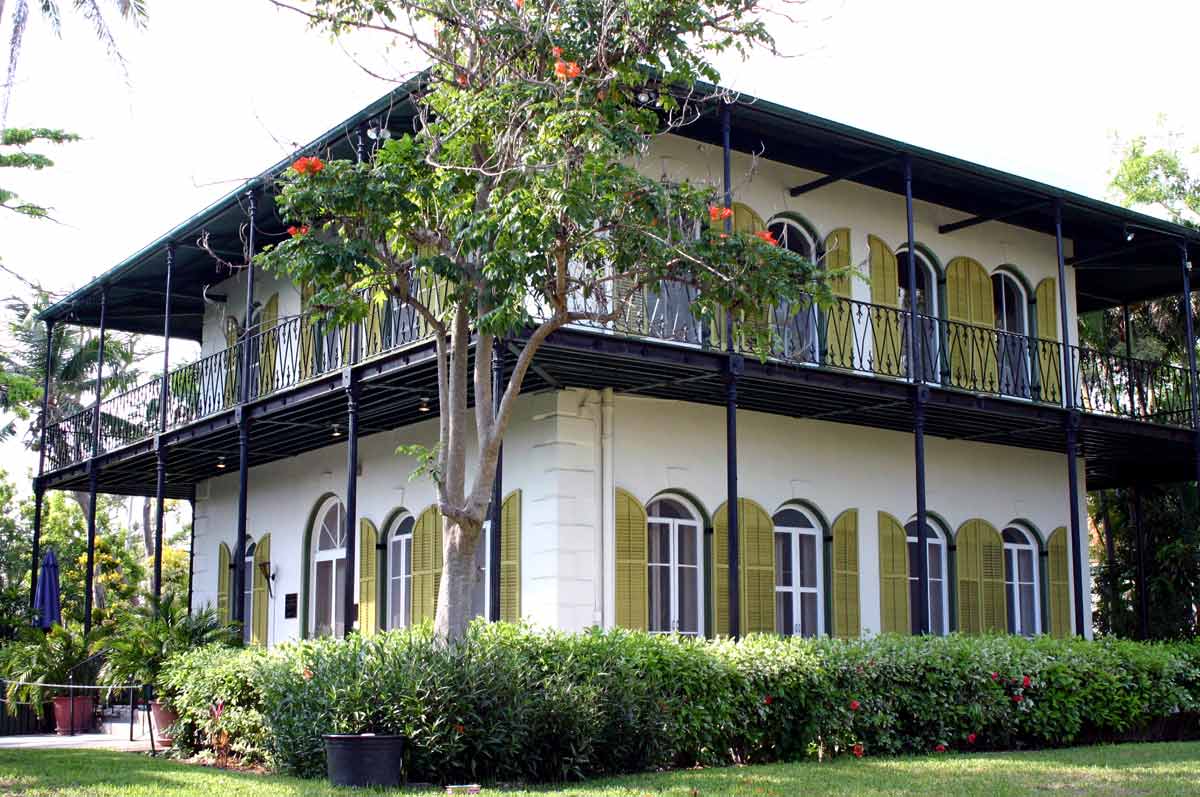
Ernest Hemingway bought his Spanish Colonial house in Key West in 1931 and lived there for about a decade, producing some of his most important work, including A Farewell to Arms and For Whom the Bell Tolls. Today, the Hemingway Home and Museum is considered one of the best museums dedicated to an author in the US.
The house is as charming as you might hope, with lush tropical gardens, a writing studio above the pool house, and nearly 60 cats roaming the property at their leisure. About half of them display the distinctive polydactyl (six-toed) trait, descendants of a cat named Snow White, a gift from a sea captain to Hemingway. Guided tours are full of personality, much like the writer himself.
Insider tip: The cats are a genuine highlight and are remarkably sociable with visitors. Each one is named after a celebrity, continuing a tradition that Hemingway himself started.
5. The Leo Tolstoy Estate Museum, Yasnaya Polyana, Russia
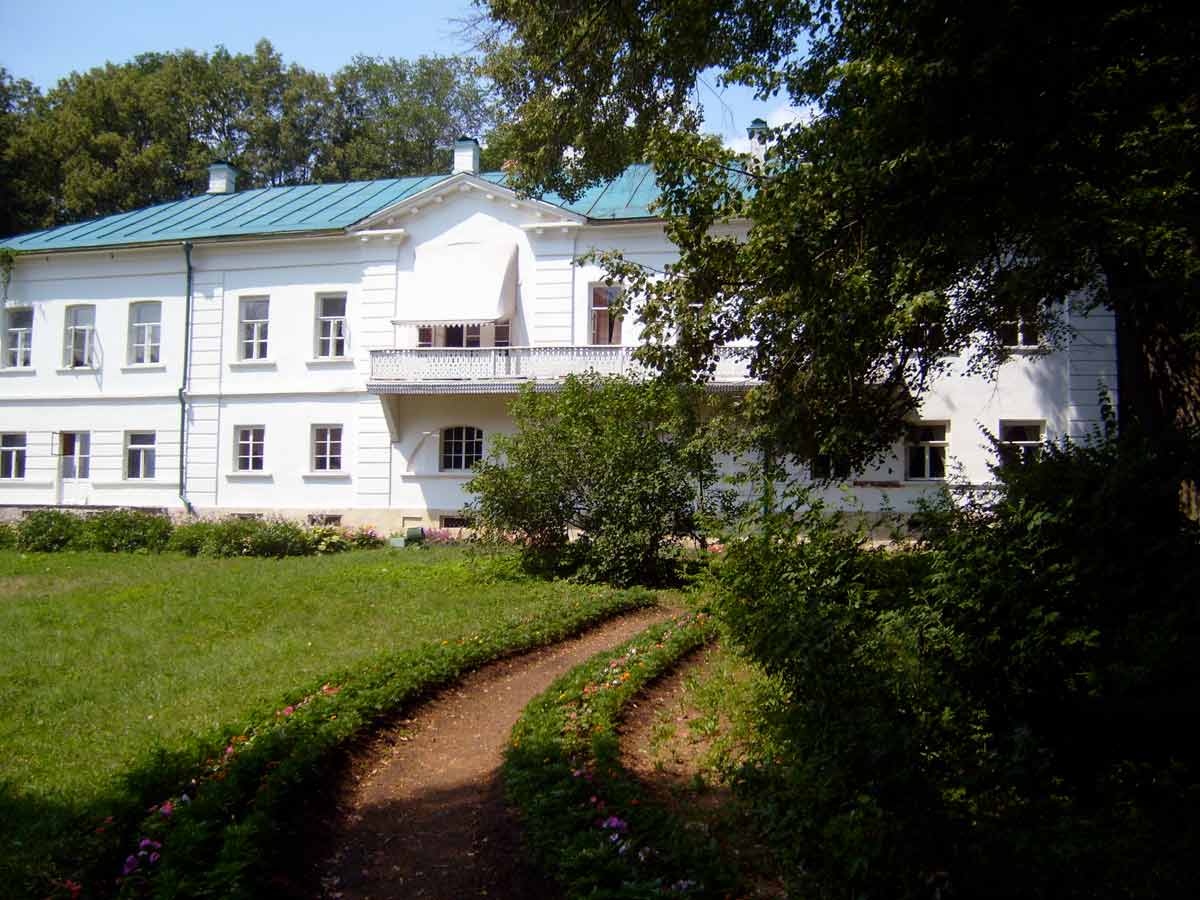
About 124 miles south of Moscow, the estate of Yasnaya Polyana was Leo Tolstoy’s birthplace, lifelong home, and final resting place. He wrote both War and Peace and Anna Karenina here, and the estate remained his primary abode for most of his 82 years. It is one of the most important literary pilgrimage sites in the world.
The museum preserves the estate much as it was during Tolstoy’s time. You can walk through his study, see his personal library of around 22,000 books, and wander the grounds where he walked daily, which inspired the landscapes in his fiction.
Insider tip: Summer is definitely the time to visit, when Moscow’s weather is friendlier, and the estate offers cultural programs and outdoor events. The surrounding birch forests are beautiful year-round, but especially so in autumn when the leaves turn gold.
6. The Franz Kafka Museum, Prague, Czech Republic
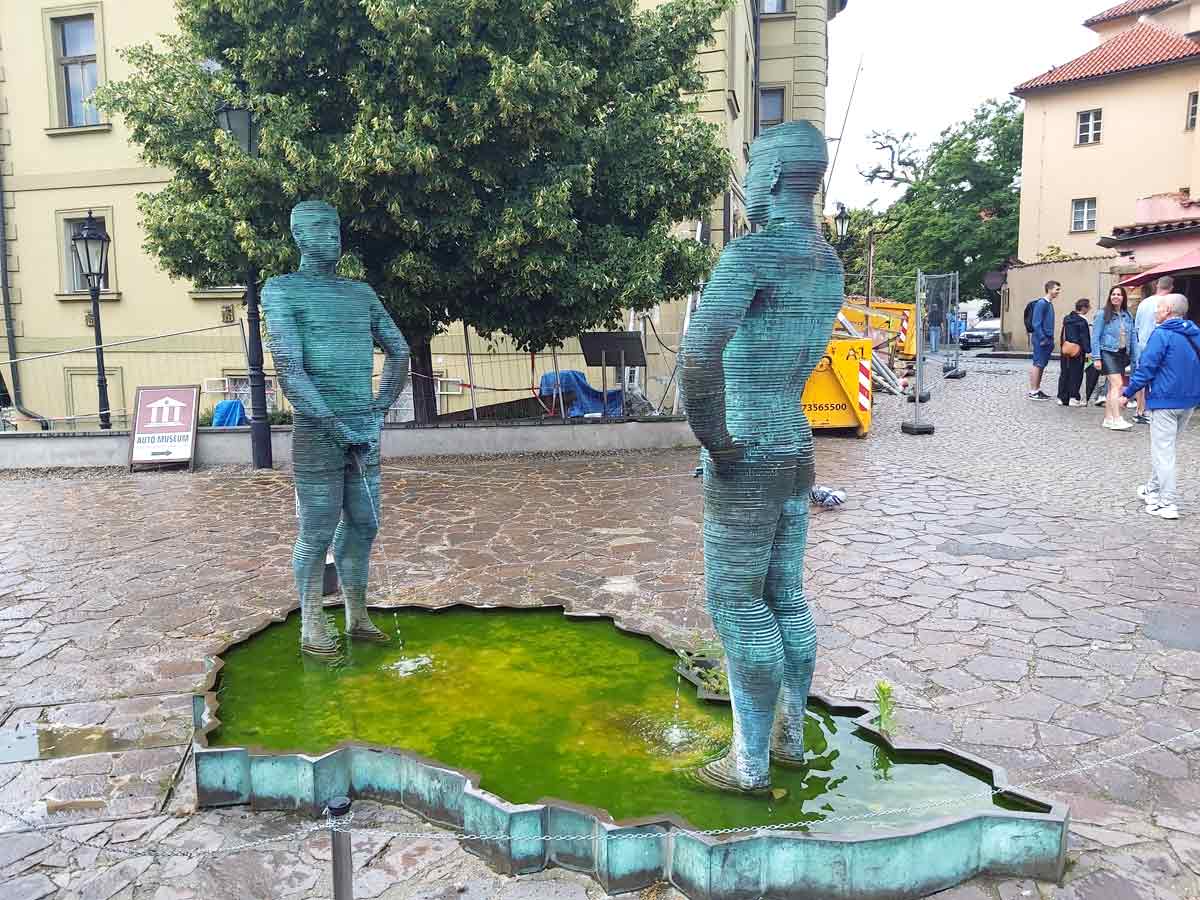
Prague is so thoroughly associated with Franz Kafka that it can feel as though the city itself is one of his creations. The Franz Kafka Museum, located in the Malá Strana district, explores the link between the author and the city that formed his creativity.
The museum is divided into two parts: there’s the Existential Space, which presents Kafka’s inner world through his writings, and the Imaginary Topography, which maps his fictional landscapes onto the real streets of Prague.
Insider tip: Combine a visit with a walk through Josefov, the old Jewish Quarter, where Kafka was born and spent much of his life.
7. The Victor Hugo House, Paris, France
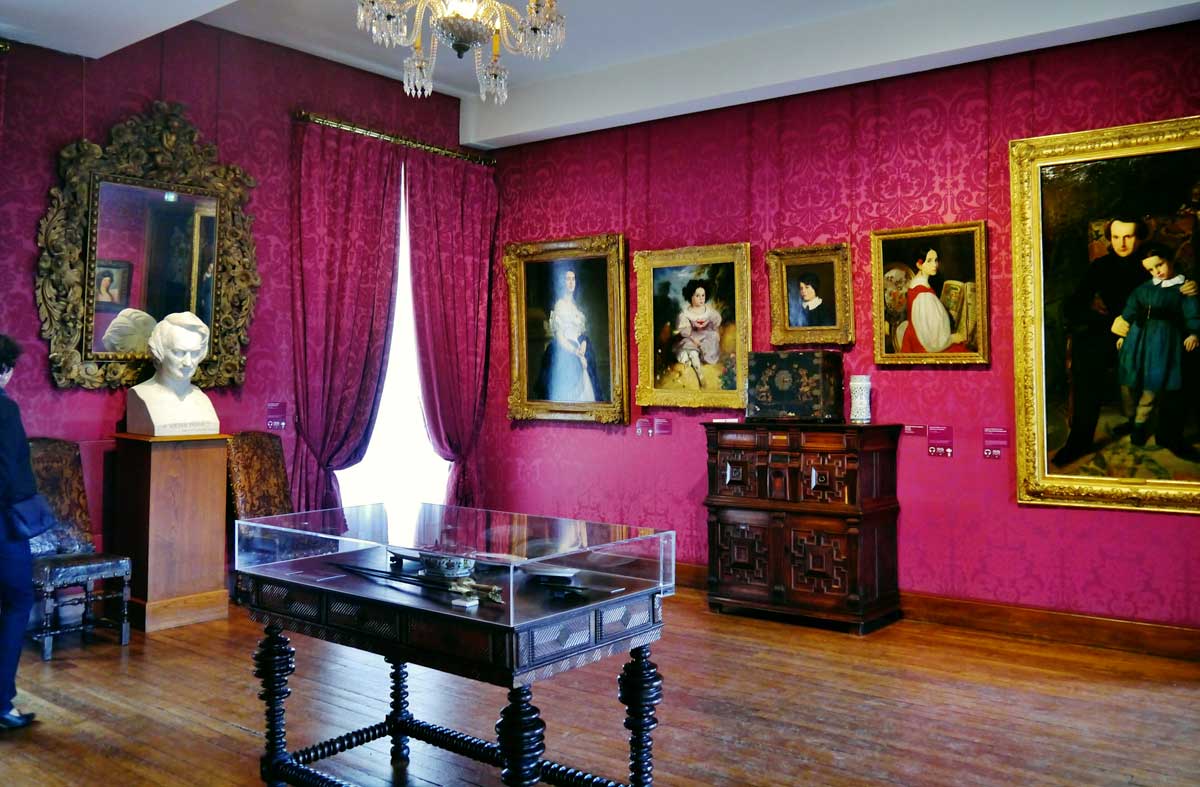
Between 1832 and 1848, Victor Hugo rented a roughly 3,000-square-foot apartment on the second floor of the Hôtel de Rohan-Guémené on Paris’ Place des Vosges. Today, that apartment is the Maison de Victor Hugo, a municipal museum dedicated to the life and work of one of France’s most revered literary figures.
The rooms are filled with furniture that Hugo designed himself, his drawings (he was a prolific visual artist as well as a writer), personal items, and portraits. The reconstruction of the dining room he created for his home in Guernsey during his years of political exile is particularly fascinating. The Place des Vosges is itself one of the most beautiful squares in all of Paris, which makes this one of the more pleasant literary detours imaginable.
Insider tip: While the permanent collection is traditionally free, note that due to exceptional 2026 ticketing measures, admission is temporarily paid for all museum areas through November 22. The museum is an easy and rewarding addition to a walk through the Marais.
8. The Mark Twain House and Museum, Hartford, Connecticut, US
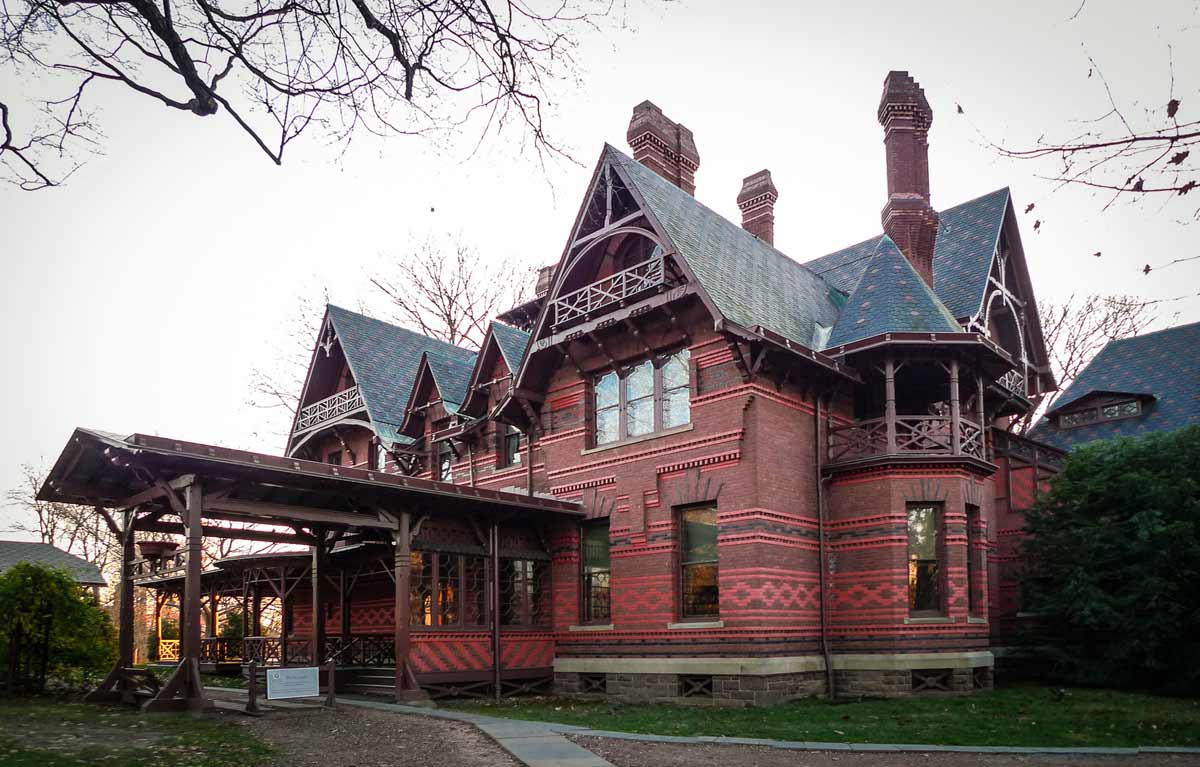
Samuel Langhorne Clemens, better known as Mark Twain, lived in his Hartford home from 1874 to 1891, and he called it the house that his writing built. It was here that he produced The Adventures of Huckleberry Finn, The Adventures of Tom Sawyer, and The Prince and the Pauper, among others.
The Mark Twain House and Museum is a Victorian Gothic delight, designed by New York architect Edward Tuckerman Potter. In 1881, Twain contracted with Louis Comfort Tiffany’s firm, Associated Artists, to decorate the walls and ceilings of the main rooms, giving the interior its eye-catching and distinctive character. The adjacent museum building puts everything into a wider context with engaging exhibitions on Twain’s life and legacy.
Insider tip: The house is within easy walking distance of the Harriet Beecher Stowe Center, making Hartford a rewarding single-day literary destination.
9. The Brontë Parsonage Museum, Haworth, England
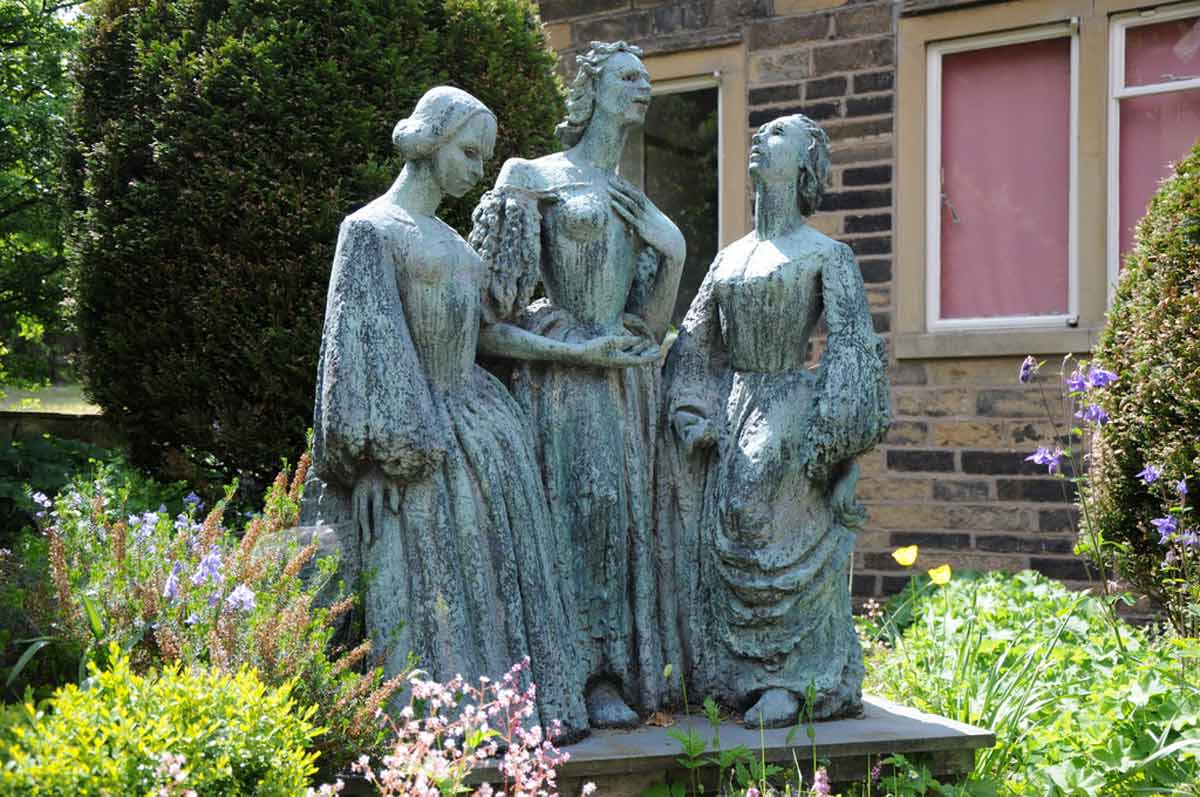
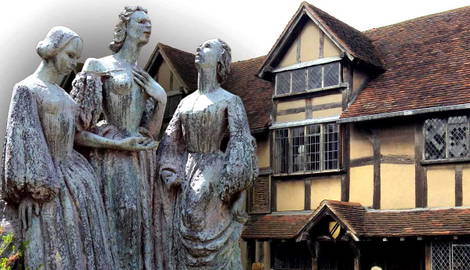
Perched atop the steep main street in the Yorkshire village of Haworth, the Brontë Parsonage Museum is the former home of one of the most extraordinary literary families in history. Charlotte, Emily, and Anne Brontë grew up in this modest Georgian house from 1820 onward, and it was here, looking out over the wild moorland that would influence their fiction, that they wrote Jane Eyre, Wuthering Heights, and The Tenant of Wildfell Hall.
As you might expect, the museum holds the world’s largest collection of Brontë artifacts, including original manuscripts, personal letters, and childhood writing.
Insider tip: A walk across the moors to Top Withens, the ruined farmhouse thought to have inspired Wuthering Heights, is about four miles round trip and well worth the effort on a clear day.
10. Isla Negra House Museum (and La Chascona), Chile
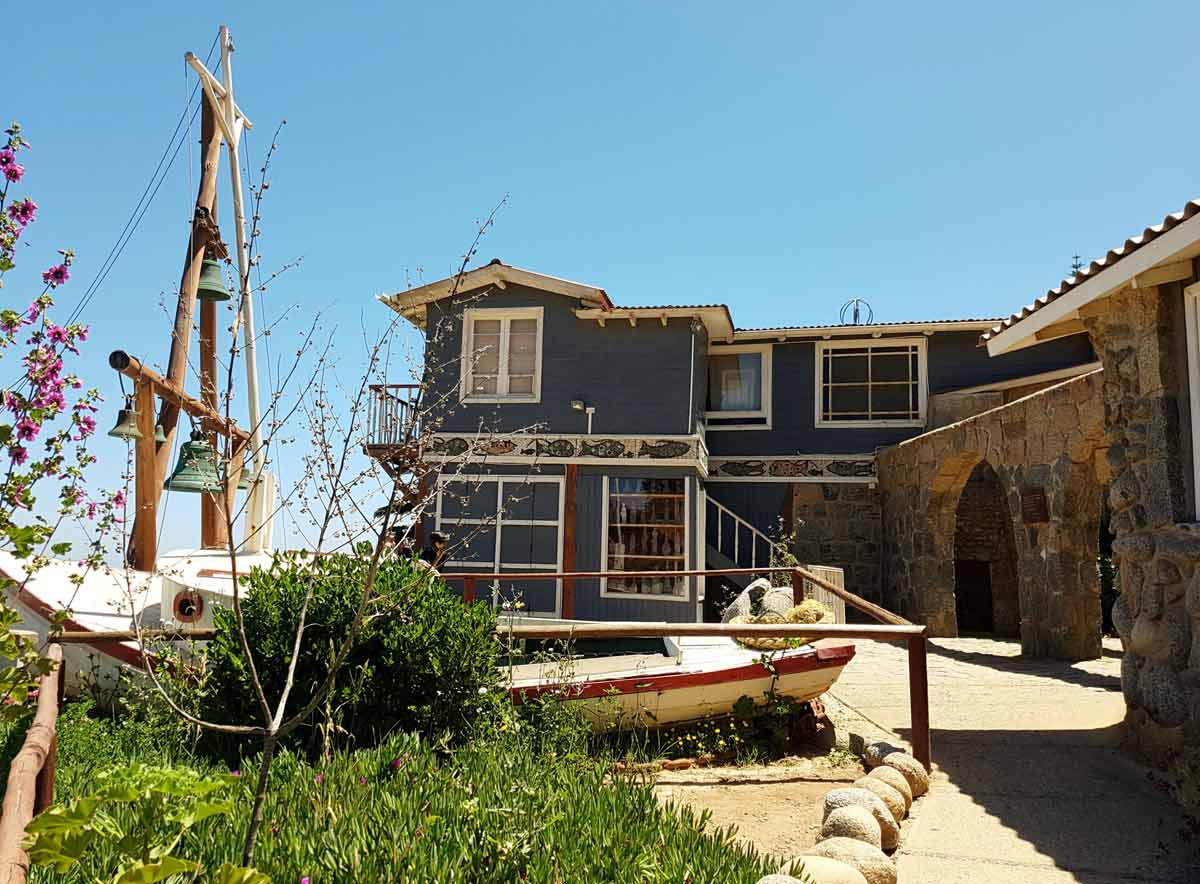
Full disclosure: Neruda is this author’s favorite poet, which makes this the most enthusiastically recommended entry on the list!
Pablo Neruda was many things: Nobel Prize winner, diplomat, passionate collector, and one of the 20th century’s most beloved poets. He was also, by any measure, a man who knew how to make a home. Of his three extraordinary houses in Chile, all now managed by the Pablo Neruda Foundation, Isla Negra is undoubtedly the most enchanting.
Built from 1937 onward, on a rocky stretch of Pacific coastline just south of Valparaíso, Isla Negra was Neruda’s favorite retreat and his most intimate creation. He kept adding to it over decades until it became a series of interconnected spaces that feel far less like a house and much more like a ship run aground in the most wonderful way. Tight wooden corridors open onto rooms filled with his legendary collections: ship figureheads, nautical maps, shells, bottles, masks, and miniature boats gathered from a lifetime of travel. Every window faces the sea.
Insider tip: If you are visiting Santiago first, do not miss La Chascona, the elaborate house Neruda built in 1953 for his then-secret lover Matilde Urrutia. It is tucked into the hillside of the bohemian Barrio Bellavista, and among its treasures is a portrait of Matilde painted by Diego Rivera, in which Neruda’s face is hidden within her hair. It is exactly as romantic as it sounds!