
If you were to ask older Qataris what Doha looked like in their childhood, most would describe modest seaside houses, boats piled up along the shore, and a life almost entirely shaped by the sea. Within a single generation, that world all but disappeared. Rapid economic change transformed the country in just a few decades, and much of what remains of the past is now preserved in a small number of carefully focused museums in Qatar.
1. National Museum of Qatar, Doha
Qatar’s National Museum traces the country’s story from its pre-history through to the present, using daily life as its linking thread. The galleries focus on the land itself: the desert, sea, and climate are shown as the major forces that shaped where people settled, how they traveled, and how communities survived in such harsh environments.
The story then moves into the once pivotal pearl diving industry (which ended abruptly in the 1930s thanks to the rise of Japanese pear farming), tribal structures, and trade across the Gulf. Boats, tools, household objects, and reconstructed interiors appear alongside recorded memories from people who lived through the pre-oil years, grounding the story in personal experiences that still feel quite current.
Then came oil and gas, the period that brought the most drastic change not only to Qatar but also to the wider Arabian Peninsula. The focus stays on the most visible improvements, like the building of new schools, healthcare, housing, and working life, all of it documented through photographs, objects, and personal accounts. By the final galleries, it becomes clear that much of what Qatar knows about its recent past survives because it was recorded early, while memories were still fresh and people who lived through that transition could still speak for themselves.
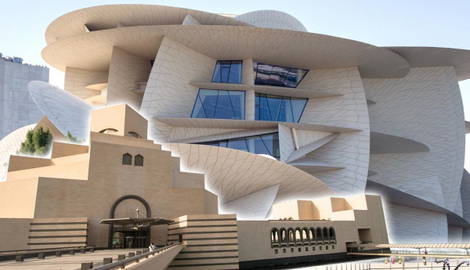
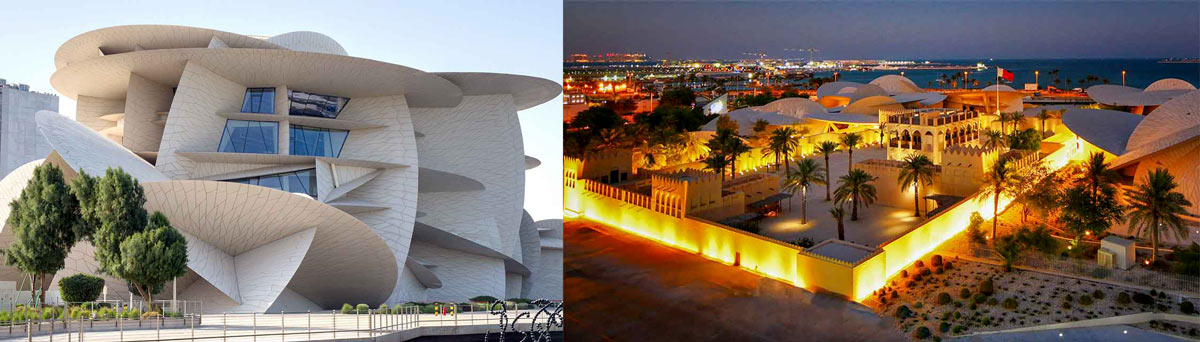
Not to be overshadowed by the contents is the design of the museum’s exterior, which is stunning and inspired by the desert rose.
2. Museum of Islamic Art, Doha
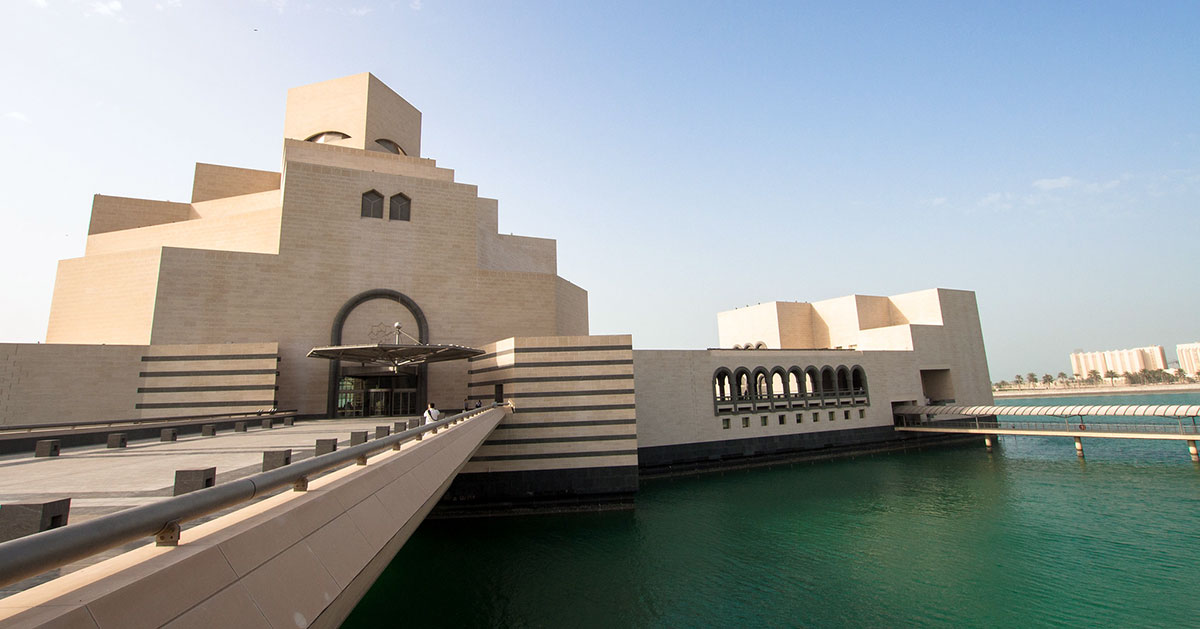
The Museum of Islamic Art is one of the most eye-catching features of Doha’s Corniche, and that is saying something in a city that rarely does understatement. Set slightly offshore on its own artificial island, the building is an absolute eyecatcher, although it feels far from flashy. It was designed by I. M. Pei as the final major project of his career, and he approached it methodically, spending years studying historic Islamic architecture across the region before finalizing the design.
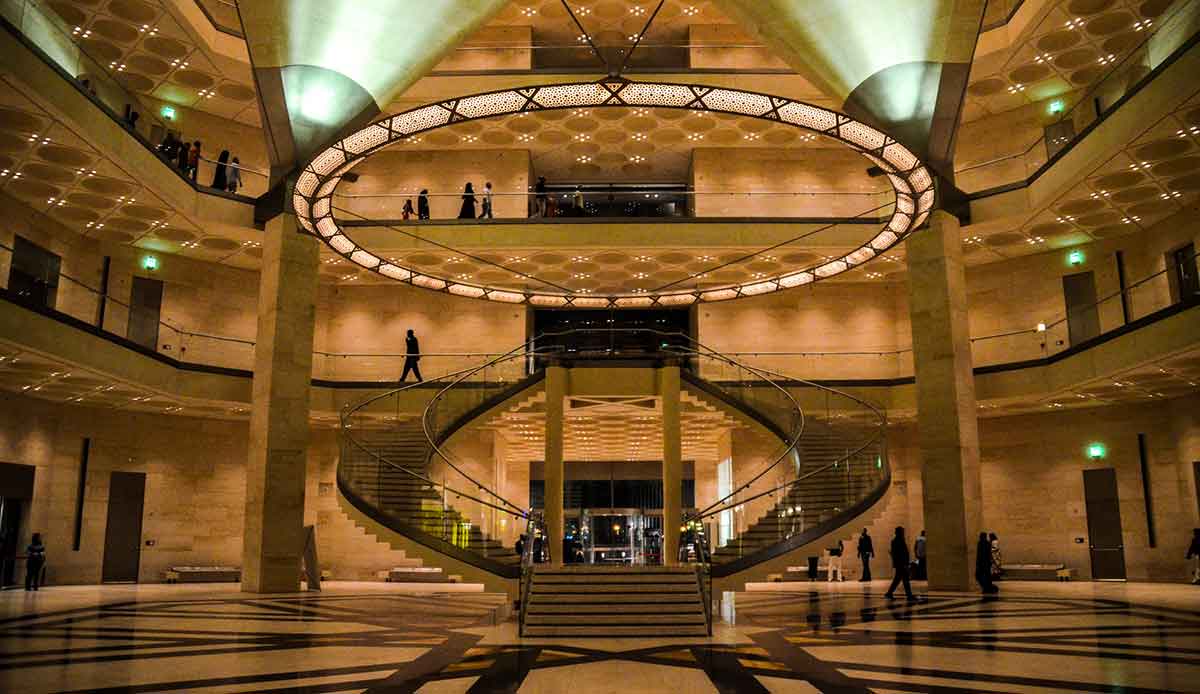
Inside, the building opens into a large central atrium organized around a tiered staircase and a circular oculus that brings daylight deep into the interior. From there, the galleries unfold by theme (calligraphy, ceramics, metalwork, textiles, etc.), covering more than 1,000 years of Islamic art. There’s no doubt that via this museum, Qatar sees itself as a kind of cultural steward of the Islamic arts and, given it is regarded as one of the most important museums of its kind in the world, it might just be.
3. Mathaf: Arab Museum of Modern Art, Doha
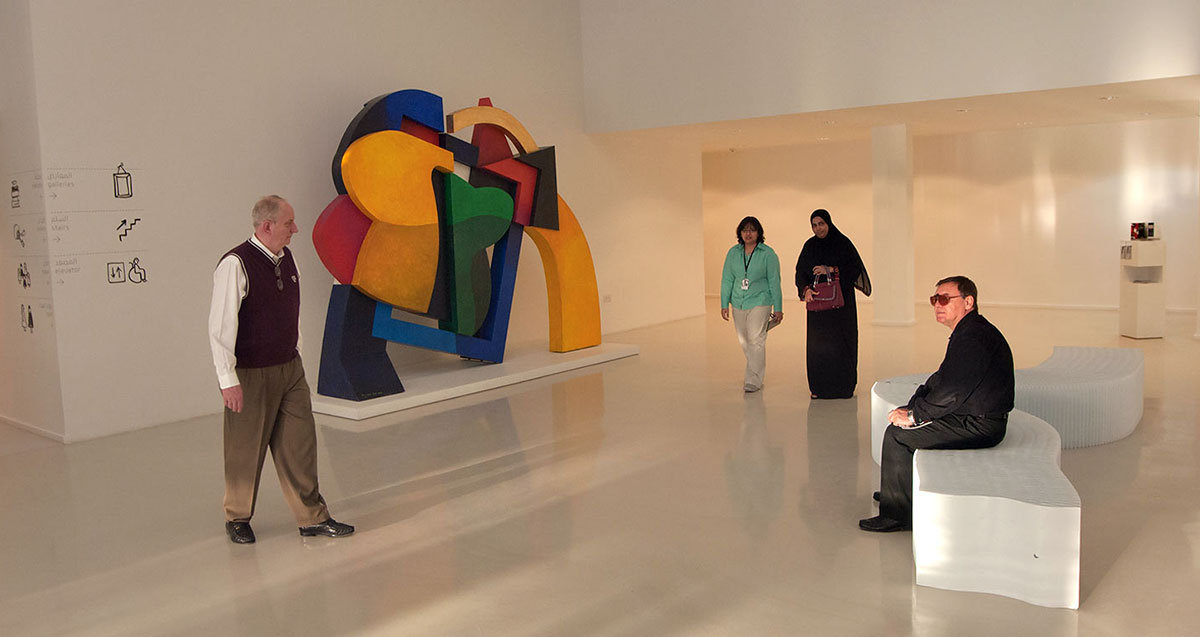
Mathaf sits in Education City on the western edge of Doha and focuses on modern and contemporary art from across the Arab world, from the early 20th century to today. The collection began with the private holdings of Sheikh Hassan bin Mohamed bin Ali Al Thani and has grown to more than 9,000 works. Paintings, sculpture, and mixed-media pieces are shown in relation to the historical moments that shaped them, including late Ottoman rule, colonialism, and post-independence social change, rather than being organized strictly by country.
What emerges is a picture of artists in different places responding to similar pressures in very different ways. Questions of identity, exile, religion, and modernity recur throughout the galleries, but there is no attempt to smooth those responses into a single narrative. Mathaf is particularly interesting for its depth, bringing forward artists and movements that are still rarely shown outside the region and situating Arab modernism on its own terms rather than as a near-irrelevant side note to European art history.
4. Msheireb House Museums, Doha
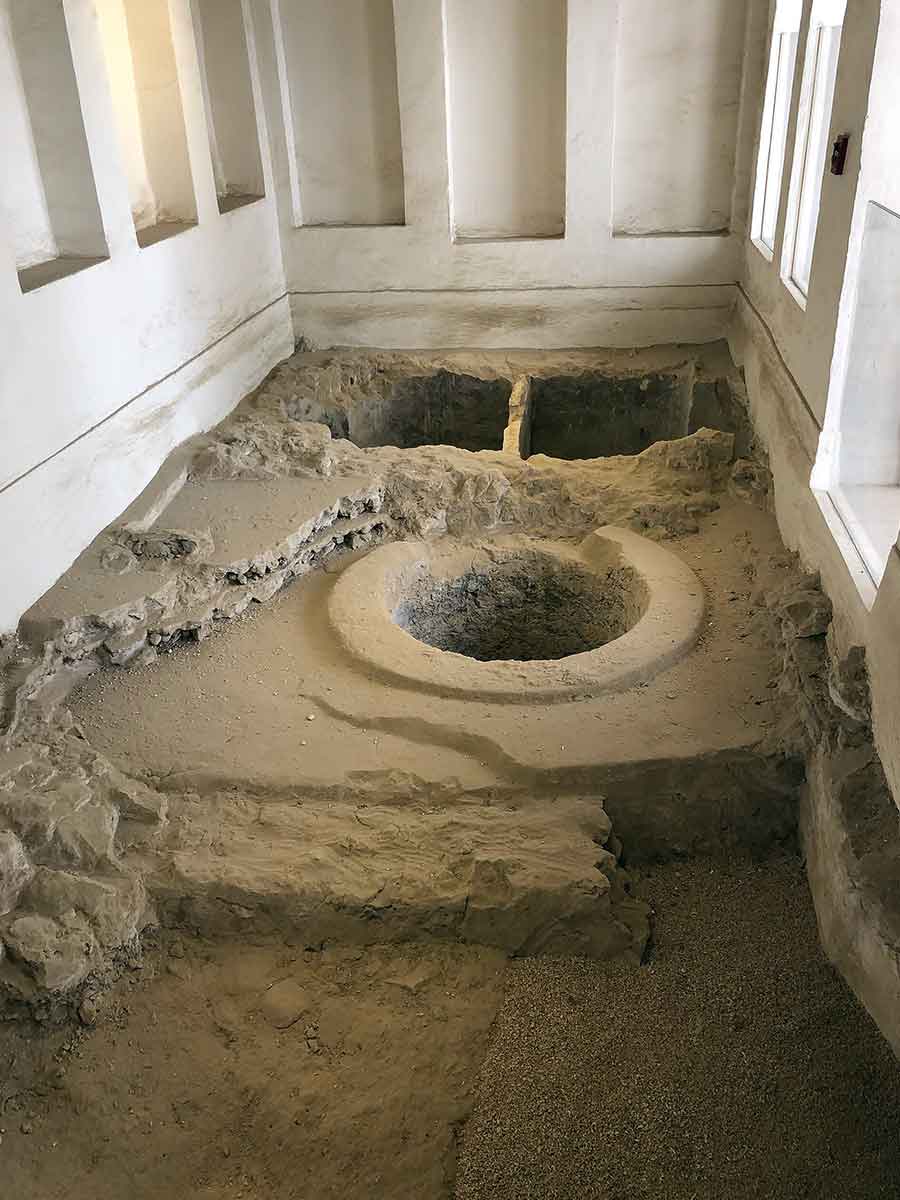
The Msheireb Museums are housed in four restored heritage homes in central Doha, each focused on a different theme: domestic life, early political leadership, the oil industry, and the history of slavery and migration. Together, Company House Mohammed bin Jassim, Radwani, and Bin Jelmood offer a broad picture of the city before large-scale redevelopment erased most older neighborhoods.
One former home of a wealthy slave merchant addresses slavery directly, which is still uncommon in the region, and gives the project surprising credibility. The story then narrows, with Radwani House shifting the focus to domestic life in early 20th-century Doha. Mohammed Bin Jassim House then steps back to explain how Msheireb itself grew, declined, and was eventually redeveloped. The museums are compact, information-rich, and easy to visit in one loop through gentrified Msheireb, with a clear progression from labor and industry to family life and finally neighborhood change.
5. 3-2-1 Qatar Olympic and Sports Museum, Doha
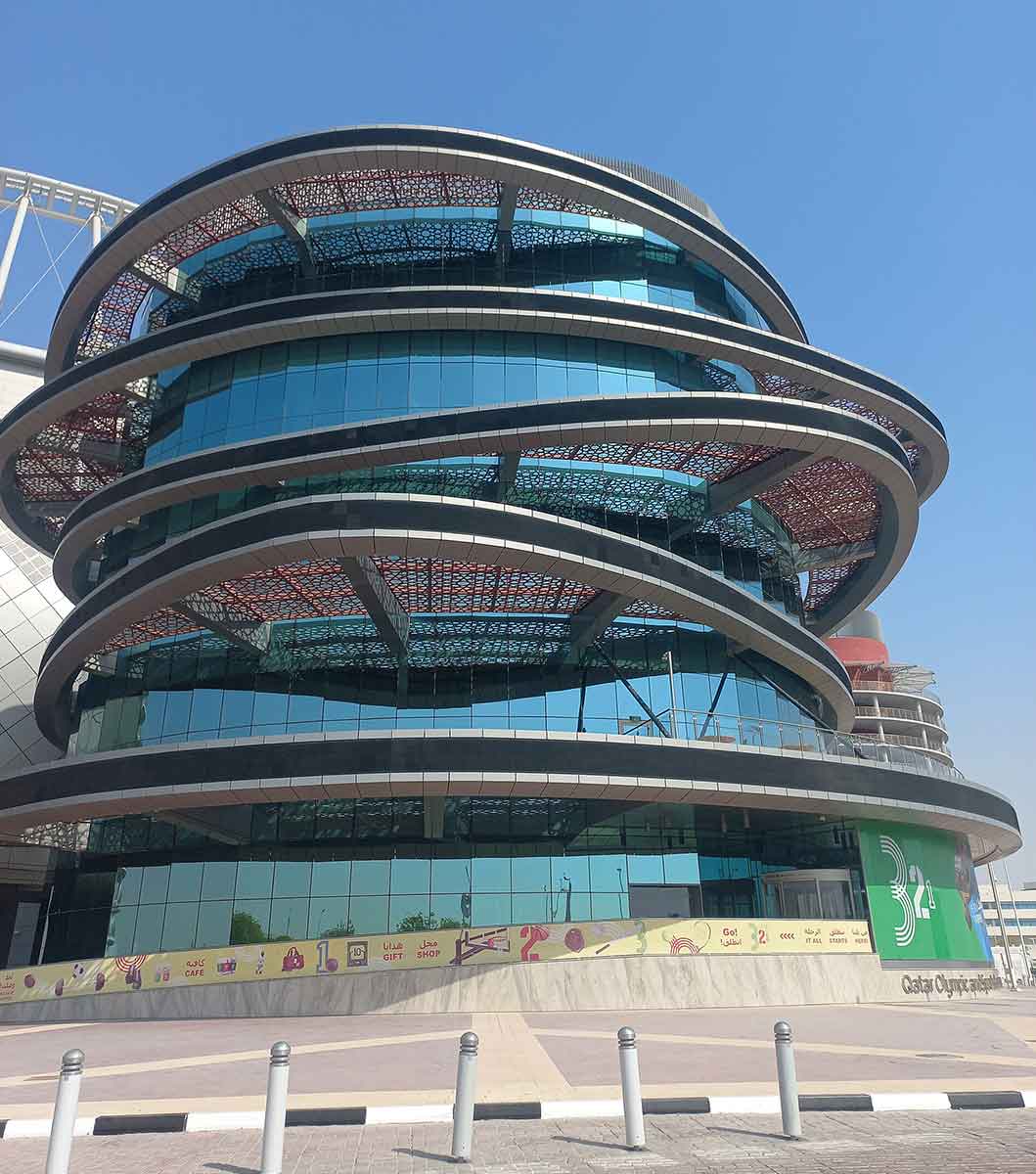
This museum looks at global sports history alongside Qatar’s own investment in athletics. It covers ancient competitions, Olympic history, technological change, and well-known athletes, while also documenting Qatar’s push to host major events and build international visibility through sport.
The tone is upbeat and at times openly promotional, which reflects its subject matter. Sport here is not just leisure, but policy, branding, and soft diplomacy. What’s special, however, is the fact that nowhere does the museum entirely hide that reality. Instead, it shows how carefully Qatar has built its sporting identity and how central that strategy has become to its global image.
6. Sheikh Faisal Bin Qassim Al Thani Museum, Al Samriya
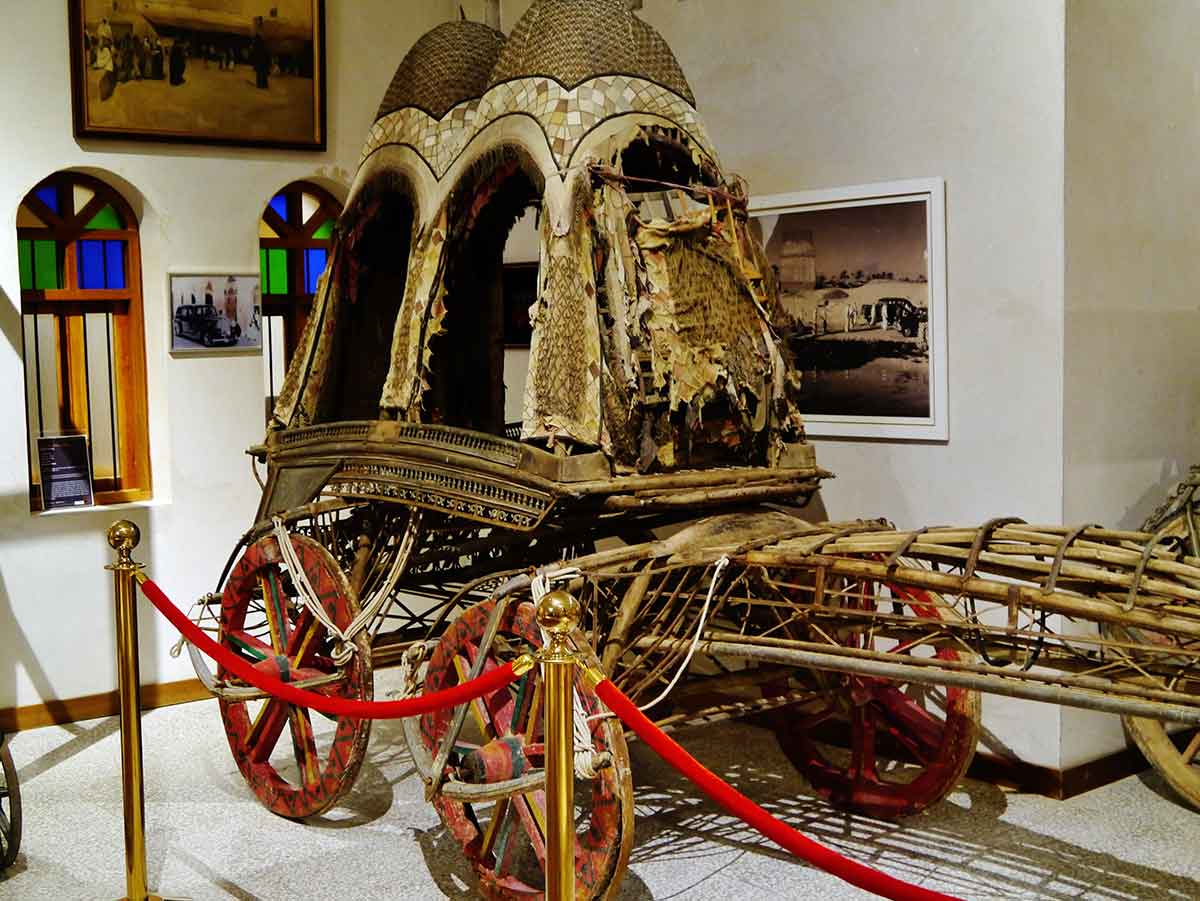
Set in Al Samriya, about 30 minutes west of Doha, the Sheikh Faisal Bin Qassim Al Thani Museum began as a private collection and still feels very much like one, with little explanation offered on most displays. The museum occupies a cluster of restored forts and courtyards and holds more than 15,000 objects, ranging from Islamic manuscripts and carpets to coins, weapons, fossils, and pearl diving tools. There is also an unexpectedly large collection of vintage cars which car-enthusiasts will love, alongside reconstructed houses full of everyday objects from Qatar’s recent past.
What makes the museum distinctive is its refusal to follow a single storyline. In fact, it is positively chaotic in parts. But that reflects what heritage preservation once was in Qatar: a series of private collections by wealthy individuals. That was before the state jumped in and invested heavily in cultural institutions. While this space lacks the clarity and discipline of larger museums, it offers a rare glimpse into collecting as a personal act rather than a strategic one. And in a cultural landscape that now feels so highly managed, that perspective feels surprisingly fun.
7. Fire Station Gallery, Doha
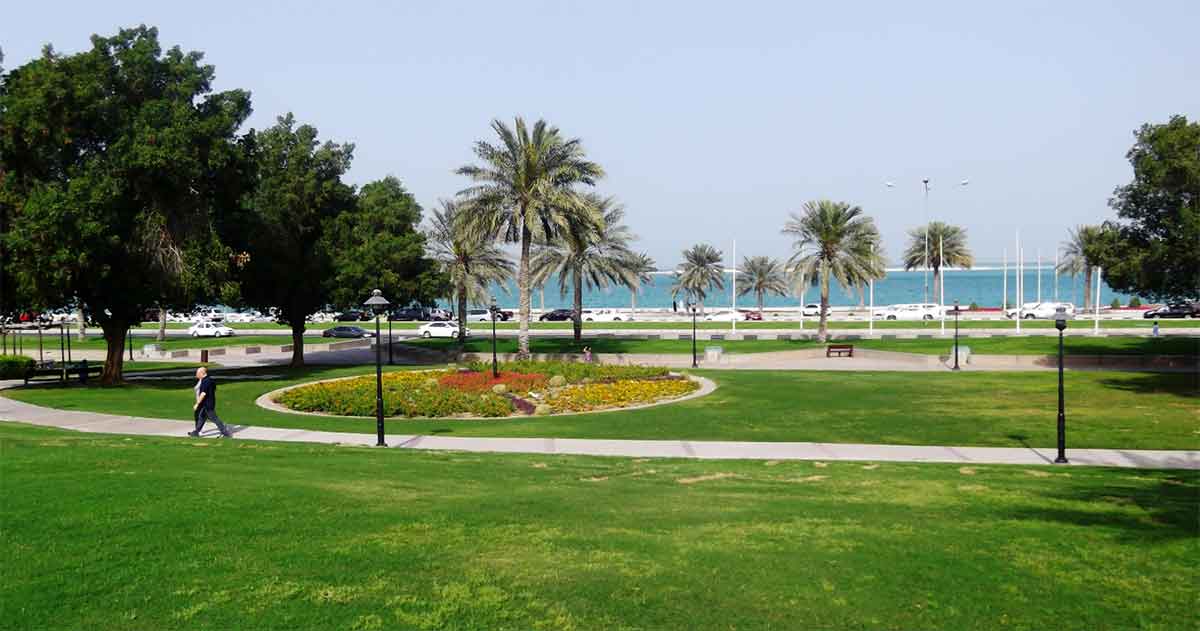
Set just off Doha’s Corniche, the Fire Station occupies a former civil defense headquarters from the 1980s, converted into studios, galleries, and project spaces. The building itself is plain and functional, and that is very much the point. Instead of dramatic architecture, the focus is on process. Artists selected for the residency are given studio space for up to nine months, along with funding and institutional support, making this one of the few places in Doha where you can see contemporary art being developed rather than merely displayed.
The exhibitions rotate regularly and show a range from early-career experiments to more resolved solo projects, with a strong emphasis on artists based in Qatar or the immediate Peninsula region. Not everything lands, and that’s arguably part of the appeal.
8. Al Zubarah Archaeological Site Visitor Center
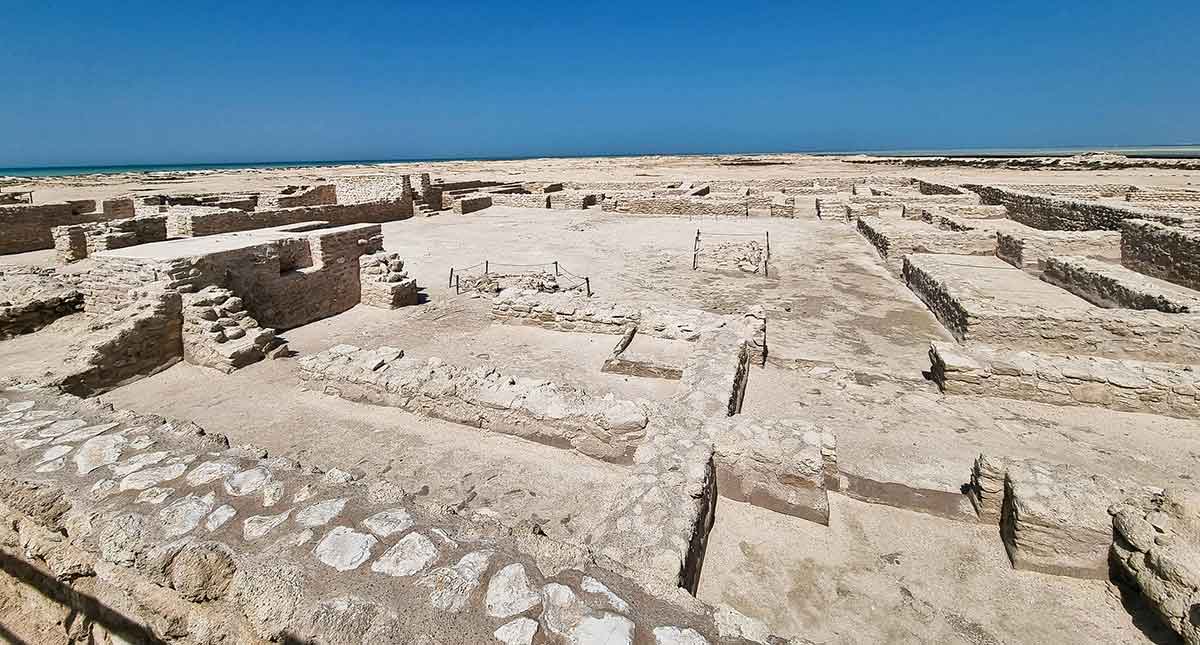
Al Zubarah sits far from Doha and preserves the remains of an 18th and 19th-century town linked primarily to the former pearling industry, which kept the state thriving for centuries. The small but brilliant visitor center provides historical context through maps, artifacts, and archaeological findings, while the site itself (only accessible through the center’s constant bus shuttles) remains largely unadorned.
The archaeological site is heritage listed, and although both the township and fort feel understated, it is delightful to discover a part of the country’s past that hasn’t been sacrificed to make room for flashy skyscrapers. Renting a car in Doha and making the trip to the north coast to visit is highly recommended.