As civilizations built cities and developed writing systems, they also created monumental structures designed to endure. From sacred temples and royal tombs to vast defensive walls, these monuments proclaimed power, honored the divine, and celebrated rulers. Many still stand today, and the following ten ancient monuments remain among the most remarkable wonders of the ancient world.
1. Great Pyramid of Giza, Egypt
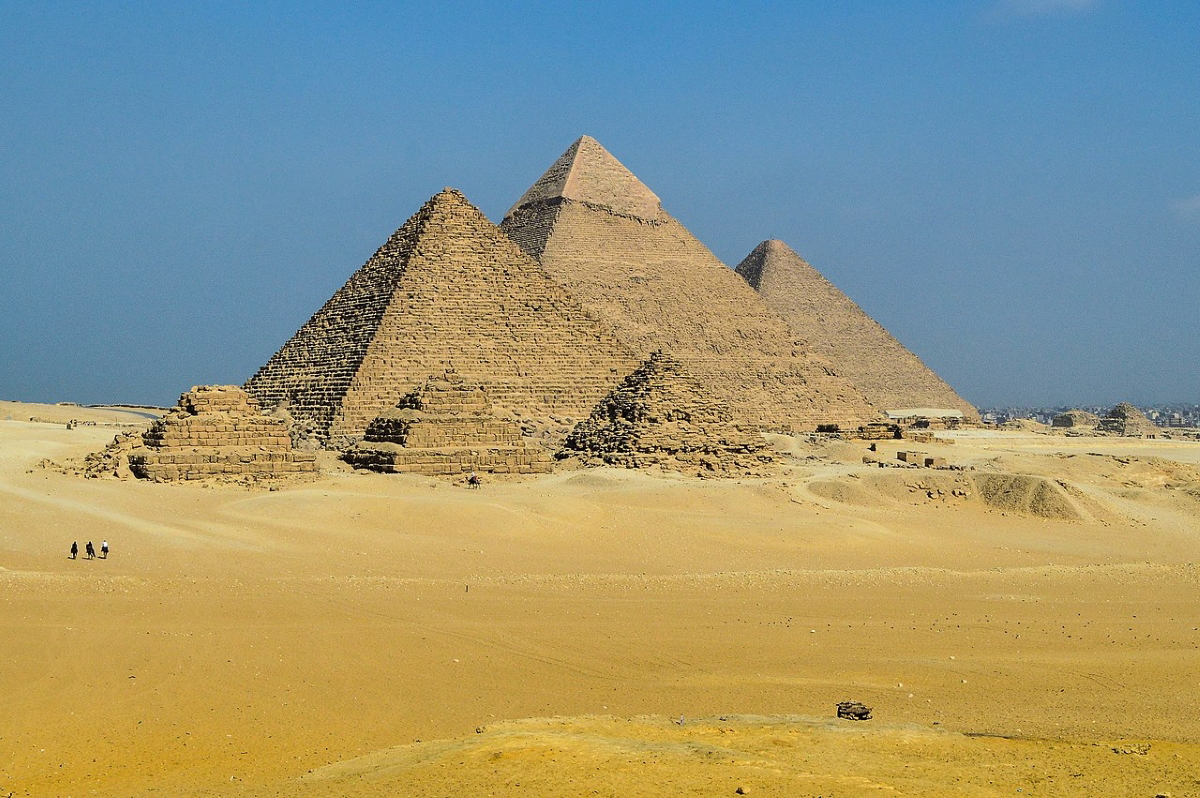
Constructed circa 2550 BC, the Great Pyramid of Giza stands as a testament to ancient Egyptian engineering and remains one of the most iconic structures in human history. Commissioned by Pharaoh Khufu, this monumental edifice originally stood at 146.6 meters, making it the tallest man-made structure of its time. Its precise alignment with the cardinal points and the use of approximately 2.3 million limestone blocks, each weighing between two and 15 tons, continue to intrigue scholars and visitors alike.
Visiting the Great Pyramid offers a unique journey into antiquity. Explorers can venture into the pyramid’s interior, navigating narrow passages that lead to the King’s Chamber, where Khufu’s sarcophagus resides. The surrounding Giza Plateau also hosts the pyramids of Khafre and Menkaure, along with the enigmatic Great Sphinx.
2. Machu Picchu, Peru
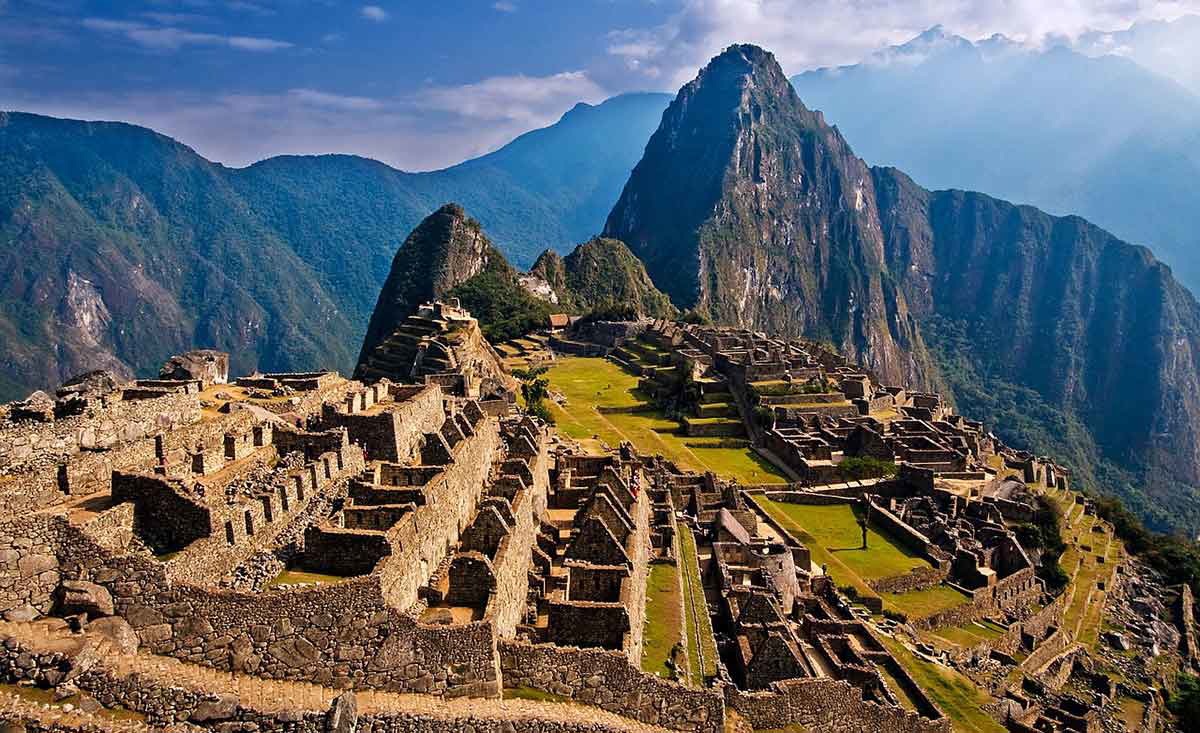
Rediscovered in 1911 by American archaeologist Hiram Bingham, this 15th-century sanctuary has since captivated the imagination of historians and travelers alike. Constructed around 1420 under the reign of Emperor Pachacuti, Machu Picchu is believed to have served multiple purposes, ranging from a royal estate to a religious site. Its strategic location and sophisticated design highlight the Incas’ advanced understanding of agriculture, astronomy, and urban planning.
Accessible primarily via the town of Aguas Calientes, Machu Picchu can be reached by train or by trekking the famed Inca Trail. Upon arrival, the site offers a labyrinth of stone structures, terraces, and plazas to explore. Notable features include the Temple of the Sun, the Room of the Three Windows, and the Intihuatana stone, an ancient astronomical clock.
3. Stonehenge, England
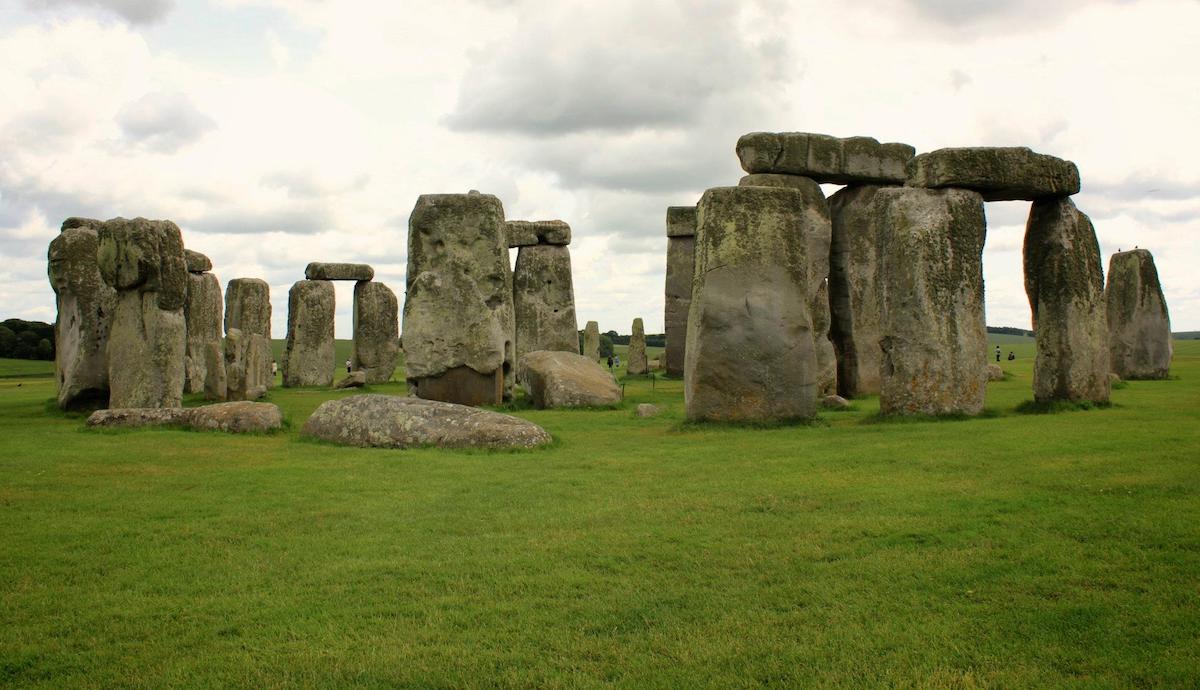
Recent research has unveiled intriguing insights into Stonehenge’s origins and purpose. A study suggests that the monument was constructed to unify early British farming communities during a period of cultural transition around 2500 BC. The discovery that the central Altar Stone was transported from Scotland indicates a collaborative effort among distant communities.
In recent years, significant efforts have been made to preserve Stonehenge and its surroundings. The closure of the A344 road and the removal of nearby parking facilities have restored the site’s tranquility. A visitor center, located approximately two kilometers from the stones, offers exhibitions and amenities, enhancing the overall experience while maintaining the monument’s integrity.
4. Petra, Jordan
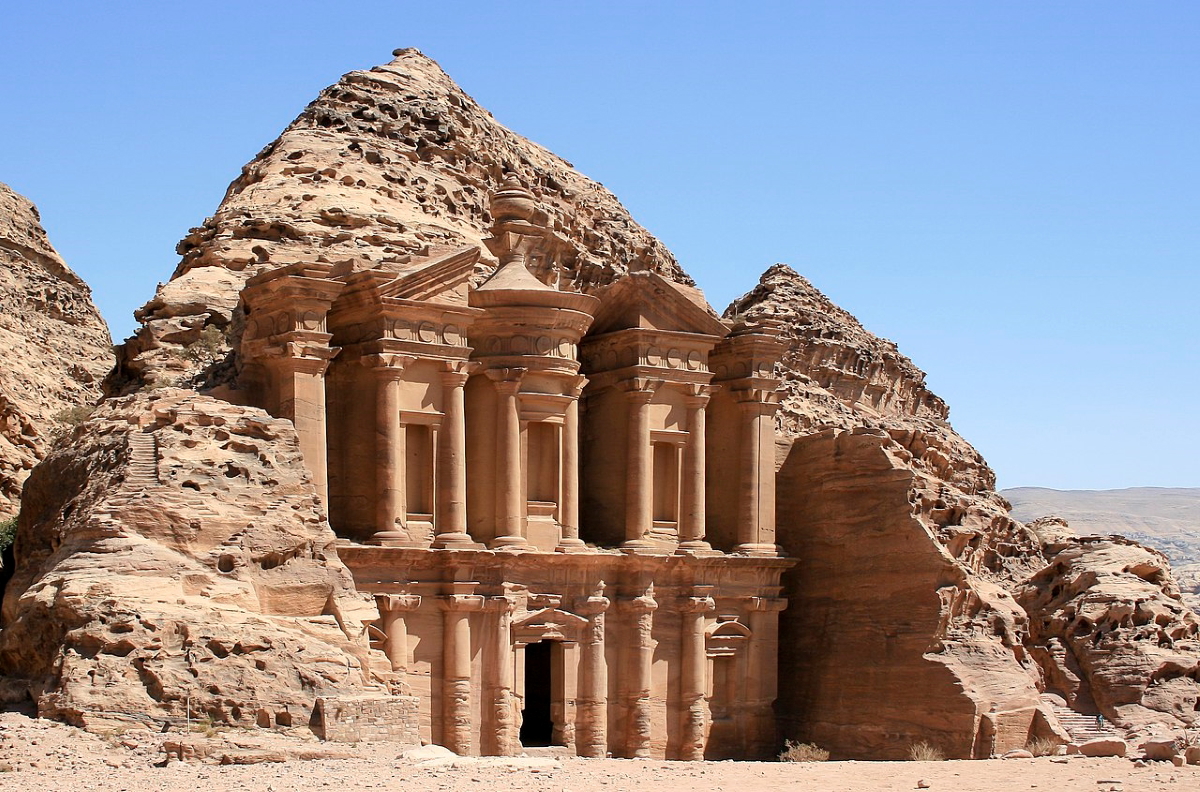
Nestled in the rugged mountains of southern Jordan, Petra, also known as the “Rose City,” is a testament to the ingenuity and architectural prowess of the Nabateans. Established as early as the 5th century BC, Petra served as the capital of the Nabatean Kingdom and flourished as a vital hub along ancient trade routes, connecting Arabia, Egypt, and the Mediterranean.
Visitors to Petra are greeted by the iconic Al-Khazneh (The Treasury), a majestic façade carved directly into sandstone cliffs, blending Hellenistic and Near Eastern architectural styles. Beyond the Treasury, the city reveals a labyrinth of rock-cut tombs, temples, and a Roman-style theater, all reflecting the Nabateans’ sophisticated craftsmanship and their ability to harmonize their structures with the natural landscape.
Begin your journey by walking through the Siq, a narrow gorge leading to The Treasury, and continue to landmarks such as the Monastery (Ad Deir) and the High Place of Sacrifice.
5. Colosseum, Italy
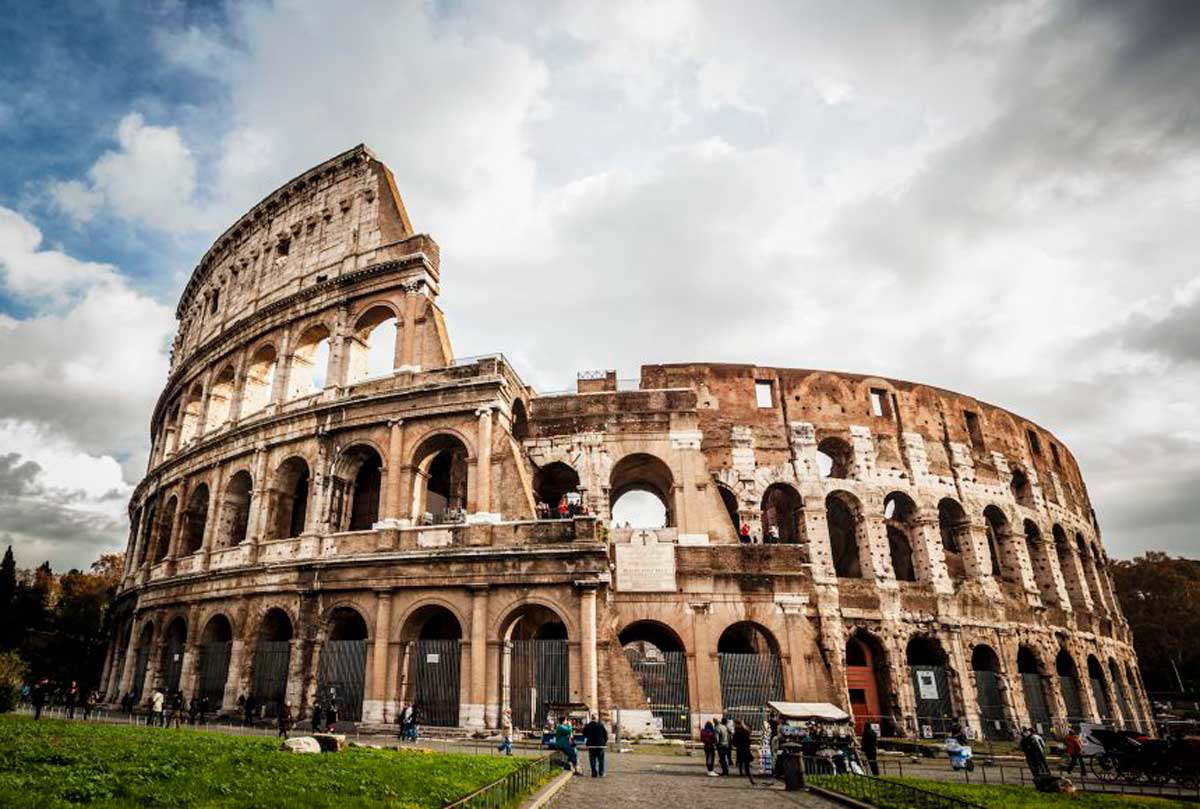
Constructed between 72 and 80 AD under the Flavian emperors, the Colosseum, originally known as the Amphitheatrum Flavium, stands as a testament to ancient Roman engineering and architecture. This elliptical amphitheater measures approximately 189 meters in length and 156 meters in width, making it the largest amphitheater ever built. Its innovative design featured a complex system of vaults and could accommodate between 50,000 and 80,000 spectators.
The Colosseum hosted a variety of public spectacles, including gladiatorial combats, animal hunts, mock naval battles, and theatrical performances. These events were not only a source of entertainment but also a demonstration of the empire’s wealth and power. The arena’s floor, now exposed, covered an elaborate underground structure known as the hypogeum, where animals and performers awaited their turn in the spotlight.
6. Chichén Itzá, Mexico
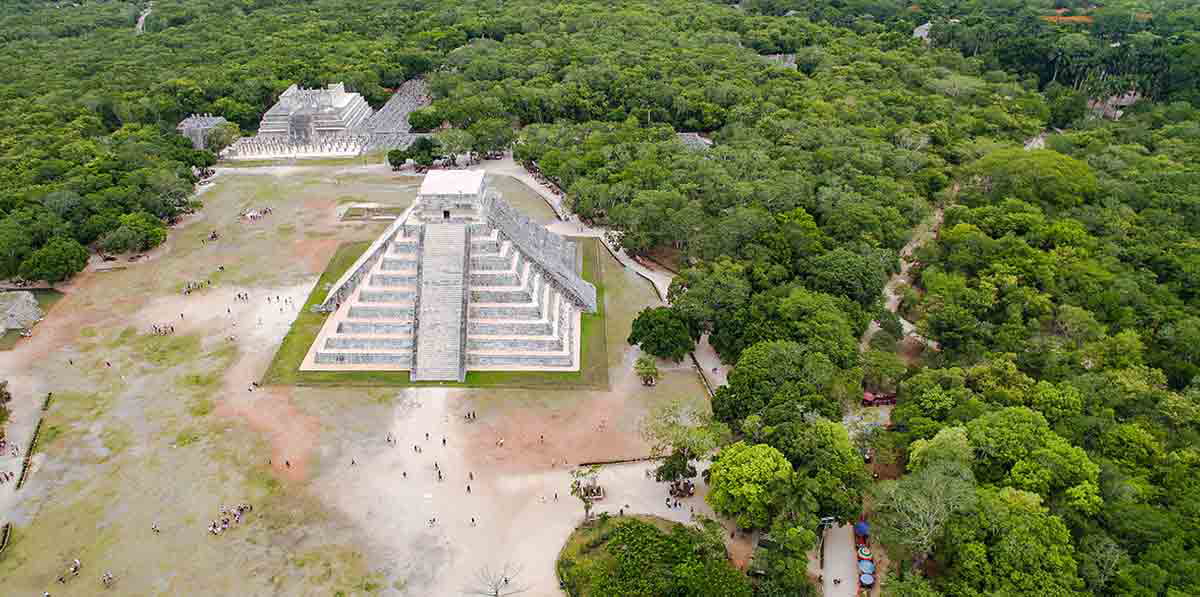
Founded around the 5th century AD, Chichén Itzá emerged as a prominent center in the Yucatán Peninsula. The city’s name translates to “At the mouth of the well of the Itza,” referencing the nearby cenotes that were vital to its inhabitants. Over the centuries, Chichén Itzá evolved into a significant political and economic hub, reflecting a fusion of Mayan and Toltec influences.
Structures such as the Temple of the Warriors and the observatory known as El Caracol highlight their advanced engineering and astronomical knowledge. The Great Ball Court, the largest in Mesoamerica, stands as a reminder of the ceremonial ball games that held both ritualistic and political significance.
Visiting Chichén Itzá today offers a window into this rich heritage. To fully appreciate its grandeur, consider exploring the site during the spring or autumn equinox. During these times, the play of light and shadow on El Castillo creates the illusion of a serpent descending the pyramid, a phenomenon that continues to captivate observers.
7. Great Wall of China
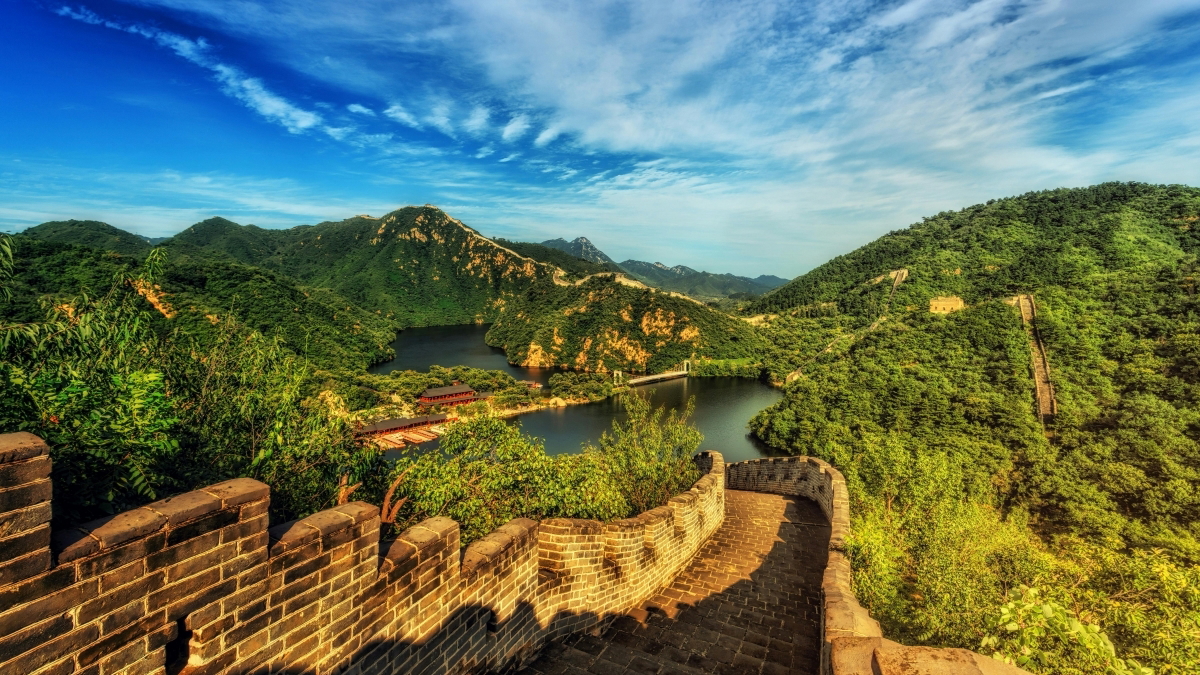
The Great Wall of China stands as a testament to the nation’s enduring legacy, weaving through centuries of history and spanning thousands of kilometers. Its origins trace back to the Spring and Autumn Period (771–476 BC) and the Warring States Period (475–221 BC), when various states constructed fortifications to defend their territories. These fragmented walls were later unified under the Qin Dynasty (221–206 BC) by Emperor Qin Shi Huang, marking the inception of the Great Wall as a continuous structure.
Subsequent dynasties, notably the Ming Dynasty (1368–1644 AD), reinforced and expanded the wall to protect against northern invasions. The Ming-era contributions are among the best-preserved sections today, characterized by robust brick-and-stone construction that snakes across China’s diverse terrain.
Archaeological advancements continue to shed light on the wall’s multifaceted purposes. Recent studies suggest that, beyond its defensive role, the Great Wall also served to regulate trade and migration, underscoring its significance in economic and social contexts.
The Great Wall offers diverse landscapes and experiences. The restored pathways at Badaling provide an accessible introduction to its grandeur, while the quieter trails of Mutianyu wind through lush forests and rolling hills. At Jinshanling, the rugged terrain reveals a mix of preserved and wild sections, offering an unfiltered glimpse into the Wall’s past.
8. Angkor Wat, Cambodia
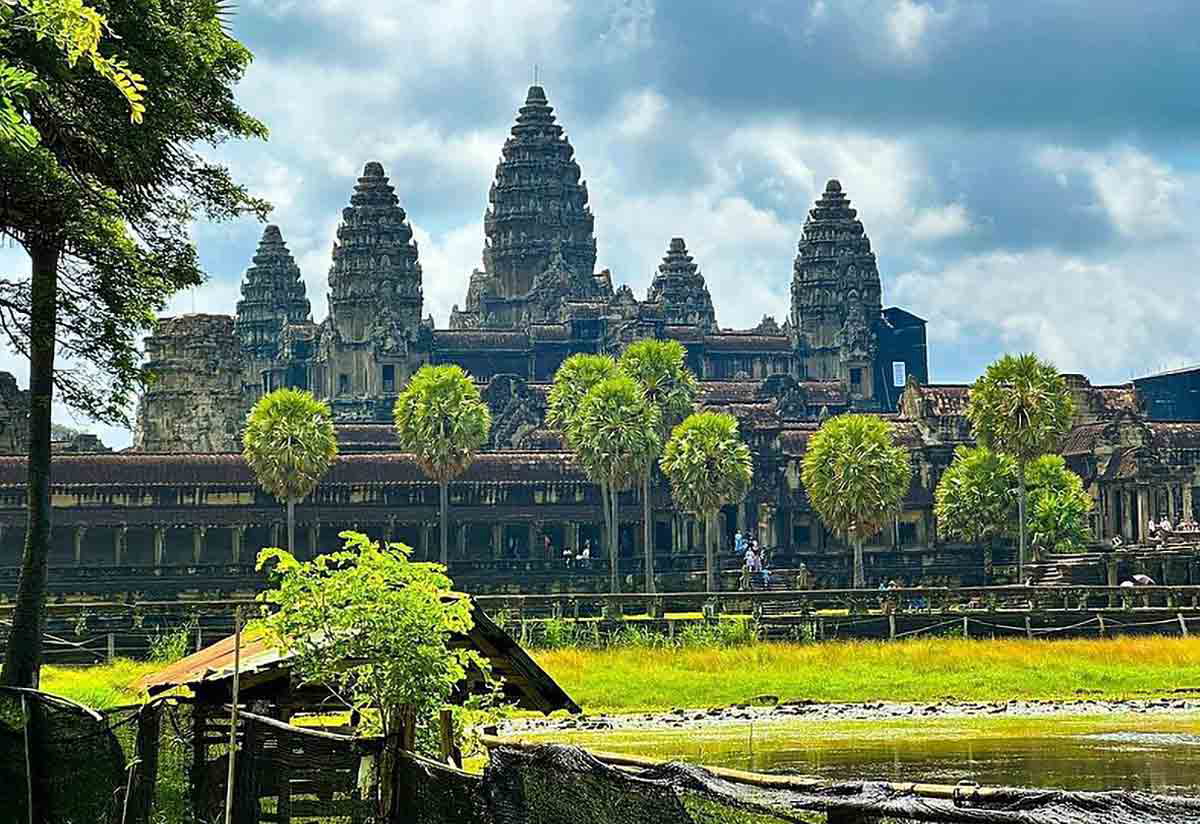
Angkor Wat, located near Siem Reap, Cambodia, is the world’s largest religious monument, covering approximately 162.6 hectares. Constructed in the early 12th century under King Suryavarman II, it was originally dedicated to the Hindu god Vishnu before transitioning to a Buddhist temple in the late 12th century.
Visiting Angkor Wat offers a profound glimpse into Khmer architecture and ancient Cambodian culture. The temple’s grandeur is evident in its central quincunx of towers, symbolizing Mount Meru, the mythical axis of the universe. Intricate bas-reliefs adorn the walls, depicting epic narratives from Hindu mythology, including the churning of the ocean of milk. The temple’s westward orientation, atypical for Hindu temples, has intrigued scholars, suggesting possible funerary associations.
9. Easter Island Moai, Chile
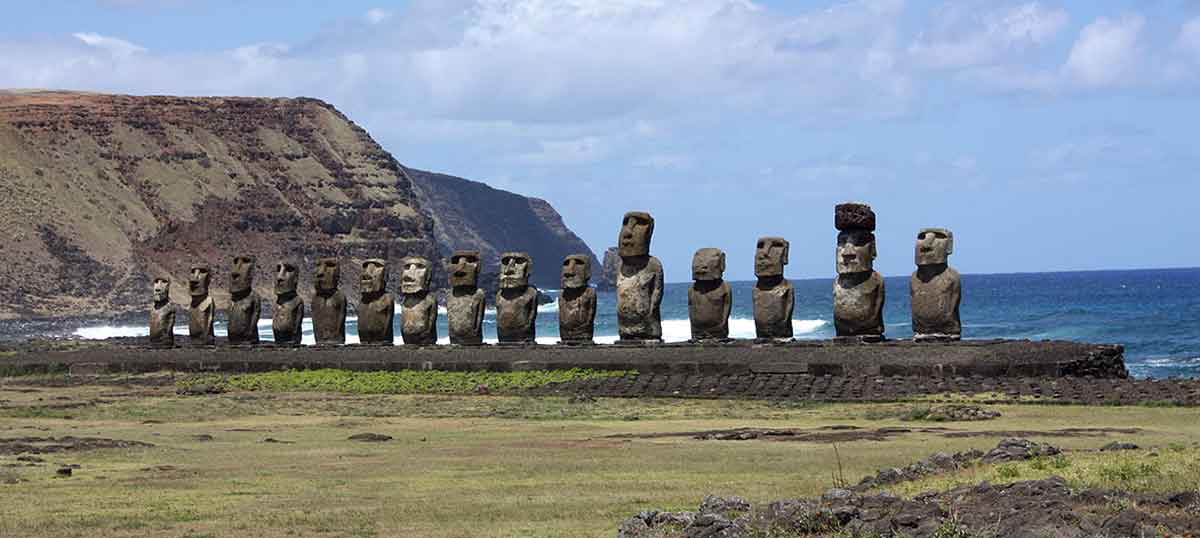
In the vast expanse of the southeastern Pacific, the island of Rapa Nui, known to many as Easter Island, stands isolated, its shores caressed by relentless waves. Here, scattered across the landscape, stand the moai: colossal stone figures, their enigmatic gazes fixed upon horizons unknown.
Centuries ago, the Rapa Nui people embarked on an ambitious endeavor. Between 1250 and 1500 AD, they carved nearly 900 of these monolithic statues from volcanic tuff, each representing deified ancestors, their purpose intertwined with the islanders’ spiritual and social fabric.
The tallest among them, known as Paro, towered at almost 10 meters and weighed 82 tons, a testament to the ingenuity and dedication of its creators. However, by the late 19th century, all moai had fallen, possibly due to internal conflicts or external influences.
Visiting Rapa Nui offers a profound connection to this legacy. Sites like Rano Raraku, the volcanic quarry where many moai remain in various stages of completion, and Ahu Tongariki, home to 15 re-erected statues, provide insight into the island’s rich history.
10. Tikal, Guatemala
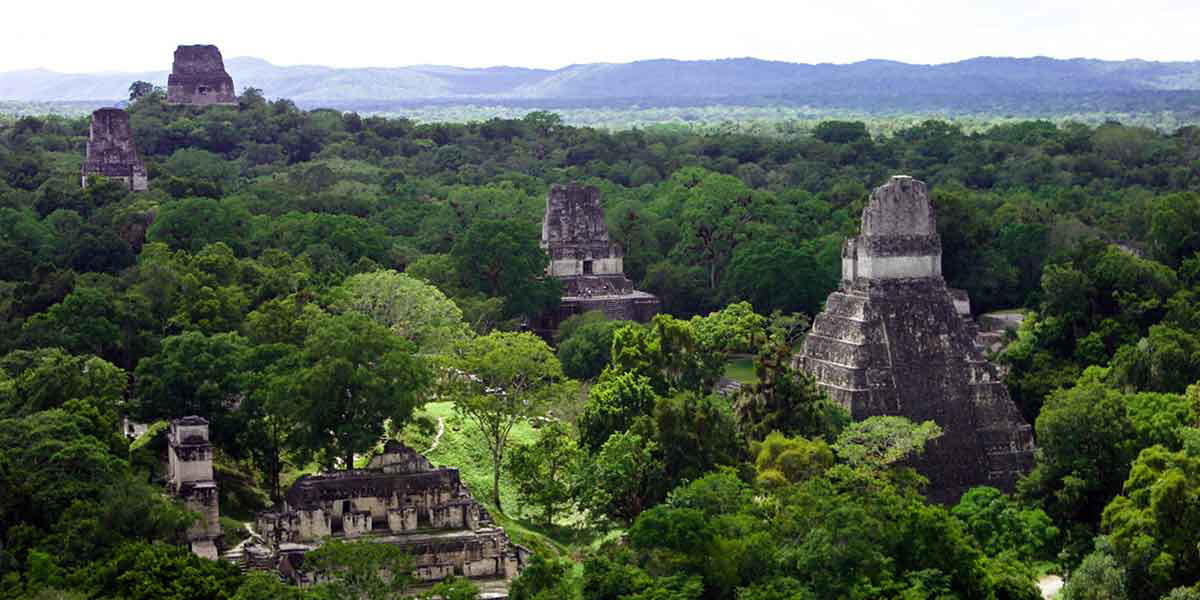
Nestled within the dense rainforests of northern Guatemala lies Tikal, one of the most significant archaeological sites of the ancient Maya civilization. Established around the 4th century BC, Tikal evolved into a dominant political, economic, and military center during the Classic Period (c. 200 to 900 AD). At its zenith, the city boasted a population estimated between 100,000 and 200,000 inhabitants, reflecting its prominence in the Maya world.
The city’s monumental architecture is a testament to Maya engineering prowess. Among its most iconic structures is Temple I, also known as the Temple of the Great Jaguar, a 47-meter-high pyramid that served as the tomb of the ruler Jasaw Chan K’awiil I. Opposite stands Temple II, the Temple of the Masks, which offers panoramic views of the Great Plaza. The North Acropolis and Central Acropolis further showcase intricate complexes of temples and palaces, each narrating stories of Tikal’s dynastic lineage.
Visiting Tikal today provides a unique opportunity to delve into Maya history amidst a vibrant ecosystem. The surrounding Tikal National Park, a UNESCO World Heritage Site, encompasses 57,600 hectares of lush jungle, home to diverse wildlife such as howler monkeys, toucans, and coatis.
Must-See Monuments (Quick Reference)
| Monument | Location | Civilization | Date | Why it matters |
| Great Pyramid of Giza | Giza, Egypt | Ancient Egypt | c. 2550 BC | The only surviving Wonder of the Ancient World and a triumph of ancient engineering |
| Machu Picchu | Cusco Region, Peru | Inca | c. 1420 AD | A remarkably preserved Inca citadel showcasing advanced mountain architecture |
| Stonehenge | Wiltshire, England | Neolithic Britain | c. 3000–2000 BC | One of the world’s most mysterious prehistoric monuments |
| Petra | Southern Jordan | Nabatean | from c. 5th century BC | A spectacular city carved into sandstone cliffs along ancient trade routes |
| Colosseum | Rome, Italy | Ancient Rome | 72–80 AD | The largest amphitheater of the Roman world and a symbol of imperial power |
| Chichén Itzá | Yucatan, Mexico | Maya | c. 600–1200 AD | A major Maya ceremonial center famed for its astronomical architecture |
| Great Wall of China | Northern China | Chinese Dynasties | 7th century BC–17th century AD | The longest defensive structure ever built in human history |
| Angkor Wat | Siem Reap, Cambodia | Khmer | early 12th century AD | The world’s largest religious monument and the pinnacle of Khmer architecture |
| Easter Island Moai | Rapa Nui (Easter Island, Chile) | Rapa Nui | c. 1250–1500 AD | Hundreds of monumental statues honoring ancestral leaders |
| Tikal | Petén, Guatemala | Maya | c. 400 BC–900 AD | One of the most powerful cities of the ancient Maya world |