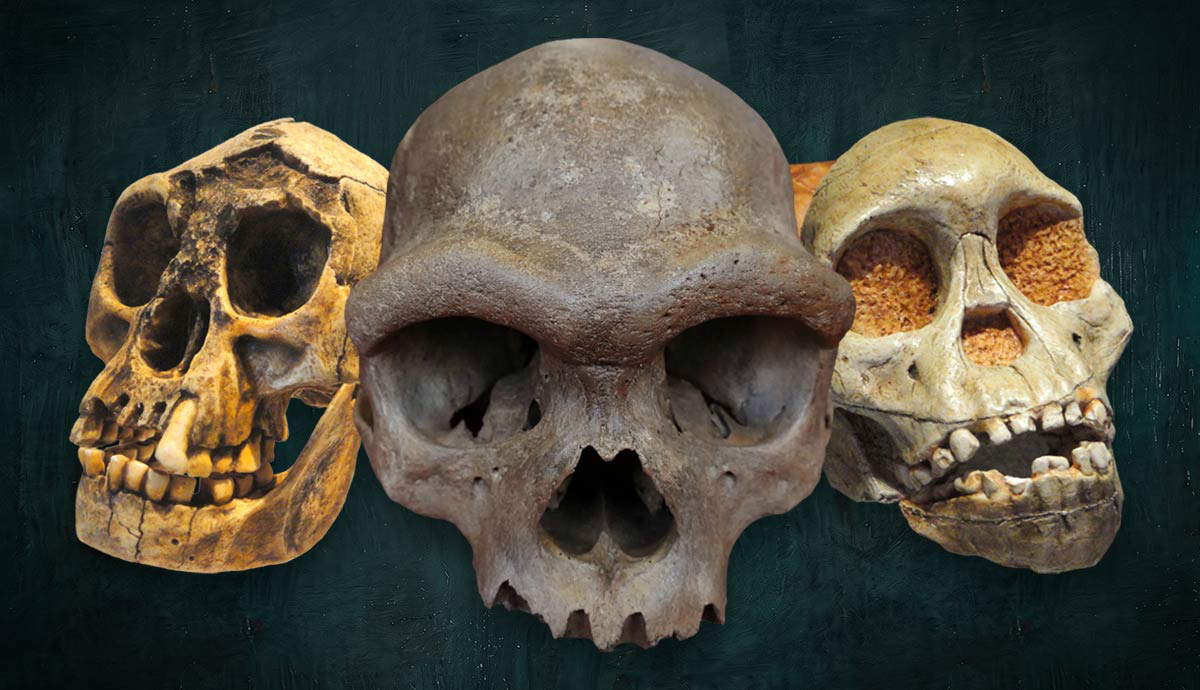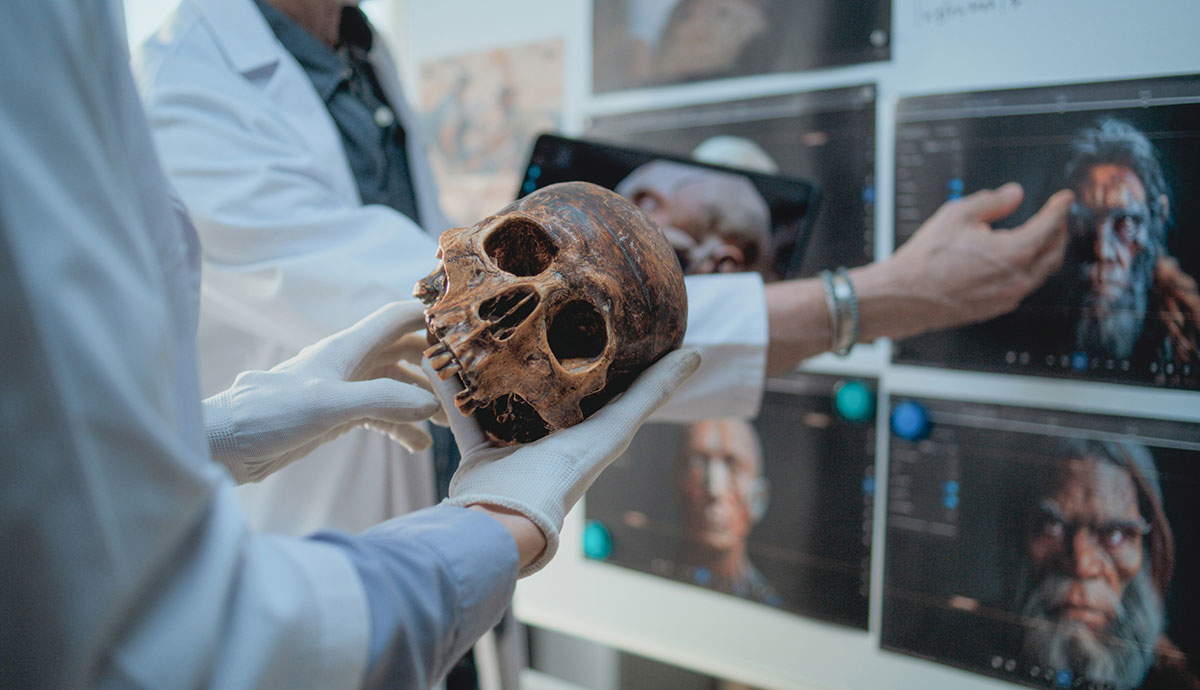

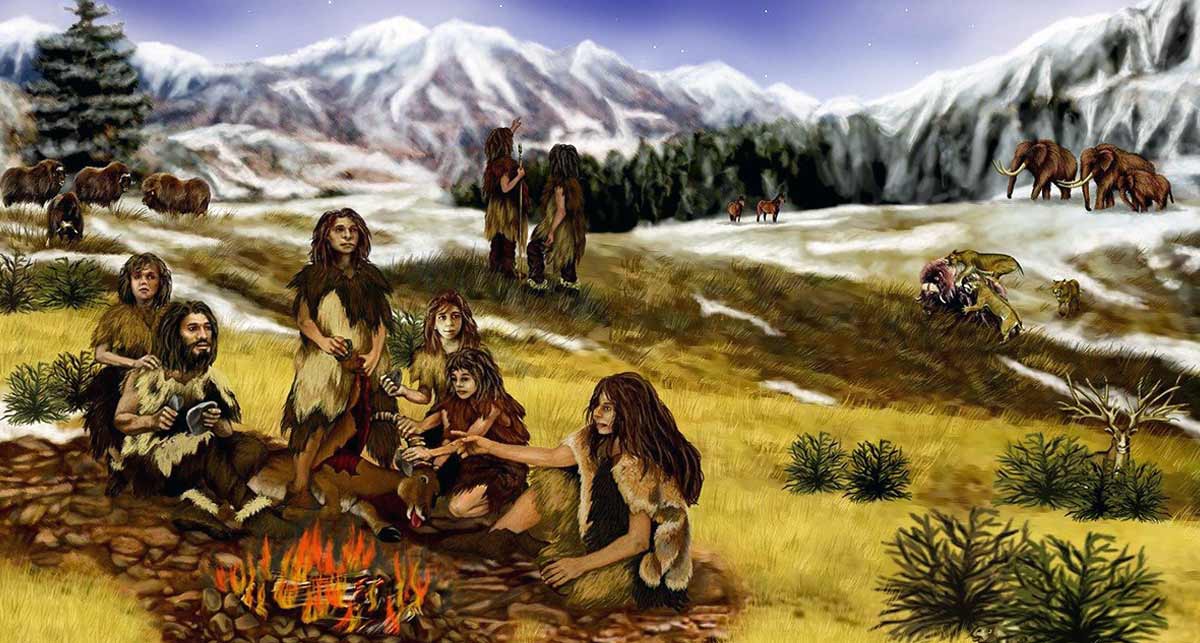
Starting around 50,000 years ago, modern humans dispersed out of Africa and into Eurasia, where they met and interbred with Neanderthals. As a result, most people can trace a small percentage of their DNA to our extinct relatives. In particular, people of European and Asian ancestry carry about 1% to 2% Neanderthal DNA in their genomes, with East Asians carrying slightly more than Europeans. Scientists have now linked these inherited genes to everything from severe COVID-19 to sunburn, pain, and fertility. Here are 10 ways Neanderthal DNA is linked to our health today.
Why Do Humans Have Neanderthal DNA?
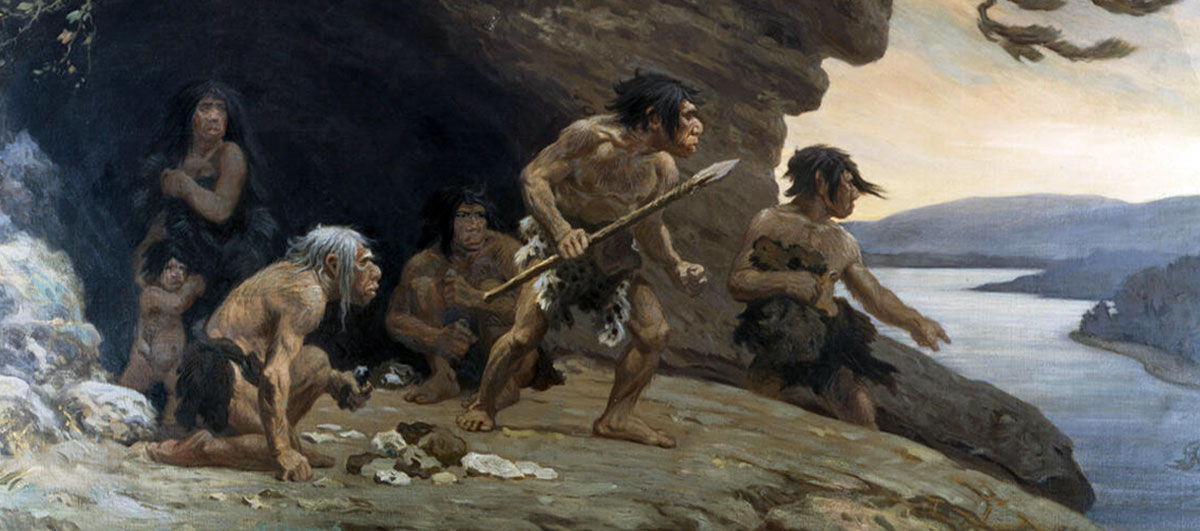
The first Neanderthal fossil was found at Engis in Belgium in 1829, but it was not recognized as Neanderthal until much later. The species takes its name from a skeleton quarrymen uncovered in 1856 in the Neander Valley in Germany, which the geologist William King formally named Homo neanderthalensis in 1864. The species was the first extinct human to be recognized and the first fossil human species ever named. Neanderthals lived across Europe and southwest and central Asia from around 400,000 to 40,000 years ago. They disappeared around 40,000 years ago, within a few thousand years of modern humans spreading into Europe.
In 2010, scientists published the first draft sequence of the Neanderthal genome, built mainly from three bones found in Vindija Cave in Croatia. The Neanderthal Genome Project provided evidence of modern humans and Neanderthals interbreeding and revealed that most people with non-African ancestry now carry about 1% to 2% Neanderthal DNA. In 2020, a study of more than 2,500 genomes found that people of African ancestry also carry Neanderthal DNA, partly because some modern humans whose ancestors had mixed with Neanderthals later migrated back into Africa.
Some Neanderthal genes probably helped modern humans adapt to new pathogens, less sunlight, and colder climates in Eurasia, while many others were mildly harmful and were gradually weeded out by natural selection. The pieces that survive can still have subtle effects on our health today.
1. Sunlight and Sunburn
A 2017 study of more than 100,000 British adults found that Neanderthal DNA affects skin tone and hair color, and that some common Neanderthal alleles in Europeans are linked to sunburning easily in childhood and tanning poorly.
Neanderthal DNA affects cells known as keratinocytes, which help to protect the skin from harmful environmental factors, including ultraviolet radiation and pathogens. In particular, researchers found that Neanderthal DNA is linked to a higher risk of actinic keratosis, rough, scaly patches caused by sun damage to keratinocytes.
As Neanderthals had lived in Eurasia for hundreds of thousands of years before modern humans arrived, they had likely adapted to lower levels of ultraviolet radiation than their relatives in Africa.
2. Depression
Neanderthal DNA generally has less involvement in parts of our genomes associated with cognitive function. However, a 2016 study of about 28,000 American adults found that Neanderthal DNA is linked to a slightly higher risk of depression. While conditions like depression are complex and associated with a number of environmental and genetic factors, Neanderthal gene variants could influence a person’s risk level.
It is unclear why genes linked to increased risk of developing mood disorders have not been removed by natural selection, given that depressive disorders would lower survival fitness. Researchers have hypothesized potential positive effects that depressive symptoms could have to explain the persistence of these genes in modern humans. Because many of the same Neanderthal variants are linked to how skin responds to sunlight, one research team proposed that they once helped people adjust to the long, dark winters of Eurasia, and that sunlight exposure may explain their link to mood today.
3. Nicotine Addiction
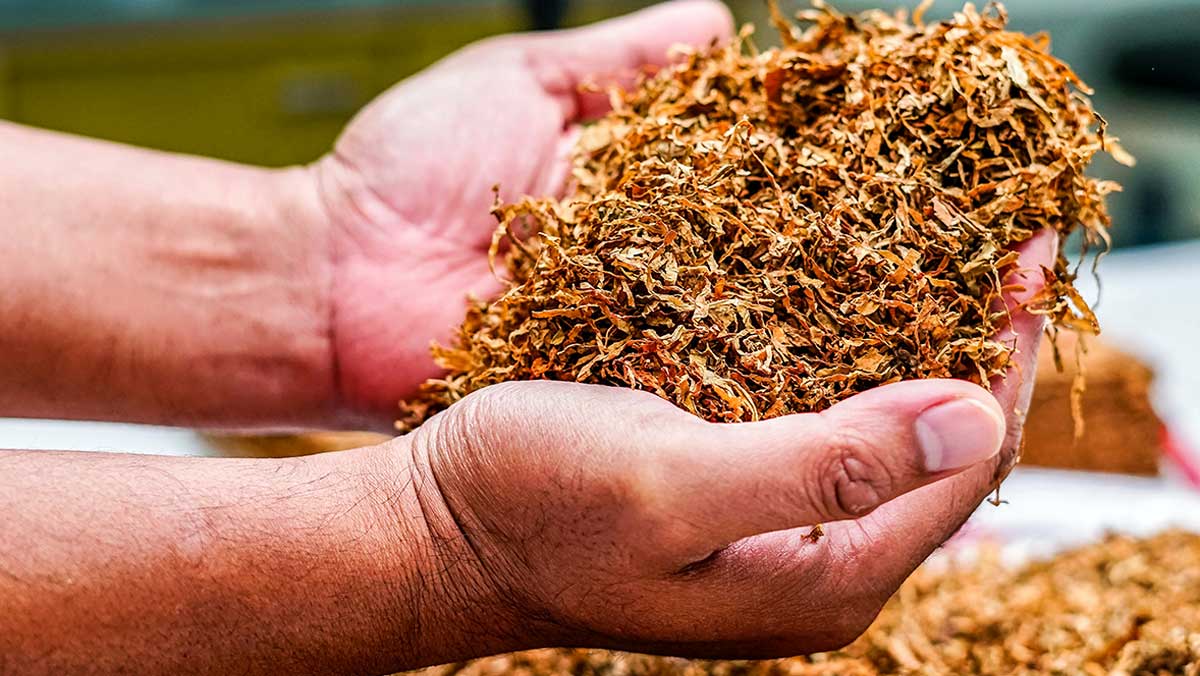
The same 2016 study found that a Neanderthal variant in the SLC6A11 gene is associated with a higher risk of tobacco use disorder, or nicotine addiction. The SLC6A11 gene helps code for a protein involved in regulating neurological signals.
Of course, Neanderthals were not using tobacco when they interbred with modern humans some 50,000 years ago. Use of tobacco goes as far back as 12,000 years ago in the Americas and from around 500 years ago in Europe. Consequently, this gene would have served an unrelated purpose to our ancestors compared to how it affects our health today.
4. Type 2 Diabetes
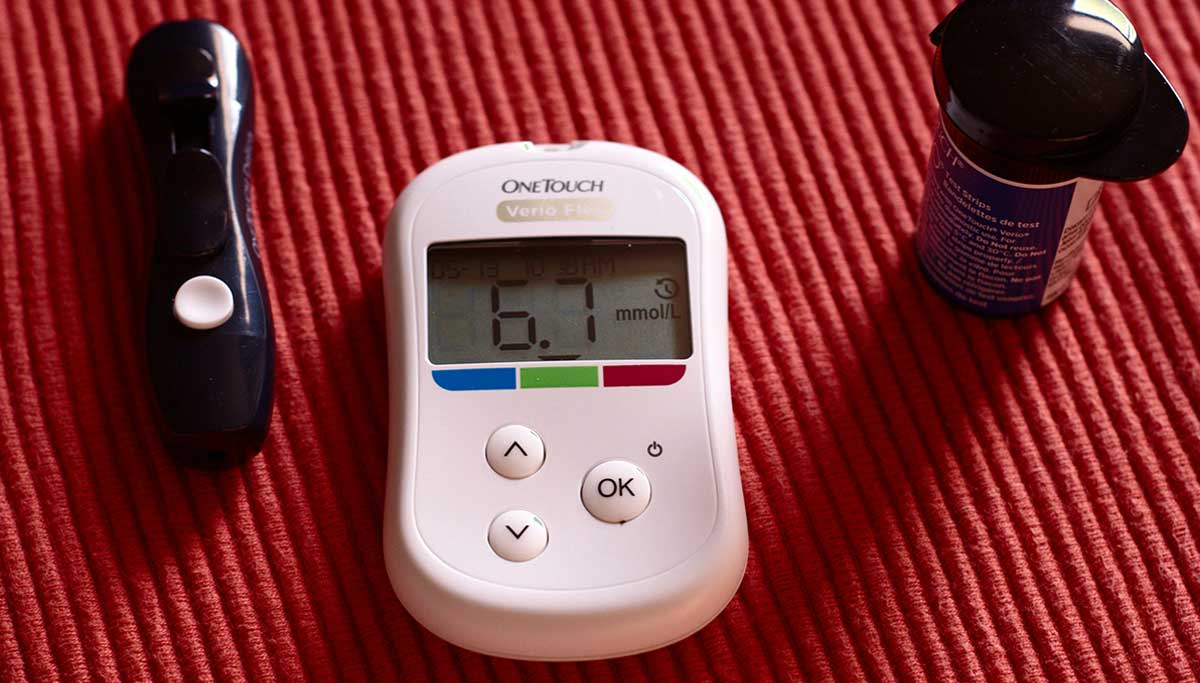
A 2014 study of more than 8,000 Mexicans and other Latin Americans found that a version of the SLC16A11 gene inherited from Neanderthals, which affects how the liver handles fats, raises the risk of type 2 diabetes by about 25% for each copy a person carries.
The form of the gene associated with diabetes has been observed at a higher percentage in Latin American populations, particularly those with high Native American ancestry. The variant is found in about half of people with Native American ancestry and about 1 in 10 East Asians, but it is rare in people from Europe and Africa. Hispanic and Latino populations have a higher risk of type 2 diabetes due to a combination of factors including genetics, socioeconomic barriers, and insulin resistance. These findings could provide partial insight into the high prevalence of the disease among these groups.
5. Allergies
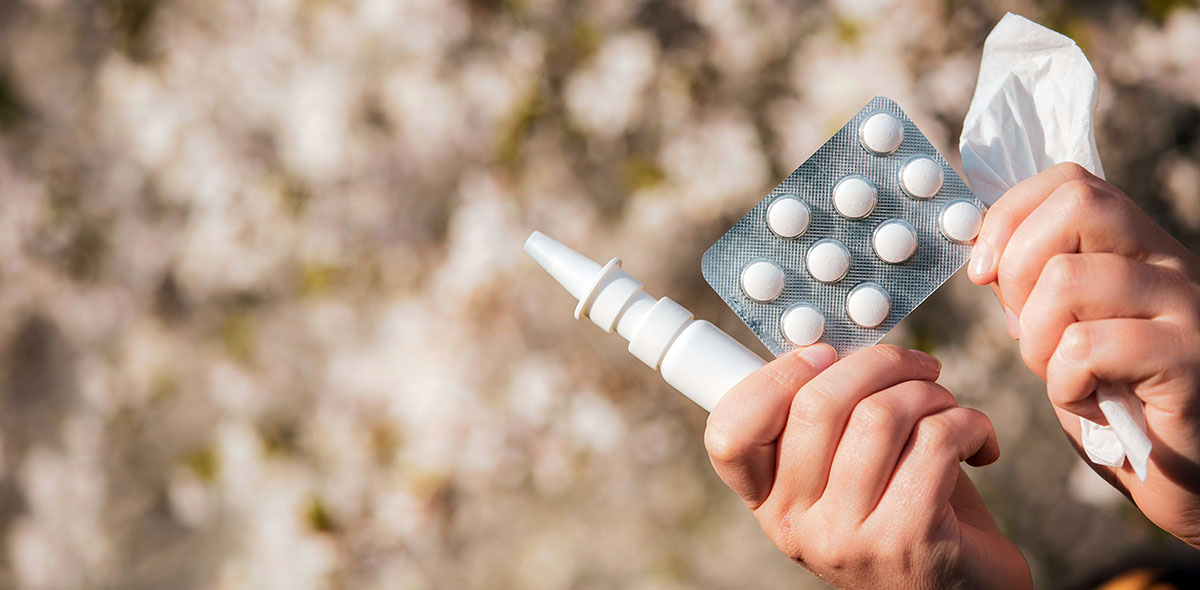
Modern humans inherited versions of three neighboring Toll-like receptor (TLR) genes, TLR1, TLR6, and TLR10, from archaic humans on at least three occasions, twice from Neanderthals and once from Denisovans. These proteins act as first responders to help protect the body from danger by detecting and responding to pathogens, initiating the immune response.
As Neanderthals had lived with the pathogens of Europe and western Asia for more than 200,000 years, they would have developed some immunity to local pathogens. Inheriting these TLR genes from Neanderthals would have provided modern humans with a survival advantage after leaving Africa and entering Eurasia. This would have helped our immune systems to recognize and fight off new bacteria, parasites, and fungi.
When looking at what these ancient genes do for us in the present day, researchers found that while such gene variants offer greater reactivity to pathogens, they can increase susceptibility to allergies. Interestingly, this variant is also associated with a reduced risk of infection by a bacterium called Helicobacter pylori, which causes stomach ulcers.
6. COVID-19 Symptoms
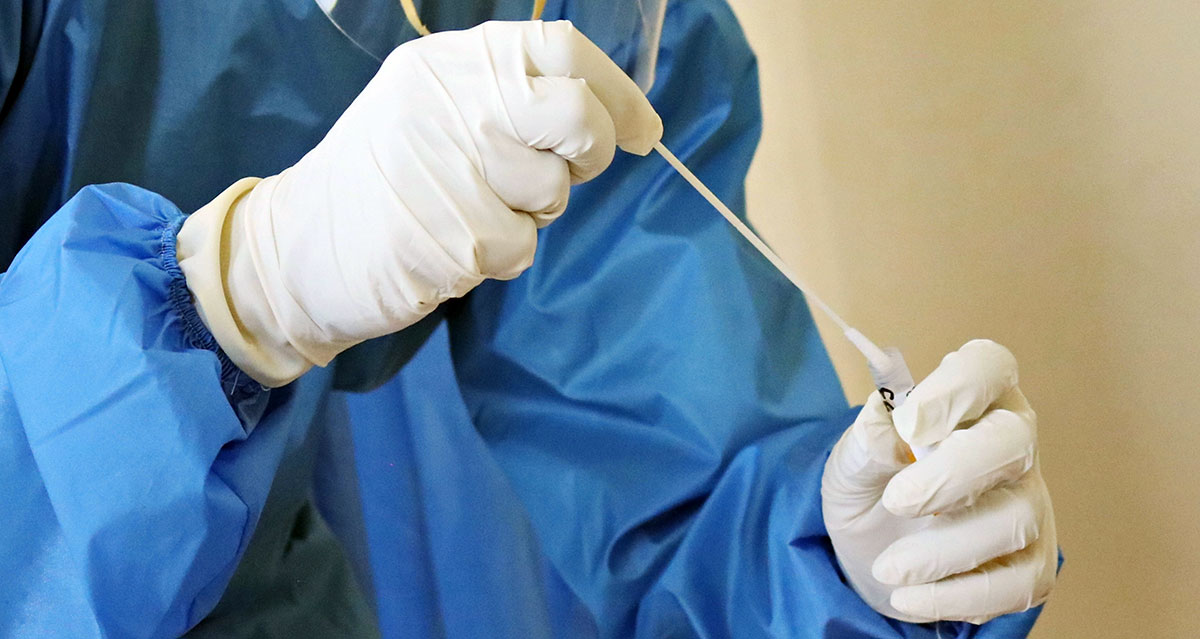
Genetic studies during the COVID-19 pandemic allowed for new insights into the influence of Neanderthal DNA on modern health. Researchers identified a genomic segment on chromosome 3, one of the 23 chromosome pairs in humans, as a genetic risk factor for severe symptoms and hospitalization following infection of SARS-CoV-2. This genomic segment was inherited from our Neanderthal ancestors and is more common in some parts of the world than others. About half of people in South Asia carry it, rising to 63% in Bangladesh, compared with about 16% of people in Europe.
Age and underlying conditions remain the biggest risk factors for severe COVID-19, but genes also play a part. In 2021, the same two researchers found that a second Neanderthal haplotype, on chromosome 12, does the opposite and lowers the risk of becoming severely ill by about 22%.
7. Pain Sensitivity
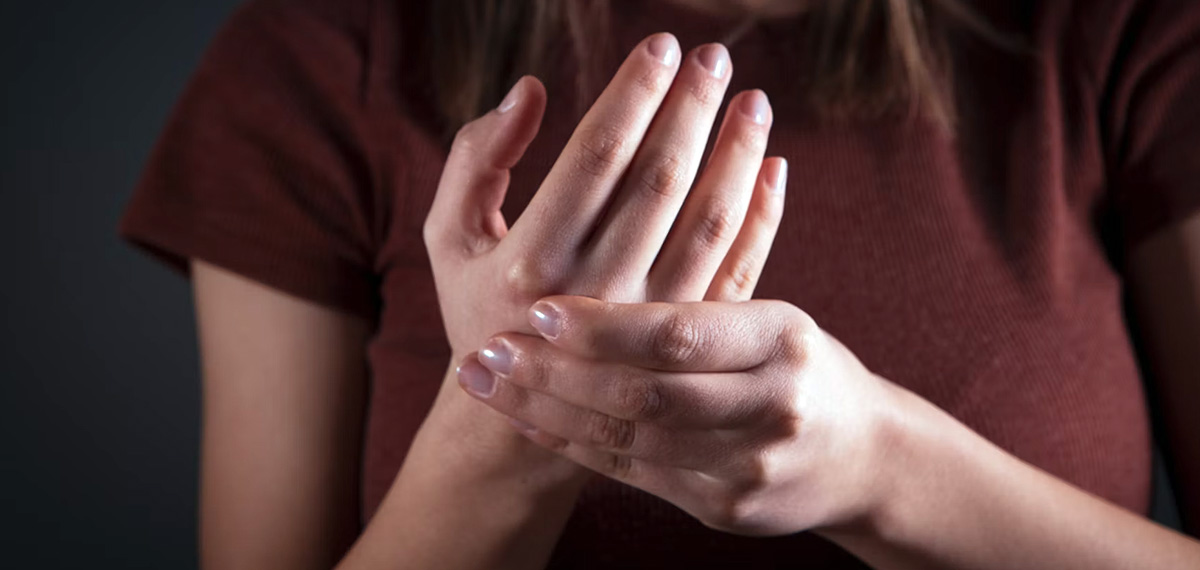
In 2020, researchers found that people in Britain who carry three Neanderthal variants in the SCN9A gene report more pain, and a 2023 study of more than 1,600 Colombians found that carriers feel pain from a sharp prick at a lower threshold once the skin has been sensitized with mustard oil. The SCN9A gene encodes Nav1.7, a sodium channel in the nerves that carry pain signals to the spinal cord and brain. The three variants of the gene are rare or absent in Europeans and are more common in Latin Americans, particularly in people who have higher Native American ancestry.
8. Viking Disease

Nicknamed Viking disease because of its prevalence in Northern Europe, Dupuytren’s contracture is a condition where the fingers become permanently bent towards the palm due to thickened tissue below the skin. The disease is less common in people with African ancestry and affects up to 30% of men over 60 in Northern Europe. One study of nearly 8,000 cases of Dupuytren’s disease, primarily of European descent, found 61 genetic variants linked to greater risk of developing the disease. Three of these variants were inherited from Neanderthals, including the second and third most strongly associated, and the study identified EPDR1 as the gene behind the strongest Neanderthal variant.
9. Increased Fertility
A 2020 study of more than 244,000 women in the UK Biobank found that those who carry the Neanderthal version of the progesterone receptor had more children, less bleeding in early pregnancy, and fewer miscarriages.
Progesterone is an important sex hormone as it prepares the lining of the uterus for egg implantation and supports early stages of pregnancy. Almost one in three European women carry it, about 10 times more than for most Neanderthal gene variants, and the researchers suggest its boost to fertility may explain why it became so common.
10. Early Rising
Neanderthal DNA has been found to relate to the internal body clock, or circadian rhythm, in modern humans. A 2023 study found that modern humans who carried certain gene variants related to the circadian rhythm were more likely to be “morning people.”
When early humans migrated out of Africa and into Eurasia, they would have encountered greater seasonal variation in the amount of daylight received. The strongest of these inherited effects make people more likely to be early risers, a pattern the researchers note is consistent with adaptation to high latitudes in other species, where a faster-running body clock makes it easier to keep in step with long summer days and short winter ones.