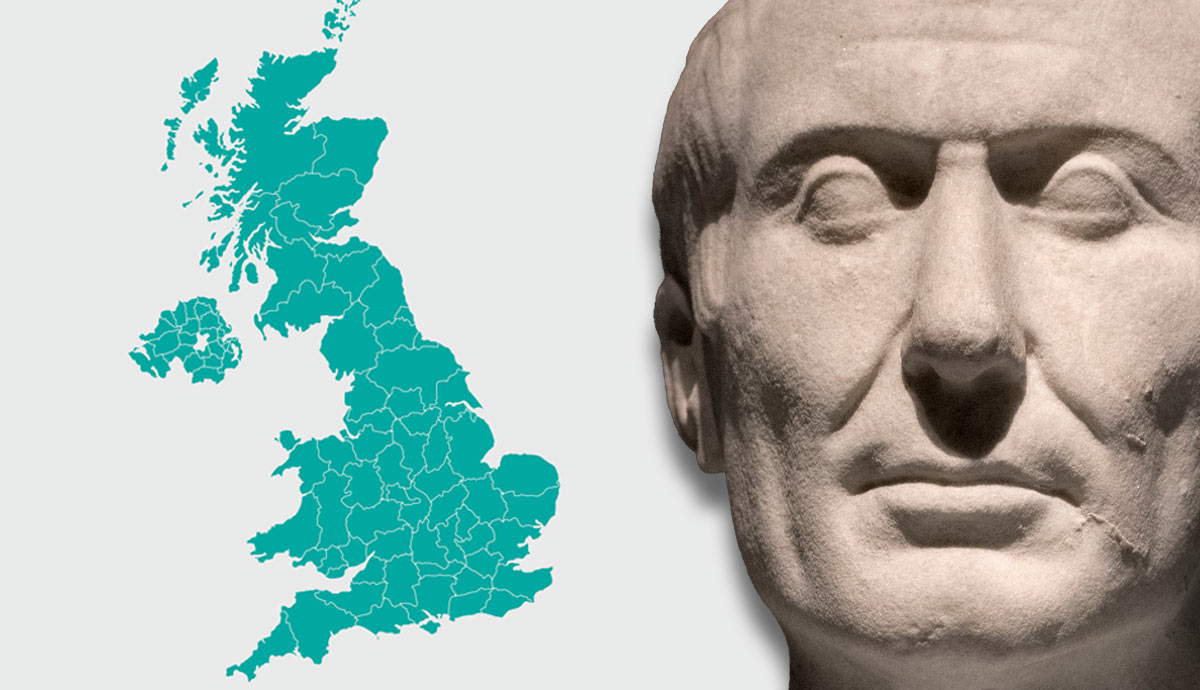

In his account of his Gallic Wars, Caesar does not just describe his military and political undertakings in Gaul, Germania, and Britain, though that was his principal purpose. He also chose to include detailed observations of the people he encountered in an early attempt at ethnography. But unlike modern ethnographers, who do their utmost to understand cultures on their own terms, Caesar made his observations through a distinctly Roman lens. This colored his account, which in turn colored the popular image of the ancient Celts and Germans for two millennia. Discover Caesar’s chilling account of “strange” Druids and “barbaric” wicker man rituals, as well as the truth behind the salacious descriptions.
Caesar the Ethnographer
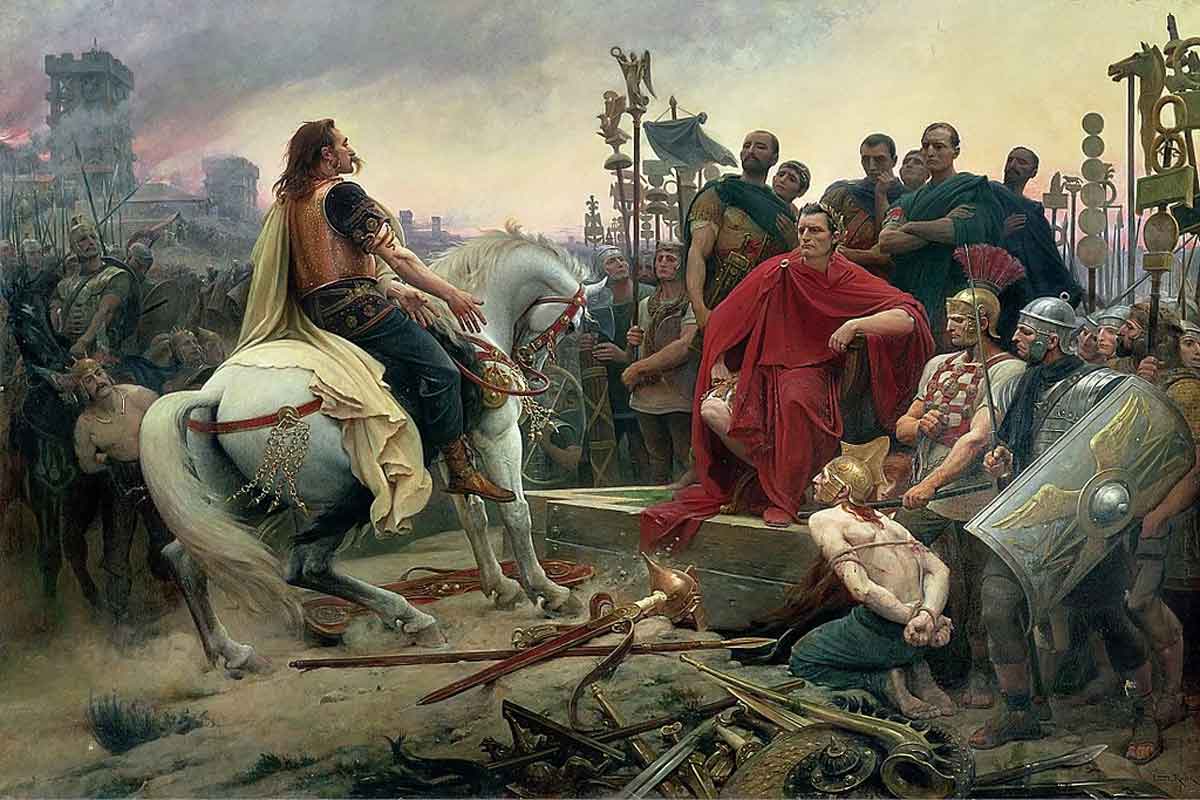
Julius Caesar is primarily known for his political endeavors and military prowess, but he was also an avid writer. His writings on “The Gallic Wars” and “The Civil War” are key sources for those events.
Caesar’s account of the Gallic Wars records his campaigns and conquests in Gaul and Britain between the years 58 and 50 BC. The work is divided into eight books, the first seven written by Caesar himself. The final book was authored by Aulus Hirtius, a general under Caesar who died fighting against the forces of Mark Antony in the Battle of Mutina in 43 BC.
Each book covers the key events of one year in Caesar’s wars against the Gallic, Germanic, and British tribes. But they are not just a bland retelling of political and military events. The work contains a plethora of information on the people, landscape, and nature that Caesar encountered on his journeys. Consequently, Caesar’s writings are among the most important sources on the inhabitants of ancient Gaul, as well as the Germanic tribes west and east of the Rhine and the tribes of Britain. When first mentioning a certain tribe, he typically provides information on its size, importance, political system, diplomatic relations, and area of residence. Many of Caesar’s tribal denominations are reflected in French place names.
Differentiating Ethnic Groups
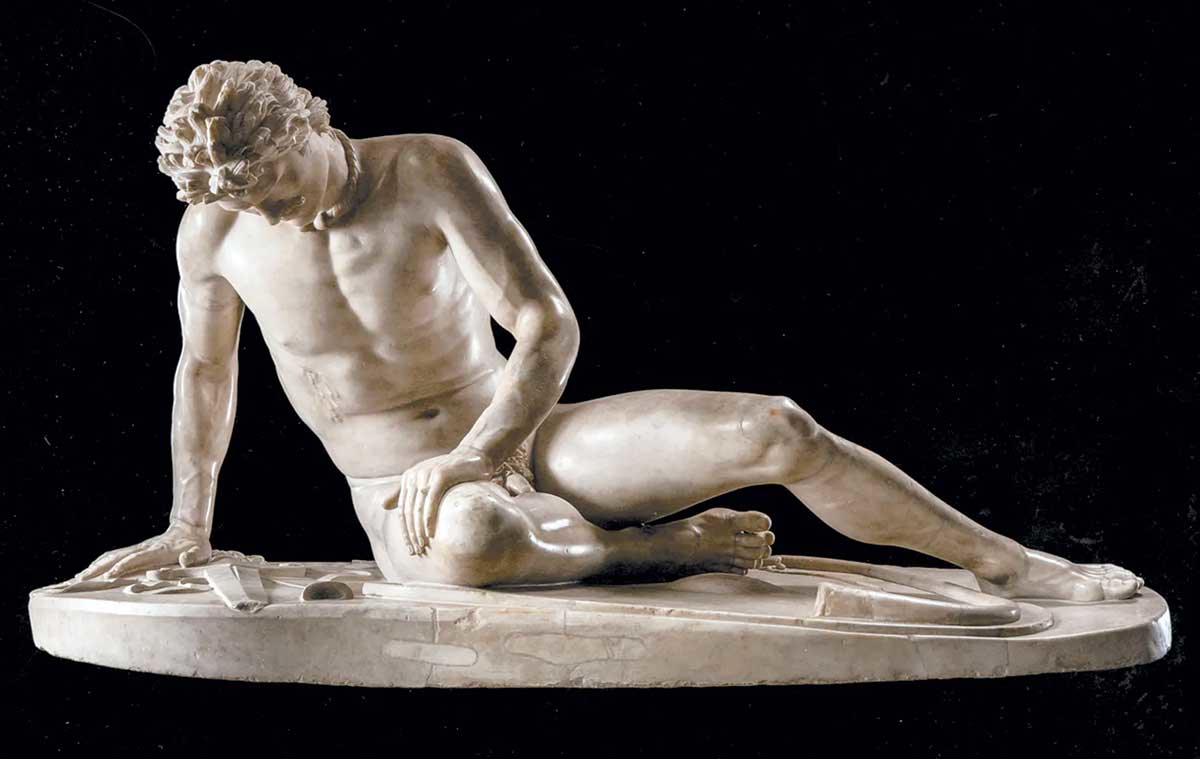
The first chapter of book one opens with a brief description of what Caesar calls the three parts of Gaul: the areas of the Belgians, Aquitanes, and the Celts, whom the Romans call Gauls. He then goes on to describe the Belgians as particularly brave, due to the fact that they live the furthest away from the Romans and thus have no access to the luxuries of Roman culture. At the same time, they live closest to the Germanic people, with whom they are in a constant state of war.
While the overgeneralized and exaggerated nature of the juxtaposition is obvious, the passage is notable as the oldest extant piece of ancient writing that makes a clear distinction between Gauls or Celts and Germans. By comparison, Cicero, Caesar’s contemporary and one of the most revered intellectuals of his day, fails to make a similar distinction. In general, Roman knowledge about the more remote regions of Gaul and what they called Germania was exceedingly fragmentary and vague. To cite Cicero again, in a speech in which he voices his support for the prolongation of Caesar’s command in Gaul in the year 56 BC, he states that Caesar has traversed regions and encountered people who were unknown to the Romans even through rumors.
Caesar’s Paradigm for “Civilized” vs “Barbarian”
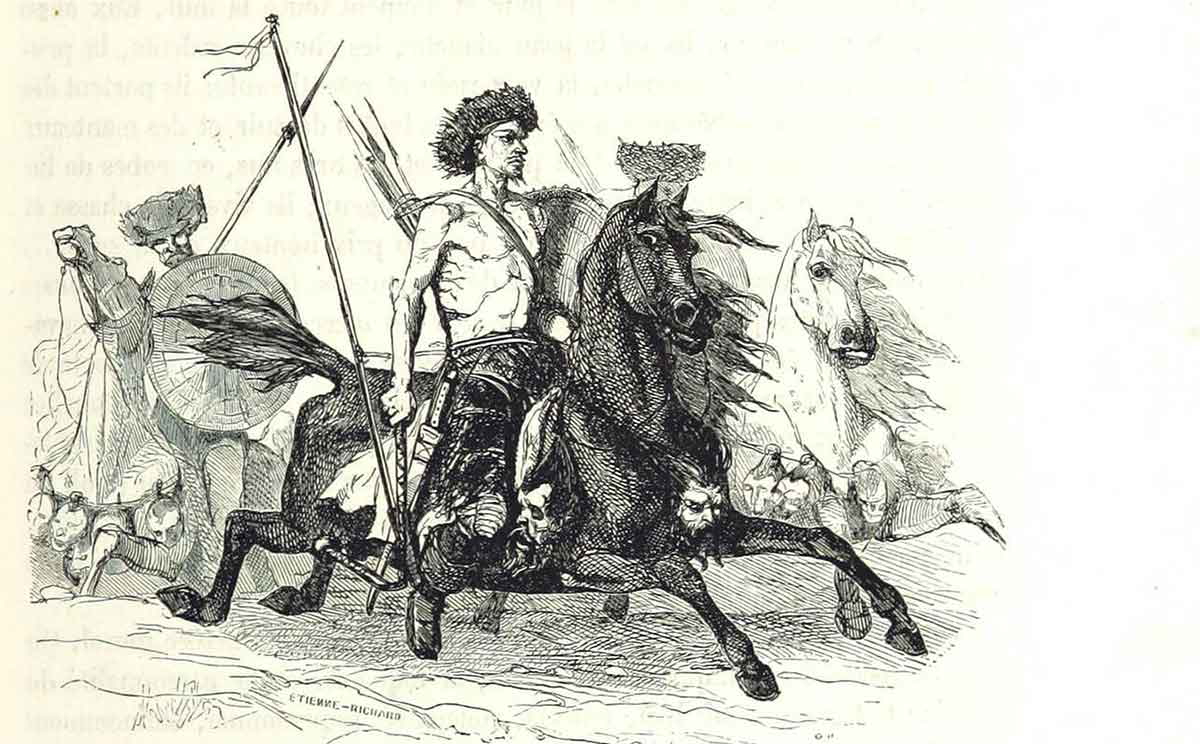
Unfortunately, Caesar’s descriptions of “barbarian” societies are often misleading for two main reasons. Firstly, he used Latin terminology with all its underlying implications. Secondly, he tends to draw comparisons between Rome and the foreign societies he describes. These practices result in the foreign societies he is describing being tainted by a Roman lens. Both practices are understandable. Caesar wants his readers to understand what he is describing. But they dilute the quality of information and often result in a distorted picture.
As an example, Caesar mentions a Helvetian named Orgetorix, who possesses ten thousand slaves, or unfree dependents. Caesar uses the word “familia,” which denotes people belonging to a household ruled over by the paterfamilias. Even though slavery and serfdom were not unknown among the Celts, it was not nearly on the same scale as it was in Rome, where it was of vital economic importance. Caesar’s attribution of such a vast number of slaves or unfree people to one individual is therefore clearly an exaggeration or misconception.
Caesar’s attitude towards foreign cultures was very much in line with contemporary Roman sentiments. Sometimes, this snobbish, derogatory Roman perspective causes Caesar to miss obvious correlations or draw false conclusions. For instance, when Caesar describes the internal organization of certain tribes, he typically introduces different parties and factions that are at odds with one another. But when he then goes on to recount instances of unrest and infighting among the Gauls, he fails to connect them back to the disunity he had previously mentioned. Instead, he comments on such internal conflicts with a moralizing undertone, describing them as a symptom of the quarrelsome and fickle nature of the barbarians.
Caesar on the Celtic Druids
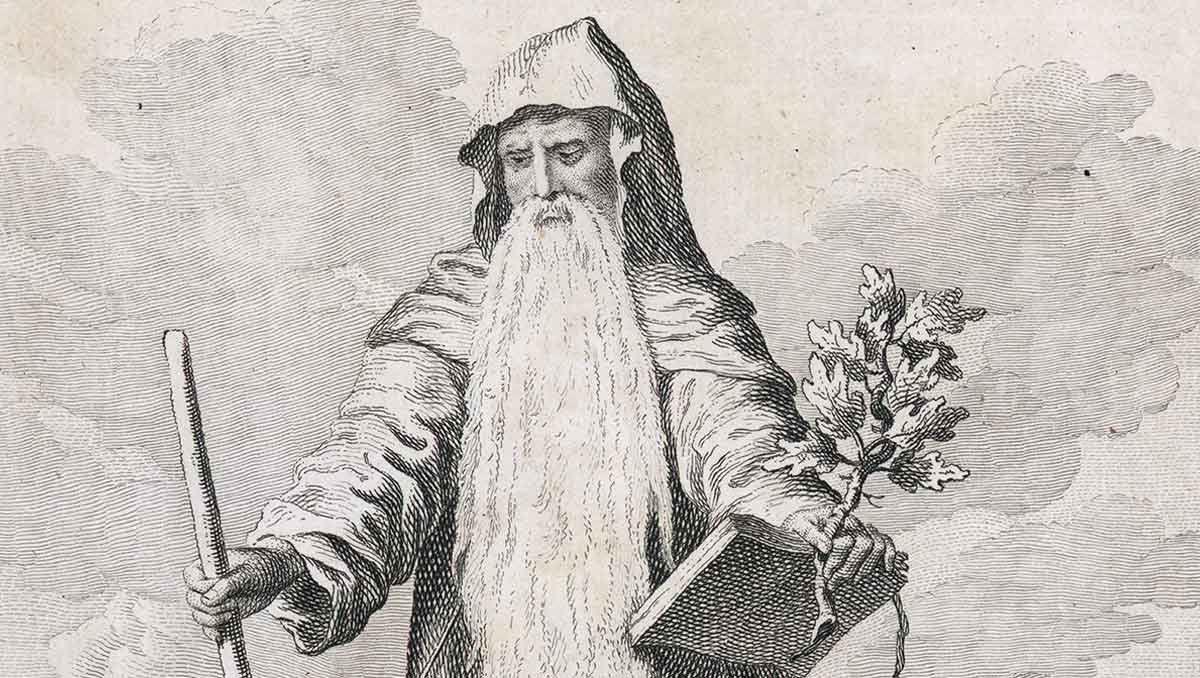
Anyone familiar with the “Asterix and Obelix” comics knows that Druids were important people within Celtic society. As it happens, the main antagonist of the two heroic Gauls is one of our key informants on ancient Druids.
From Caesar, we learn that the religious center of Druidism lay within the tribal area of the Carnuts, but that the first to have Druids were the Gallic tribes of Britain. From there, the practice spread across the Channel into Gaul. He partly deduces this from the fact that this is where aspiring Druids from Gaul traveled to learn their craft.
Caesar also deals with the teachings, belief systems, and scientific endeavors of the Druids, such as transmigration of the soul. This is the concept that the soul does not die with the body, but lingers and enters another. In Caesar’s contention, the trust in this belief makes death pointless or at least robs it of its gravity, which enhances Gallic bravery in battle. Overall, Caesar emphasizes the major influence of Druids on Gallic society and politics and their role as educators of the youth. Most likely, Caesar focused on the Druids because they played a leading role in opposition to him.
Caesar on Human Sacrifice
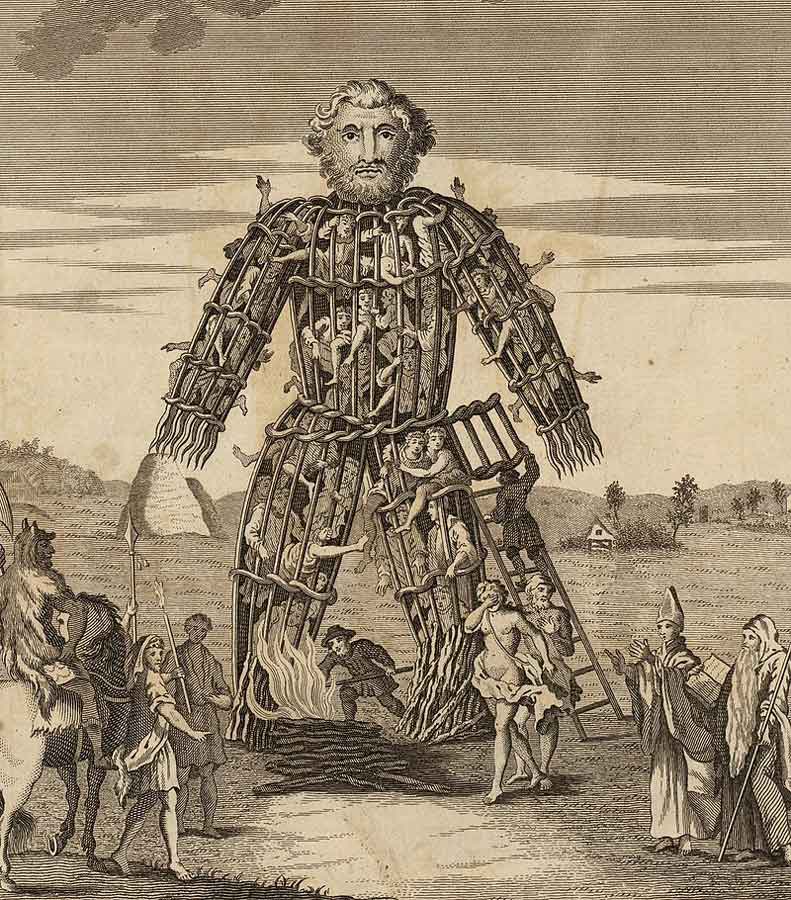
Since the Druids were the main religious authorities in Gallic society, they were charged with supervising and conducting cultic rituals. One such ritual Caesar describes in some detail is human sacrifice. According to him, human sacrifices were done when a person was suffering from a grave illness or was somehow in danger of losing his life. In such cases, the individual in peril either sacrificed a human in his stead or pledged to do so upon his delivery from danger. Caesar states that they believed that the gods could only be appeased by replacing one human life with another.
Caesar details a particular method of human sacrifice that we now call a wicker man. The victim was entrapped within the image of a deity made of branches and twigs, whereupon the wood was set on fire. Caesar then goes on to say that even though the Gauls prefer using criminals for their human sacrifices, and that this is also more pleasing to the gods, they resort to killing innocent people whenever they run out of delinquents.
Therefore, Caesar characterizes burning people alive as not just a form of human sacrifice, but also capital punishment. One type of crime which warranted such a gruesome death was mariticide. When the leader of a noble family died under suspicious circumstances, the relatives congregated and interrogated his widow. If the suspicion was confirmed, the widow was burned in the abovementioned way, but not before having been brutally tortured.
Caesar also delved into burial rites, which he describes as comparatively grand compared to the meager Gallic lifestyle. Every important possession of the deceased was thrown on the funeral pyre, including animals and “slaves.” Archaeological finds of Iron Age burials have shown that the Celts practiced both cremation and inhumation, and there are several examples of tombs featuring lavish grave goods, dogs, horses, and other individuals being buried alongside the deceased.
Caesar on the Germans as “Noble Savages”
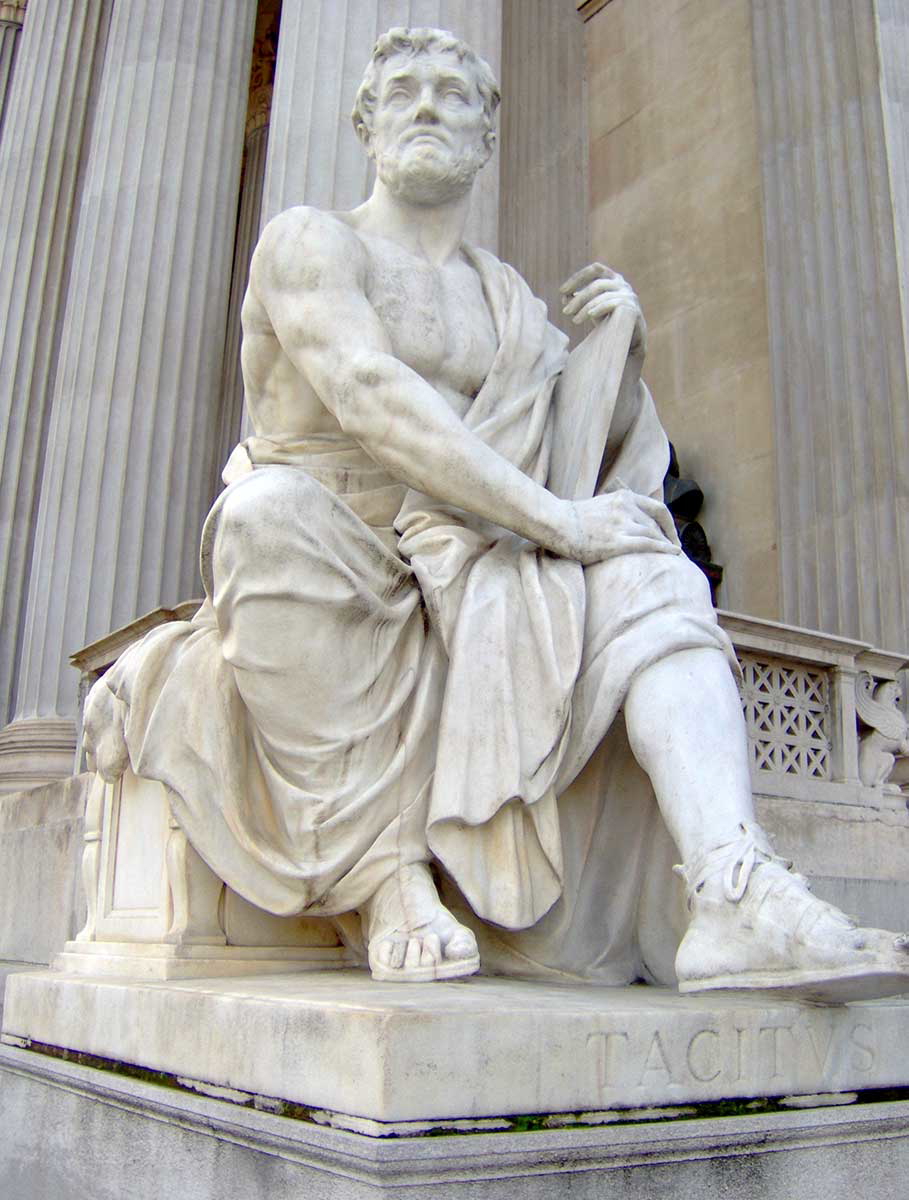
Aside from Tacitus’ Germania, written at the end of the 1st century AD, Caesar’s writings on the Germanic tribes are the most important Roman text on the topic. Indeed, Tacitus used Caesar as an important source for his own work, and there are various notable parallels. For instance, both describe the Germanic tribesmen as remarkably tall, and point out the relatively high standing of women in Germanic society, stemming from their purported magical and prophetic capabilities.
Caesar starts his treatise on the Germanic tribes by highlighting how different their customs are from those of the Gauls. They have very limited agriculture, and their food consists largely of milk, cheese, and meat. Their whole lives revolve around hunting and military exercises. From early childhood onwards, they learn to bear hardship and struggle. In this way, he presents them as “noble savages.”
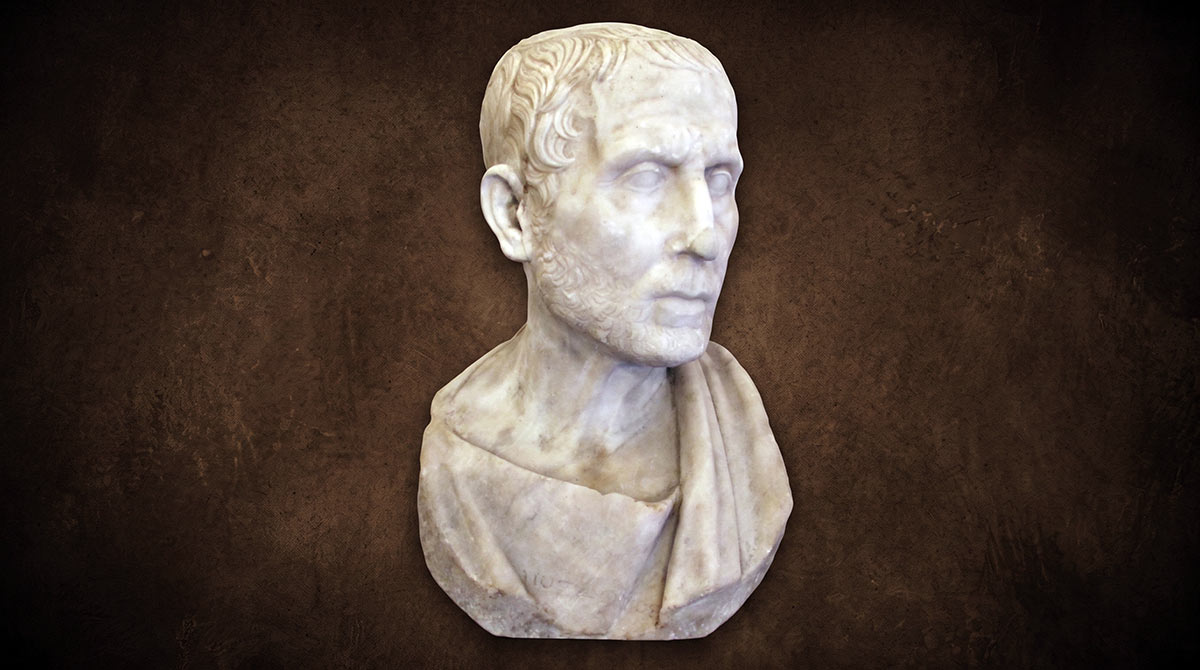
It is deemed shameful for a young man to lose his virginity before the age of 20, and there is no hiding if it happens, since both men and women bathe together in the brooks and rivers and are only clad in furs and pelts, which insufficiently cover their private parts. Both the lack of arable farming and the use of furs for clothing were common “barbarian” stereotypes.
Caesar might have used Posidonius of Apameia, who wrote in the early 1st century BC, as a source, or he might have wanted to highlight the wildness of the Germanic people, since it seems implausible that he would have been completely unaware of Germanic products, such as jewelry and fabrics of different varieties.
Caesar on the Germanic “Rejection of Luxury”
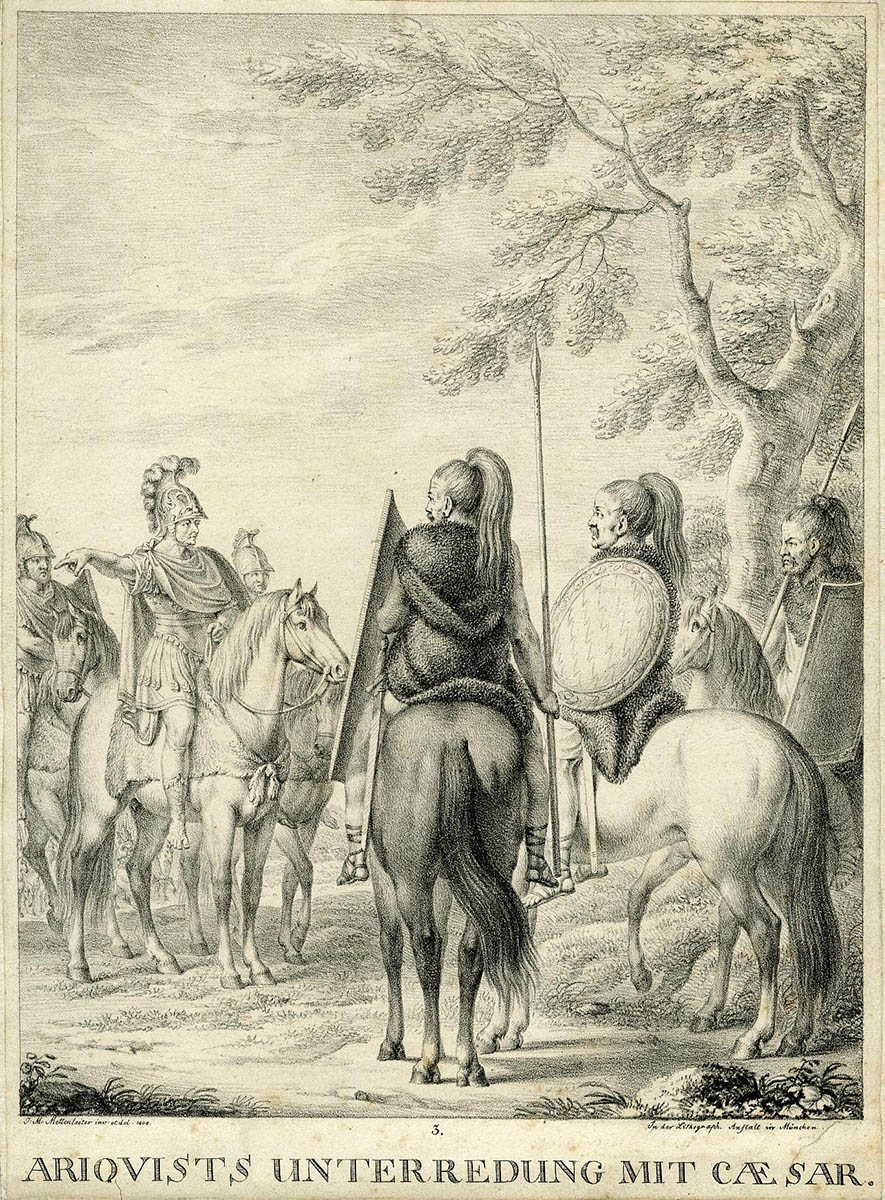
Caesar rarely cites his sources, which makes it challenging to judge their reliability. For example, Caesar claims that the Germanic nobility did not farm in the Roman fashion. Instead, the leading men allotted different parcels of land to a certain family or clan for the duration of a year, after which its members were compelled to move elsewhere.
Caesar claims that the leaders did not want their fellow tribesmen to grow accustomed to staying put and living off their farming produce. They feared that they would then start caring too much about their possessions, become greedy, and start building nice houses, thereby losing their affinity for waging war as well as their ability to withstand the elements. In short, the fear is that improved living conditions would make them soft.
Caesar frames his account as though he is reporting what the Germanic people have said about themselves. But Caesar’s sources remain obscure, and his phrasing might just be a narrative trick to give the impression that his own thoughts are coming straight from the horse’s mouth. Indeed, there is a strong indication that what Caesar sells as the motives of the Germanic headmen are actually his own rationalizing interpretations. At the time, it was a common Roman belief that Rome’s strong militaristic society was being weakened by Hellenistic luxury.
This sentiment recurs frequently in Caesar’s ethnographic digressions, such as when he recounts that there was once a time when the Gauls were superior to the Germanic tribes in terms of courage. But whereas the Germanic people still live under the same harsh conditions, those Gauls, who live somewhat close to the Roman provinces, gradually became assimilated to the finer aspects of Roman life. A result of this newfound wealth and comfort was that they lost most of their daring and warlike nature. But archaeology suggests that the Germanic people encountered by Caesar were likely more sedentary than he claimed.
Caesar is particularly unreliable in his account of Germanic religion. He claims that the Germans have no druids and do not conduct religious sacrifices. He suggests that they honored the most clearly perceivable deities, such as the sun, moon, and Vulcan. But this account is undermined by Tacitus, who identified the principal German gods as the equivalent of Mercury, Heracles, and Mars, probably Odin, Thor, and Tyr, and Tacitus said that they made blood sacrifices to them, including human sacrifices.
Caesar on the Britons
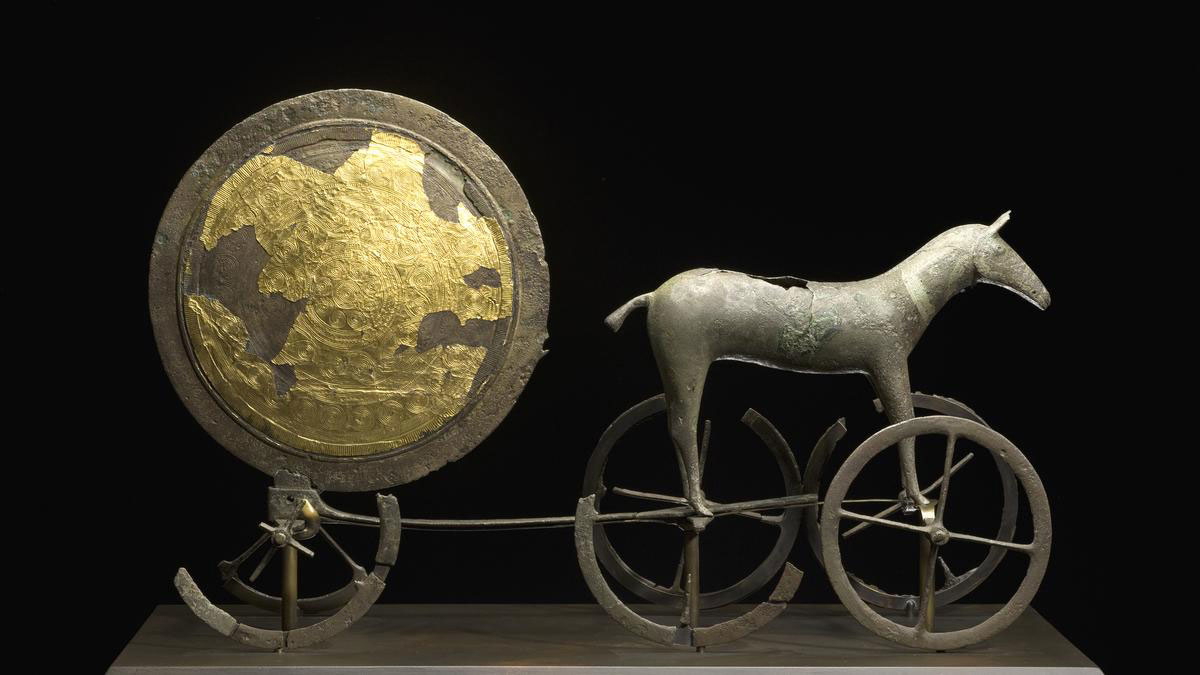
Repeating his juxtaposition of the Gauls and Germans, Caesar described the tribes he encountered on the near side of Britain as more civilized than the wild and barbaric tribes on the distant side of the island. Those who live inland traditionally hold that they are natives of the island, whereas the coast is settled by tribes who came over from Belgium, originally to make war and loot the land. Caesar goes on to say that almost all of those who live on the coastline still bear the name of the tribe to which they belonged while still on the mainland.
In other words, Caesar’s assumption that the inhabitants of the British coast originally came over from the mainland is based on etymological observations, but he likely also heard tales about Celtic migratory movements into the British Isles during what would later be named the Iron Age. According to Caesar, the people who live inland are clad in furs and do not grow any grain, but only nourish themselves on milk and meat, mirroring his description of the Germanic tribes.
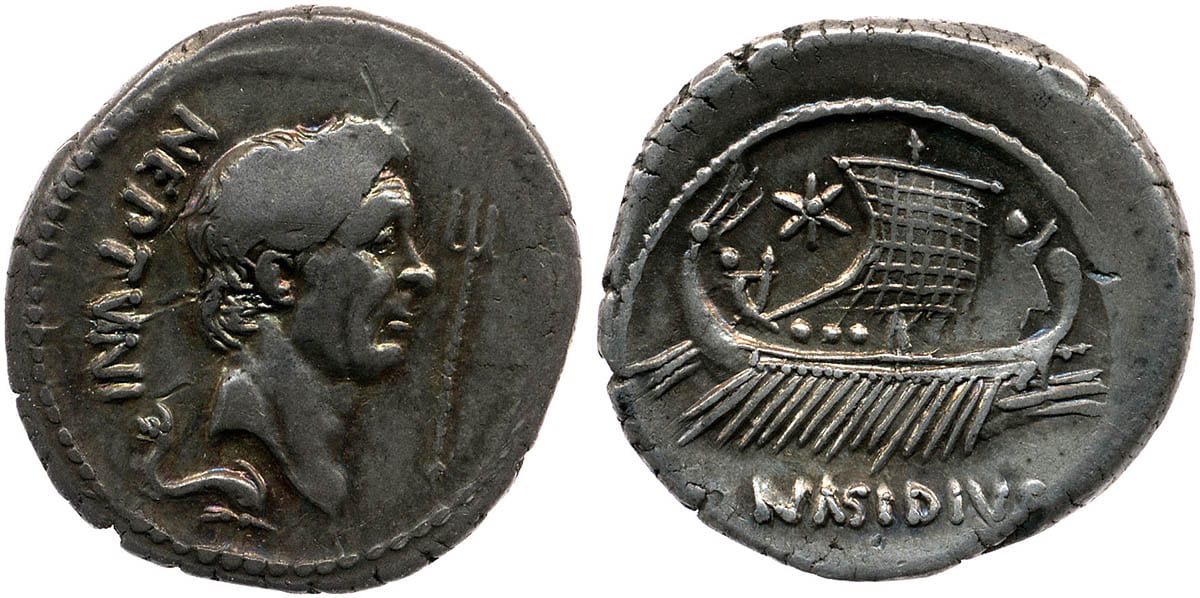
According to Caesar, all Britons colored themselves with blue dye made from woad before going into battle, giving them a fearsome appearance. Furthermore, they let their hair grow long, but shave the rest of their bodies, save the upper lip. The mustache seems to have been a popular way to wear facial hair, not just among the British tribes, but among Celtic and also Germanic men in general.
Caesar also offers some peculiar information on the marital life among the Britons. He claims that each man shares between ten and twelve women with his brothers. Sometimes they are also shared between a father and his sons. If one of the women becomes pregnant, the man whom she was given to when still a virgin is considered the father. It is hard to retrace the roots of these claims. Most likely, Caesar was sold a bogus story by his informants and chose to include it in his account as a piece of sensationalist news that would captivate his readers.
The World Through Caesar’s Eyes
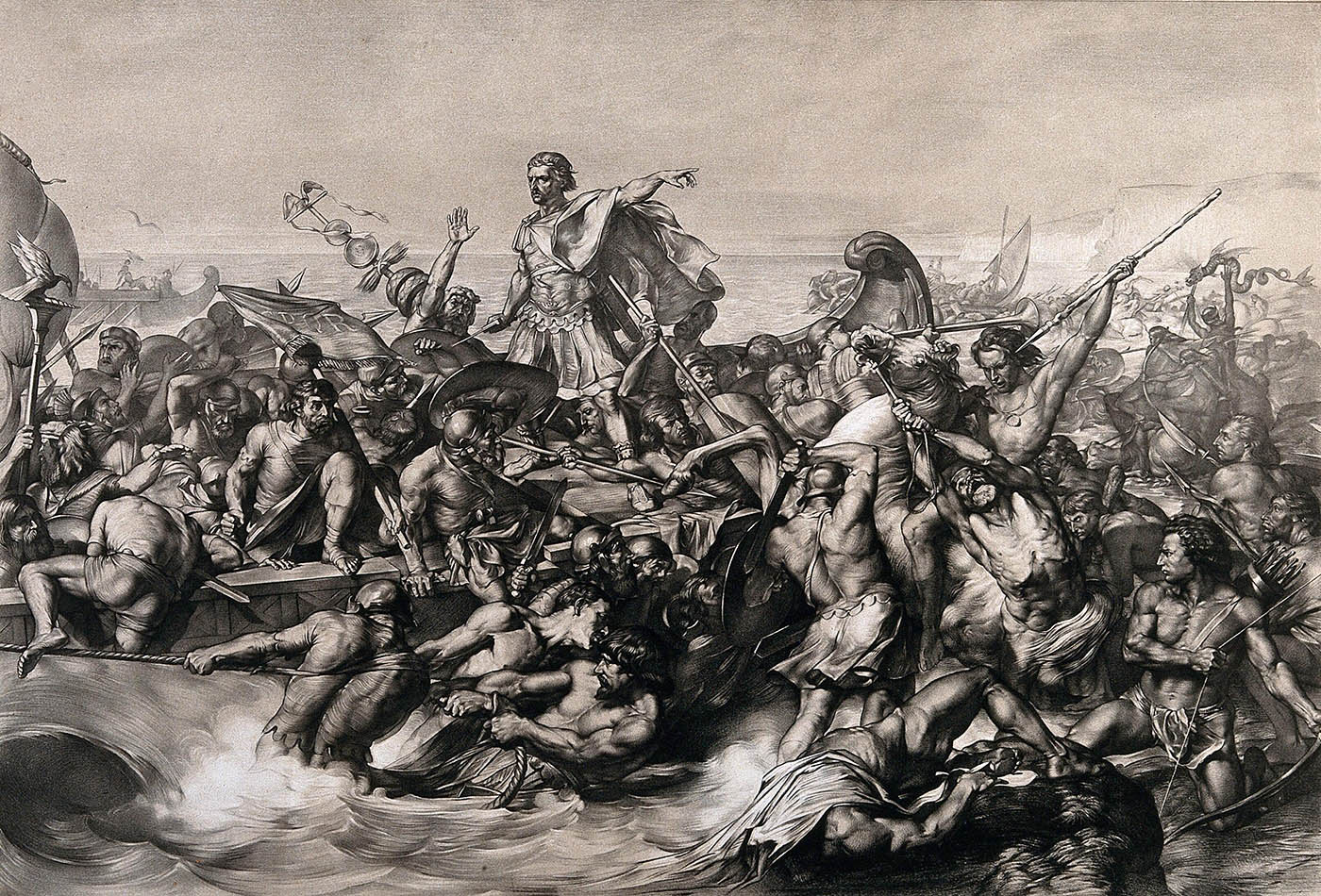
As part of his education, Caesar had read Greek authors who were interested in describing foreign cultures. He evidently came to share this interest, but since the intentions of his commentaries were primarily to record and justify his campaigns and political moves, his ethnographic observations are secondary to his main purpose.
Judging Caesar by today’s academic and scientific standards is unfair. But it is important to recognize how Caesar’s literary purpose, and his Roman values and beliefs, colored his descriptions of the cultures he encountered. An issue that is not limited to Caesar. The result is that his account offers a “mixed bag,” with sophisticated, insightful, and trustworthy commentary alongside prejudiced, sensationalist, or plainly ridiculous claims.
Despite these challenges, Caesar’s ethnographic writings remain fascinating for two main reasons. First, they provide insight into the mind of one of Rome’s most influential figures. Second, it is astounding how much of our image of the Celtic and Germanic tribes of Iron Age Europe is still derived and shaped by what Caesar wrote more than two millennia ago, even if that image requires deconstruction.