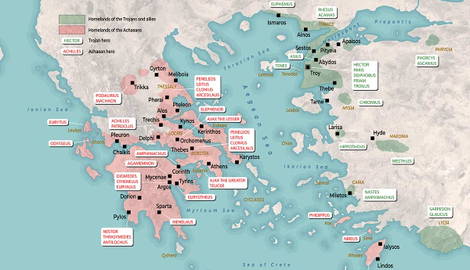

The Trojan War in The Iliad, as told by Homer, is one of the foundational literary works of Western civilization. While there is no direct evidence to support some specifics of the war, like the Trojan Horse, there is archaeological evidence for the existence of the city of Troy and its destruction in modern-day Turkey. Furthermore, many of the city-states that are said to have fought in the war are historically known to us, such as Mycenae, Argos, Pylos, Xanthos, Knossos, Thebes, and Miletus.
1. Mycenae
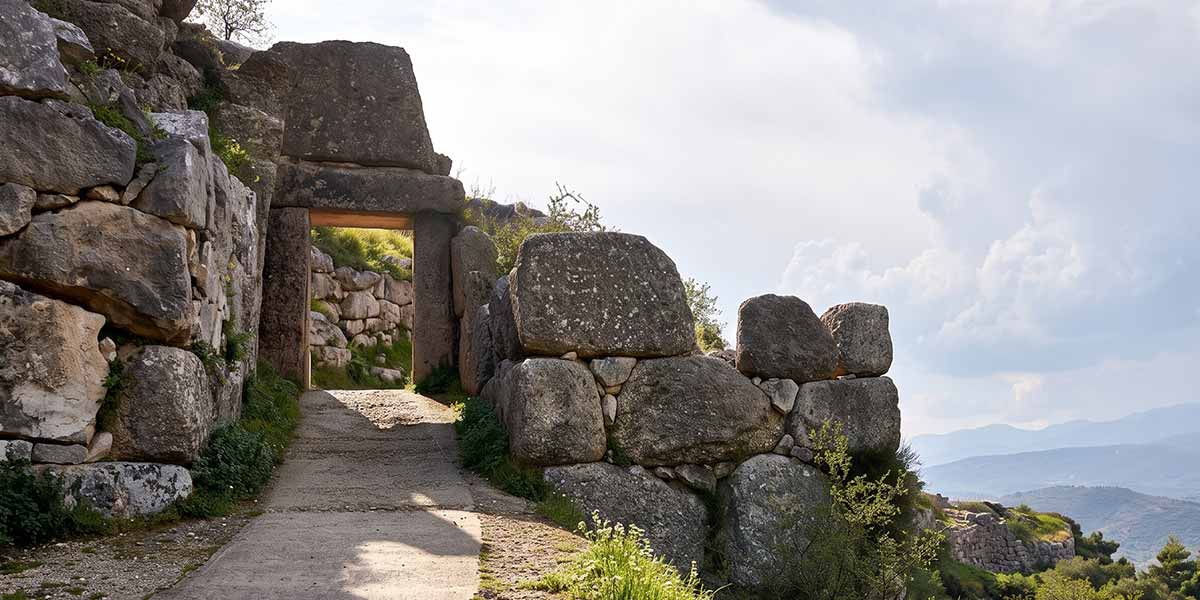
Mycenae, in many ways, was akin to the main character not only in the Trojan War, but also in the Greek world during this era. Located in the northeastern Peloponnese in modern-day Greece, the Mycenaean civilization, named for the city of Mycenae, was the dominant Bronze Age culture on the Greek mainland from around 1600 to 1100 BC. This period is also known as the Mycenaean Period and would have been around when the Trojan War occurred (estimated around 1200 BC). According to The Iliad, Agamemnon was king of Mycenae and rallied the Achaeans around him to make war on Troy.
The large scale of Mycenaean remains leads historians to believe they were a great military power during this era. Archaeological evidence even points to Mycenae having an extensive trade network that reached Anatolia, Cyprus, the Levant, and even Egypt.
Hittite records refer to a great western power called “Ahhiyawa” (most likely the Mycenaeans). These records refer to the king of Ahhiyawa as a peer, implying that he had power rivaling the Hittite king himself, along with political reach beyond Greece.
Mythical Mycenae was said to be a city of immense wealth and power that used its military strength and political leverage to unite Greece to topple Troy. While Agamemnon, Achilles, and their famous feud during the Trojan War may have been entirely fictional, it is clear that Homer’s portrayal of the Mycenaean civilization is at least rooted in fact.
2. Argos
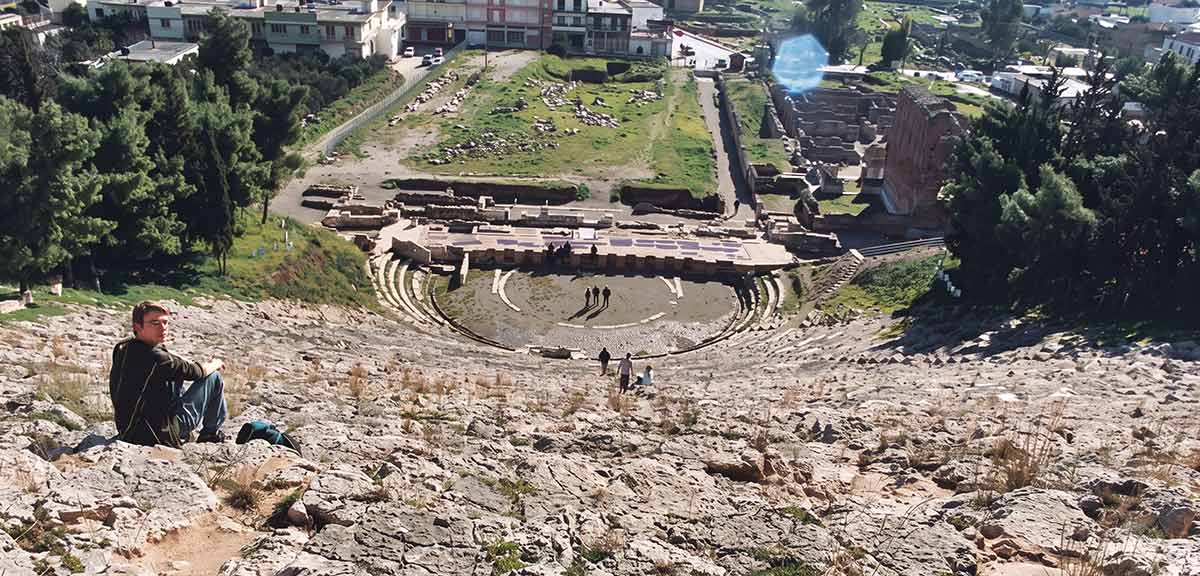
The ancient city of Argos is located on the fertile Argive plain of the northeast Peloponnese and is about 12 kilometers (7.5 miles) south of Mycenae. In fact, the two cities were close enough that they may have shared the same hinterland to feed their urban populations.
While Argos is close to Mycenae, it is archaeologically more challenging to uncover the history of ancient sites there, since the modern city of Argos sits on its Bronze Age ruins. Though limited, there still is enough of an archaeological record to suggest that Argos most likely would have had less wealth than its neighbor, Mycenae, and may have been a junior partner in whatever relationship the two cities would have had.
Despite this, even after the Bronze Age collapse (1200–1100 BC), Argos maintained a population, unlike many cities after the crisis, including Mycenae.
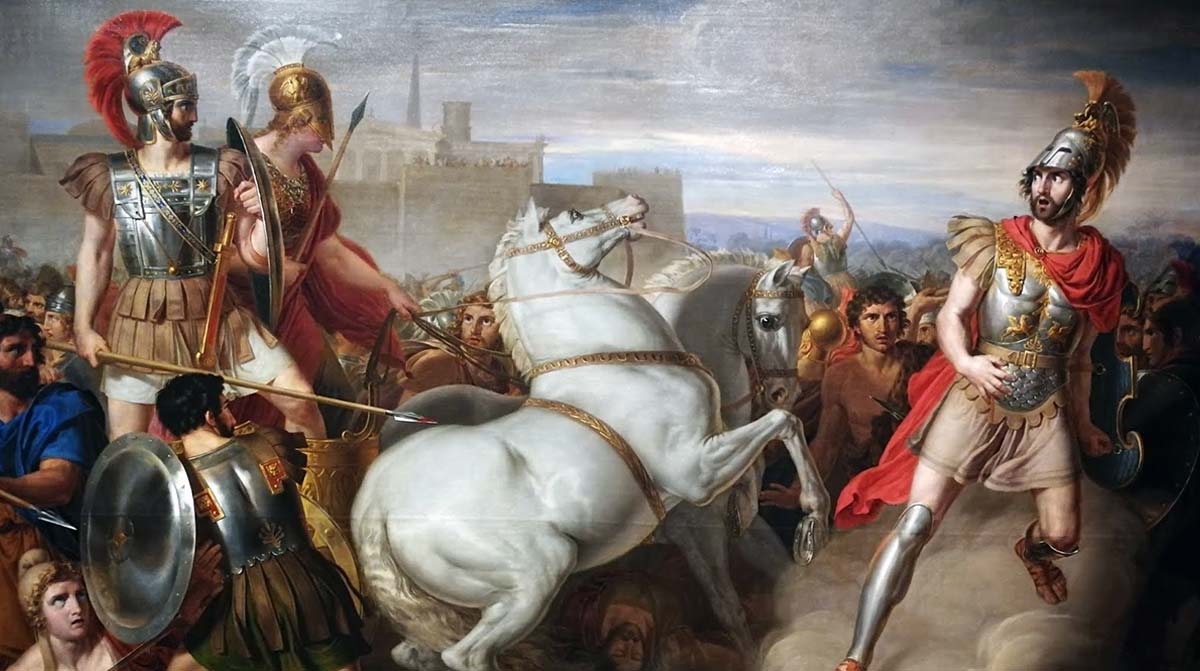
Argos did not merely survive the Bronze Age collapse, but it thrived and is believed to have been the most prominent state on the Peloponnese from around 800–700 BC, before the rise of Sparta. With the rise of Sparta, the two city-states fought for dominance in the region for centuries. This struggle ended with the Spartans gaining large amounts of influence not only in the Peloponnese, but in the entire Greek world.
On the mythical front, King Danaus of Argos is not only seen as the foundational king of Argos, but also of the Danaans, a term Homer often uses to describe the Greeks in his works.
Homer claims Diomedes of Argos sent a force of 80 ships to battle at Troy; a sizable force, though less than the 100 ships of Agamemnon of Mycenae. Homer also provides a list of cities under the control of Diomedes that map closely to the believed historical region of Argos’s influence, demonstrating a further depth to Homer’s knowledge of the Greek world at the time.
3. Pylos
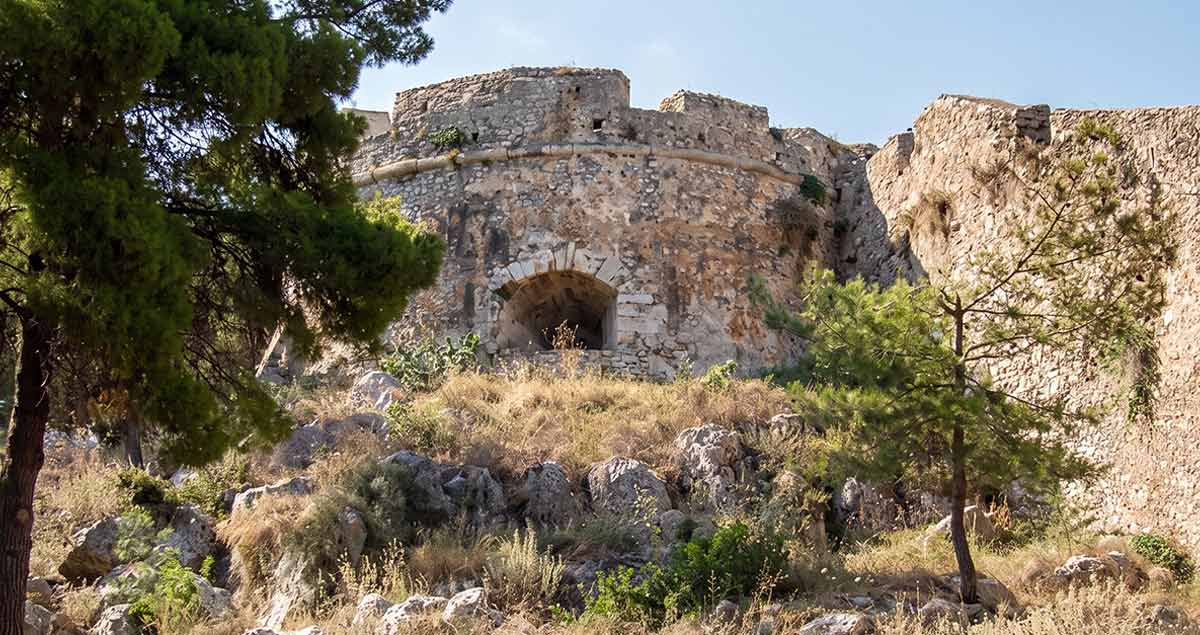
While still on the Peloponnesian peninsula, Pylos is on the southwestern coast in the Messenia region. The Messenian region is known for its fertile soil, which gave it the ability to produce enough food to support an urban center and palace. Furthermore, its western coastline gave it more direct access to the Ionian Sea and close access to Italy and Sicily.
While Pylos is still located on the Peloponnese, it was still around 240 kilometers (149 miles) away from Mycenae, which allowed Pylos to operate independently. However, Pylos was still close enough to the Mycenaean cultural center to be somewhat within its sphere of influence. Nestor, king of Pylos in The Iliad, is viewed as more of an independent actor but still defers to Agamemnon’s leadership.
The Palace of Nestor is considered the best-preserved palace of the Mycenaean age on the Greek mainland. A fire destroyed the palace around 1180 BC; however, the flames turned many of the clay objects, such as tablets, allowing them to be preserved better.
Here, archeologists found about 1,000 Linear B (a script used to write an early form of Greek) clay tablets turned ceramic, which gave enormous detail on life in Pylos and Bronze Age Greece in general.
Vast wine magazines found in the palace lend credence to Homer’s claims about Pylos’s generous hospitality.
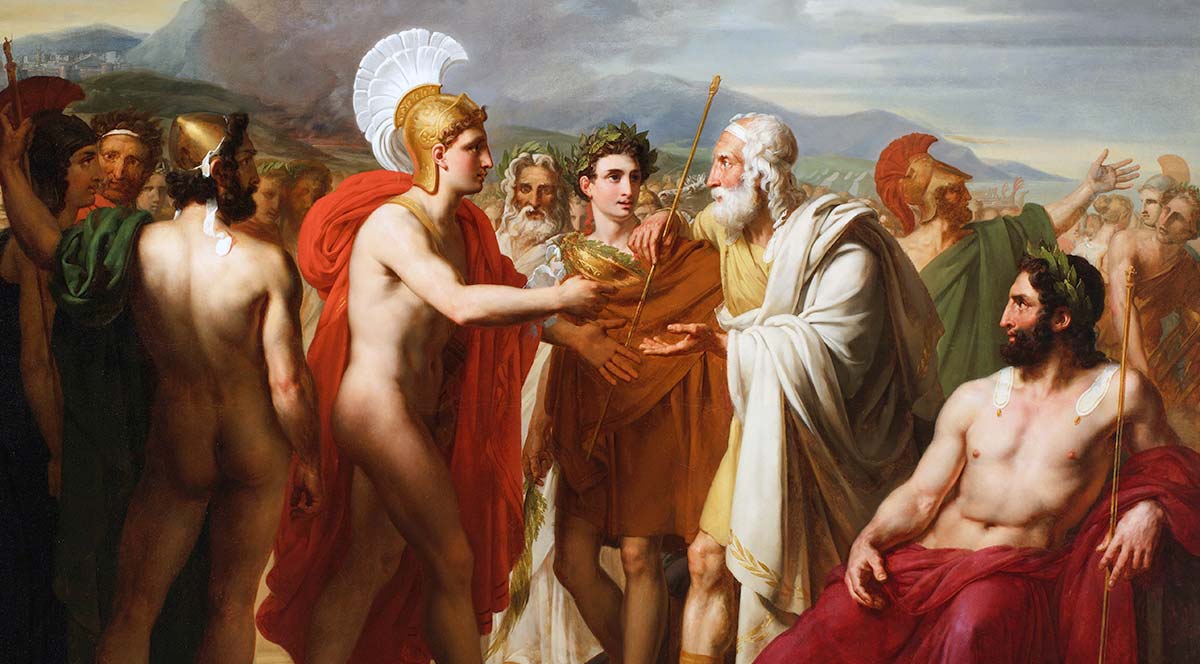
Unlike Argos, Pylos did not survive the Bronze Age collapse, as can be seen from the very fire that so perfectly preserved the palace. The archaeological evidence suggests that the fire was sudden and violent. Could the destruction have been caused by one of the infamous raids of the mysterious Sea Peoples during the Bronze Age? It is unlikely we will ever know exactly what caused the fire that provided such treasure to archeologists.
In The Iliad, Nestor, king of Pylos, sent 90 ships to fight the Trojans. Nestor, being the oldest of the leaders in The Iliad, is revered as one of the wisest and most knowledgeable throughout the story. He also holds himself in a way that shows that while he defers to Agamemnon, he is not beholden to him, an attitude that aligns with our historical understanding of Pylos.
4. Xanthos
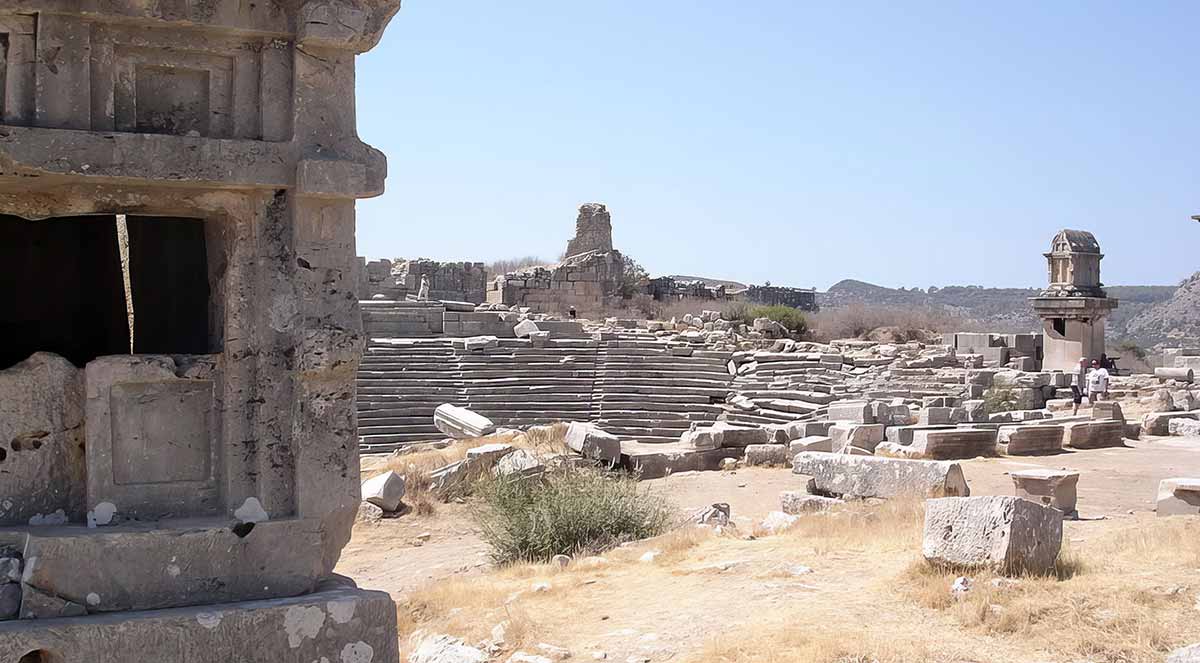
Moving away from the Peloponnese, and even Greece, Xanthos is located in modern-day Turkey, on the southwest corner of the Anatolian peninsula. Given its location, one may suspect that Xanthos did not fight on the side of the Greeks, but that of Troy (which was located in modern-day Turkey), which would be correct.
Xanthos is located on the mountainous coastline of the Taurus Mountains that descend into the Mediterranean Sea and was one of, if not the principal city of the Lycian region. The Lycians, being in between the Greek and Persian worlds, developed their own unique way of life that blended the two cultures together.
Archaeologically, the site of the city of Xanthos is complicated. This is because the archaeological remains that can be found here are mostly from the Hellenic and Classical periods, not the Bronze Age. However, Hittite records mention troublesome people from the “Lukka” lands, which is broadly believed to refer to Lycia. These records claim that people from Lukka would frequently raid Hittite territory and sometimes served as mercenaries for surrounding enemies and allies.
On the mythical front, Lycia was one of Troy’s greatest allies, and Sarpedon, son of Zeus, was a great contributor to the conflict from Xanthos. Sarpedon is shown as a great hero by Homer, despite being an enemy of the Greeks.
5. Knossos
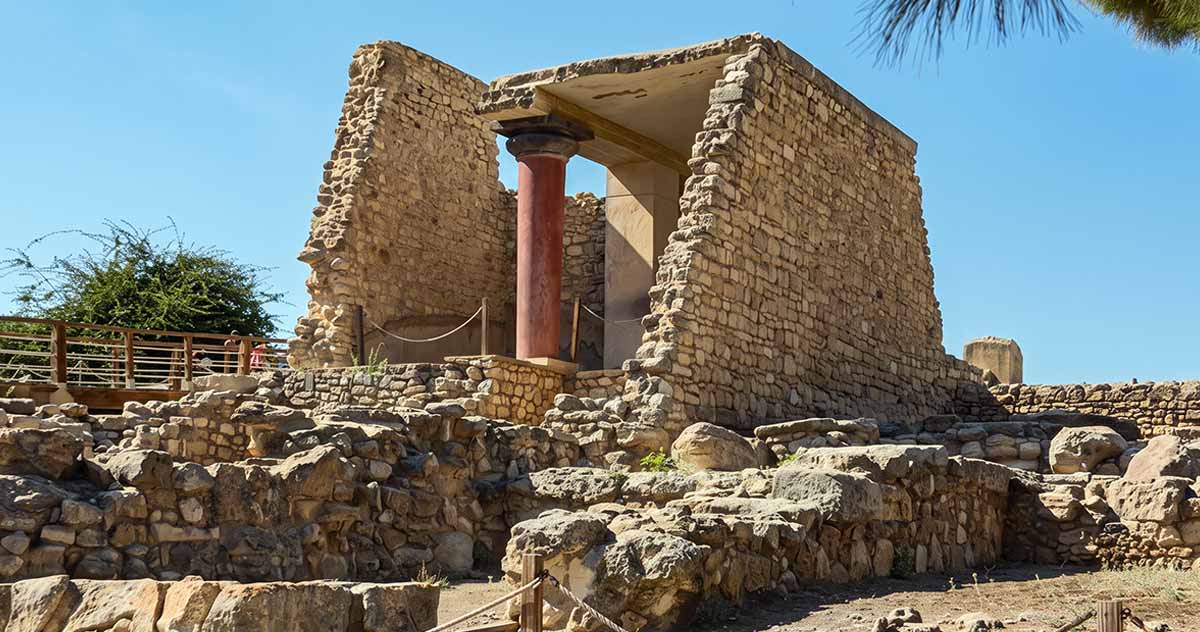
Knossos is about five kilometers (three miles) inland on the island of Crete. Crete is the biggest island in Greece and is located between mainland Greece and modern-day Turkey. It is located in the south Aegean, making it a natural hub for trade between Europe, Asia, and Africa.
The city sits beside the Kairatos River and once had a fertile hinterland, which allowed for the development of the city. The island of Crete is only around 260 kilometers (161 miles) long and 12-60 kilometers (7-37 miles) wide, meaning it was large enough to host a substantial population that could develop its own complex political systems, but small enough that Knossos could influence, or outright control, it entirely.
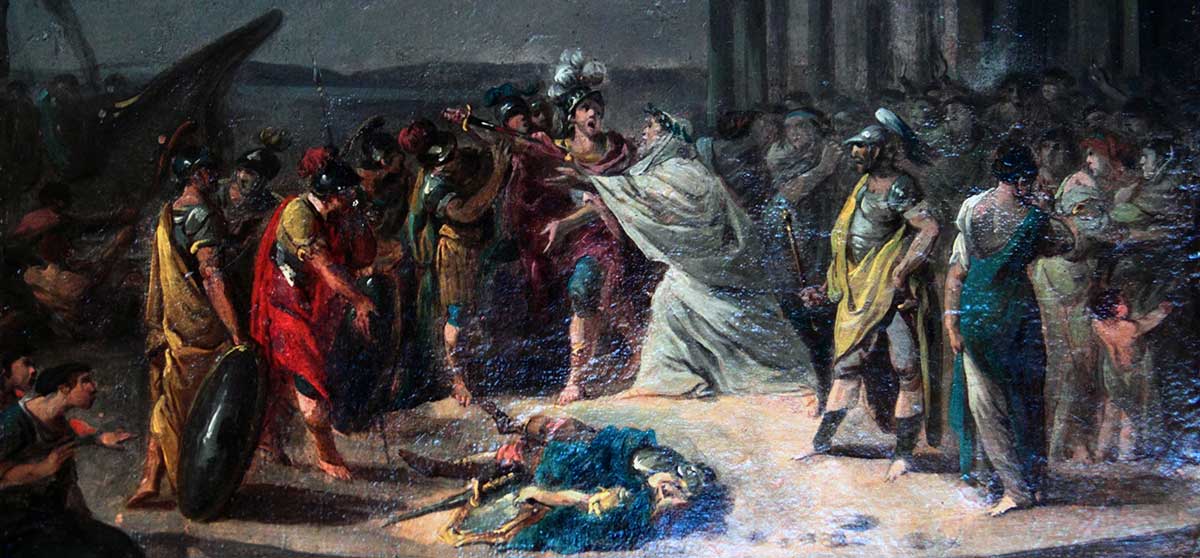
Crete was Minoan before 1450 BC. There is evidence that the Minoan culture was dominant in the Greek world from 2000 to 1450 BC. But around 1450 BC, it appears that Knossos came under Mycenaean control, as official documents were inscribed in Mycenaean Linear B instead of the Minoan Linear A (still undeciphered to this day)
In myth, the island of Crete as a whole was credited by Homer with sending 80 ships to sack Troy and her allies.
Knossos is the subject of other mythological traditions beyond the Trojan War, including the half-man, half-bull Minotaur and his labyrinth. According to the myth, the king of Knossos, Minos, demanded tribute from other Greeks. Theseus of Athens braved the labyrinth to slay the Minotaur before returning home.
6. Thebes
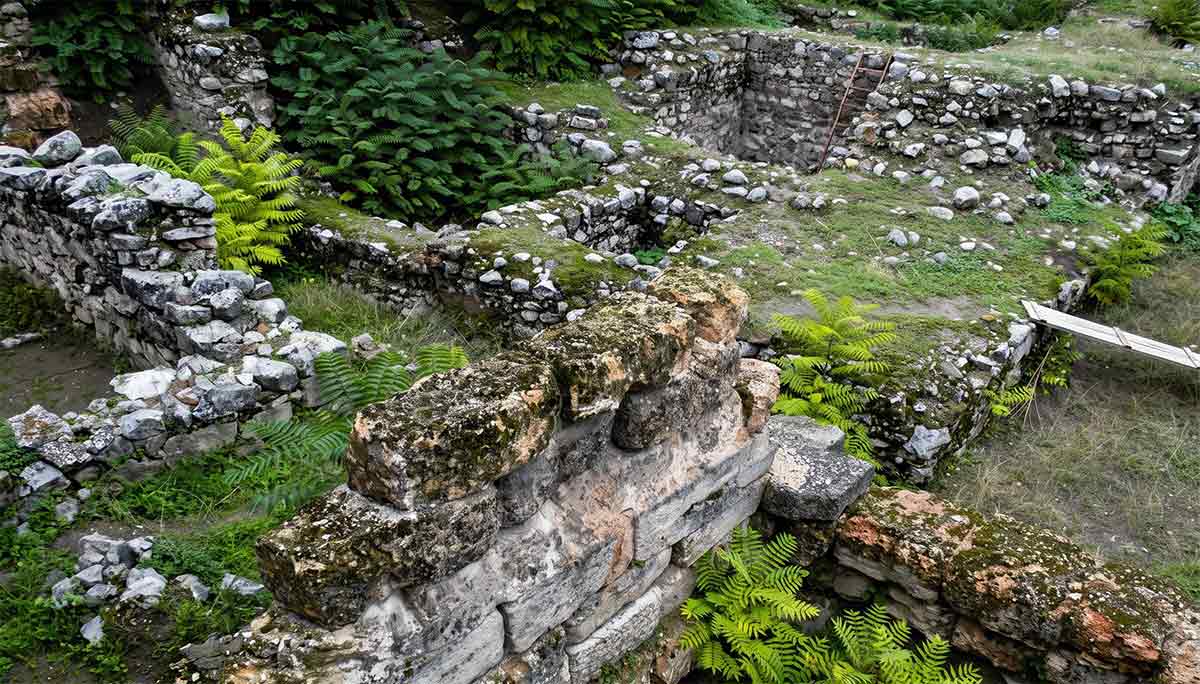
Thebes is in the central Greek region of Boeotia, which is northwest of Attica and northeast of the Corinthian Gulf. Like most other cities on this list, Thebes is in a region known for its fertile land, which allowed for a surplus of food needed to create such an urban environment.
Like Argos, ancient Thebes poses a challenge for archeologists, since the modern city of Thebes sits on its ruins. Despite these archaeological limitations, the ruins of the Theban palace found thus far suggest a similar scale and complexity to that of other great Mycenaean cities like Pylos and Mycenae. There is also evidence that Thebes had an extensive trade network which may have reached as far as Mesopotamia.
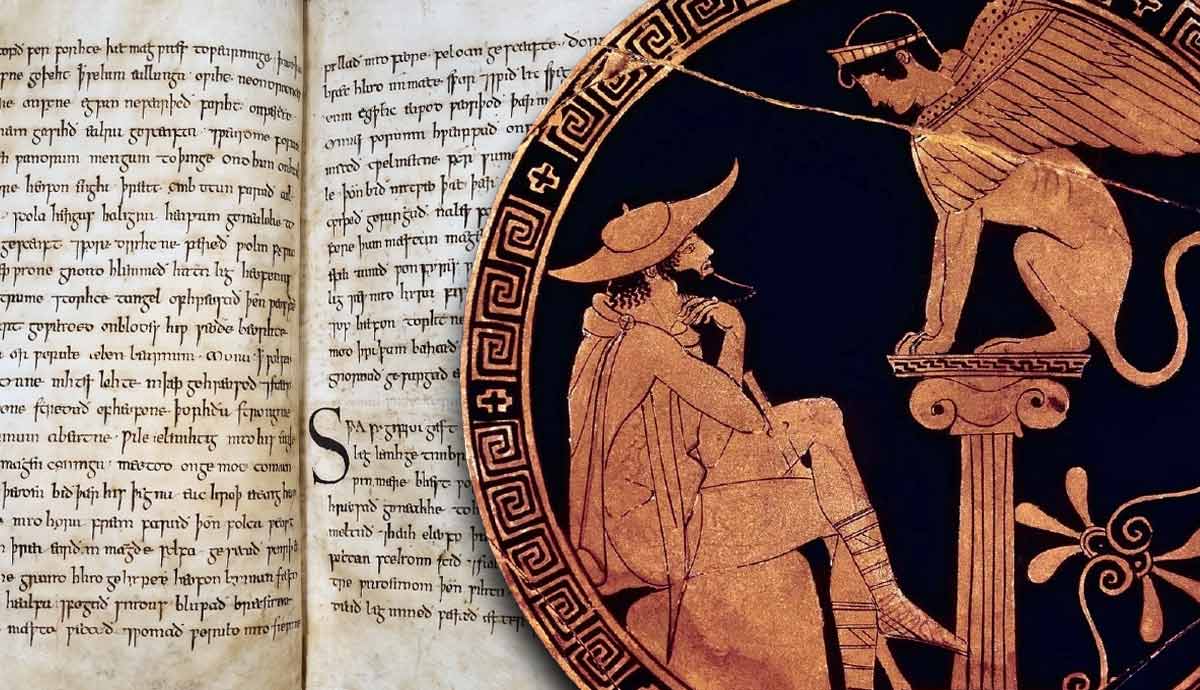
One of ancient Greece’s most famous tragedies, Oedipus, took place in Thebes and is central to its mythical understanding. Furthermore, the Greek demigod Heracles was born and raised in Thebes according to the Theban tradition. Finally, Thebes represents a unique position in Homer’s myth, as some of the Iliad’s heroes, like Diomedes, proved themselves in the sacking of Thebes. With the experience they gained in Thebes, these heroes would go on to sack Troy and ultimately prevail.
7. Miletus
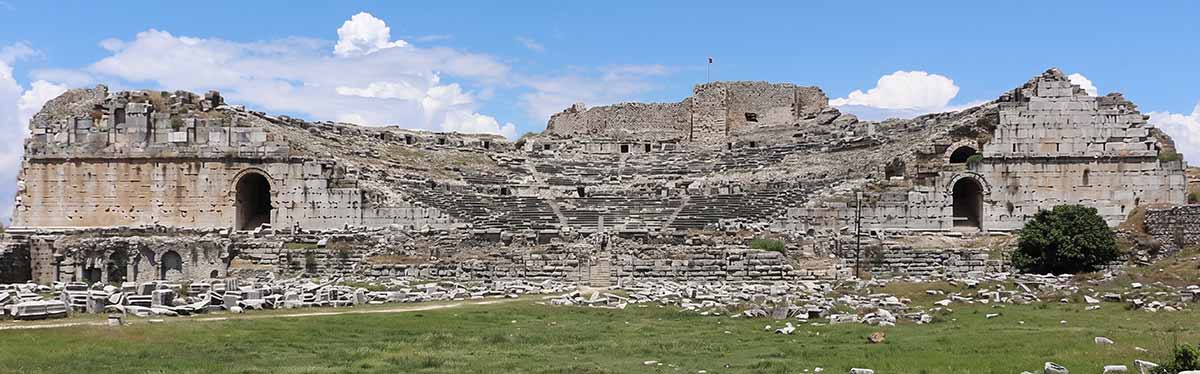
Like Xanthos, Miletus is on the Anatolian peninsula in modern-day Turkey. On the west coast of Anatolia, Miletus is at the mouth of the Maeander River. The Maeander River is known for its winding course and is where English gets the word “meander” from. As one might expect, being at the mouth of a river gave Miletus and her hinterland fertile soil, which in turn gave the city the food stores to support itself.
There is evidence that Miletus and the surrounding region were controlled, or at least influenced, by the Minoans during their expansion phase. Once the Minoans gave way to the Mycenaeans, there is evidence of Mycenaean colonization efforts in Miletus and the surrounding areas.
Hittite archives refer to Miletus as Millawanda and claim that the city was fought over by the Mycenaean Greeks and the Hittites themselves, demonstrating the political importance of the city.
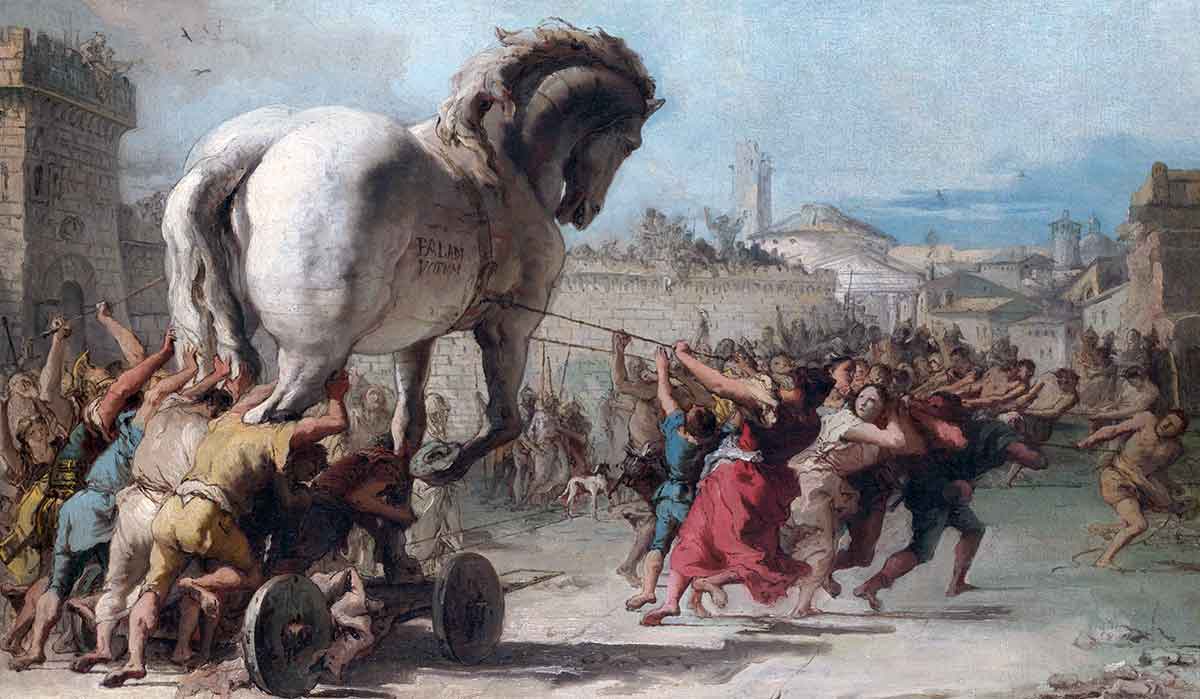
As might be expected due to its geography, like Xanthos, Miletus also fought on the side of Troy. When Homer describes the Carians, a people native to the Anatolian peninsula, coming to the aid of Troy, he mentions Miletus as one of their cities. He also refers to them as “barbarophonoi,” or foreign-speaking peoples.