
According to tradition, a new city rose on the North African coast in 814 BC. This city would become an empire that eclipsed its parent city, Tyre. Founded as a mere outpost, Carthage became the mightiest and most important city of the entire Phoenician maritime empire. The Carthaginians were effectively independent by around 650 BC, battled the Greeks of Sicily, who called them Phoinikes, and fought the Romans, who called them Poeni, in the Punic Wars. They carried the cultural and trading legacy of the Phoenician world to its greatest heights.
The Founding of Carthage
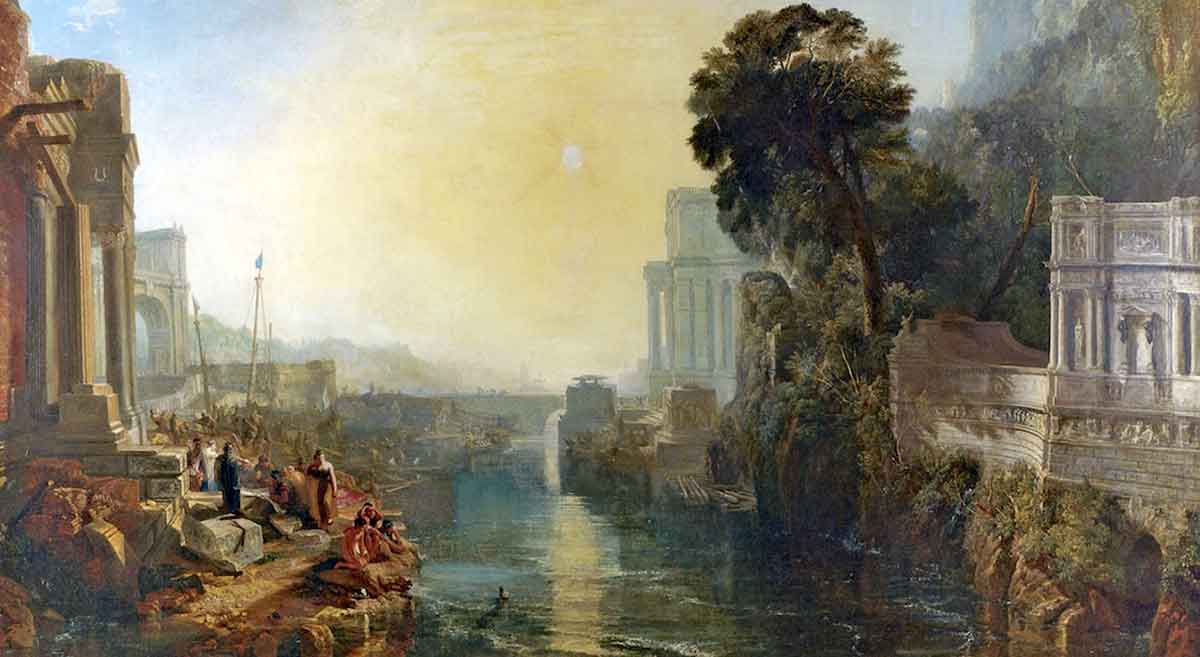
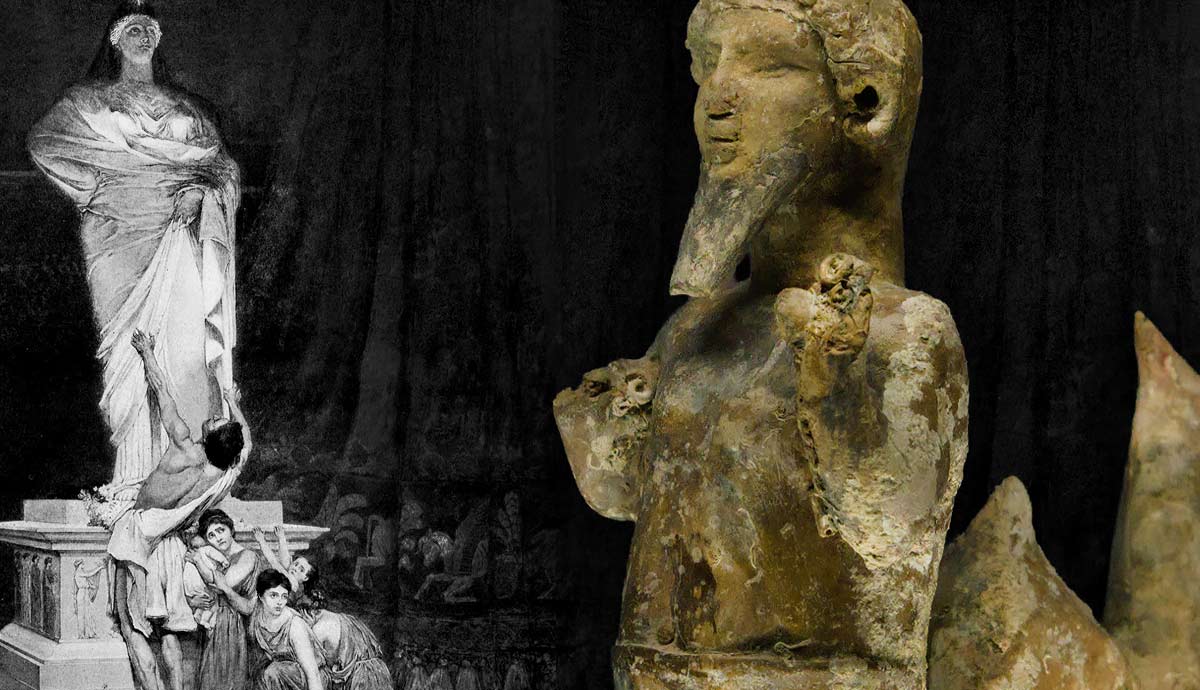
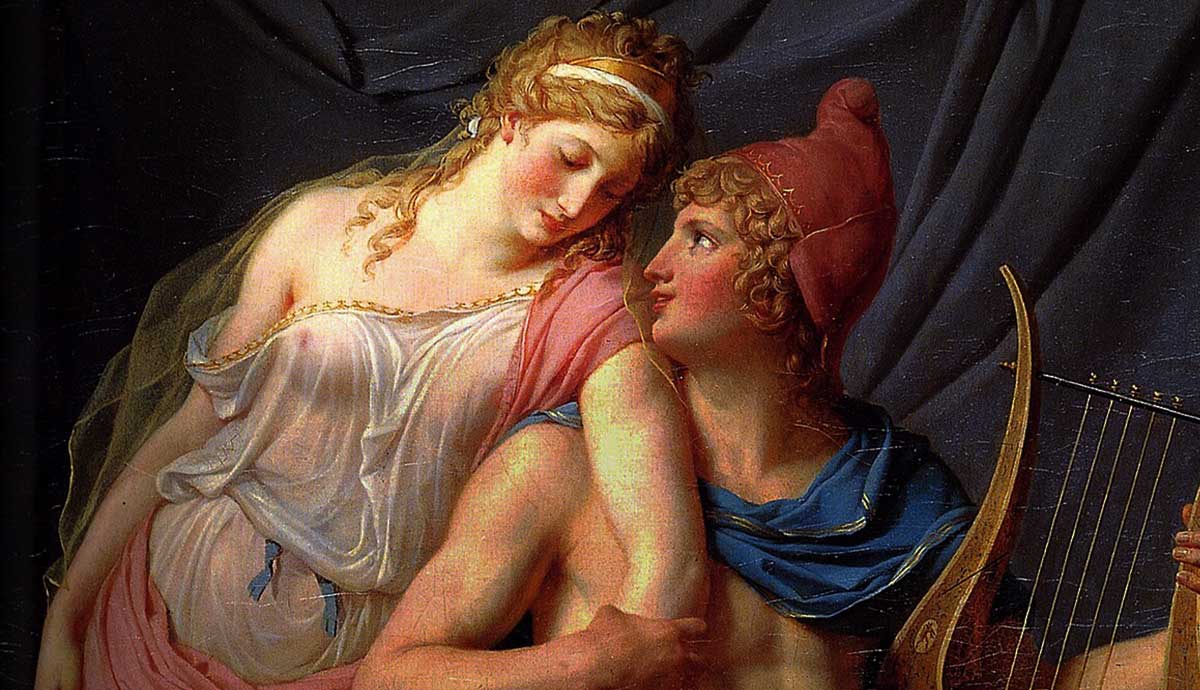
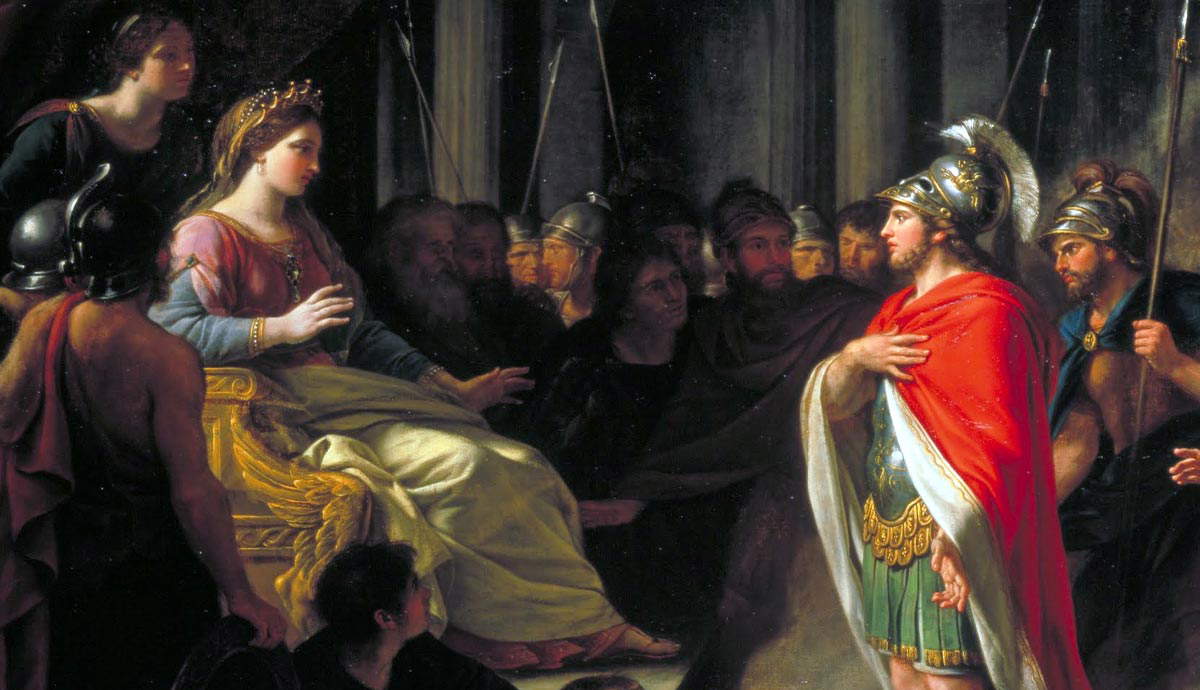
The beginning of Carthaginian history starts with a legend. Elissa, a sister of King Pygmalion of Tyre, fled to the north coast of Africa with loyal followers after the king murdered her husband, the wealthy priest Acherbas, for his treasure. Princess Dido (or Elissa in some retellings) negotiated for a piece of land with local chieftains. Offered as much land as an oxhide could cover, she cut the hide into thin strips and used them to encircle an entire hill, the Byrsa. Here she founded Qart-ḥadašt (literally “New City”), better known as Carthage.
Some historians think parts of this legend may be based in fact, such as the feud within Tyre’s royal family, and a gold pendant from one of Carthage’s earliest tombs bears the name Pygmalion. Some facts can be gathered from later Roman and Greek historians, but Virgil’s tale of Dido’s love affair with the Trojan hero Aeneas is pure fantasy, since the Trojan War was traditionally dated about three centuries before Carthage was founded.
Because the local Berber (Libyan) communities were scattered and loosely organized, the Phoenician settlers met little armed resistance, although Carthage paid rent to local rulers for its land until the 5th century BC. Instead, they negotiated and traded their way into dominance.
How Carthage Transcended Its Phoenician Origins
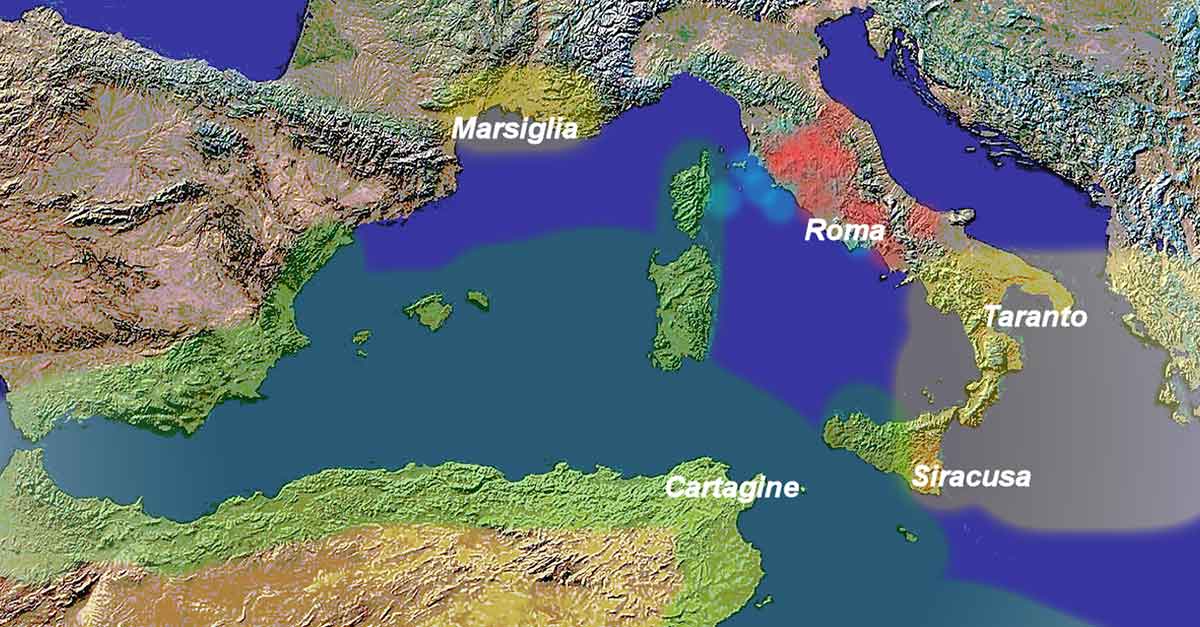
The Phoenicians needed a safe trading and supply hub toward the west, and they selected a prime spot on the North African coast for Carthage. It provided safety (from pirates and storms), fresh supplies for sailors, easy access to raw materials, and lucrative markets in every direction. The chosen location was:
- A peninsula on the Gulf of Tunis, in today’s Tunisia, with natural, defensible harbors that would protect their naval and trade fleets.
- An ideal maritime economic crossroad for East-to-West trade across the Mediterranean and beyond.
- Close to the Strait of Sicily, where Africa comes within about 145 kilometers (90 miles) of Sicily, the narrowest crossing after Gibraltar.
- Close to overland African trade routes.
- A springboard to Phoenician ports in Spain, such as Gades (Cádiz), and the Atlantic markets beyond.
Why Carthage Became the Mightiest Phoenician City
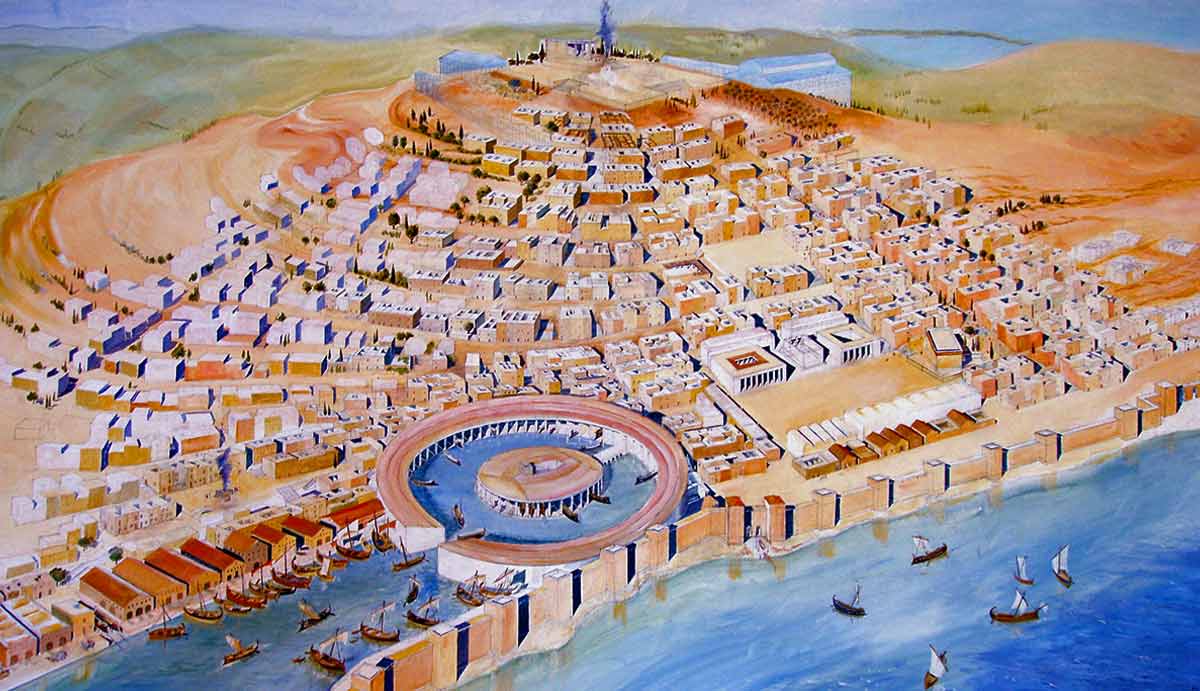
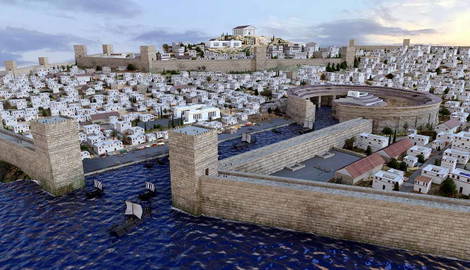
Carthage soon outgrew its mother city of Tyre, and indeed its homeland of Phoenicia. The Carthaginians became masters of mercantile trading. In time they built two linked harbors, a rectangular commercial port and a circular naval harbor (cothon) with sheds for 220 warships, which in its final form dates to the 3rd or 2nd century BC. Their location in the Mediterranean, distant from the watchful eye of their homeland, provided opportunities for unfettered expansion and economic growth in all directions.
The Carthaginians slowly became autonomous around 650 BC, and their wealth increased once they did not have to share their income with their fatherland.
Their homeland had other problems to deal with since the Assyrians, then the Babylonians, invaded the ancient Phoenician city-states. Carthage took full control of many Phoenician colonies and trade hubs in the Mediterranean. They expanded the ancient trade routes away from hugging coastlines, established new colonies, and incorporated vassal states, which boosted their wealth tremendously.
The Engines of Prosperity
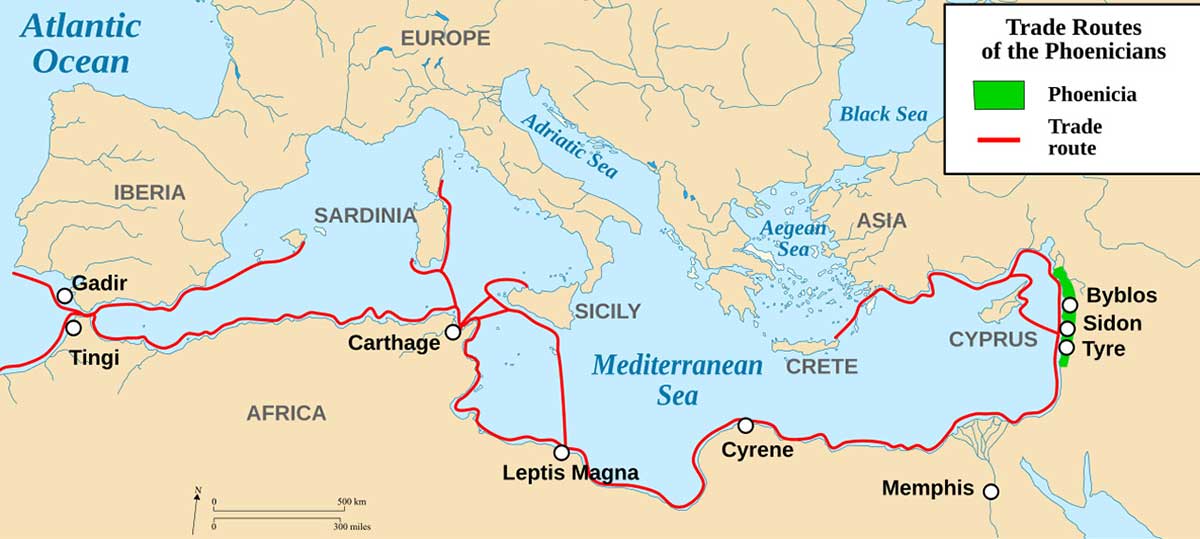
The Carthaginians seem to have traded in every tangible commodity that could be transported on their ships, assembled or in pieces. They were masters of trade and sea transport. Ancient writers hint at their secrecy around their lucrative trade routes and resources. The plethora of goods they traded included everything from raw materials to manufactured goods. For example:
Textiles
The Carthaginians produced high-quality and luxury fabrics, of which the most famous was purple-dyed cloth, Phoenician-style. Wool and linen were produced for local use and export. Wool fabrics were used and exported as general coverings, blankets, and garments. Linen was used for garments and the all-important sails for their ships.
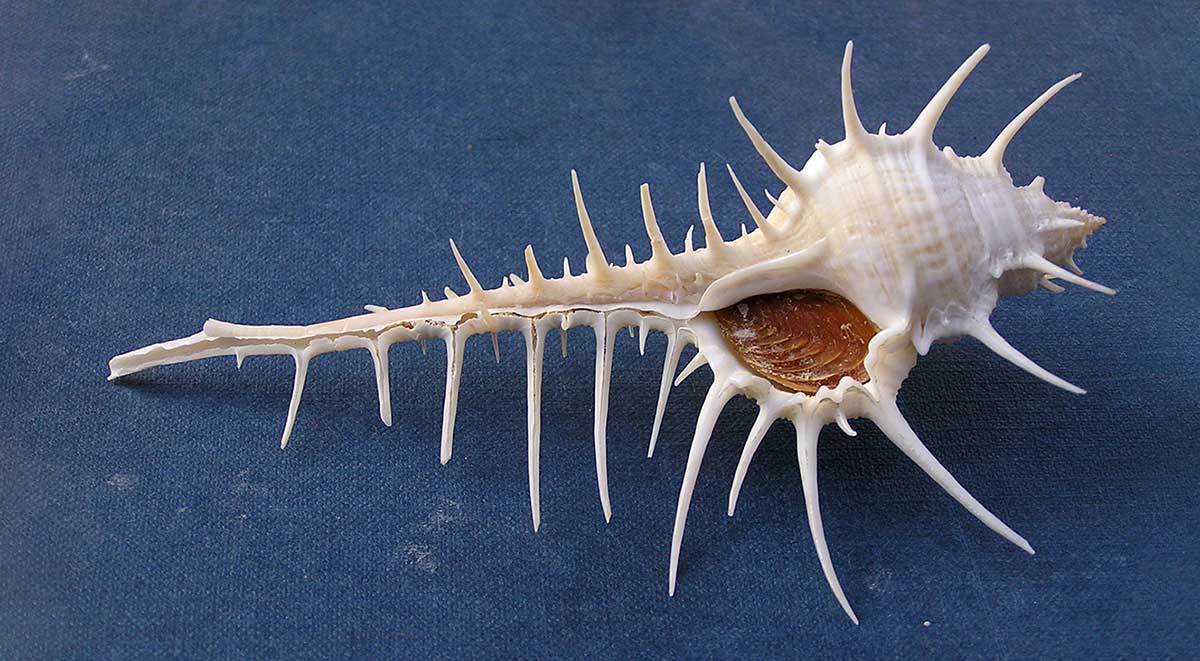
Plant-based dyes, as well as the fabulous, unique hue of Tyrian purple dye from Murex seashells, were produced in Carthage and some of their colonies.
Metal
Carthage itself was poor in metal ores, but they had nearby access to fairly limited North African (Tunisian) sources of lead, copper, and iron. Southern Spain supplied silver, copper, and iron, and after the Barcid family conquered much of Iberia from 237 BC, its silver mines became one of Carthage’s richest sources of wealth.
Carthage also controlled much of the western tin trade, which ran through Gades from Atlantic sources in northwest Spain, Brittany, and Britain. They jealously guarded these sources with the help of their naval power to ensure secrecy and exclusive access. Carthaginian metal workshops for industrial and military supplies depended on imports from the hinterland of Africa, Sardinia, Iberia, and later the British Isles and other Atlantic sources.
Luxury metal jewelry, especially gold jewelry, was made and traded across their trade networks. Gold probably came from West Africa, traded along the Atlantic coast or across the Sahara through intermediaries. Industrial workshops made metal tools and weapons for their own military and domestic use, as well as for trading.
Agriculture
The fertile Carthaginian and African hinterland produced enough agricultural products for domestic use, supplies for their ship crews, and extra to export.
These products included cereals like barley and wheat; legumes like lentils, chickpeas, and beans; olives and olive oil (perhaps their most abundant agricultural export); wine and grapes; dates, figs, and pomegranates, which the Romans called the “Punic apple”; pigs, sheep, and cattle for meat, hides, and dairy products; and fish, salted fish, and fish sauce.
The Art of the Silent Trade
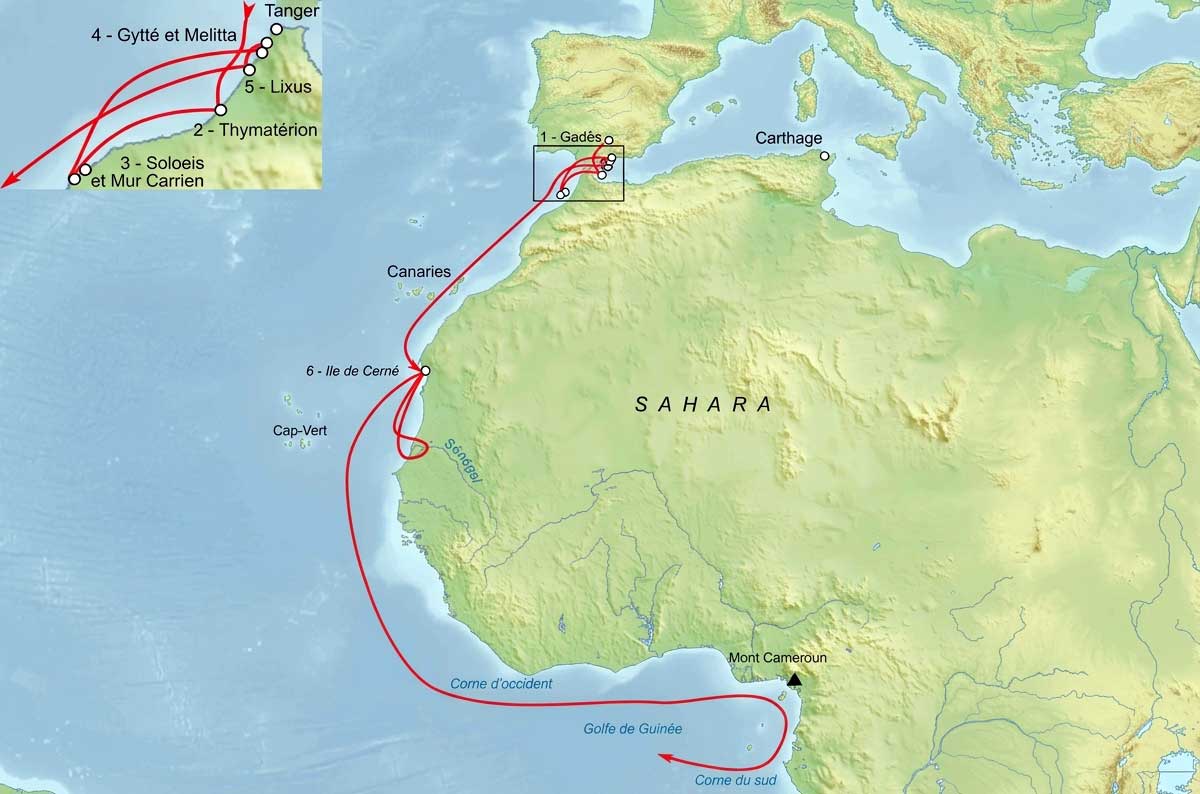
Apart from their traditional Mediterranean markets, the intrepid Carthaginians went further and further afield. Explorers such as Hanno sailed down Africa’s Atlantic coast around 500 BC. Not even unknown tongues could halt their progress. They simply invented the “silent trade.”
A golden nugget from Herodotus reads: “They unload their wares and arrange them on the beach” (Herodotus, Histories 4.196). Herodotus describes their barter with peoples of unknown tongues on the coast of Africa beyond the Pillars of Heracles, the Strait of Gibraltar.
They apparently put down their wares on the beach and then retreated. The locals would arrive and inspect the goods before putting down some gold or other local valuables. The Carthaginians would in turn decide what would be handed over for what was offered. This ritual was repeated until both parties were satisfied, without the exchange of a single word.
Carthaginian Government and Society
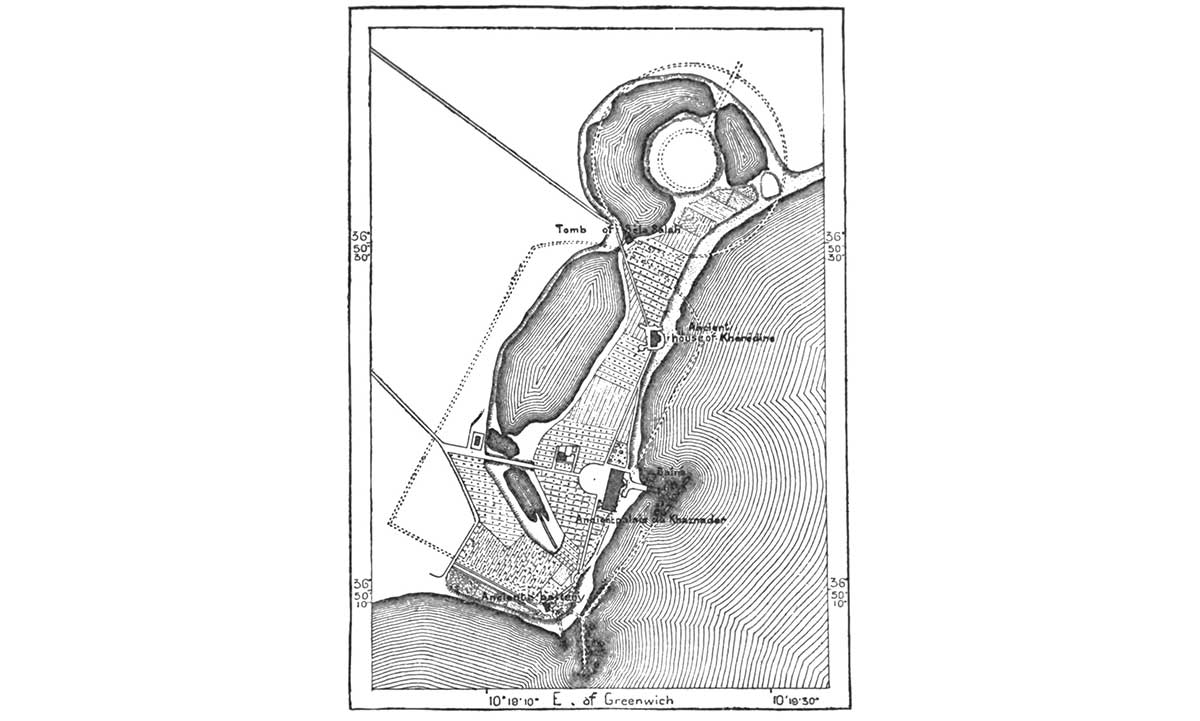
Carthage grew from a humble outpost to a mighty maritime empire, spreading an adapted Phoenician culture. After it gained full independence, the Carthaginian Empire expanded with more colonies, trade hubs, and vassal states beholden to them. They had a well-equipped standing army (mostly mercenaries) and a naval force.
Aristotle, the great Greek philosopher, praised the Carthaginian constitution as one of the best of his day, ranking it alongside those of Sparta and Crete. He analyzed the Carthaginian constitution in his book Politics. Carthage had a mixed system of government that combined elements of monarchy, aristocracy, and democracy. Every tier of government was ruled by leaders chosen based on a combination of merit and wealth.
At the top were two annually elected chief magistrates (suffetes), who worked with a council of elders drawn from the leading families. Alongside them sat the Hundred and Four, a powerful tribunal that held generals and officials to account, whose members were chosen by boards of five known as pentarchies.
When the suffetes and the council disagreed, matters went to the popular assembly, where, Aristotle noted, any citizen could speak against the proposals. The success of the system lay in its balance of power across all levels. It prevented tyranny and led to civic loyalty and stability that lasted for centuries.
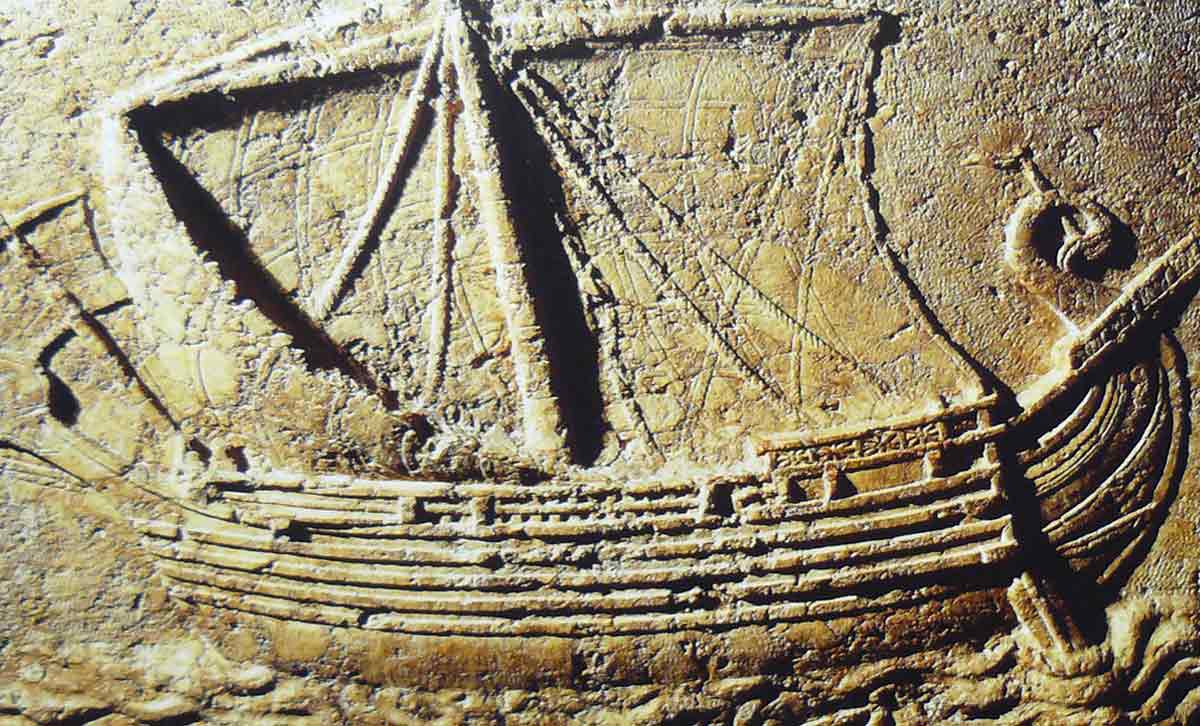
One of Carthage’s most noteworthy achievements was perhaps their innovative industrial-scale shipbuilding method. They manufactured various parts assembly-line style and marked them for exact assembly in shipyards later on. This allowed them to build warships far faster than their rivals.
During the First Punic War, the Romans copied a Carthaginian warship that had run aground and, according to ancient writers, built a fleet of about 100 quinqueremes in just 60 days, eventually ending Carthage’s rule of the seas.
An Unnecessary Destruction
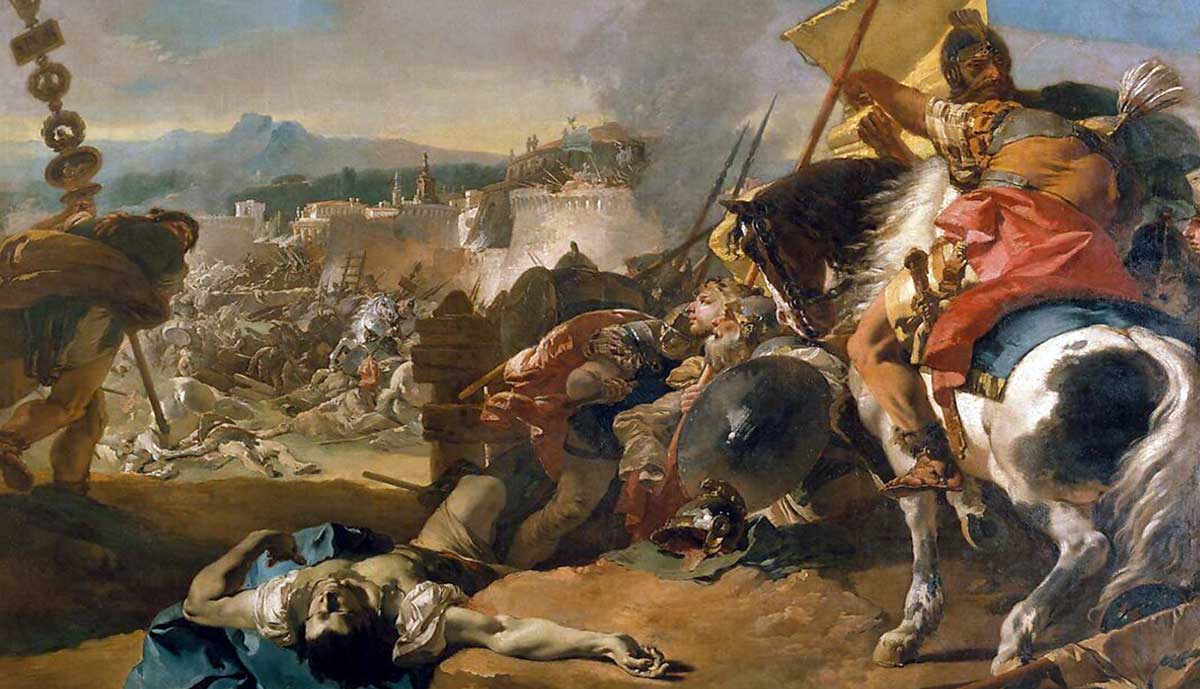
In its infancy, the Roman Republic signed a series of treaties with Carthage, the first traditionally dated to 509 BC and another to 348 BC, which divided their spheres of trade and kept Roman ships out of Carthaginian waters. A clash over the Sicilian city of Messana triggered the First Punic War in 264 BC, ending centuries of peaceful coexistence.
Although Carthage had posed no real threat to Rome since its defeat in the Second Punic War in 201 BC, the Romans besieged it in the Third Punic War and destroyed it in 146 BC. A Roman senator, Cato the Elder, had relentlessly pushed the Senate since about 153 BC toward this final war, reportedly ending his speeches with the words “Carthage must be destroyed.”
Street fighting raged for six days, and according to later writers the fires burned for 17 days. According to Pliny the Elder, the Senate gave Carthage’s libraries to the kings of Numidia, keeping only Mago’s 28-book treatise on farming, which it ordered translated into Latin. The roughly 50,000 survivors of the siege were sold into slavery.
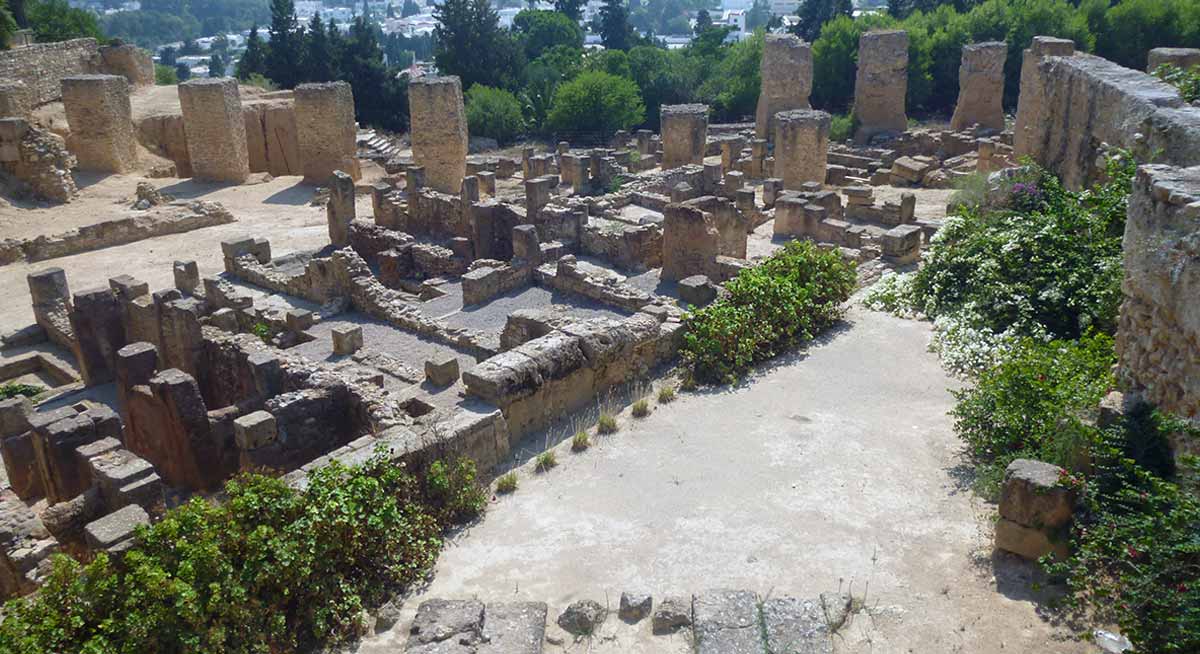
Almost everything written about Carthage in antiquity comes from its enemies, especially the Romans, who needed to justify its total destruction. Fairly recent archaeological discoveries have thrown more light on Carthage, and sown doubt about many Roman claims.
It seems the victors, indeed, had written the story of Carthage, which is now starting to appear less cruel and wicked than their enemies painted it. Nevertheless, this most important and richest ancient Phoenician city left a healthy and powerful legacy in, inter alia, urban planning and peaceful, interethnic cosmopolitan living.
Rising From the Ashes
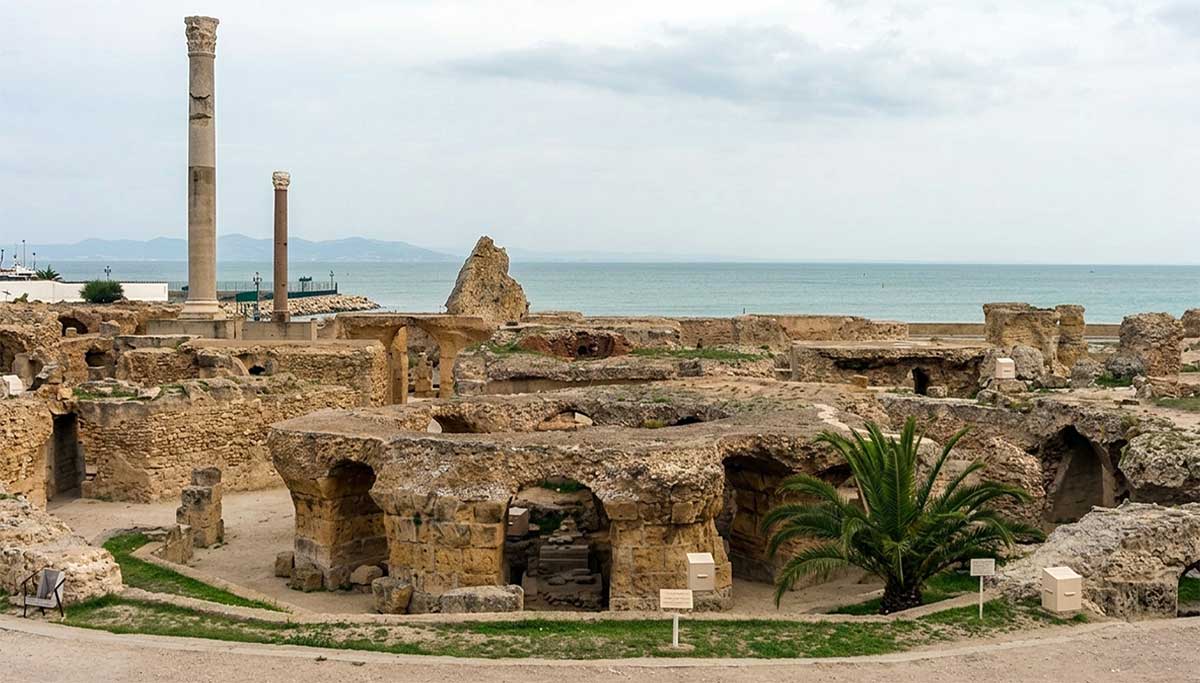
Contrary to a popular myth, the Romans did not sow the ruins and farmland of Carthage with salt, a story no ancient source records. After a failed attempt by Gaius Gracchus in 122 BC, Julius Caesar planned a new colony on the site shortly before his death in 44 BC, and Augustus founded it around 29 BC. The Roman city was called Colonia Iulia Karthago (Colonia Iulia Concordia Carthago in some sources). Julius Caesar recognized its strategic location, economic potential, and fertile soil, and under Augustus the city became the capital of Roman Africa and the heart of one of Rome’s great breadbaskets.