
After more than three centuries of Roman rule, Britain had become thoroughly incorporated into the Roman Empire. Today, Roman ruins are scattered all across the landscape, from the southern coast to the highlands of Scotland. Why did the Roman occupation of Britain end at the start of the 5th century AD? Rome’s grip on Britain did not shatter in a single barbarian onslaught; it evaporated through self-inflicted wounds. Generations of ambitious generals stripped the frontier legions to mount continental coups, while chronic economic paralysis severed coin shipments. Defenseless, unpaid, and politically isolated, provincial Britons had no choice but to expel their imperial administrators and face invaders entirely alone.
Withdrawing Roman Troops and the Prelude to Collapse
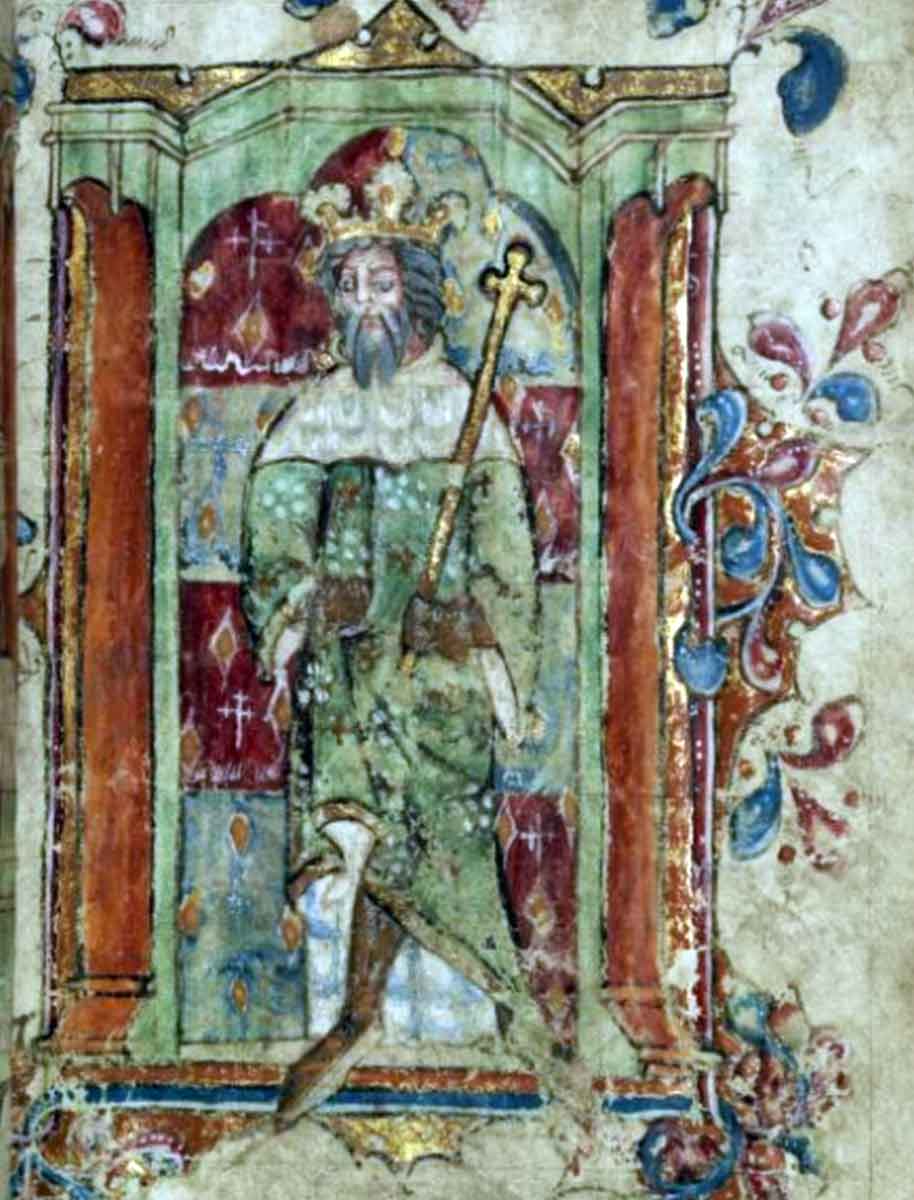
While Julius Caesar first made inroads into Britain in 55-54 BC, it was not conquered and incorporated into the Roman Empire for another century, following conquest under the emperor Claudius. While there were rebellions and uprisings throughout Rome’s presence on the island, it gradually became increasingly Romanized. But Rome’s control over Britain began to unravel in the 4th century AD.
A Roman general named Magnus Maximus was likely a governor of Britain in the 4th century AD, though there is no direct confirmation he held this position. In AD 383, his troops proclaimed him emperor, and Maximus gathered a large army from troops posted in Britain and invaded the continent. He successfully defeated the Western Roman Emperor Gratian in Gaul and eventually became recognized as the Western Emperor alongside Valentinian II for a time.
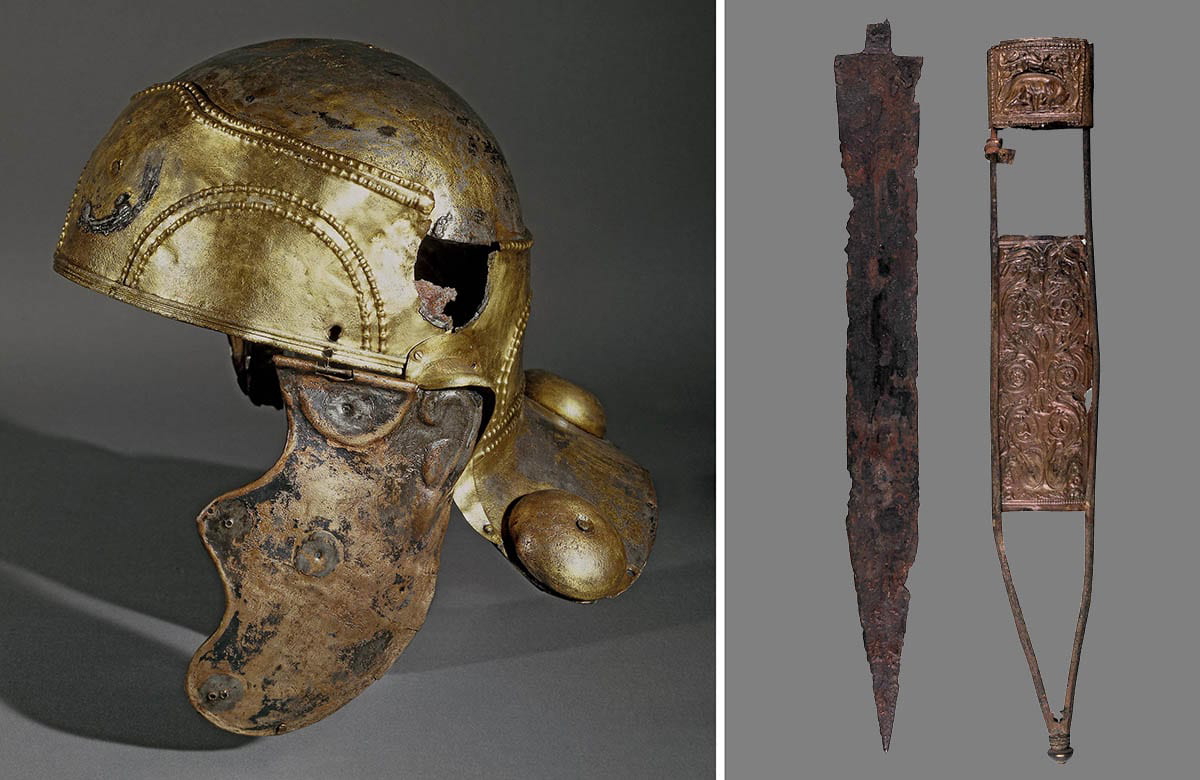
The significance of this for Britain was that a large portion of its troops were withdrawn to aid Maximus in his invasion. This was then repeated a few years later, in AD 387, when Maximus raised another large army to confront Theodosius I in the East. From that time on, large areas of Roman Britain were left undefended.
Later records, such as those of the British monk Gildas in the 6th century, remembered this as the end of the Romans’ permanent presence in Britain. While this Early Medieval viewpoint was an exaggeration, Maximus’ uprising was certainly the start of the end.
The Final Collapse of Roman Britain
The end of Roman Britain came about, partially, through a similar process two decades later. In AD 407, a Roman figure of unknown origin named Constantine III was proclaimed emperor by his troops. Just like Magnus Maximus before him, he led a large army over to the continent to try to carve out a portion of the Roman Empire for himself. Again, this took troops away from Britain, leaving it even more undefended. What was the result of this? The historian Zosimus tells us what happened during Constantine’s reign:
“Constantine being unable to withstand these, the greater part of his army being in Spain, the barbarians beyond the Rhine made such unbounded incursions over every province, as to reduce not only the Britons, but some of the Celtic nations also to the necessity of revolting from the empire, and living no longer under the Roman laws but as they themselves pleased. The Britons therefore took up arms, and incurred many dangerous enterprises for their own protection, until they had freed their cities from the barbarians who besieged them. In a similar manner, the whole of Armorica, with other provinces of Gaul, delivered themselves by the same means; expelling the Roman magistracies or officers, and erecting a government, such as they pleased, of their own.”
Zosimus, Historia Nova (New History), 6.5.2-3
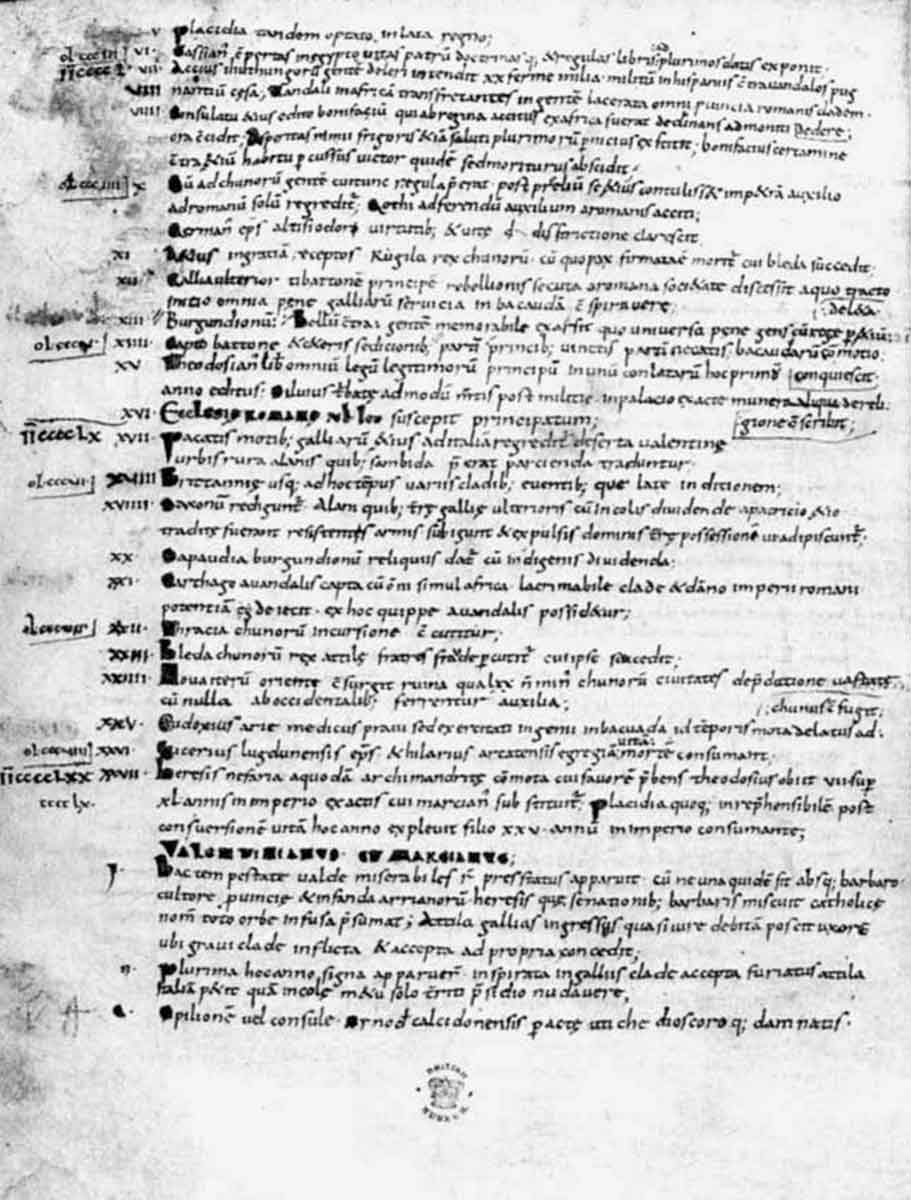
In other words, the Britons were suffering from attacks by Germanic invaders. This is also reported in the Gallic Chronicle of AD 452 in the entry for AD 408. As a result, they took up arms, defeated the barbarian invaders, and expelled the ineffective Roman administration.
A few years later, when under threat from invading tribes, the Britons appealed to Rome for help. They sent envoys to the legitimate emperor of the Western Empire, Honorius, in Ravenna, asking for imperial legions to defend them against Saxon and Pictish raids. But by AD 410, Honorius was trapped inside the fortified city of Ravenna while the Visigoths marched freely through Italy, culminating in the Sack of Rome in August of that year. Honorius had no troops to spare. Therefore, Honorius wrote to the Britons telling them to “see to their own defenses” (Zosimus’ Historia Nova, 6.10.2). Thus, the Roman occupation of Britain officially ended.
How Usurpers Stripped Britain of Roman Legions
The biggest internal factor that led to the Britons expelling the Romans was the rise of usurpers. Men such as Maximus and Constantine III desired more than they had been given by the official administration. They wanted to be emperors in their own right. At first, this might seem like something that would have strengthened Roman control over Britain. After all, a usurping Roman emperor would have every reason to want to strengthen the defense of the shores of his territory, given that it was illegal in the eyes of Rome. He would want to prevent the legitimate emperor from being able to reconquer it.
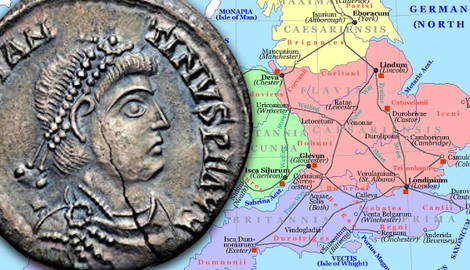
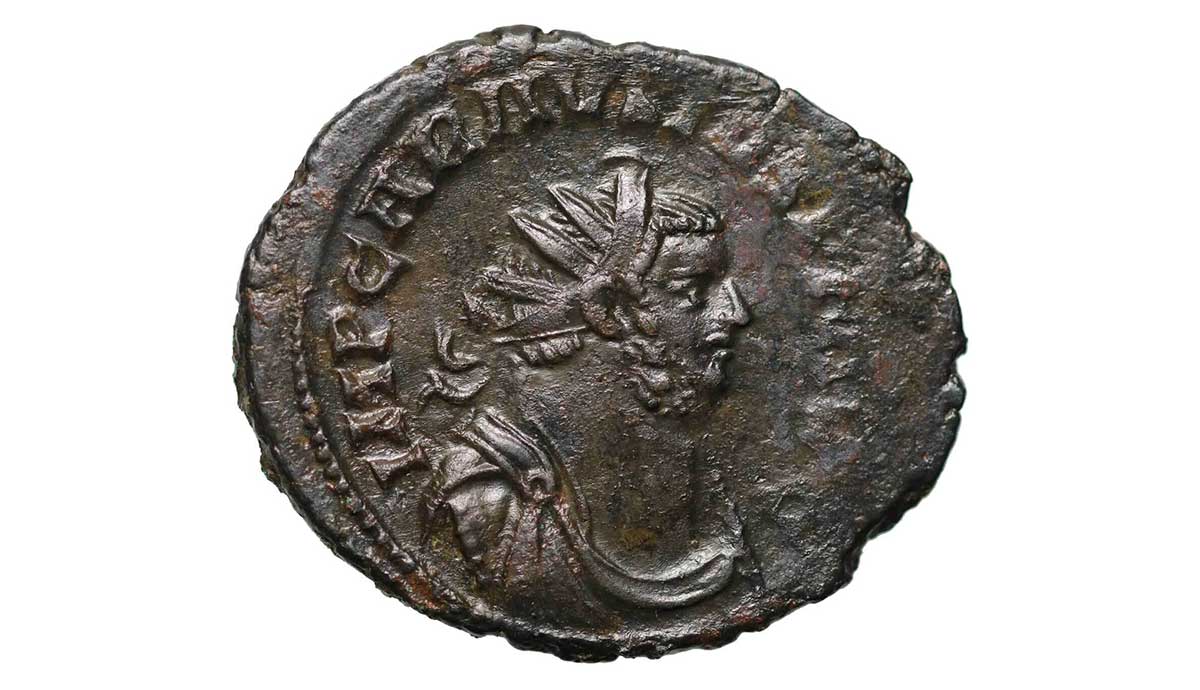
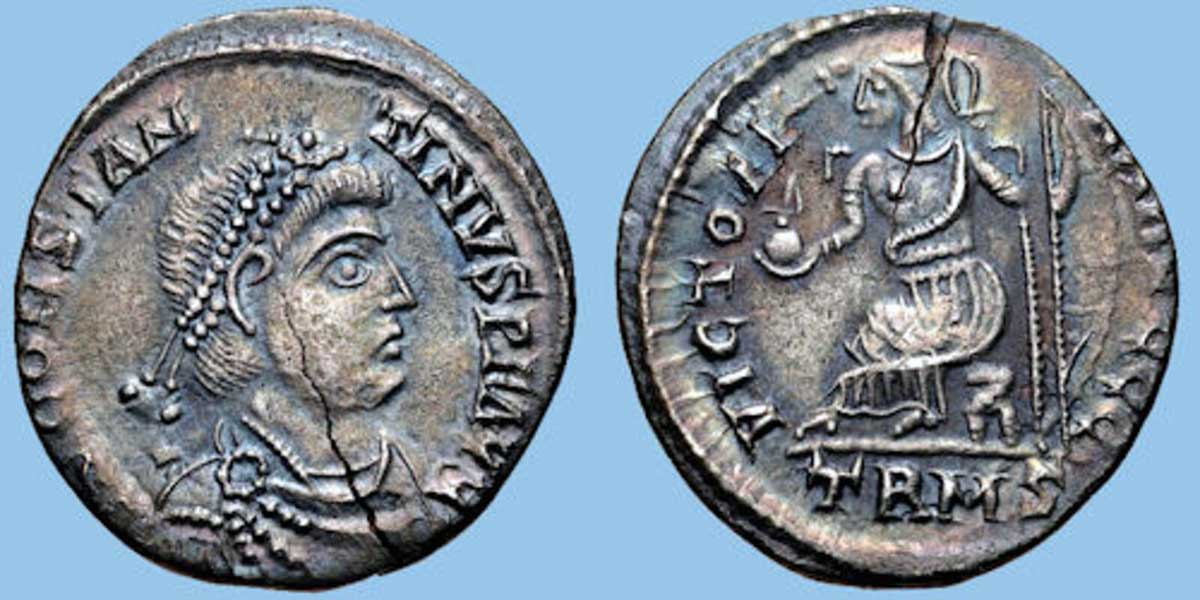
This seems to have been what happened in the case of a much earlier usurper, a military leader named Carausius. Rather than proclaiming himself emperor from Britain and then invading the continent, he did the opposite. He withdrew to Britain to make himself emperor there. While he also took a portion of Gaul, he was much more cautious and strategic than Maximus and Constantine. In fact, the Saxon Shore forts along the south coast of Britain may well have been established by Carausius to protect his territory from being reconquered by Rome.
In contrast, the strategy of Maximus and of Constantine III led to Britain becoming weaker, not stronger. By going from Britain to invade the continent, the result was that rather than its defenses being consolidated, its defenses were weakened by troops being withdrawn.
The historian Zosimus, quoted earlier, sums up the revolt by the Britons in the year AD 409 by stating the following:
“Thus happened this revolt or defection of Britain and the Celtic nations, when Constantine usurped the empire, by whose negligent government the barbarians were emboldened to commit such devastations.”
Zosimus, Historia Nova (New History), 6.6.1
In other words, it was the negligence of Constantine III the usurper that led to the Britons feeling compelled to take matters into their own hands. The Romans were not offering them the protection from barbarian raiders that they had every reason to expect. Continuing to pay taxes to an emperor who left Britain undefended was no longer acceptable to the inhabitants of Britain. Hence, they expelled Constantine’s administration. If Constantine had not been so negligent, then the revolt of AD 409 may have never happened.
The Main External Factor: Germans on the Move
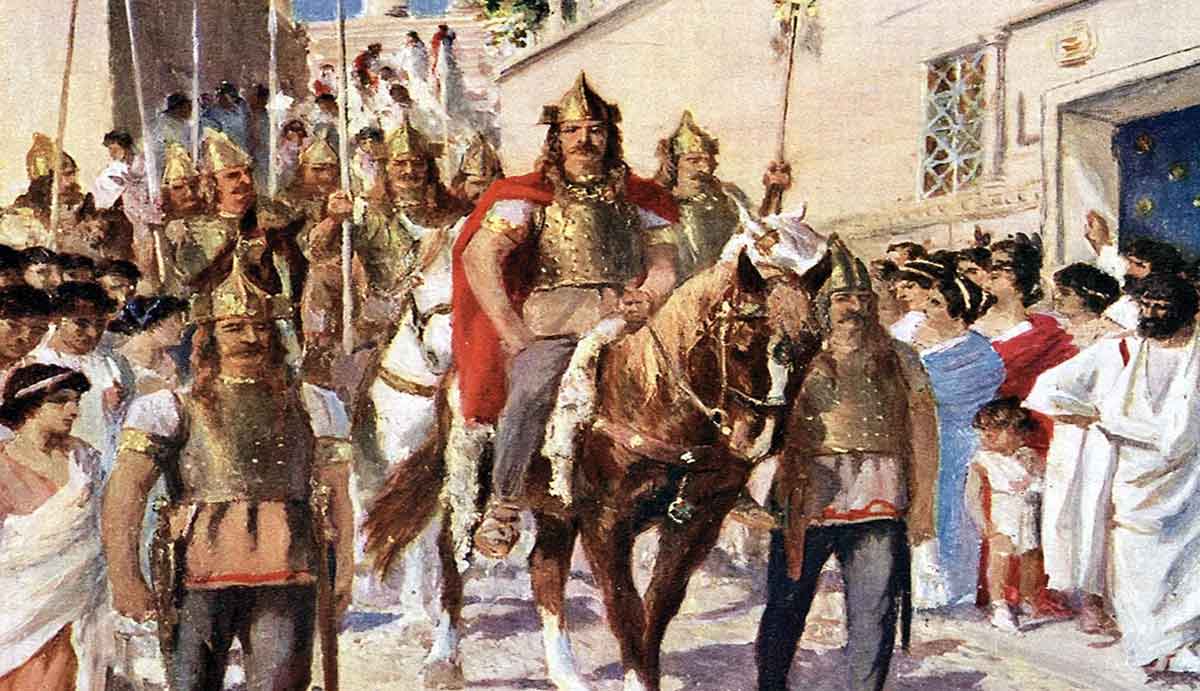
While this internal issue weakened Roman Britain, the situation was brought to a head by several external factors. Principal among them was attacks by Germanic tribes sweeping across the Western Roman Empire; notably Alaric of the Visigoths.
In a poem by the 5th-century writer Claudian on The Gothic War, we find a description of the troops who went with Stilicho to fight Alaric in AD 402. In that passage, there is a reference to the following body of troops: “The legion that had been left to guard Britain, the legion that kept the fierce Scots in check, whose men had scanned the strange devices tattooed on the faces of the dying Picts.”
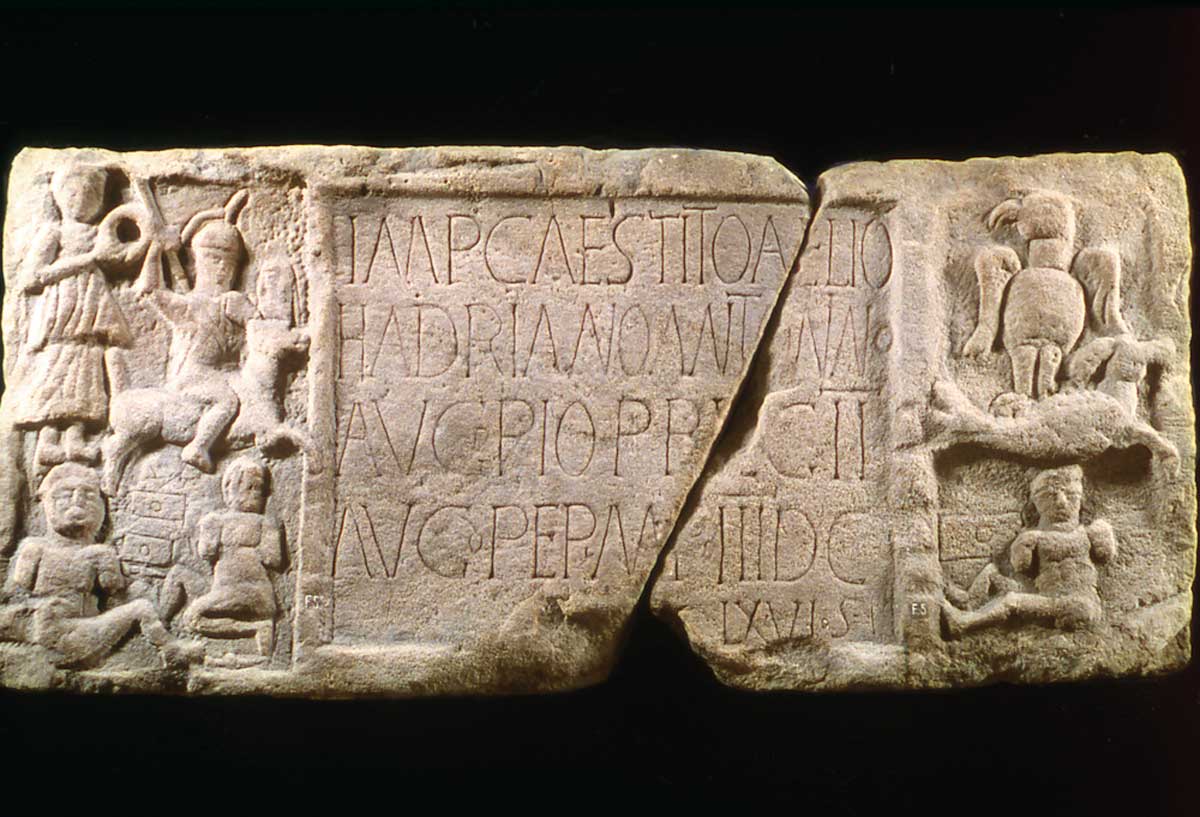
According to this, part of Stilicho’s army against Alaric was composed of the troops who had previously been fighting the Picts and the Scots in Britain. We know from references in other works by Claudian that these troops had been sent to northern Britain a few years earlier, probably at the beginning of AD 399. Yet as we can see from this passage in The Gothic War, those troops had to be recalled to deal with the threat of Alaric on the continent.
As well as draining Britain of troops, this chaos on the continent all but cut Britain off from the rest of the Empire. For example, Britain operated virtually no state mints of its own and relied on important coins. At the start of the 5th century, shipments of newly minted bronze and silver coins to Britain halted completely. Without currency to pay troops, those that remained dissolved into agrarian self-sufficiency or local mercenary work. Forts were abandoned or converted into agrarian homesteads, and the pottery, tile, and stone construction industries that depended on state contracts collapsed within a single generation.
How Internal and External Factors Led to the Collapse of Roman Britain
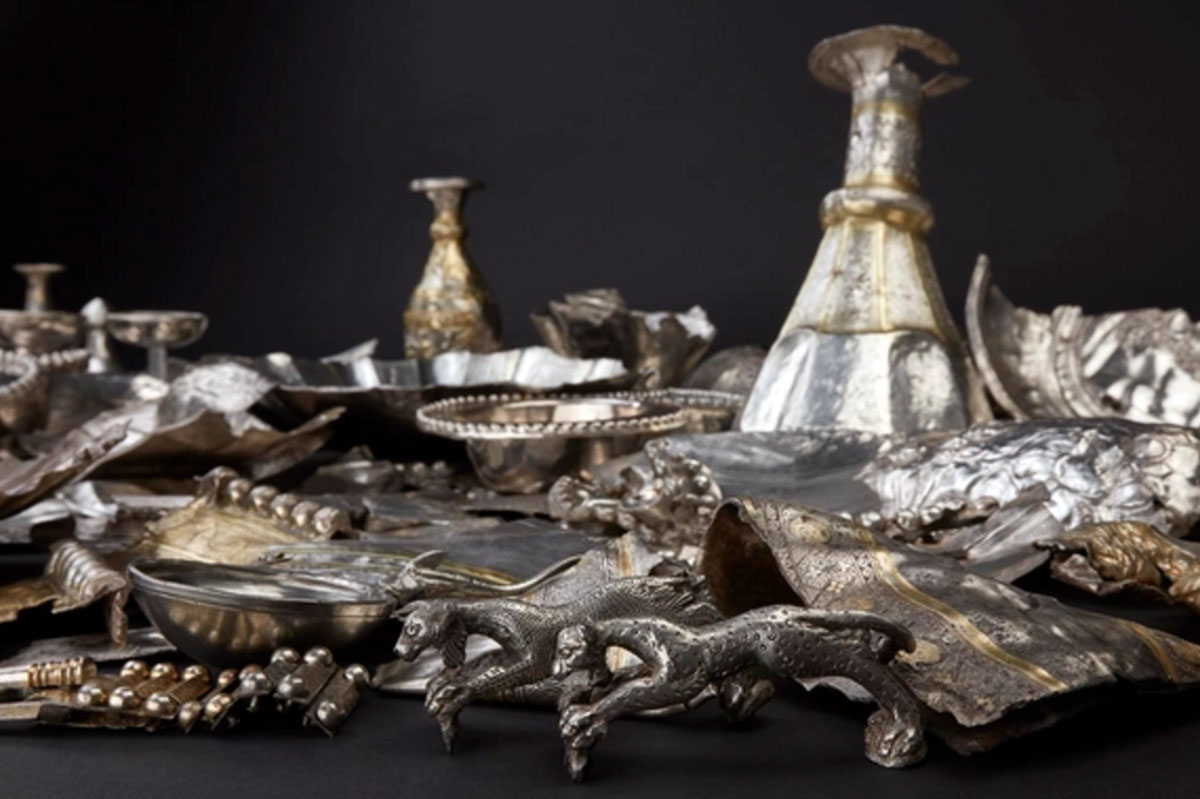
Therefore, it is not the case that the Romans simply lost interest in Britain. In fact, as late as AD 399, the Romans had sent an army as far north as Scotland, possibly even past the Antonine Wall, to try to secure the northern border. There was clearly every intent to keep Britain a part of the Roman Empire as late as the turn of the 5th century. Yet, the actions of overly ambitious usurpers, combined with pressure from hordes of Germanic invaders on the continent, led to the collapse.