Homer’s account of the Trojan War in the Iliad, written in the 7th century BC, is one of the world’s most enduring stories. But was it purely fantasy, or based on real historical events? In the search for confirming evidence, scholars have examined clay tablets containing the historical archives of the Hittite kings at Hattusa. They preserve details of Anatolian politics in the 13th century BC, the time when the Trojan War was supposed to have been fought. While these administrative texts do not speak of golden armor or meddling gods, they do record a century of real conflict over the legendary city the Hittites called Wilusa, which many scholars believe was ancient Troy.
Hittite Records That Might Prove the Trojan War
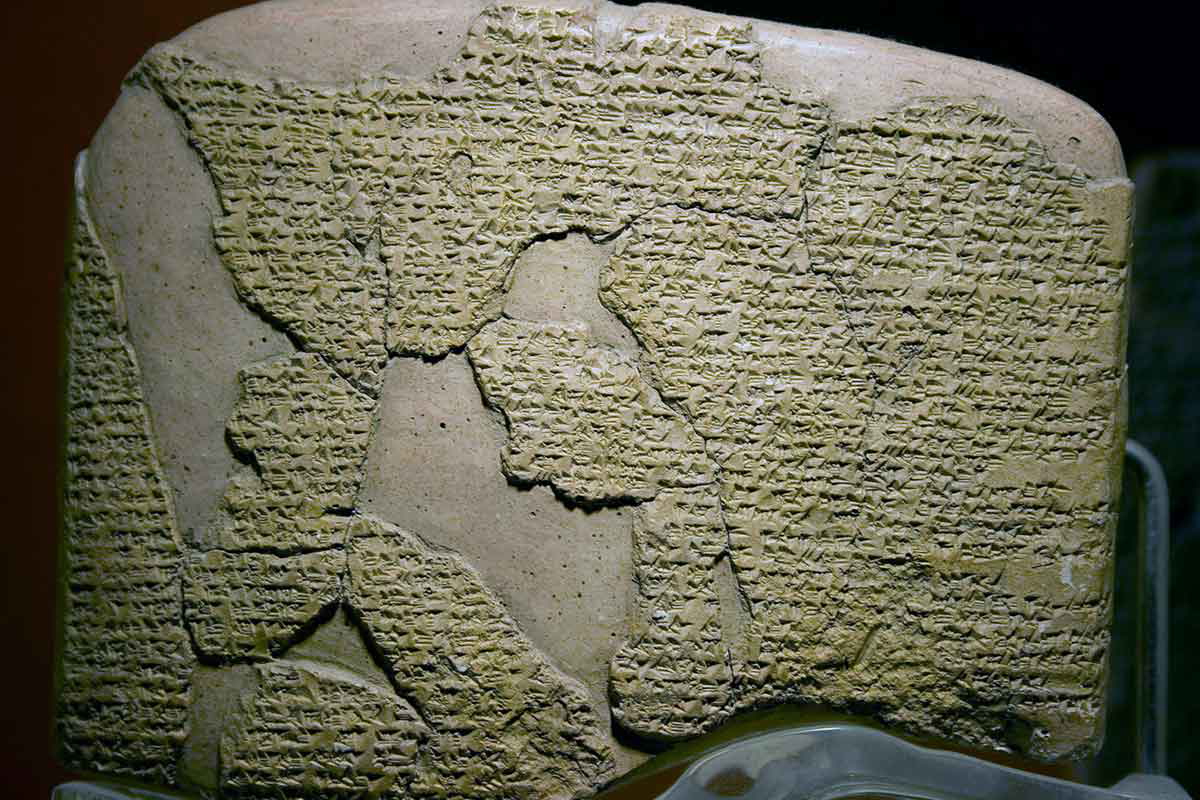
The Hittite Empire ruled over much of Anatolia throughout the Late Bronze Age, the era between approximately 1550 and 1150 BC. Numerous Hittite documents have been uncovered and translated. In particular, thousands of clay tablets were unearthed at Bogazköy in modern Turkey in the early 20th century, containing administrative records kept by Hittite royal scribes of the Hittite capital of Hattusa. This collection contains diplomatic letters between rulers, quite a few of which refer to attacks on western Anatolia by a nation called the Ahhiyawa. While not universally accepted, the majority of scholars agree that the Ahhiyawa were the Mycenaean Greeks. The ethnonym “Ahhiyawa” is held to be a Hittite version of “Akhaioi,” the Greek form of “Achaeans.”
As soon as these documents were uncovered and translated, historians began to realize their potential significance regarding the Iliad. According to Homer’s epic poem, a thousand Greek ships were launched against Troy in western Anatolia in the 13th century BC. This was not a war against just one city but against Troy’s many allies all over western Anatolia as well. Hittite documents dating to the same period appear to confirm that the Ahhiyawa were engaged in large-scale warfare in western Anatolia at this time.
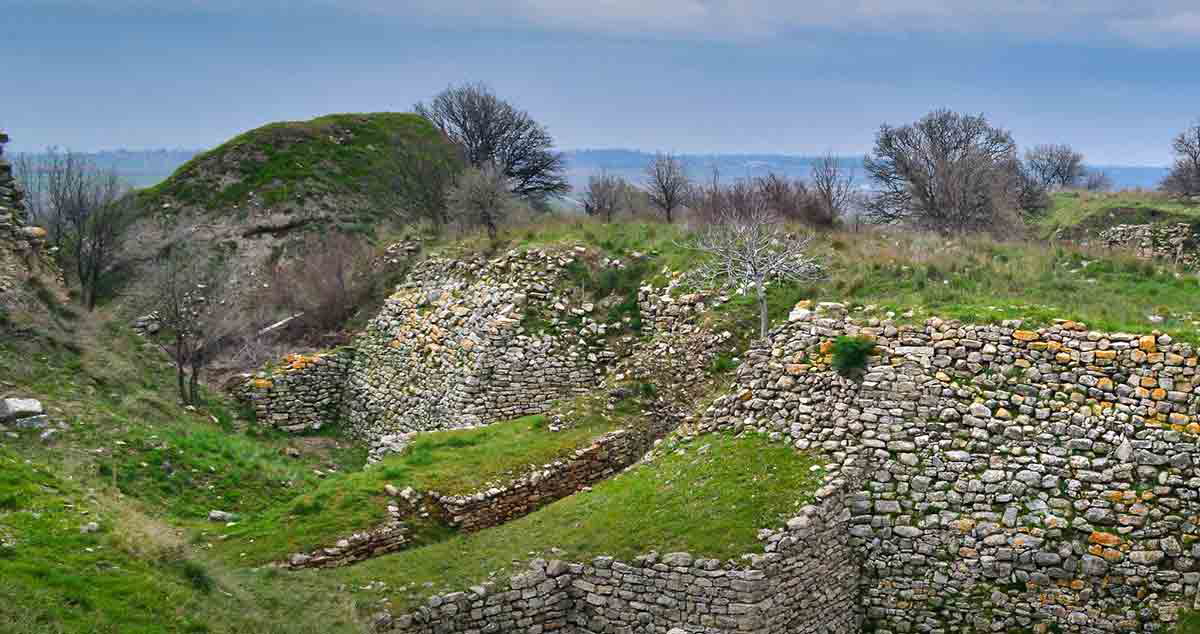
Even more significant are the references to Wilusa. The Hittite documents place this city in northwest Anatolia and associate it with the place name “Taruisa.” The place name “Wilusa” appears to be a Hittite form of “Ilios,” while “Taruisa” appears to be a form of “Troia,” both of which were ancient Greek names for the city of Troy. One document, the Tawagalawa Letter, mentions that the Hittites and the Ahhiyawa, or Greeks, had a conflict over Wilusa. Remarkably, this appears to provide strong confirmation of the basic core of the legend of the Trojan War.
Greek Heroes in the Hittite Records
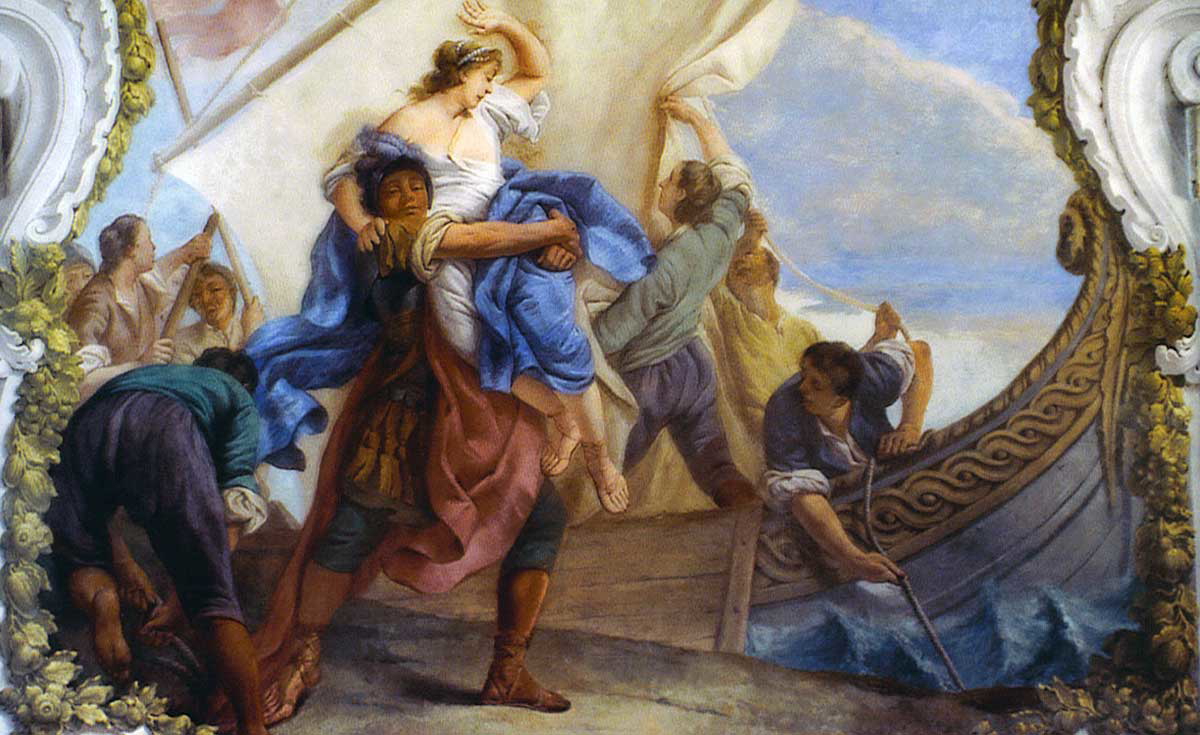
Confirmation of the basic setting of the legend recounted by Homer and other ancient Greeks is not all that the Hittite records potentially reveal. Some historians have argued that specific individuals from the Greek legends can be found in the Hittite letters. Perhaps most notable is Paris Alexander. In the Iliad, he was the prince of Troy who ran off with Helen, the wife of Menelaus, the king of Sparta.
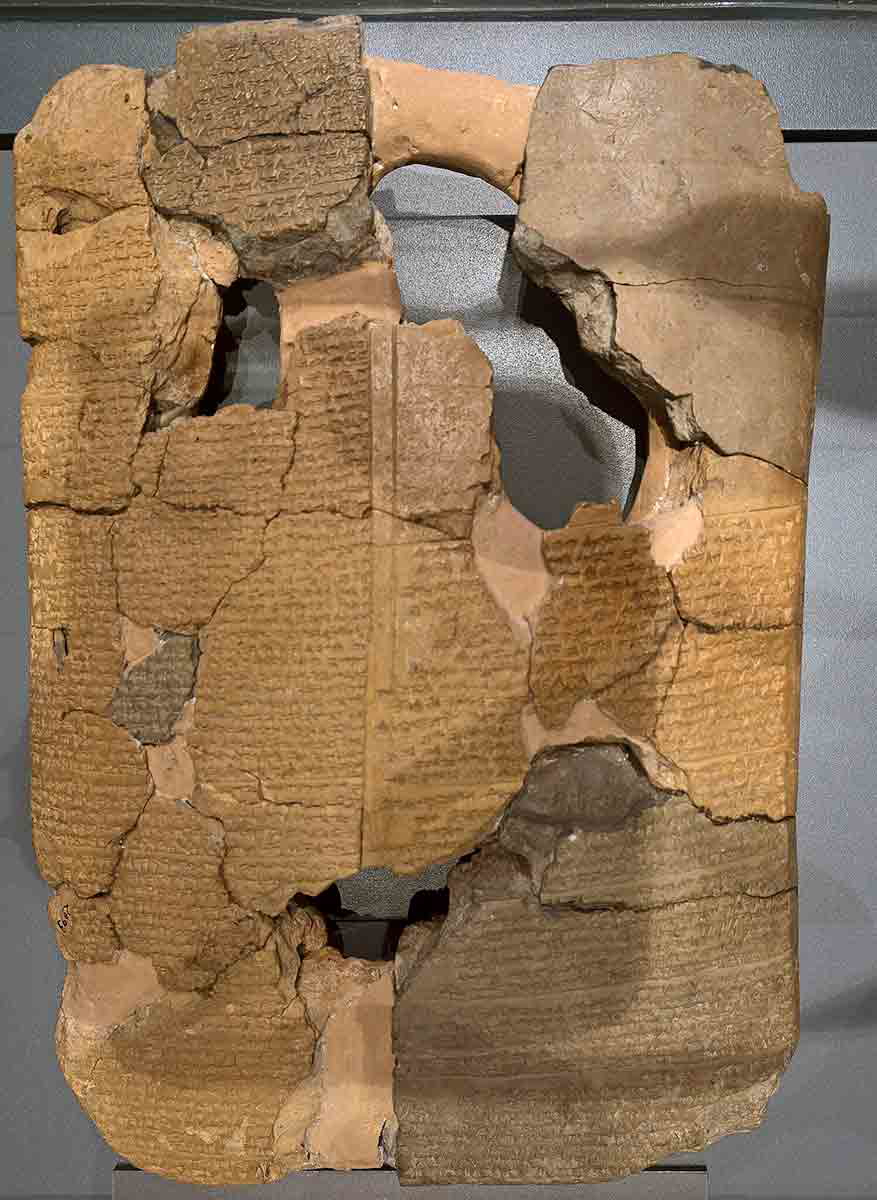
Interestingly, one Hittite letter refers to a king of Wilusa named Alaksandu. This king had a treaty with the Hittite king Mursili II and also with his son, Muwatali. Hence, his official diplomatic relationship with the Hittite Empire covered a few decades, potentially from the late 14th century through to the early 13th century BC.
Although Paris Alexander is not a king in the Iliad, perhaps we could understand this inconsistency as a case of the Hittites being inexact with their use of the term king.

Another potentially interesting figure in the Hittite records is Piyama-Radu. He was a war leader who was active across much of western Anatolia. Several different Hittite letters refer to him, suggesting that he was active for quite some time. He seems to have been a particularly notable figure in western Anatolia during the traditional era of the Trojan War. This has naturally led to him being identified with a character from Greek legend.
Due to the similarities between their names, Piyama-Radu and Priam of Troy have frequently been linked. Priam, of course, was the king of Troy during the Trojan War, and the father of Paris Alexander. As such, he would have been a prominent figure in that region. Some sources even describe him as marrying a Phrygian princess. On this basis, the powerful war leader Piyama-Radu, whose name is similar to Priam, is ostensibly a good match.
Problems With the Hittite Records
Based on Hittite documents, many historians have argued that the Trojan War was a historical Bronze Age event. These documents appeared to confirm not only that the basic story of the war was historical but also that certain specific individuals from the legends really existed. However, in recent decades, many scholars have highlighted issues with these claims.
One of the key issues is the identification of Trojan leaders in the Hittite records. In the case of Alaksandu, there are serious objections to the idea that he could be the historical Paris Alexander. As noted earlier, Alaksandu is described by the Hittites as a king, whereas Paris Alexander was not the king of Troy in the legends. With the best will in the world, this cannot be explained away as the Hittites being loose with their use of the word king. The context of his appearance in these Hittite letters makes that abundantly clear.
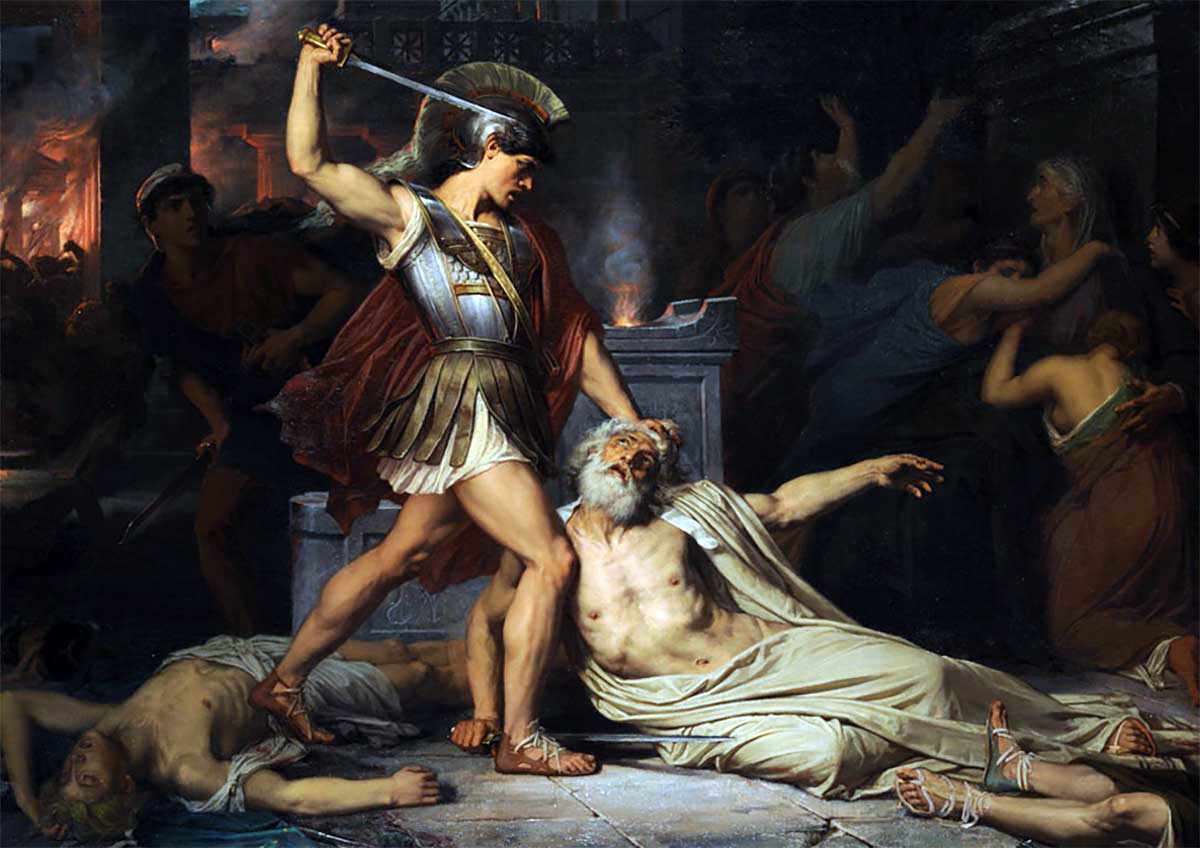
Alaksandu, referred to as the king of Wilusa, is credited with having a treaty with the Hittite kings. This clearly indicates that he was the king of Wilusa and was not simply referred to as a king in the sense of being a powerful official or prince. He was the one with whom the Hittite kings, who were really emperors, had their treaty. Furthermore, the legends of the Trojan War present Paris Alexander as being the younger brother of Hector of Troy, Priam’s heir. This makes it even more improbable that Paris Alexander could have represented his father as the king of Wilusa before the Hittites.
Regarding Piyama-Radu, the Hittites describe him as a war leader who ravaged the settlements of the very nations that were Troy’s allies in the Iliad. He is even described as attacking Wilusa (Troy) itself in one Hittite letter. The idea that he can be identified as Priam, the king of Troy, very clearly flies in the face of everything that the Hittite documents credit him with doing. Additionally, the Hittite documents place him after Alaksandu, not before, so these identifications are mutually exclusive.
Was There Really a War at Wilusa?
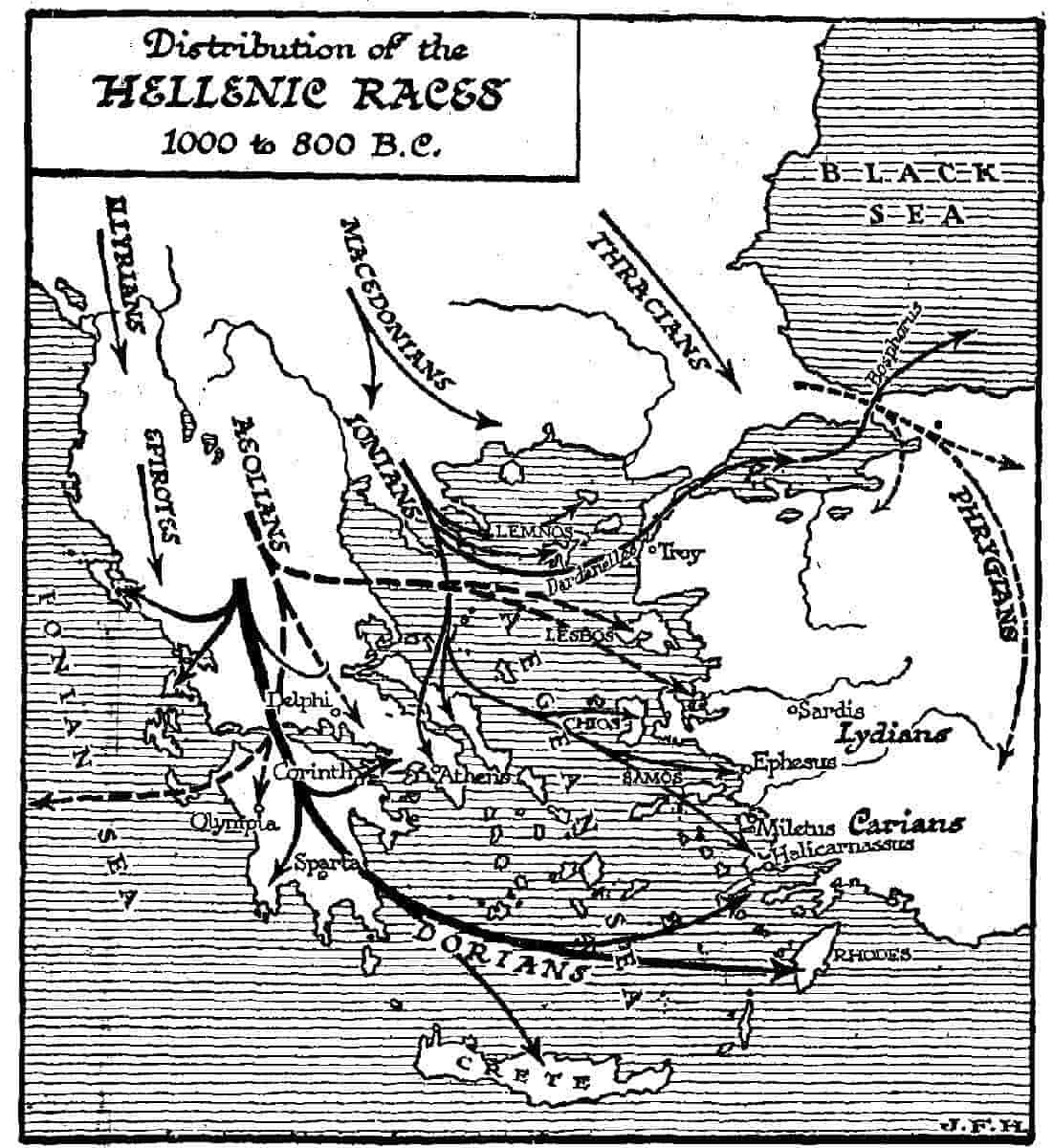
Even if we reject these identifications, what about the Trojan War itself? Can we not at least maintain that the contemporary Hittite letters confirm that the Trojan War was a historical event in the Late Bronze Age?
The Hittite documents confirm that the Greeks were waging war in western Anatolia in c. 1200 BC, but also that this conflict dated back as far as c. 1400 BC, in the time of a king called Attarsiya. Furthermore, archaeology shows the continued arrival of Greeks throughout the Greek Dark Ages (c. 1200-750 BC), which followed the Bronze Age. Even at the start of the Archaic Era, further conquests continued. Therefore, the records do not pinpoint one particularly brutal conflict.
Regarding Troy, the letter that refers to a conflict involving Wilusa does not confirm that a war took place. The crucial word is a general one that simply means conflict. This could easily have involved trade rather than outright war. Even more importantly, the letter specifically states that this conflict was concluded amicably.
Do the Hittite Records Prove the Trojan War?
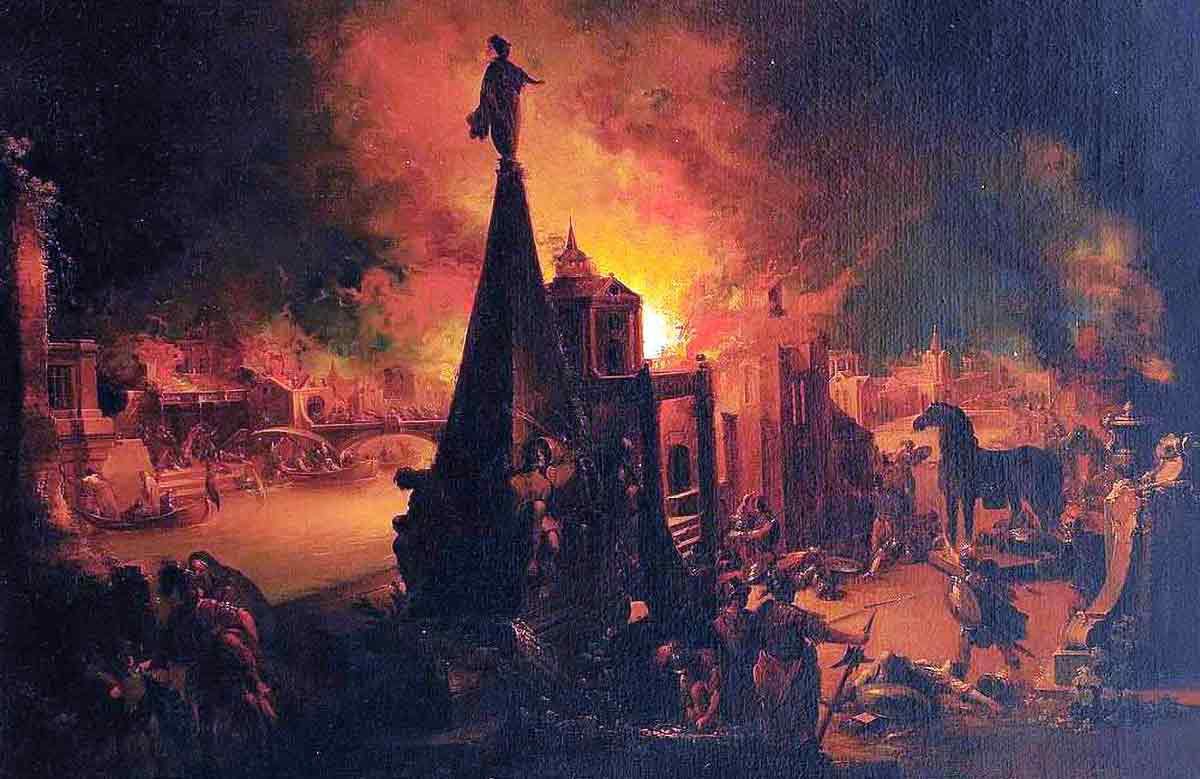
Therefore, while the Hittite records offer a fascinating glimpse into life in Anatolia in the Bronze Age, including conflict between Anatolian cities and Greek raiders, they can not be used to confirm that Homer’s story of the Trojan War was based on a real historical conflict. If anything, the silence of the Hittite sources on an epic ten-year-war that disrupted life in Anatolia suggests the opposite.
Comparative Analysis: Homeric Epic vs. Hittite Historical Records
| Historical Feature | Homeric Epic | Hittite Cuneiform Evidence |
| City Name | Ilios / Troia | Wilusa / Taruisa |
| Western Aggressors | Achaeans (Greeks) | Ahhiyawa |
| Trojan Royal Figure | Alexandros (Paris) | King Alaksandu of Wilusa |
| Nature of Conflict | Legendary ten-year siege over Helen | Geopolitical proxy wars and border raids |
| Primary Sources | Archaic Greek oral poetry (c. 8th century BC) | Imperial diplomatic letters (c. 13th century BC) |