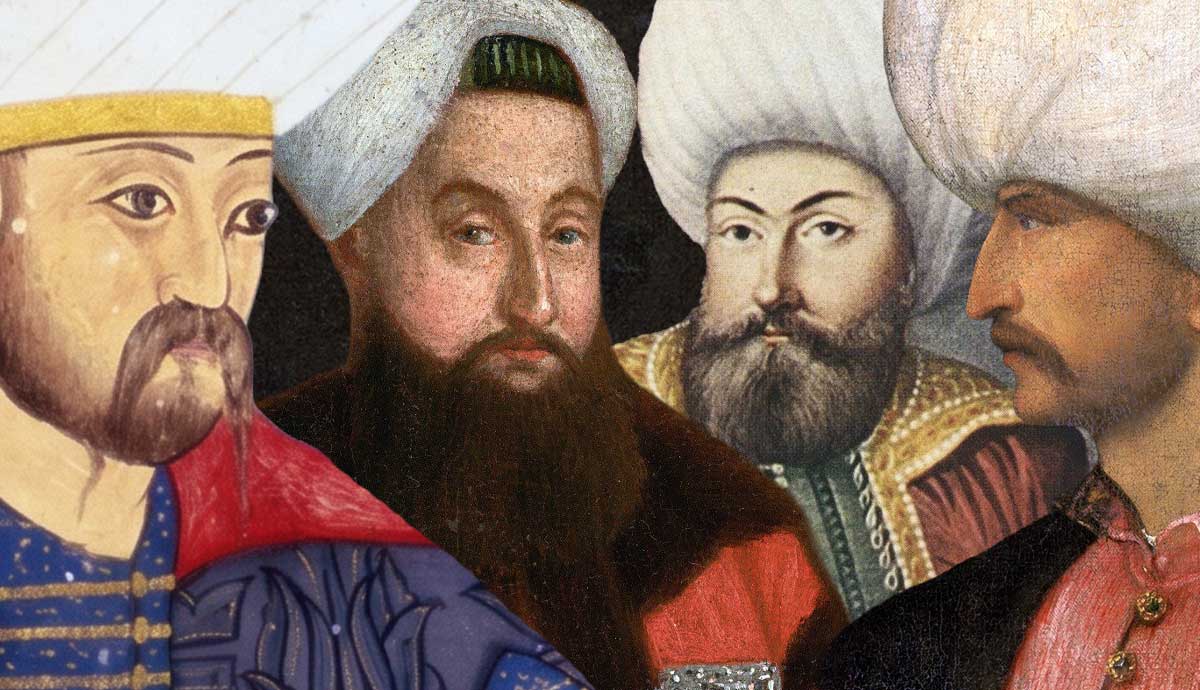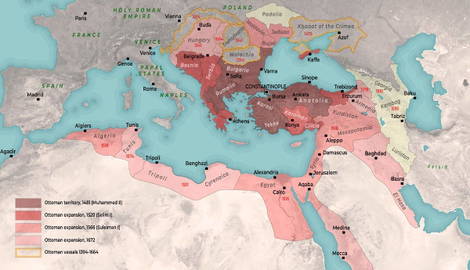

From the early 16th century until the end of World War I in 1918, much of the Middle East, including the modern-day nations of Syria, Iraq, Lebanon, Jordan, Israel, Palestine, and the Arabian Peninsula, was under Ottoman control. Ottoman legal practices, social norms, and hierarchies shaped these countries until European powers drew up their modern-day borders.
The Ottomans Enter the Middle East
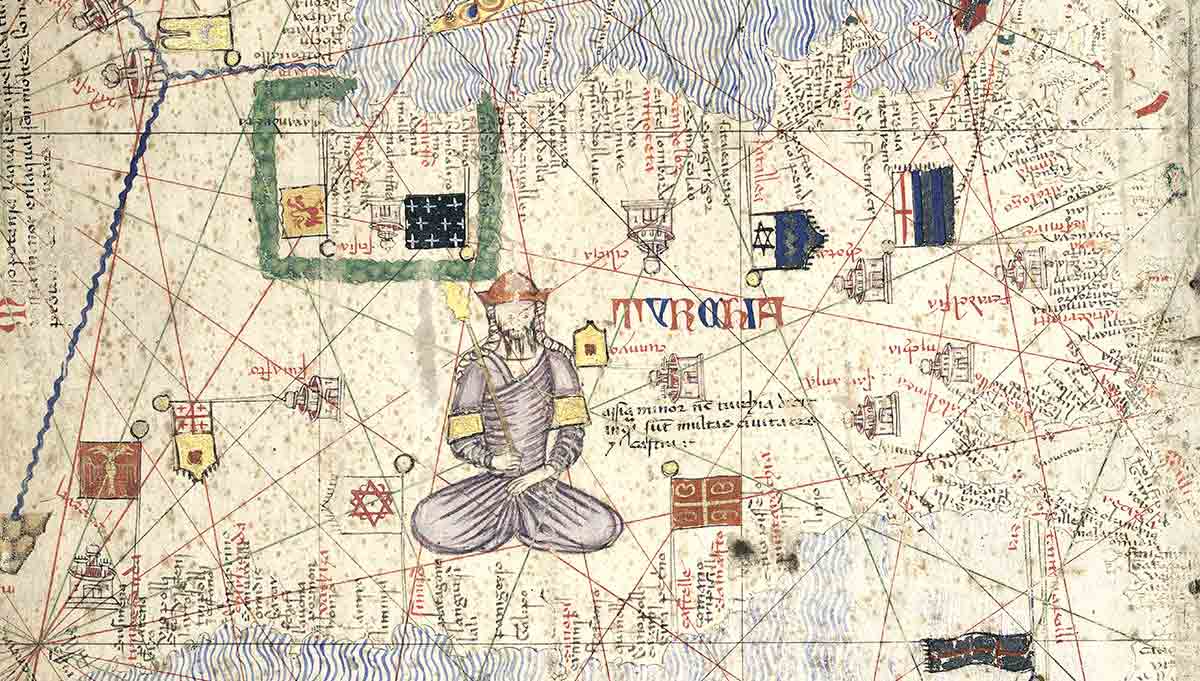
Beginning as a small tribal principality in 1299, the Ottoman Dynasty rose to become an imperial power, ruling over many Balkan and Asian states by the 1500s. Until then, they had mainly set their sights on European provinces and on weakening rival powers like the Byzantine Empire, which fell with the conquest of Constantinople in 1453.
With Istanbul as their base, the Ottomans could better centralize their empire and control key trade routes between Europe and Asia. However, they still faced an Eastern foe: the Mamluk Sultanate, based in Cairo.
In 1516-17, Sultan Selim I launched a fierce campaign to eradicate the Mamluk threat to the Ottomans’ legitimacy as the world’s most powerful Muslim rulers. In the Battle of Marj Dabiq (1516), near Aleppo, and the Battle of Ridaniya (1517), near Cairo, Selim’s forces destroyed the Mamluk army, effectively bringing Egypt, Syria, Palestine, and the Holy Islamic cities of Mecca and Medina under Ottoman rule.
The Ottoman victory was hugely significant, as it meant the Ottomans now controlled the Arab heartlands, fertile Egyptian soil, and Palestine, a “Holy Land” in Islamic, Christian, and Judaic belief. Thus, the Ottomans became “defenders” of not only Islam and Muslims, but of the other “People of the Book,” i.e., of the Abrahamic faiths.
Governing the Middle East
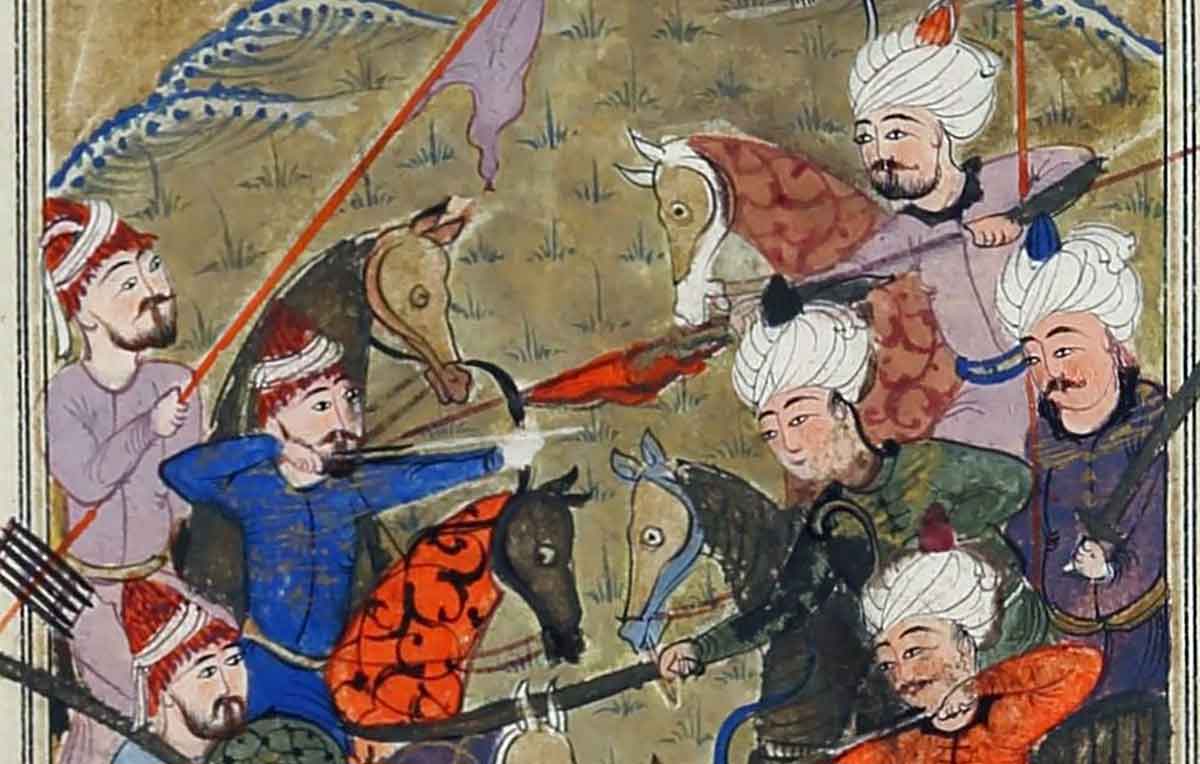
To govern their multi-ethnic, multi-religious empire, the Ottomans developed a flexible governance system: the millet system. The different ethnic and religious groups under Ottoman rule were allowed to manage their own affairs (to a certain extent). Greek and Armenian Christian communities, and Jewish communities, had individual courts and religious leaders who reported to the central government. Each community handled issues like education, marriage, and taxation.
Across major cities like Jerusalem and Beirut, people of different religious and ethnic identities could live in relative peace. However, sectarian and religious differences were not obsolete. Sectarian differences, especially those between Sunni and Shia Muslims, became prominent in places like Iraq and Iran, where Sultan Selim had launched fierce wars against the Shiite Safavids in 1514. Many of these sectarian rivalries remain today.
Until the 20th century, the Middle Eastern lands under Ottoman rule were largely divided into vilayets (provinces) and eyalets (administrative divisions) rather than nations with strict borders.
Iraq, for instance, was divided into three separate provinces: Mosul, Baghdad, and Basra. Their separation reflected the different ethnic and tribal groups inhabiting them, as local communities often played roles in provincial governance.
Trouble in Paradise
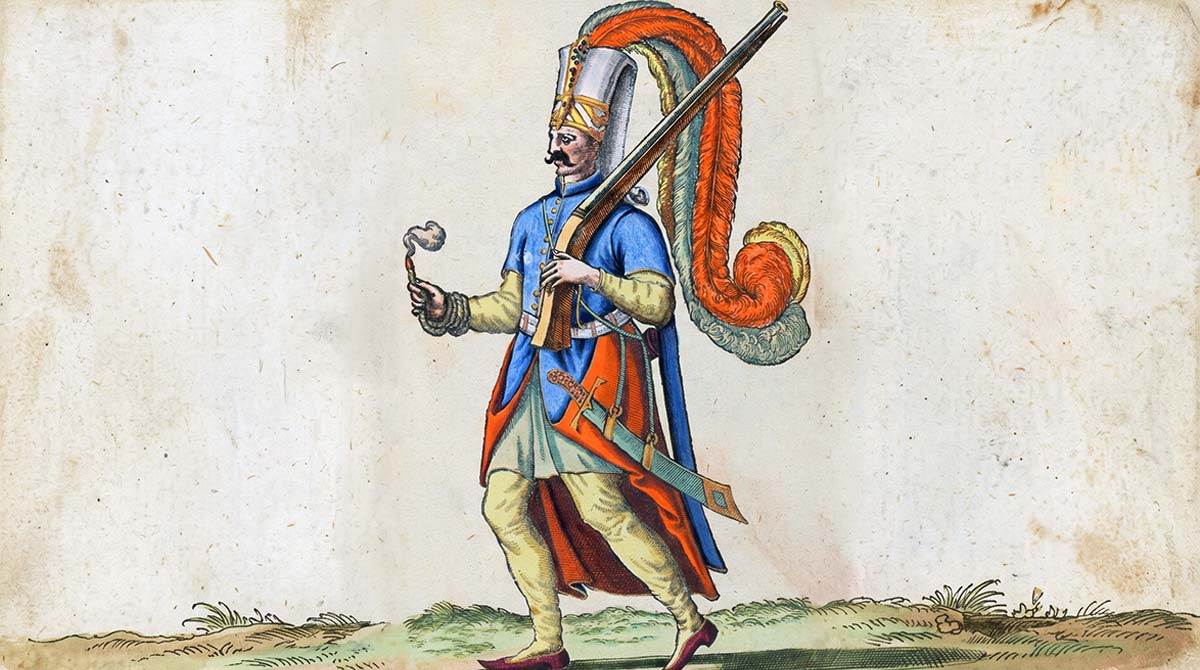
A turning point came in the 18th century, when successive military defeats and the failure to keep pace with technological and social advancements weakened the Ottoman state.
The weakness of the central authority led to the rise of the ayan, powerful notables and tax farmers. These governors, who challenged the sultan’s power in the faraway Middle Eastern lands, not only came from the elite class but also included local tribesmen and merchants who offered support to people of their choosing.
The weakened sultanate faced uprisings and revolutions in the following century. The Wahhabi uprisings in Central Arabia, for instance, were not only caused by an increase in taxation, but also by the idea that the Ottomans were not upholding a fundamentalist interpretation of Sharia law.
Peasant resistance to Ottoman taxation, the inability of the central government to control notables from exploiting the local populations, and the growth of nationalism in the 19th century were all major threats to the stability of the Ottoman Middle East.
The Reforms of the 19th Century
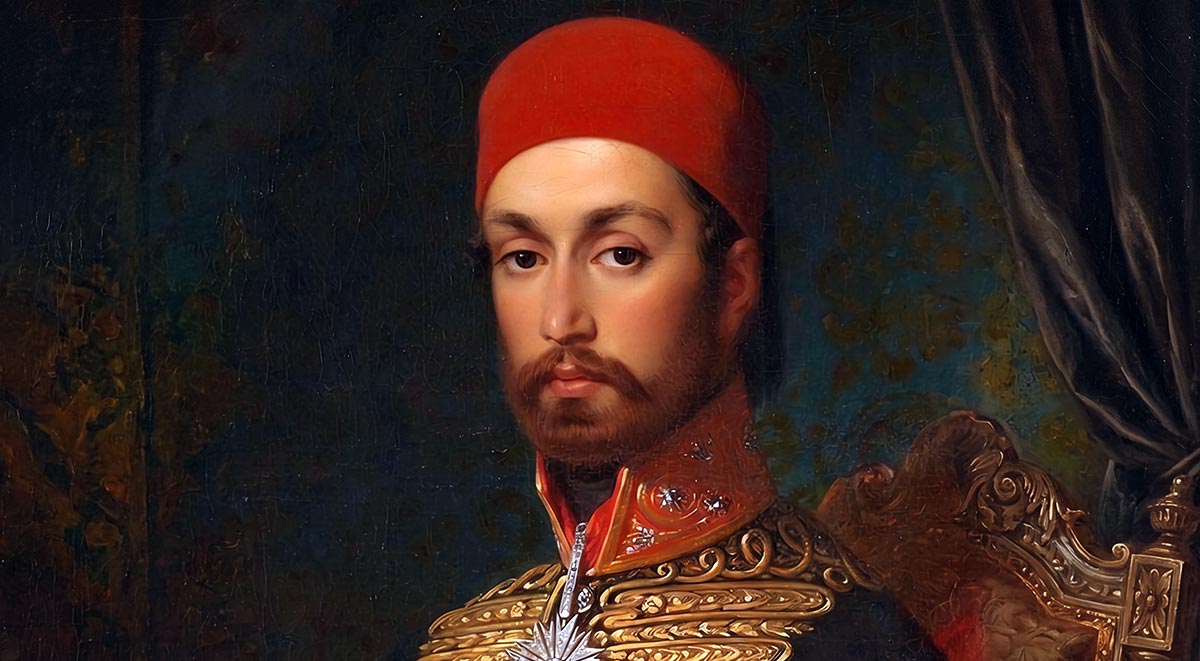
As part of a sustained effort to preserve their empire, the Ottomans launched a series of reforms, known as the Tanzimat, between 1839 and 1876. These aimed to introduce not only a modernized legal system, education, railways, and military technology, but also to create an “Ottoman citizen,” irrespective of ethnicity or religious belief.
The introduction of a modern schooling system, though it was enjoyed only by the elite classes, also trained new intellectuals, officers, administrators, and bureaucrats. It introduced educated Arab elites to modern ideas, such as nationalism, secularism, and constitutionalism. The boom in printing presses and newspapers encouraged discourse on national identity and independent rule.
During the second half of the century, the Nahda, or Arab Enlightenment, was a movement that spurred intellectual, artistic, and socio-cultural efforts across both the Middle East and North Africa.
Many of the Tanzimat’s changes, like the emergence of literary novels and creating a palatable Islamic framework for the adoption of European dress, were also proposed and implemented by this movement.
Colonialism and the Middle East
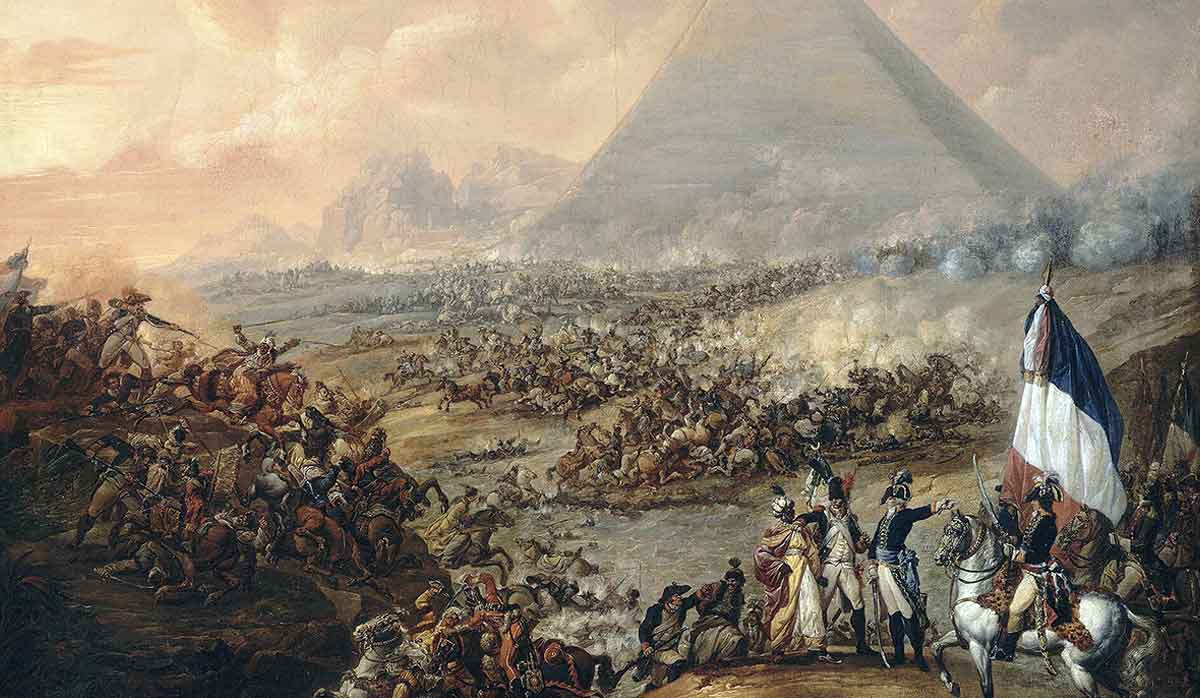
As Ottoman power weakened, industrialized European states (mainly Britain and France) began to dictate the route of Middle Eastern politics. Napoleon Bonaparte’s expansionist policies and rivalry with the British led to a French invasion of Egypt (1798) and Syria (1799, including the modern-day nations of Lebanon, Palestine and Israel).
The campaigns, which brought along significant discoveries, such as the Rosetta Stone, were also resisted by local populations and contributed to the rise of Muhammad Ali. In 1801, the Ottoman-Albanian military commander Muhammad Ali (1769-1849) was sent to Egypt to help expel the French. Four years later, during a power vacuum, he declared himself de facto ruler (vali) of Egypt.
Ali contributed to the development of the army and various industries, cementing his power and popularity among Egyptians. In 1867, his grandson, Ismail Pasha, was granted the official title of khedive (viceroy) by the Ottomans, bringing further independence to the territory still nominally under Turkish rule.
By 1876, the khedive’s modernization efforts and the building of the Suez Canal had caused bankruptcy. To protect their own economic and territorial interests, Britain suppressed the rebellion of nationalists under Egyptian officer Ahmed Urabi and officially occupied the country in 1882.
Promises of Independence
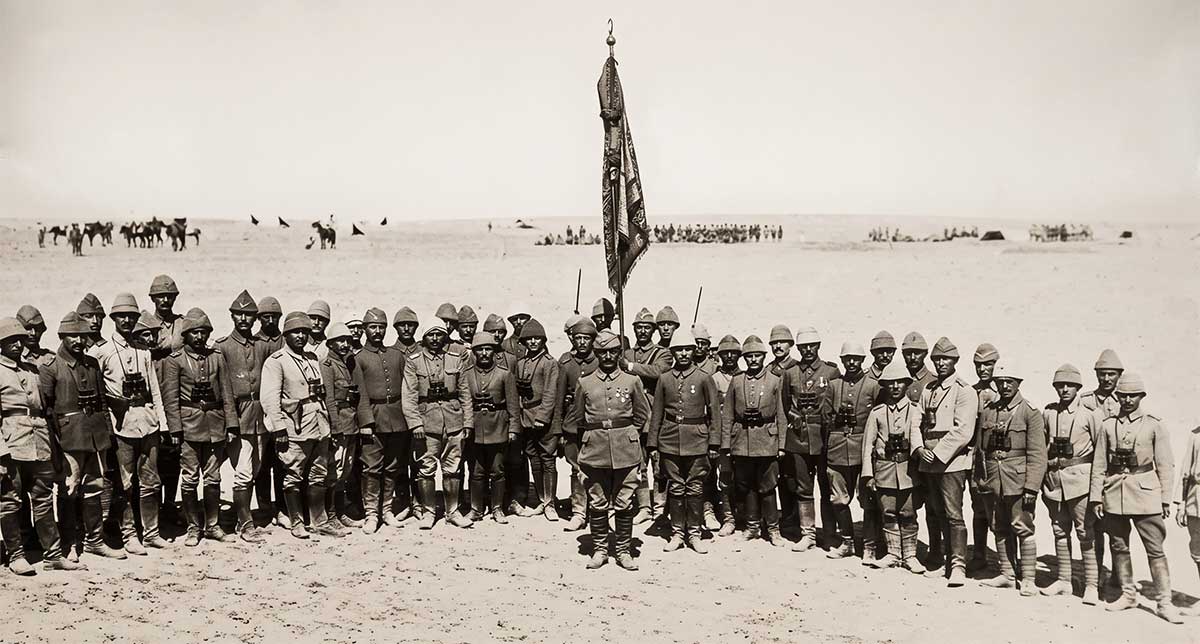
World War I shaped the fate of the modern Middle East. In 1914, the Ottoman Empire entered the war alongside Germany and Austria-Hungary. Ottoman leaders hoped that an alliance with Germany would protect the empire from Russia and Britain.
In addition to fighting a physical war, the Ottomans also contended with various independence movements; encouraged by British, French, and Russian promises to establish independent homelands, some Armenians and Assyrians fought alongside the Allied powers. From 1915, however, the Ottoman government carried out the systematic deportation and mass murder of Armenian and Assyrian civilians, now widely recognized as genocide, changing the demographics of Turkey and its bordering nations.
Promises of independent rule also extended to the Arab provinces. The McMahon-Hussein Agreement of 1915 promised recognition of an independent Arabia. As a result, Sharif Hussein of Mecca began a devastating Arab Revolt against the Ottomans (1916). He, along with many tribes, was strongly encouraged by the British, especially by T. E. Lawrence, later known as “Lawrence of Arabia.”
Unbeknownst to the Arabs, Britain and France had secretly signed the Sykes-Picot Agreement (1916). This agreement planned to divide the Ottomans’ Arab territories between the two nations. In addition to this, British Foreign Secretary Arthur Balfour also made a pledge of support for the creation of a Jewish homeland in the land of Palestine. Known as the Balfour Declaration, this would see the immigration of thousands of European Jews to the Middle East.
Aftermath of the War
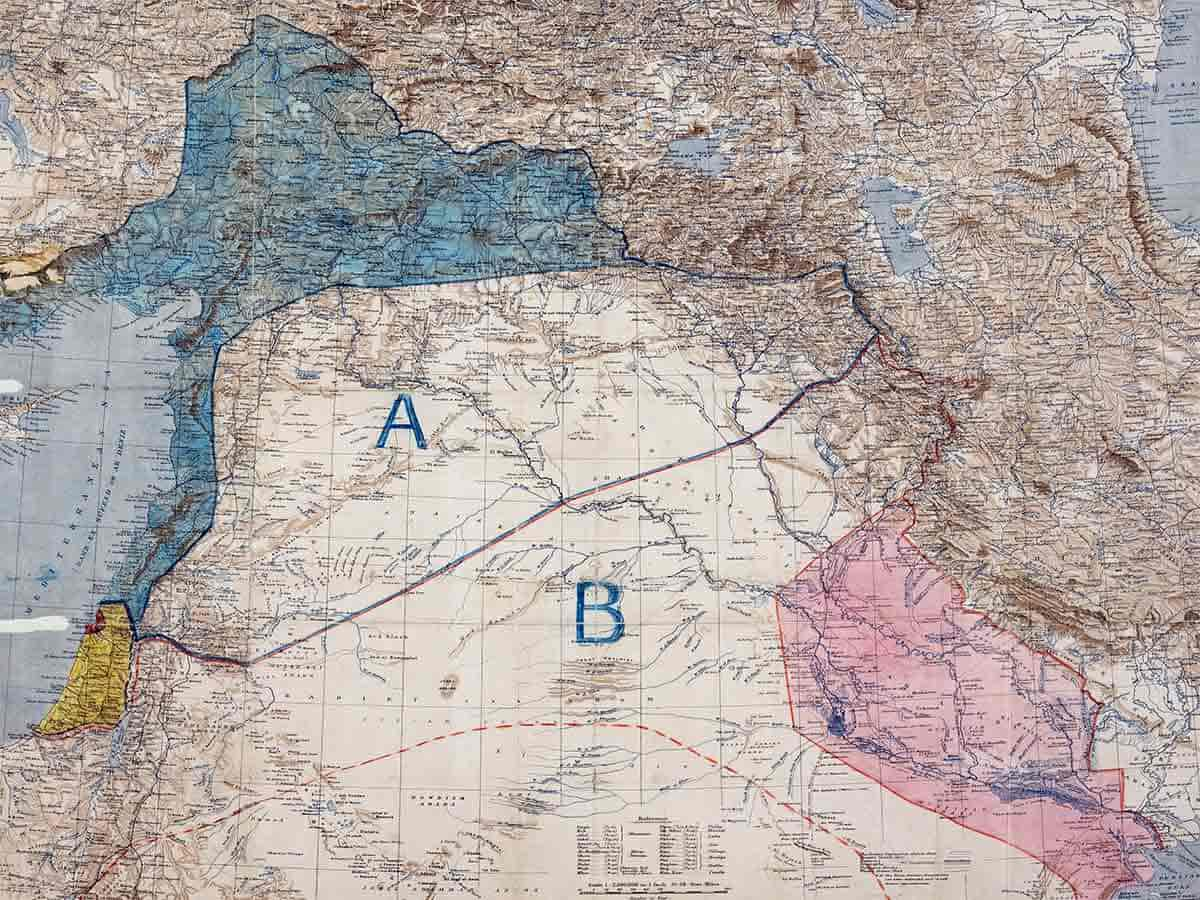
After the defeat of the Central Powers, the Ottoman Empire hung by a thread. Britain gained control of major administrative districts, including Iraq, Jordan (1918) and Palestine (1920); France was given a mandate over Syria (1923) and Lebanon (1918-20).
Borders drawn up by European nations, however, did not reflect ethnic or sectarian differences. For instance, Britain drew up the borders of modern Iraq by merging the three ethnically and religiously diverse provinces of Baghdad, Mosul and Basra, inhabited by Muslims (Sunni & Shia), Assyrians, Turkmen, and Kurds, among others. Over the past century, tensions between these groups have risen and contributed to political and civil conflict.
Under Ottoman rule, Lebanon, with a mixed population of Sunni and Shiite Muslims, Maronite Christians, and Druze people, saw rising conflict in the 19th century. France tried to create a political system based on ethnic and religious representation. This sectarian structure led to the Lebanese Civil War (1975–1990) and affects Lebanese politics to this day.
Palestine saw the most radical transformation of all the Ottoman territories. After 400 years of Ottoman rule, the territory saw massive immigration and settlement by Jewish people from around the world. Late Ottoman land reforms and British support laid the groundwork for a majority-Jewish state of Israel. In the past century, successive wars, military occupation, and displacement of local populations have led to the diminution of Palestinian territories and their incorporation into Israel, an issue that continues to divide worldwide opinion.
Further north, the Armenian National Council (Tiflis, May 28, 1918) declared its independence, establishing the modern state of Armenia. This, however, was short-lived, as Russia, initially a supporter of Armenian independence, occupied the nation and brought it under Soviet rule (1920).
The End of the Caliphate and the Rise of Modern Turkey
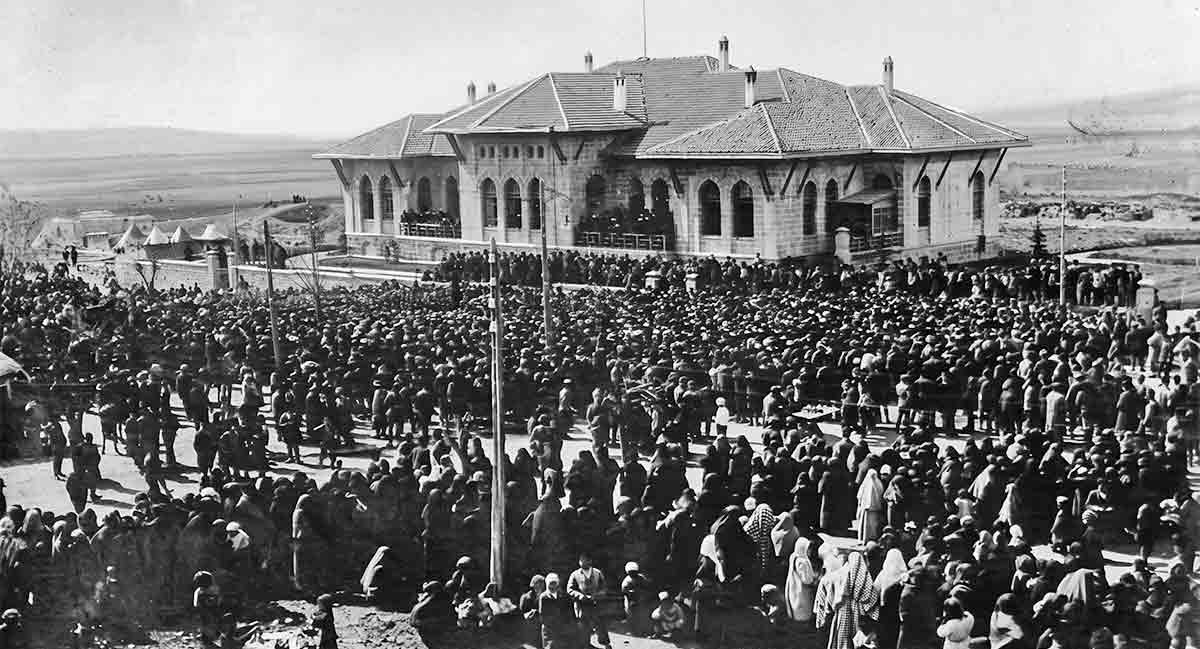
Turkey itself also changed drastically after the war. The Allied Occupation (1918) sparked an independence and nationalist movement, led by officer Mustafa Kemal, that ended in the dissolution of Ottoman dynastic rule and the establishment of the Republic of Turkey (1923).
One year later, the Caliphate was abolished. This system of governance, in theory a symbol of Islamic unity, had little power in a world of modern nation-states and nationalism. Its abolition spurred changes in how people thought about new forms of secular governance in the Middle East.
The Ottoman Empire is thus deeply embedded in the historical, socio-cultural, and political realities of the Modern Middle East. It shaped borders, and its collapse spurred both independence struggles and religio-political struggles that continue to bleed into our world today.