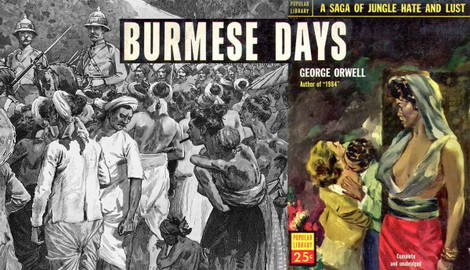

Years before he used his literary talents to take on totalitarianism, George Orwell initially set his sights on colonialism. From profound first-hand experience in Burma, his political views were shaped, and in his first novel, Burmese Days, he took on the ills of British colonial rule with its brutality and injustice.
How British Rule Devastated Burma Under the Guise of Progress
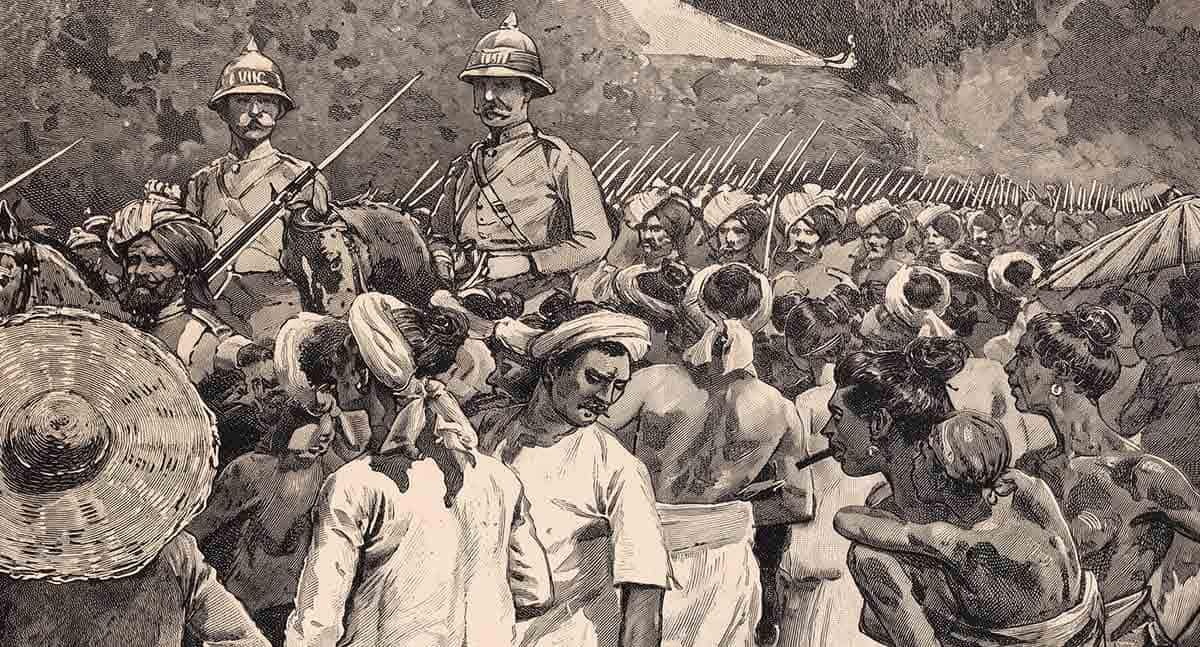
In 1885, a British army led by Sir Harry Prendergast captured Mandalay, the capital city of Burma’s Konbaung Dynasty. The capture marked the end of the Third Anglo-Burmese War, and the beginning of Burma’s time as a British Colony. By 1886, King Thibaw Min had been exiled, and the country was officially made a province of British India.
British colonialism had catastrophic effects on Burmese society. While colonialism claimed to uplift the natives, in reality it was a highly exploitative undertaking. Traditional Burmese governance was disregarded, and the native people were governed by laws that they had no say in creating. While Burmese rice made British merchants rich, the farmers who cultivated it remained impoverished because they were forced into exploitative labor.
When Indian laborers arrived to work on British agricultural projects, many Burmese farmers lost their farms. This led to destitute Burmese becoming bandits, making the countryside more dangerous than ever. The chaos caused by bandits and holdover rebels led the British army to pursue a scorched-earth policy—all rebels and bandits were to be vigorously pursued. Any village that had given them shelter was destroyed.
George Orwell’s Real-Life Crisis of Conscience in Burma
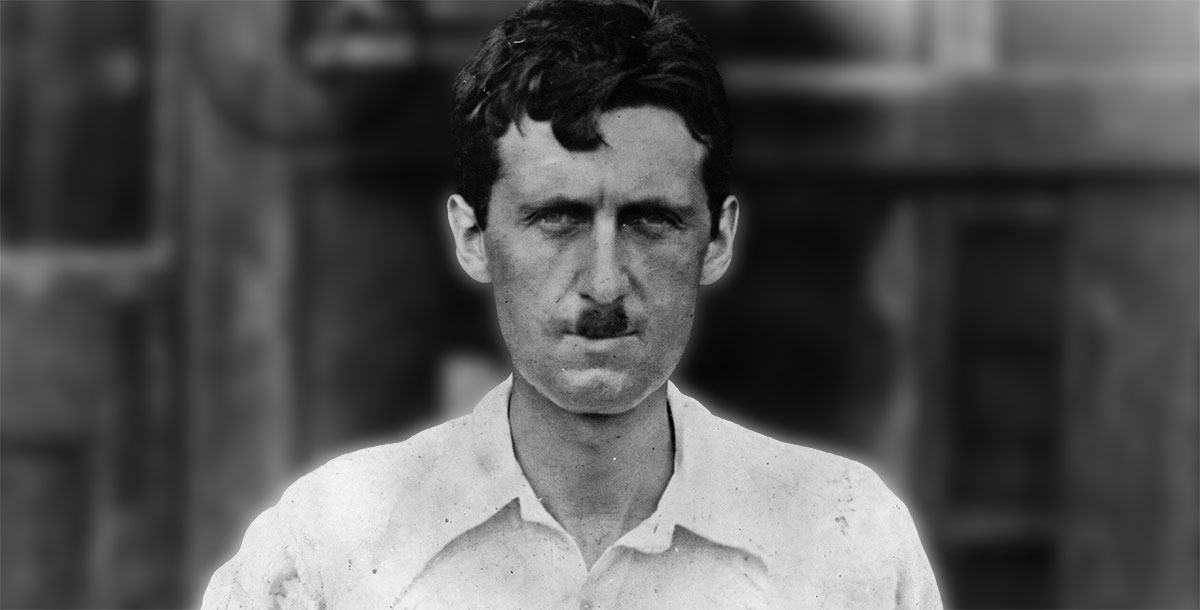
While Orwell would one day write the greatest dystopian epic in the English language, in 1922 he was still known as Eric Blair and had just joined the Indian Imperial Police
Upon taking an assignment in Burma, Orwell developed a negative opinion of the British Empire’s actions in the country. Many of his countrymen held racist beliefs against the Burmese. This greatly disturbed Orwell, who respected Burmese culture, and he even went on to learn the language.
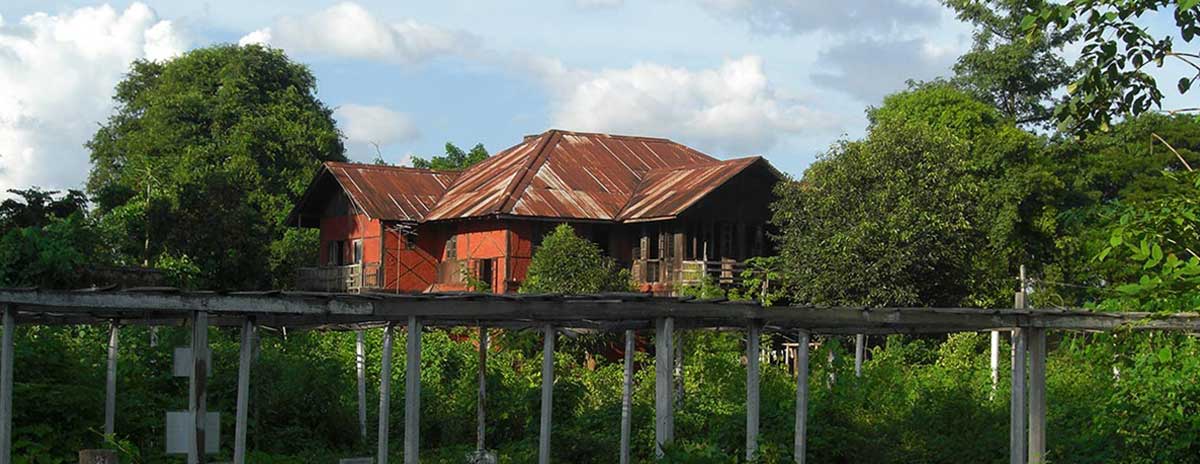
His relationship with the natives was no better. As an imperial policeman, he held life-and-death power over the Burmese, something that the anti-authoritarian Orwell despised. Furthermore, the natives held considerable contempt for Orwell despite his feelings. They viewed him simply as one of their oppressors, and he would often hear their insults when his back was turned.
The entire colonial system disgusted Orwell. In 1927, he resigned his commission and returned to England, where his thoughts on colonialism and exploitation circulated through his mind. This led to his debut novel, Burmese Days.
How Orwell Channeled His Colonial Guilt Into Burmese Days
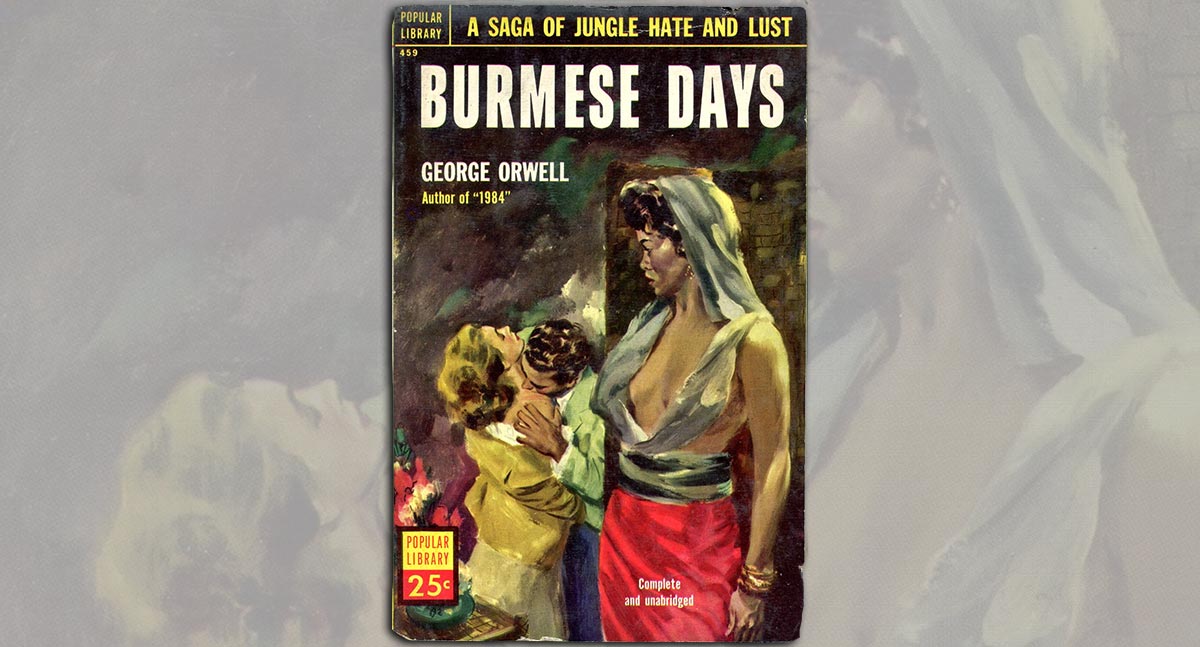
The main character of Burmese Days is John Flory, a British teak merchant in 1920s Burma and Orwell’s literary alter ego. Like Orwell, Flory speaks Burmese and has a great appreciation for Burmese culture. However, he is stuck living a miserable existence. His only contact with the Burmese is when he is ordering his servants around, as he is not brave enough to cross racial lines and consort with them as equals. The presence of the few Britons in the country is no consolation either, as they are extremely prejudiced against the natives, and spend most of their time wallowing in drunken misery at the local European club.
His only positive interactions are discussions with his friend, Dr. Veraswami, a naive doctor who believes that British colonialism is beneficial to the natives. Flory, in contrast, sees the racism and exploitation that is endemic to colonialism. Flory spends much time with his Burmese mistress, Ma Hla May. Because he gives her presents, she mistakenly considers herself to be Flory’s wife, a union that Flory can never entertain.
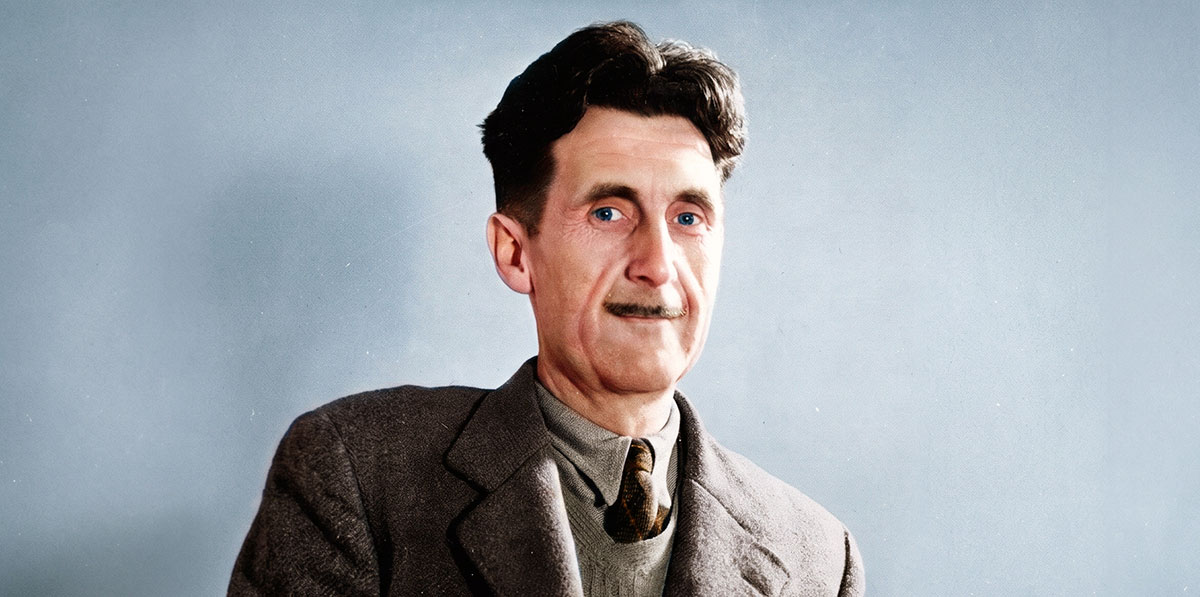
The main villain of the story is U Po Kyin, a corrupt Burmese official who is more than willing to destroy his enemies’ reputations in order to increase his own. As Flory’s European club comes under pressure to admit one native as a member, Dr. Veraswami emerges as the lead candidate. The jealous U Po Kyin desires the honor and sets out to destroy the doctor’s reputation. When Flory does not support his admittance, U Po Kyin sets his sights on the Englishman as well.
U Po Kyin achieves his goal at the end of the novel. After helping to put down an anti-British riot, Flory has impressed a European bride and is preparing to marry. This news devastates the discarded Ma Hla May. She is then approached by U Po Kyin, who instructs her to barge into an English church service and reveal in detail her affair with Flory.
Completely shunned by the European community after the incident, the despondent Englishman commits suicide. U Po Kyin is elected to the European Club and decorated, but he dies of apoplexy before he can build the pagodas meant to balance out his negative karma, leaving his wife to fear that he will return as a frog or a rat.
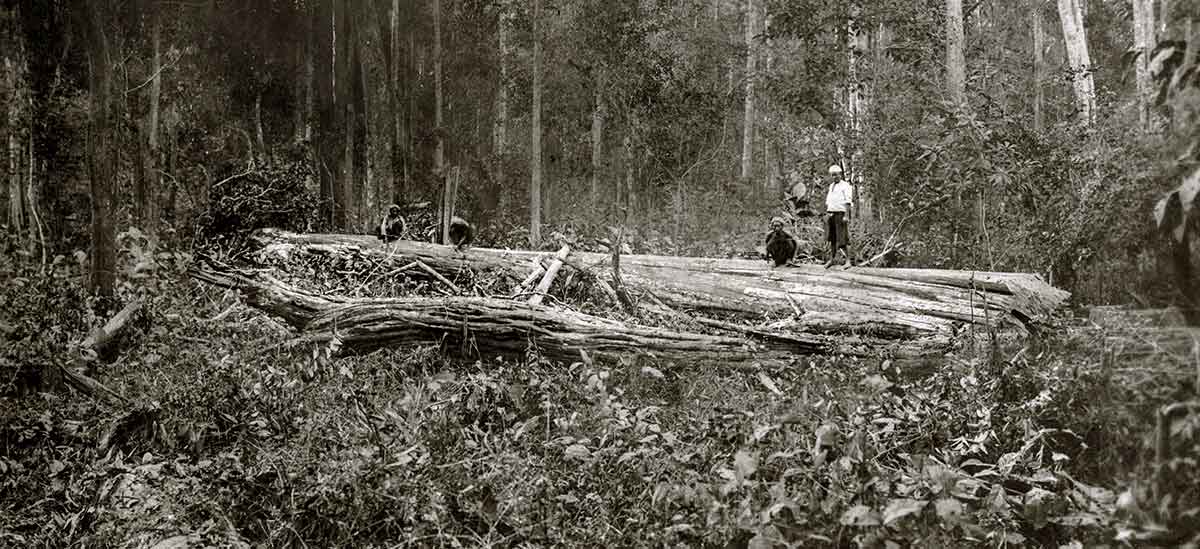
The novel’s dark ending aptly reflects Orwell’s views on colonialism. Exploitation and racism were tenets of the colonial project in Burma that left many scars on the nation. Not the least of these was the destruction of Burma’s forests, a crisis that continues to this day.