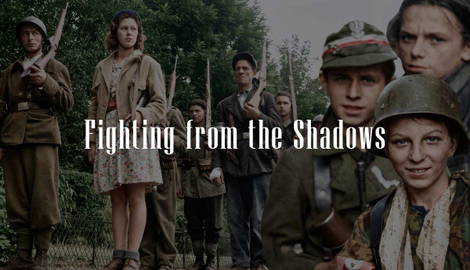

When Axis forces occupied much of Europe during World War II, they did not expect to face formidable enemies that could not be defeated simply by capturing the capital or destroying a conventional army. Resistance movements sprang up across the occupied territories, often called “the underground.” The most effective were the French Maquis, Polish Home Army, and Yugoslav Partisans. These resistance forces gathered intelligence, sabotaged railways, attacked supply lines, and carried out guerrilla operations. Although these groups often lacked the equipment and weaponry possessed by professional armies, their activities created serious headaches for the Axis occupiers.
Why Resistance Movements Emerged Across Occupied Europe
Germany’s rapid military advances during World War II brought most of continental Europe under Nazi occupation, or at least Nazi political dominance. It started with Poland in 1939, and then Denmark, Norway, Belgium, the Netherlands, Luxembourg and France fell the following year. In 1941, Germany attacked Yugoslavia, Greece and parts of the Soviet Union. In 1942, Germany was at its territorial peak.
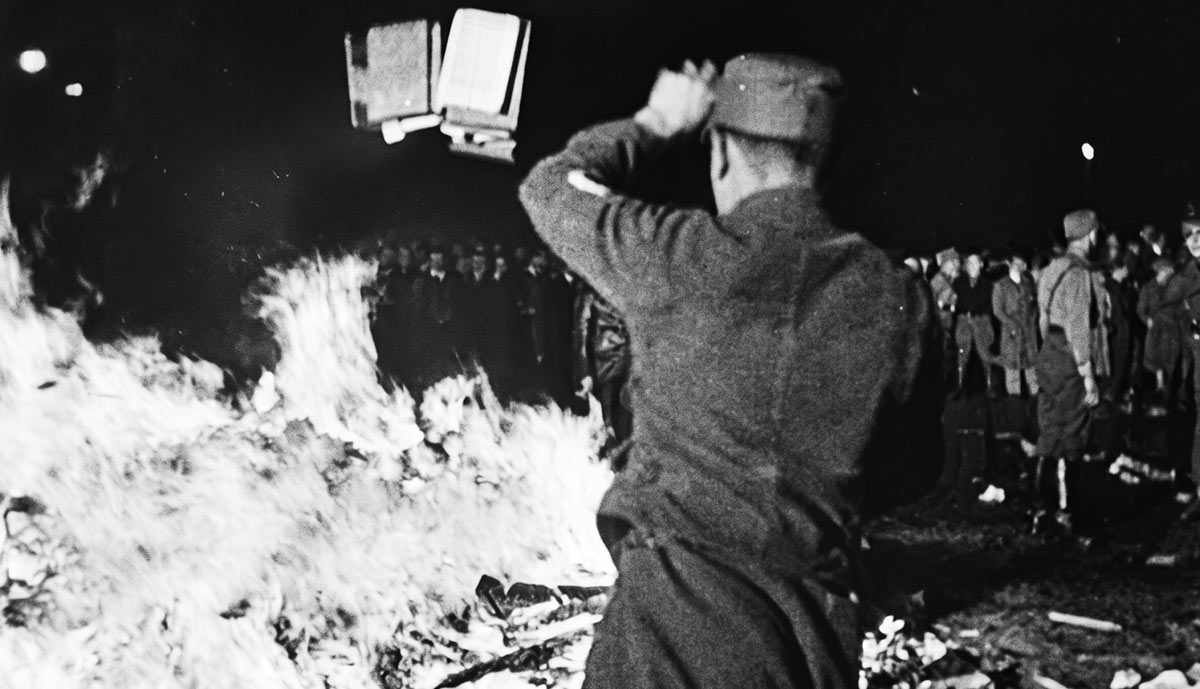
The occupation naturally created conditions that encouraged resistance and opposition. The occupiers tried to oppose this with censorship, arrests, requisitions, forced labor, and other methods. In Eastern Europe, such a regime was particularly cruel, and intellectuals, teachers, priests, and other groups that were a potential source of organized resistance were often targeted.
Resistance was difficult to suppress because it did not stem from a single political goal. Some sought to restore national independence after their countries had been conquered. Others opposed the occupation based on ideological convictions, including communism, socialism, nationalism, or opposition to fascism. Religious beliefs and personal experiences of repression also drove people toward resistance.
In the early years of the war, many resistance forces lacked resources, weapons, training, and communication systems. Consequently, resistance activities were initially often limited to publishing underground newspapers, disseminating propaganda, gathering intelligence, forging documents, helping people evade arrest, and maintaining secret communication networks. As the war progressed, some organizations gained better access to weapons, and the resistance became more dangerous.
Forms of Resistance Against the Axis
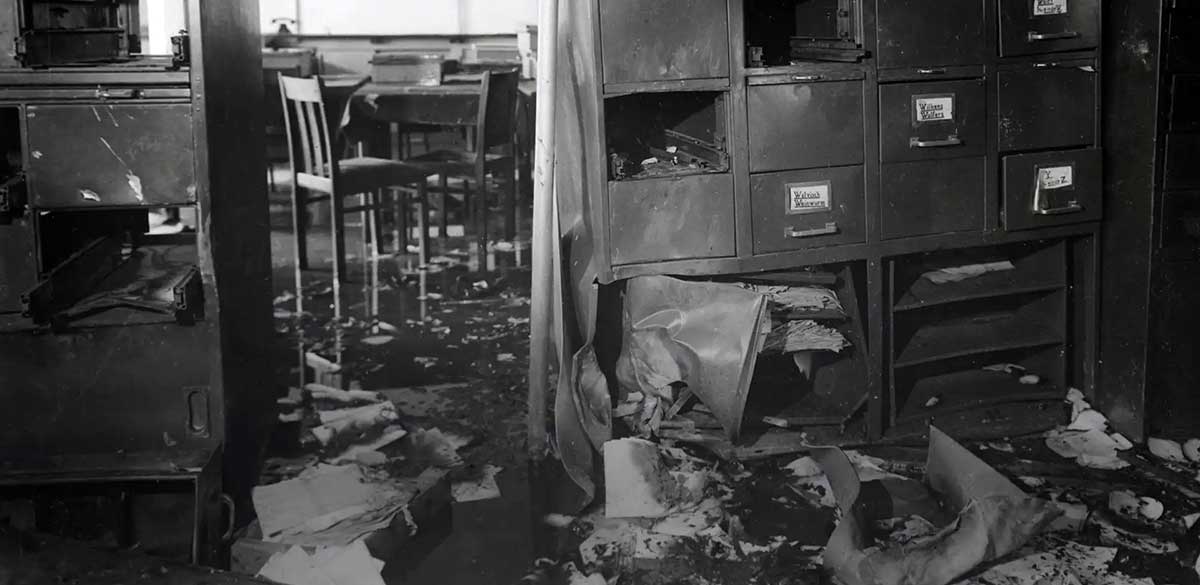
Armed resistance ranged from individual attacks and assassinations to organized guerrilla warfare. Frequent targets of attacks were German personnel, collaborators, police stations, military facilities, or traffic routes. Resistance groups could raid government offices to obtain food stamps, IDs, or other documents needed by people living illegally. For example, in the Netherlands, population registration offices were often attacked because the Nazis relied on their documents to identify Jews.
Larger forces knew how to conduct ambushes and raids. In Yugoslavia, the Partisans eventually developed into a large, organized fighting force that conducted sustained operations against German and Axis forces.
Sabotage was one of the most important forms of resistance. Railroads, bridges, telephone lines, energy infrastructure, and other facilities important for the German military occupation were sabotaged. Britain’s Special Operations Executive (SOE) supplied European saboteurs with weapons, explosives, and radios.
Another important form of resistance was intelligence gathering. Information about the movement of occupying troops, military installations, fortifications, and other activities was transmitted to the Allied intelligence services. This data proved extremely important before the invasion of Normandy as the French resistance networks had good information about German troop positions, coastal defenses, airfields, bridges, railways, and other military targets. Such information supplemented Allied reconnaissance.
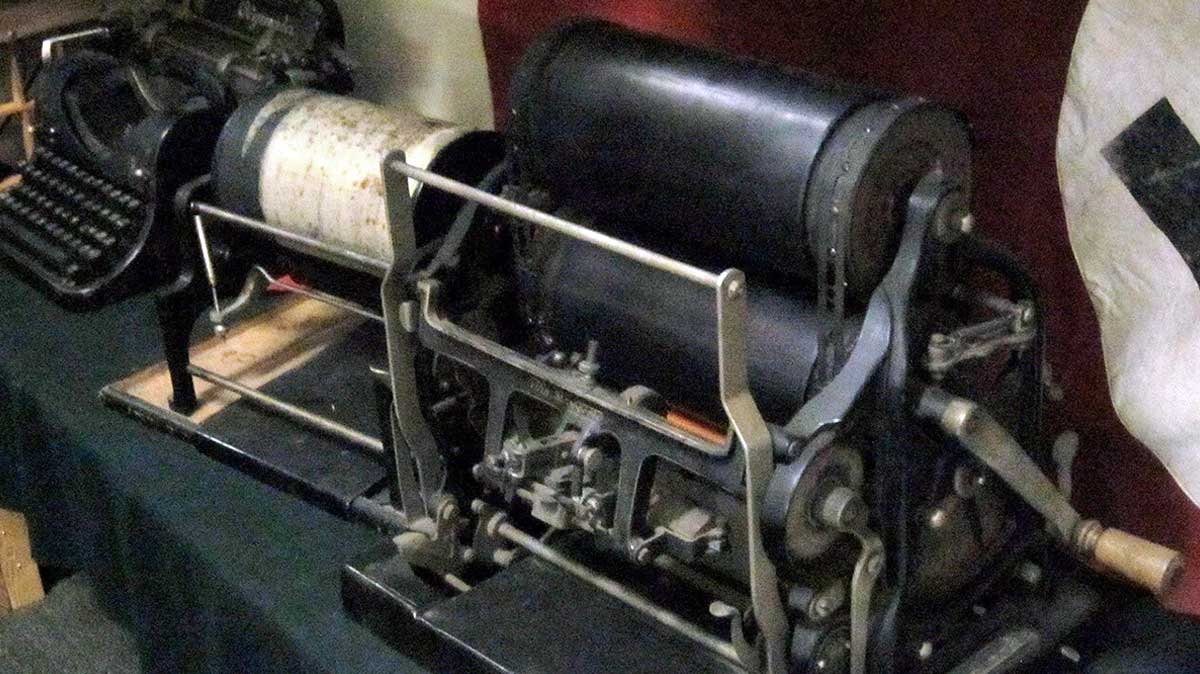
Underground publications in the form of secret newspapers and leaflets spread information that contradicted the media under German control. Publications such as “Combat,” “Libération,” and “Franc-Tireur” were particularly well known in France, and a similar volume of publications existed in Poland. Foreign radio broadcasts such as the BBC became an important source of information in the occupied parts.
Resistance was also provided in other ways, for example by helping people to avoid persecution by assisting Jews, political opponents, or escaped prisoners of war to hide. Escape routes to allied territories were set. This went hand in hand with the forgery of personal documents, ration documents, work permits, and others. From time to time, large strikes against the imposed government were also organized, like the February Strike in the Netherlands, which around 300,000 people joined. Usually, these strikes were suppressed violently.
The French Maquis Disrupted German Reinforcements to Normandy
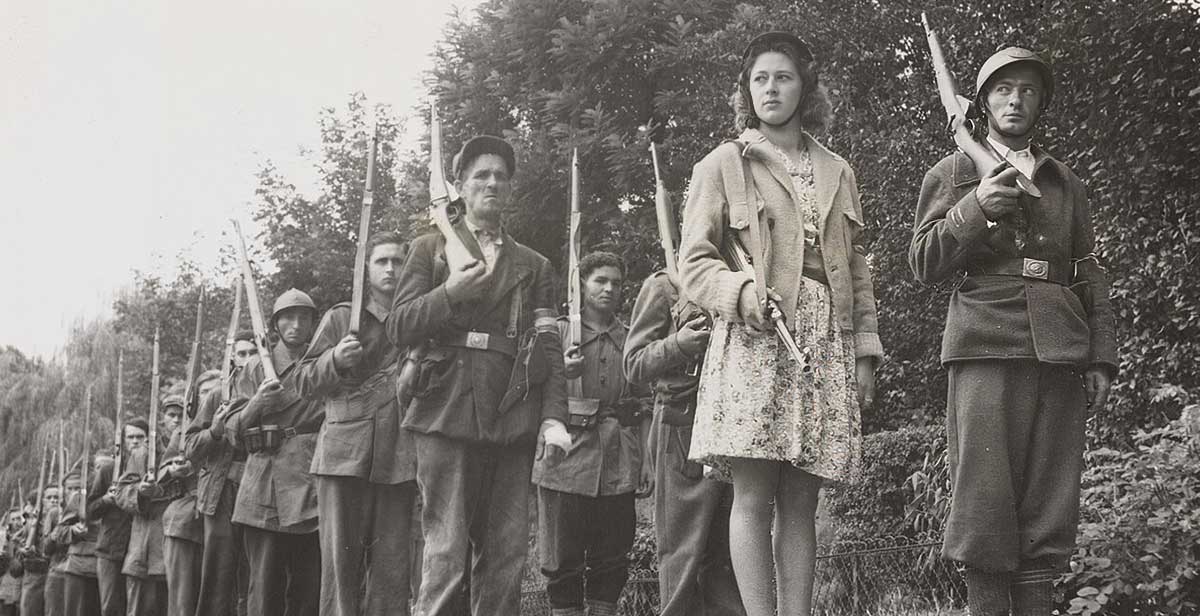
The Maquis were armed resistance groups that emerged from rural areas of France during World War II. The name originally referred to the scrubland and wooded terrain where many of these groups established camps. They consisted of numerous local groups operating without a unified command. By 1944, many of these groups had joined the French Forces of the Interior (FFI).
The movement expanded after Germany introduced a system of compulsory labor in 1943, requiring hundreds of thousands of young French people to go to Germany for work. Those who refused went into hiding in rural areas and joined resistance groups.
The groups relied heavily on the local population for food, clothing, information, and shelter. They obtained weapons and explosives through theft. Some groups later received support from British SOE and American OSS agents; the Allies dropped weapons, ammunition, radios, and other supplies to them by parachute.
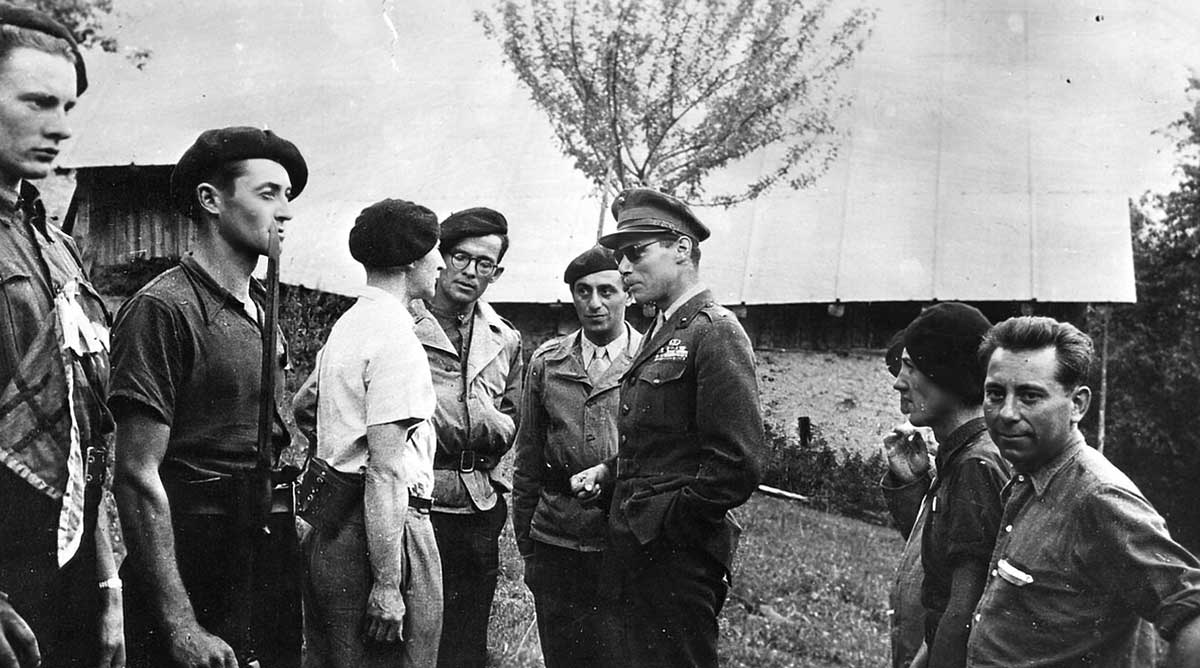
Initially, the Maquis employed guerrilla warfare tactics. They ambushed the enemy, attacked isolated installations, cut telephone lines, damaged railway infrastructure, and disrupted transport. The intensity of the attacks increased during D-Day.
The Maquis caused problems for German troops moving toward the Allied invasion front in Normandy. They managed to slow down the path of one of the strongest Nazi divisions, the 2nd SS Panzer Division Das Reich. The Germans responded with brutal attacks against civilians. They hanged 99 men at Tulle who they suspected of being members of the resistance movement, and the next day they killed 642 people in Oradour-sur-Glane, including women and children.
As German authority weakened, attacks became more open compared to earlier covert acts of sabotage. French resistance movements organized an uprising in Paris in August 1944, and the city was liberated that same month.
The Polish Home Army Built a Vast Underground Network
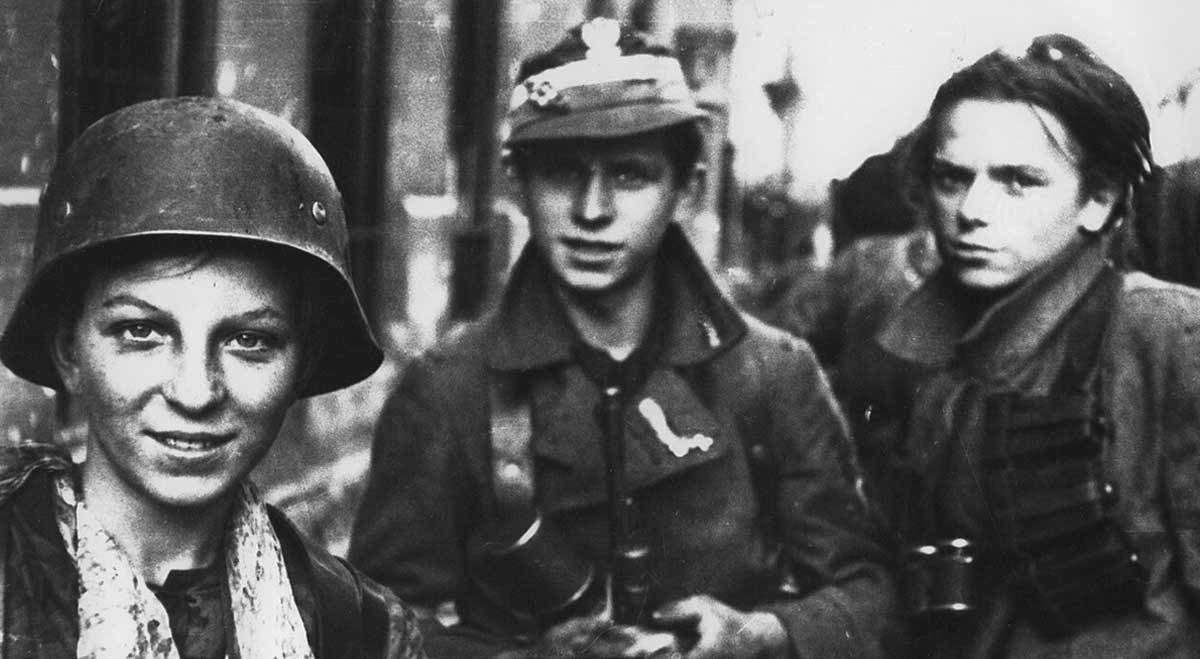
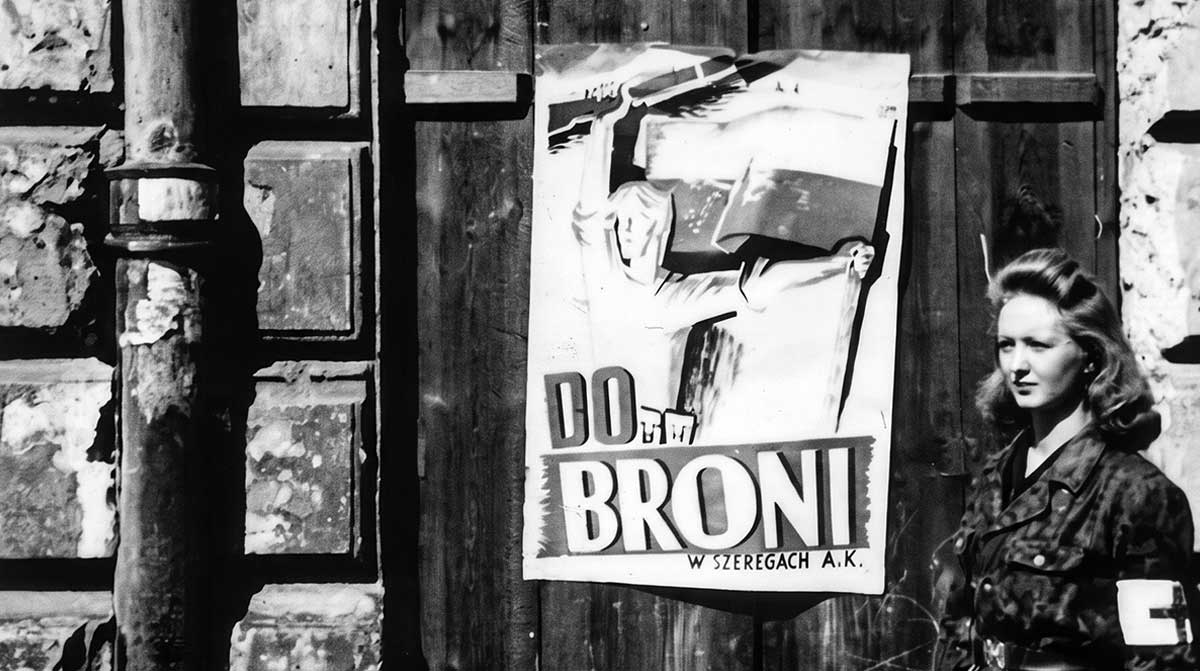
The Polish Home Army, abbreviated as AK (Armia Krajowa), was the main armed force of the Polish resistance during the German occupation. It was subordinate to the Polish government-in-exile in London. The organization of the AK was far more sophisticated than that of other partisan groups. It featured specialized departments responsible for intelligence, operations, logistics, communications, propaganda, and finance, as well as a civilian branch.
Many members led seemingly ordinary lives while actually having secret identities. That is how they transmitted messages, gathered information, stockpiled weapons, and waited for orders. By the summer of 1944, AK had over 380,000 members. The original goal was a large-scale national uprising, but while waiting for the ideal conditions to be created, smaller operations were conducted against the occupiers.
Kedyw, or the Diversion Directorate, carried out attacks on German transport and communication links, carried out sabotage, freed prisoners, and attacked German officials and collaborators. One of the most important actions was the assassination of the high-ranking SS commander Franz Kutschera, who was nicknamed the Butcher of Warsaw.
Polish secret intelligence was particularly important in uncovering German development of the V-1 and V-2 weapons, secret superweapons of retaliation. Information gathered about the German test facility at Peenemünde contributed to the Allied decision to bomb the site in August 1943, while intelligence later identified the V-2 test area at Blizna.
The Red Army was pushing the German army to the west. As it approached Poland, the conditions for the most important operation of the Armia Krajowa were created. Operation Tempest was launched. The goal was to attack the retreating German forces and take control of Polish cities before the Soviets arrived. In some places, the Soviets and Poles cooperated, but both fought for control.
When the Home Army launched the Warsaw Uprising on August 1, 1944, about 50,000 fighters took part. However, they were poorly equipped compared to the German soldiers, so the uprising failed. After that, the Germans destroyed large parts of Warsaw and expelled a large number of inhabitants.
The Polish Home Army was disbanded in 1945, when the Red Army continued its advance. Soviet forces and the Soviet-sponsored Polish communist government took control of the country, while members of the former resistance movement faced arrest and persecution.
The Yugoslav Partisans Waged a Full-Scale Guerrilla War
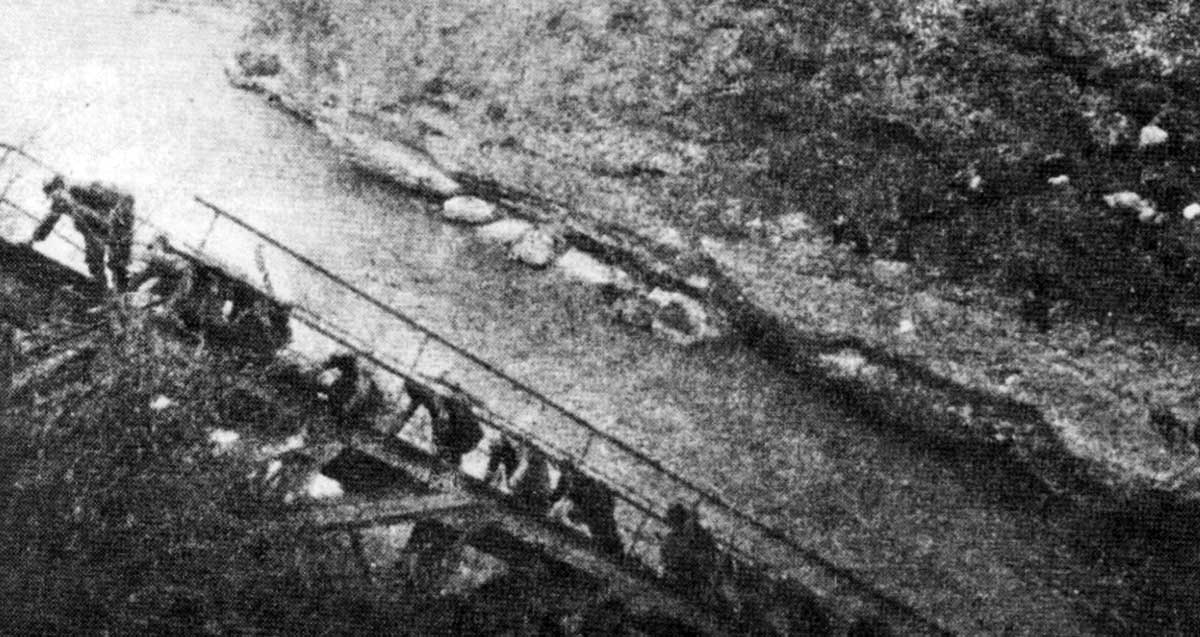
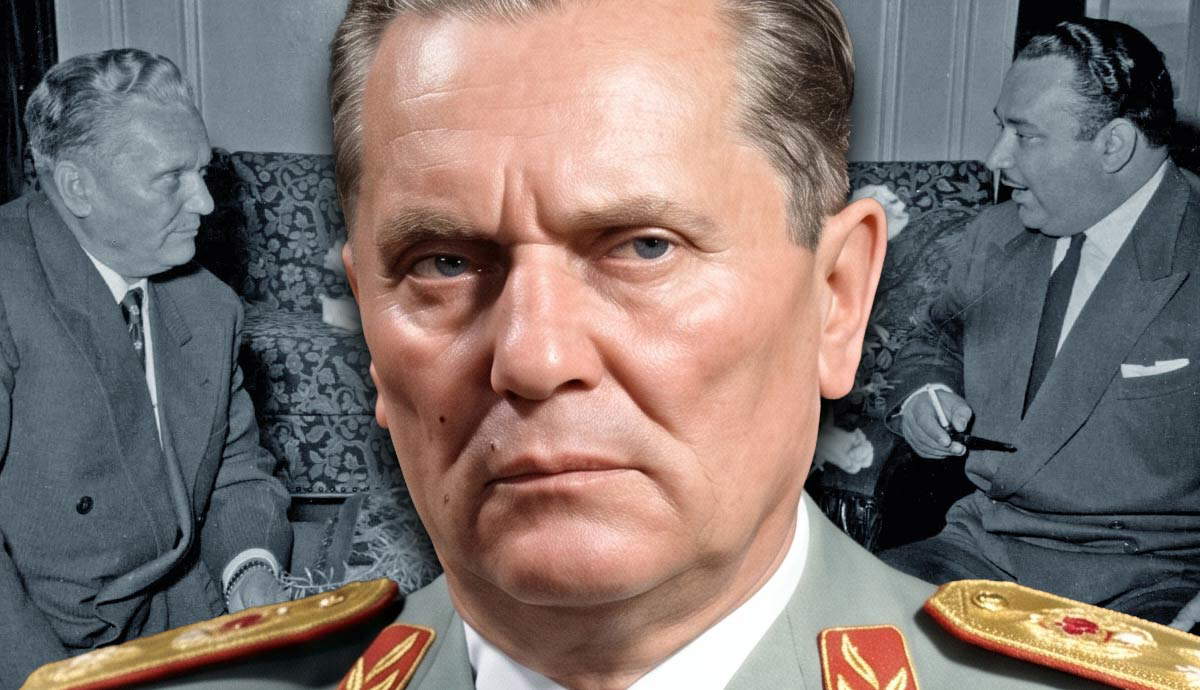
Led by Josip Broz Tito, the Partisans were Europe’s most effective anti-Axis resistance movement during World War II. Unlike other groups, Yugoslav partisans most often fought in large-scale military operations. After conquering Yugoslavia, the Axis powers divided the country into parts controlled by Germany, Italy, Hungary, and Bulgaria. Germany and Italy established and supported the Independent State of Croatia, which was ruled by the fascist Ustaše movement.
At that time, the Partisans also fought against another resistance group, namely the Chetniks. It was a Serbian nationalist movement led by Draža Mihailović. The Chetniks increasingly avoided conflicts with the Axis powers and even occasionally cooperated against the Partisans.
Despite everything, the Partisans held their ground and increased their numbers. One of the major clashes was the Battle of the Neretva in 1943. German, Italian, Ustaša, and Chetnik forces attempted to encircle and destroy the main body of the Partisan forces. Nevertheless, the Partisans broke through the enemy encirclement and managed to save thousands of wounded soldiers.
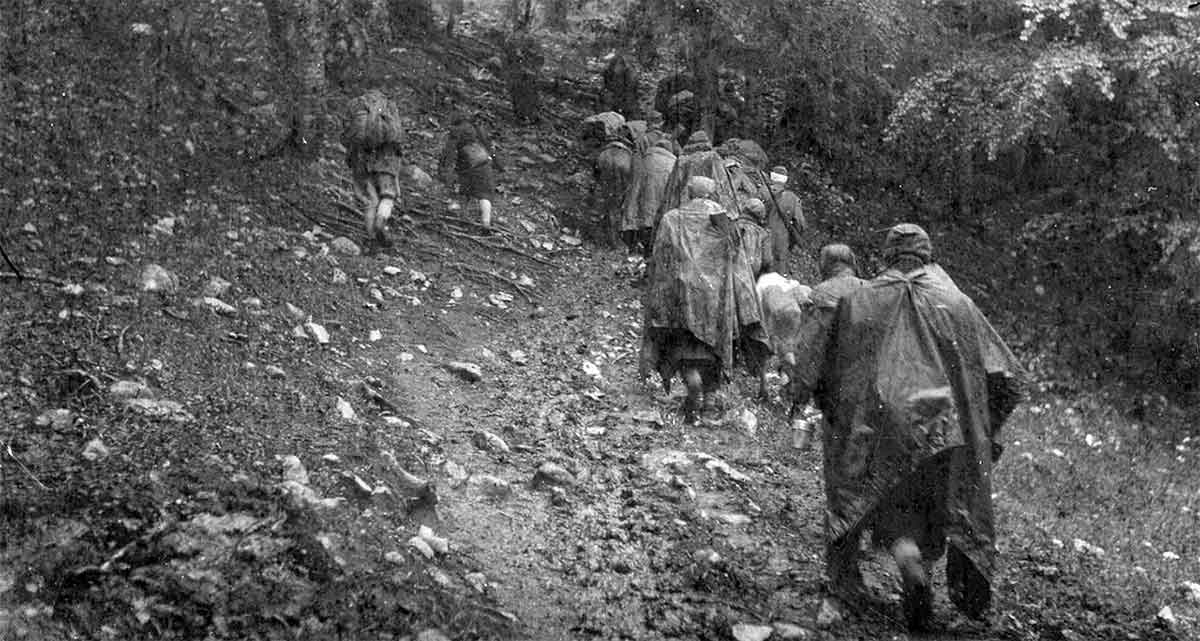
Just a few months later, the Germans launched another major offensive in the Battle of Sutjeska. The plan was the same, and the partisans broke through the ring again, this time with heavy losses.
In this period, the Partisans received increasing help from the Western allies, especially in the form of ammunition and medical supplies. After the capitulation of Italy in September 1943, they also confiscated large quantities of Italian weapons and equipment. In the summer of the following year, the Balkan Air Force was founded by the RAF in order to better coordinate air support and supply drops. The Partisans were increasingly becoming a regular army.
Unlike the French Maquis or the Polish Home Army, the Yugoslav Partisans emerged from the war as a victorious military and political force. Tito’s communist movement took power in Yugoslavia and established a new socialist government.
Other Resistance Movements Across Occupied Europe
Soviet partisan units operated primarily in Belarus, Ukraine, and Western Russia after the German invasion. They were mainly composed of soldiers separated from the Red Army, local members of the Communist Party, security personnel, and civilians. Over time, their efforts were increasingly coordinated with the Red Army.
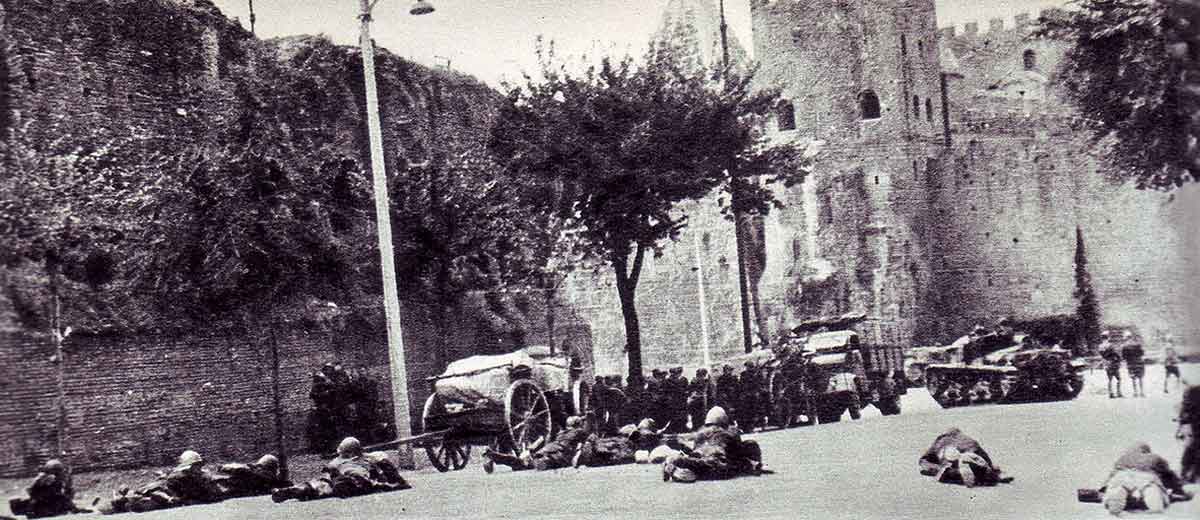
Italy developed a strong armed resistance movement after the fall of Mussolini’s regime in 1943. The Germans began the occupation of Italy and placed Mussolini at the head of the newly formed Italian Social Republic. Thousands of soldiers and other opponents of the occupation organized themselves into resistance movements, including the communist Garibaldi Brigade, Justice and Freedom formations associated with the Action Party, autonomous units, and other groups. Resistance became increasingly important in 1944 and 1945 as the Allied armies advanced north through Italy.
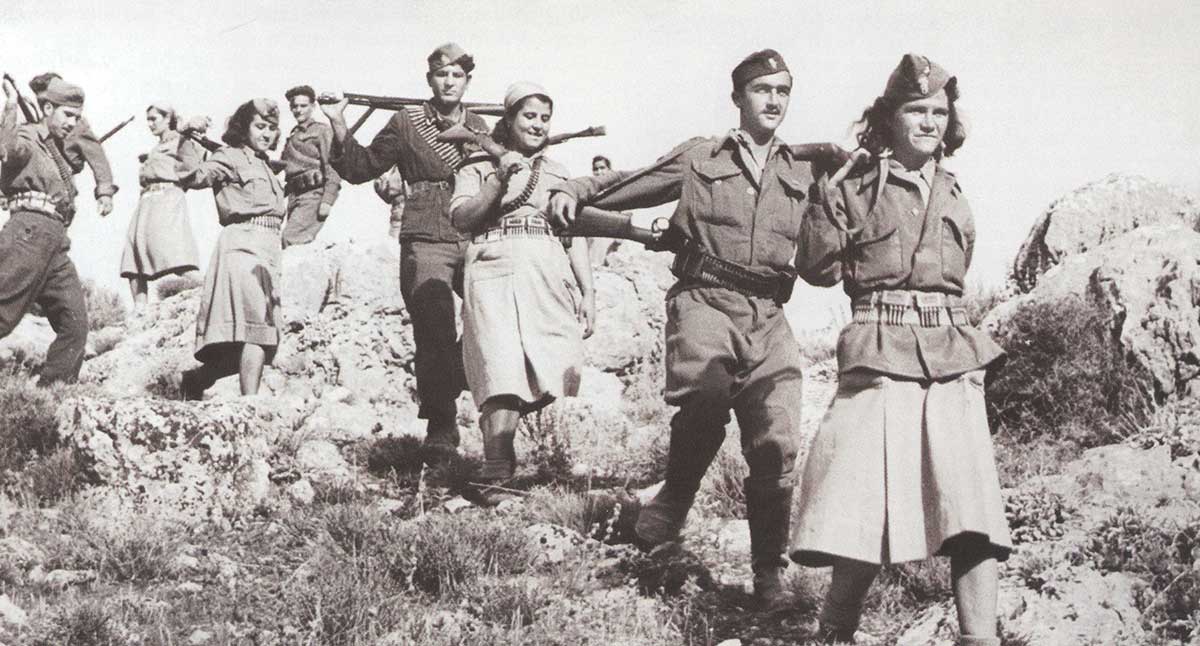
The occupation of Greece also led to the creation of several resistance groups. The largest was the National Liberation Front, or EAM, whose military arm was the Greek National Liberation Army, ELAS. Another important organization was EDES, the National Republican Greek League, which was politically opposed to the communist EAM. One of the most significant sabotage operations was the destruction of the Gorgopotamos railway viaduct in 1942 in cooperation with British units. Resistance activities grew after that until Germany finally ordered the evacuation of mainland Greece in October 1944.
In this way, resistance movements in occupied Europe constituted an additional layer of warfare behind the main battlefronts. They did not replace conventional Allied armies, and their importance varied significantly from country to country. However, their collective impact made the Axis occupation costlier and more difficult.