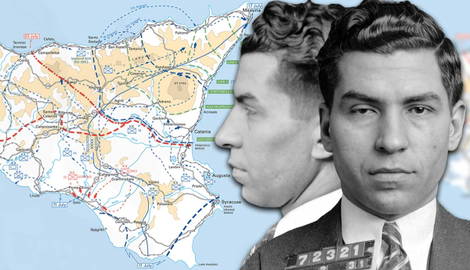

Before Allied boots ever touched the beaches of Sicily during World War II, unlikely allies began planning together in New York. The United States needed help gaining every advantage possible to break through Axis positions in the Mediterranean, and its primary target was Sicily, a heavily fortified gateway to mainland Italy. To secure a successful landing, American naval intelligence turned to an unexpected resource: the American Mafia. What ensued was a partnership forged in the deep, tumultuous world of espionage that also influenced post-war Sicilian politics.
How Mussolini’s Brutal Crackdown Forced the Mafia to Flee to America
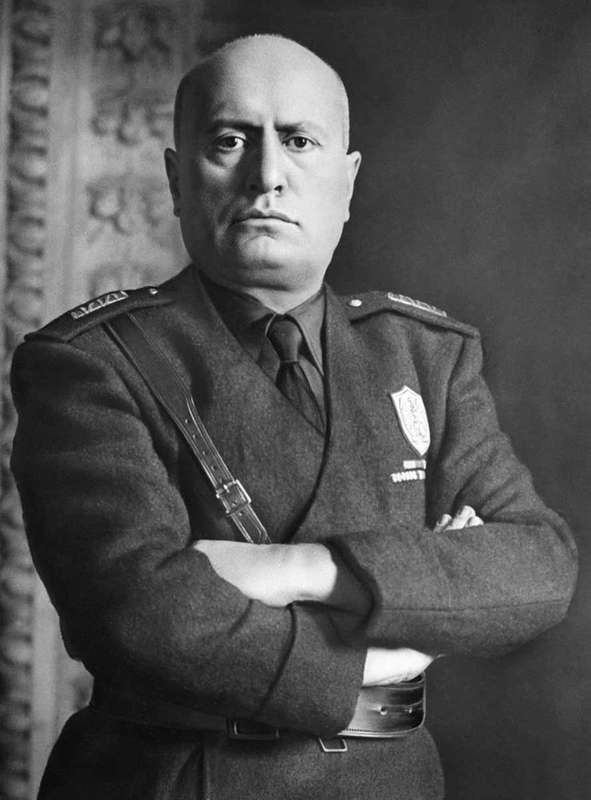
After rising to power in Italy, dictator Benito Mussolini recognized the conventional Sicilian Mafia as a direct challenge to totalitarian rule. To tackle the syndicate, Mussolini chose a zealous official, Cesare Mori, widely referred to as the Iron Prefect. Mori went about his work with an iron fist and imprisoned thousands of suspected mafiosi. Some of their families were also subjected to harsh measures, and their properties were seized in a ruthless effort to stamp out organized crime. Many of these mafiosi, desperate to save their lives, fled to America and rose to prominence there. They harbored deep resentment for Mussolini.
How Sabotage Fears Led the US Navy to Partner With Lucky Luciano
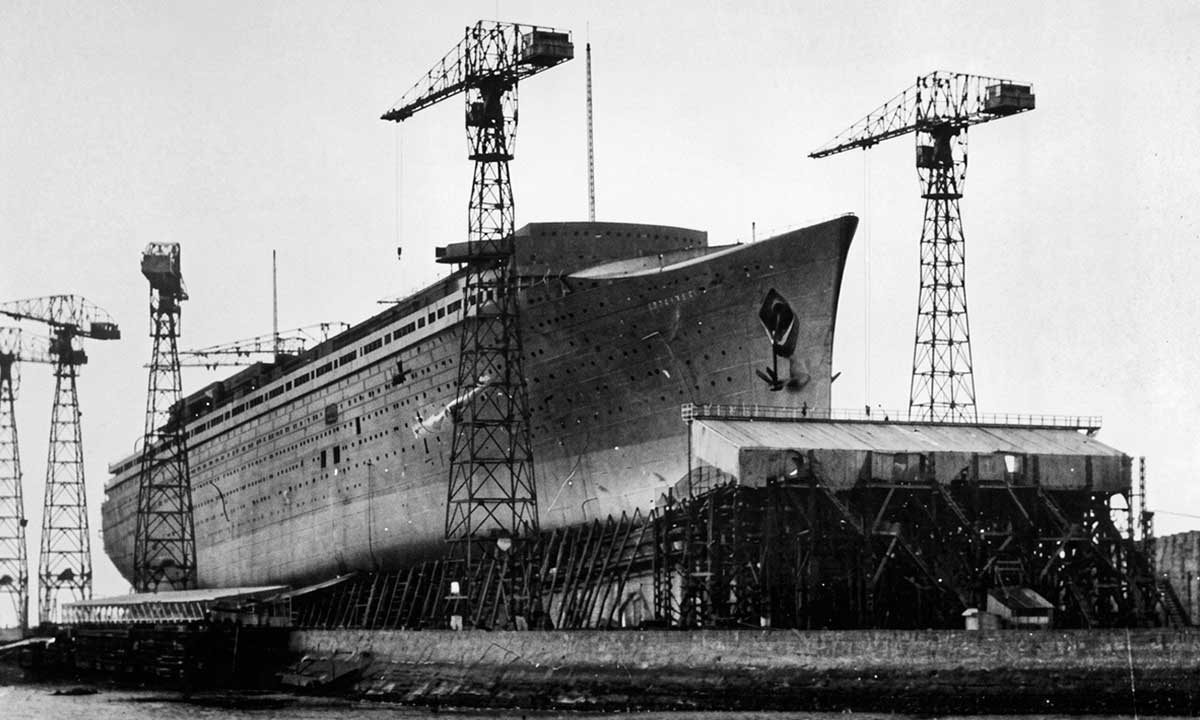
By December 1941, when America entered World War II following the attack on Pearl Harbor, concerns regarding Axis sabotage and espionage had begun to rise. This was especially true after February 9, 1942, when the USS Lafayette, a luxury ocean liner formerly known as the SS Normandie, caught fire and capsized in New York Harbor while being converted into a troop transport vessel. Although later investigations found the fire accidental, fears of Axis sabotage prompted US naval intelligence to secure the docks by ensuring labor peace. To accomplish this, they turned to imprisoned Italian crime lord Charles “Lucky” Luciano.
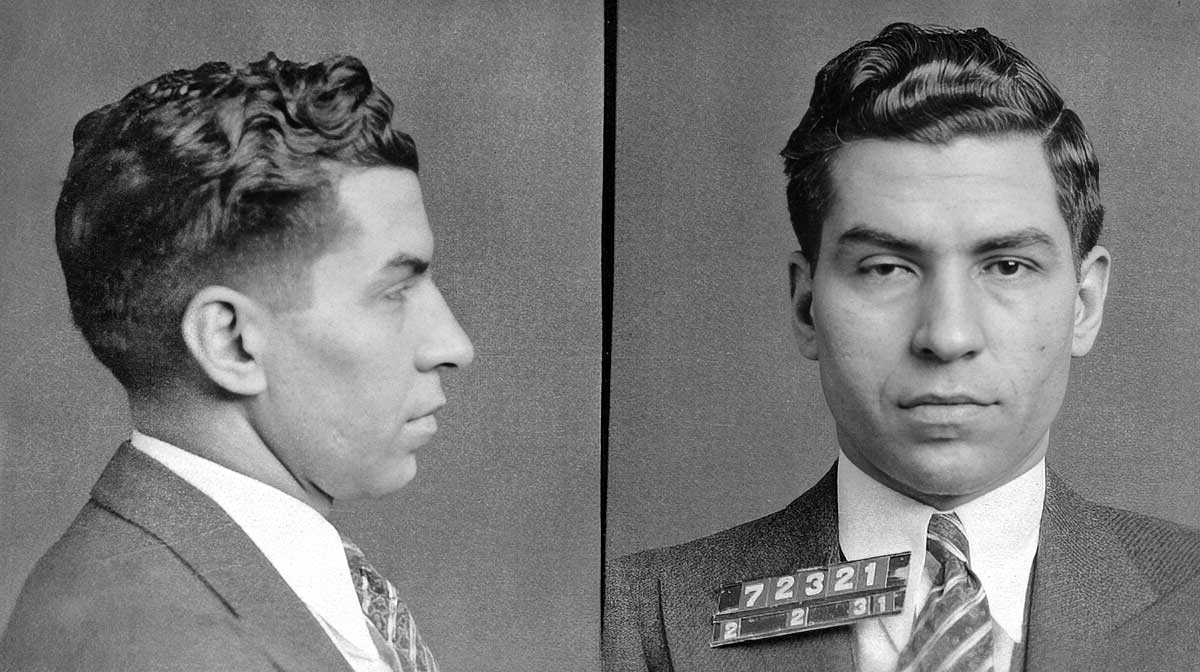
Sentenced to 30 to 50 years in prison for compulsory prostitution, Luciano was contacted by intelligence agents, principally through Luciano’s associates like Meyer Lansky, to collaborate with the US Navy in exchange for a potential reduction of his sentence. Luciano promised to guarantee safe ports, ensure there would be no strikes, and watch for enemy spies.
How Mob Intelligence Prepared the Allies for Operation Husky
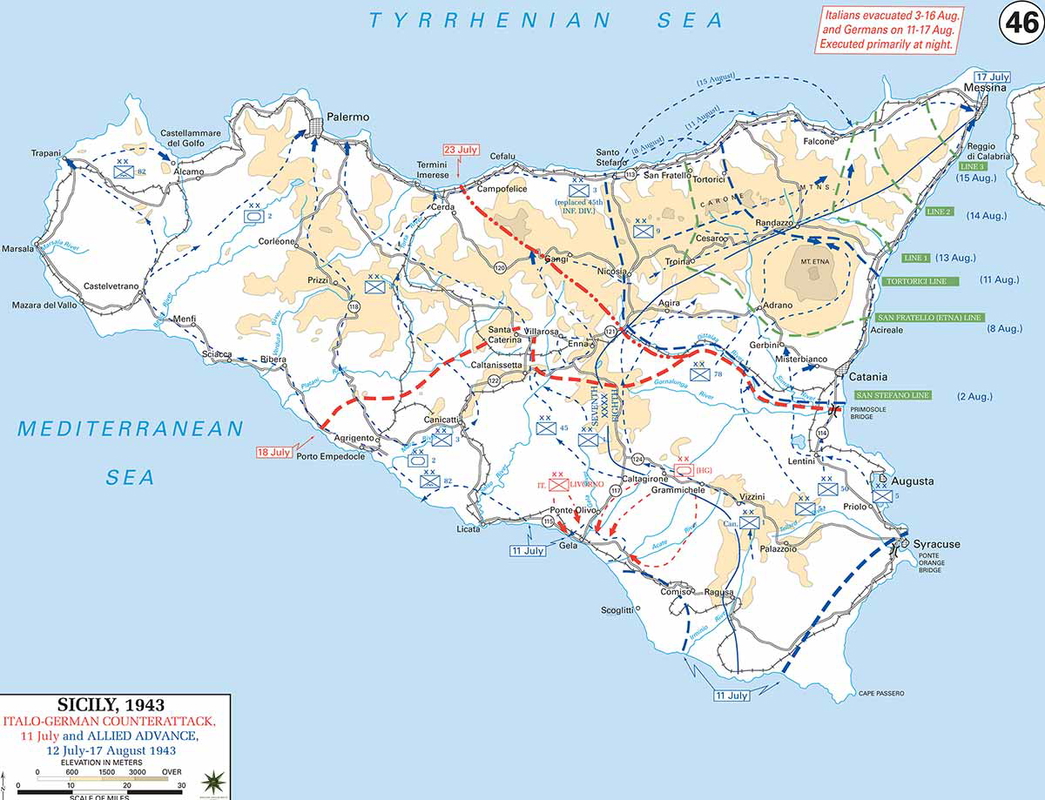
By early 1943, following a series of victories in North Africa, the Allies began planning an invasion of Sicily. Code-named Operation Husky, it would require a large amphibious landing in the Mediterranean Sea. For such an operation to succeed, Allied forces needed detailed knowledge of the geography, maps of ports, protected landing beaches, and contacts with locals who could sabotage enemy lines of communication. To aid this effort, the US military expanded its domestic wartime cooperation with the American Mafia.
Italian mafia boss Charles “Lucky” Luciano’s network of contacts on the New York waterfront was used to identify Italian-Americans who had family ties to Sicily. Through Luciano and others, the US enlisted the aid of Sicilian-born Americans who fervently wished to see Benito Mussolini and his fascist regime overthrown. These volunteers provided the information needed, as well as names of contacts they knew they could trust on the island. During the invasion on July 10, 1943, Allied forces used this intelligence to aid planning. The mafia would exploit the Allied occupation to help reestablish its political influence.
How the Allied Occupation Allowed the Sicilian Mafia to Rebuild
While the landings were successful, some serious fighting took place throughout the mountainous terrain of Sicily as Allied forces fought their way north against the Axis defenders. As towns fell to the Allies, military administrators turned to prominent citizens to help restore civil order and oversee food rationing. These men, who were in many cases members of the Mafia, used their newfound influence to piece back together mafia operations that had been ruthlessly crushed by Mussolini’s crackdown years earlier. The Allied forces basically gave the Sicilian Mafia room to grow.
Luciano’s actions did not go unrewarded. In 1946, his sentence was commuted on the stipulation that he agreed to be deported back to Italy. While he went to Italy initially, Luciano moved to Cuba briefly before pressure from America obliged him to return to Italy, where he resumed his criminal activities. He died in 1962 from a heart attack. The secret alliance between military intelligence and organized crime remains one of the most intriguing and controversial military operations.