
On Thursday, August 4, 1892, in Fall River, Massachusetts, one of the most high-profile murders in American history occurred, leaving a couple gruesomely killed and sparking a national controversy over the possible killer – their daughter, Lizzie Borden.
The Gruesome Hatchet Murders That Shocked Fall River
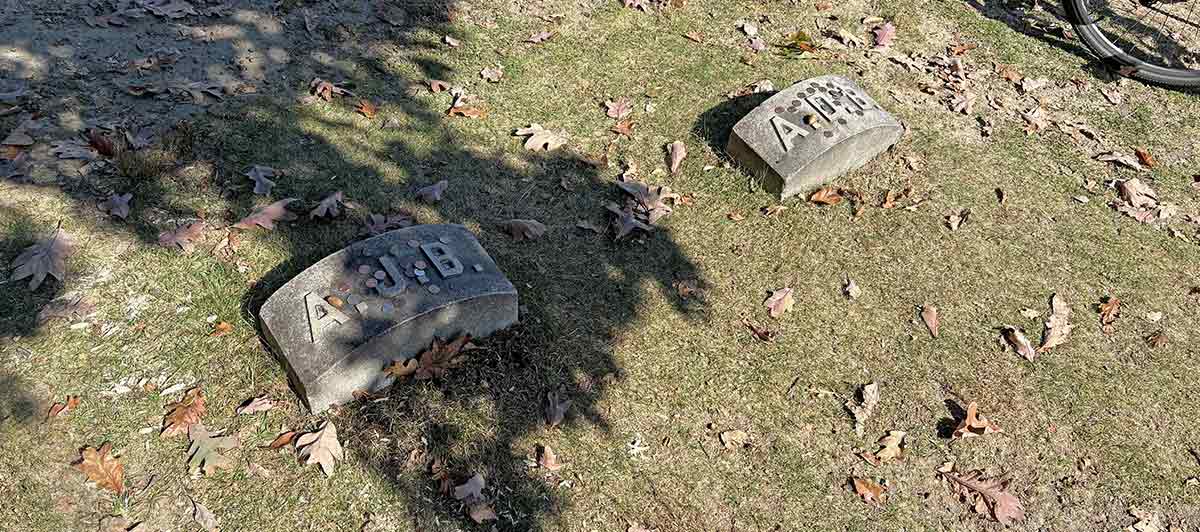
Andrew and Abby Borden were a wealthy, but frugal, couple living in Massachusetts in the late 1800s. Abby was Andrew’s second wife and stepmother to his daughters Elizabeth (“Lizzie”) and Emma (their biological mother died before Lizzie turned three). When the girls were adults, they came into conflict with Andrew and Abby regarding his favorable treatment of Abby’s family, particularly over gifts of real estate. On August 4, 1892, Andrew and Abby were discovered viciously murdered by someone with a hatchet in their home.
How Lizzie Borden Used Her Devout Reputation to Deflect Suspicion

Lizzie always maintained her innocence of the crime. Even though some of her testimony was contradictory, she found a sympathetic ear in her community. She was involved in the local Central Congregational Church as a Sunday School teacher and various other civic organizations. Her heavy involvement in “Christian” causes cast doubt on her guilt throughout the town. Combined with the police believing she was of decent character and not fully investigating the murders, she was able to receive a “not guilty” verdict at her trial.
The Ignored Clues and Careless Police Work That Derailed the Case
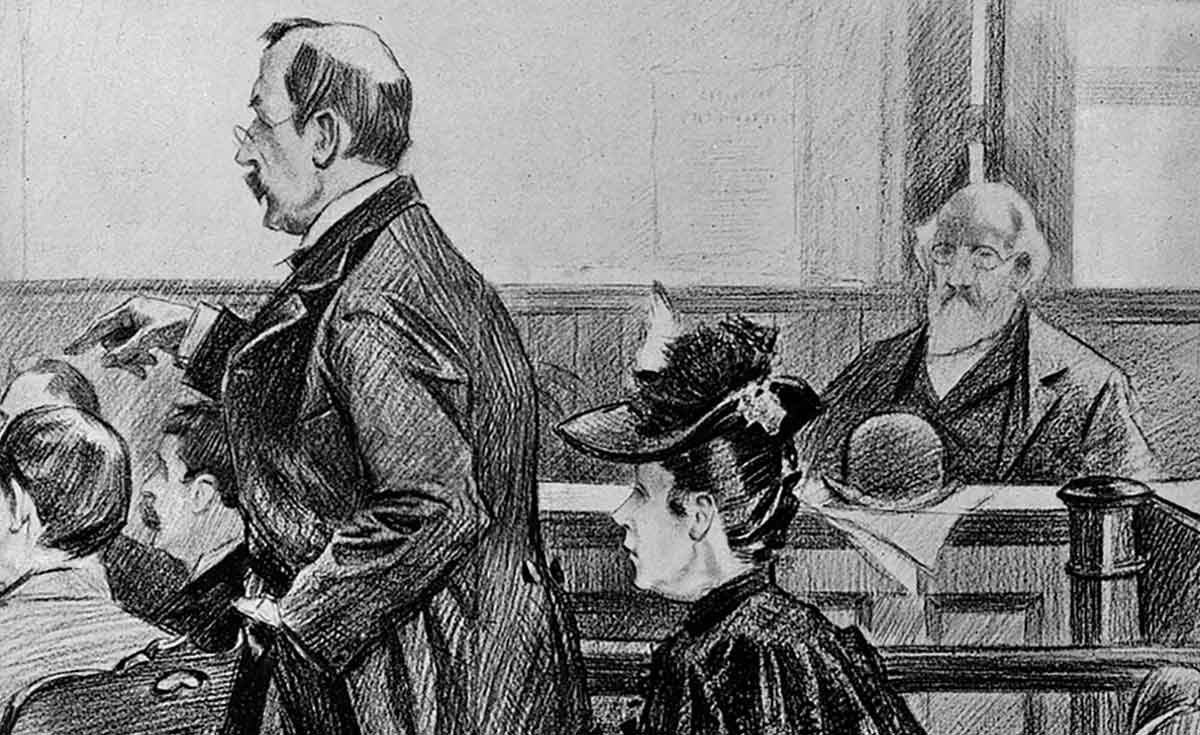
The biggest problems were the police’s failure to fully investigate the crime and their willingness to take Lizzie at her word. Also, the lack of some modern investigative methods (or simply the failure to use the ones available) contributed to the police’s negligence. Even though fingerprinting would not be in common use for almost another decade in the United States (and may likely have proven her guilt), other evidence was poorly processed or ignored, such as bloody clothes found in the house, and even what was probably the broken hatchet used for the murder. Even if Lizzie was truly innocent, the mishandling of the evidence and the crime scene by the police may not have led to any killer being convicted.
The Sensational Victorian Trial That Ended in a One-Hour Acquittal
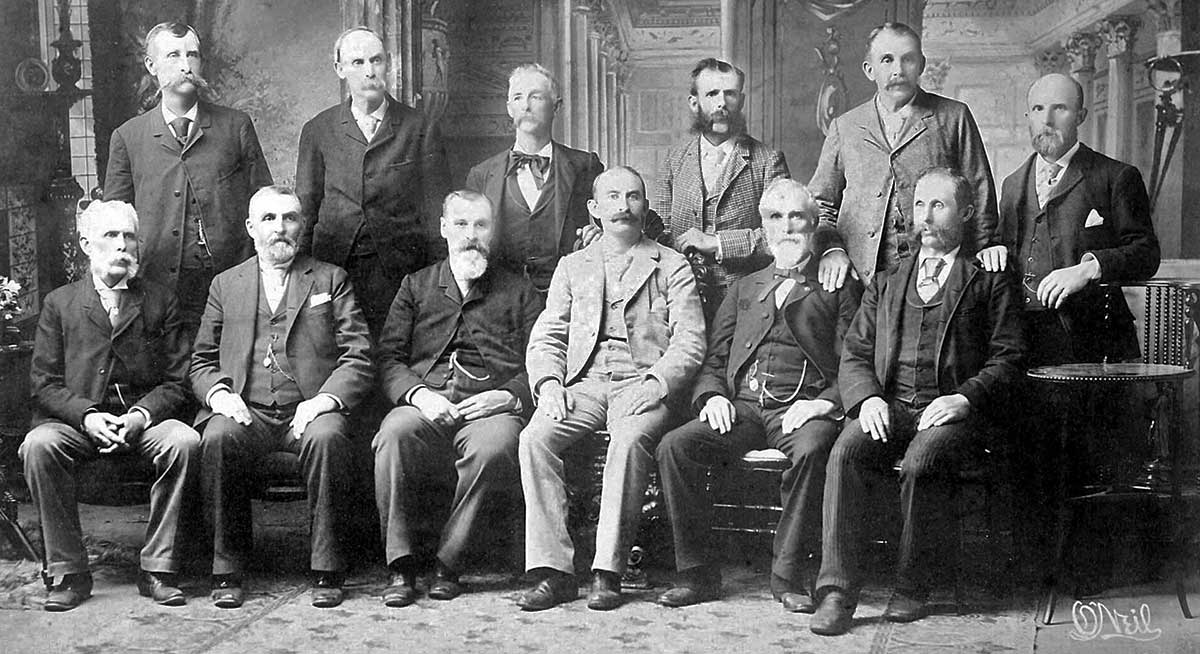
Lizzie’s wealth afforded her excellent defending attorneys, including former Massachusetts governor George D. Robinson. The prosecution included a future United States Supreme Court justice, William Henry Moody. Borden presented herself at trial as a weak, mourning Victorian “Protestant nun” (she never married and had no known or proven romantic interests). She wore conservative black mourning clothes and sat quietly at the trial.
As the temperance and women’s suffrage movements were in full force at the time (now known as first-wave feminism), she received strong public support from those movements, even though no women were allowed on the jury. At least one of the judges seemed to be on her side, having been appointed by Robinson, and may have given skewed instructions to the jury. Lizzie Borden was unanimously acquitted by the jury, which may have made a quick decision and turned the verdict in after an hour to prevent controversy.
Why Modern Forensics and Blood Analysis Would Secure a Conviction Today
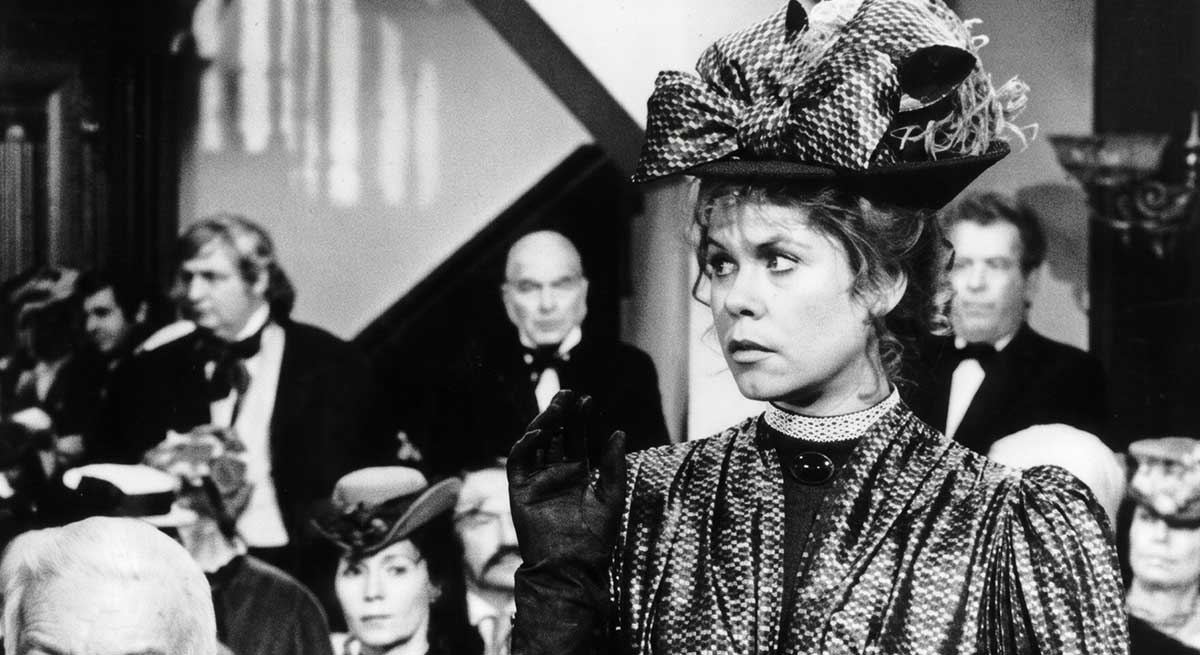
If modern police procedures were used—fingerprinting, blood analysis, and tight control of the crime scene and evidence—whoever committed the murders would likely have been caught and convicted. The murder hatchet (and other similar implements) left sitting around, a pail of bloody clothes, and other small pieces of evidence were ignored. Lizzie herself and other friends were allowed to access the house, preventing a full and proper investigation. Lizzie’s testimony was contradictory and at times confusing, and a proper, thorough interrogation and investigation of her claims may have provided enough to convict her.