
Empress Wu Zetian, also known as Lady Wu Zhao, was born in 624 AD, during the early years of China’s Tang Dynasty. At the time, ancient Chinese culture sought to limit women’s power, but Wu Zetian climbed the royal court hierarchy to become China’s only female emperor.
How a Merchant’s Daughter Rose to Become an Imperial Concubine
Wu Zetian grew up as the daughter of Wu Shihuo, a wealthy timber merchant who became a high-ranking military official and supporter of the rebellion that helped establish the Tang Dynasty. Her father’s privileged position allowed Wu Zetian to learn from China’s finest scholars. She entered Emperor Taizong’s court at the age of 14 as a low-ranking concubine.
Although she began in a low-ranking position, Wu impressed the court with her intelligence and ability to manage state affairs. She frequently attended meetings throughout Emperor Taizong’s reign as one of his secretaries. Over time, Wu became well-versed in politics, military strategy, and behind-the-scenes palace politics.
But under Chinese law, as a childless, unmarried concubine, Wu had to retire from court and move to a Buddhist convent when Emperor Taizong died in 649 AD.
Seizing Control Behind the Bamboo Screen and Purging Rivals
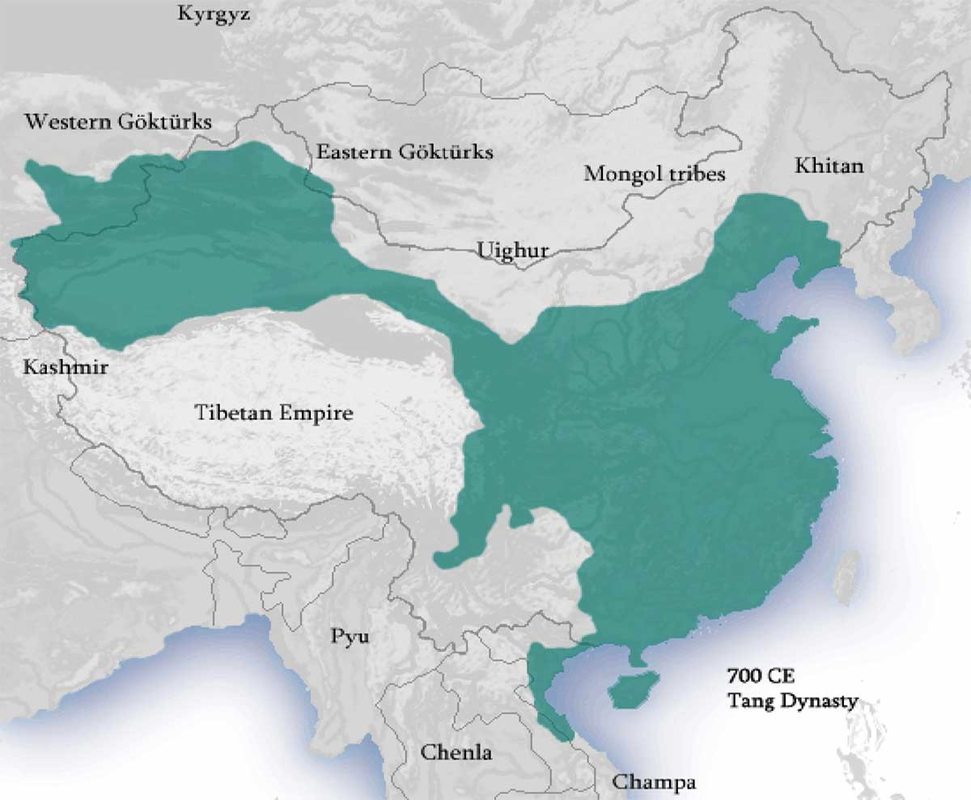
Wu’s fortunes, however, changed drastically when she became romantically involved with Crown Prince Li Zhi while serving as a junior consort to his father. When Crown Prince Li Zhi later became Emperor Gaozong, he summoned Wu back to the palace as his consort despite opposition to her return. Wu became Empress of China in 655 AD after she engineered her own rise through careful political maneuvering.
After Emperor Gaozong fell gravely ill from a stroke in 660 AD that left him bedridden, Wu began to step up to fill the power void. While Gaozong lived, she ruled alongside him rather than in her own name, though she held real power for over 20 years. During imperial court meetings, Wu remained behind a bamboo screen to issue edicts and commands, with Gaozong as the figurehead. She also moved swiftly to eliminate the old nobility that opposed her rise to power. Influential families were investigated, and her political foes were stripped of power, exiled, or assassinated. Wu trusted no one and established her own secret police force.
Deposing Her Sons to Proclaim the Second Zhou Dynasty
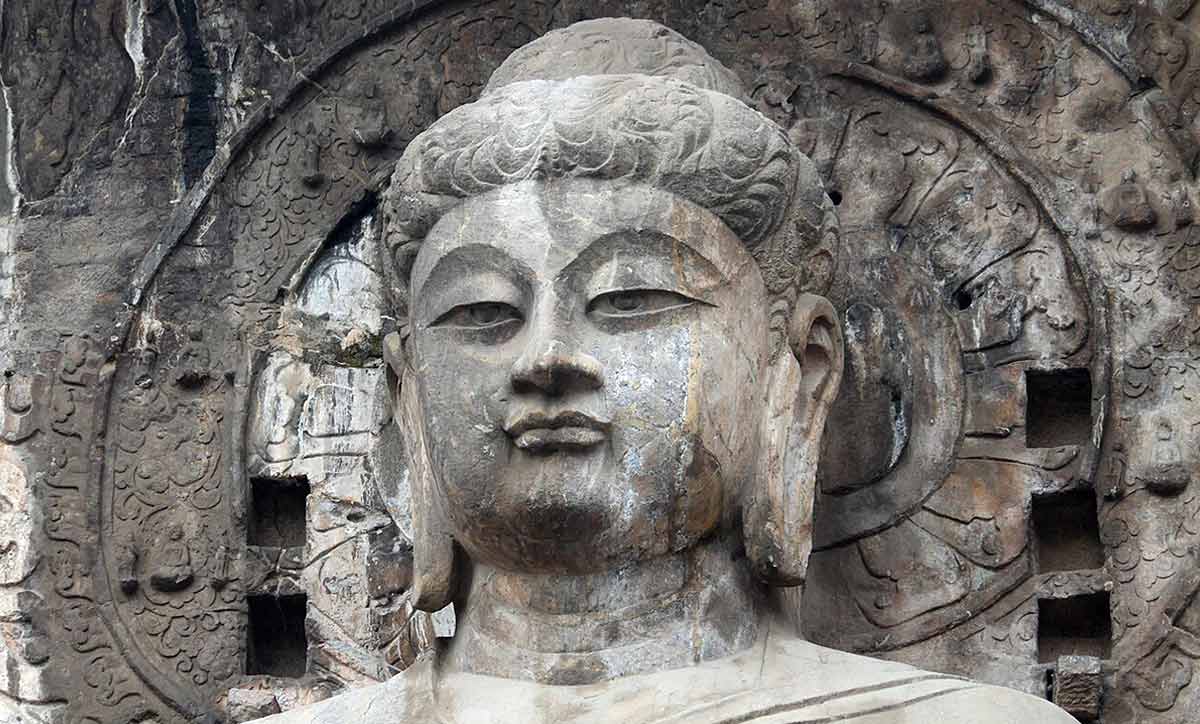
The next stage of Wu’s reign began after Emperor Gaozong’s death in 683 AD. As Empress Dowager, Wu temporarily elevated her eldest son, Zhongzong, to the throne, but when he began wielding real authority alongside members of his wife’s family, she deposed him after only one month in favor of her younger son, Ruizong, who remained secluded in the inner palace and stayed out of politics. Wu effectively held sole power over the nation. In 690 AD, Wu compelled her son Ruizong to yield the throne to her. After successfully transferring power, she ended the Tang Dynasty and declared herself empress of China by founding her own Zhou Dynasty (also known as the Second Zhou).
Opening Civil Service to Commoners and Empowering Farmers
Behind her reign of terror, however, were significant political achievements. Before Wu’s rule, the highest levels of government, for example, were reserved for the aristocratic class. Wu greatly expanded the imperial civil service examinations, first established under the Sui dynasty, and opened them to more candidates of humble background. Opening up these exams to the public paved the way for an educated bureaucracy selected through academic achievement rather than hereditary status.
She recognized that a stable food supply was key to economic prosperity. As such, she ordered the publication and distribution of agricultural manuals titled Zhaoren Benye (Rules for the People’s Principal Occupation) to farmers. She gave farmers unused land and reduced peasant taxes.
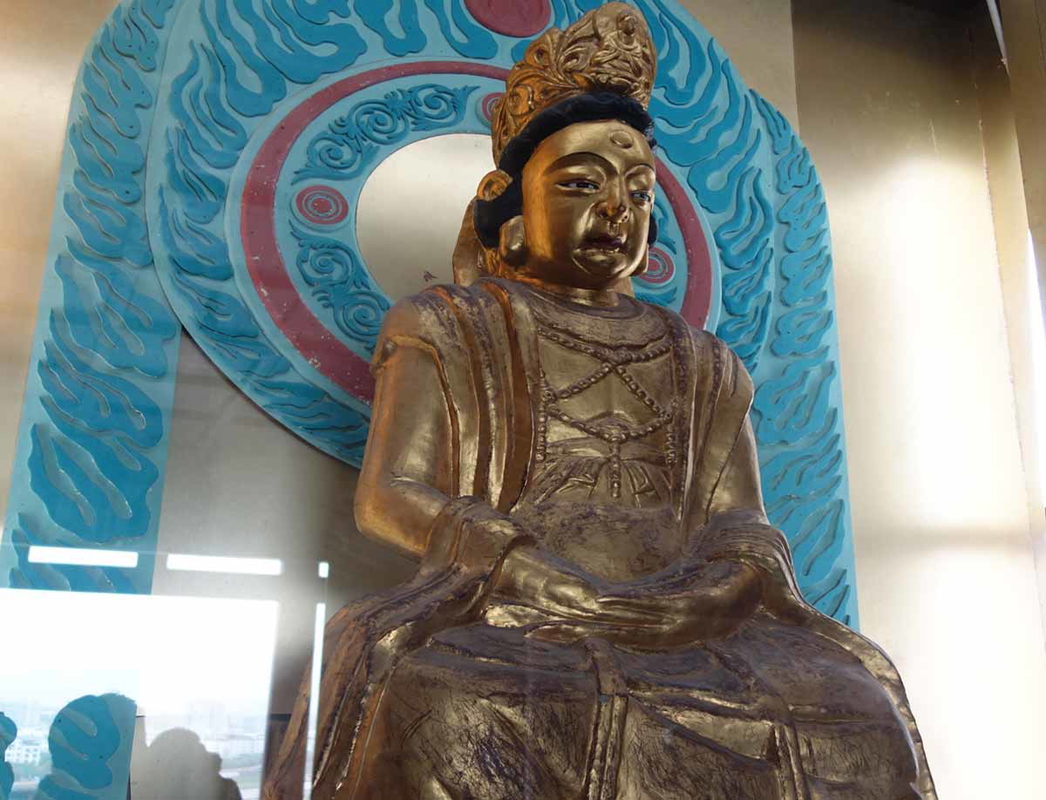
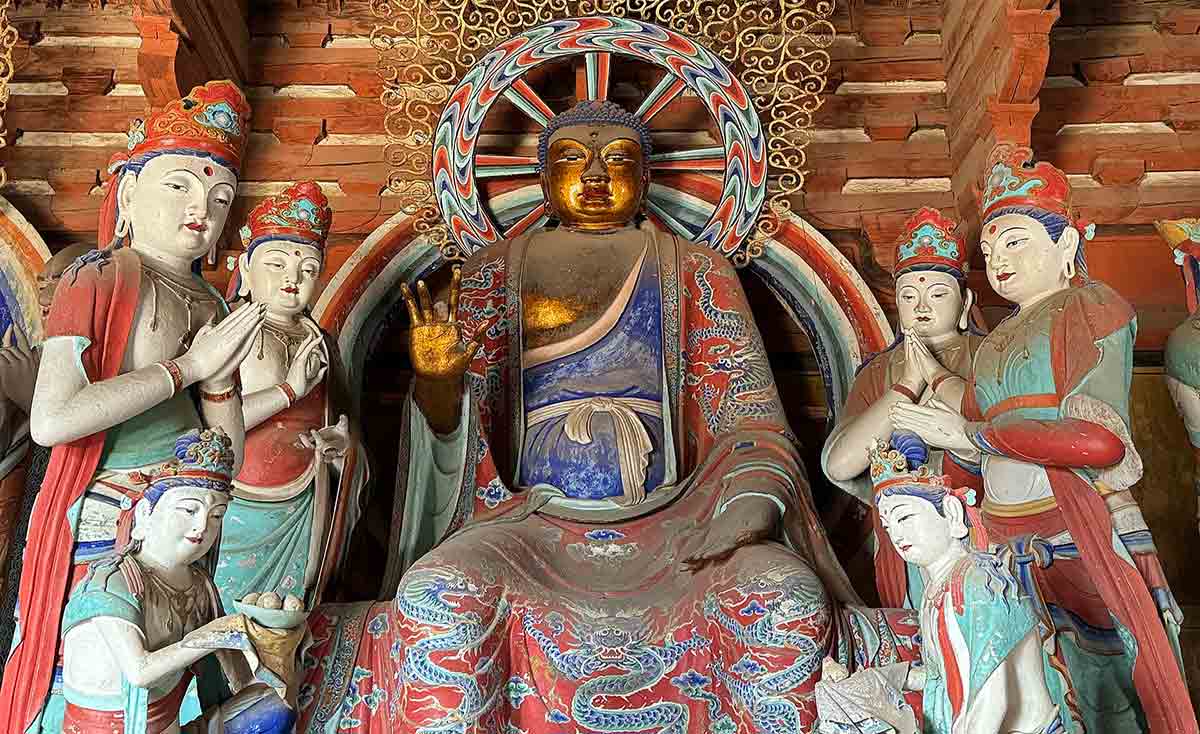
She was also a great patron of Buddhism and often associated herself with the Maitreya Buddha. She claimed to be a divinely ordained ruler who would lead Chinese society into an era of peace. This outlook greatly helped maintain peace in the nation.
Driving Back Foreign Invaders to Safeguard the Silk Road
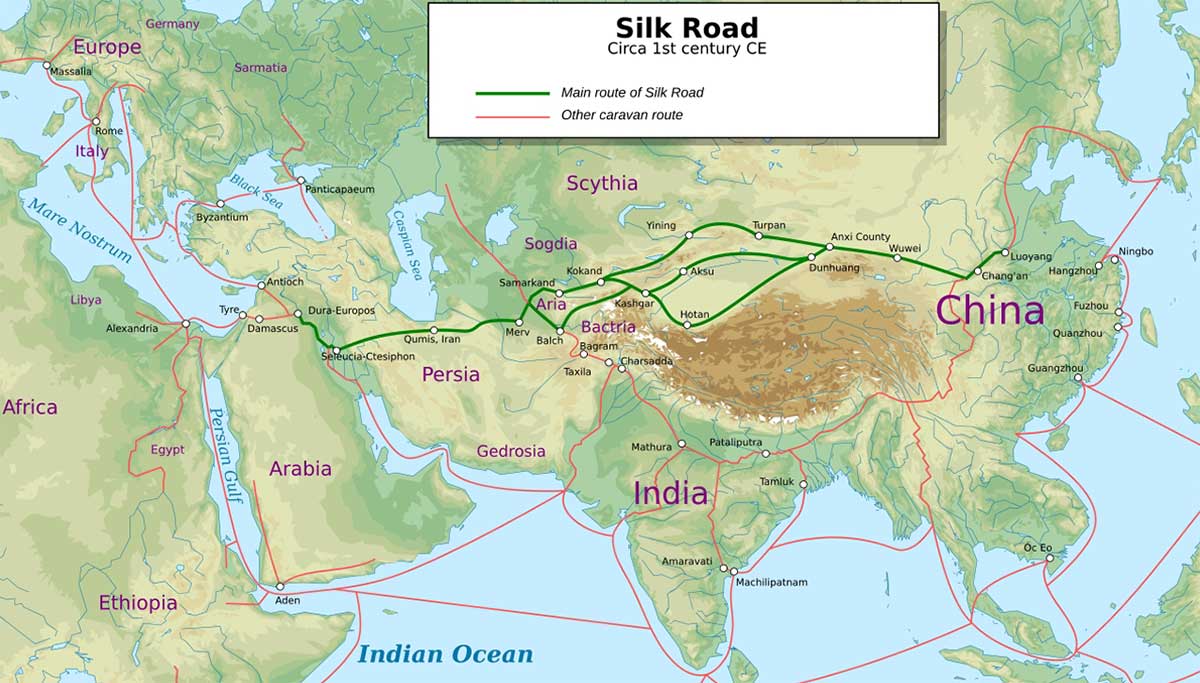
Securing and reopening the Silk Road was another important achievement. When Wu Zetian rose to power, the Tarim Basin along the Silk Road had fallen into the hands of the Tibetan Empire. In 692 AD, she sent a large army under General Wang Xiaojie, which successfully drove back the Tibetan and Turkic invaders. By ensuring the safety of the routes through maintaining active garrisons in the region, she helped the Tang capital, Chang’an, to progress and become the most cosmopolitan city in the world.
In early 705 AD, Wu Zetian was deposed following the Shenlong Coup orchestrated by court officials who took advantage of her declining health and advanced age. Her son, Emperor Zhongzong, was restored to the throne of Tang China. Wu Zetian died later that year at age 81.