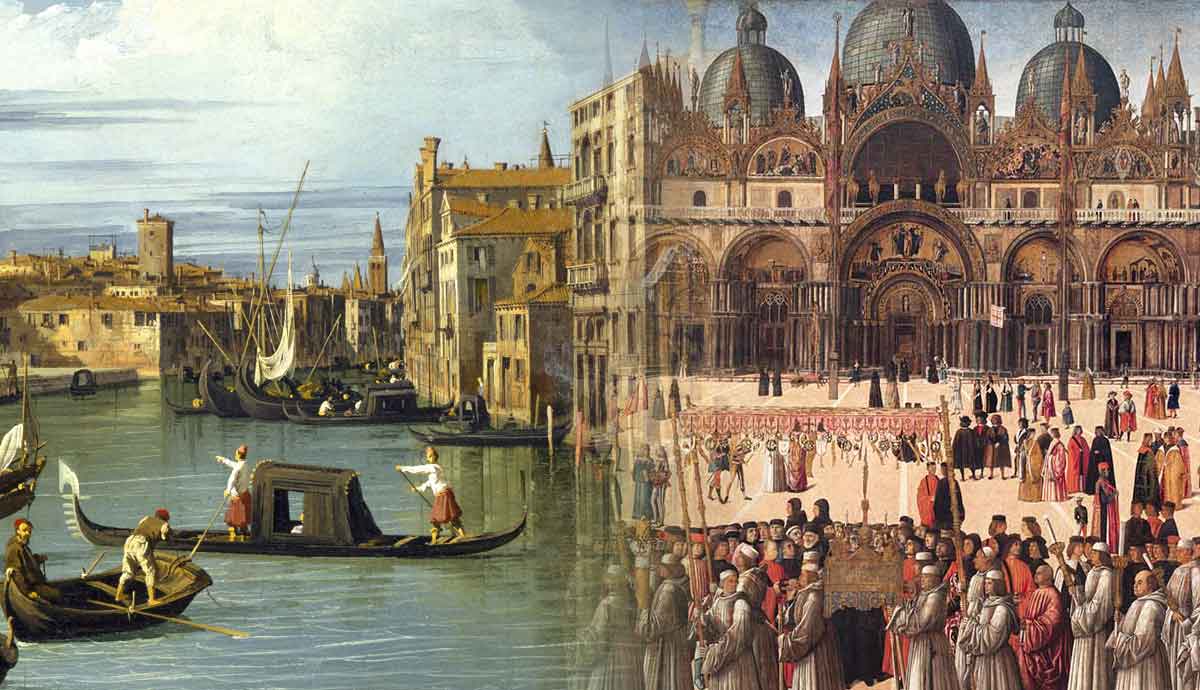

As the most Serene Republic of Venice began to grow in influence across the Mediterranean, some of the most prominent commodities its citizens traded in were news and intelligence, both within and without the city.
In time, the city’s trade delegations became known for their in-depth reports and data gathering while Venice itself became the pre-eminent source of news and intelligence contacts in Europe. For Venice, this vast spy network came under the control of one of the earliest intelligence agencies in history, the notorious Council of Ten.
The City of Secrets
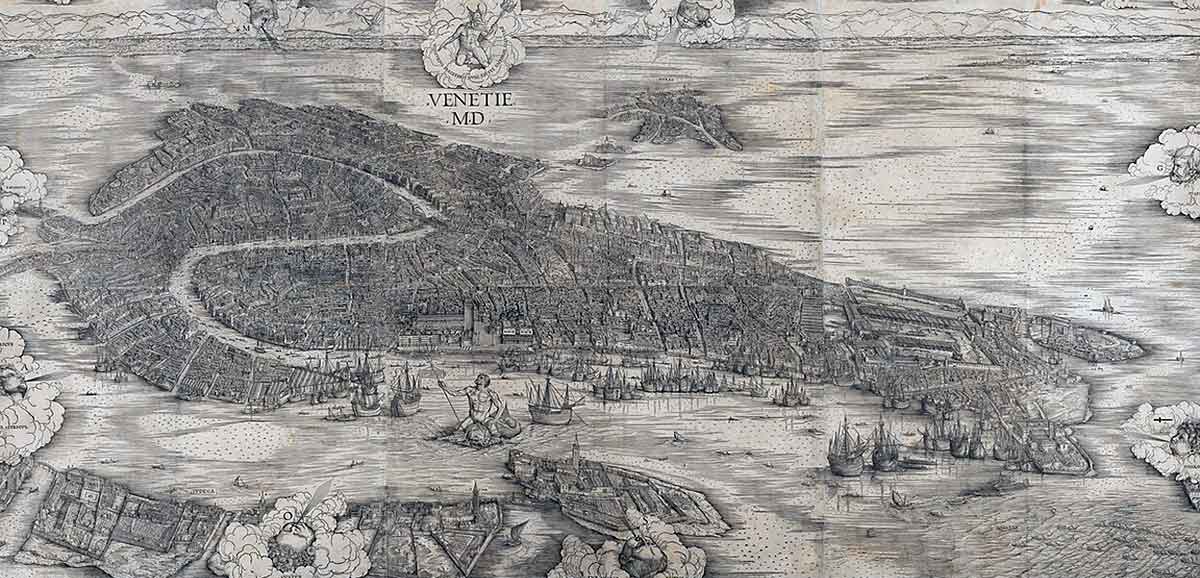
Medieval Europe was certainly familiar with espionage and intelligence gathering, used by ambitious powerbrokers and ruling heads alike to keep ahead of rumors and their own rivals. The great Italian banking families and merchant republics were ideal gatherers and providers of intelligence. Their agents traveled frequently, and Venice, placed at the meeting point of Eastern Europe, Western Europe and the sea, was ideally situated to take advantage of the need for news and information.
The Most Serene Republic turned intelligence into an art form which grew in depth and breadth, just like Venice’s mercantile networks and overseas empire. For a mercantile republic like Venice, the trading of secrets, news, and rumors was just another opportunity for commerce. However, the Venetian government would also invest heavily in foreign and domestic intelligence gathering, for both matters of state and matters of increasing mercantile profits.
Unlike other cities and nations, where spycraft was largely undertaken to benefit a single individual or faction, Venice was the first European nation to make it a matter for the state as an entity.
The trading of secrets, by definition, very likely came first. It is unclear when, precisely, the citizens of Venice began bartering news and intelligence as a commodity, though likely it was in the early years of the nascent merchant republic. Trading fortunes (as always) lived and died by the latest and most accurate data.
Furthermore, unlike most ventures, information trading was open to even the most common of Venetians. This provided a source of income for those willing to trade in it, with a ready number of willing agents in the trade.
The Formation of the Council of Ten
As Venice’s wealth, influence, and foreign ventures and territories grew, information similarly grew in importance. Intelligence and spycraft gave both Venice’s merchants and Venice herself an edge over their rivals, in both cases usually other Italian city-states or the Byzantine Empire at this time.
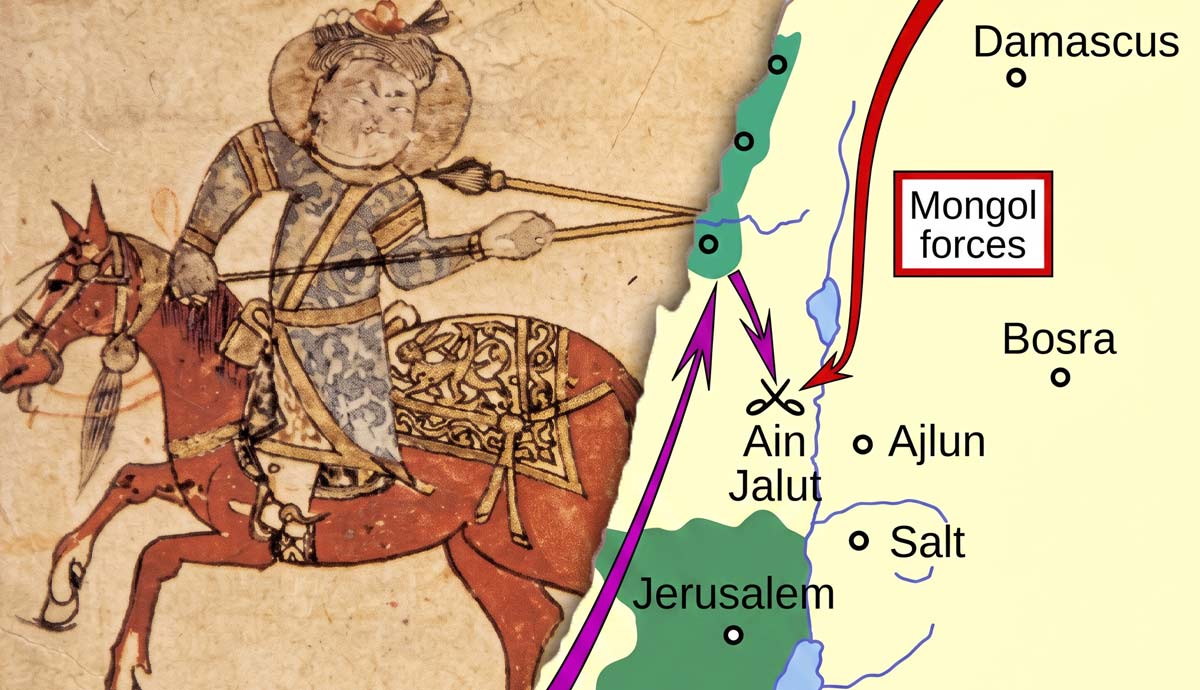
The city’s trade networks and merchant envoys became channels of vital information and intelligence. One notable example was Venice’s liaisons with the expanding Mongol Empire, establishing trade links and negotiating with the Mongols to attack rival merchants on occasion.
Venice’s overseas machinations of course grew considerably after the sacking of Constantinople and the transfer of Byzantine territory to Venice in 1204. It was at the turn of the 14th century, however, when the Venetian government formalized matters of espionage and state security into the type of government agency we would recognize today. The agency in question was the Consiglio dei Dieci, the “Council of Ten.”
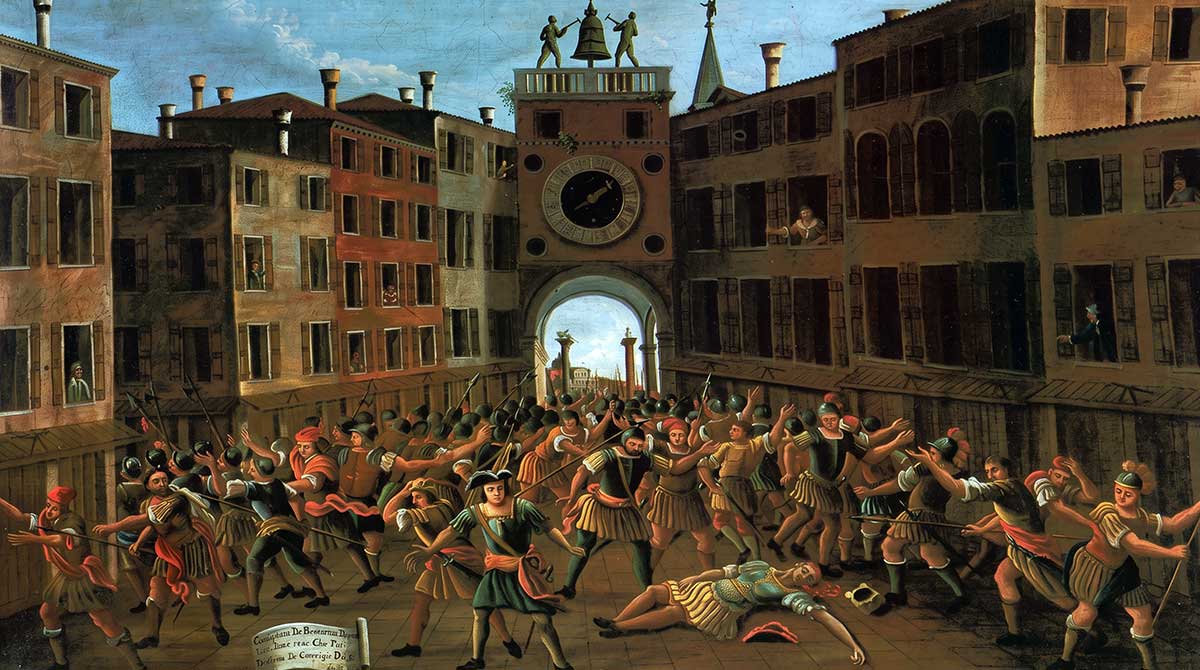
The Council began, as any good spy story should, with a secret plot. In June 1310, a group of disgruntled nobles hatched the Tiepolo Conspiracy to overthrow Doge Pietro Gradenigo. Their scheme, however, was discovered and its ringleaders killed or exiled. Doge Pietro then established a team of ten senior magistrates tasked with keeping tabs on the exiled ne’er-do-wells and killing off any similar conspiracy.
This new body proved so effective at counterintelligence that by the mid-14th century they had become a permanent institution with an increasingly large portfolio of responsibilities.
Checks and Balances
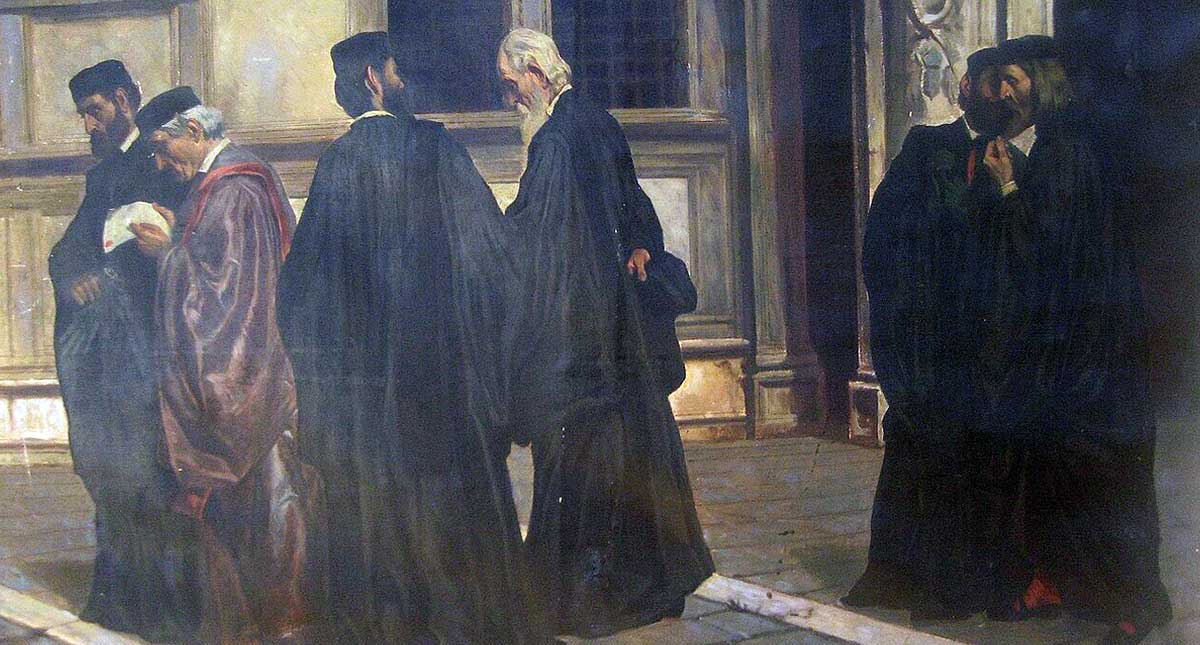
From managing counterintelligence and investigating corruption, the Council would take charge of Venice’s intelligence matters and state security, while diplomatic reports were primarily managed by the Senate, the Consiglio dei Pregadi, and later specialized tribunals. Indeed, the Council’s remit would eventually extend to law enforcement as they were given control of the Signori de Notti, a form of city guard and investigative police force.
Though not functionally ruling Venice, the Council (able to make rapid decisions over an enormous remit and functionally unrestricted and unaudited budget) held considerable sway over its government. A medieval hybrid of CIA, FBI and NSA.
Such an institution may seem ripe for corruption. Indeed, it almost sounds positively dystopian given its reliance on secret police and public informants. However, relative restraint was assured through an incredibly stringent selection process and a method of checks and balances.
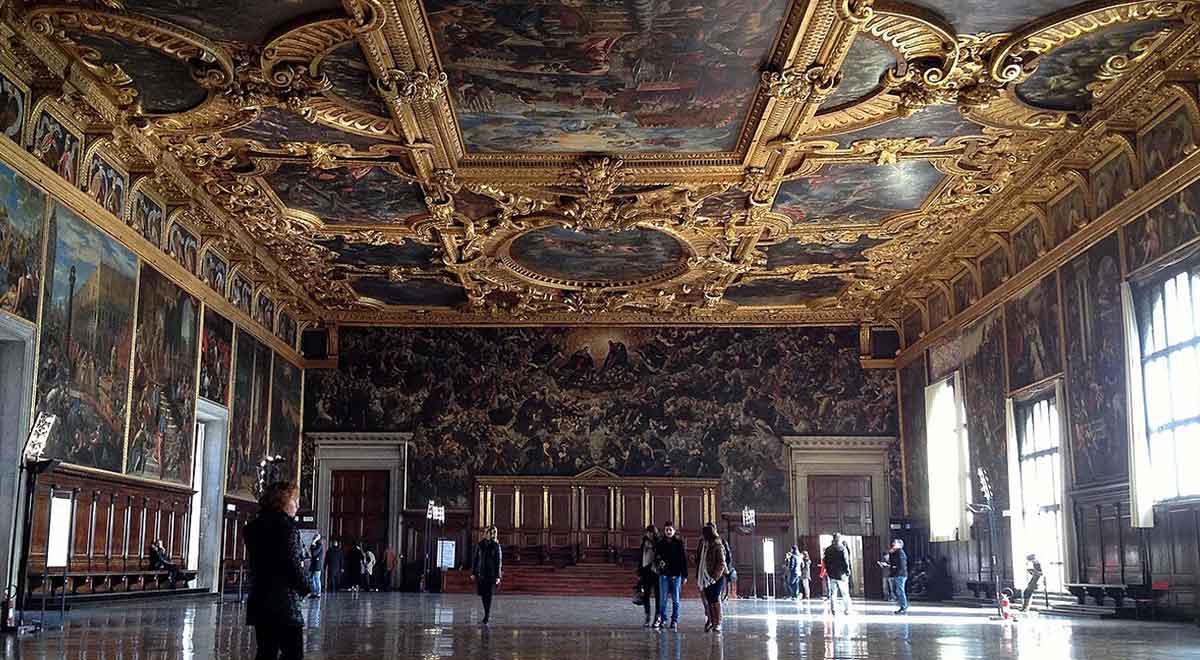
Council members were elected and served for a year and could not stand for re-election until another year had passed. No family could have more than one member on the council at a time. The council had three heads, who each took charge for a month at a time. During this month, the selected head was kept under effective house arrest in the Doge’s palace to ensure they remained uncompromised.
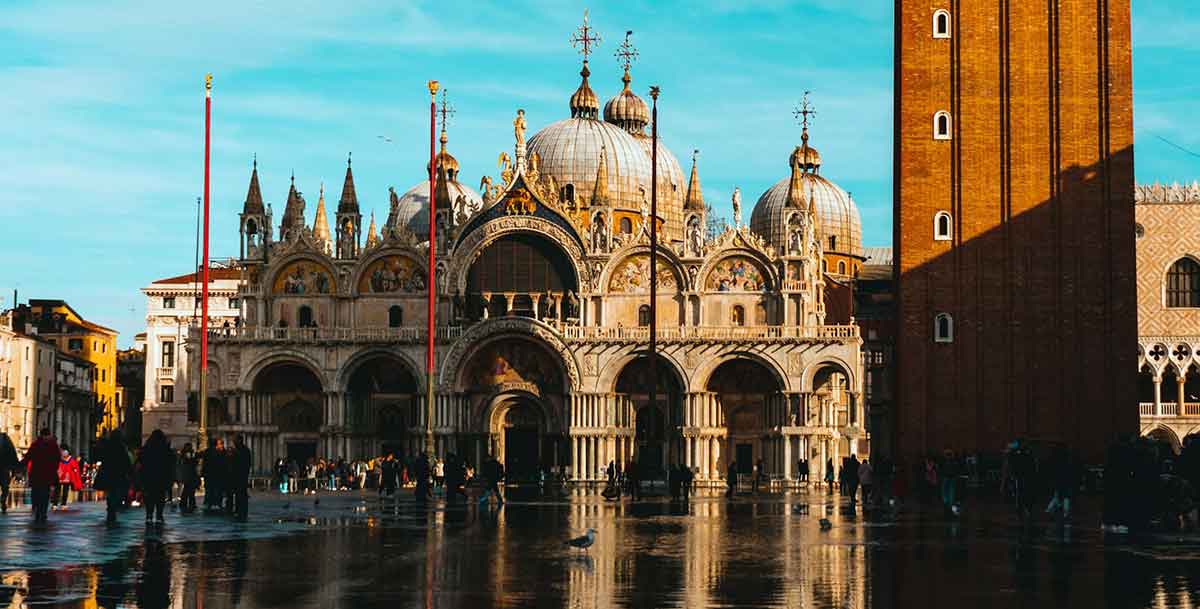
Thus, although extraordinarily powerful, the Council of Ten’s only interest was to best serve Venice. This dichotomy of power and devotion to the republic is demonstrated by their foiling of the 1355 attempted coup by Doge Marino Faliero. The Council discovered Faliero’s scheme to seize absolute power, arrested him and his conspirators, and summarily executed them on their own initiative.
Not even a Doge was safe from the power of the Council, should he presume to threaten the safety and sanctity of Venice and her democratic institutions. However, foiling plots and policing the city were far from the Council’s only responsibilities, especially in the world of spycraft and intelligence.
Domestic Intelligence
In terms of counterintelligence and state security, one of the Council’s most important roles was the protection of trade secrets, including Venetian glassmaking. In fact, the glassmakers’ guild, based on Murano Island, was one of the institutions first put under the Council’s direct control.
So vital was glassmaking to Venice that master glassmakers were subject to various travel restrictions lest they take their expertise to one of Venice’s rivals and undercut her monopoly. Similar travel restrictions were also implemented against expert craftsmen in other institutions too.
The Council also managed the flow of foreign and domestic intelligence and its processing, handling data brokering within and without Venice for both state security and state financial gain. Vital foreign and domestic intelligence also came from the citizens of Venice themselves.
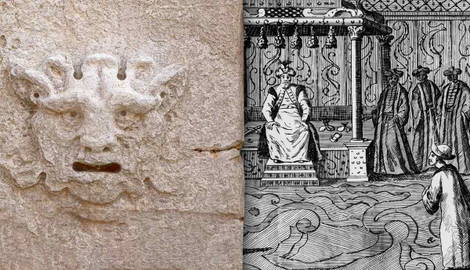
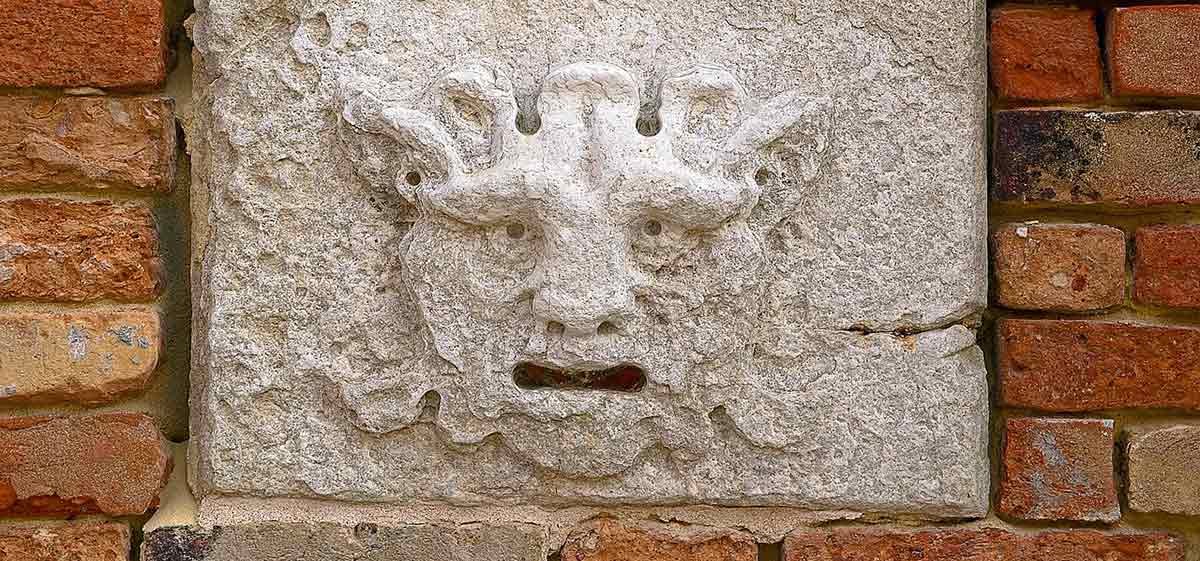
Citizens could also offer the Council useful secrets or inventions in a raccordo, often alongside a supplica, a formal petition for a favor such as a job, a salary increase or citizenship. Separately, from the late 16th century, anonymous denunciations could be dropped into the bocche di leone, the “lions’ mouths” post boxes placed across the city.
Even exiles from Venice could offer reports or perform other clandestine actions for the Council of Ten in return for clemency on their sentences.
In terms of state security and surveillance, this system was also another check on a possible descent into dystopian tyranny. As such, spurious or false reports were discouraged lest the provider face public discredit or harsher official censure.
Likewise, the Council’s investigators had to be thorough in their duties and exacting in their action. They could not simply round up enemies of the state for fear of personal repudiation.
This system protected Venice, ensured her wealth, and helped her foreign ventures. This last factor also came under the purview of the Council of Ten, who used it to create perhaps the most well-known tool in their vast intelligence arsenal.
Foreign Intelligence and the Rise of the Ottomans
As the 14th century progressed, the pre-established intelligence channels within Venice’s trade networks became fully realized. Returning merchants, trade envoys, and diplomats had to provide thorough and full information briefs in public hearings to the Senate (and the Council of Ten) along with full written reports, copied into Venice’s state archives. These Relazioni became the cornerstone of Venice’s information database and foreign intelligence network.
Alongside the merchants and envoy missions, the city also relied on its permanent ambassadors and institutions in foreign locations, known as Bailo. Though Bailo had operated in the Eastern Mediterranean since at least the 13th century, once again the Council greatly expanded their remit and responsibilities.
Bailo in foreign courts were both diplomats and spies, lobbying for Venice’s interests and simultaneously reporting all intelligence back to Venice via the myriad merchant vessels journeying to and fro. Bailo also governed Venice’s colonies, presiding over a council of administrators acting as a Council of Ten in miniature for each colony and all serving for the good of the mother city.
With this vast system of intelligence and state security, Venice asserted herself in northern Italy and throughout the Mediterranean. However, this period also saw the rise of Venice’s greatest nemesis: the Ottoman Empire.
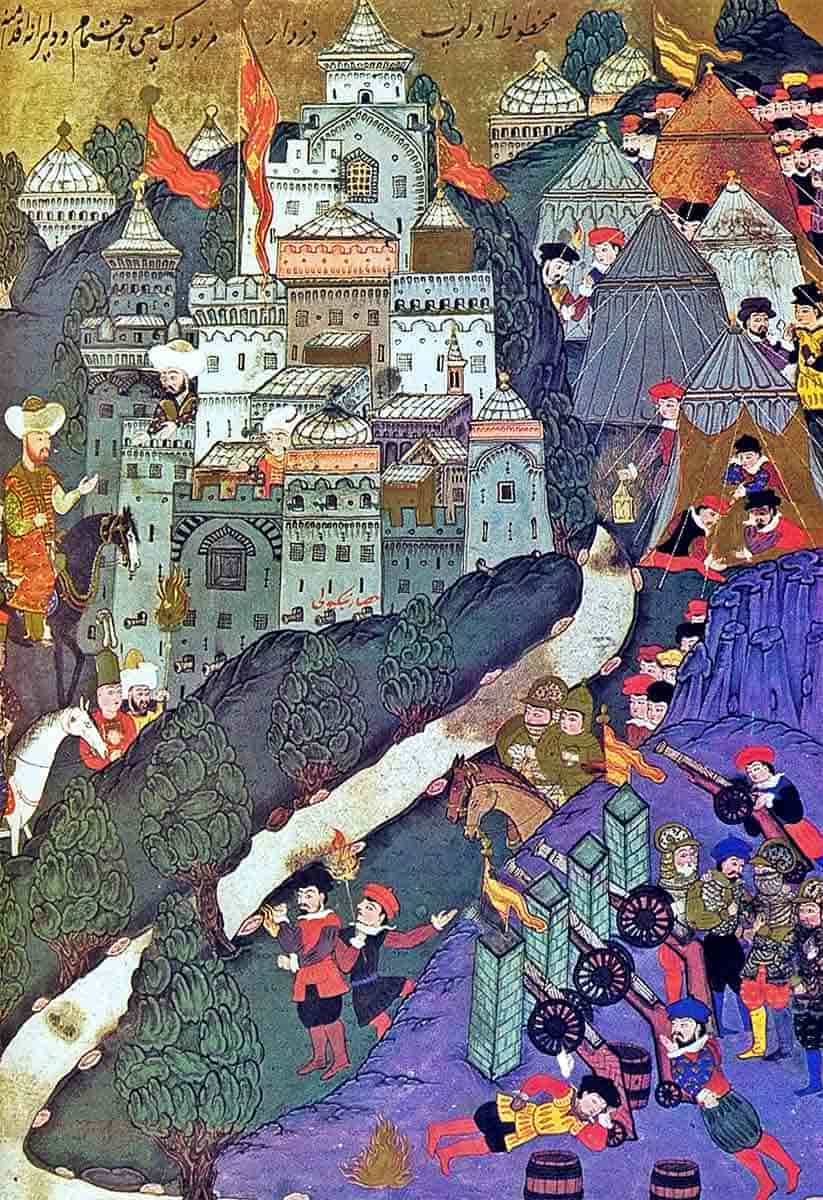
Until the end of the 14th century, the two had largely tolerated one another, barring occasional raids and Venice’s naval support to the disastrous Nicopolis Crusade. However, things would change as diplomatic misunderstandings and tensions grew over Ottoman expansion, especially after the conquest of Constantinople in 1453.
Conflicts between the two became more frequent, yet paradoxically the emerging Sultanate also became Venice’s most vital trading partner. This delicate dichotomy saw Venice often agree to trade deals or mercantile concessions from the Ottomans, even after losing territory to them.
After the brutal, 15-year-long first official Ottoman-Venetian war, from 1463-1478, Venice conceded lost territory for lucrative, tax-reduced trading rights and official recognition of the Venetian quarter of Constantinople.
Diplomacy and Politics

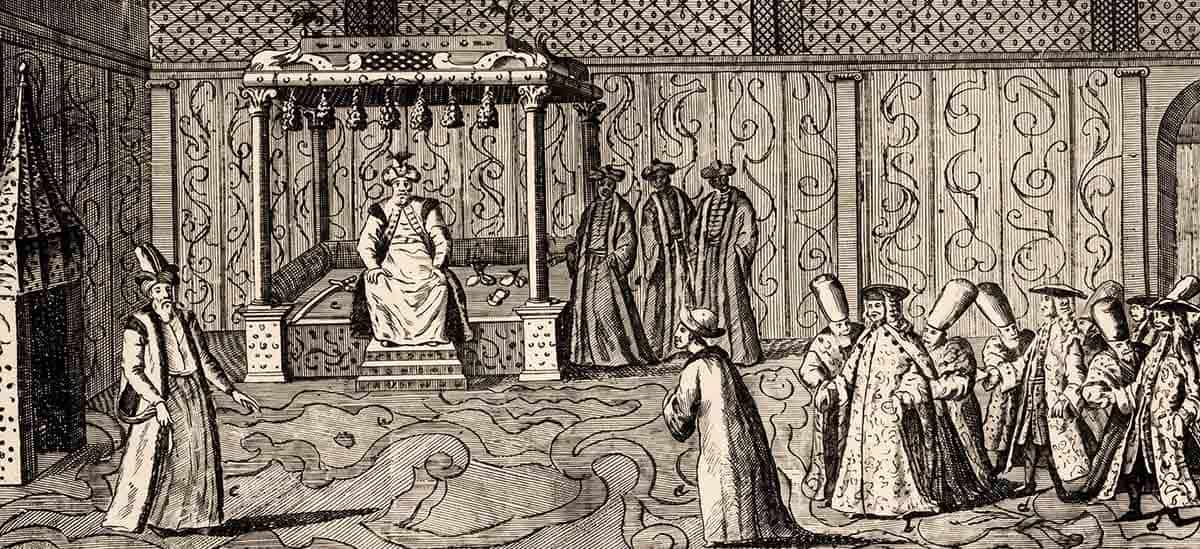
Trade, diplomacy, and intelligence were now Venice’s greatest weapons against the Ottomans, and the Bailo in Constantinople was their first line of defense. The Bailo became a trinity of ambassador, spy, and saboteur, maintaining and repairing relations with the Sultan but also overseeing a major spy ring within the court and Ottoman state.
This network also engendered defections, reported on military maneuvers, and would occasionally commit sabotage as necessary. These efforts at preventing Ottoman military aggression were not always successful, and the Ottomans employed their own counter-espionage that caught more than one bailo committing mischief.
By and large, though, Venice still prospered as the 16th century dawned, even adding Cyprus to its territorial possessions. Other threats, though, would soon test Venetian security services. Venice had never been immune from the maelstrom of conflicts that embroiled the city-states of northern Italy, but her eminently defensible position had always provided a buffer from serious threat.
Now though, neighboring European superpowers began to threaten the Queen of the Adriatic, often joining forces against her. Fortunately, these coalitions were far from stable, as seen in the farcical War of the League of Cambrai. In 1508, France, Spain, the Holy Roman Empire and the Papacy formed the League of Cambrai against Venice. By 1510 the Pope had made peace with Venice, and in 1511 he formed the Holy League with Venice and Spain against France. Venice later switched sides again, and after the Franco-Venetian victory at Marignano in 1515, the treaties of Noyon and Brussels (1516) ended the war and restored most of Venice’s mainland territory.

Venice would survive these shifting allegiances and continued geopolitical crises thanks to a healthy dose of realpolitik and judicious use of her intelligence services.
With diplomacy and intelligence more vital than ever, the Council of Ten and other institutions began adapting to the status quo by ramping up Venice’s spycraft and information trading abilities.
New intelligence channels were created, and Venice would become the unquestioned international epicenter of intelligence-gathering for statesmen and private citizens alike.
What News?
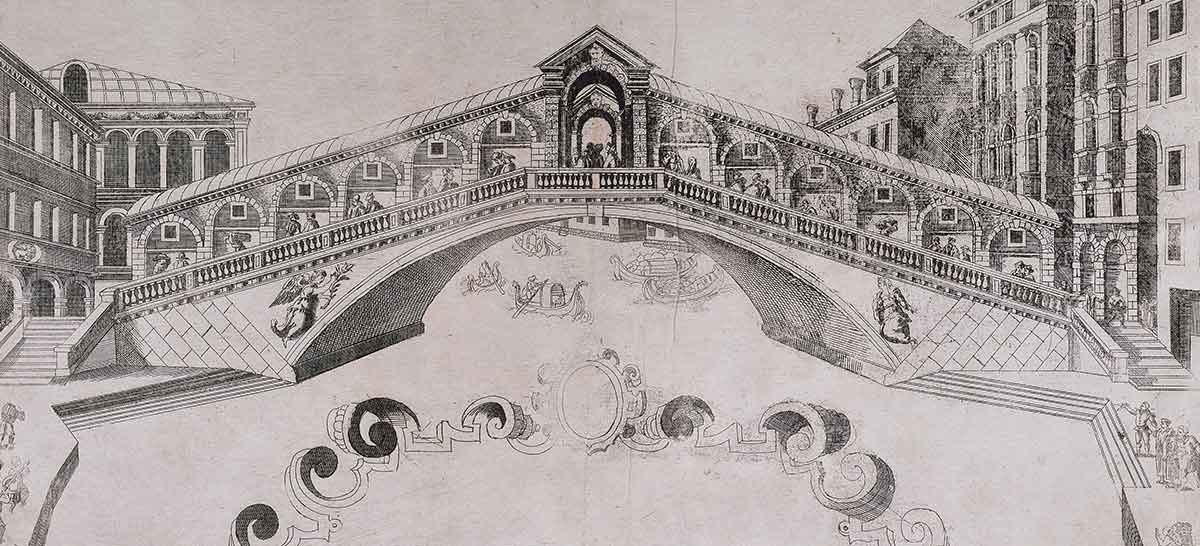
The city opened up an effective monopoly on overseas courier services, essentially managing all post and news traveling through the Mediterranean into Europe and, naturally, reading any worthwhile document that came their way. Even coded cyphers were of little help after 1506, when Venice employed the first codebreaker Giovanni Soro, who spent his entire professional life in the Doge’s palace, purloining intelligence from coded letters from potential friends and foes.
Meanwhile, the city’s informal markets of gossip and news still plied a brisk trade, selling to all comers. Venice was the place for merchants looking for tips and the latest market data, as well as gatherers of less financially related intelligence, aka spies. “What news on the Rialto?” a line famous today from Shakespeare, was a common phrase among his contemporaries.
Venice was the hub of merchants and spies, and every regional power had some form of delegation in the city. State actors would organize clandestine meetings and discussions not sanctioned by official diplomatic channels within the myriad waterways of Venice. Such delegations and meetings were of course happily exploited by the Council of Ten.
Yet not even a state-of-the-art intelligence service could keep Venice continually safe, nor prevent disasters like the Third Ottoman-Venetian War. Moreover, there were vulnerabilities to Venice’s vast marketplace of official and unofficial secret traders. After all, the diplomats and spies from abroad were just as eager to exploit these resources for their gain and Venice’s detriment as the Venetian government was eager to exploit them.
By the mid-16th century, Venice’s state security had become increasingly fraught. Thus, the Venetian government made a drastic step up in public surveillance and state security in 1539 with the foundation of the ominously named State Inquisition.
The State Inquisition
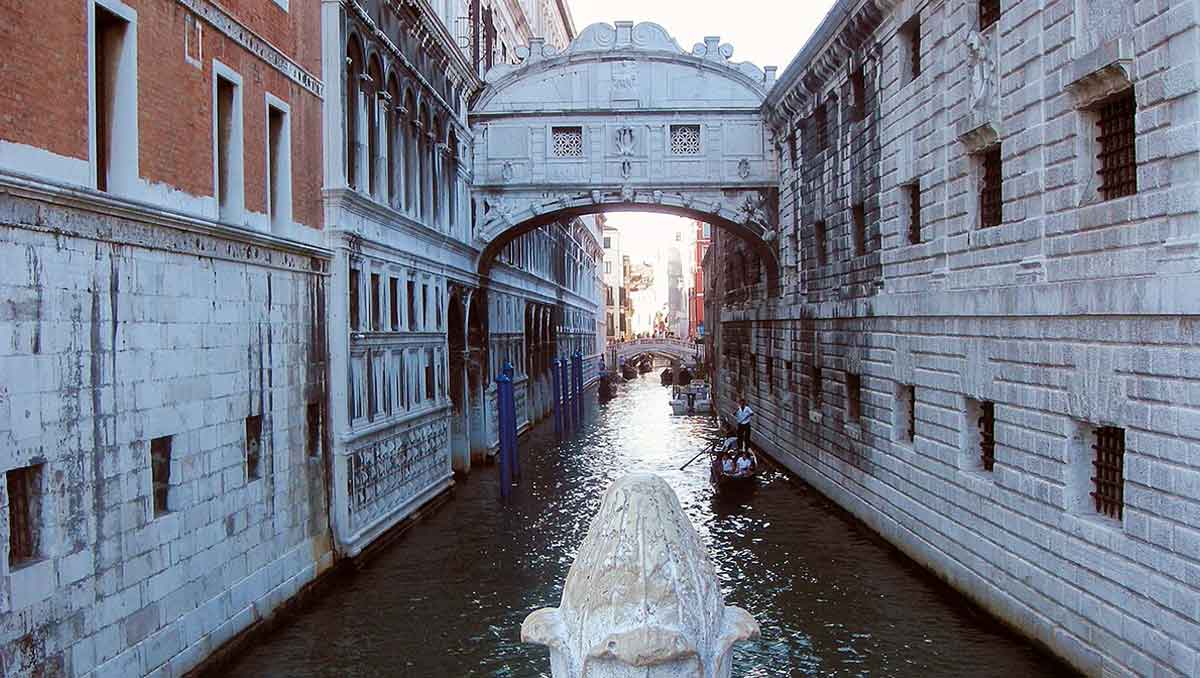
Three inquisitors, two from the Council of Ten and one from the Signoria Council, were tasked with rooting out all treason and secret leaking and prosecuting those liable with extreme prejudice.
Though duties had largely been the Council’s responsibilities for centuries, it shows how greatly their remit had expanded that they required a separate subcommittee to manage it. Less innocently, the inquisition’s formation reveals a growing concern over intelligence vulnerabilities, and thus a need for greater oversight, and (consequently) an intensification in state surveillance.
The inquisition made full use of all available information networks, along with new channels of their own, and enjoyed full legal permission to prosecute their remit, hosting their own trials and prosecutions.
Where previous actions of this level by the Council had been reserved for singularly high levels of treason, the inquisitors were far more frequent judges, juries and executioners. Even more sinisterly, their hearings proceeded with extraordinary rapidity, leaving little time for full legal procedures.
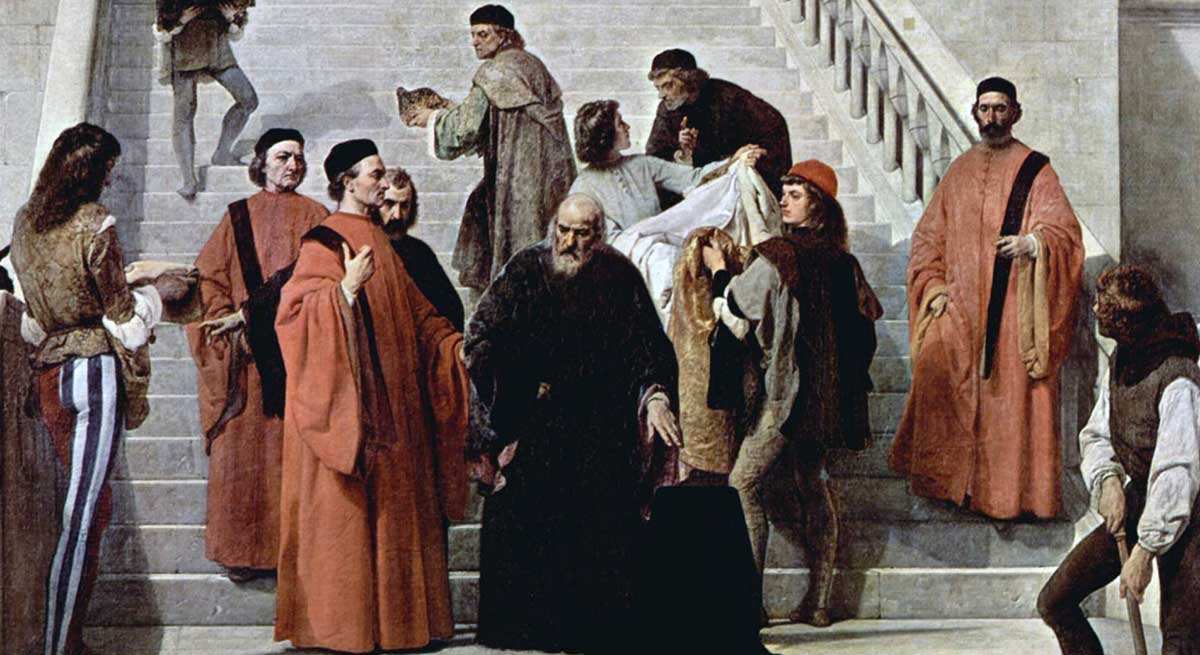
However, this inquisition should not be confused with its religious namesake, a branch of which also happened to be operating within Venice at the same time. Interestingly enough, the Council appointed three laymen to the religious inquisition to monitor their activities.
These three overseers overtly “cooperated” with the Roman Inquisition but, in reality, made sure this Inquisition did not transgress Venetian laws or extradite Venetian citizens without due process. While this was largely done to prevent Venetian secrets from leaking to the Papacy, it also demonstrates a continued commitment to the ancient liberties and dignities of Venetian citizens.
For indeed, despite the remit of the State Inquisition, it still adhered to the fundamental principles of Venetian state surveillance. This was no totalitarian purge or reign of terror; the inquisitors faced the same constraints and limitations on time in office as the Council of Ten.
The system of raccordi and supplica was still respected, anonymous condemnations were not coerced from private citizens, and investigators still had to adhere to high standards of investigative justice.
Decline of the Republic
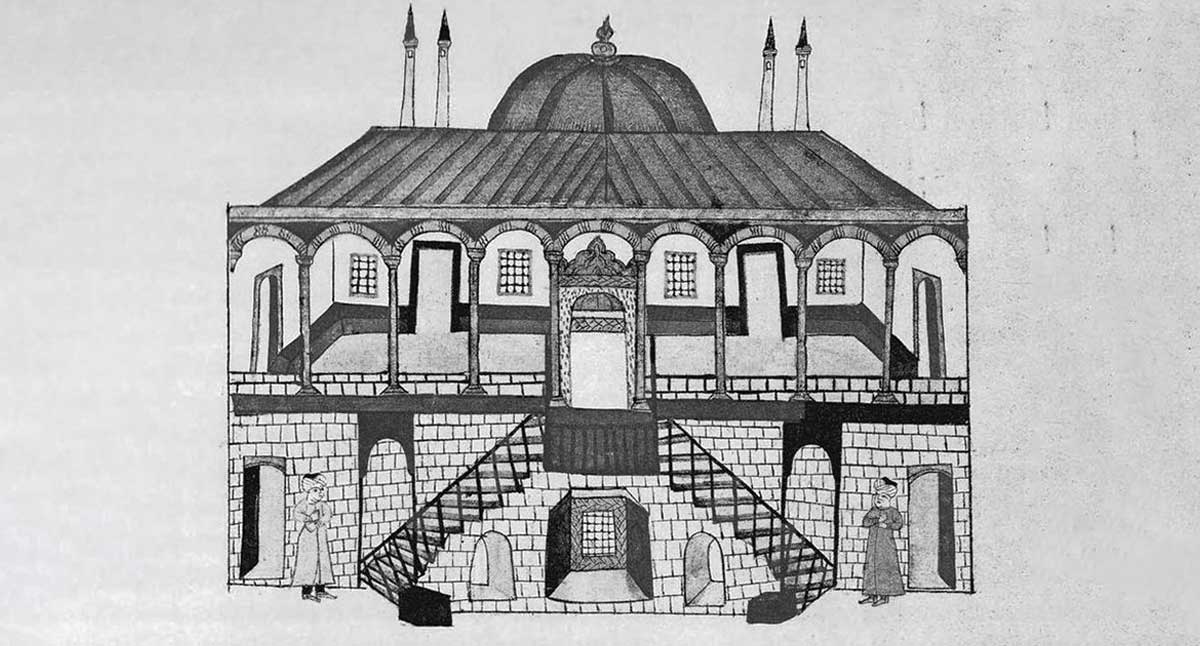
The Inquisition would not prevent Venice’s slow decline, which began in the 17th century, from factors no state inquisition or spy network could control. The Ottomans continued pressuring the Eastern Mediterranean while the winds of trade and commerce turned westwards to the Atlantic and round the horn of Africa. Venice’s economic status was outstripped by other cities better suited for the new fortunes to be made.
Yet still, as her power regressed from international to regional, and she became a center of tourism and culture rather than global intelligence, the institutions of her heyday remained. The Council of Ten, the inquisitors, and all carried on into the 18th century. Raccordi came in from outcasts and citizens.
A Bailo still remained in Constantinople as Venice and her old nemesis continued to trade and fight as the years progressed, and even the Ottomans themselves began their own decline. All the while, Venice’s antiquated governmental institutions carried on as best they could, until an enterprising Corsican marched out of France and ended the Republic once and for all in 1797.