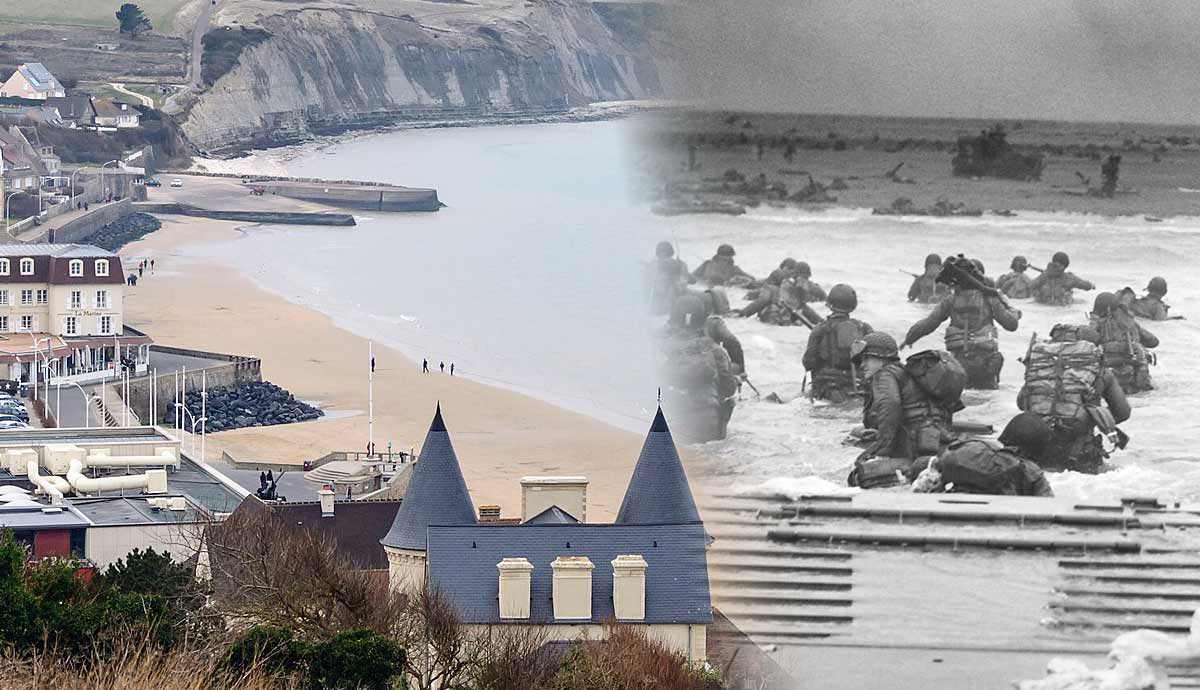

August 1944 witnessed the crushing defeat of Germany in France. The Allies pursued the Germans but critically outstripped their supply chain. The US Army developed a quick solution— the novel Red Ball Express.
Created on August 25, 1944, the Red Ball Express became the Allied lifeline tasked with transporting fuel, ammunition, food, and medical supplies. Nothing could be sent by rail as ongoing airstrikes decimated the French rail system. A high-speed truck system was developed to overcome this unique logistical challenge, enabling the rapid movement of supplies from the beaches to the front.
Logistics of the Red Ball Express
As a logistical operation, the Red Ball Express may be unmatched. And these factors made it stand out:
- The Scale: The Express operated 24/7 using thousands of trucks along fixed routes.
- Operational Pressures: The broken-down trucks, gas shortages, and wrecked roads created the primary pressure points. But the supplies kept flowing.
- The Drivers: The African American drivers of the Red Ball Express made this possible. Despite discrimination, these soldiers represented three-quarters of all the drivers. Their contribution was pivotal for success.
- Allied Ingenuity: The Army high command saw this obstacle and cleverly responded. These teams demonstrated ingenuity to keep the Allied momentum going.
Why Were There Shortages?
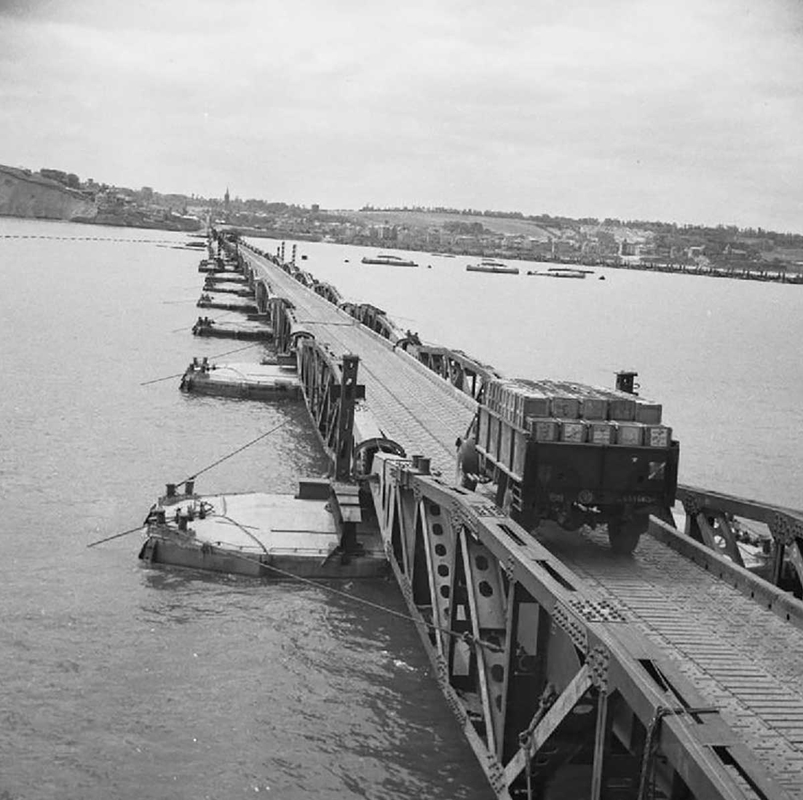
Before the D-Day invasion, the Allies anticipated the logistical difficulties ahead. The intense bombing campaign neutralized the French railways. Capturing ports became challenging as the Wehrmacht fortified them or sabotaged the facilities. An overreliance on using the beaches to land supplies had mixed results. The ingenious artificial Mulberry harbors helped, but storms wrecked one of the two built.
And like in any war, no plan goes according to plan. The vicious bocage fighting caused near-critical gas, fuel, and ammunition shortages. Upon breaking out of the Normandy hedgerows, the US Army’s shortages only grew.
How Did the Red Ball Express Accomplish Its Goal?
The Express became the US Army’s primary lifeline after D-Day. To meet demand, the Army scrounged every truck it could find in its rear areas. It pulled trucks from infantry units, ports, and beach areas. The Express aimed to deliver 75,000 tons of cargo monthly, but more was required. With the French railroads still in tatters plus American armies still advancing, the deadline got pushed out.
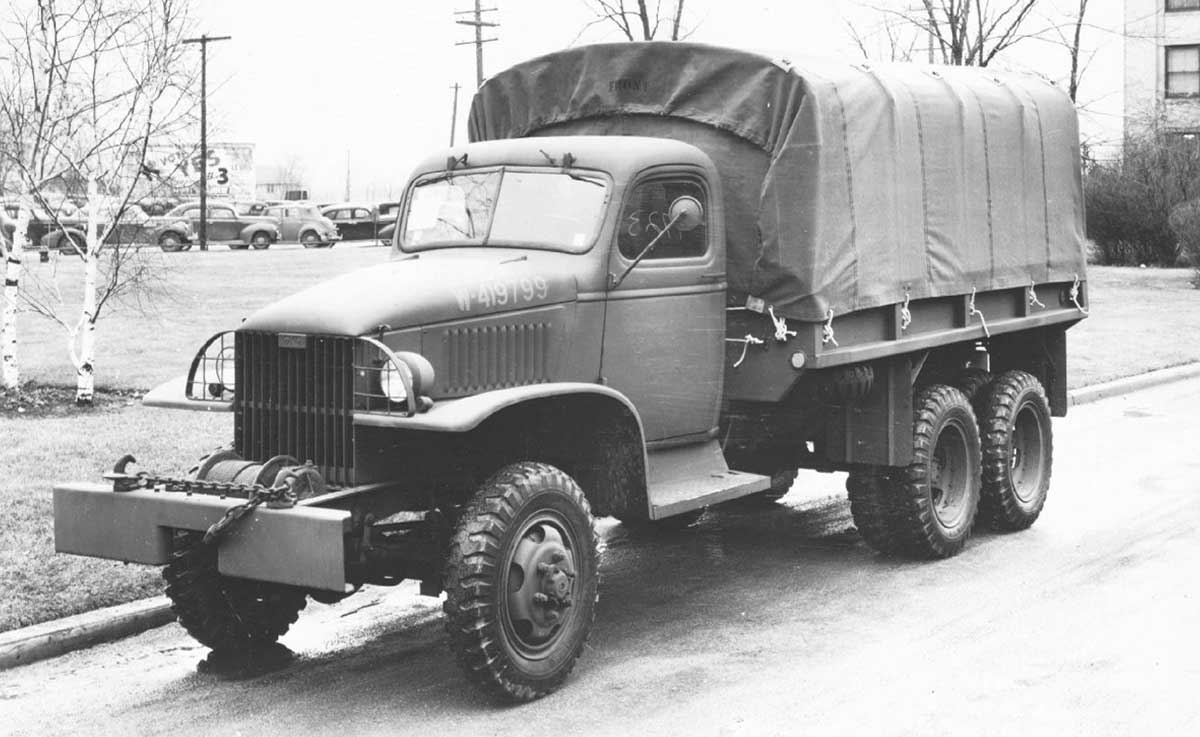
The Army utilized nearly 6,000 trucks for the Express. The GMC 2 ½-ton, 6-wheeled truck served as the primary mover. Based on a successful commercial design, American factories produced over two million trucks by 1945. Able to haul 2 ½ tons, this truck, nicknamed “Deuce,” showed its flexibility and reliability in transporting cargo.
By September 1st, the Express had delivered only some 80,000 tons. The US Army command decided to extend the end date of the Red Ball Express. Over the next six weeks, the tempo increased, and by the end of that period, the US First and Third Armies had received 412,000 tons. The Red Ball Express’s lease on life ended on November 16, 1944. By then, the French railways had been repaired, new supply routes had been established, and, critically, the huge port of Antwerp had come into use.
When and Where Did the Red Ball Express Start and End?
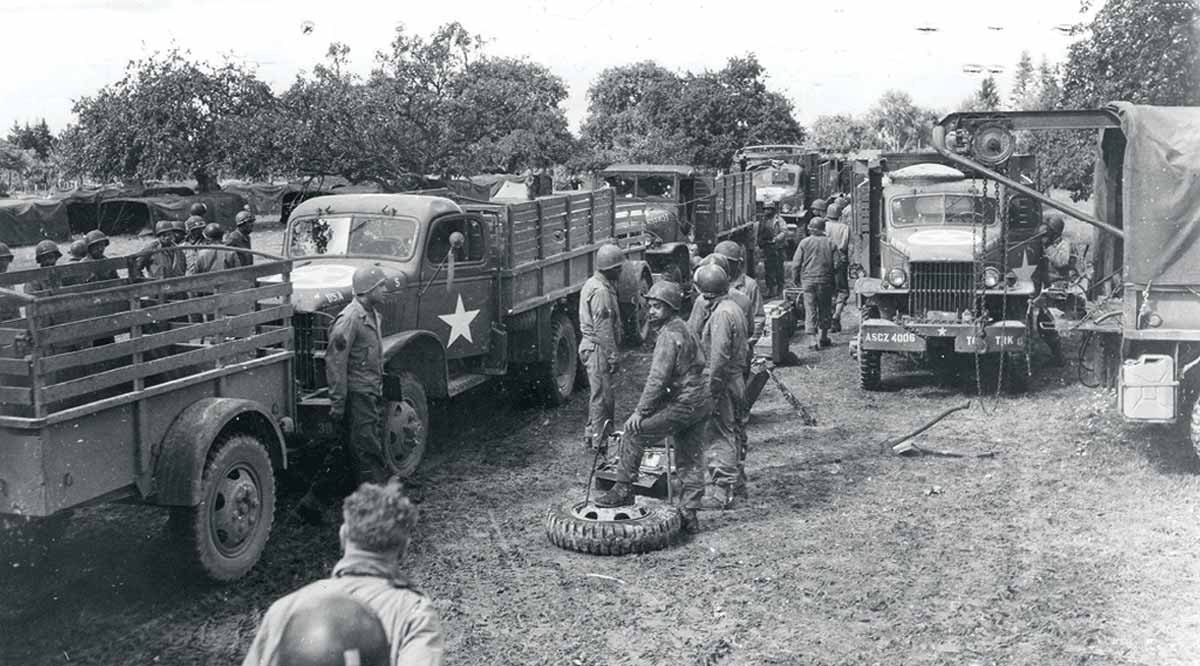
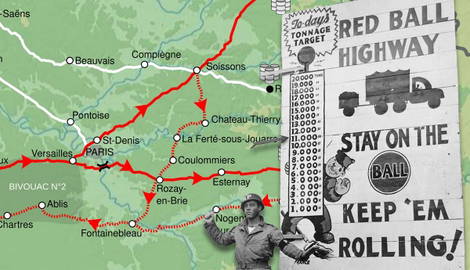
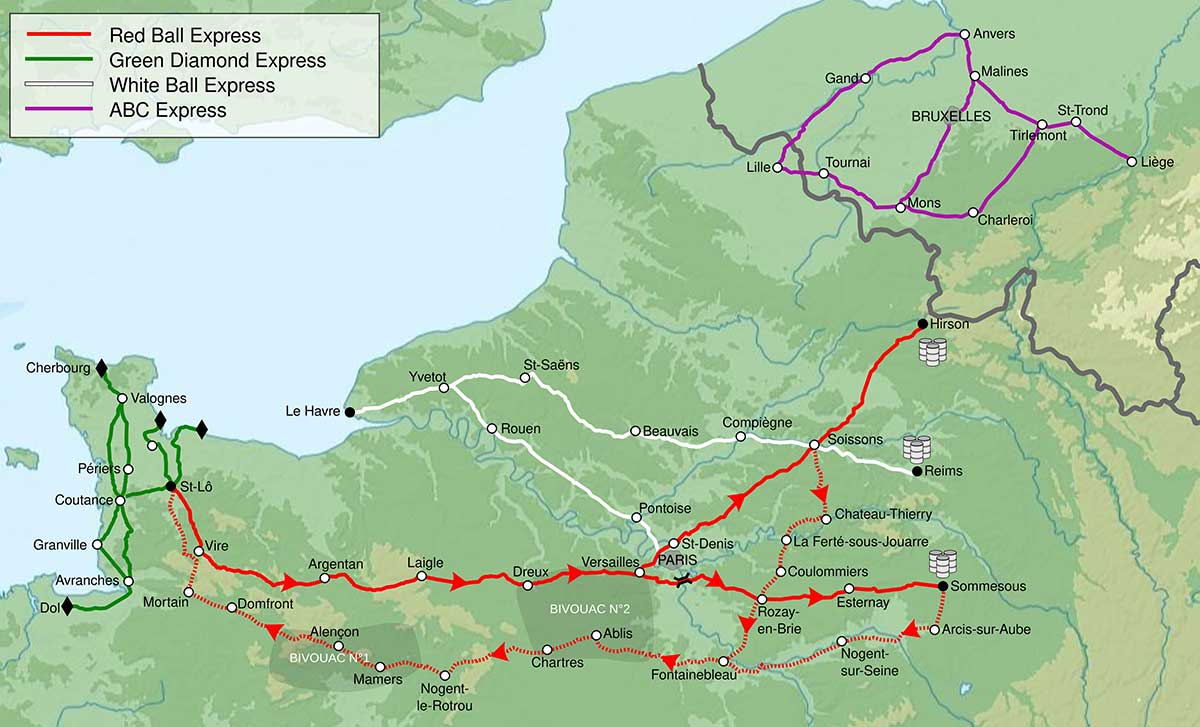
The Red Ball Express began its first run on August 25, 1944, and ended on November 16, 1944. During its 83-day existence, the trucks carried supplies over 400 miles of road. The Express drew its name from the red balls put on priority shipments and map routes.
The Express began at the port of Cherbourg, Normandy, the Allies’ biggest port until Antwerp’s capture. With roads cleared just for the Red Ball Express, the route went through cities like Chartres or Orleans. These became essential distribution hubs. Often, supply hubs changed as frontlines expanded further. The cities of Verdun and Metz, the final stopping points, distributed supplies to their final destinations. A typical round trip could be either 670 or 750 miles, all driven under pressure with the motto “Keep ’Em Rolling.”
Red Ball Express Legacy
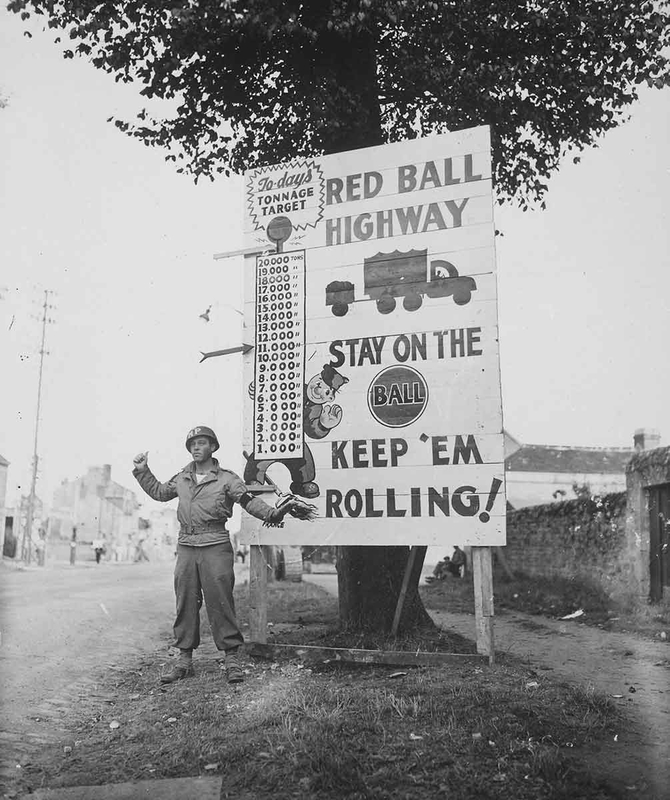
The Red Ball Express became a logistics success story. First, the human effort, especially from African American truck drivers, who, despite facing discrimination, demonstrated that they were equals; secondly, the speed at which the convoys were organized.
The non-stop movement, often with drivers sleeping at the wheel during short stops, enabled the American armies to keep pressure on the Germans. The Express demonstrated how robust supply chains should be during a war. Patton summed up the Express with, “My men can eat their belts, but they can’t eat their tanks,” referring to the gas deliveries.