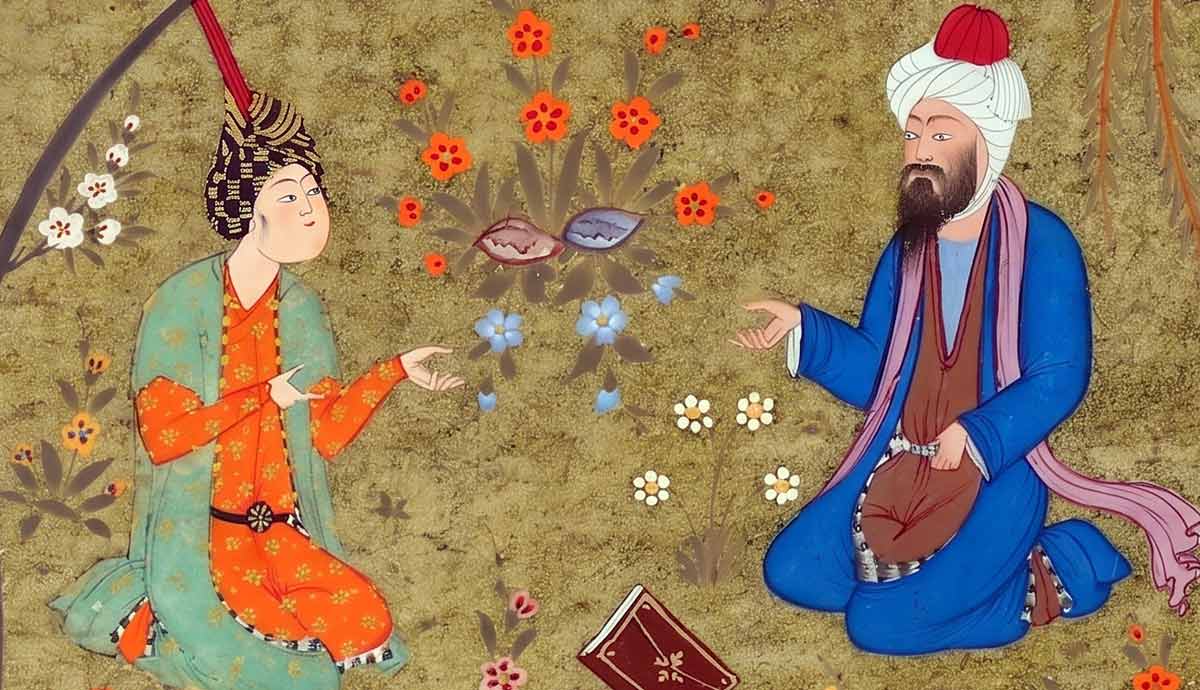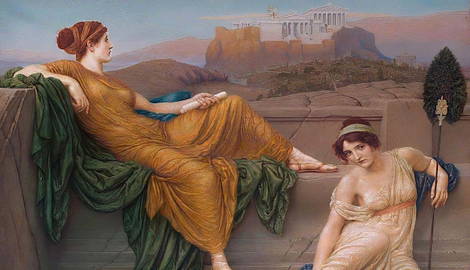
When considering ancient philosophy, we typically discuss the big three: Plato, Aristotle, and Socrates. But what about women? Although often overlooked in both official academia and written historical records, this does not mean they were voiceless. Indeed, far from it. They debated with men, taught both sexes, disproved theories, and provided inspiration for great philosophical texts. Whether one looks toward the ancient foundations of Vedic wisdom or the subsequent development of Pythagorean mysticism, there have always been women who influenced philosophical thought, though in subtle ways one might not even notice.
Women in Ancient Philosophy: Myth, Mystery, and Margins
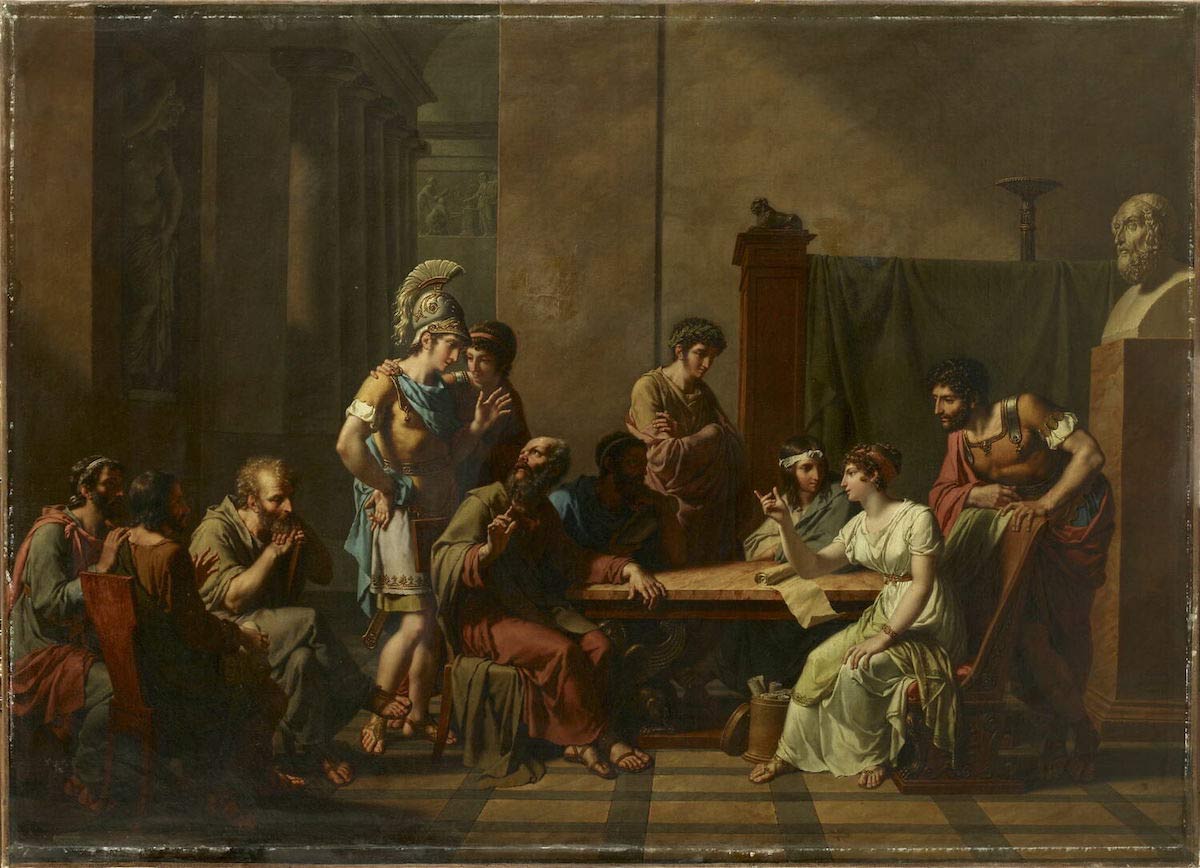
Women were more often found in myth than philosophy among early Greek thinkers. They featured as goddesses, muses, or priestesses; as embodiments of wisdom, mystery, and inspiration. Athena symbolized strategy and the rational side of war. Muses gave poets and thinkers insights. But what about real women? They are nearly invisible in official philosophical texts.
Even the pre-Socratic philosophers, such as Thales and Heraclitus, do not see women as thinkers. Women are apt to be found in the background, if at all, or as metaphors for things other than philosophy. It seems that this newfangled thing called philosophy is for men only.
Even so, it wasn’t easy to tell where early philosophy stopped and myth began. Some of what thinkers said about the way the world is ordered, or how fate works, sounded like very old stories, especially because these tended to feature women.
Consider Diotima in Plato’s Symposium. She gives Socrates a lesson on love and beauty that leads him to the concept of a godly being who loves everything. But did she exist? There are people who think so. They say she was a philosopher from Mantinea, a real town known for wise men. Others reckon Plato made her up. But whether she is fact or fiction, it makes no difference for our purposes: within male-authored texts of this period, we find women profoundly influencing some of its central ideas.
Pythagorean Women Philosophers: Harmony and the Cosmos
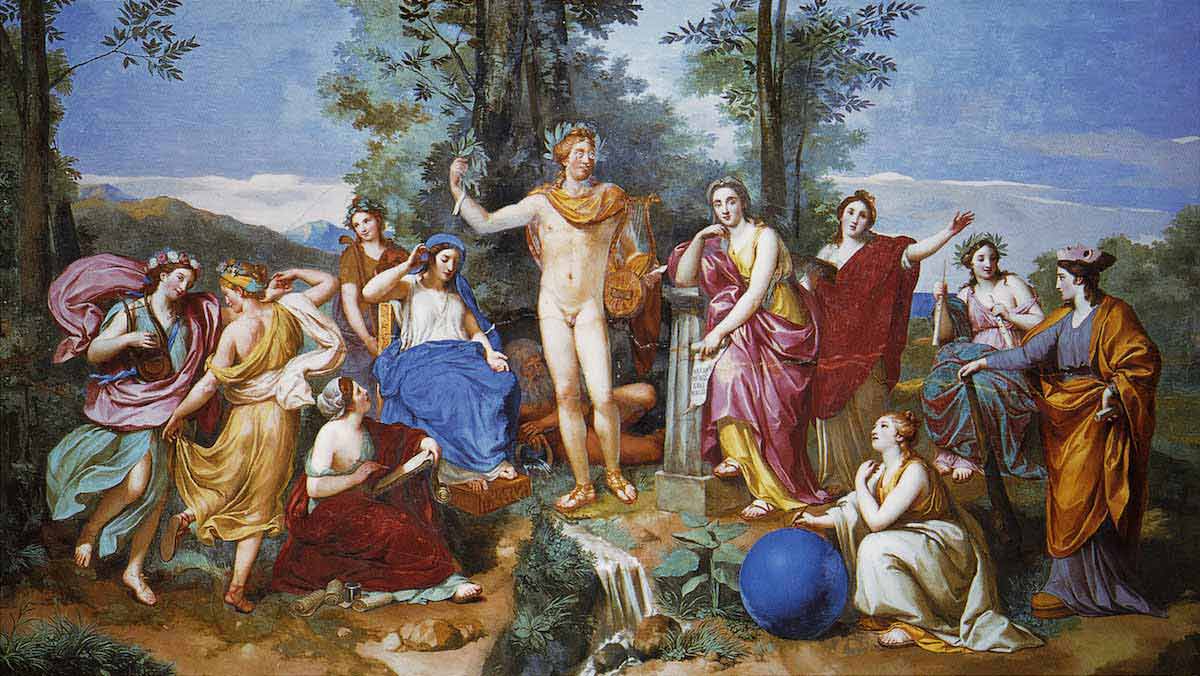
In antiquity, only a handful of philosophical institutes permitted women to their ranks. One notable exception was the Pythagorean community. Established by Pythagoras sometime during the 6th century BC, it offered an alternative way of life, one which championed harmony, balance, and moral probity as much as number-crunching. Women had an active role to play in his vision.
Theano, who some think was married to Pythagoras, was just one woman associated with the school who contributed to fields including ethics, mathematics, and the nature of the soul. She stressed the importance of self-control plus benevolence, both key Pythagorean virtues.
Perictione (potentially Plato’s mother) wrote about the duties of women and how the psyche might help bring cosmic consonance. Phintys also took up ethical matters, especially as they related to her sex, showing that living a life of virtue wasn’t only a male’s pursuit. The men weren’t the only ones who thought this way; these women did too. They believed that everything in the world followed a pattern, including an order and a moral code.
Thus, music and human conduct also reflected deeper cosmic trends. Like their male counterparts, they felt living rightly meant living in accordance with the universe. While most women of their era were not heard from on such matters, female Pythagorean philosophers had no qualms about making their views known. They teach today just as in bygone days. Wisdom and logic are not the exclusive province of any one sex; rather, they are attributes of those who dare to seek truths for themselves.
Socratic Circles and the Silenced Influence
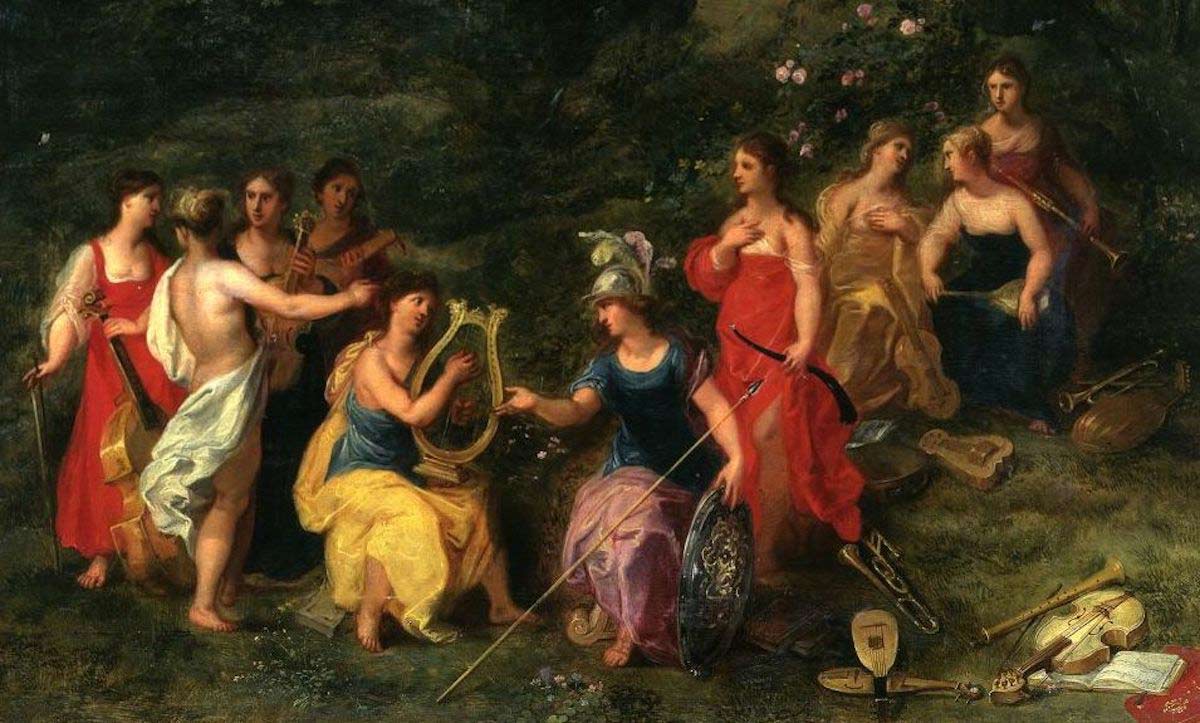
Athens’ great interrogator Socrates didn’t leave a single written word, but at all times, he was surrounded by thinkers, some of whom were women. Aspasia, Xanthippe, and quite possibly Diotima prove that women were part of his world, even if they have not always been given credit in history books.
Aspasia was the partner of Pericles, renowned for her clever conversation, persuasive abilities, and influence within Athenian society. It seems likely she took part in the kind of chitchats that helped shape both political decisions and philosophical ideas. Xanthippe is generally thought of as somebody who was hard to get along with. She may well have been just that, but it’s also possible she used her keen intelligence to argue with Socrates in private. Then there is also Diotima. In Plato’s Symposium, she teaches Socrates about the ladder of love, which leads to an idea of enduring beauty. Do we take her as real or symbolic? Maybe we cannot really know. Nevertheless, the ideas are deep.
It seems these female voices either got hushed up straightaway or toned down by philosophers of a later date. But if we admire Socrates’ spirit of questioning everything (including himself), then shouldn’t we also ask whether their work has been sidelined unjustly for centuries on end?
Hypatia of Alexandria: A Philosopher and Martyr
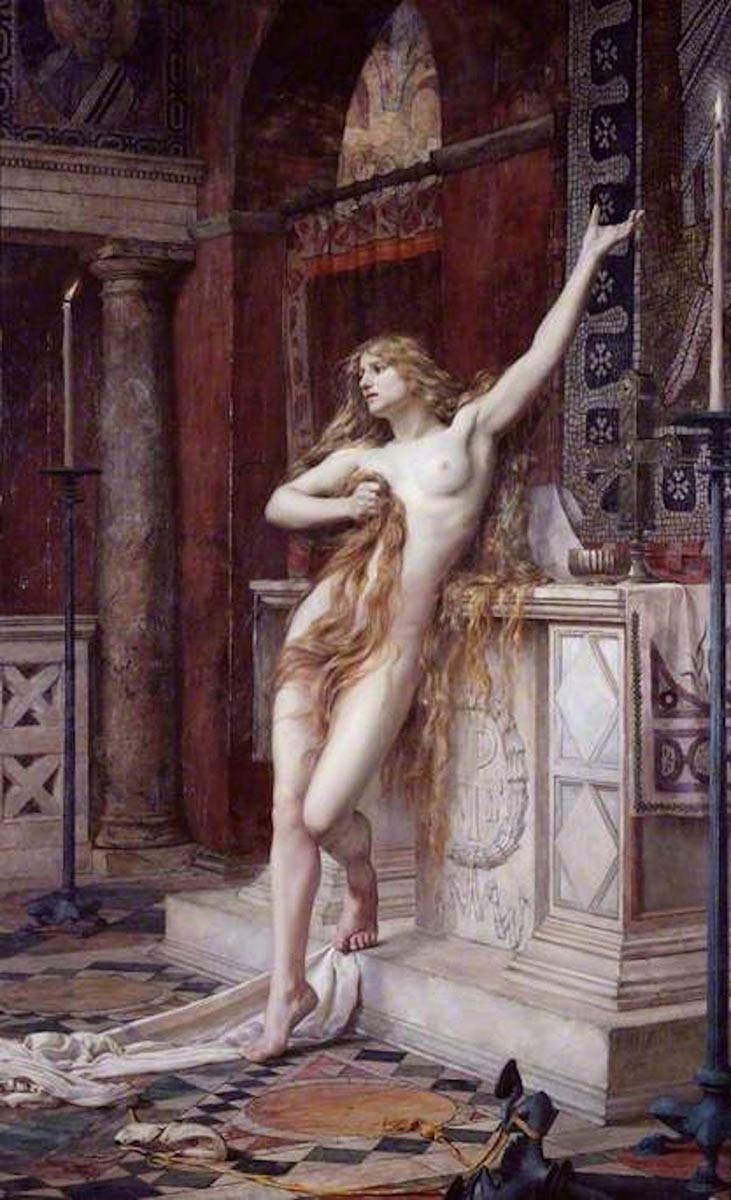
In the ancient world, few women philosophers are known by name, let alone considered great thinkers. Hypatia of Alexandria (c. 360–415 AD) was, however, both. She was a respected teacher who worked in the Neoplatonist tradition and attracted students from around the Roman Empire. In their classes, they grappled with ethics, astronomy, and mathematics as well as the ideas of Plato (c. 427-347 BC) and Plotinus (c. 205-270 AD).
What made Hypatia really special was not just that she was a woman in a man’s world, but that she embodied qualities that were valued by both sexes then, such as rationality, boldness, and independence of mind.
When tensions escalated between followers of the two religions, Christian and Pagan, her popularity turned her into a target. One year, in 415 AD, she was set upon by a rampaging mob and brutally killed. The murder is often held up as a dreadful emblem of intolerance and of how classical philosophy may have been dying out at this time. Plotinus had his eyes on mystical elevation. Augustine swiveled towards Christian theology instead. But Hypatia continued to believe in reason alone, and in teaching and investigating with a completely open mind.
Today, she is remembered not simply as somebody exceptionally learned, but as a brave thinker who died for her love of wisdom. Her existence is a powerful reminder that philosophy has never belonged exclusively to men.
Women in Eastern Ancient Philosophy: India and China
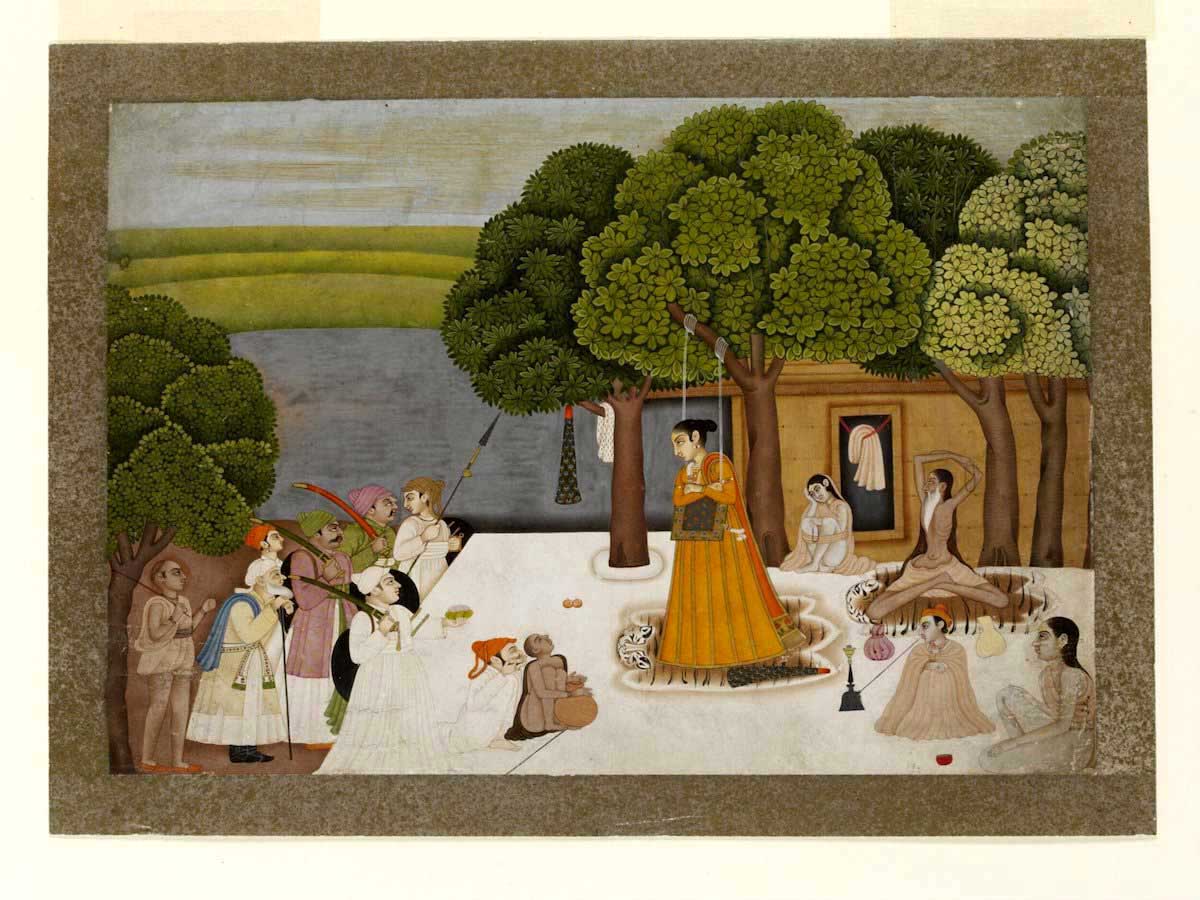
Women were usually excluded from philosophy in ancient Greece, but in some Eastern societies, they played a major role. Two such women in ancient India were Gargi and Maitreyi, both of whom appear in the Upanishad texts. Gargi had a famous debate with the sage Yajnavalkya about the nature of reality and the eternal self (Atman), and she more than held her own. Maitreyi also had some profound things to say when she asked whether it was possible to be really happy if you were rich, or even become immortal through wealth.
If anything, their inquiries into these areas were even more searching and challenging than those of many men in the same period. Certainly, they were of no less philosophical value. In ancient China, Daoism created an opening that was larger and more inclusive. Two early sages of Daoism, Lady Wei and Sun Bu’er, taught about spiritual transformation, balance, and harmony.
They taught that existence is non-dual in nature: meaning that things such as light and dark, male and female, are part of a single flowing whole. This view is akin to the Dao itself; always present, always changing, and impossible to pin down.
In comparison with Greek women philosophers, these Eastern thinkers often had more spiritual power but not necessarily the same social status. They believed in being at one with nature, free from inner constraints, leading simple lives. These were women who pondered the meaning of life in forest hermitages or mountain retreats just like their male counterparts. And like them, they too were not prepared to say, “This is only for men.”
Why the Voices of Female Ancient Philosophers Still Matter
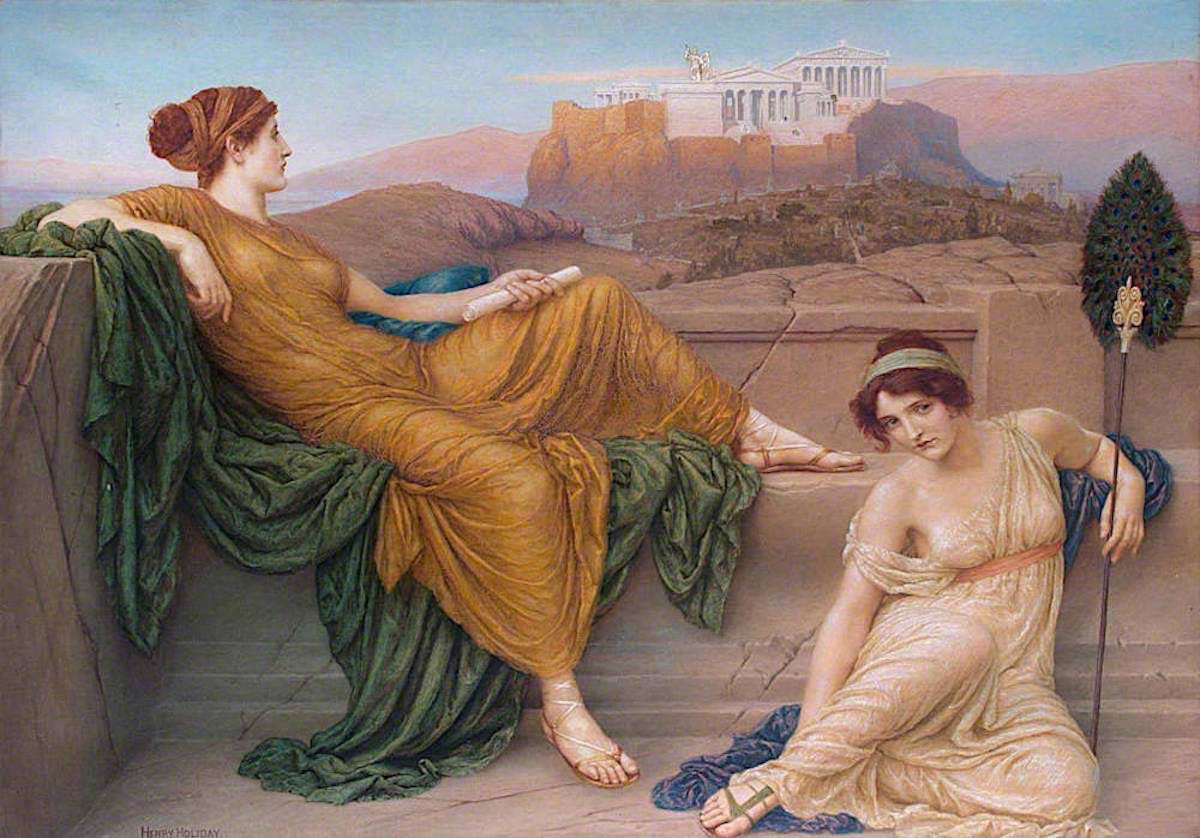
Throughout history, philosophy has largely been the domain of men, a pattern the discipline’s own past often reflects. Their absence must be questioned to achieve a true understanding of how different our intellectual landscape could look if contributions from all groups were taken into account.
Hypatia, Theano, Gargi, and Diotima are cases in point. Far from being also-rans in the world of ideas, these individuals dealt with profound issues surrounding selfhood, authenticity, and ways of living; questions that continue to preoccupy us today.
An awful lot of what we study in the Western philosophical tradition was formulated at a time when women were barely allowed through the door of either formal learning or public debate spaces, let alone both. Today, feminist philosophers are revisiting old texts and posing new questions, revealing overlooked insights that are still valuable. Scholars such as Simone de Beauvoir, Judith Butler, and Angela Davis have questioned long-accepted beliefs, stressing the importance of perspective.
When we listen to women, both now and in the past, philosophy becomes fuller, more truthful, more humane. Wisdom is for everyone; it does not lose value if you share it. On the contrary, ideas gain strength when they are discussed from different angles because they have a lot to offer us. The same goes for truths. They can be told in many ways.