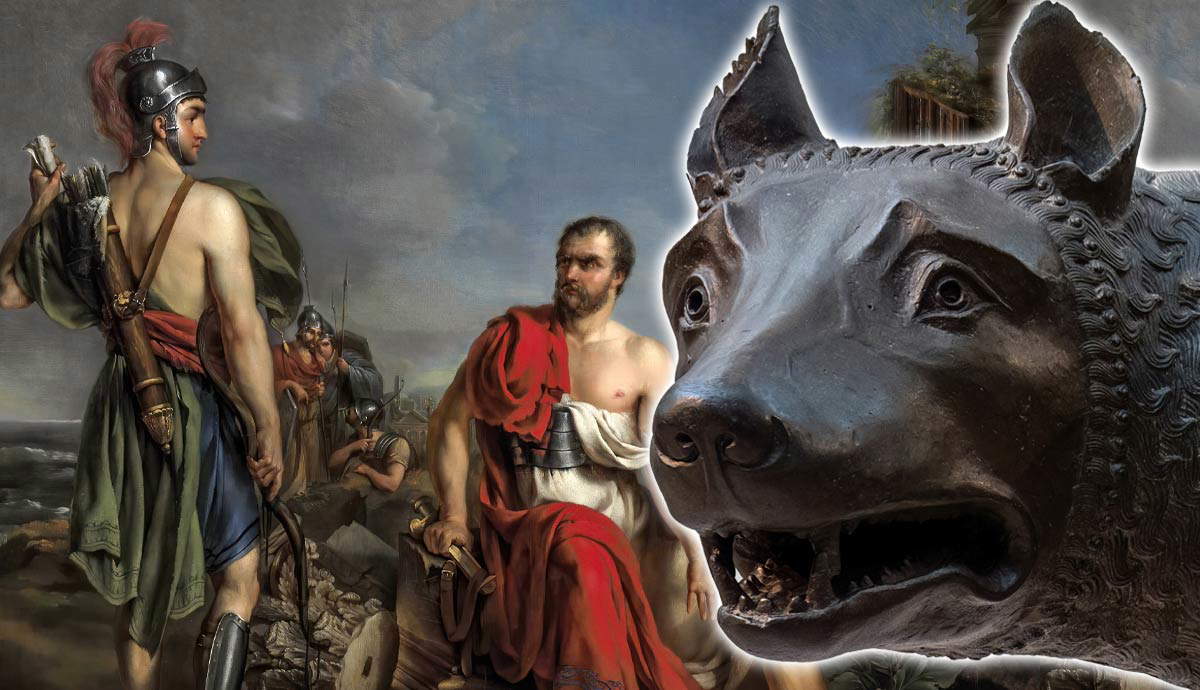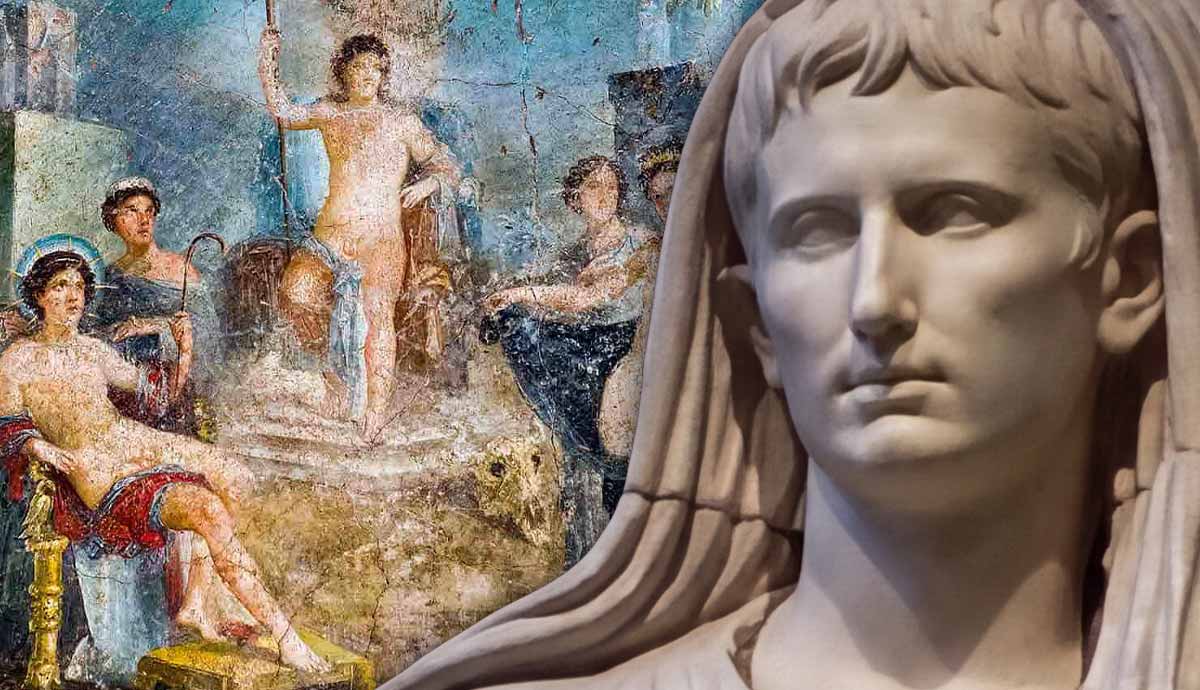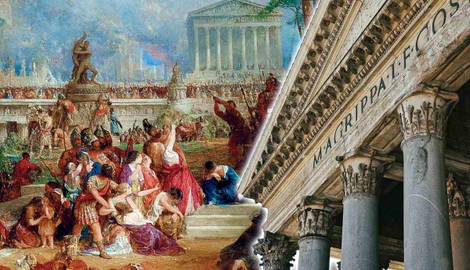

The relationship between ancient Rome and Greece was far more nuanced than most people realize. The Romans were not only imitators and conquerors, but they were also skilled propagandists who adapted Greek culture to justify their imperialistic narratives.
While the military might of Rome was the clear winner, Greece deeply influenced Roman culture intellectually, with art, philosophy, and cultural exchange shaping Rome’s core identity probably more than they would have cared to admit. This reciprocal relationship created a unique Greco-Roman culture that the world is still in awe of today.
The Violent Path to Cultural Hegemony
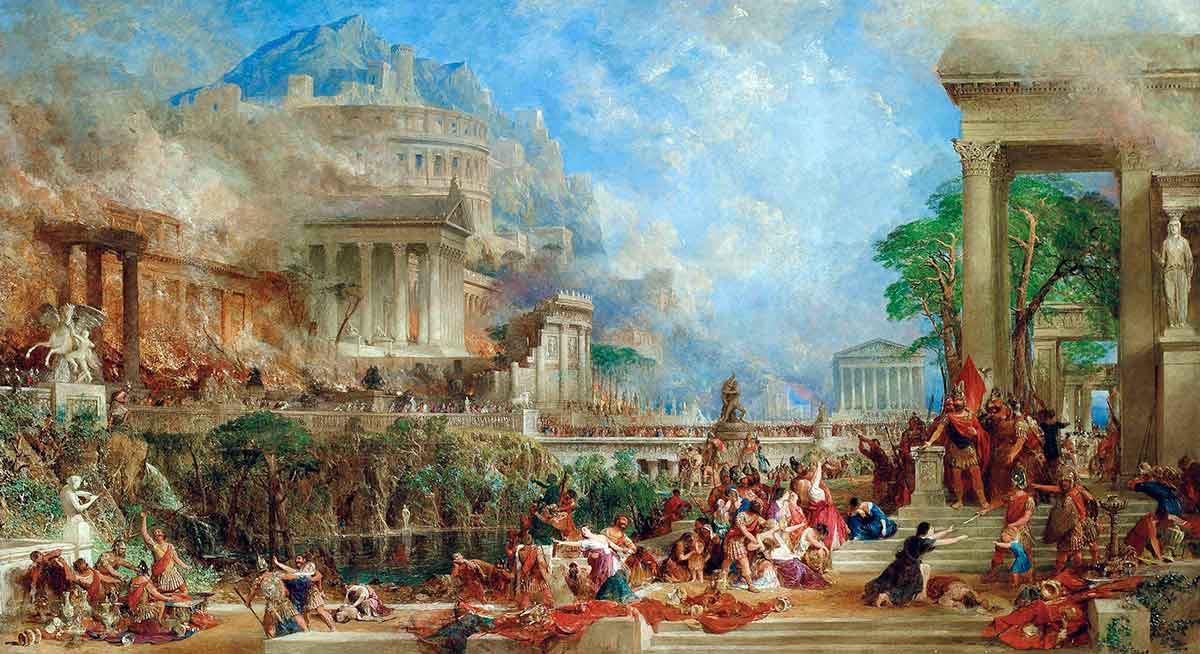
The Conquest of Greece was not a quick or easy victory for the Romans. It took decades of carefully planned attacks and expansions to gradually take over the peninsula.
Between 214 BC and 146 BC, there were several battles until the destruction of Corinth by Lucius Mummius marked the defeat of Greece and saw its absorption into the Republic.
Interestingly, Rome first decided to invade Greece because it was busy fighting the Carthaginians in the Second Punic War. Philip V of Macedon, who was a very powerful ruler, was considering allying with Carthage against Rome. This threat could not be tolerated, and therefore, Rome decided to invade Greece instead, starting the Macedonian Wars.
However, it took them over 60 years to finally claim dominance over the Greeks; they defeated the Achaean League, an alliance of Greek city-states, in 146 BC and gradually, over the next 100 years, re-organized the peninsula into the new province of Achaea.
From Animosity to Appropriation
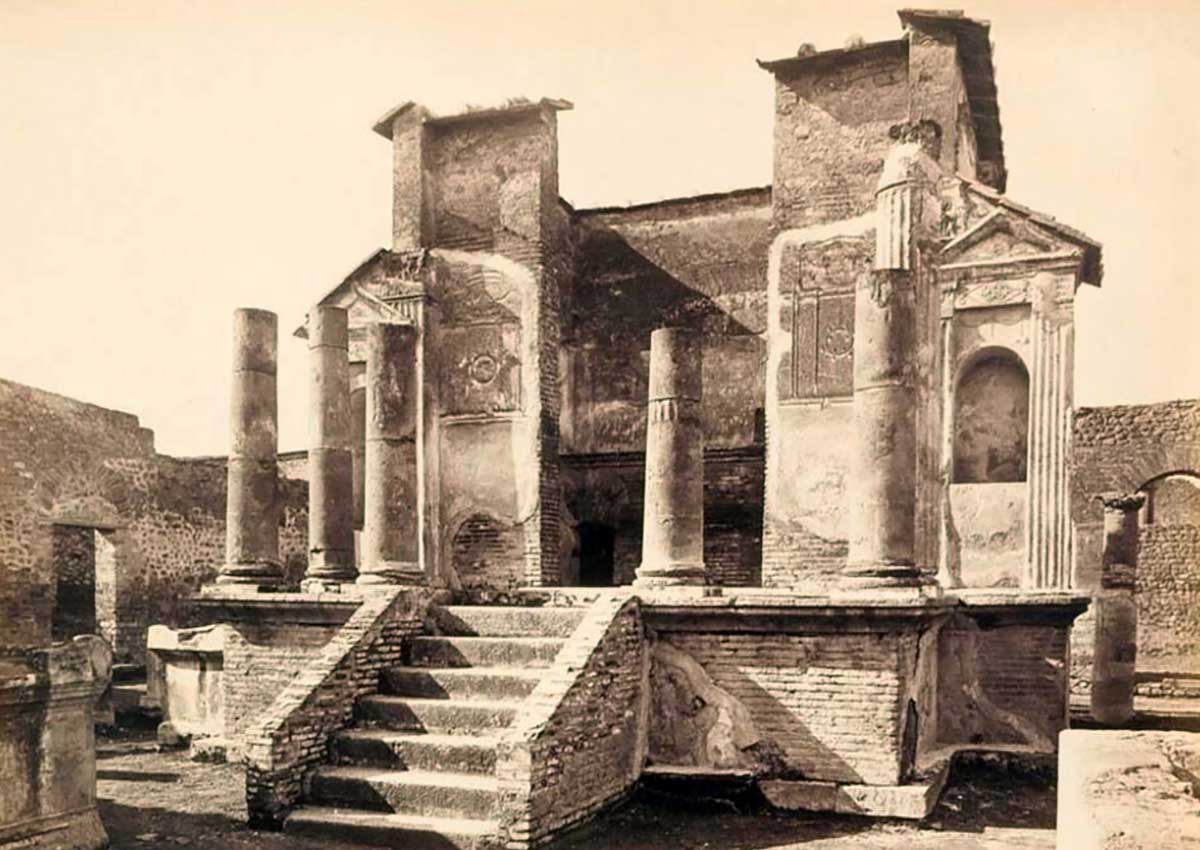
The Romans traditionally followed a specific pattern when they carried out a new conquests. Initially they would conquer a territory and take hostages and wealth back to Rome, then they would establish a military presence to control the newly acquired area and impose a new political system.
Often they would use puppet leaders to control these new areas, in order to give the impression that the local elites remained in power, even though a Roman governor or senator would also be present to oversee matters.
In general, only certain aspects of a newly conquered area would be absorbed by Rome; sometimes it was artistic styles, on other occasions it would be certain useful deities such as the Eastern figures of Mithras or Isis. However, Greece was different. Significantly more cultural ideas were absorbed by the Romans, from religion, to literature, to architecture.

The Romans strongly believed that they were both morally and politically superior to the Greeks, which was the narrative they used to explain how they had defeated them.
They accused the Greeks of being weak, arrogant, indulgent, and too focused on fanciful things and philosophy rather than developing military skills. The Romans could not deny the Greek ability for creating new ideas and inventions; however, even this they turned into an insult, saying that Romans were needed to refine Greek ideas by making them more practical, relevant, and useful for the wider world.
While the Romans were happy to promote the narrative of their superiority, they began gradually adopting and absorbing numerous Greek customs, which gradually became more dominant over time.
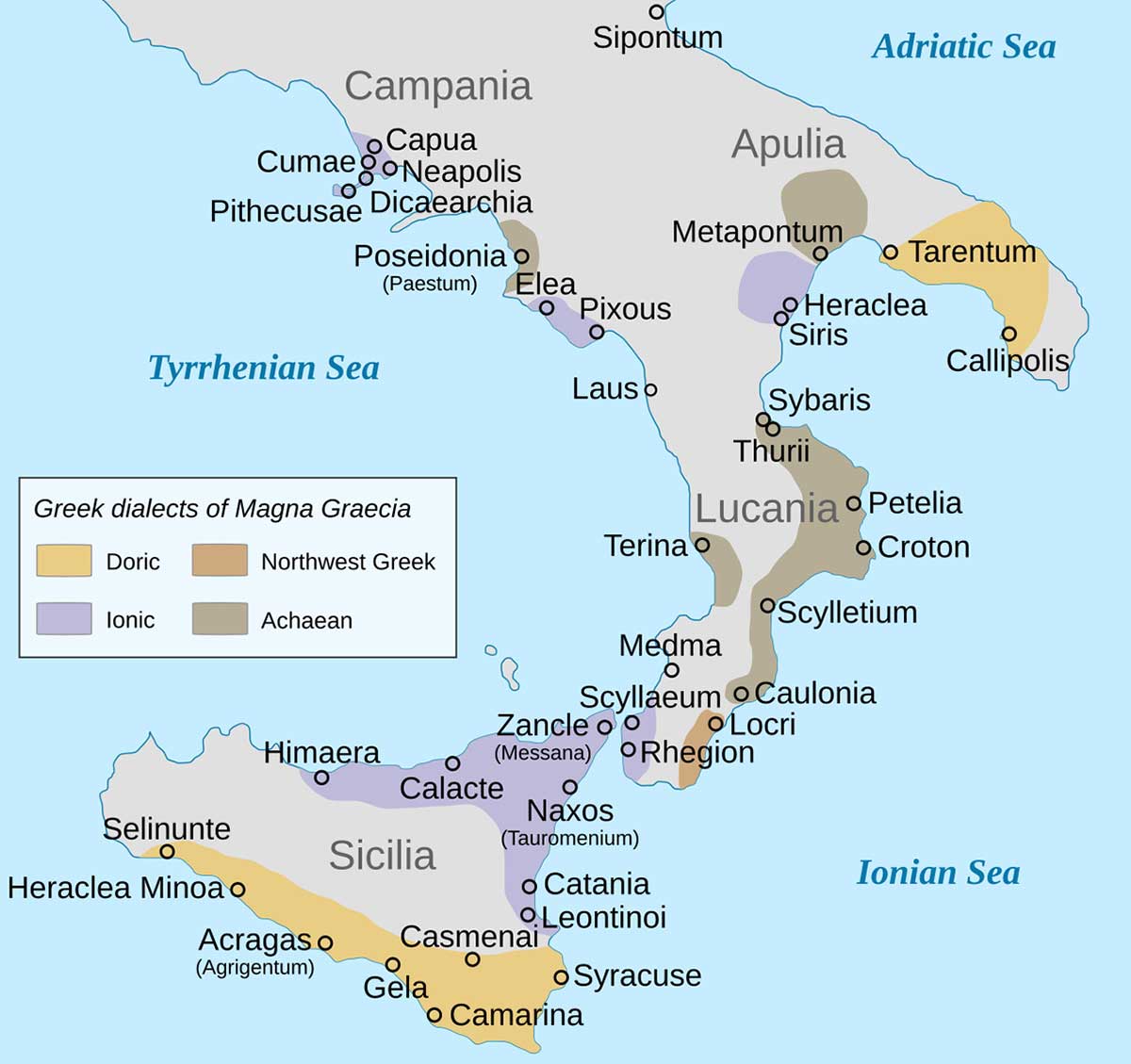
Historically, the relationship defining Greek and Roman cultural exchange dates to a time much earlier than the Macedonian Wars. This was because, for several centuries prior to the conflict with Greece in 214 BC, Greece had been establishing colonies on the Southern Italian mainland; effectively, the Greeks and Romans had been neighbors for over 300 years.
The most well-known Greek colonies include Cumae, Paestum, and Syracuse in Sicily. These colonies had been trading with Rome for a long time, exposing the Romans to Hellenic culture from a much earlier date. As the Romans gradually took over the Italian peninsula and absorbed these Greek colonies, their cultures began mixing even further.
What Did the Romans Actually Take?
Trying to study the depth and complexity of the Roman obsession with Greece is made much harder due to the huge amount of cultural exchange that occurred over the centuries. All aspects of Roman daily life were, in one way or another, shaped or at the very least partially influenced by Greek traditions.
Gods in Translation Across the Empire
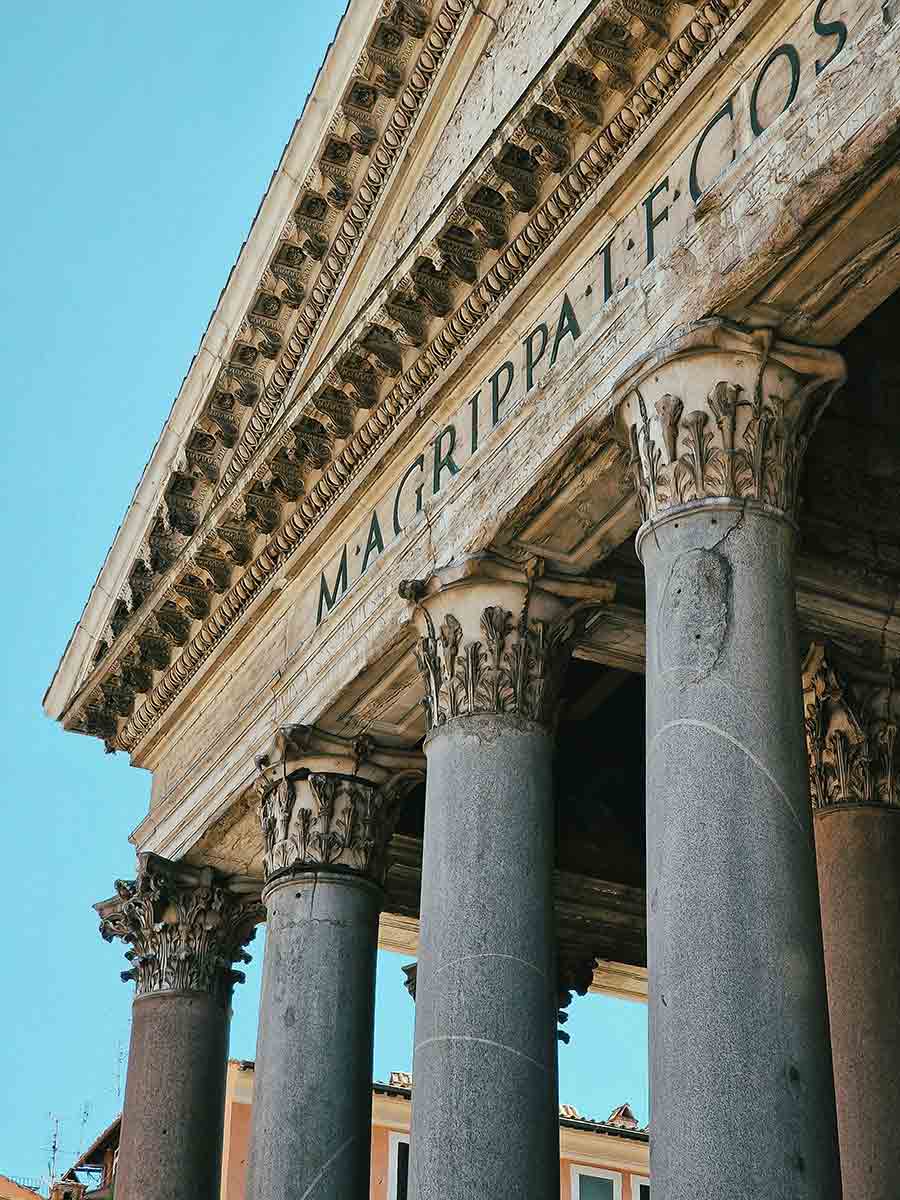
For those of us who have studied the Greeks and Romans either at school or thanks to the Percy Jackson books, we know that the similarities between these two religions are eerie. However, when you consider the historical reasons for these overlaps, it makes sense. The Roman religion was essentially created by mixing local Etruscan traditions with Greek myths.
Because of this, most of the Roman gods and goddesses have a Greek counterpart. However, there were some differences between the deities of these two cultures, and in general, the Roman deities were more warlike and rigid.
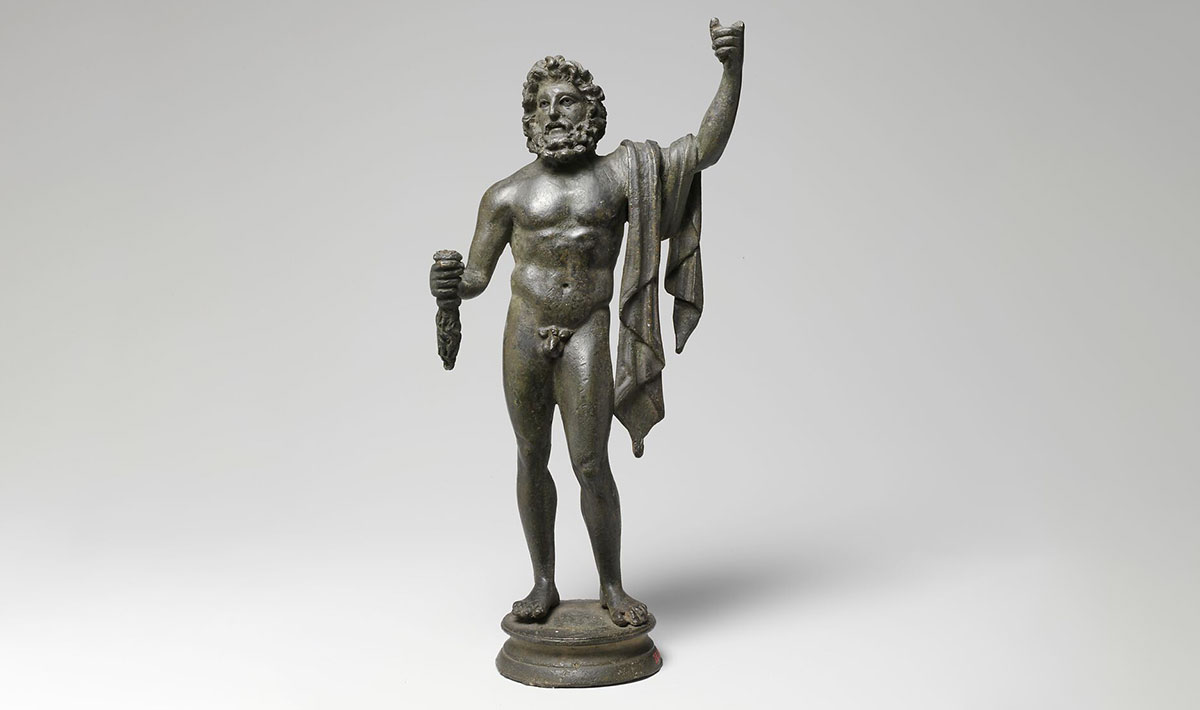
In the Greek Pantheon, Zeus is the Lord of the Sky and King of the Gods. For the Romans, this was Jupiter. Sometimes the gods were mirror images of each other, such as Aphrodite and Venus or Hephaestus and Vulcan. There were some exceptions to this rule.
Athena from the Greek Pantheon and her Roman counterpart Minerva are an example of this. Athena was the Greek Goddess of war, wisdom, and battle strategy, among other things. She was a fighter and powerful figure in many Greek myths. Minerva, however, was not. Instead, she was primarily focused on commerce and trade, not war.
In general, the Romans were very good at assimilating local religions and their customs, which ensured that the transition between political powers was smoother and more stable.
How Rome Perfected the Greek Aesthetic
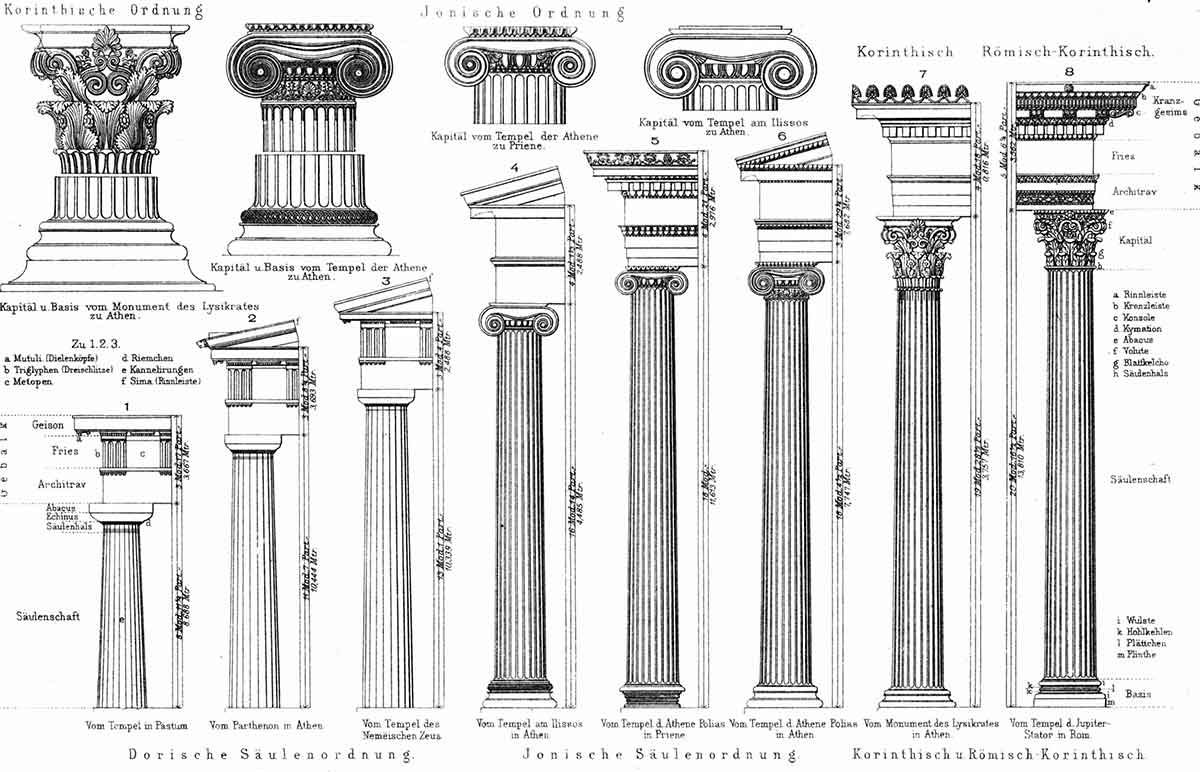
Architecturally, there were also many things that the Romans absorbed from Greek culture, including the Corinthian, Doric, and Ionian orders for buildings. There was a difference in building styles, however. The Greeks favored marble for their monumental structures, whereas the Romans often used cement and brick.
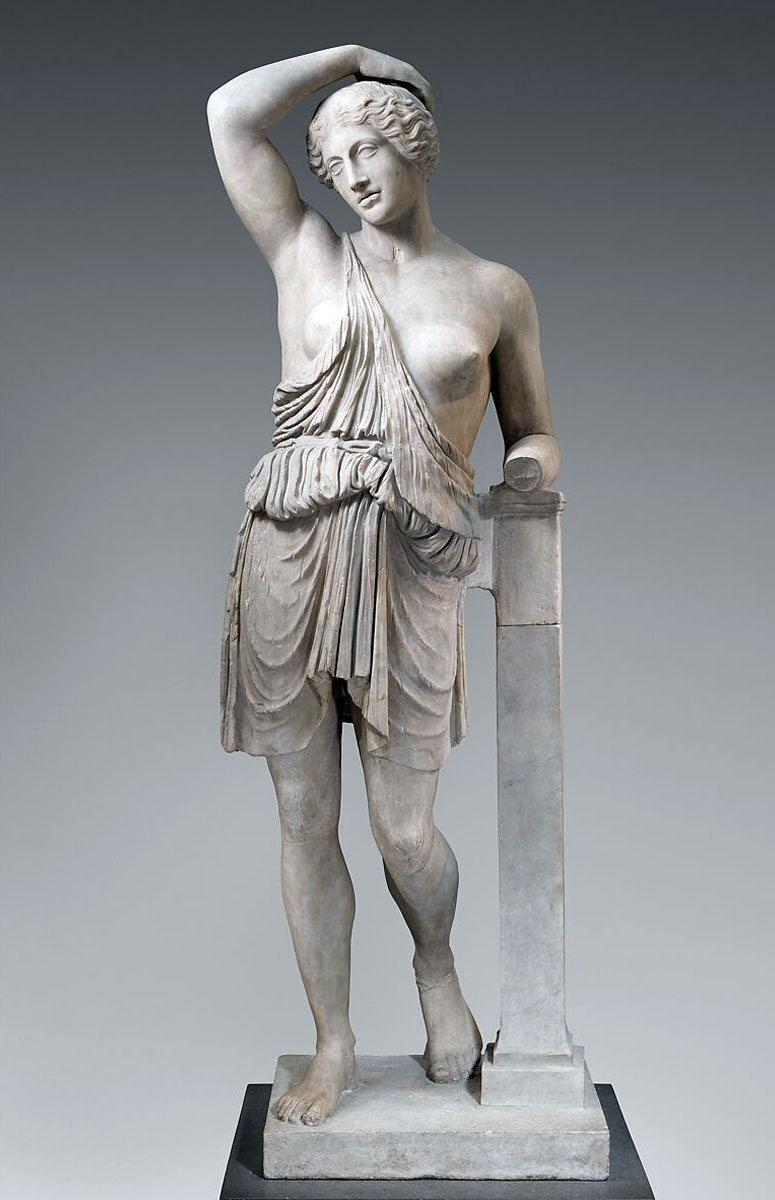
The Romans were extremely famous for stealing pieces of artwork from different cultures and they were no different with the Greeks; they took many originals back to Rome with them and used them to decorate their public spaces and private houses. However, the Romans also became obsessed with making replicas of famous Greek statues and paid a lot of money to get their own copies.
Often these copies were modified; hairstyles and clothing were adapted to make them look more Roman than Greek.
How Greek Philosophy and Literature Became a Roman Status Symbol
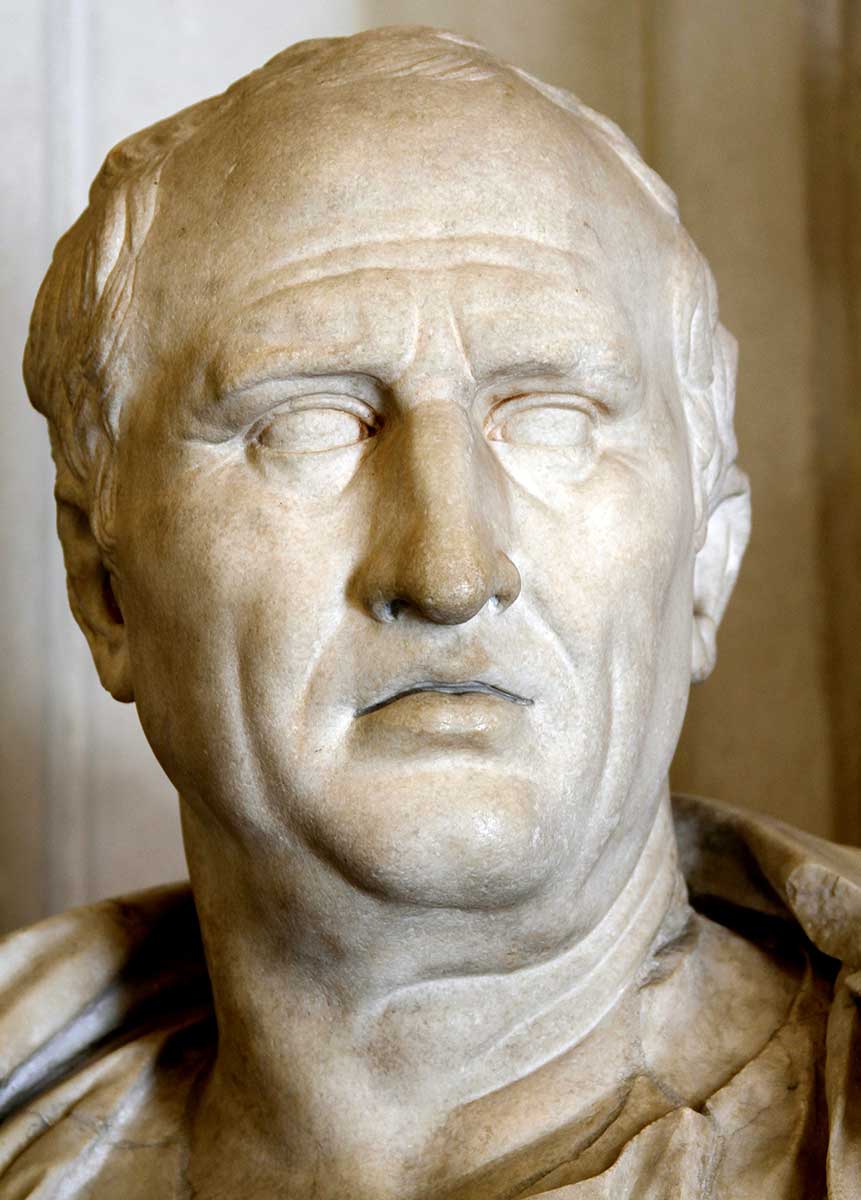
For Roman society, a sign of being a part of the elite upper classes was to be well-educated. This included having a well-rounded and detailed knowledge of Greek classical literature as well as the Greek language. In order to achieve this, influential and highly educated Greeks were brought to Rome to educate the next generation.
Many elite families were also strongly encouraged to have collections of literature and art in their homes, to show visitors their level of education and therefore place in society. While Latin remained the language for daily life in Rome, those who had a grasp of the ancient Greek language were elevated socially. Many Roman authors were inspired by the works of prominent Greeks; Seneca, for example, famously praised Posidonius in his works.
However, there were also some Romans who were extremely skeptical and even slightly afraid of this significant absorption and celebration of Greek culture. The most famous critic was perhaps Cato the Elder, who strongly criticized Greek culture, believing that the Greeks were corrupting Roman morals and identity.
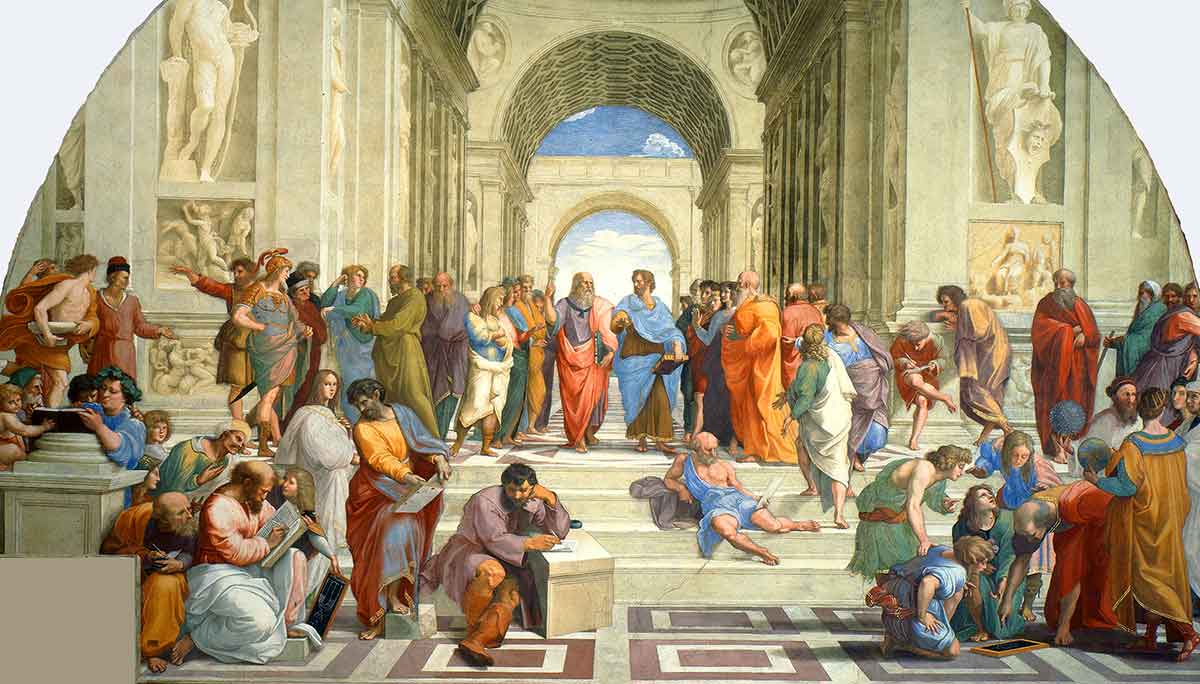
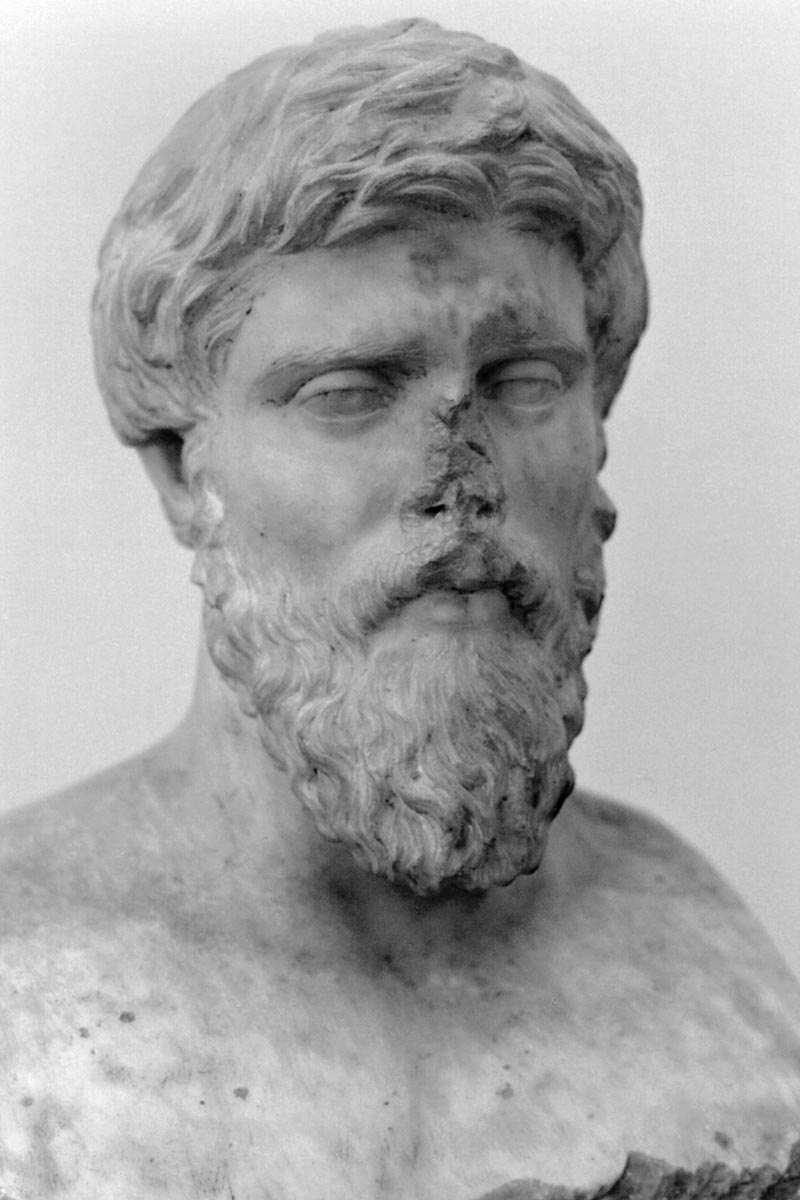
Arguably one of the most famous figures of the Roman Republic was a big fan of Greek culture and openly celebrated and encouraged its adoption: Cicero. He famously took specific ideas from Greek literature and used them to highlight virtues he believed Romans should live by. The Greek author Plato was significantly influential on him. Cicero even based his works De legibus and De re Publica on Plato’s Republic and Laws.
Many other prominent Greek authors were also highly influential for Cicero and other Roman intellectuals, including Aristotle, Epicurus, and Zeno.
Additionally, specific schools of Greek thought were also very appealing to certain Romans. Stoicism, in particular, was adopted and praised by many elites as it could be used to promote imperial expansion as well as encourage people to do their civic duties. Roman thinkers often used philosophy to support Roman rule and ideas of governance. The Greeks were different in this sense; they liked to debate philosophical ideas, rather than use them to justify conquest.
Rome was always looking for ways to legitimize its authority and control. When it came to ruling provinces such as Achaea, they faced a problem as these empires were much older and historically richer than they were. Because of this, they needed a way to rewrite their own origins, which would legitimize their right to rule.
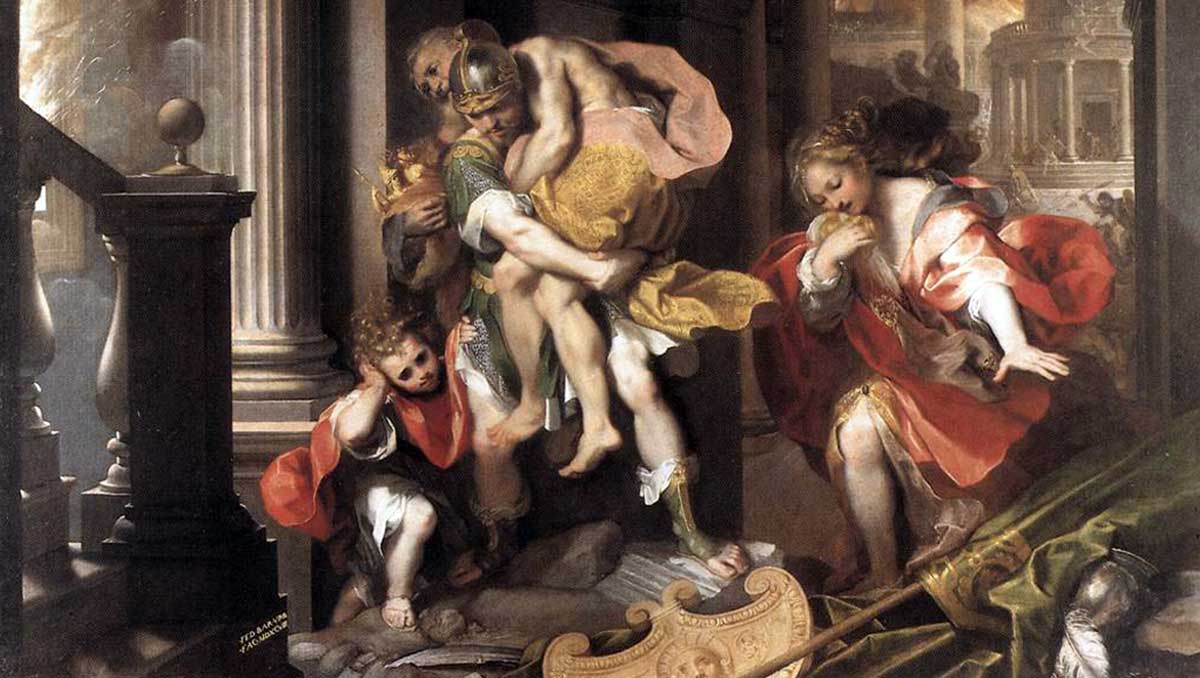
Homer, who famously wrote The Iliad and The Odyssey, was widely praised by the Romans, and the Roman poet Virgil decided to create his work, The Aeneid, to link the Romans to the Homeric traditions he so admired.
He linked Rome to the Homeric world by creating a tale of Aeneas, a Prince of Troy, who had fled after the city’s demise and gone on to found the city of Rome. By creating this link, he was able to legitimize Rome’s claim to rule over Greece by claiming that their history was as long and as prestigious as Greece’s was.
The Greatest Irony: How Greece “Conquered Rome”
It is highly ironic, given how much of the Roman narrative was about proving their superiority over the Greeks, that so much of the Greek culture infiltrated the Roman world. The Romans were definitely the strongest politically and militarily, but when it came to culture, the Greeks dominated. Additionally, it was because of the Romans that we still have so much Greek art and literature today.
Even though the Roman aristocracy took over and ruled, cultural superiority belonged to the Greeks; this was especially seen in how many of the Greek intellectuals thrived under Roman rule. Polybius, Galen, Ptolemy, and Plutarch all created great works whilst living under Roman rule, which covered a variety of subjects. Without the Greek culture, the Roman culture would never have existed, and their identity would have been very different.
When we traditionally think of a conquest, no matter the historical period, often those who were conquered see a loss of their culture and a decline of their customs. However, when it comes to the Greeks, the opposite happened.
Their culture continued to thrive long after their conquest. Famously, the Roman poet Horace wrote that “Graecia capta ferum victorem cepit et artes intulit agresti Latio” which means “Captive Greece took captive her rude conqueror and brought the arts to rustic Latium.”
The idea of obsession is a complicated one. The Roman obsession with Greek culture is even more so, given the complex political and social context that saw its creation. When Rome conquered Greece, instead of annihilating Greek culture and identity, it embraced it. This may have been partly to do with the fact that they had already been exchanging cultures for several centuries, which had led to a deeper understanding and respect for certain ideas. However, the Romans often made changes to Greek ideas, adapting them to suit Roman needs and narratives.
Even though the Romans claimed superiority over the Greeks, the identity of elite Romans was essentially strongly tied to the Greek world and culture. Therefore, the Roman obsession with Greek culture became a part of their identity and shaped the Roman world for many centuries after their conquest.
Sources
- Ancient Rome’s Respect for Greek Art and Architecture | Rick Steves Classroom Europe. https://classroom.ricksteves.com/videos/ancient-rome-s-respect-for-greek-art-and-architecture. Accessed 11 Jun. 2026.
- Antigone. ‘Greek Intellectual Life under the Roman Empire’. Antigone, 11 Nov. 2023, https://antigonejournal.com/2023/11/greek-intellectuals-roman-empire/.
- Astour, Michael C. ‘Ancient Greek Civilization in Southern Italy’. Journal of Aesthetic Education, vol. 19, no. 1, 1985, pp. 23–37. JSTOR, https://doi.org/10.2307/3332556.
- Cannizzaro, Lorena. ‘Discovering Ancient Italy: Greek and Etruscan Influences’. Archeotravelers.Com, 19 Apr. 2024, https://www.archeotravelers.com/en/2024/04/19/discovering-ancient-italy-greek-and-etruscan-influences/.
- Gruen, Erich S. ‘Roman Imperialism and the Greek Resistance’. The Journal of Interdisciplinary History, edited by Robert M. Errington and Jürgen Deininger, vol. 4, no. 2, 1973, pp. 273–86. JSTOR, https://doi.org/10.2307/202267.
- Henrichs, Albert. ‘Graecia Capta: Roman Views of Greek Culture’. Harvard Studies in Classical Philology, vol. 97, 1995, pp. 243–61. JSTOR, https://doi.org/10.2307/311309.
- Petrain, David. ‘Greek Culture in the Roman World: A Response’. The Classical Outlook, vol. 95, no. 3, 2020, pp. 105–09.
- Rowland, Robert J. ‘Cicero and the Greek World’. Transactions and Proceedings of the American Philological Association, vol. 103, 1972, pp. 451–61. JSTOR, https://doi.org/10.2307/2935987.
- Shop, Battle-Merchant Medieval. ‘The Rise of Rome as a Superpower: The Conquest of Greece’. Battle-Merchant ⚔, https://www.battlemerchant.com/en/blog/the-rise-of-rome-as-a-superpower-the-conquest-of-greece. Accessed 11 Jun. 2026.
- Sumano, Sarah Gretel Sanders. ‘Ancient Greco-Roman Relations and the Adoption of Greek Culture by the Roman World’. Research Archive of Rising Scholars, 14 Feb. 2026. research-archive.org, https://doi.org/10.58445/rars.3647.
- Woolf, Greg. ‘Becoming Roman, Staying Greek: Culture, Identity and the Civilizing Process in the Roman East’. Proceedings of the Cambridge Philological Society, no. 40, 1994, pp. 116–43.