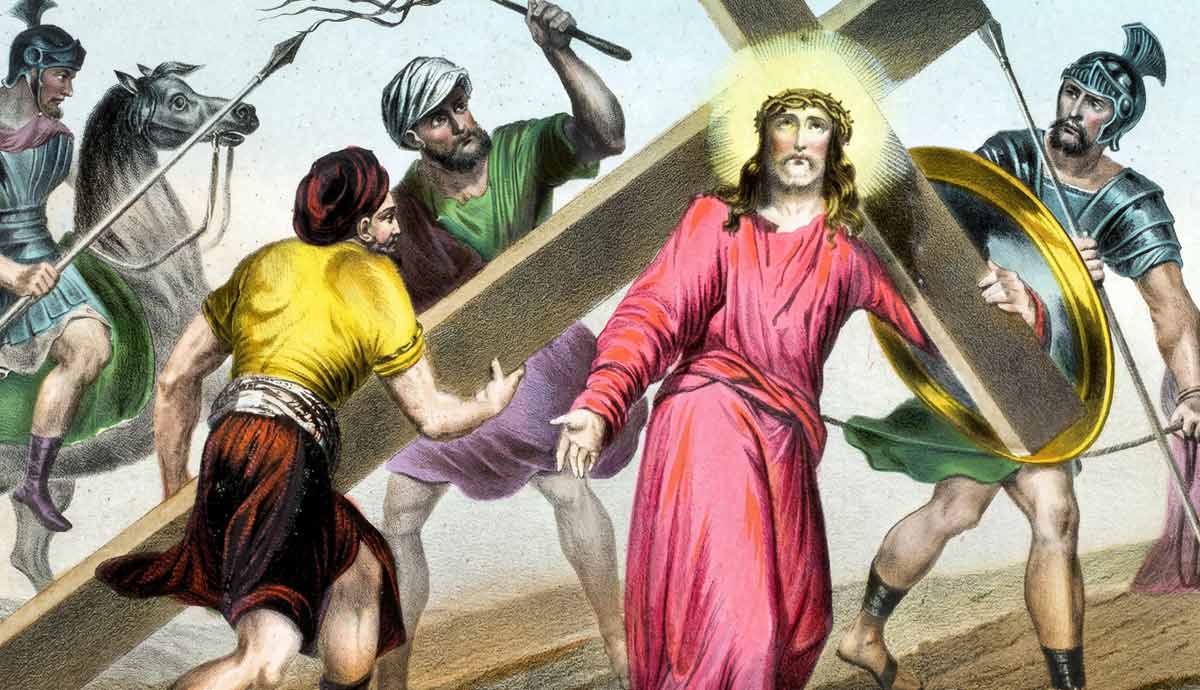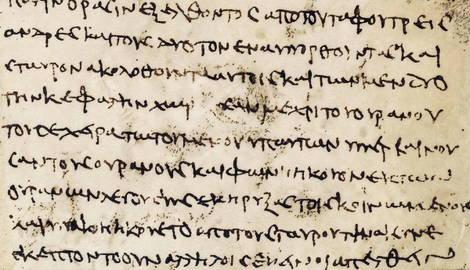

Following the New Testament period, various Christian writings by authors claiming to be original disciples of Jesus Christ appeared. Among these was a book that contains some of the material of the four Gospels, known as the Gospel of Peter.
The 1886 Egyptian Discovery That Unearthed a Lost Gospel
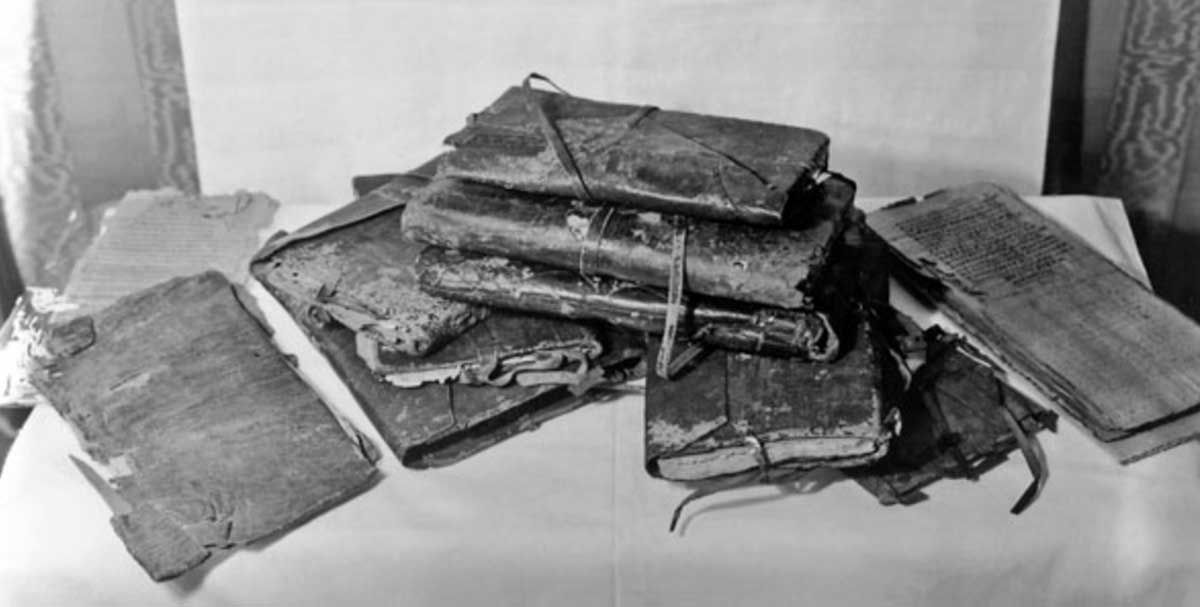
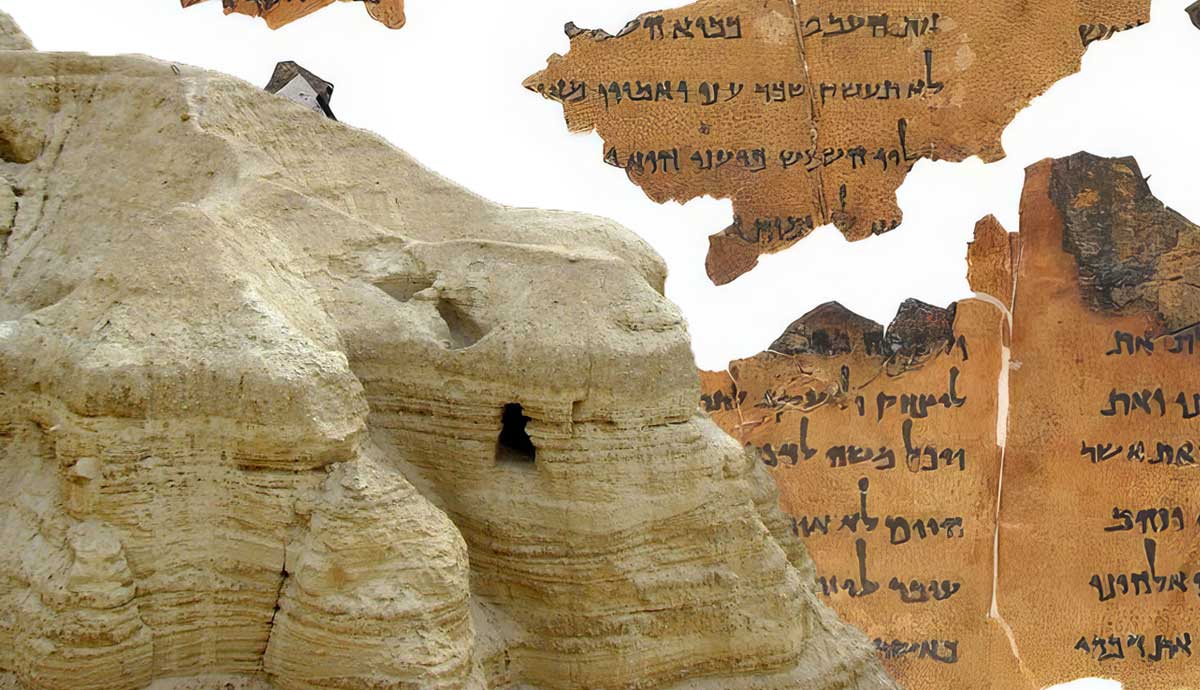
The Gospel of Peter was discovered near Nag Hammadi in 1886, though it was not part of the Nag Hammadi library discovered over 50 years later. It was probably written in the 2nd century AD, and its author shows a reasonable knowledge of what was in the Gospels, which is why some early churches appear to have used it. Other small fragments from later years also exist, containing portions considered part of the Gospel of Peter.
The Gospel of Peter is a “Passion narrative,” which relates the story of the Passion of Jesus, the story of His death, burial, and resurrection. It was known to exist due to references by some church Fathers and historians like Eusebius of Caesarea, but until its rediscovery, the contents of the Gospel of Peter were largely unknown.
How the Text Rewrites Jesus’ Final Words and the Passion Narrative
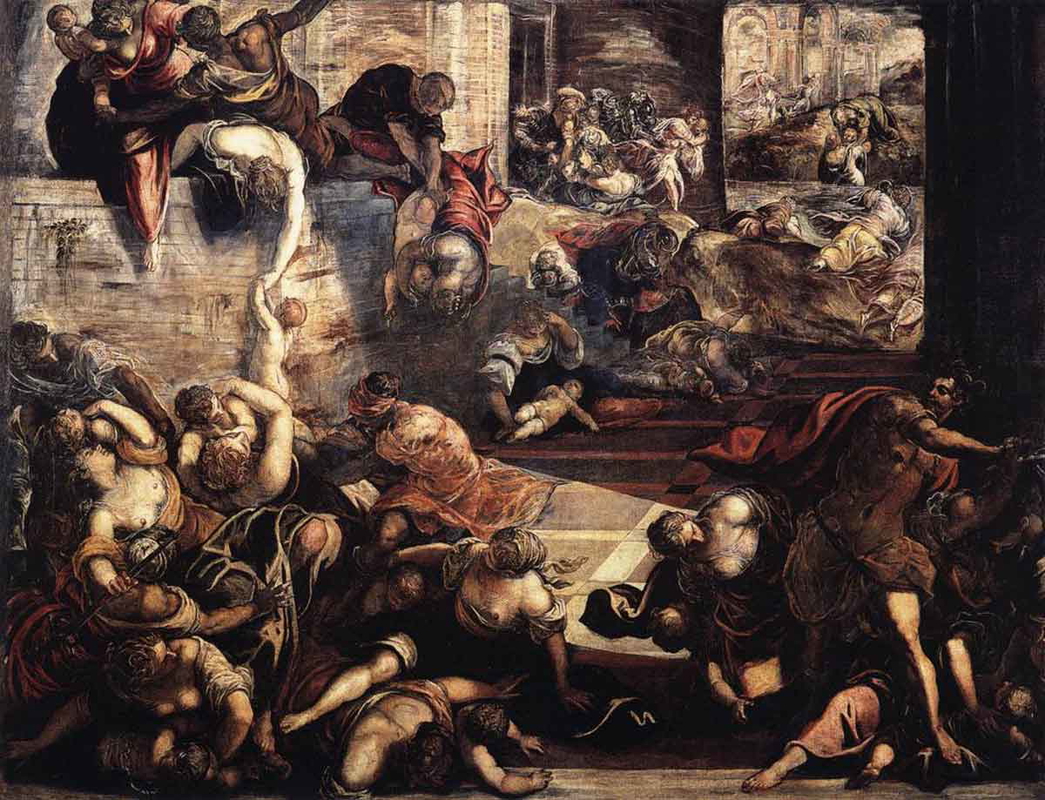
The first few known verses of the Gospel of Peter deviate from the standard Gospel narrative of the Passion story. Herod is the one who condemns Jesus, and Pilate is somewhat absolved of his responsibility after the ceremonial washing of his hands.
The Gospel of Peter adds to and alters parts of the crucifixion narrative, including a significant revision of some of Jesus’ final words. Where the Gospels of Matthew and Mark state that Jesus cries out, “My God, My God, why have you forsaken Me?” (a reference to Psalm 22), the Gospel of Peter changes the statement to “My Power, O Power, you have forsaken me!” Such a statement points to the theological opinions of the author, possibly regarding the nature of Jesus, as well as a possible misunderstanding of how Jewish people referred to parts of the Old Testament.
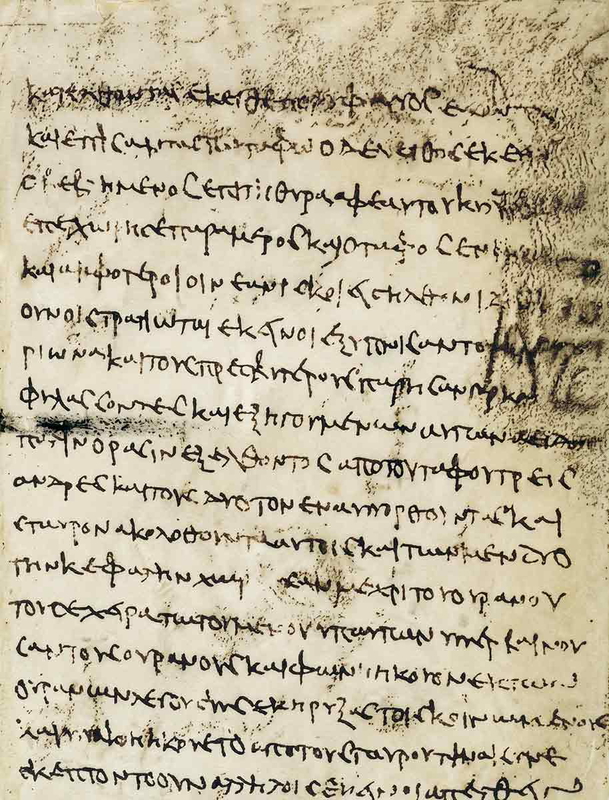
The Gospel of Peter also adds to the narrative of Jesus’ burial, detailing the soldiers’ actions and the sealing and miraculous opening of Jesus’ tomb. It concludes with Mary Magdalene’s visit to the tomb and the disciples returning to fishing.
While being crucified, Jesus is described as being “taken up,” not dying. He also “felt no pain”—both phrases are contradictory to what the Gospels describe. While what we have of the Gospel of Peter is incomplete, the absence of any description of the denial of Jesus by Peter is significant. Of the portion we do have, Peter’s denial of Jesus tends to fall within the part of the Passion timeline during the Crucifixion of Christ. The Gospel of Peter describes the Crucifixion part of the story, yet Peter’s denial is not there.
Why Early Church Leaders Labeled the Text a Heretical ‘Ghost Story’
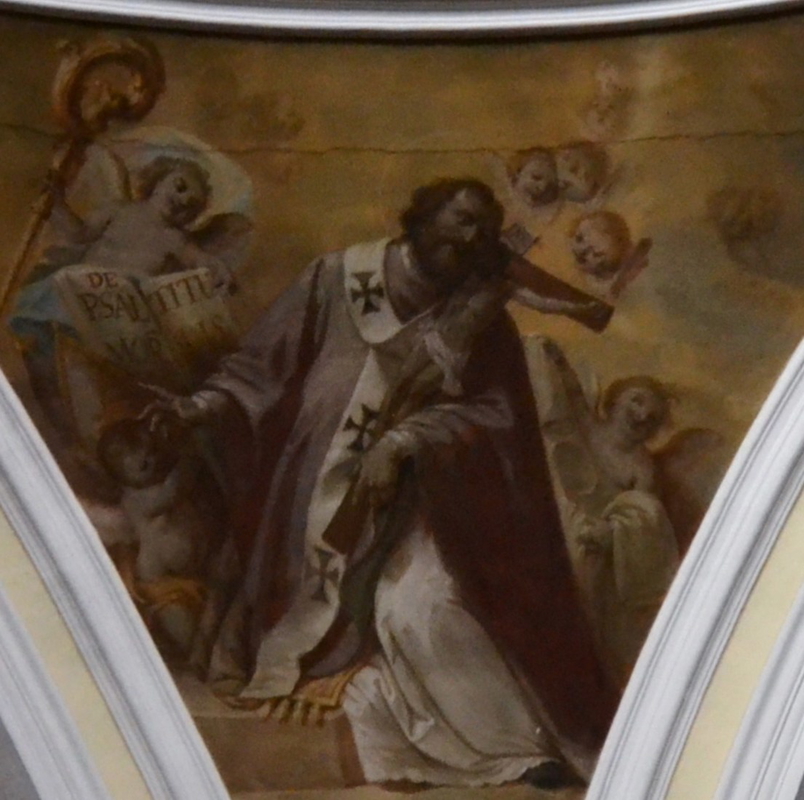
The Gospel of Peter was considered non-canonical by early church leaders, such as Bishop Serapion of Antioch. Eusebius, in compiling his historical works, wrote that Serapion initially approved the usage of the Gospel of Peter, while denying that Peter was the author. Serapion later condemned the work after further study, claiming that it contained heresies related to Marcionism or Docetism, which believe that Jesus Christ did not come in a physical form, but was a sort of ghost or phantasm. Also, the Gospel of Peter has some distinct differences in the Passion narrative from the canonical Gospels and is not considered canon due to these differences.