
In the wake of the Protestant Reformation, ignited by Martin Luther in 1517, continental Europe was not the only region to feel the impact of his actions. In England and Scotland, the Reformation took hold as well, though it began by different means.
The Tudor Divorce That Shook British Religion
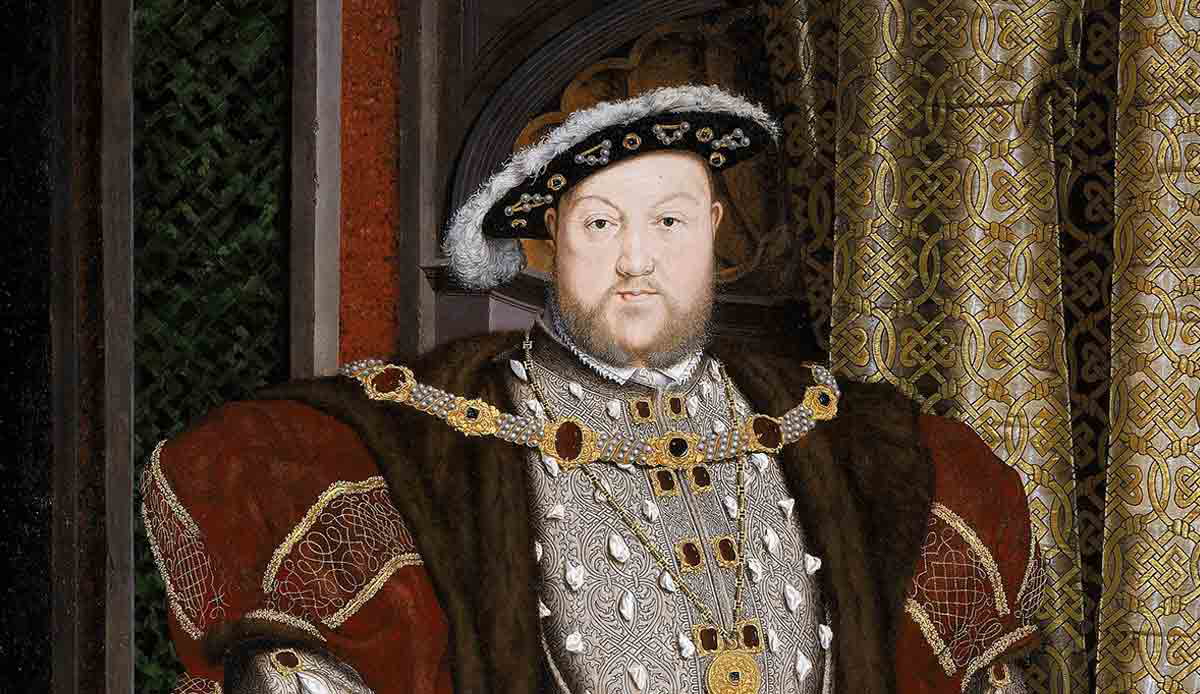
King Henry VIII, concerned about his succession, sought an annulment of his marriage with Catherine of Aragon from the Roman Catholic Pope Clement VII in 1527. After several refusals, Henry VIII, under the Act of Supremacy in 1534, became the supreme head of the Church of England and split off its authority from the Roman Catholic Church. While Henry VIII was no Protestant and had previously been declared a Defender of the Faith by the Pope, the split from Roman Catholicism allowed England to govern religious matters under its own authority. Henry VIII’s son, Edward VI, was definitively Protestant in his theology and instituted many Protestant reforms into the Church of England.
Forbidden Protestant Ideas Flood the Scottish Borders
Independent from the Church of England since Pope Celestine III in 1192 declared it to be out from under the authority of the English, the Church of Scotland’s leaders were allowed to be chosen by the Scottish Kings, resulting in issues with corruption and complaints. In the 1520s, Protestant ideas had been filtering in through both continental Europe and England, and significant resistance from the Catholic authorities even resulted in a few deaths for some people proclaiming Protestant ideas, such as Patrick Hamilton, who was burned at the stake at the age of 24.
James V, who became King of Scotland in 1528, did little to correct the problems of corruption that had arisen in the Church of Scotland, and the environment among both the Scottish nobility and commoners was one of general disillusionment with Roman Catholicism.
The influence of France on Scotland, a predominantly Catholic nation, was also significant, to the degree that England began seeking more influence in Scottish affairs. This culminated in invasions of southeast Scotland in the 1540s after Scotland refused to marry the young Mary, Queen of Scots, to Edward VI.
Angry Protestants Seize St Andrews Castle
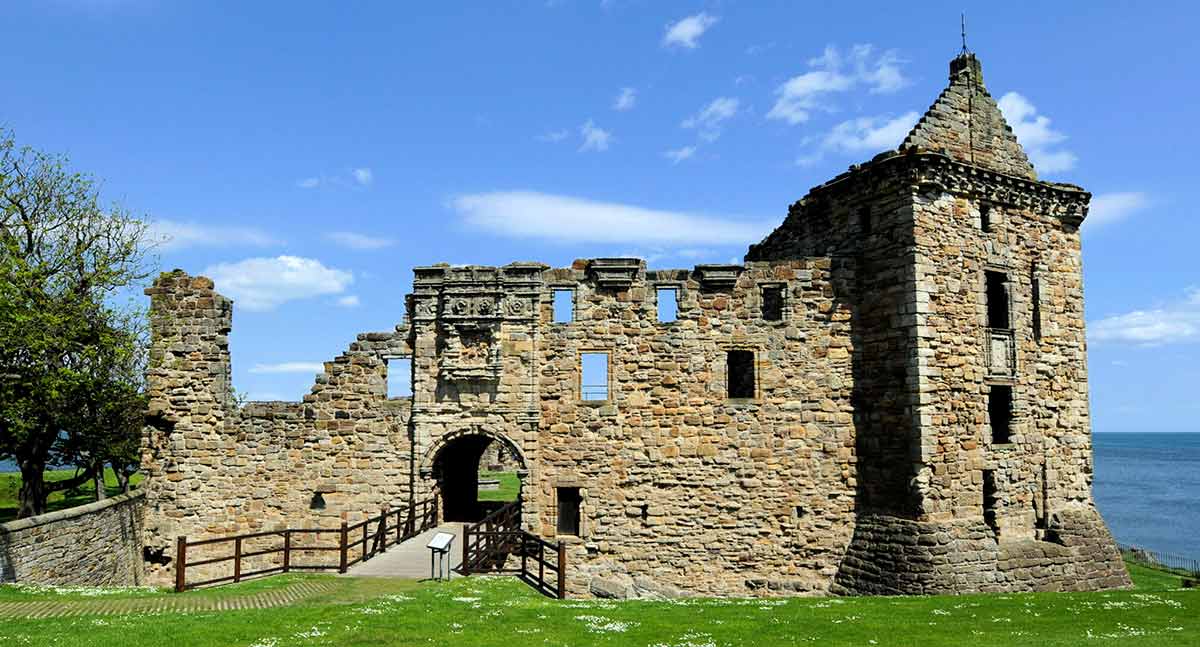
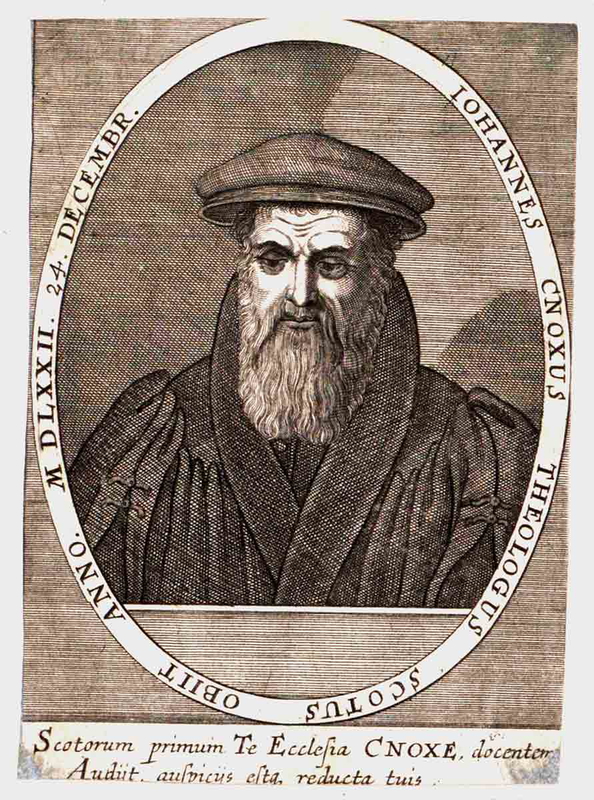
In 1546, Scottish Protestants, including a young John Knox, took up arms against their Catholic masters. Following the martyrdom of the influential reformer George Wishart, Knox and others invaded St Andrews Castle in Fife, Scotland, and killed Cardinal Beaton. Following a year’s siege, many of those inside, including Knox, were taken as captives to France.
Secret Churches Fuel a Protestant Resurgence
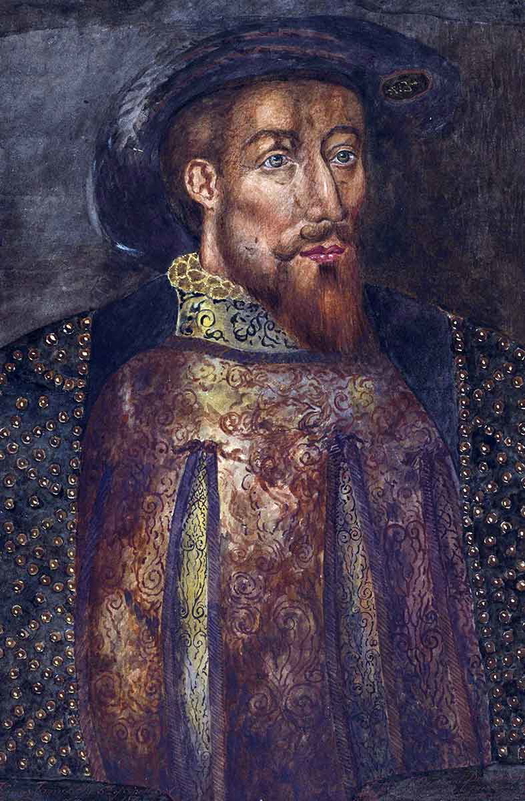
The arrest, imprisonment, and forced labor of the reformers captured at St Andrews was merely a stall in the Scottish Reformation. By 1555, various local secret churches, or “privy kirks,” had been formed around local Scottish nobility residences, including direct relatives of James V. In 1559, Protestantism had become more open among the Scottish, and had succeeded in growing popular support to the point where Protestants were taking over control of various areas.
The Dangerous Pact That Renounced Roman Catholicism
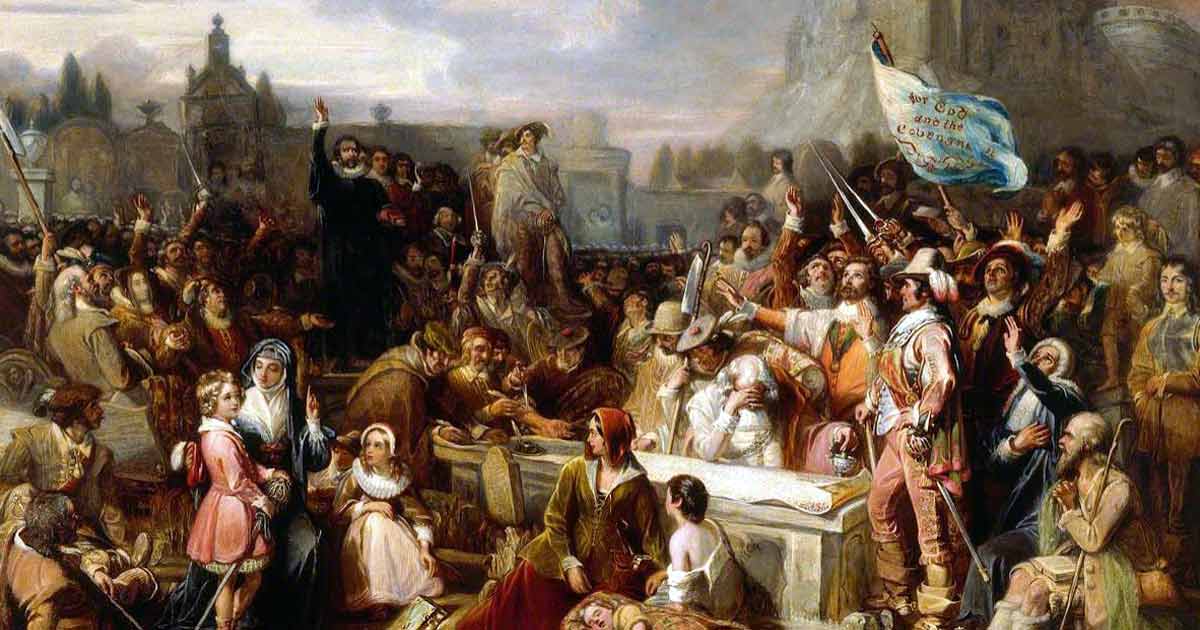
In December 1557, various Scottish nobles met in Edinburgh and established what is considered the First Covenant of Scotland. Herein, they vowed:
“…before the Majesty of God, and his Congregation, That we (by his grace) shall with all diligence continually apply our whole power, substance, and our very lives, to maintain, set forward, and establish the most blessed Word of God, and his Congregation”
After a near-war with France and the timely intervention of Queen Elizabeth I of England on their behalf against the French, the Scots were free from French control. The Scottish Parliament – the Reformation Parliament – was then free to meet and help further establish the Church of Scotland as a reformed church, now totally separate from Roman Catholicism. The Scots Confession was passed, and the Roman Catholic Mass was banned.
Creating a Church Free From Royal Control
Now a church free to handle its own affairs, in December 1560, the First General Assembly of the Church of Scotland met in Edinburgh, with no direction from any civil authority. It compiled the First Book of Discipline, which did get approval from the nobility, but still had no civil endorsement – and that is the way the Scottish reformers wanted it.
By 1567, the Church of Scotland was accepted by the Scottish Parliament as being separate from state establishment, and having authority in and of itself without state approval. However, while Scotland had gained its religious freedom, there were still problems coming, notably King James VI.