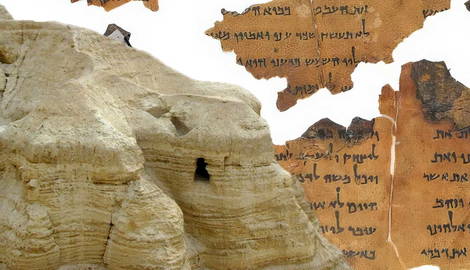

Few archaeological discoveries have made a bigger impact on Bible history than the Dead Sea Scrolls. These scroll fragments were tucked away in caves for thousands of years, then rediscovered in 1947. The Qumran scrolls add evidence to how accurately the Bible was transcribed over millennia and offer helpful insights into the Jewish religion in the Second Temple period as a whole.
The Accidental Discovery in the Caves of Qumran
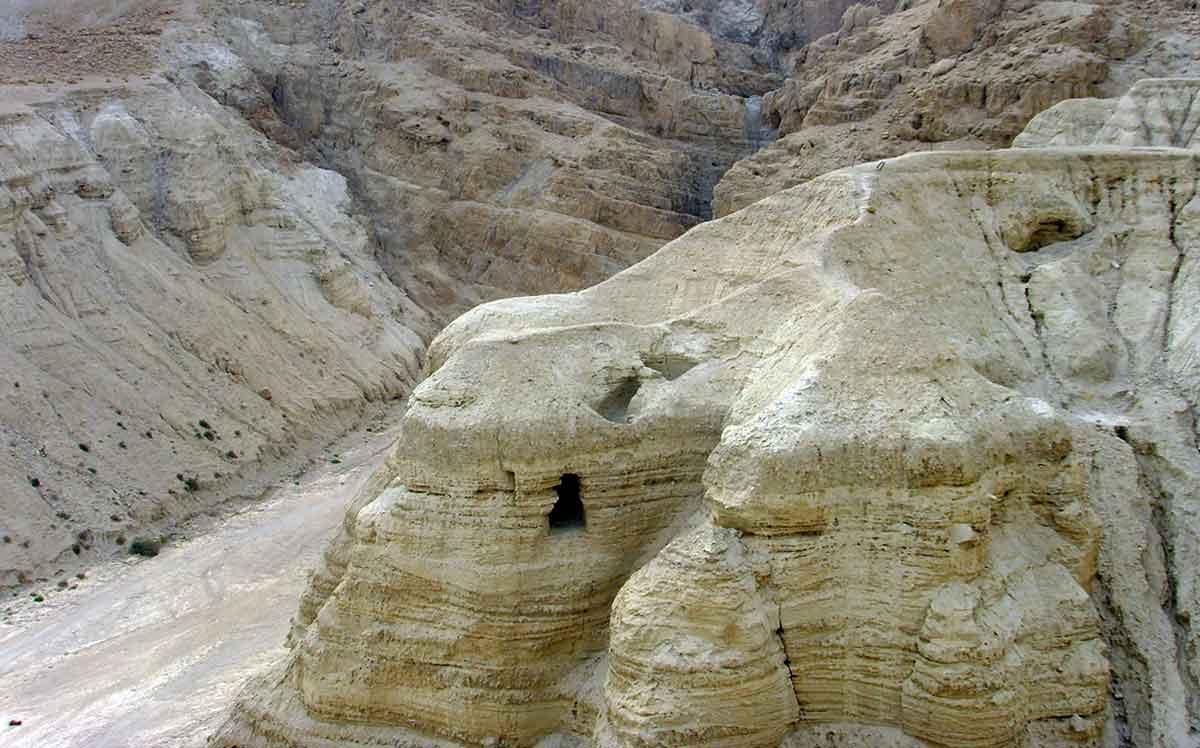
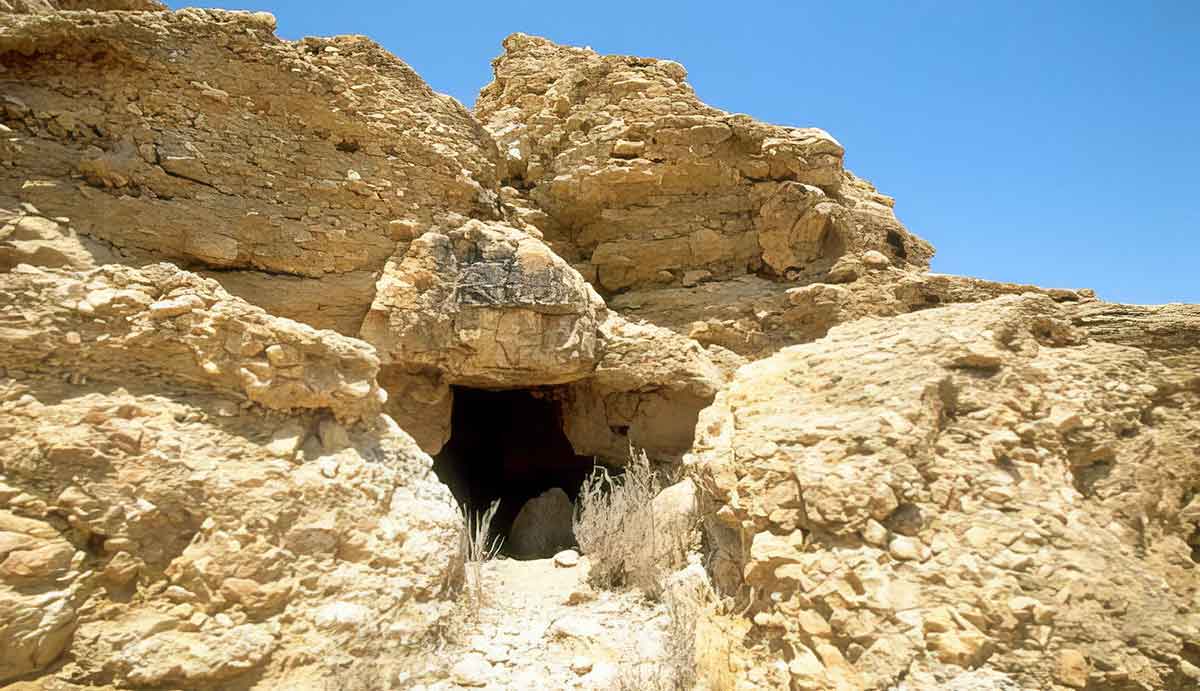
There’s a legendary tale of Bedouin shepherds searching for a lost goat near the northwestern shore of the Dead Sea. Following its bleats over the barren terrain, the shepherds stumbled upon something magnificent: a cave filled with strange-looking jars. Curiosity got the better of them, and they opened the jars to find scrolls with ancient writing…
Whether the 1947 discovery of the Dead Sea Scrolls was truly as romanticized or found intentionally is up for debate. Either way, it was not long before many institutions, scholars, archaeologists, and treasure hunters learned about the ancient leather and papyrus found in the caves of Qumran.
A massive archaeological surveying effort followed that lasted nearly a decade and identified 11 total caves that preserved these mysterious ancient scrolls for centuries. Among the scrolls was one made of copper – a literal treasure map, indicating locations. It can be viewed in the Jordan Museum at Amman.
Uncovering the Oldest Surviving Manuscripts of the Hebrew Bible
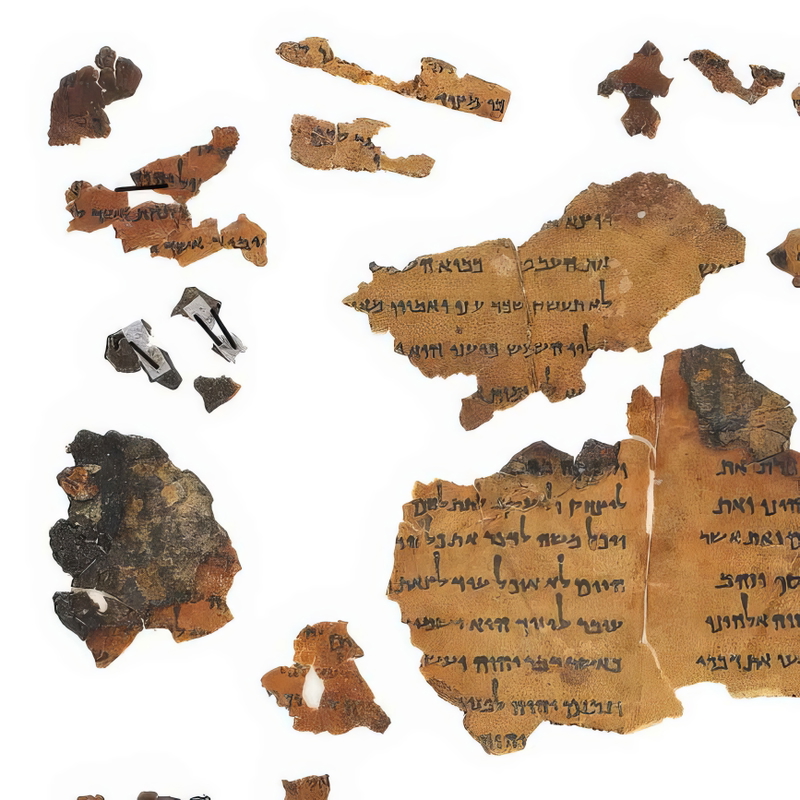
Upon interpretation, it became evident that the words on some (about 40%) of these scrolls felt strangely familiar. They were Hebrew manuscripts (of what Christians call the Old Testament today). Given the geographic location of the caves, this is not entirely surprising, but the fact that they remained hidden for so long baffles researchers.
These scrolls, dating from roughly 300 BC to 50 AD, predated every other known Hebrew religious manuscript found before the discovery of the Dead Sea Scrolls by over a thousand years. Minor textual variations, found here and there, provided Bible scholars and linguists alike unprecedented insight into the accurate evolution of ancient scripture, from oral traditions to scrolls, to the way it is known today. For the most part, these scrolls are strangely similar.
Fragments of every Old Testament book except the Book of Esther were found on the scrolls (38 of the 39 books).
The Great Isaiah Scroll and the Preservation of Sacred Text
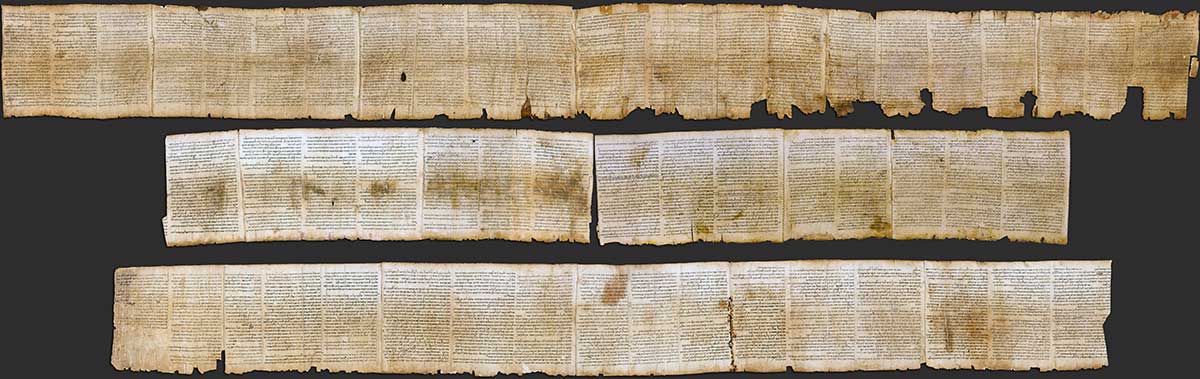
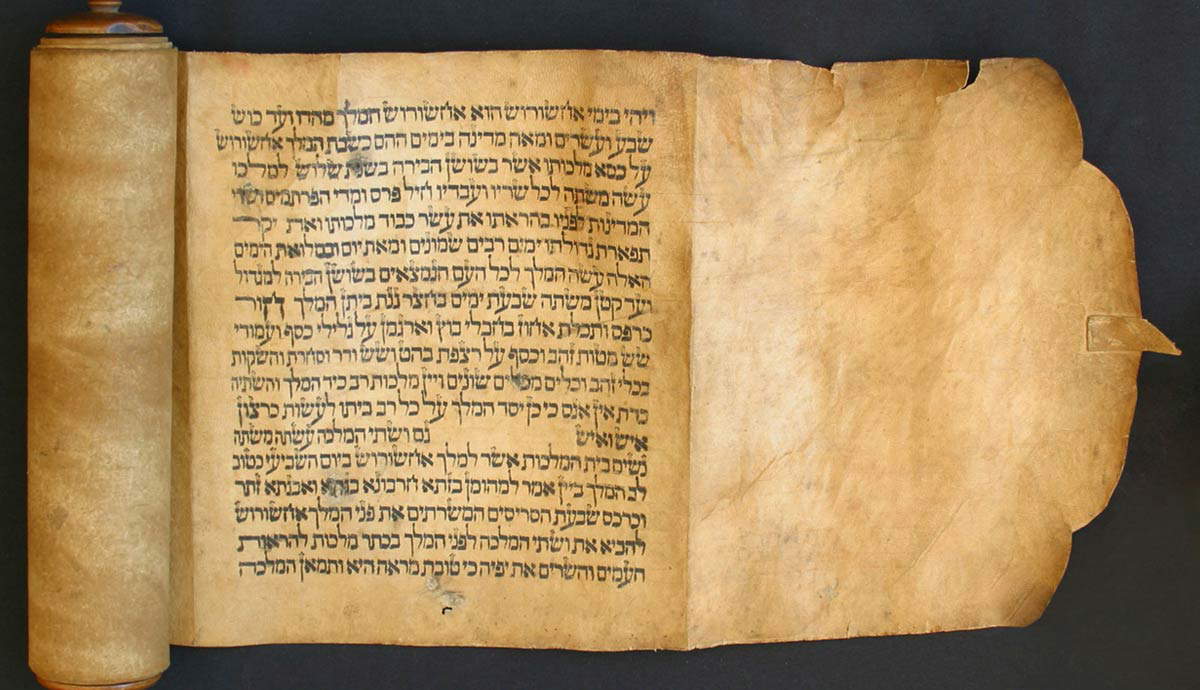
Among the fragments, one scroll stood out. A large 24-foot (7 meter) scroll of the Book of the prophet Isaiah was found inside Cave 1. The Isaiah scroll consists of 17 sheets of animal parchment sewn together. This Qumran Isaiah text’s similarity to previously found but later penned Hebrew copies shows us the impressive accuracy of Jewish scribes. It is nearly identical.
Lost Books and the Apocalyptic Vision of the Essenes
Not all the scrolls found in the Dead Sea caves were Scriptural, however. Some are manuscripts with instructions or rules for a specific community on how to live. This Qumran community is identified by scholars as the Essenes — an ascetic group living in the Judean desert.
Other noteworthy scrolls include a book attributed to Biblical Enoch and apocalyptic visions like that of Daniel. There’s also a scroll, the Messianic Apocalypse, that lists miracles in the same sequence copied in Luke 7:21-22, 150 years later.
The Dead Sea Scrolls have received attention from both Bible historians and fans. An (in)famous advertisement in The Wall Street Journal of 1954 advertised four scrolls for sale, and, beginning around 2002, a wave of sophisticated modern forgeries of scroll fragments appeared on the open antiquities market that fooled some private collectors and even museums.
How the Manuscripts Transformed Early Jewish and Christian History
The Dead Sea Scrolls offer us a rare glimpse into Second Temple Judaism since many of the religion’s other remains were lost in the destruction of Jerusalem in 70 AD. It also sheds light on the Early Christian movement to some extent.
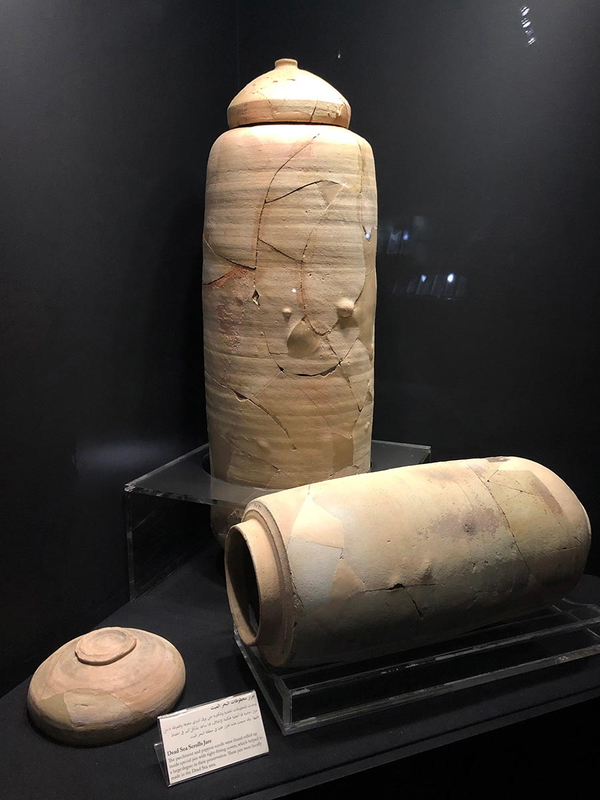
This is why the Qumran scrolls are such a significant find: this fairly recent (1947) discovery of 11 caves holding ancient scrolls that were well preserved, buried beneath the desert soil in clay jars and kept intact by the dry climate. The scrolls lay undiscovered and unmoved in those caves while life went on outside them.
It reminds us that the history of the Bible is not merely tradition or religion, but that this ancient Scripture has deep roots in real-world terrain still being uncovered today.