
The Nephilim are one of the most mysterious topics featured in Genesis – and that’s saying a lot, as it’s competing with a total global flood. Many theories about the Nephilim range from fallen angels to giants. Apocryphal traditions, the original Hebrew text, and Greek translations can help demystify it all and uncover the truth about the Nephilim.
Where Do the Nephilim First Appear in Genesis?
When reading the first book of the Bible, Genesis, one can easily miss details if you’re going too quickly. Tucked away in obscure verses found in Genesis chapter 6, right before Noah’s Flood, we read something astounding:
“When man began to multiply on the face of the land and daughters were born to them, the sons of God saw that the daughters of man were attractive. And they took as their wives any they chose. The Nephilim were on the earth in those days, and also afterward, when the sons of God came in to the daughters of man and they bore children to them. These were the mighty men who were of old, the men of renown.” vv.1-2;4, ESV
It’s important to consider how the Bible correlates with and differs from other texts of the day, because it strengthens rather than threatens our growing understanding of Scripture.
Beyond the Bible: Enoch’s Watchers and Secret Giant Lore
The Bible was not created in a vacuum. So, we have what we call “apocryphal literature” – later Jewish writings, often about the Bible, accepted by some traditions, yet not included in the Bible.
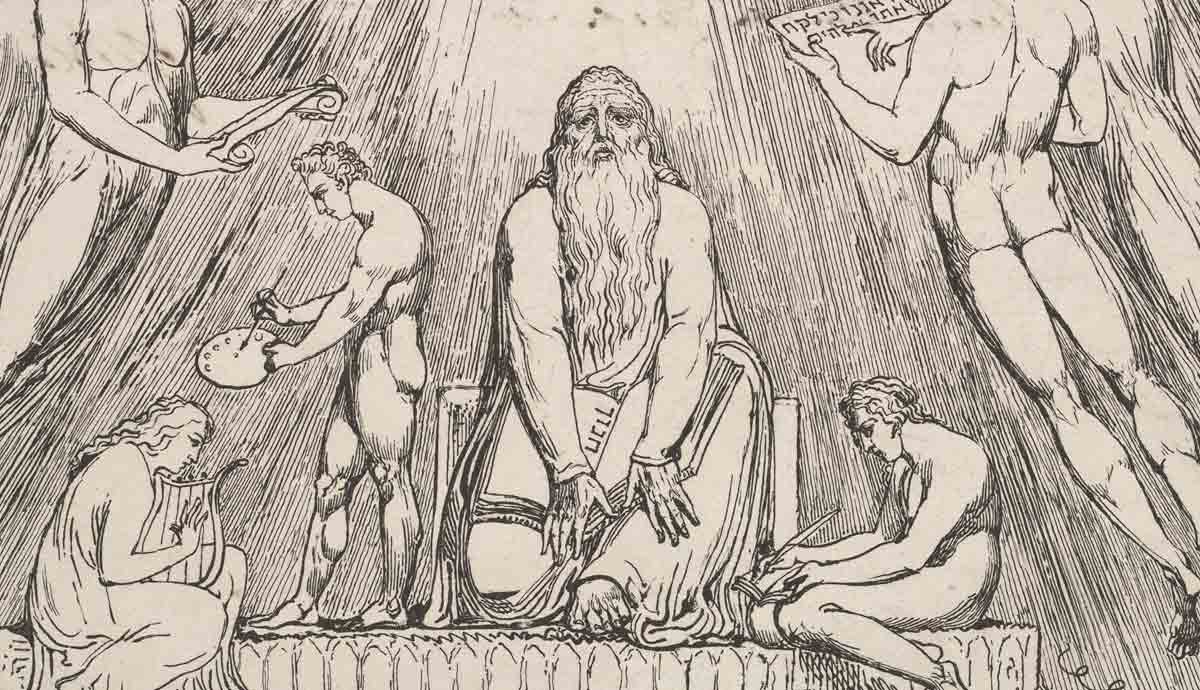
In this broader collection, books and legends shed light on the mysterious Nephilim. Consider the book attributed to Biblical Enoch (Genesis 5:21):
Enoch’s book of the Watchers details and expands on the story of how the Nephilim brought wickedness and violence to the earth, Section I: Chapter 7 –
“4…the giants turned against 5 them and devoured mankind. And they began to sin against birds, and beasts, and reptiles, and 6 fish, and to devour one another’s flesh, and drink the blood. Then the earth laid accusation against the lawless ones.”
Mesopotamian Connections and Ancient Heroic Myths
A strangely similar idea to the Nephilim is present in Mesopotamian folklore (the Mesopotamian cultures included the Babylonian enemies of God’s people in the Bible).
They had the Apkallu as divine sages teaching humans magic and crafts. They praised this as a good thing, contrasting the Genesis version.
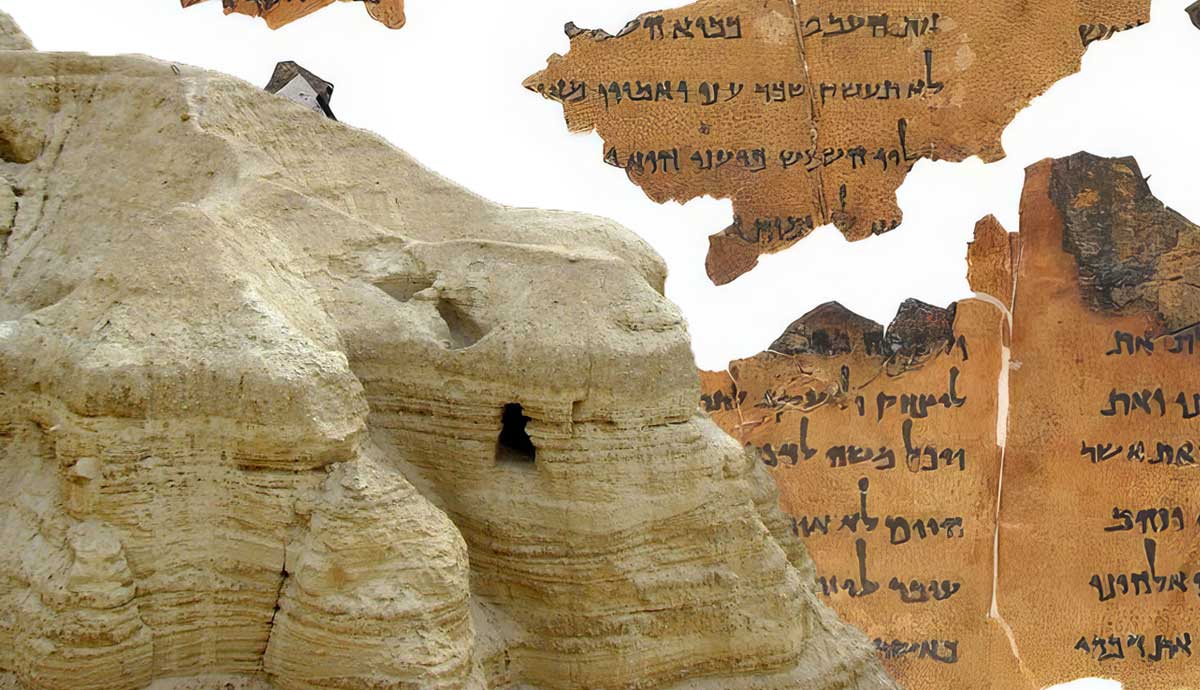
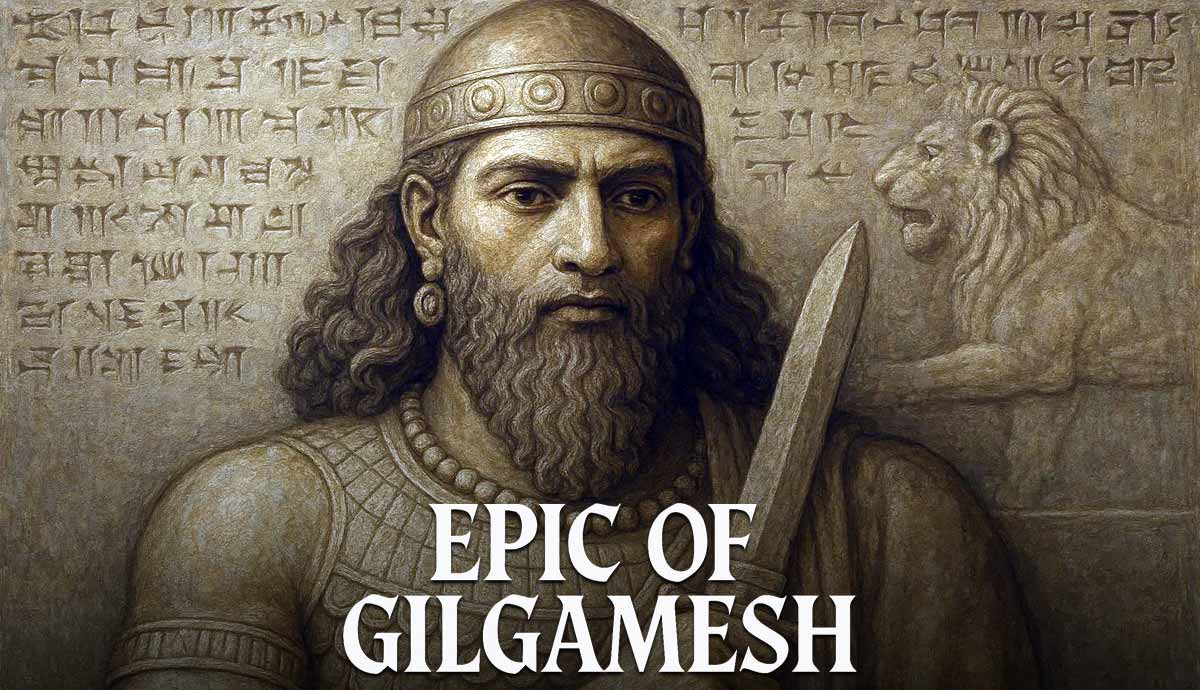
Many modern readers of the Bible might pull up their nose at comparative ancient literature studies. Yet the Dead Sea Scrolls prove this worth in the Book of Giants, found alongside the ancient Biblical fragments. In the Book of Giants, Gilgamesh, an ancient Mesopotamian heroic king, is described as one of these Nephilim.
But what does the Bible actually say about the sons of God and the Nephilim?
Who Were the ‘Sons of God’? The 3 Major Theories
There are three main Biblical interpretations about the “sons of God” (Bnei HaElohim) mentioned in this passage:
- The Sethite view: The sons of God were sons of Seth (Adam’s godly son), while the ‘daughters of man’ refer to the sons of Cain.
- The angelic view: A second theory sees the sons of God as rebellious fallen angels who fathered demigods on earth (supernatural/human hybrids).
- The ancient rulers view: Kings and tyrant leaders throughout history have claimed to be divine descendants of God – so they were just mighty, powerful men.
Then follows the verse about the Nephilim.
Fallen Angels or Mighty Warriors of Renown
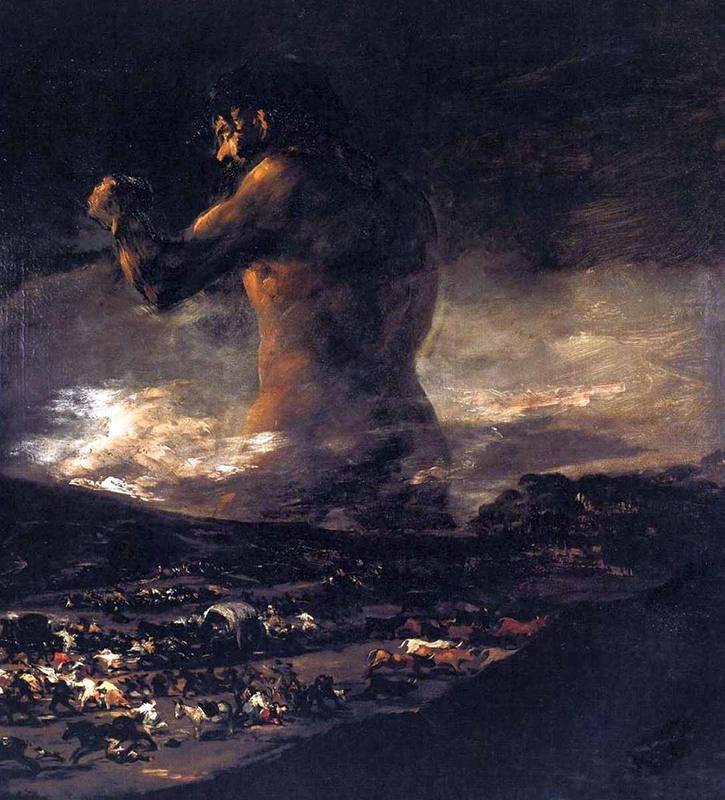
The Hebrew term for Nephilim, nāp̄îl, is from the primitive root word, nāp̄al, which means to fall down. This led to interpretations ranging from “fallen ones” (i.e., wicked angels) to “those who fall upon others” (i.e., giants). It is also translated as a bully or tyrant. So the Nephilim were large – in the literal or the figurative sense.
Contextually, this Scripture finds itself right before Noah’s flood. It is therefore believed that the Nephilim were part of the wickedness on the earth that God was displeased with.
The Hebrew Scriptures use this Nephilim word once more (Numbers 13:33), describing the inhabitants of Canaan:
“We saw the Nephilim there (the descendants of Anak come from the Nephilim). We seemed like grasshoppers in our own eyes, and we looked the same to them.”
How Ancient Translations Shaped the Concept of Giants
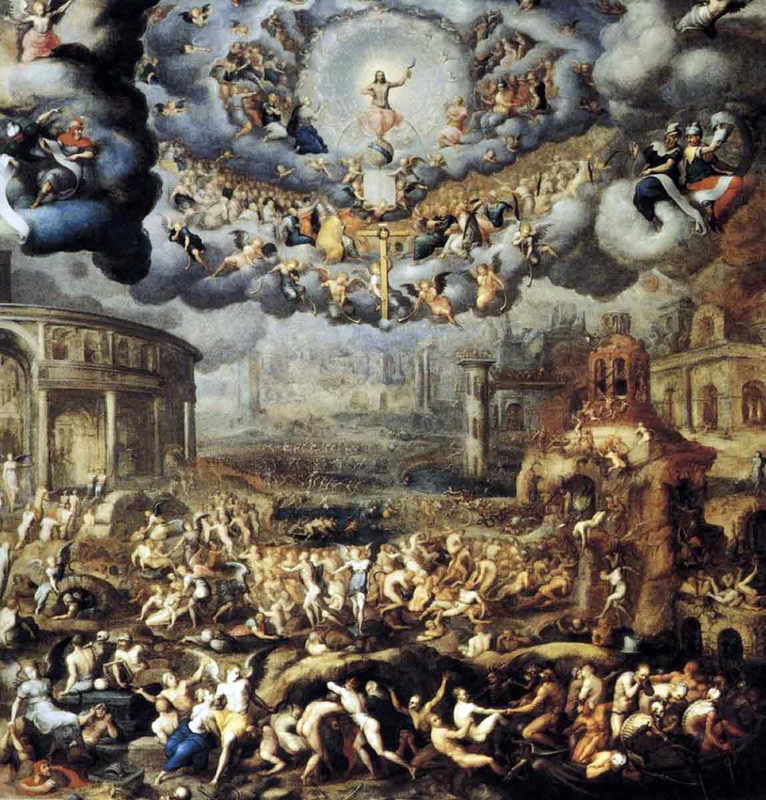
Many scholars agree that Genesis was originally relayed orally, which explains the phrasing and repetition in this passage. Unfortunately, much of the original rhythm and rhyme was lost as the words were translated into new languages. In many cases, original meaning was lost too.
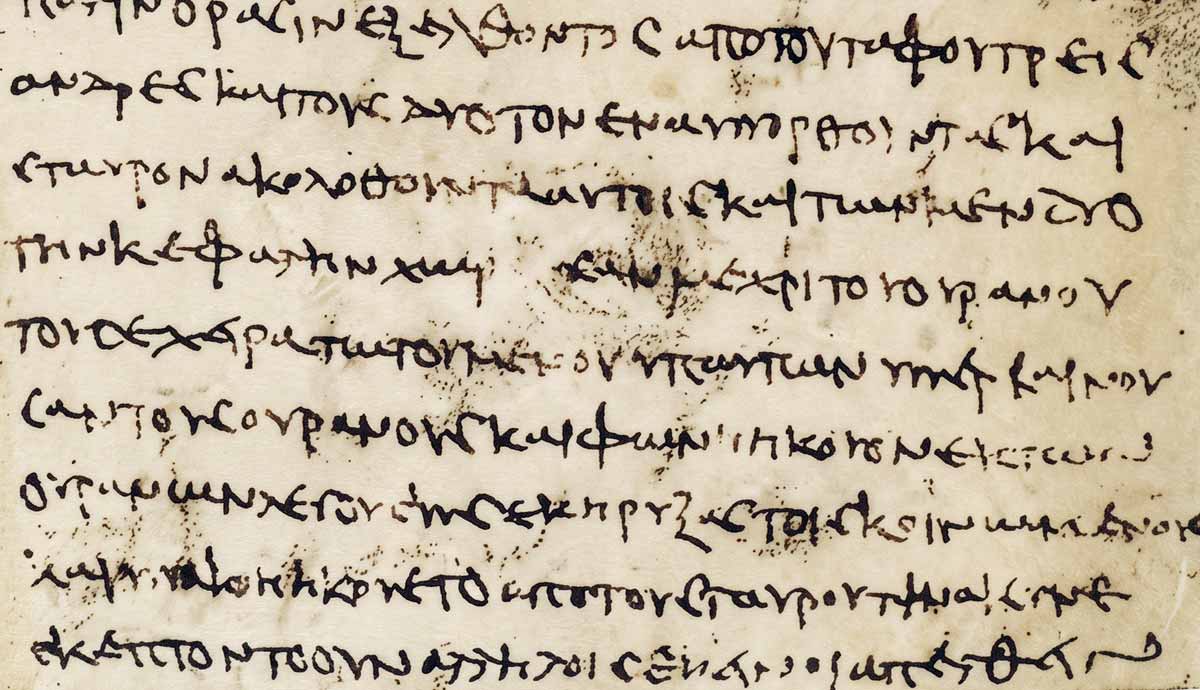
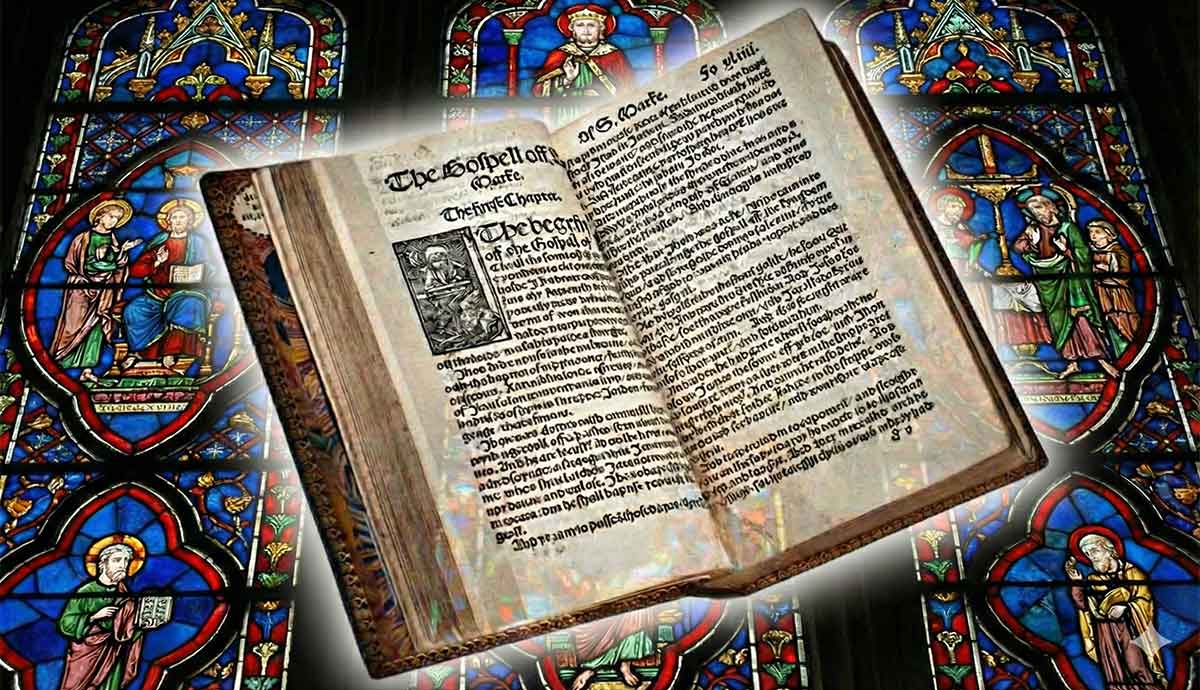
Genesis is one of the five books that make up the Jewish Torah: Genesis, Exodus, Leviticus, Numbers, and Deuteronomy. The Septuagint (3rd century BC) is the earliest Greek translation of the Torah from the original Hebrew text. Translation is not an easy task, as you essentially have to build cultural bridges. When the Jewish scholars reached Genesis 6, they faced a challenge: How do you translate nāp̄îl into Greek?
The translators chose the closest Greek word: ‘gigantes’ (like the Titans of Greek mythology), and subsequent translations followed suit. Genesis leaves the question of the Nephilim unanswered, and it is a much-debated topic among Bible scholars today.