
Europe’s blockbuster museums might get all the attention, all the queues, and all the heists, but the smaller ones are where you often find the real surprises. They sit behind old squares, inside former homes, or in buildings you’d barely glance at twice. Yet what they lack in size, they make up for in atmosphere and extraordinary finds. You get off the tourist trail, with space to look, time to read, and the sense that you have actually discovered something special.
Here are a few treasures worth seeking out in some of Europe’s smallest museums.
1. The Witch Bottle, Museum of Witchcraft and Magic, Cornwall
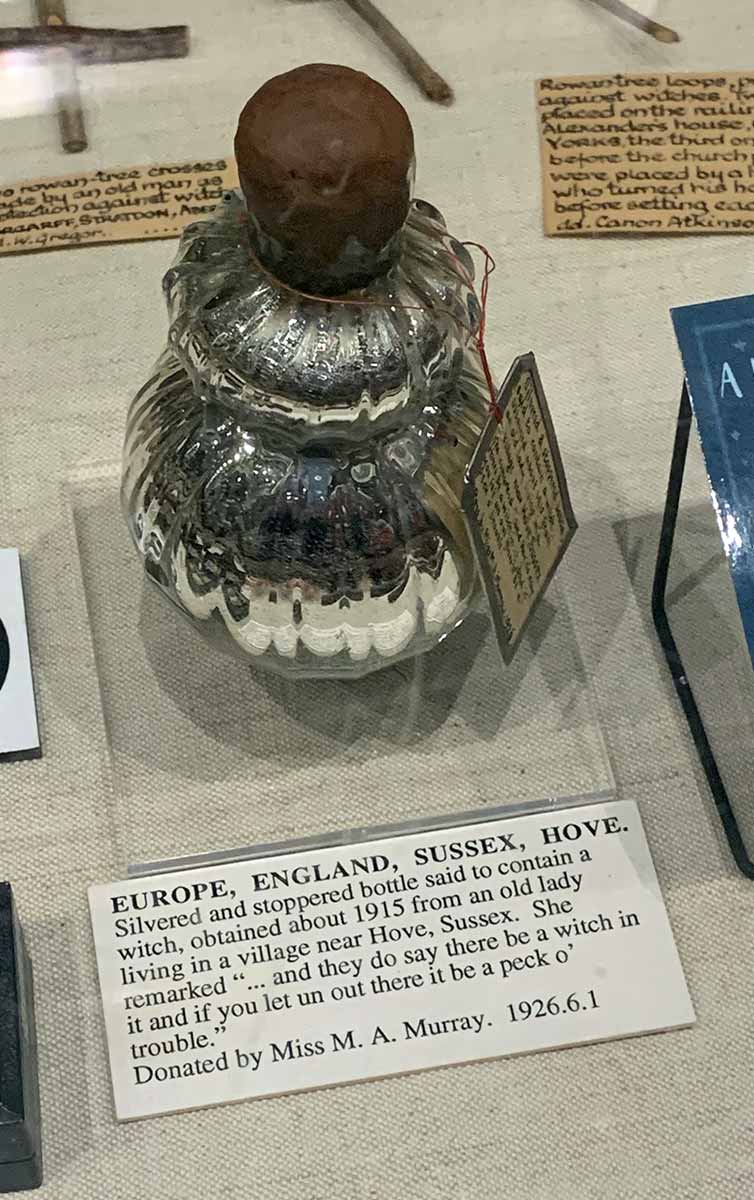
If you enjoy small museums with a bit of spooky atmosphere, the Museum of Witchcraft and Magic is an easy place to get lost in for an hour. It sits in a sleepy Cornish village and has spent decades gathering objects linked to folk beliefs, remedies, and old rural traditions. The displays are simple, close together, and very personal, which fits the subject matter well.
One of the most striking pieces is a 17th-century witch bottle found beneath the hearth of a cottage. When found, it was still corked and still holding the magical elixir people once trusted for protection: pins, hair, and a cloudy liquid. Local healers known as “cunning men” prepared bottles just like this for families who felt their run of mishaps was down to more than just pure bad luck. More than 200 such bottles have been found all across England, but intact ones are rare.
2. The Viking Runestone Fragment, Upplandsmuseet, Uppsala
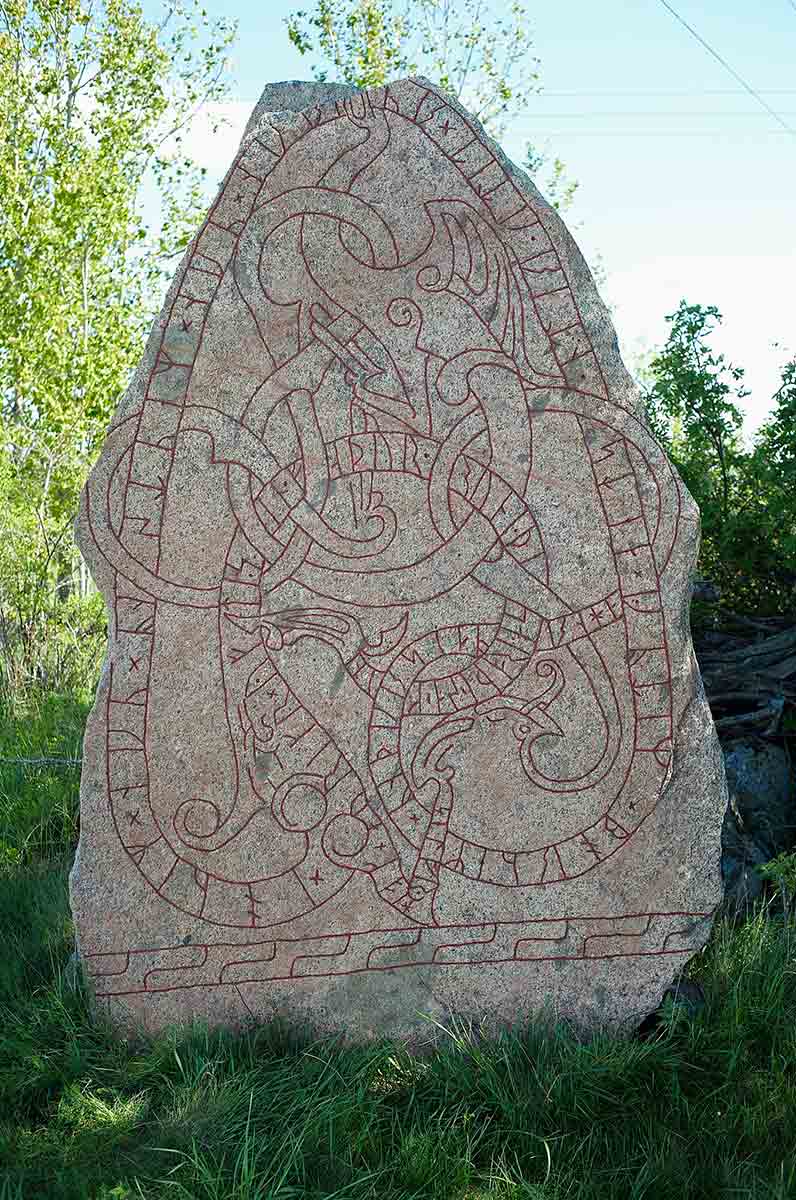
Upplandsmuseet is a small regional museum that focuses on the history of Uppsala and the surrounding countryside. It is the kind of place where you can get a feel for how people lived in this part of Sweden many moons ago. The museum holds a small but interesting collection of local archaeology, including several very cool Viking Age finds.
One of the most interesting is a fragment of an 11th-century runestone. Vikings raised stones like this as memorials for their loved ones who’d passed, usually placing them along popular paths or gathering spots so people would see the inscription every time they passed. The writing is in runes, the alphabet used in Scandinavia before Latin took hold, and even a short surviving line can reveal who carved the stone or who it honored.
Many runestones were broken or reused as building material over time, which is why so many survive only in pieces. Upplandsmuseet displays this fragment where you can stand close enough to see the shallow tool marks and the careful spacing of the runes.
3. The “French Revolution” Fan, The Fan Museum, London
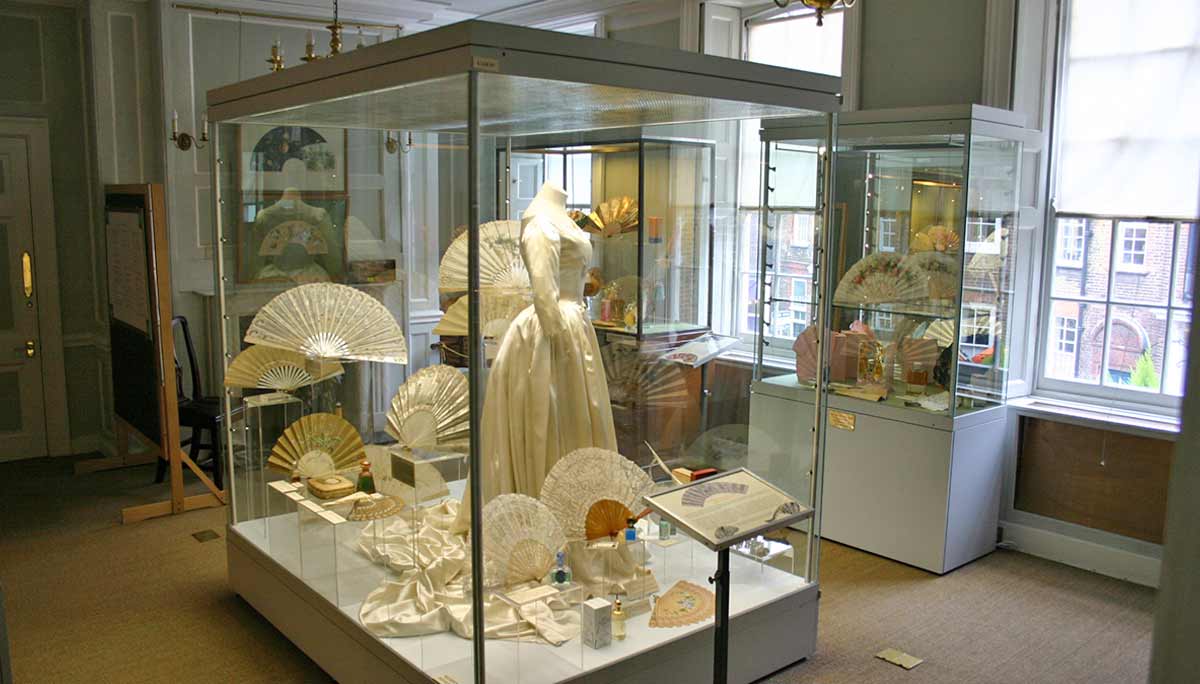
The Fan Museum sits inside a pair of Georgian townhouses in Greenwich and focuses on a seemingly innocuous object that was far more than a pretty accessory. Some were painted by recognized artists, others carried political messages or scenes that only made sense if you were keeping up with the news. It is a small museum, and walking through it helps you understand why fans once played such a steady role in social life.
The above-pictured painted fans from the 1790s are some of the most beautiful examples. They are covered in small portraits and symbols linked to the French Revolution, many of them carrying meanings that would have been obvious to people at the time.
4. The Sarcophagus of Seti I, Soane Museum, London
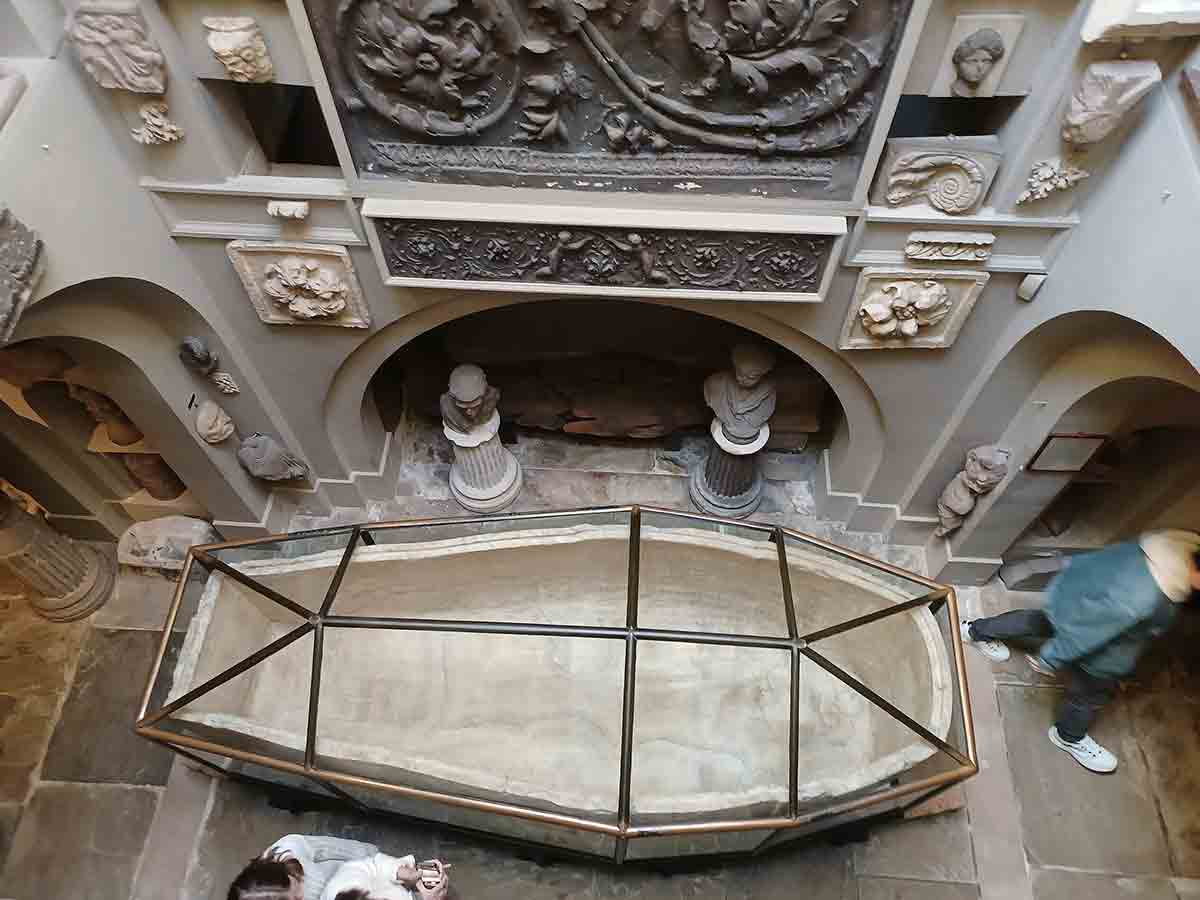
Visiting Sir John Soane’s Museum feels more like stepping into someone’s private collection than a traditional gallery. The rooms are compact, the lighting is subdued, and objects sit exactly where Soane placed them in the early 1800s.
The sarcophagus of King Seti I, carved around 1279 BC, sits in the basement and is one of the most important Egyptian objects in Europe. Soane acquired it after the British Museum declined to do so and held candlelit evenings so visitors could admire the inscriptions glowing through the translucent alabaster. The carved texts come from the Book of the Dead and were meant to guide the pharaoh into the afterlife.
Finding this piece of ancient Egypt in a London home feels unexpected, and the understated setting helps you appreciate the craftsmanship even more.
5. Brymbo Man, Wrexham County Borough Museum, Wales
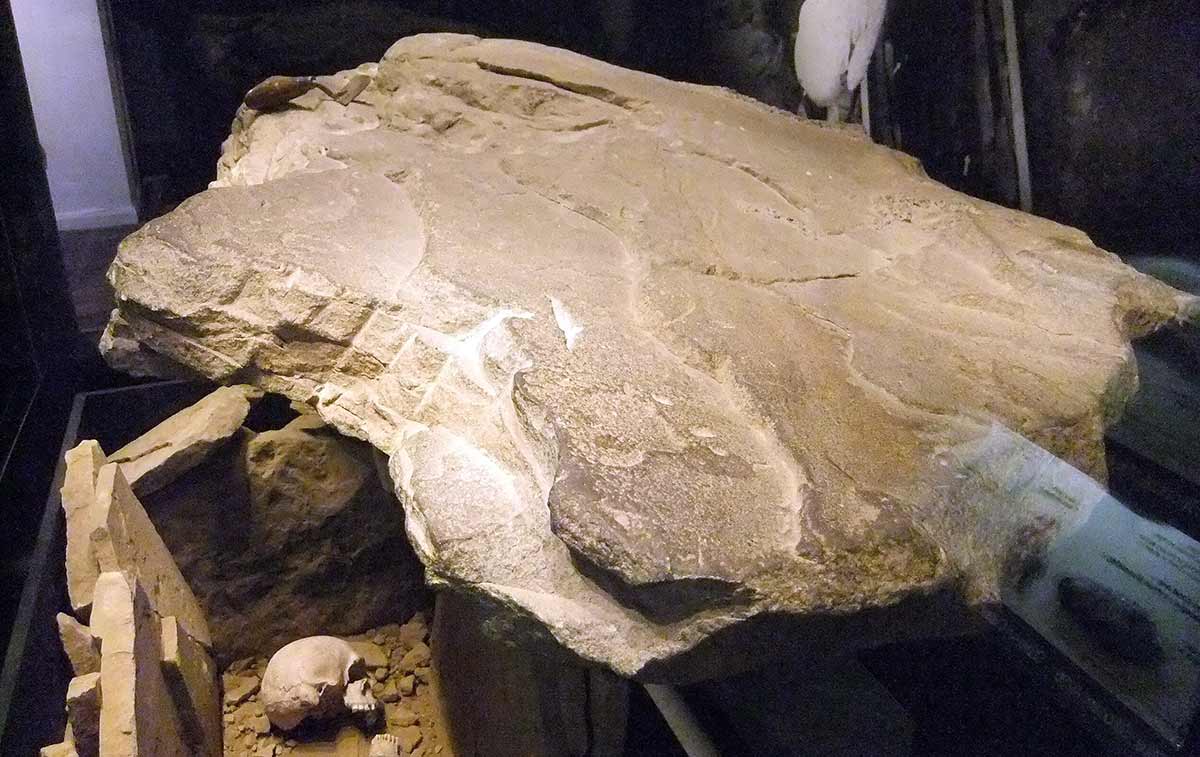
Wrexham Museum brings together treasured finds from the surrounding landscapes of north-east Wales, a region shaped by farming, mining, and early Bronze Age communities.
One of the most sensational examples is Brymbo Man, a Bronze Age burial uncovered in 1958 during work at a local steel plant. The skeleton dates to somewhere between 1600 and 1400 BC and was found with a flint knife and small personal items that suggest he probably held a high status.
The museum’s display combines the remains with clear explanations and reconstructions that help you picture the burial as it once was. It is a modest exhibit, but the age alone makes it immensely impressive.
6. Carved Saint Figurines, National Museum of Iceland, Reykjavík
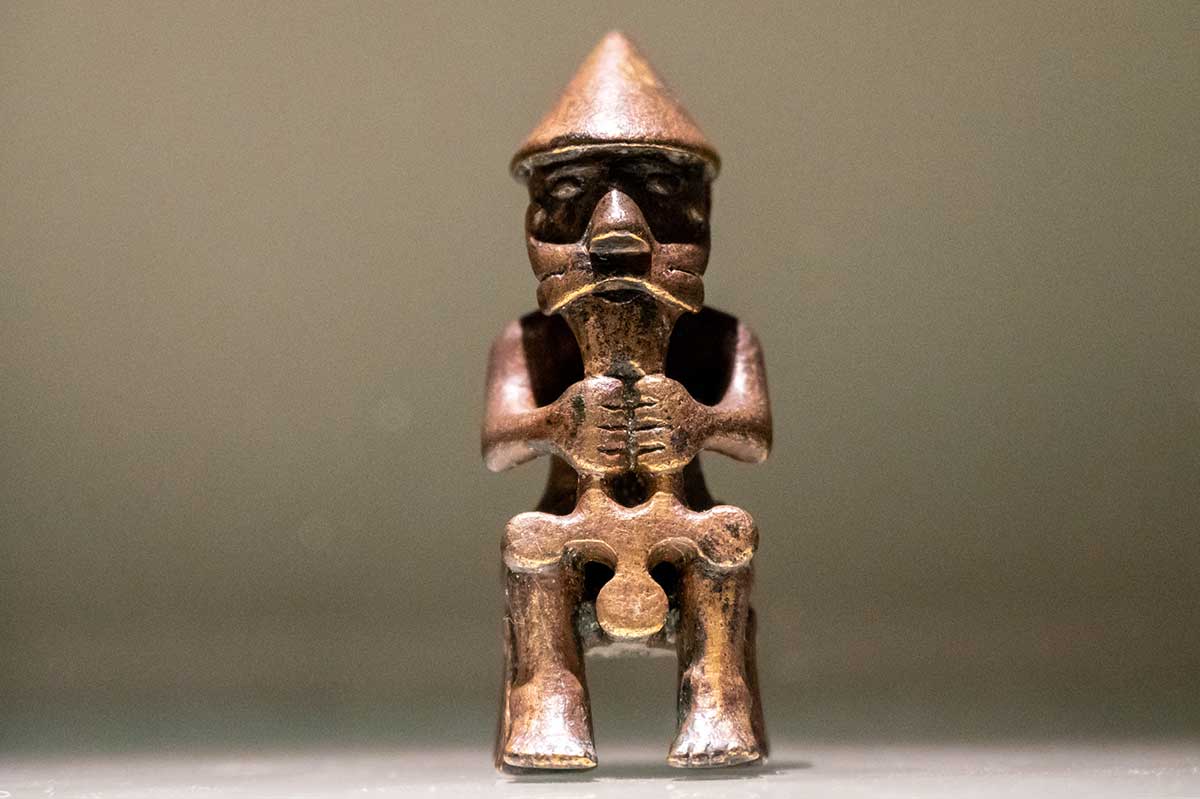
Compact and well organized, this small museum traces Iceland’s early history through objects that often came from remote farmsteads and tiny parish churches. Many of these churches stood in isolated valleys where materials were scarce, and every piece of decoration had to be made locally.
The carved saint figures date to the Late Medieval Period and were created at a time when Icelandic craftsmen worked with limited tools and whatever wood they could source, often driftwood washed ashore after long Atlantic journeys. Their features are simple but expressive, and traces of old pigment hint at how colorful rural churches once were.
On a side note, Christianity reached Iceland around the year 1000, when the Althing chose a peaceful collective conversion to avoid conflict between pagan and Christian clans. When the Reformation reached Iceland in the 16th century, many figures were removed or painted over, which is why surviving examples are so few.
7. Galileo’s Astrolabe, Museo Galileo, Florence
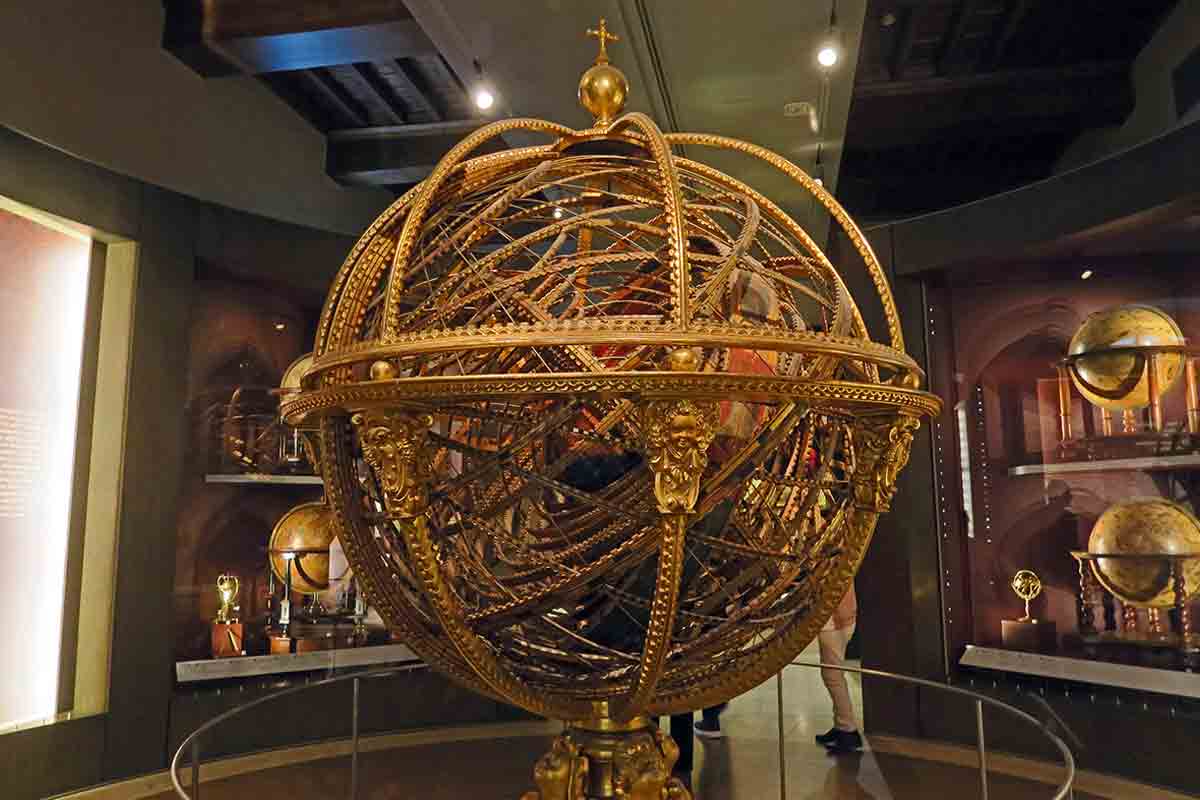
Much of the collection in this gem of a museum dates to the 16th and 17th centuries, when Galileo and his compadres were reshaping how Europe thought about the heavens. You’ll see early telescopes, globes, compasses, and mathematical tools built for hands-on observation rather than display.
The museum’s brass astrolabe is a classic example. It helped people calculate time, track stars, and solve basic astronomical problems. Scholars, sailors, and travelers relied on devices such as this, and once you understand how it works, the engraved markings make a lot more sense. The genius of the museum is that it presents its very practical pieces with explanations on how one would use them, so you can actually learn to do so on the spot.
8. Chimera of Arezzo, Museo Archeologico Nazionale di Firenze, Florence
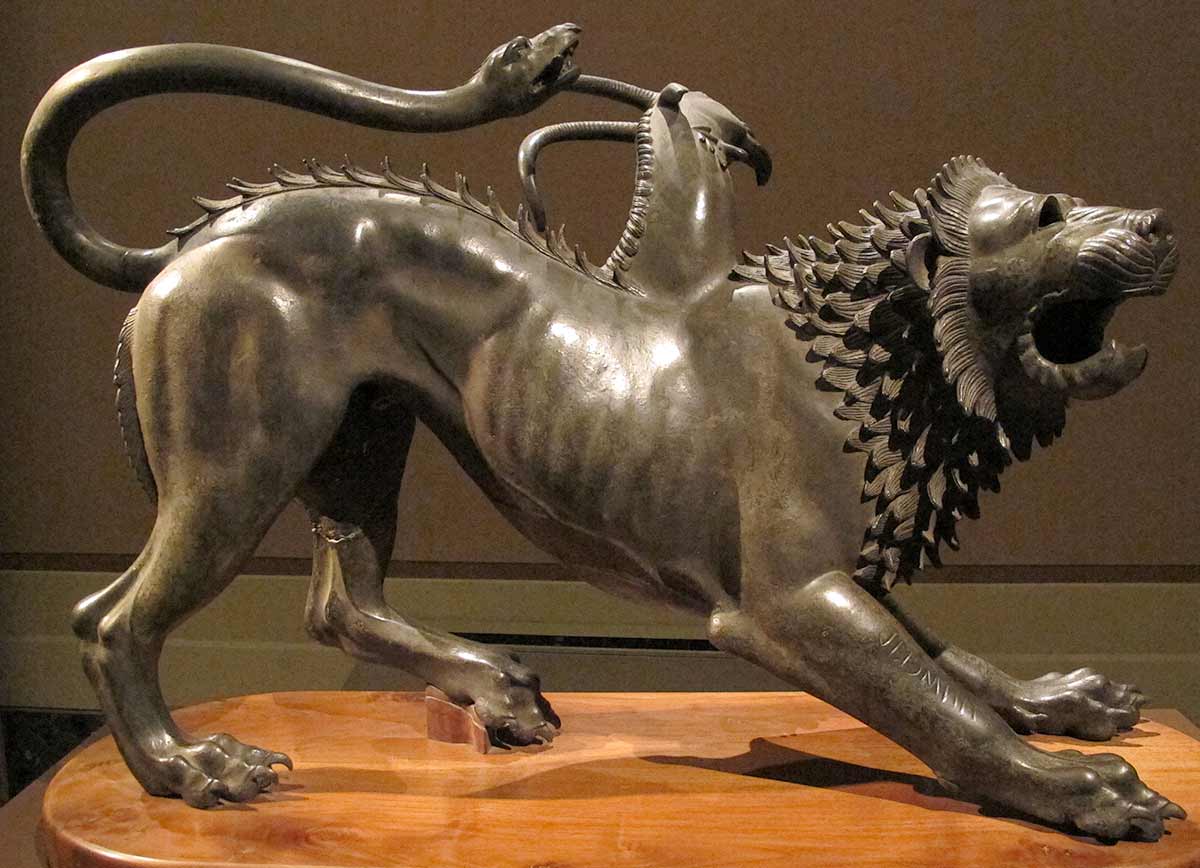
Florence’s Archaeology Museum is surprisingly under-visited despite housing several world-class pieces. It is small, usually calm, and a good place to spend time with individual objects rather than crowds.
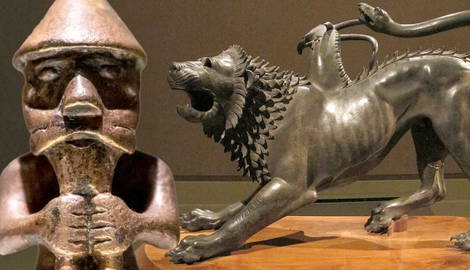
The Chimera of Arezzo is one of the museum’s finest works. Made in the 5th century BC, this bronze sculpture was discovered in 1553, near the Tuscan town of Arezzo. It shows the mythical creature with a lion’s body, a serpent’s tail, and a goat’s head rising from its back.