
Around 80 to 75 BC, a 25-year old nobleman named Julius Caesar was captured by Cilician pirates off the southern coast of Anatolia. Despite being a captive, Julius Caesar took full charge of the situation and made sure that this would be the biggest mistake the pirates ever made.
Proving his worth through clever words, quick thinking, and decisive action, the young Caesar exhibited the traits that would make him one of history’s greatest leaders.
Ambushed off the Southern Coast of Anatolia

Both Suetonius and Plutarch recounted the episode of Julius Caesar and the Cilician pirates, and while some of the details vary, the major events are the same. Caesar was captured off the Anatolian coast. According to Plutarch, this was when he was returning from visiting King Nicomedes IV of Bithynia. Suetonius states that Caesar was on his way to Rhodes, where he intended to study oratory with the Greek rhetorician Apollonius.
Pirates were common in these waters and acted with impunity due to the dislodging of local power by the Romans. There was no one to police the waters, and pirates took advantage of the situation, attacking merchant shipping and taking hostages. One of those hostages was Julius Caesar, who was captured by Cilician pirates near the island of Pharmacussa (now Farmakonisi).
The Captive Who Behaved Like a King
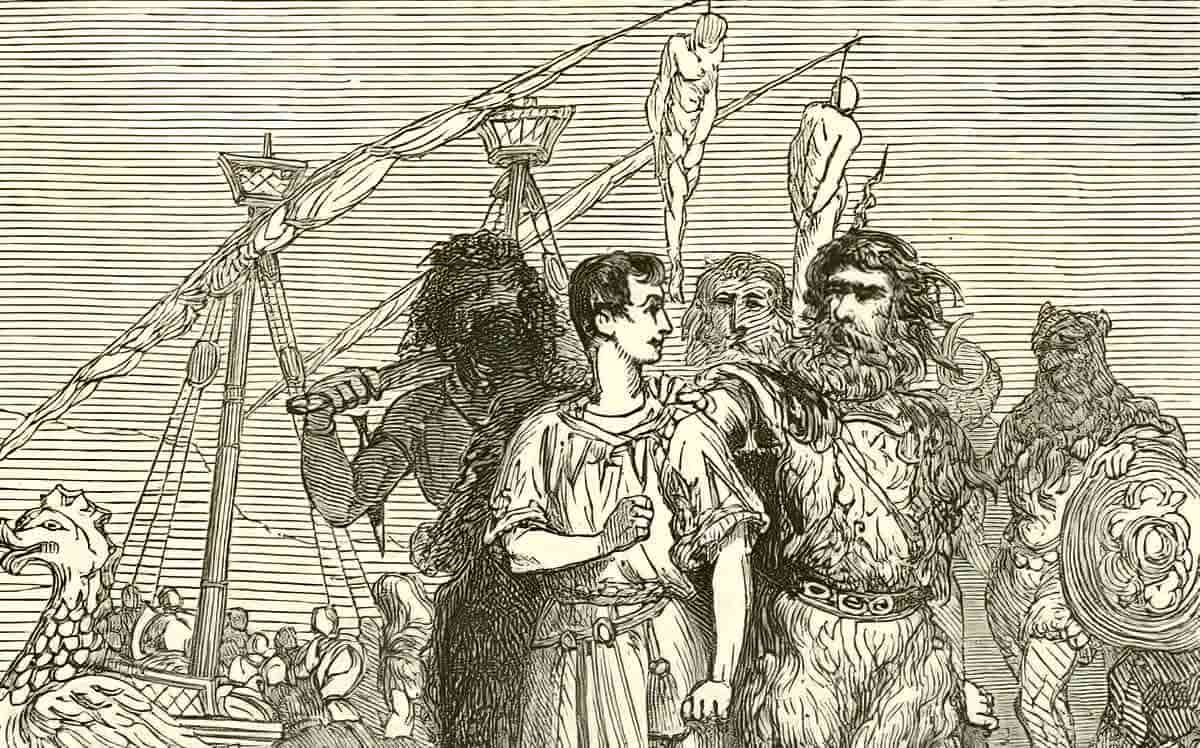
According to Plutarch, the pirates demanded 20 talents for his release, but Caesar laughed at the fact that they did not know who he was. Instead, he offered 50 talents and sent his followers to collect the ransom, leaving Caesar with just one friend and two attendants among a crew of dangerous reavers. Suetonius notes that the friend was a physician.
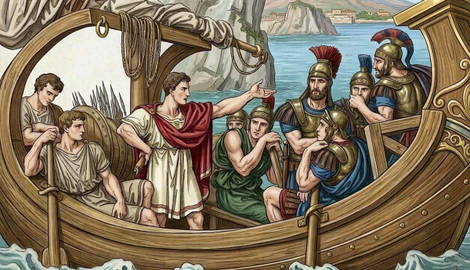
In the 38 days that followed, Caesar, a prisoner on the boat, acted as if he were in charge. He ingratiated himself with his captors and joined in their games aboard the vessel. He composed poems and gave speeches. He acted more as if they were his bodyguards than his captors.
He was so at ease that those who did not show appreciation for his oratory skills were subjected to his taunts. He called them illiterate barbarians and even joked about having them hanged. The jollity delighted the pirates who understandably expected no danger from their prisoner.
Caesar was so bold he even told them to keep quiet when he was trying to sleep!
A Crucifixion Delivered With Mercy
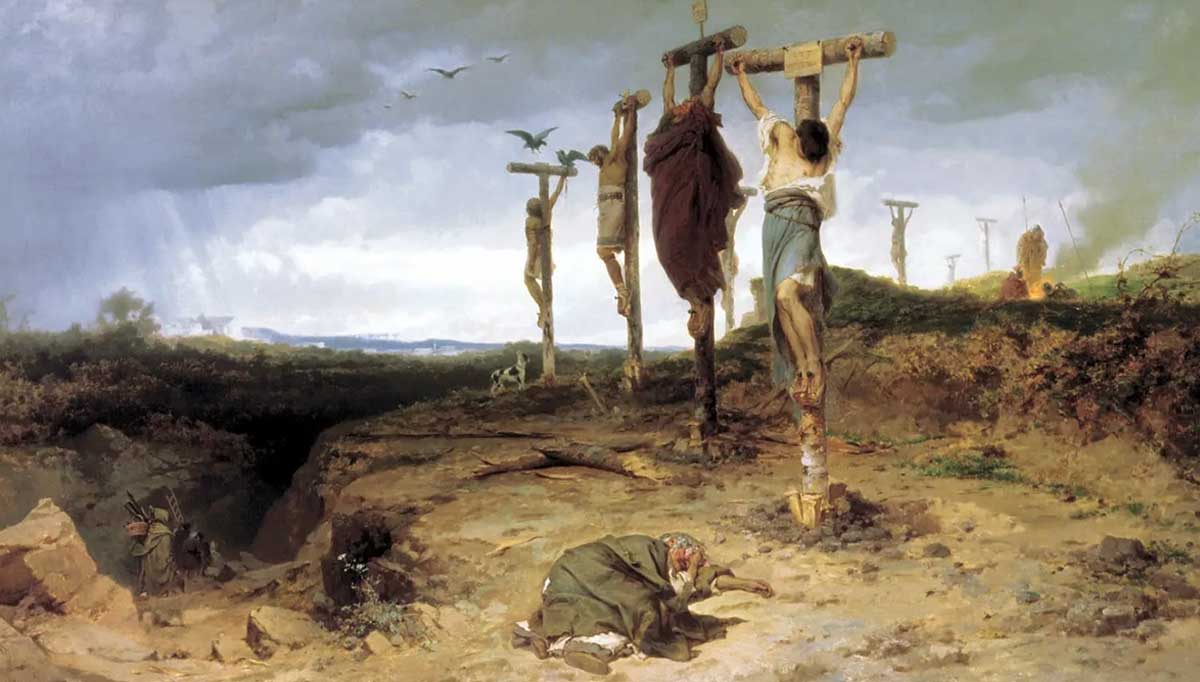
When the ransom was delivered and Caesar was released, he immediately put together a small fleet to hunt down his captors. Soon, he had them in his custody. They were imprisoned in Pergamum, and Caesar went to the governor, Junius, to discuss the punishment. Junius was not interested, and so Caesar took matters into his own hands.
He crucified them.
According to Suetonius, Caesar showed mercy by slitting their throats first.
Did It Really Happen? Sorting Fact From Legend in Caesar’s Pirate Tale
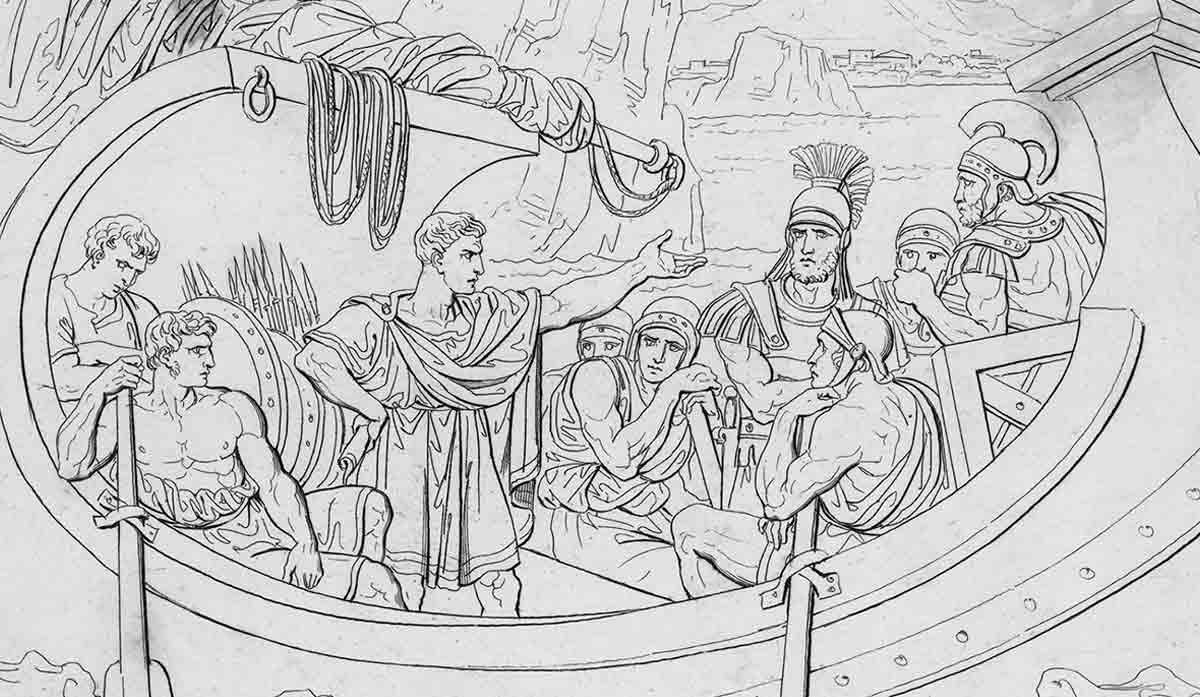
As to the veracity of the accounts, both Suetonius and Plutarch lived a century after the death of Julius Caesar. Given the timeframe, it is likely that the story was embellished somewhat, and the survivors may have exaggerated the events as well. Nevertheless, there is agreement in the two sources, adding to the weight of the story’s truth. Plutarch notes the details of the time in custody, but both writers agree that there was a sense of levity aboard the ship, and Caesar joked with his captors.
While the minutiae may be argued, it seems likely the events did happen.