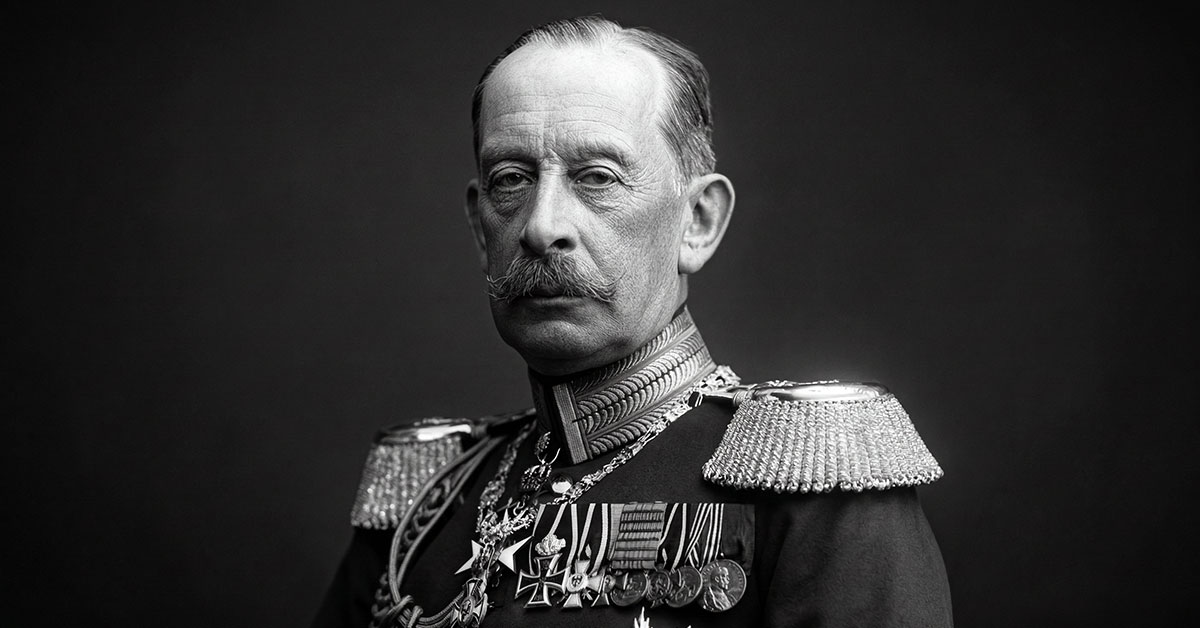
Graf Alfred von Schlieffen was Chief of the German General Staff from 1891 to 1905 and was the author of the plan which bears his name. In this position, he was responsible for the planning of the army’s operations in the event of war. Military planning for a war was dominated by the perceived threat from the Franco-Russian alliance, which, from Germany’s perspective, involved a war on two fronts.
The Schlieffen Plan
The anxiety of a prolonged war caused Von Schlieffen to determine three general precepts:
- That offense would triumph over a defensive strategy. This was not just Schlieffen’s belief but was generally held by military thinkers at the time, despite evidence to the contrary.
- Germany should use a counter-offensive strategy against an invasion. The dense railway system allowed the rapid mobilization and concentration of forces at the critical point.
- There was a need for a rapid and decisive victory against one opponent. After this, the rail system should be used to transfer the armies to the second front to counter-attack the other enemy.
It was deemed that Russia could be dealt with after victory in the west for two reasons. First, it was thought that Russian mobilization would be slow, due to their poor transport system, allowing Germany time to attend to events in the west. Second, Russia had lost its war with Japan (1904-05), from which Schlieffen and other German planners concluded that Russia was not as strong as previously assumed. Therefore, a relatively small German force could hold the Russians while France was defeated, which it was estimated would take six weeks.
Genesis of the Plan and Modifications
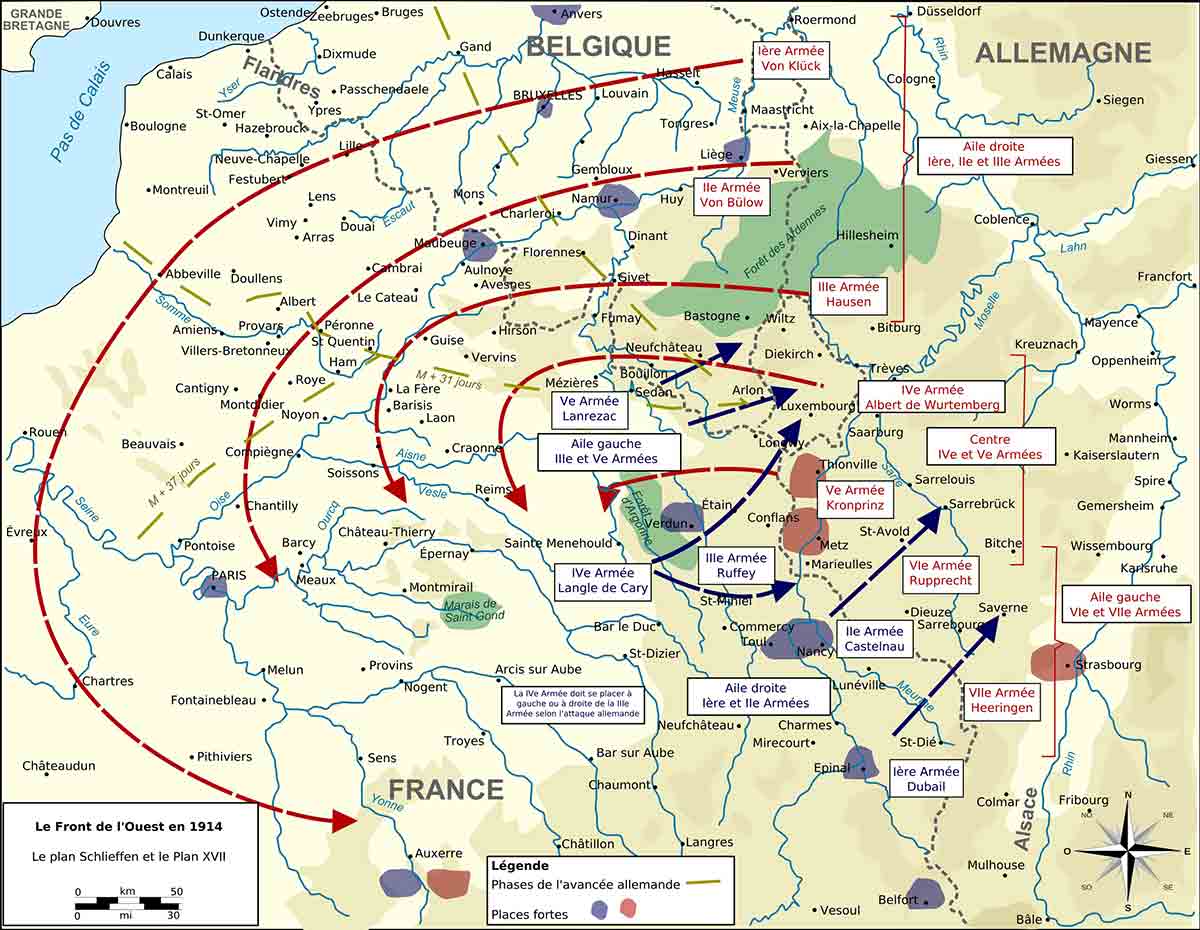
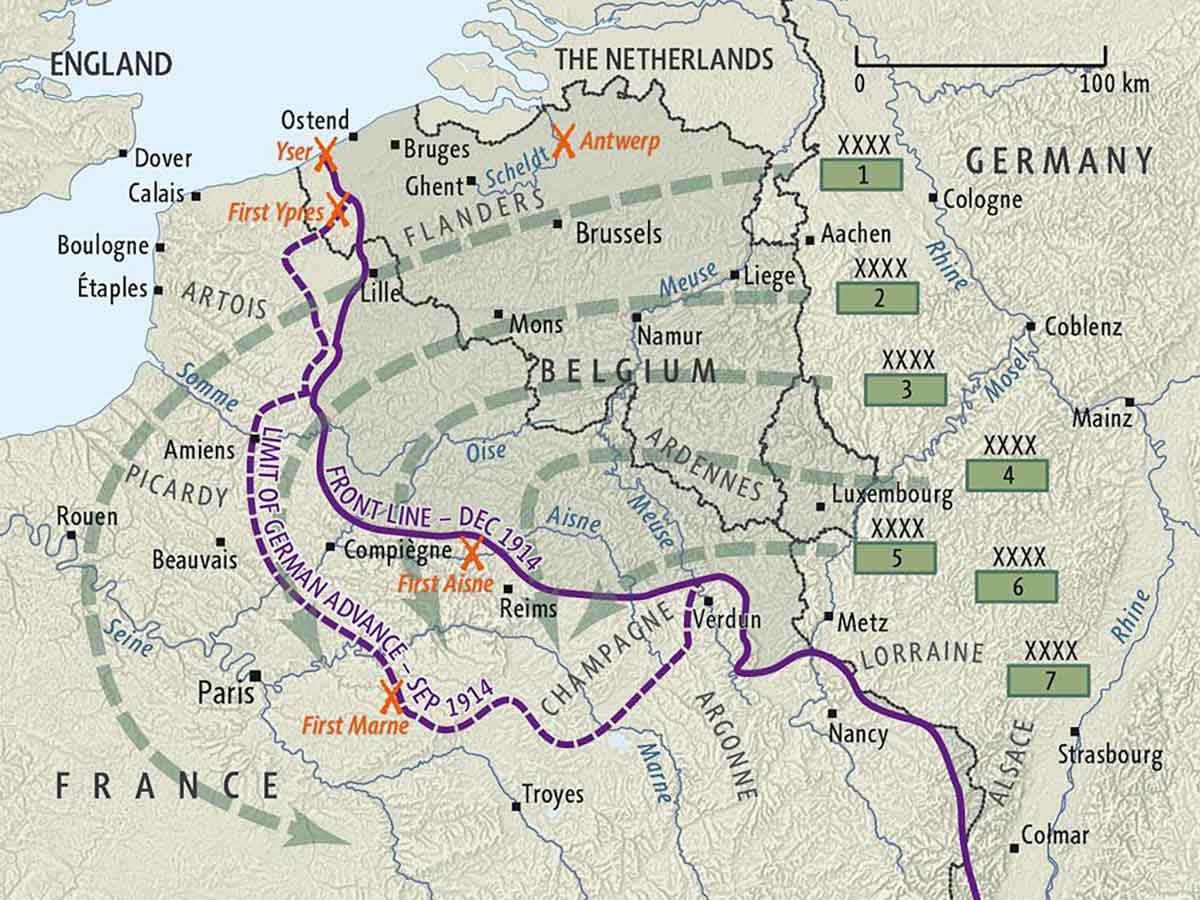
The plan was to draw the French army to attack in the south and then counter-attack in the north. The first stage of the battle can be visualized by thinking of the front as being hinged on the area just south of Luxembourg. The German southern front, helped by the French offensive (Plan XVII), was to retreat north-east, followed by the northern part (the German counter-attack) moving south-west. This German attack, after entering France, was to swing south and then east, with the aim of destroying the French armies as they were pushed against their own fortified frontier.
Dutch, Belgian, and Luxembourg neutrality was to be violated if they did not allow the passage of German armies. The right wing in the north would be much stronger than in the south. This was because the right wing was to provide the “scythe,” as it swung through the Low Countries and France. The German left wing was weak, partly to lure the French into attack, and also due to a lack of German resources. The plan was adopted as policy in 1905.
After Schlieffen retired, his place was taken by Von Moltke, who made two important modifications to the plan. The first was to cancel the invasion of the Netherlands. This had the effect of narrowing the gap through which the right wing advanced and reducing the ability of the German armies to outflank the strong Belgian forts in the Liege area. The second major change was that most of the new divisions that became available after 1905 were allotted to the southern front rather than the north, which required overwhelming strength for the plan to work. Moltke lacked the bold vision of his predecessor and reduced the chance of the plan succeeding.
The German Advance
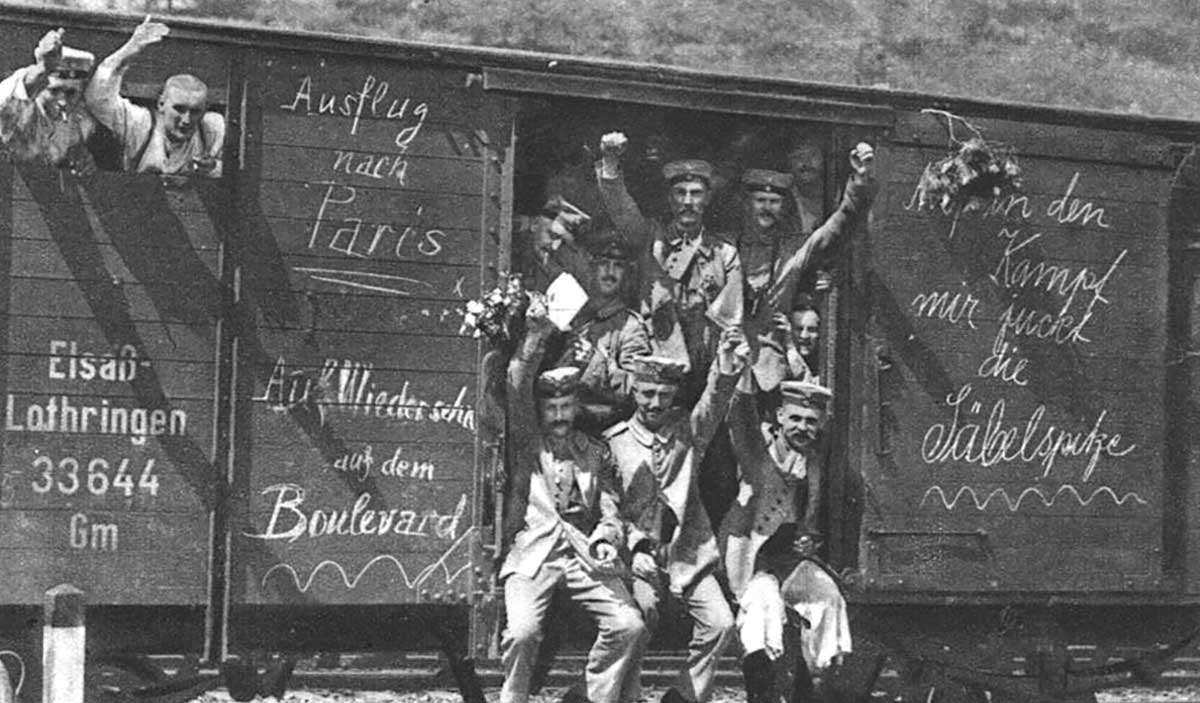
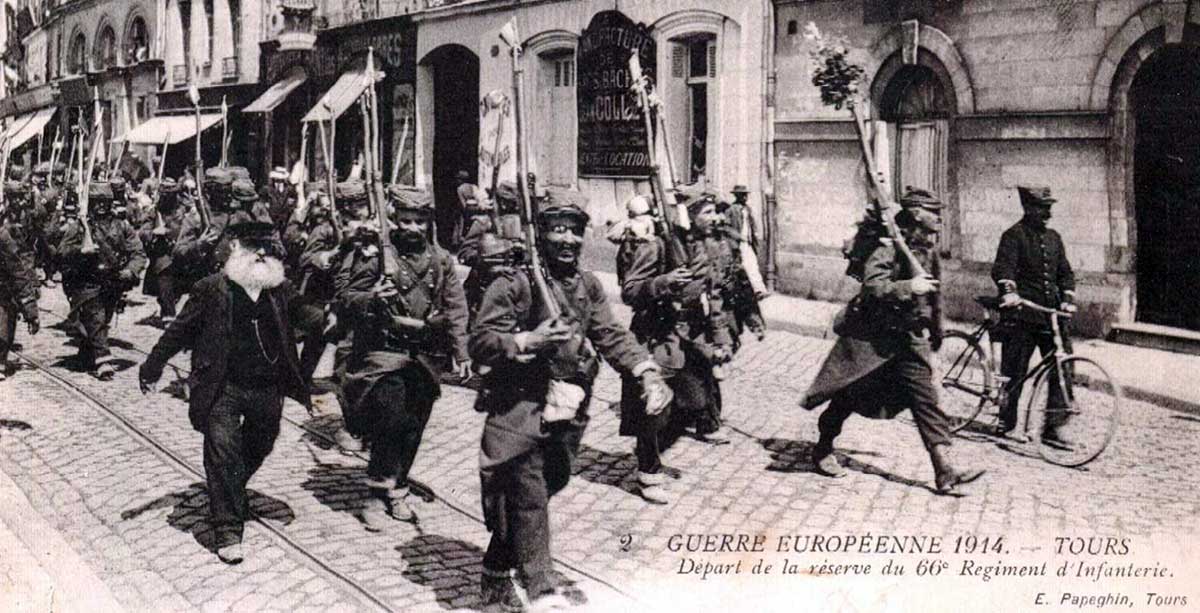
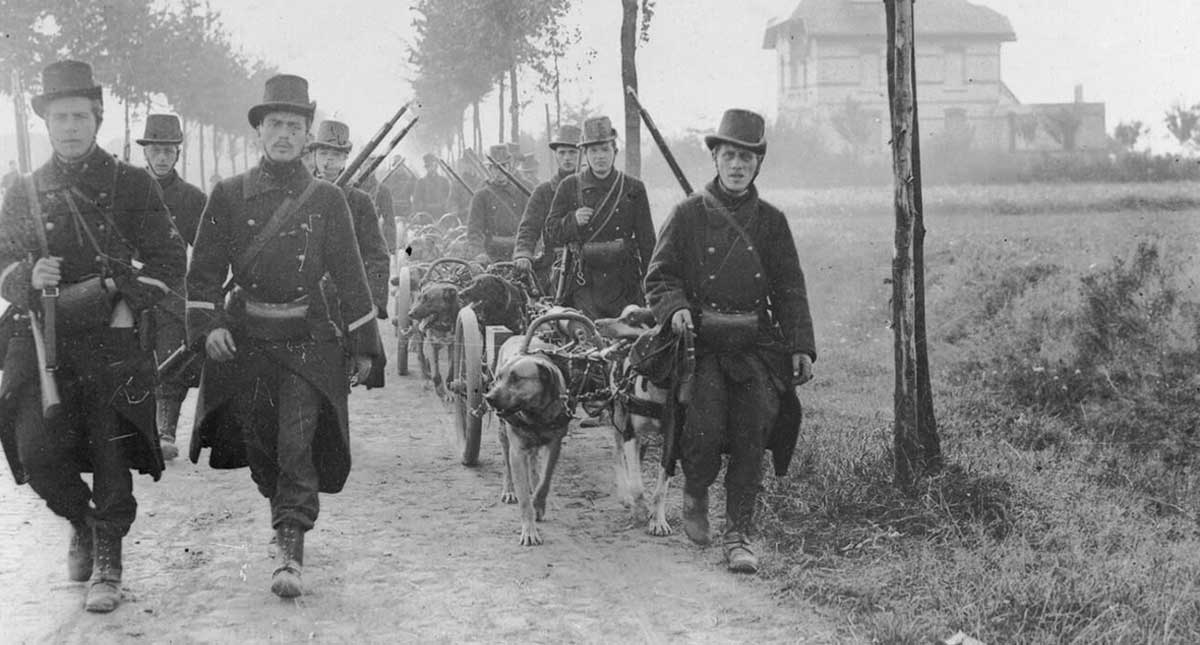
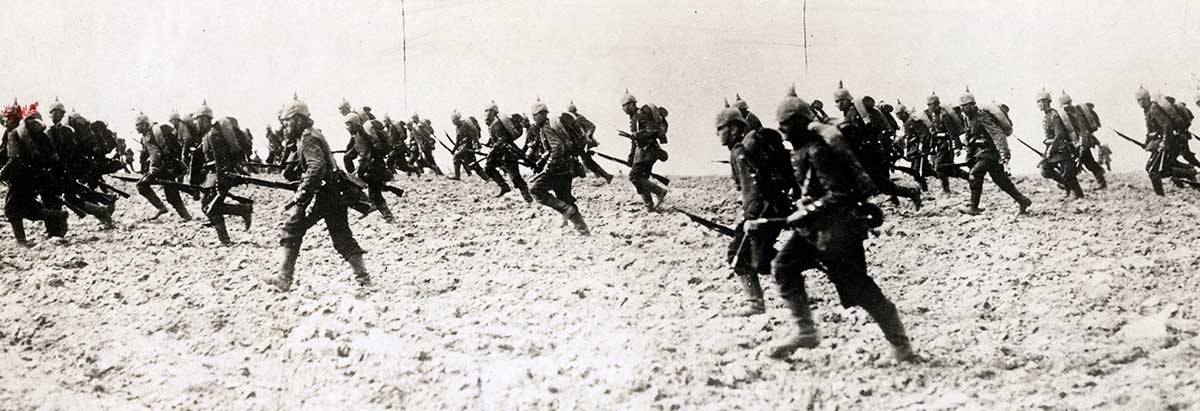
The German army crossed the Belgian border on August 4, 1914, after the German demands for unimpeded passage had been refused. On the same day, Britain declared war on Germany for violating Belgian neutrality, while two days prior, Germany had occupied Luxembourg. Despite strong resistance by the Belgian army, it was forced back, and on August 20, the Germans occupied Brussels. At this stage, they were slightly ahead of schedule. The German infantry advanced at an epic rate, often 30 miles a day in full uniform, and in the summer heat. The Belgians, meanwhile, had destroyed their rail network, which the Germans were hoping to use to supply the advancing armies, and this obviously reduced the effectiveness of the front-line troops.
On the southern part of the front, where the Schlieffen plan called for the Germans to fall back in the face of the French offensive, they instead shattered the French attack. Moltke vacillated and reinforced this success with troops that were designated for the decisive northern front. He then changed his mind and sent them north as originally planned. The French, however, were forced to withdraw in the south and fell back to fortified positions. As a result of these defenses, they were able to pull troops out of the line and send them north to face the main German attack. A crucial part of the plan, to draw the stronger French forces south and east, had failed.
The Germans crossed the French frontier on August 25, and the French troops, reinforced by the small British Expeditionary Force (BEF), fell back in the face of the massive enemy onslaught. But the German advance also brought problems as a gap developed between their two right-wing (northern) armies as they advanced in a south-westerly direction. To address this issue, Moltke ordered, on September 2, that the two armies drive south-east, rather than south-west as they had been doing. This lessened the gap, but it also reduced the effect of the outflanking maneuver to the west of Paris. Moltke, by issuing such an order, showed a lack of faith in the plan when a bolder commander might have continued with the wider movement. This would have had risks, but it may have brought about the rapid defeat of France. Instead, the German HQ gave in to fear of an enemy counter-attack.
For the Germans, additional problems took place on the Eastern Front, where the Russians had mobilized more rapidly than had been planned for. In response, a nervous Moltke transferred two corps from the west to the east on August 25. At the time, there was a feeling on the German side that victory in the west was near, and this adjustment would not affect the final outcome.
The Allied Counter-Attack
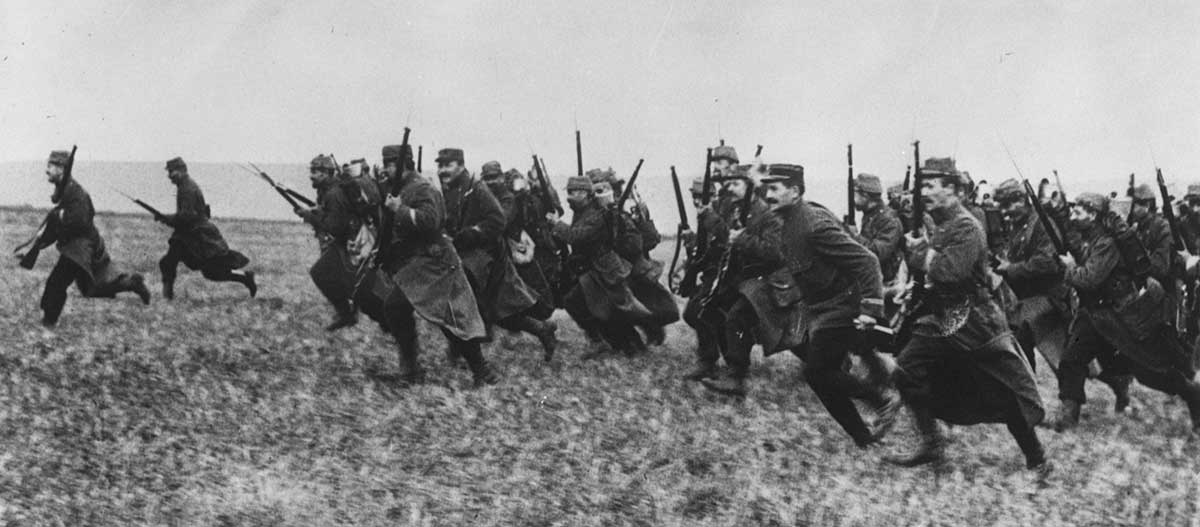
At this stage of the battle, both sides were exhausted. The troops were dog-tired after almost a month of continuous marching and fighting. On some days, the infantry had to march for many hours under a hot sun and engage in battle at the end of it. The German troops were also beginning to outrun their supplies, and this was made worse by the scorched earth policy carried out by the French as they retreated. The generals, too, were suffering from nervous fatigue, and several were dismissed, especially on the French side, under the strain of battle. Like the troops, none of the generals had experienced modern warfare on such an epic scale, where the stakes were so high. At this stage, the Germans had achieved many successes but no overall victory. At the highest level, it began to be felt that victory was slipping away, despite the apparent disarray of the retreating French forces.
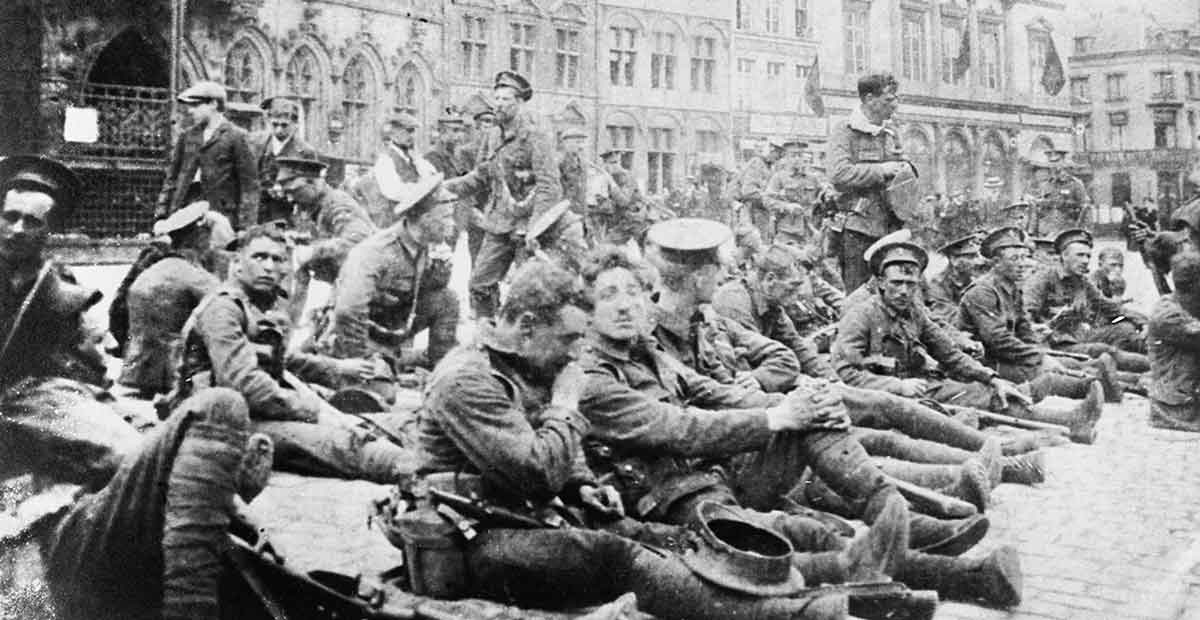
When the German right wing turned south-east, to the north of Paris, rather than enveloping it from the west as in the original plan, the Governor of Paris saw the opportunity. On September 3, he ordered his 6th Army to attack the exposed German flank. The commander-in-chief of all the French armies was Joffre, who was a calm contrast to the twitchy Moltke. On September 5, he ordered a general counter-offensive by the armies that faced the German right. By now, a 30-mile gap had developed between the two armies of the German right wing. The BEF, which had been retreating, turned around and advanced into this gap, although only after its commander was ordered to co-operate more closely with their allies.
On September 6, the German 1st Army, separated from the rest of the line and began to retreat. This was followed by the German high command ordering a withdrawal by their entire right wing on September 8. The retreat lasted until September 14, when they dug in and stopped the Allies. Both sides were now too drained for further effort. What became known as the Battle of the Marne was over, and with it went the chance of a rapid German victory.
Explaining the Failure
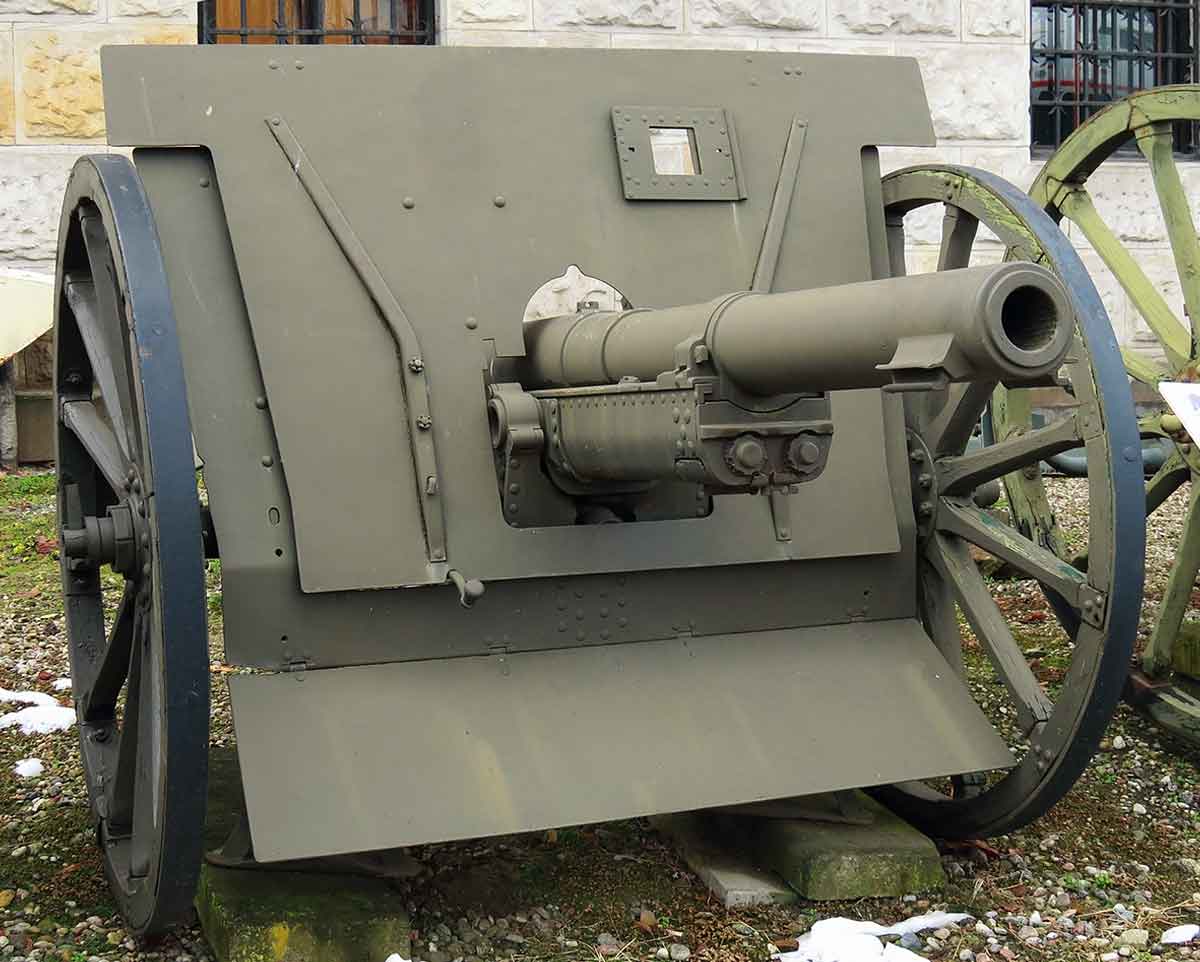
The failure of the Schlieffen plan can be seen at two levels. The first is on the battlefield itself. There was hesitation on the German side at critical times and brave improvisation by the French. General Von Kluck, commander of the German 1st Army, acknowledged the ability of the French infantry to recover from days of retreat and then attack. He saw this as the decisive aspect of the battle.
Other contributions to the German failure include not reinforcing the right wing before and during the invasion. The German sweep to the west of Paris never materialized due to fear of separation between their two right-wing armies. Additionally, moving troops to the Eastern Front before they were needed may have tipped the balance in the west. The French, meanwhile, rapidly learned the lessons of the first weeks of the war by changing their frontal assault tactics and weeding out many incompetent commanders. The French high command also ensured the close co-operation of the British and rapidly exploited the opportunity of a flank attack when it came.
The second aspect that contributed to the breakdown of the plan was that it was intrinsically flawed due to the precision required for success. There was no allowance for one part of the scenario not working correctly. The most obvious of these was the assumption that Russia would be slow to mobilize. As mentioned, Russia mustered its forces more rapidly than had been planned for. Although Russia did not pose an immediate threat to Germany, the German high command thought it did and moved much-needed troops from the west.
Another aspect was supplies for the front-line troops. When the railroad ended, there was a reliance on slow and overworked horse-drawn supplies. Although trucks gradually replaced these, the German infantry and cavalry were often poorly supplied as the advance went further into France. A third failure of the plan was overestimating the ability of the German troops to march immense distances and fight a battle afterward. For both sides, tiredness took its toll, but it was worse for the Germans, advancing into hostile territory, while the French were defending their homeland.
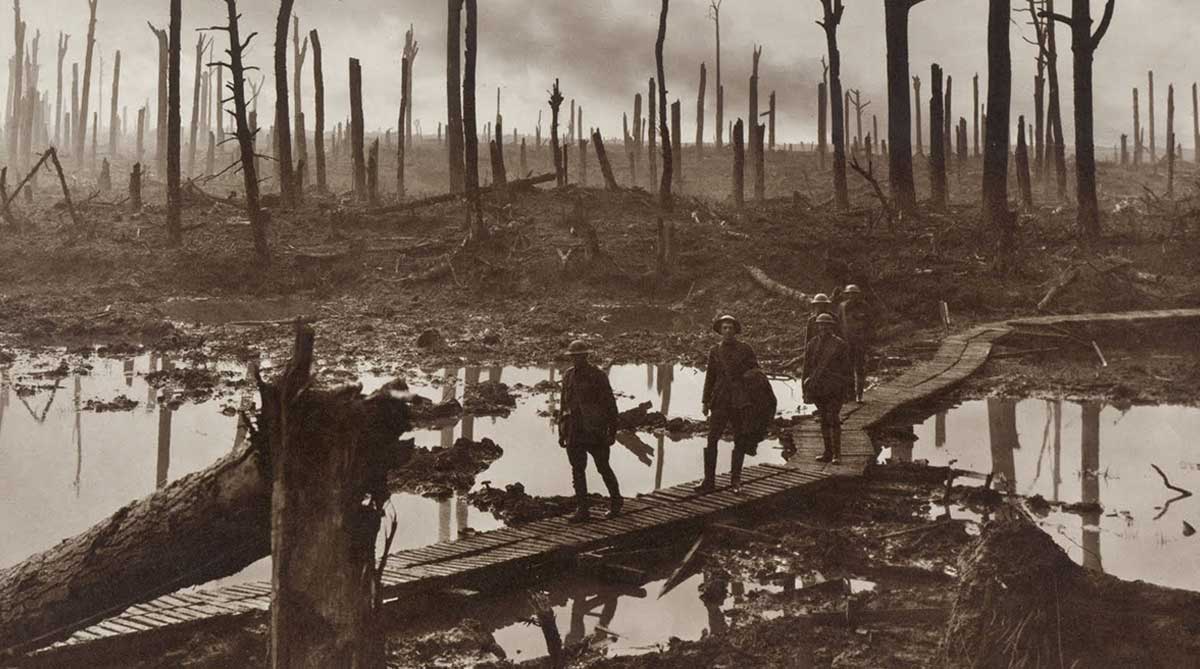
There was both a tactical failure in the German conduct of the battle and a more fundamental flaw in the plan itself. The German strategy for avoiding a prolonged conflict on two fronts had failed. The French and British were strong enough to halt the enemy advance but not powerful enough to defeat Germany. What followed was more than three years of stalemate on the Western Front.