Charles Vance Millar was a man of many eccentricities. A successful businessman, Millar was fond of pranks, and some wondered if the instructions left in his will were an extension of his love for jokes. Regardless of his motivations, Millar left an entertaining but risky proposition to his fellow Torontonians, which was upheld by the Supreme Court of Canada. Though economic conditions soon proved unfavorable for Millar’s scheme, there was no shortage of participants. As a result, the Great Stork Derby was on, growing families and, eventually, some bank accounts across Toronto.
A Man of Contradictions
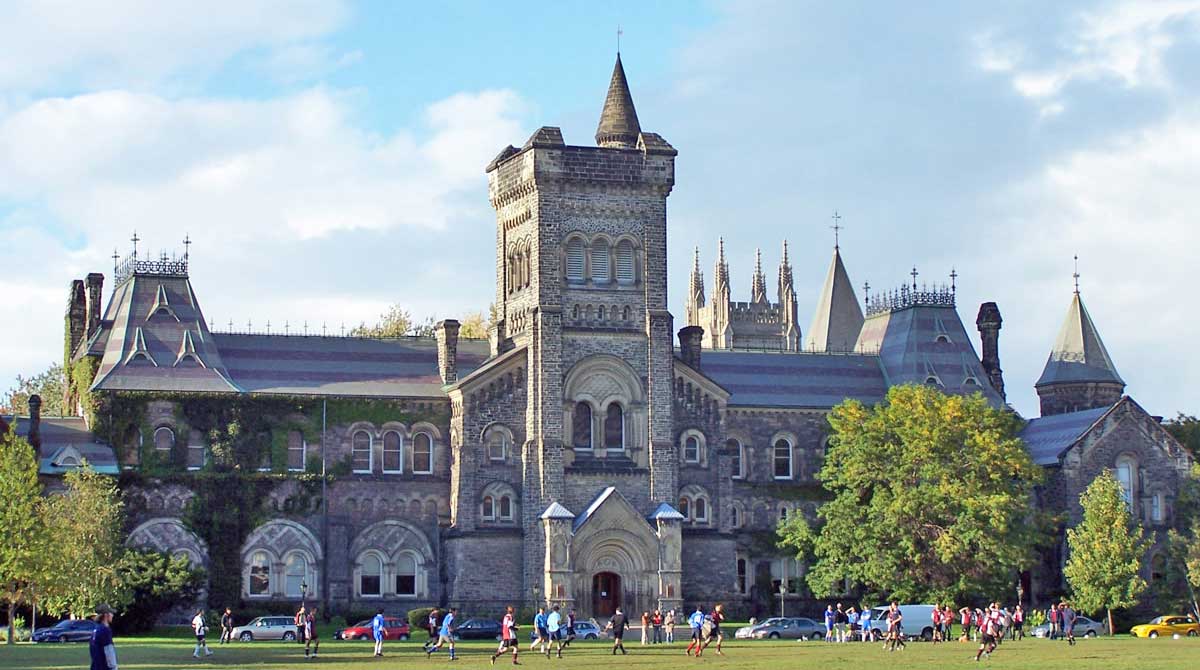
Charles Vance Millar, born June 28, 1854, in Aylmer, Ontario, was a lawyer who was admired for his legal knowledge and prowess. His brilliance was an extension of his success in school as a young man. He attended the University of Toronto, graduating with a 98% grade average.
In addition to possessing a natural legal sense, he was a skilled businessman. He opened a private law firm and eventually took over mail delivery contracts. He purchased land and rental properties. Though Millar soon became wealthy, he preferred to do things himself rather than pay others to do tasks such as repairs at his rental homes. He slept outdoors on his porch regardless of the weather forecast, claiming it made him “tougher.”

Horse racing was another interest of Millar’s, one in which he invested significantly. He paid to expand and improve racetracks and owned several successful racehorses. Despite his occupation as a serious businessman and lawyer, Millar was well known for his love of pranks and practical jokes, played on both people he knew and complete strangers.
Contrary to other men of his social status, he was not actively involved in many fraternal organizations or charities. He seemed to be uncomfortable with his wealth, yet he was not known to donate any of it. Millar’s habit of holding his money close didn’t change until after his death, which occurred on October 31, 1926. He was in his law office in Toronto, discussing a case with a colleague, when he suffered a stroke and perished. Toronto would soon learn that the prominent lawyer and businessman would continue to have an impact on their city long after his death.
An Indecent Proposal

Millar did not have any close family of his own. He allegedly had his heart broken as a young man and never again pursued marriage. He had no children and his parents had predeceased him. As a result, he had no one to leave his assets and fortune to. Therefore, Millar distributed his life’s earnings by unconventional means, giving himself a bit of a last laugh while doing so.
His shares in a brewery were left to well-known temperance advocates, while his racetrack ownership percentages were designated to some outspoken anti-horse racing adversaries. Millar’s vacation home, located in Jamaica was left to three men who bitterly despised one another, and given on the condition that they own it together. What remained of Millar’s estate was up for grabs, to the winner of a contest he designed, a race that would become known as The Great Stork Derby of Toronto.

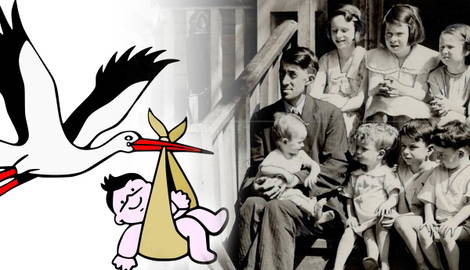
The contest for Millar’s fortune was open to all of the families in Toronto. He stipulated that the balance of the estate, in cash, would be awarded to the winner of the contest in ten years. How would the winner be decided? The woman who gave birth to the most children in the ten-year period would walk away with the cash. If there were a tie, the fortune would be divided equally among the finalists.
Announcements of the challenge were published in the press, but there was one obstacle. The government took the case as far as the Canadian Supreme Court, trying to get the contest nullified, but in the end, the Court upheld Millar’s offer as legal. There were some rules, however. Stillborn children did not count toward the total; children had to be born in Toronto, and they had to be born within a marriage—children born out of wedlock would not count in the tally.
Strange Motivations
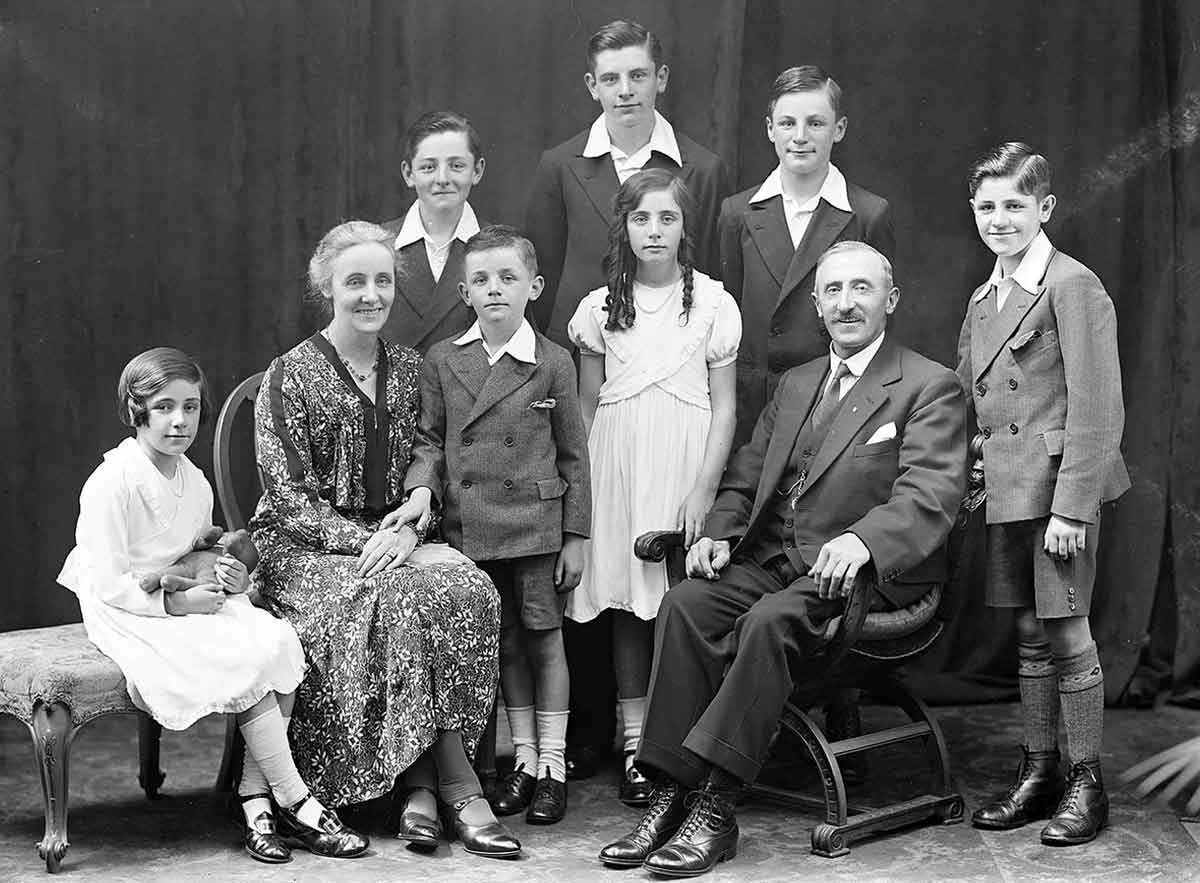
Then and now, Millar’s motivation for creating the contest is truly unknown. However, there has been some supposition from those who knew him about why he would leave his money to the winner of such a wild and unheard-of contest. Some supposed that it was truly just one last practical joke to poke fun at the government and the people willing to stoop to such a level as to base their reproduction on a cash prize. Others argue that Millar’s motivations were more political in nature, perhaps a statement on birth control. Eugenics was also a hot topic in Canada at the time, including the idea that women of the “upper class” were not reproducing fast enough to keep up with the poor masses. Perhaps the contest was Millar’s way of sticking it to the wealthy cohorts with whom he never really felt at ease.
Big Families During Difficult Times
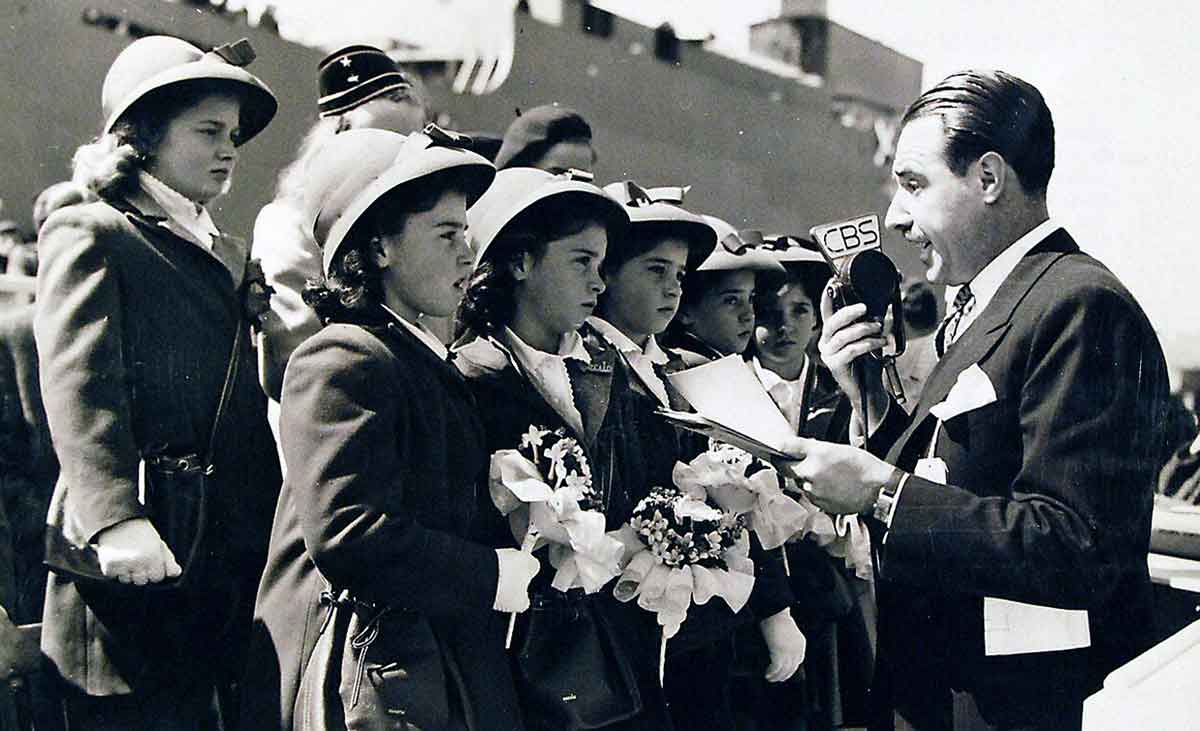
Meanwhile, the contest was in full swing. It is unknown how many families attempted to complete the challenge, just how many claimed to be participants at its conclusion. After the Supreme Court decision, the contest became a popular topic for news coverage. This became even more true after the fame of the Dionne Quintuplets, born in Corbeil, Ontario, in 1934. The Dionne babies were the first quintuplets in history to survive infancy, and their fame brought tourism and attention to Canada in droves. More babies were all the rage, but there were a few hindrances to those participating in Millar’s contest.
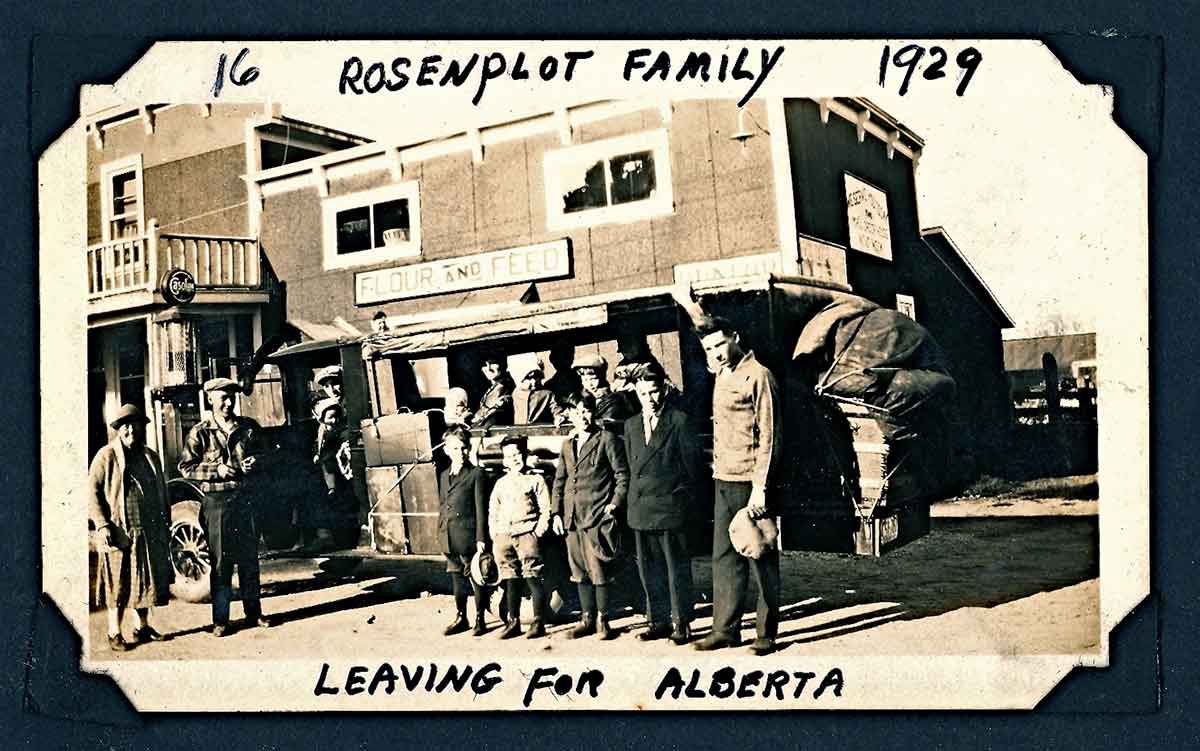
Firstly, there was the matter of time. With a nine-month gestation and no access to fertility drugs like in the modern era, women were simply limited on how many children they could have in a ten-year period. In addition, healthcare surrounding childbirth was light years from what it is now and was literally a threat to the mother’s health and survival. In the decade the contest ran, an average of 500 out of every 100,000 women died in childbirth, and infant mortality rates showed the death of 80 out of every 1,000 babies.
The onset of the Great Depression, which started in 1929, further added to the difficulties facing participants. The ripple effect of the Depression echoed that of what was seen in America. An estimated 30% of Canadians lost their jobs. More mouths to feed in a faltering economy could bring more hardships than blessings to those who were already struggling, but still, some contestants refused to quit.
The Winners… and Losers
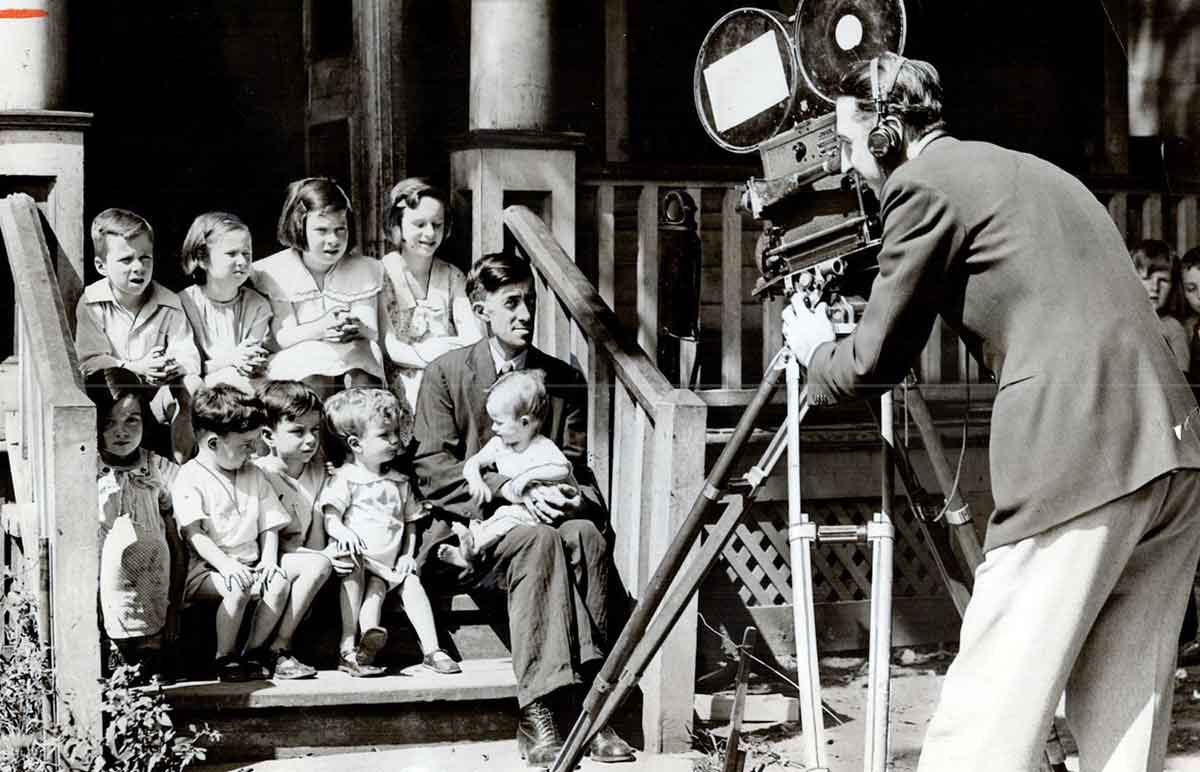
Over two dozen Toronto families welcomed at least eight children during the Derby’s duration. At the conclusion of the contest, on October 31, 1936, the cash prize had reached about 1 million with the principal and interest, about 21 million by today’s standards. At first, it looked like the winner of the contest was Lillian Kenny, who had twelve children during the duration of the contest. Close behind her was Grace Bagnato, with eleven, and Pauline Mae Clark, with ten. However, none of the women who appeared to be in the top three initially would walk away with any winnings.
It turned out that four of Kenny’s children were stillborn, knocking her total for the contest down to eight. Bagnato was disqualified because she was an illegal immigrant from Italy with no Canadian citizenship. Five of Clark’s children were determined to be born out of wedlock, putting her out of the running.
Instead, four women would tie with nine children each and be declared winners: Annie Katherine Smith, Kathleen Ellen Nagle, Lucy Alice Timleck, and Isabel Mary Maclean. Still, they wouldn’t receive the funds in an even split immediately. Due to lawsuits and court costs, each of the four women received $75,000, and it took them two years to receive it. Kenny and Clarke both sued, and each received a $12,500 settlement.
The Aftermath
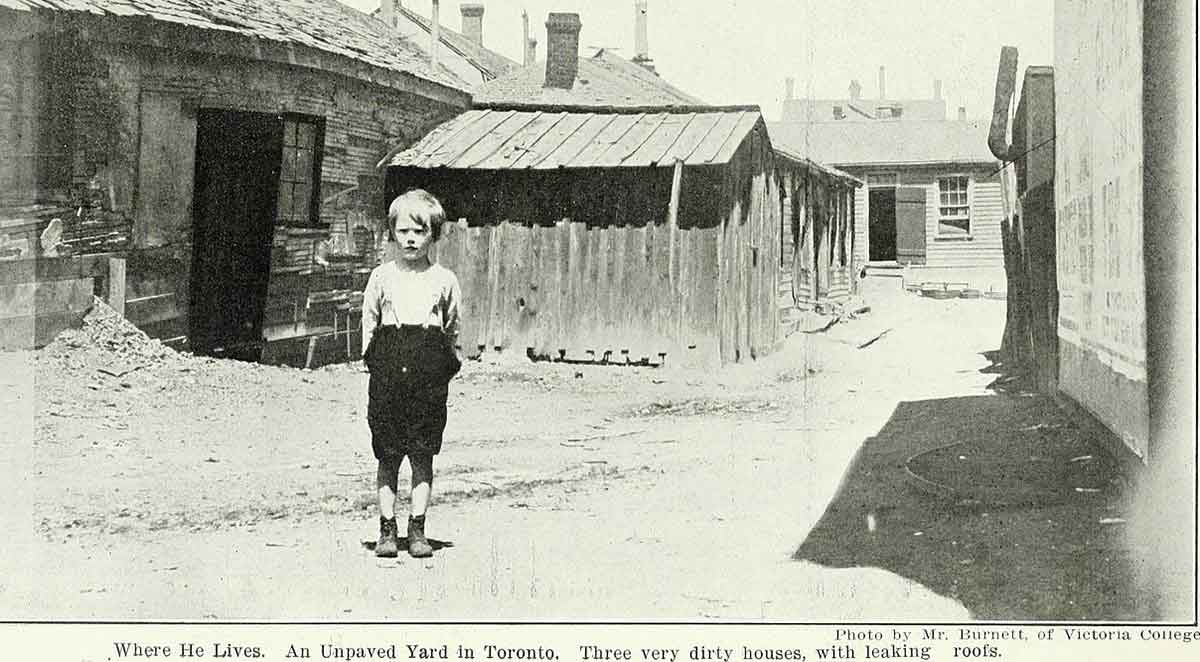
The four families that were declared contest winners all appeared to use their winnings wisely, buying homes and investing in businesses. Clarke disappeared from the public eye, as did Bagnato. Kenny, who had proven to be one of the most outspoken contestants throughout the decade of participation, continued to be harassed by the press. By 1941, her family had run through the settlement funds and was once again living in a poverty-stricken area of the city.

Perhaps Millar’s greatest legacy from the Great Stork Derby was the moral and ethical conversations it brought to light. Revitalized in a 1994 thesis by a Dalhousie University student, Elizabeth Wilton, in podcasts and novels, the Great Stork Derby still brings questions and discussions to historians decades after its conclusion.
Topics such as reproduction, birth control, eugenics, social class, and religion are all interwoven in Millar’s contest and still remain highly controversial even today. The contest can be seen as an allegory for the Great Depression itself, and it has a fairy-tale enigma as well. It provided hope that would allow a family to leap from poverty to wealth at a time when all hope was lost. At the same time, potential repercussions could send a losing contestant to permanent melancholy and strife. While it was sometimes treated lightly in the press, the Great Stork Derby is a strong, serious representation of social attitudes that have proliferated in history and is a case study of morality.