Summary
- Thucydides was an Athenian general who fought in the Peloponnesian War before writing its definitive history.
- After failing to defend a key city, Thucydides was exiled for 20 years, which allowed him to write.
- Unlike Herodotus, Thucydides prioritized accuracy over entertainment, setting a new standard for historical inquiry.
- He wrote his History as a “possession for all time” to help future generations understand human behavior in war.
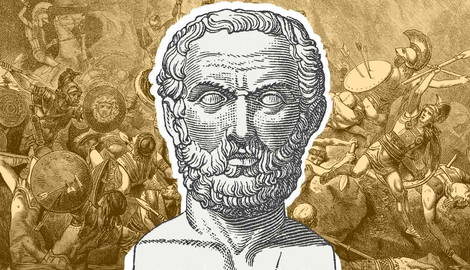
Thucydides is one of Classical Greece’s most foundational figures. He served as a general in the Athenian navy during the Peloponnesian War, and then wrote a historical account of the conflict, redefining the discipline in his approach. Unlike his predecessors, who relied on myth and legend, Thucydides tried to provide a factual and unbiased account, focused on politics, power, and the consequences of human behavior. He influenced later authors and set the standard for historical inquiry.
Greece in the Classical Period
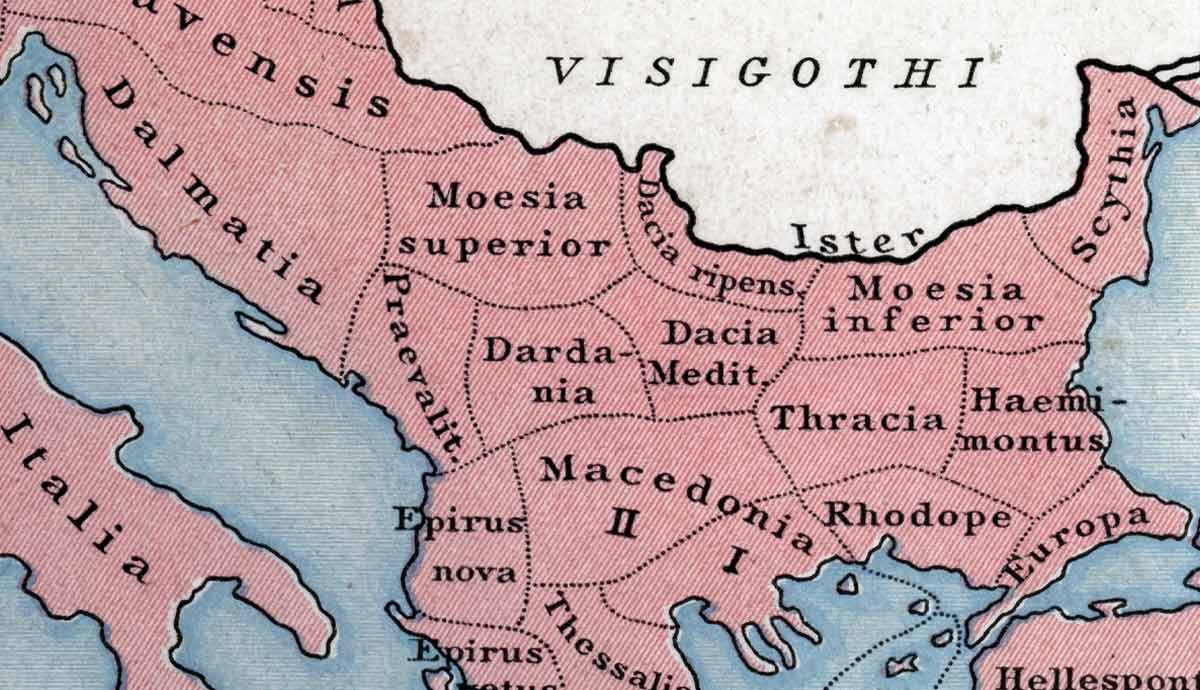
Thucydides lived during the height of Athens’ power in the Aegean. At this time, the Greek city-state of Athens had created an empire of subordinate cities, from which it collected tribute. Nominally called the Delian League, through its “allies,” Athens controlled vast territories across Asia Minor in the east, the Black Sea in the north, and the Adriatic Sea in the west.
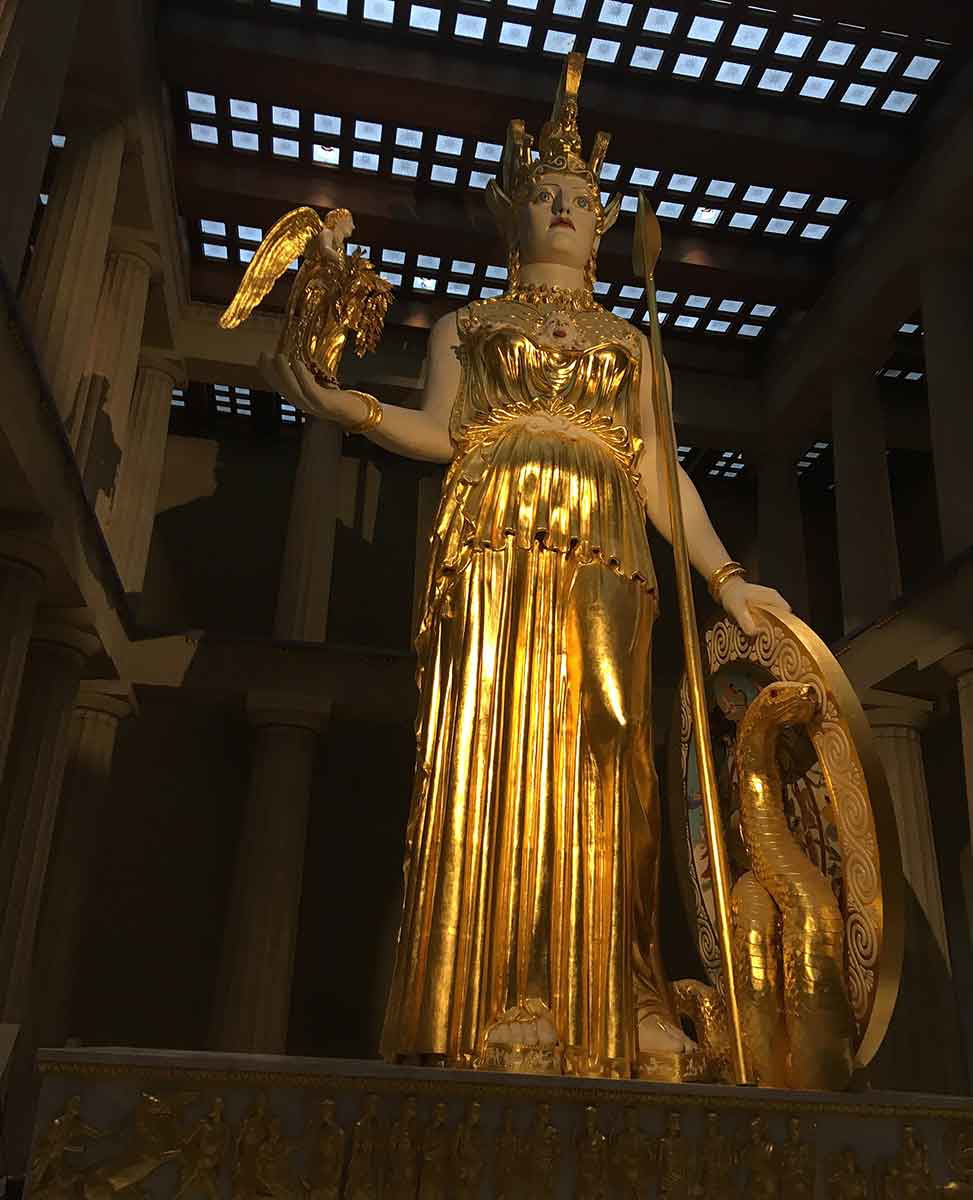
The prestige Athens earned from defeating the Persians and the wealth from its empire placed Athens as the dominant power of the Greek world. It was at this time that Athens experienced a cultural enlightenment. The monuments that ancient Athens is known for today, such as the Parthenon, were built in this period. The great tragic plays were written, and history’s most influential philosophers, like Socrates and Plato, lived during this time.
While Athens was at its height, its heavy-handed treatment of its allies caused them to revolt and turn to the only other power that could rival Athens: Sparta. Tensions between the two powers rose until, in 431 BCE, the Peloponnesian War broke out, pitting all of Greece against itself. The war lasted until 404 BCE, ending with Athens’ surrender and the dissolution of their democracy. Athens would reform its democracy a year later, but would never regain the same dominance it once held.
Overview of the Sources
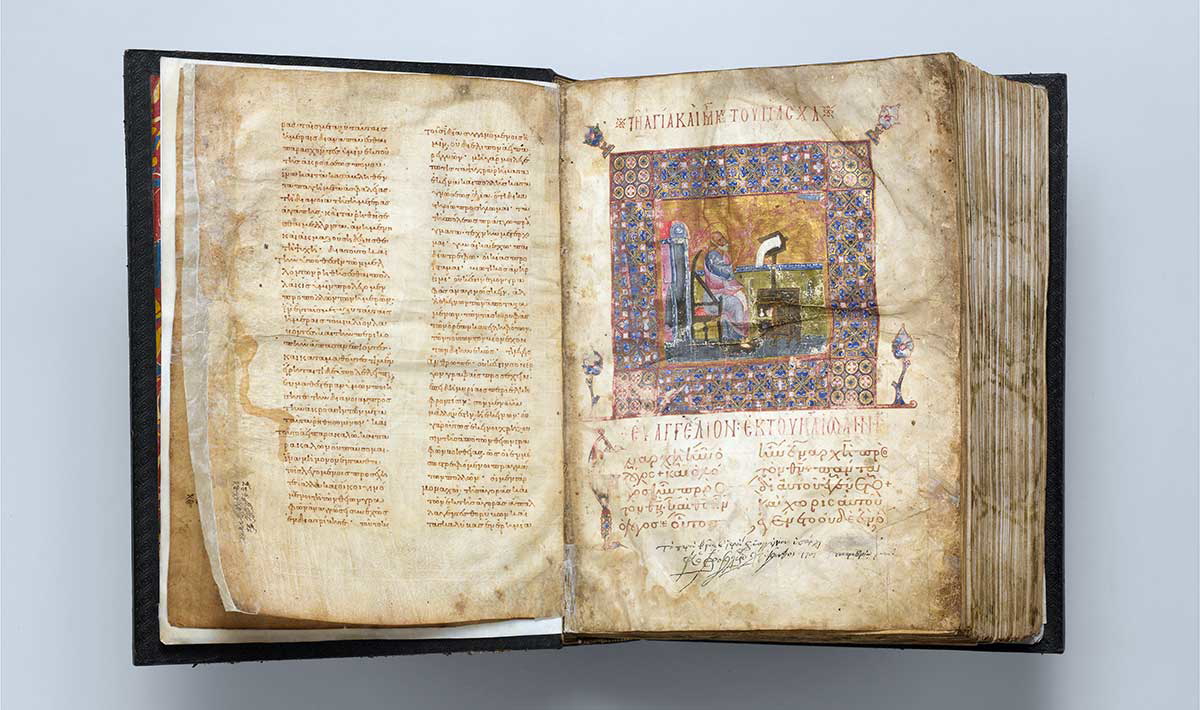
Few sources survive for the life of Thucydides. Some of what’s known is inferred from his own work, but it is difficult to determine how he participated in events due to his purposeful self-effacement in his work. There are also passing references to him in authors like Herodotus, Pausanias, and Plutarch.
The rest of our information comes from texts written over one thousand years later. Surviving from manuscripts composed between the 11th and 13th centuries CE, the Life of Thucydides was attributed to a “Marcellinus.” The biography accompanied commentaries of Thucydides’ work on the Peloponnesian War.
We know little about Marcellinus or where he got his information. The first mention of him comes from the 10th-century Byzantine Suidae Lexicon, where he’s cited as a source for several terms. Based on the references to other Roman authors, such as Didymus Chalcenterus, Marcellinus may have lived between the 2nd and 6th centuries CE. It has been suggested that he may be the Marcellinus to whom a compilation of scholia on Hermogenes of Tarsus was attributed.
It has also been argued that Marcellinus is merely the name to which passages of unknown authorship were attributed. Variance in style, content, and the composition of the passages, the work seems more like a compilation than a text with a single author.
Who Was Thucydides?
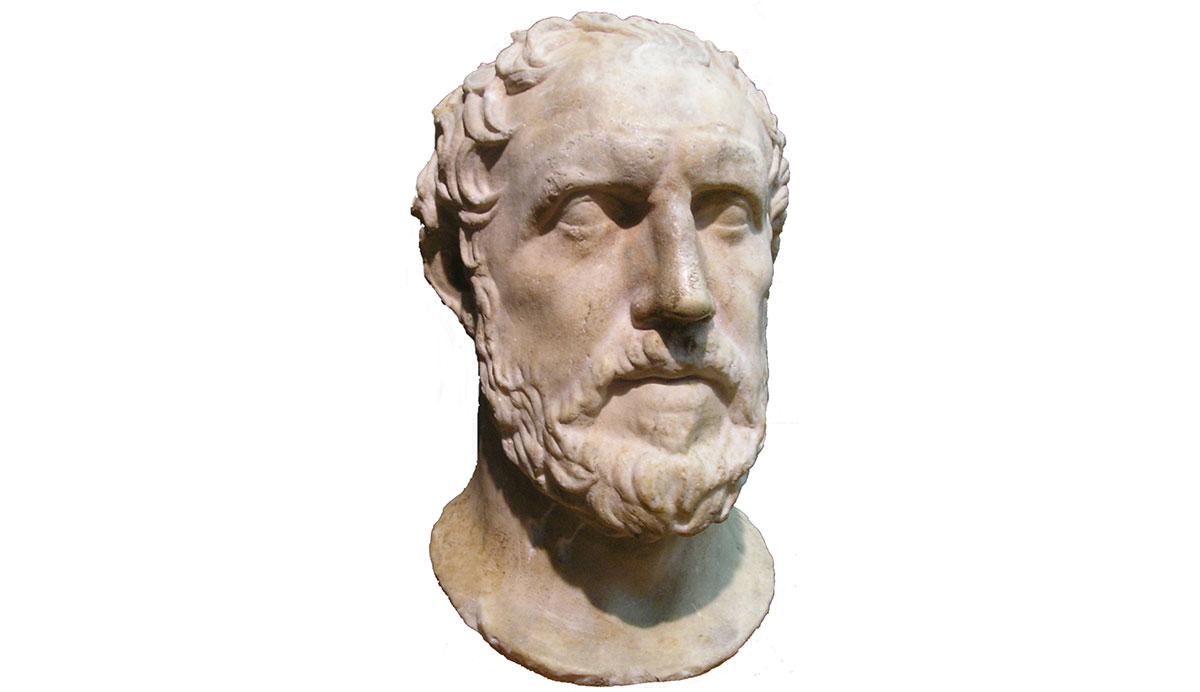
Thucydides was born around 460 BCE and was said to be descended from Thracian royalty and from the Peisistratid tyrants of Athens. He was also related to the politician Cimon, and to one of Pericles’ rivals. He was thus an Athenian citizen and aristocrat, as is evidenced by his selection as general in 424 BCE. Like most aristocrats, he would have received a physical and intellectual education at a gymnasium and likely had exposure to sophist figures and Periclean intellectuals. He was also wealthy, being in possession of gold mines in Thrace.
He was exiled from Athens in 424 BCE on charges of treason, going to Thrace, where he began work on his History. According to Marcellinus, Thucydides had begun taking notes of events and speeches from the outset of the Peloponnesian War, knowing that the war would be significant for the entire Greek world. He had also paid various people on both sides of the war to speak to him of their experiences, allowing him to give a fuller account of the war. He died after the end of the Peloponnesian War, leaving his History unfinished. Some said he was buried in Thrace, but other stories had his bones secreted away to Athens.
Thucydides in the Peloponnesian War
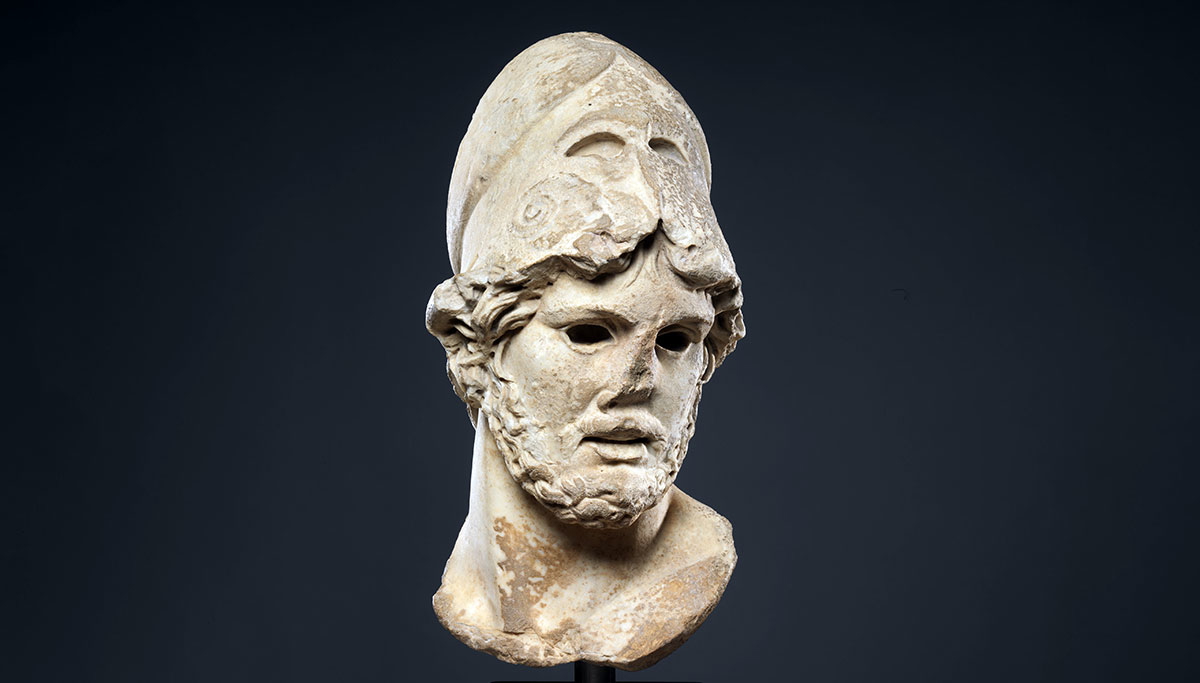
Thucydides’ account of the Peloponnesian War is the most detailed surviving record of events, in large part because he lived through and personally participated in the war. He was in Athens when the plague broke out in the 420s BCE, killing a third of the population, including the leading politician, Pericles. Despite contracting the plague, Thucydides survived and described the symptoms of the disease in detail. He participated in the first seven years of the war, though his capacity is uncertain. What is known is that, in 424 BCE, he was elected as strategos, one of ten military generals in Athens, holding the same position that Pericles had held.
Thucydides was in charge of the naval forces in the Thracian region. His main responsibility was the defense of the city of Amphipolis. It was a strategically and economically significant city, rich in natural resources like timber, gold, and silver. It was also a vital control point for access to the Strymon River and the route east to the Hellespont.
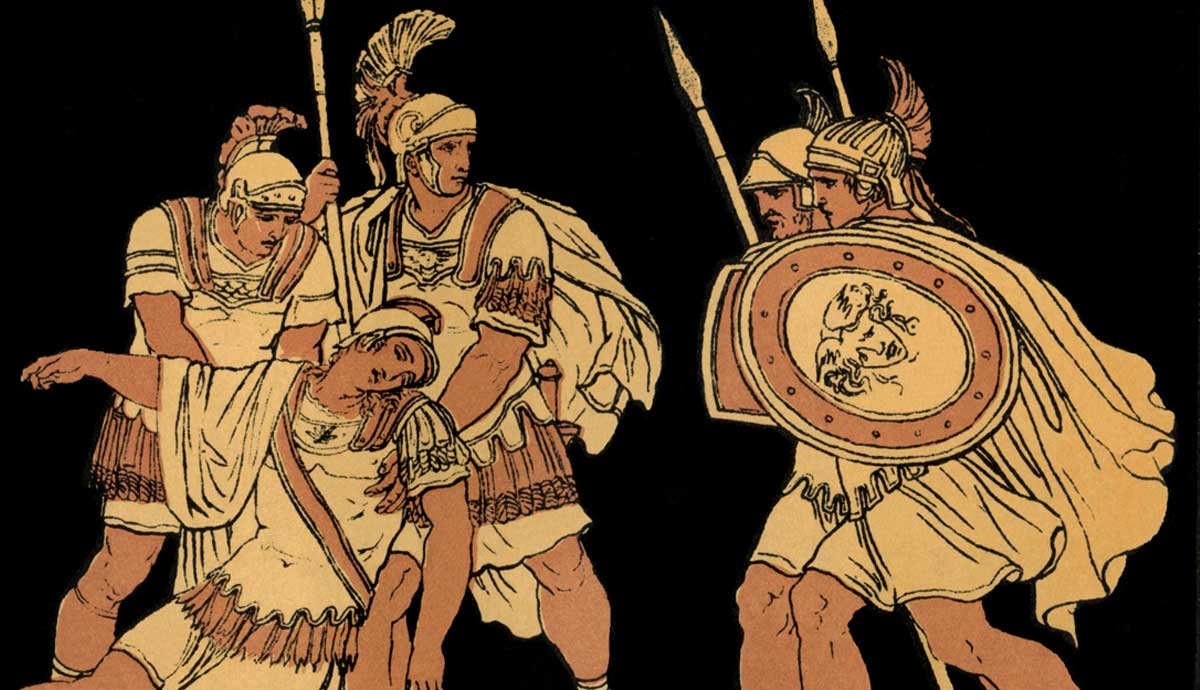
The Spartan general, Brasidas, marched an army up to Amphipolis and took the city by surprise. Rather than attack the city, Brasidas entreated them to surrender. Amphipolis capitulated and fell under Spartan control. Thucydides was blamed for the loss and exiled from Athens on charges of treason for the remaining twenty years of the war.
Thucydides’ View of the War
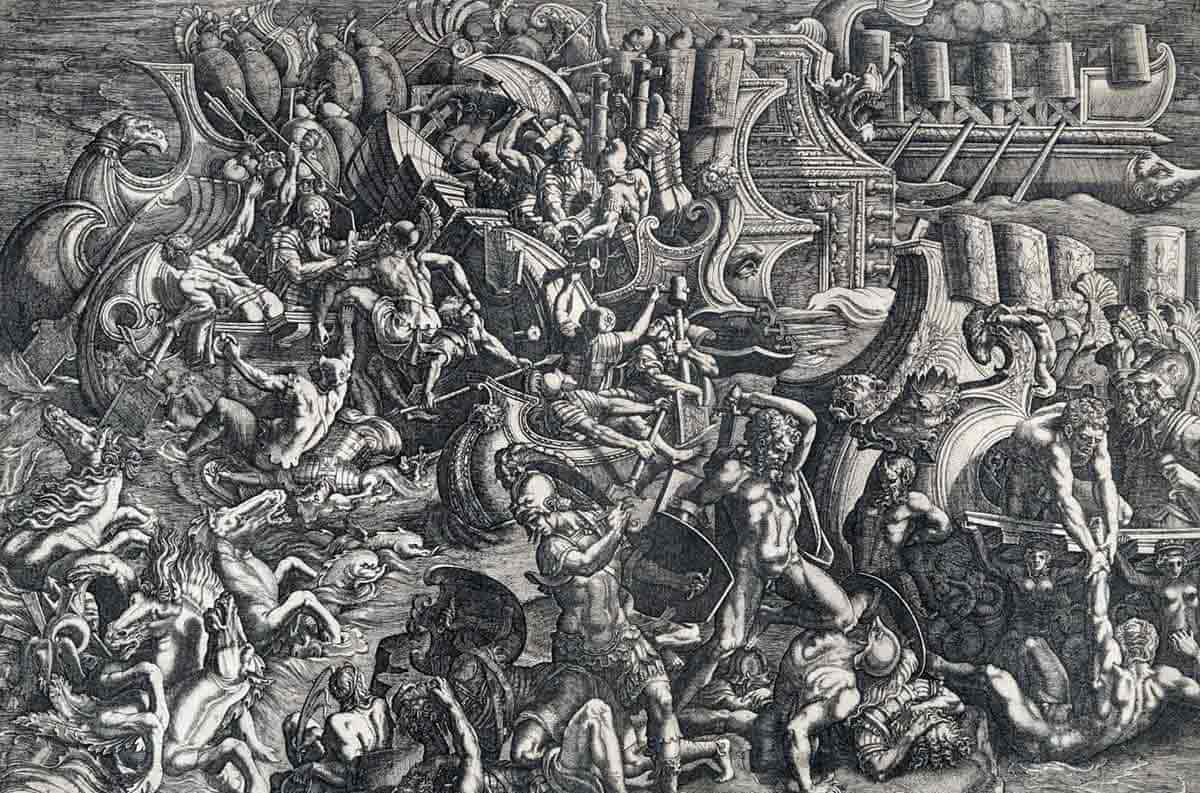
The image of the Peloponnesian War as we understand it today is due to Thucydides’ account. The war was not a continuous period of conflict, but a series of proxy wars interrupted by periods of peace and direct conflict. It was Thucydides who presented these wars as a singular conflict. He felt that the war would be a defining event in history and the greatest war of its kind, greater even than the Trojan War and “more worthy of telling.” This shows just how monumental an endeavor the war was. To Thucydides, the scale of the war, the duration, and the degree to which it eroded Greek values marked it as the most consequential conflict in Greek history.
Not only that, but Thucydides’ account is the most reliable and accurate. He did not exaggerate as did the poets, nor did he seek to entertain at the expense of truth. As such, readers of his History would know that this was truly a greater conflict than all that had come before. As Thucydides said, “I have written my work, not as an essay which is to win the applause of the moment, but as a possession for all time.”
Fathers of History: Herodotus vs Thucydides
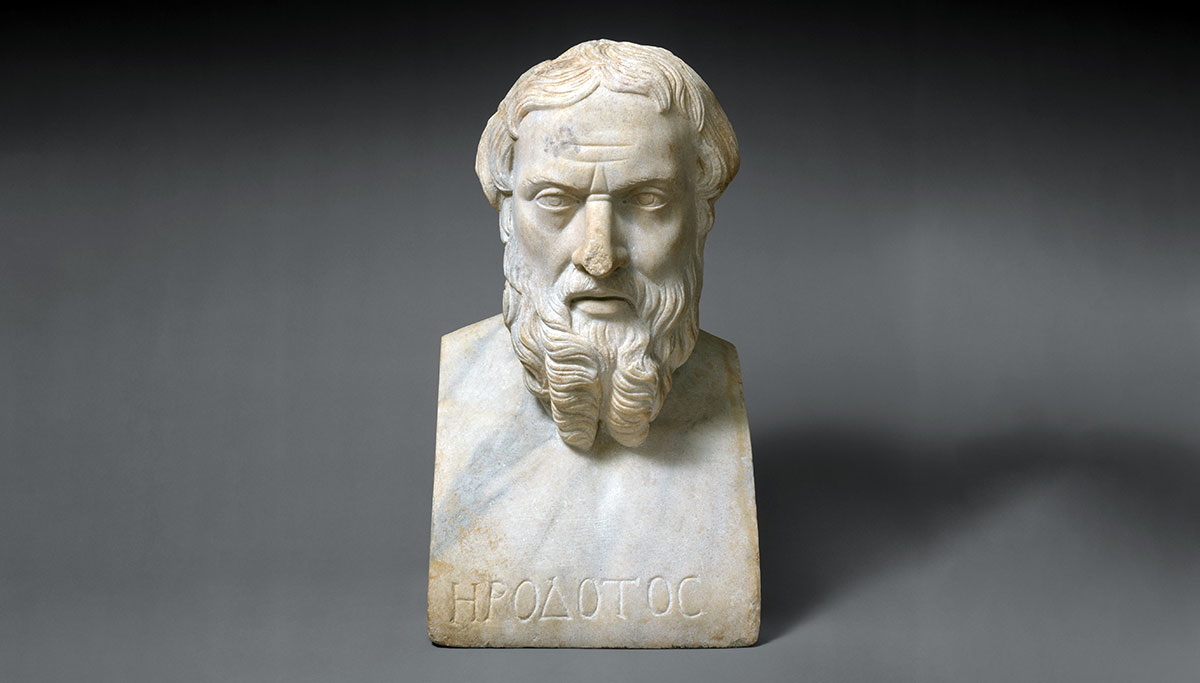
Today, Herodotus is called the father of history. Before him, history was recorded as genealogies or rational criticisms of what was commonly known at the time, more chronicle than history. Herodotus sought to examine the enmity between Greece and Persia and record the deeds of great figures from both sides. But he still traced the conflict back to the mythological past and gave consideration to the gods’ influence in human affairs. He traveled to various countries to learn their traditional stories and presented this hearsay as he would any other historical event.
Herodutus’ Histories became known as a foundational historical work, creating the discipline and genre of history. Ironically, Herodotus did not enjoy this reputation among other ancient authors. He was widely criticized as inaccurate and biased, writing for entertainment rather than for accuracy. He was even known to perform his Histories in front of audiences.
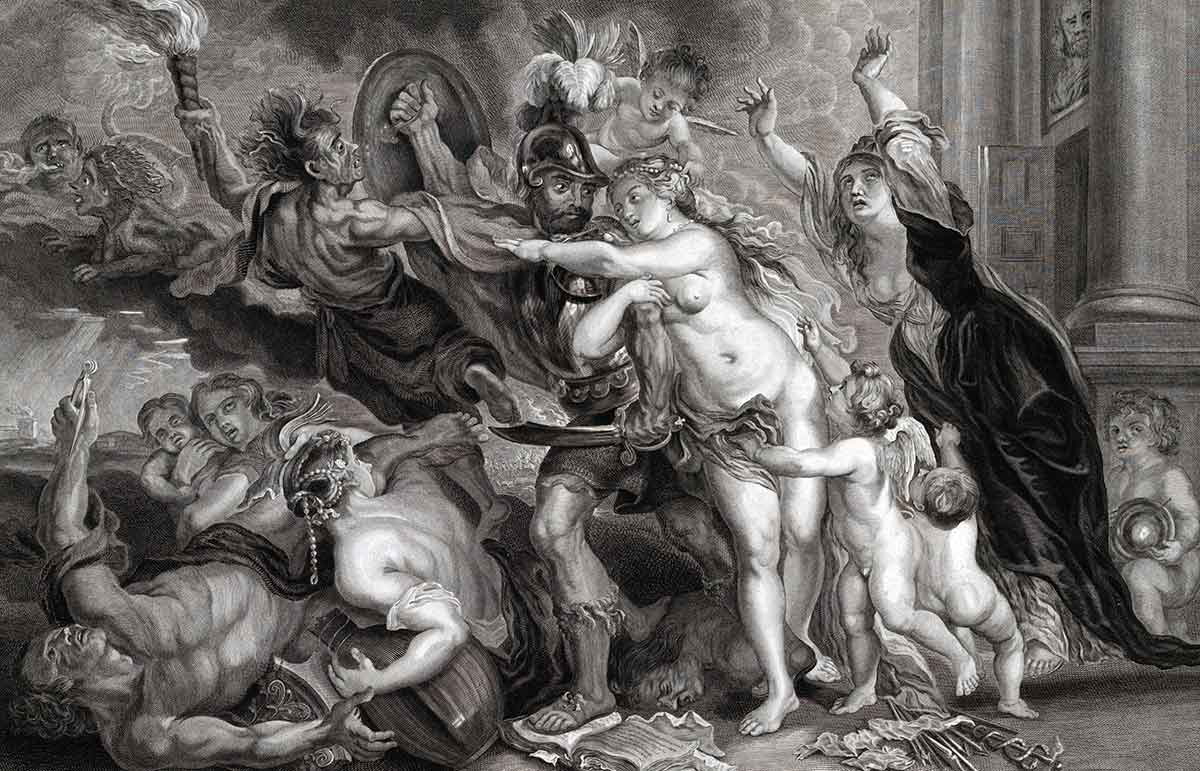
Thucydides, on the other hand, would become the standard later historians would follow. His History of the Peloponnesian War, unlike Herodotus’ Histories, was relatively free of digressions. He did create speeches for his protagonists, but admitted that they were composed by him based on accounts and what the person would likely have said.
Thucydides sought not only to record the events of the war but to explain the causes for it. This was important as he not only showed what happened, but also tried to understand why. His tight focus on the political and societal ramifications of the war, as well as writing of his own time, influenced the writings of other historians as Livy and Tacitus. What set Thucydides apart was also his description of his fact-finding method. This established the trend of “identifying your sources” followed by later historians.
Selected References
- Hornblower, S. (2000). Thucydides. Duckworth.
- Kagan, D. (2009). Thucydides: The Reinvention of History. Viking.
- Maitland, J. (1996). “Marcellinus’ Life of Thucydides: Criticism and Criteria in the Biographical Tradition,” The Classical Quarterly, 46(2), 538–558.