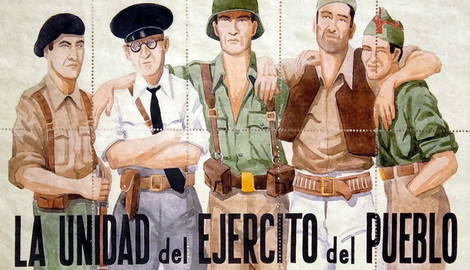

By 1936, Europe’s descent into war had begun. Across Europe, fascism seemed ascendant, especially in Germany and Italy. The Spanish 1931 elections saw left-wing parties elected, effectively sidelining the Spanish king. Socialists and Republicans assumed control, declaring a new Republic. In opposition stood the Nationalists, mostly conservatives and the Catholic Church. Quickly escalating violent clashes and assassinations began, lasting until 1936. The slow burn towards civil war had begun.
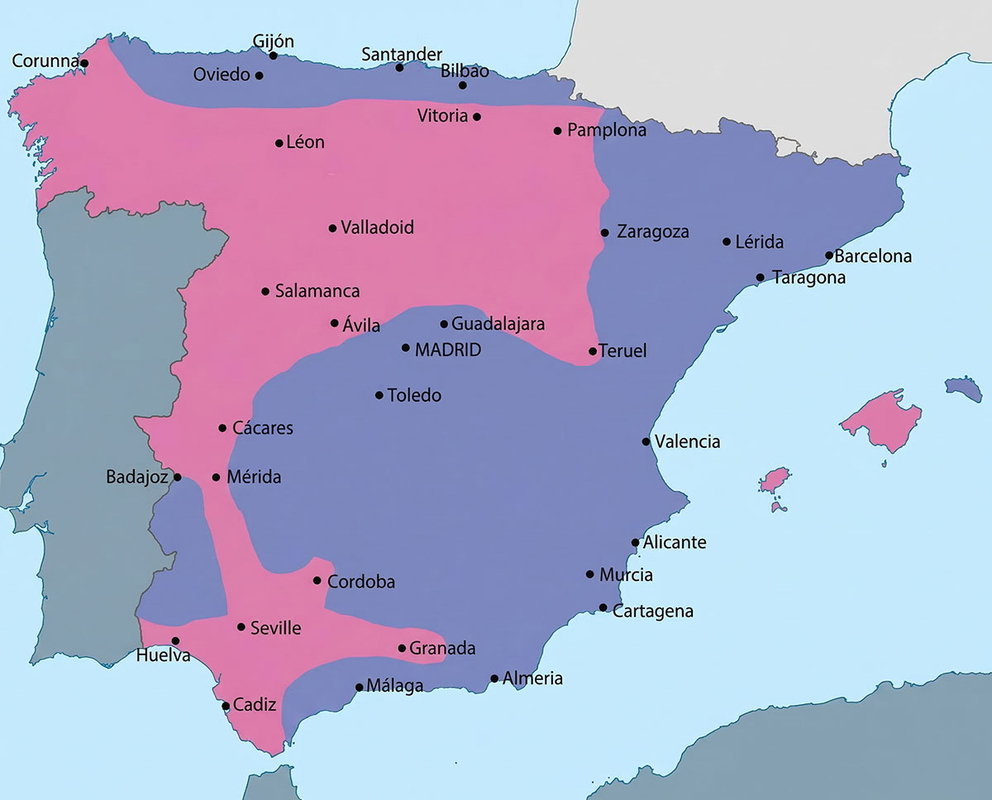
In July 1936, General Francisco Franco’s troops, transported by Italian and German planes from Spanish Morocco, crossed into southern Spain and attempted a coup. As the war escalated, Republicans, fearful, appealed for Soviet aid in September 1936. Next, the call for volunteers went out, making Spain an ideological frontline.
Creation of the International Brigades
In September 1936, from Moscow, the Communist International (Comintern) began organizing international brigades. The Comintern actively recruited worldwide through local Communist parties. This controversial group paid the volunteers’ travel expenses plus forged identity papers. The future fighters traveled to France, often smuggled into the warzone.
Common Goal: Stop Fascism
Volunteers who came to Spain had one primary goal: to stop fascism. Spain became the first real opportunity to fight. Often, their motivation to fight resulted from past encounters with fascism. They came from different walks of life. Democratic freedoms such as free press, political dissent, and trade union membership were banned or broken up. Opposition meant imprisonment or worse.
Such was the case with thousands of Germans, Austrians, or Italians. With Spain’s sudden shift to open war, such men now took up the Republican cause.
Fueled by anger and a desire for change, volunteers hoped that fighting would stop fascism. The International Brigades became that chance. Spain became Europe’s last democratic barrier.
Cohesion, Unity, and the Comintern
For Western left-wing groups, the Spanish Civil War offered a global stage for their struggle. These groups came from Communist, socialist, and labor organizations. Spain represented an opportunity to determine whether democracy and socialism could survive fascism. The fight became imperative. Despite ideological differences, unity against fascism mattered more.
Yet for any cause, logistics are the backbone of war. Here, starting in mid-September 1936, the Comintern stepped in, becoming the International Brigade’s cohesive glue. As a true multinational, only the Comintern could coordinate all the volunteers. Paris became the headquarters, with recruits sent here before moving on to Spain. Besides travel, build the International Brigade’s structure profited from Soviet military advice. With their administrative experience, only the Comintern could funnel men, materials, and supplies through France to Spain.
For High Stakes, Self-Worth, and the Risk
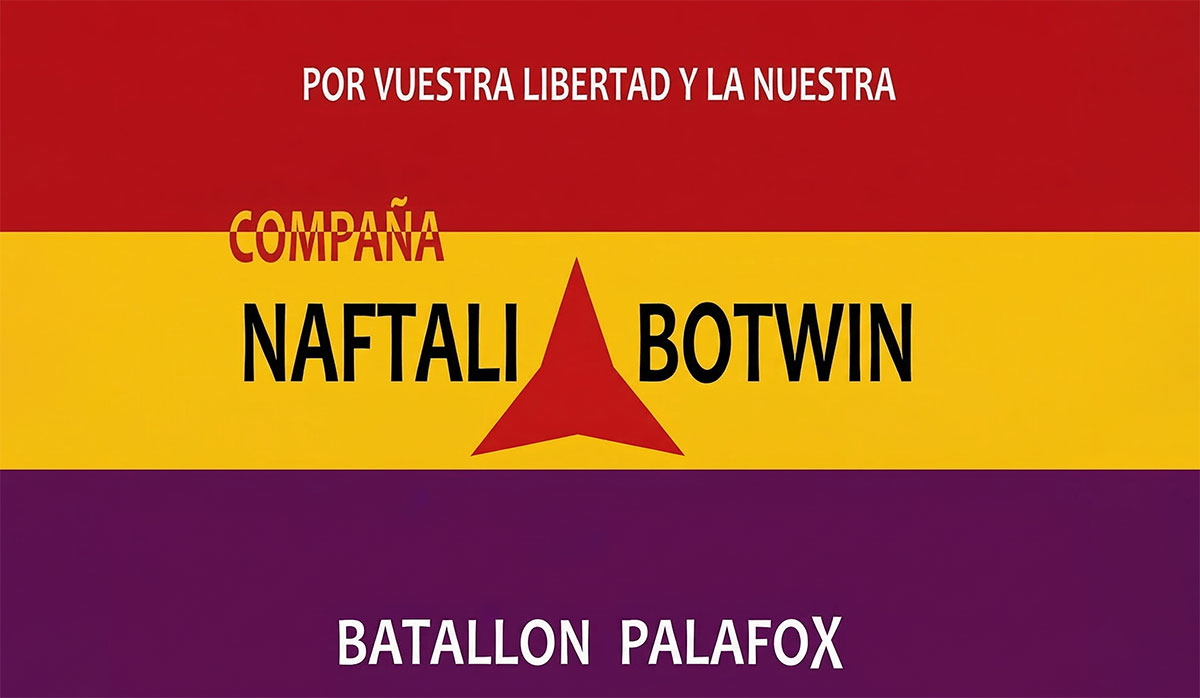
For some foreigners, especially Jews, the Spanish Civil War meant direct revenge. Fascism, especially Germany’s flavor, contained antisemitism as a central belief. As the 1930s progressed, fascism took a stronger hold across Europe. Events like Germany’s Nuremberg Laws, mobs, and even state-sanctioned violence became common. In Spain, Jewish fighters had the opportunity to fight fascism directly. Like other volunteers, Jews saw Spain as a high-stakes battle for survival and to stop fascism.
Others saw Spain as a redemption of self-worth. The Great Worldwide Economic Crash of the 1930s left millions jobless. With that went people’s sense of purpose, or self-worth. The International Brigades returned that value, offering structure and fighting for a greater purpose. Fascism embodied what had been lost-their jobs or livelihoods. These people knew what fascism brought.
For the better educated, fascism proved to be anathema to their beliefs. Like their blue-collar compadres, staying on the sidelines represented collusion. Spain’s Civil War became an idealistic opportunity to fight.
Whatever their origins, foreigners fighting in Spain knew the risk. For most, Spain could be the last opportunity to do their part. Should Spain fall, the rest of Europe would be next. Given the war’s intensity and their convictions, death was worth the risk.
Into the Grinder
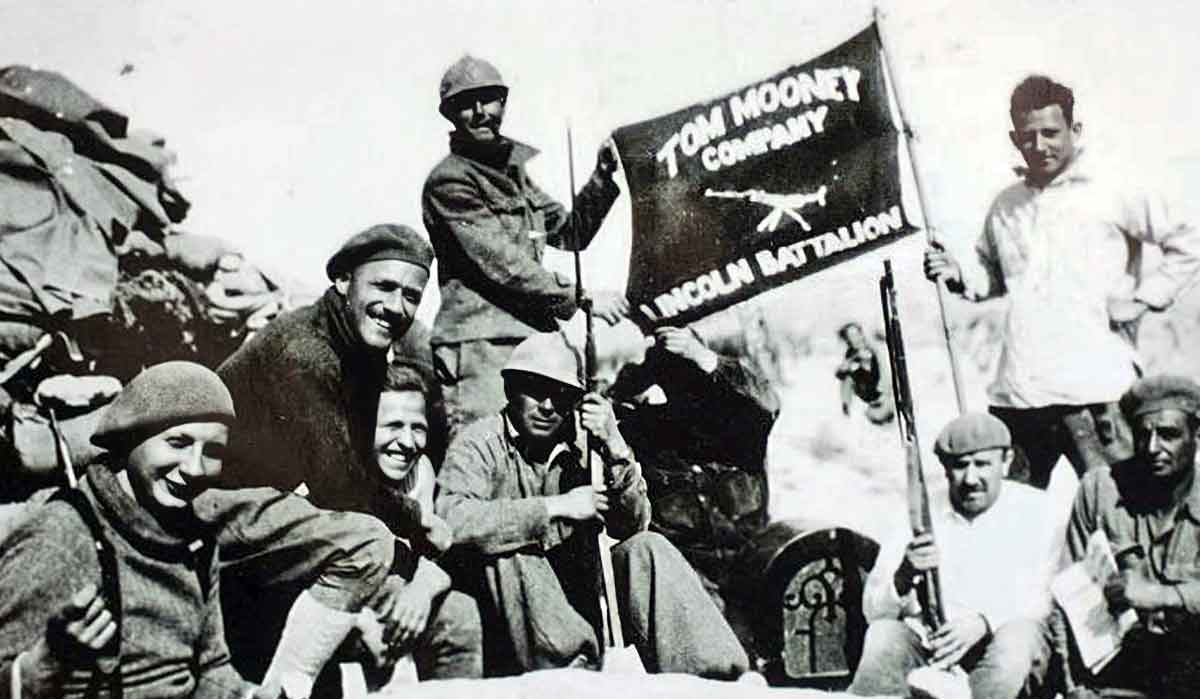
The International Brigades deployed to the front in October 1936. Soon-to-be-famous, grouped by nationality, emerged in the fighting. Names like the Abraham Lincoln Battalion or the Commune de Paris Battalion. Used as shock troops, the Brigades fought in major battles like Madrid, the Ebro, and Jarama. At their height, they numbered around 18,000, with a total of 32,000-60,000 over the war. Casualties were horrendous, sometimes reaching 50%.
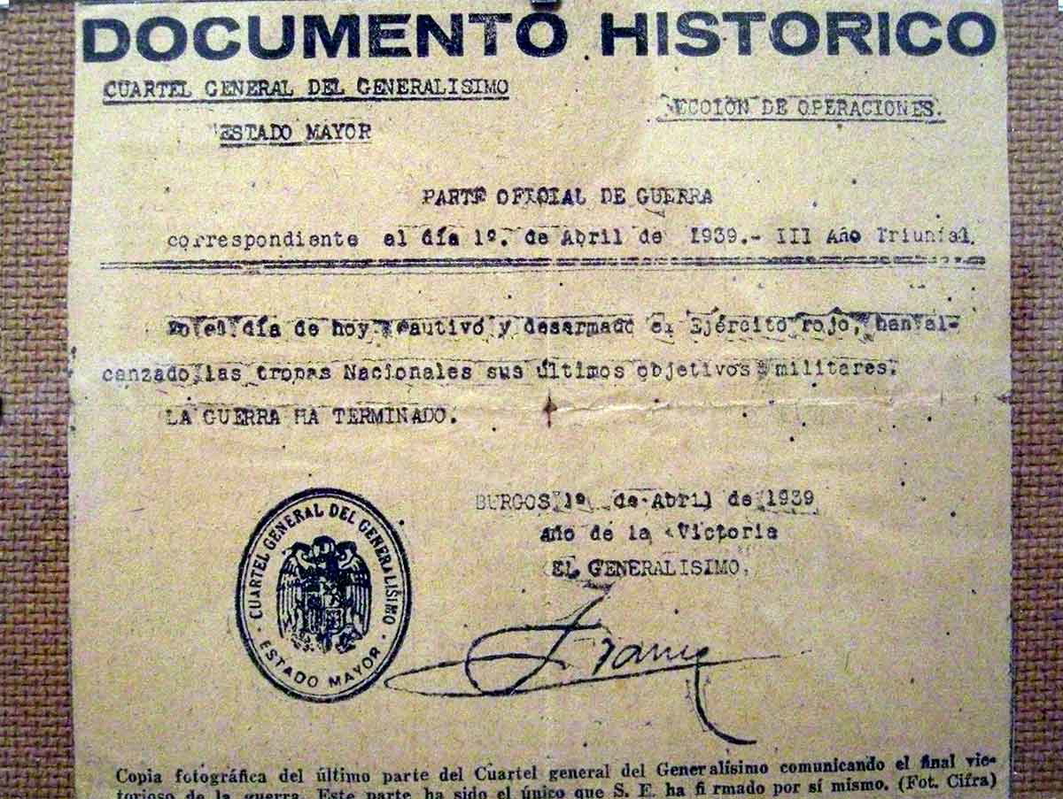
Franco’s Nationalists eventually prevailed. However, despite the eventual cost (30% KIA), foreigners from 50+ countries fought in Spain. Motivation probably differed. Yet they viewed themselves as an anti-fascist vanguard tasked with a cause.