
Have you ever thought that our universe is the battleground for light and darkness, truth and lies, good and evil? Actually, it is what Zoroastrian dualism teaches. Developed by the followers of Zoroaster, it is one of the world’s oldest faiths, born in Persia. Most of the world’s religions teach that bad things happen in life. But Zoroastrianism goes a step further. While “good” religions say there is an almighty good force, Zoroastrianism talks about an equally sized cosmic bad force, too.
Zoroaster and the Birth of a Dualist Philosophy
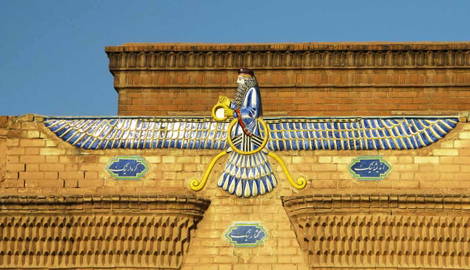
As we know it from ancient texts, Zoroastrianism was founded by Zarathustra, also known as Zoroaster, who lived from about 1200 to 1000 BC in Persia. This “religion” proposed a radical idea. Actually, he believed that our world is a cosmic battlefield between two forces. One force is Ahura Mazda (the Wise Lord). It stands for light, order, and truth. The other is Angra Mainyu (the Destructive Spirit), standing for chaos, lies, and darkness.
But Zoroaster was not only a religious leader. He was also a deep thinker. What he did was introduce dualism. It is the belief that reality has two parts that are “in fight” with one another. For Zoroaster, these two parts were asha (truth, order, harmony) and druj (lies, chaos, disorder). Central to Zoroaster’s teachings is the view that life is a matter of moral choice. He believed that every thought, word, or deed either supports good or evil.
Let’s compare this “religion” with monotheistic faiths like Judaism or Christianity. They see evil as a flaw in God’s otherwise perfect creation: something that occurred when angels or humans chose to disobey, or because they were tempted. But Zoroastrianism points in a different direction. It teaches that badness is itself a living cosmic power: real, powerful, and locked in an eternal struggle with good.
Plato and St. Augustine were among those who thought more deeply about this topic. They were asking who created evil if there was an almighty God, who was good? Zoroaster had a different answer. He said that evil has its own existence. And humanity must confront this adversary by, among other things, aligning itself with what is true.
The Nature of Cosmic Dualism: Two Opposing Principles
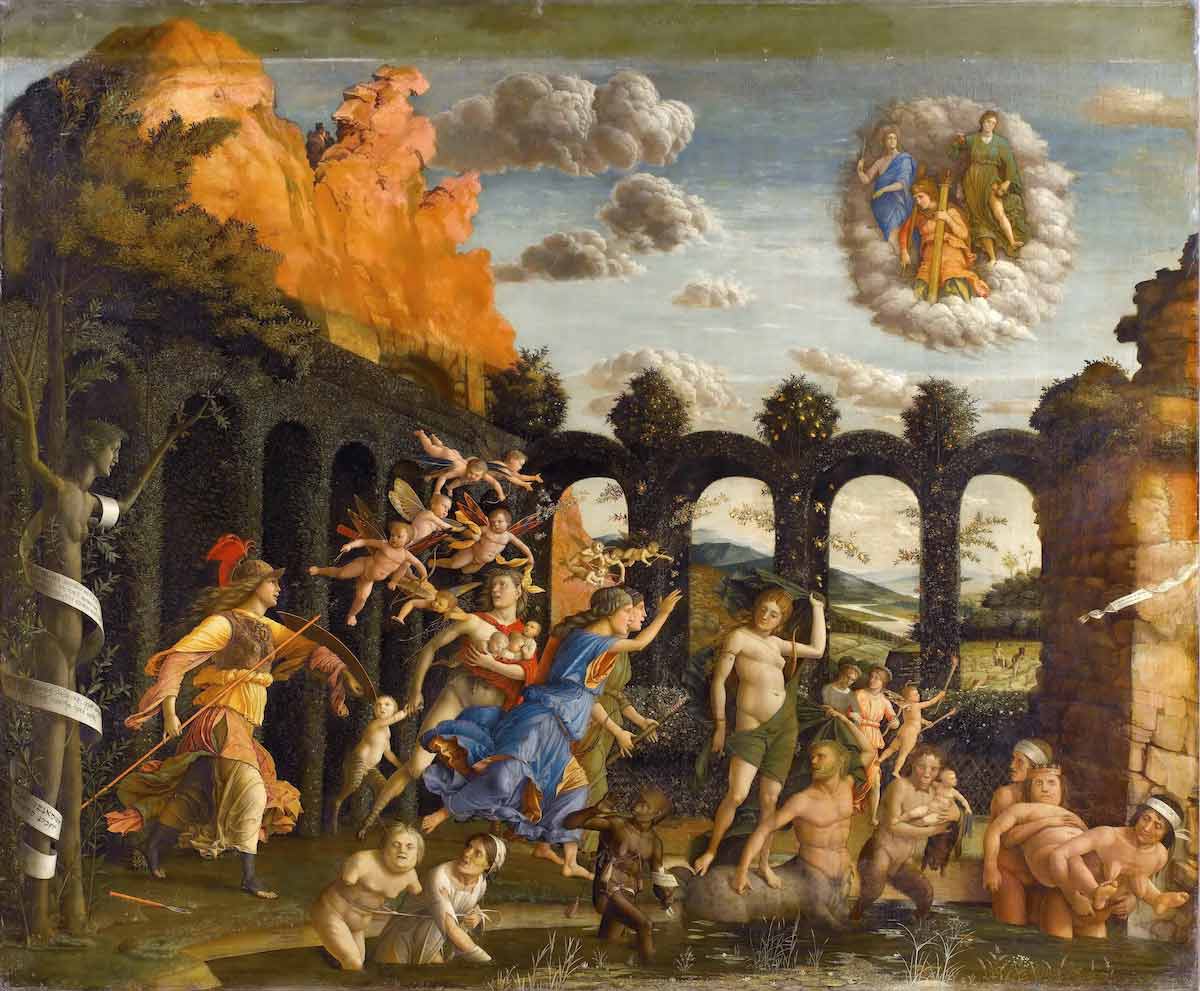
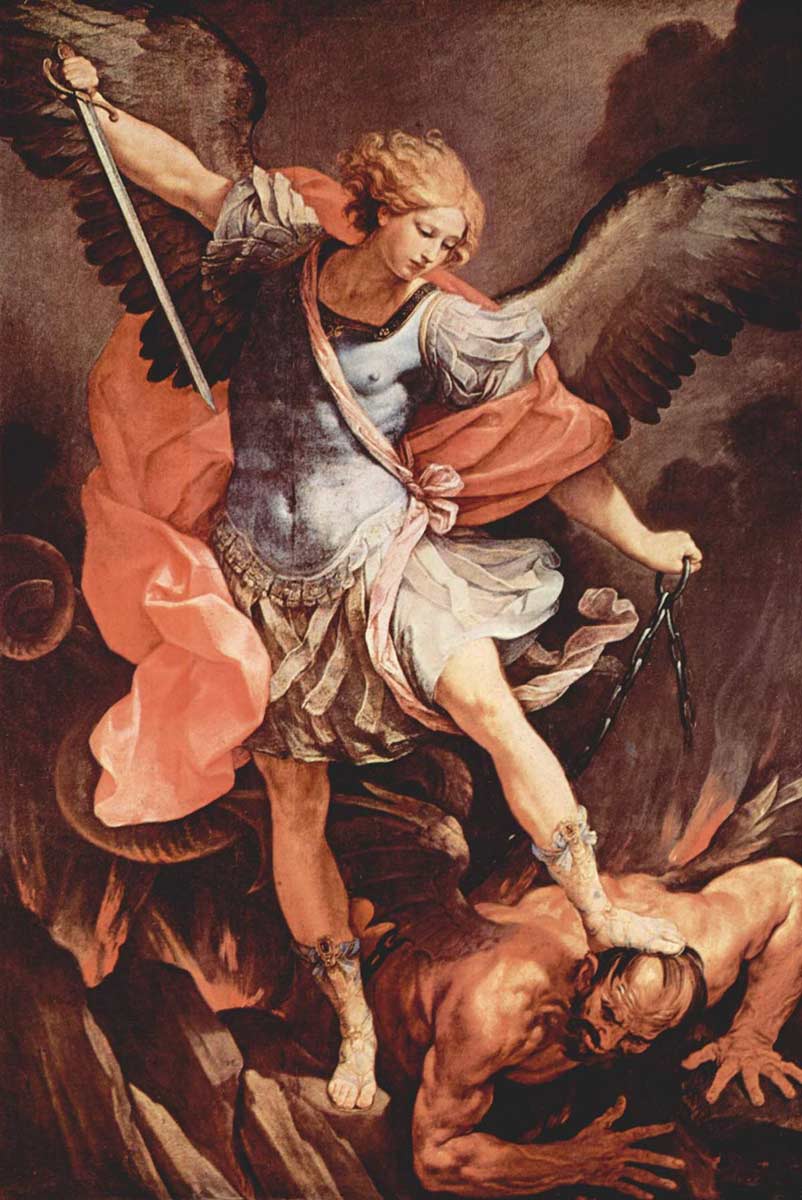
As was already mentioned, cosmic dualism in Zoroastrianism asserts that two opposing cosmic powers shape the universe. One of these forces is Ahura Mazda, who embodies light, truth, order, and life and is therefore known as the Wise Lord. The other force is Angra Mainyu, also known as the Destructive Spirit. It represents darkness, chaos, lies, and death.
These powerful forces are continuously battling each other. This battle occurs not only in the heavens but also on Earth, where every human action takes place. This isn’t the same as the struggle between good and evil that we see in films. Zoroastrianism offers a way of understanding reality itself. According to this philosophy, existence is an ongoing struggle between forces that bring things together in harmony and forces that tear them apart: cosmic forces. Kindness and cruelty form part of this conflict, and everything else we experience, too.
Other “faiths” share these concepts. For example, Manichaeism was established in the 3rd century and divided the universe into forces of light and dark, the human spirit becoming confined within matter.
During the early centuries AD, Gnosticism held sway among many Christians. They too preached that our world had been created by a bungling or malevolent entity quite separate from the real (and hidden) God. Yet there are other parallels. If you look at belief systems that say similar things, one stands out. Among all religions, there is an ongoing cosmic tug-of-war between the forces of good and evil. Zoroastrianism can be considered almost unique in having such an optimistic view about how this struggle will end.
Moral Dualism and the Human Role in the Conflict
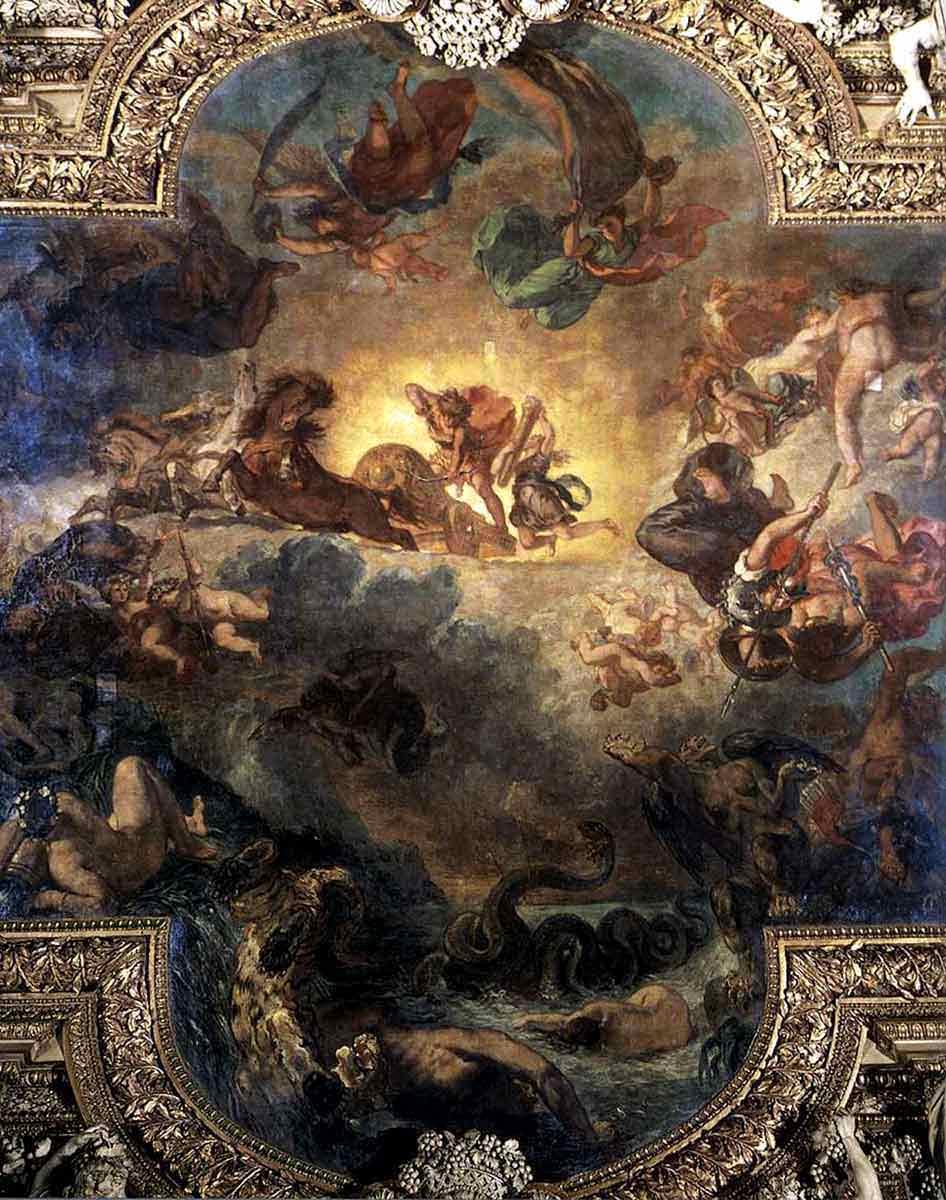
In Zoroastrianism, we do not just watch good and bad things happen. We are part of the story. We have free will (the ability to choose), so we are responsible for what we do. Truth or lies, good or bad, order or chaos: every day we must pick sides. We can’t avoid it. Zoroaster said that with everything we choose, we are either helping Ahura Mazda (light) or Angra Mainyu (darkness). At the center of Zoroastrian ethics is an uncomplicated idea that really works: Good thoughts, good words, good deeds. These aren’t just things that make you sound moral. Saying these things might also help you in your everyday battle against evil.
This idea of moral responsibility is found in many areas of philosophy. Immanuel Kant thought that because we can choose to do things out of a sense of duty and after thinking them through, this makes us moral people. Jean-Paul Sartre agreed. He believed that we always have a choice and that our actions (or lack of them) show the world what sort of person we are.
A similar view can be found in Zoroastrianism, which tells its followers that they are not weak but soldiers in a cosmic battle between light and dark. So here again, everyday actions take on huge importance. If the world were made up only of physical events like earthquakes or solar eclipses, that would be one thing. But it is not. Human beings also shape what happens.
Time, History, and the Final Victory of Good
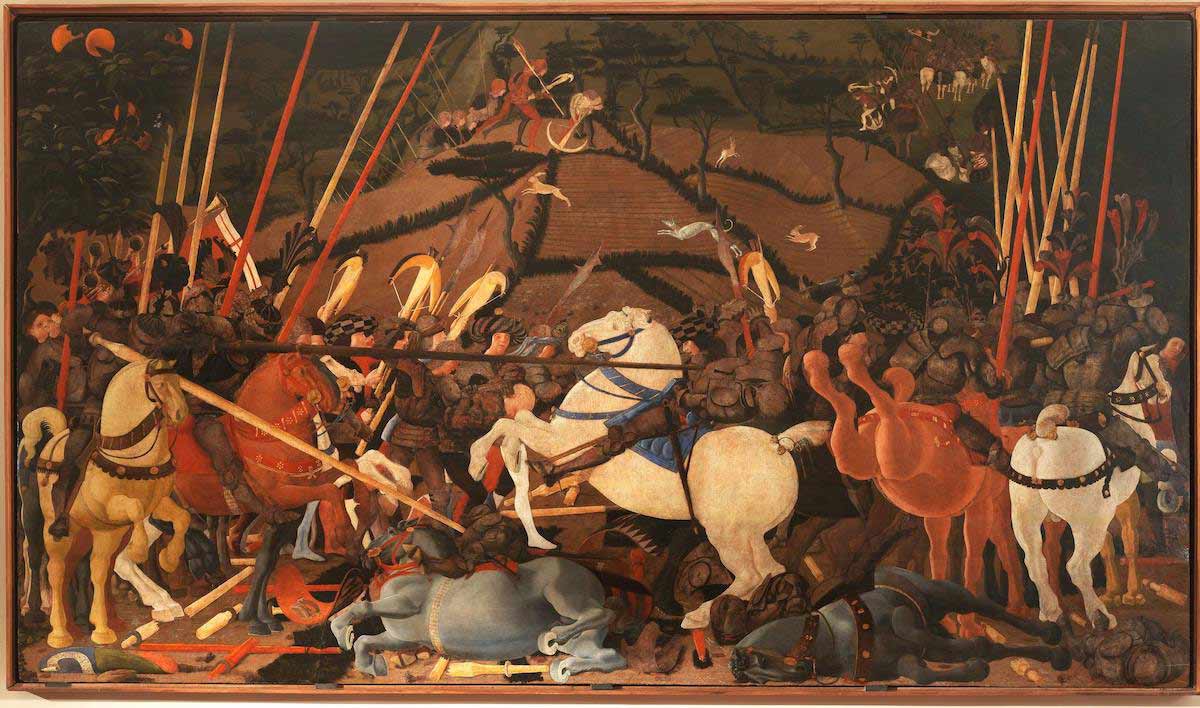
In Zoroastrian belief, there is a positive side to dualism. It does not go on forever. Eventually, good is going to win, not just for now but for all time.
This faith puts forward the idea that things happen for a reason, because there is a plan. History is going somewhere. It is a story with an ending rather than a plotless loop. And the ending? Well, it’s absolutely brilliant: the world is made anew, perfect and pure. All the wickedness is destroyed. There will also be a final savior showdown to root for, when a figure known as the Saoshyant appears. This vision provides Zoroastrians with profound meaning and hope. Even if the world becomes dark, there is always the promise of light.
Contrast this with systems like Manichaeism or Gnosticism, where light and darkness are seen as eternally opposed and stuck in a never-ending struggle. Zoroaster had a different vision: it’s more akin to a mythic hero’s journey than a grim stalemate. Hegel thought history had a goal: freedom. But Zoroastrian thinking anticipated him. Zoroaster believed the world was evolving towards a day when good would do more than hold its own against evil; there would be no contest.
Influence on Later Religious and Philosophical Thought
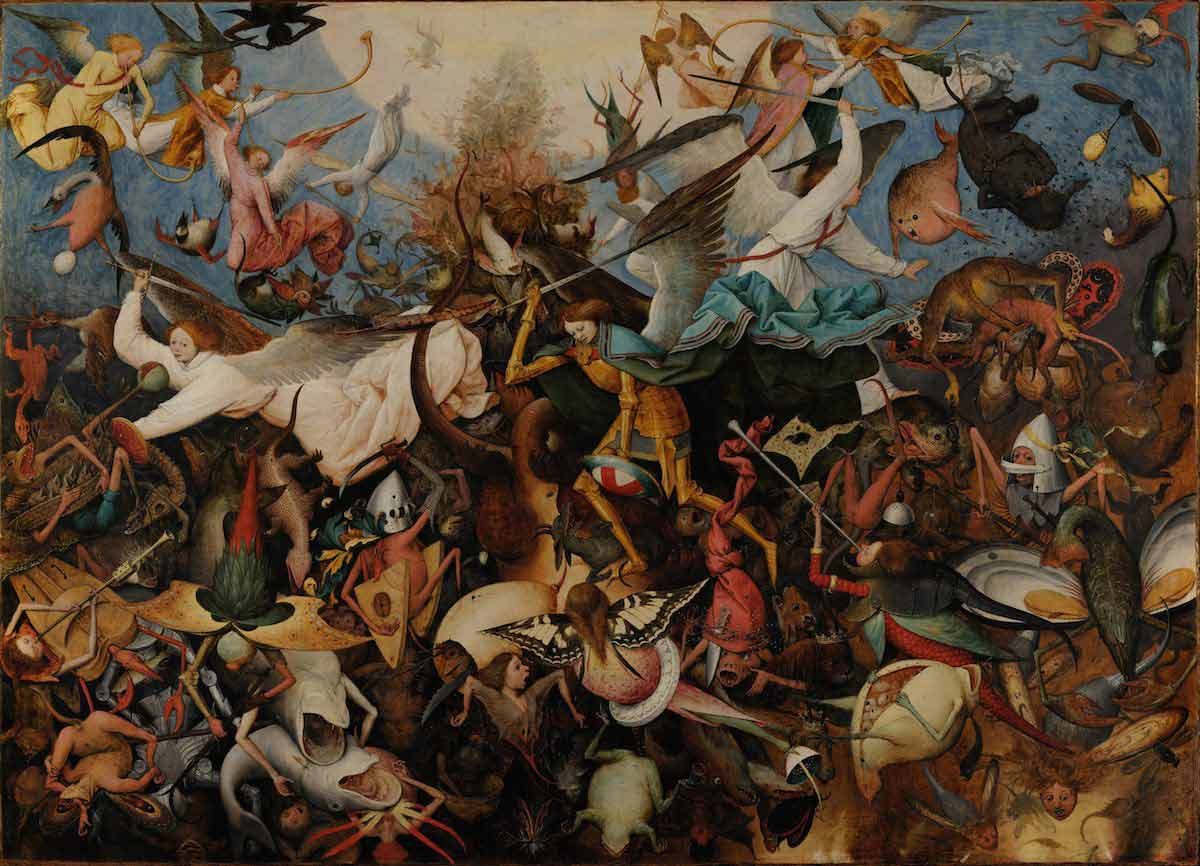
Although Zoroastrianism is ancient, its influence continues in many of the world’s main religions. They were deeply affected by their belief in a cosmic struggle between good and evil. The concept of a singular, personified cosmic adversary, which heavily influenced later Abrahamic views of Satan and demons, finds its earliest structural roots in Zoroastrianism. Such ideas were not found in early Jewish beliefs until Jews came into contact with Persian culture due to the Babylonian exile.
Greek thought was also influenced. For example, Plato said that human souls want to leave Earthly life (which he called the Cave) for the perfect world of Forms. This idea of longing for truth over illusion is very Zoroastrian. Western philosophy took up many other things, too, such as the soul’s journey, responsibility for right and wrong, and truth beyond everyday reality.
The tension between good and bad still underpins how we understand things, a perspective shown not just in stories but also in politics and movies. But Zoroastrian tales do not just entertain us. They have also formed our ideas about how decisions might shape what lies ahead—an inheritance worth pondering.
Why Zoroastrian Dualism Still Matters Today
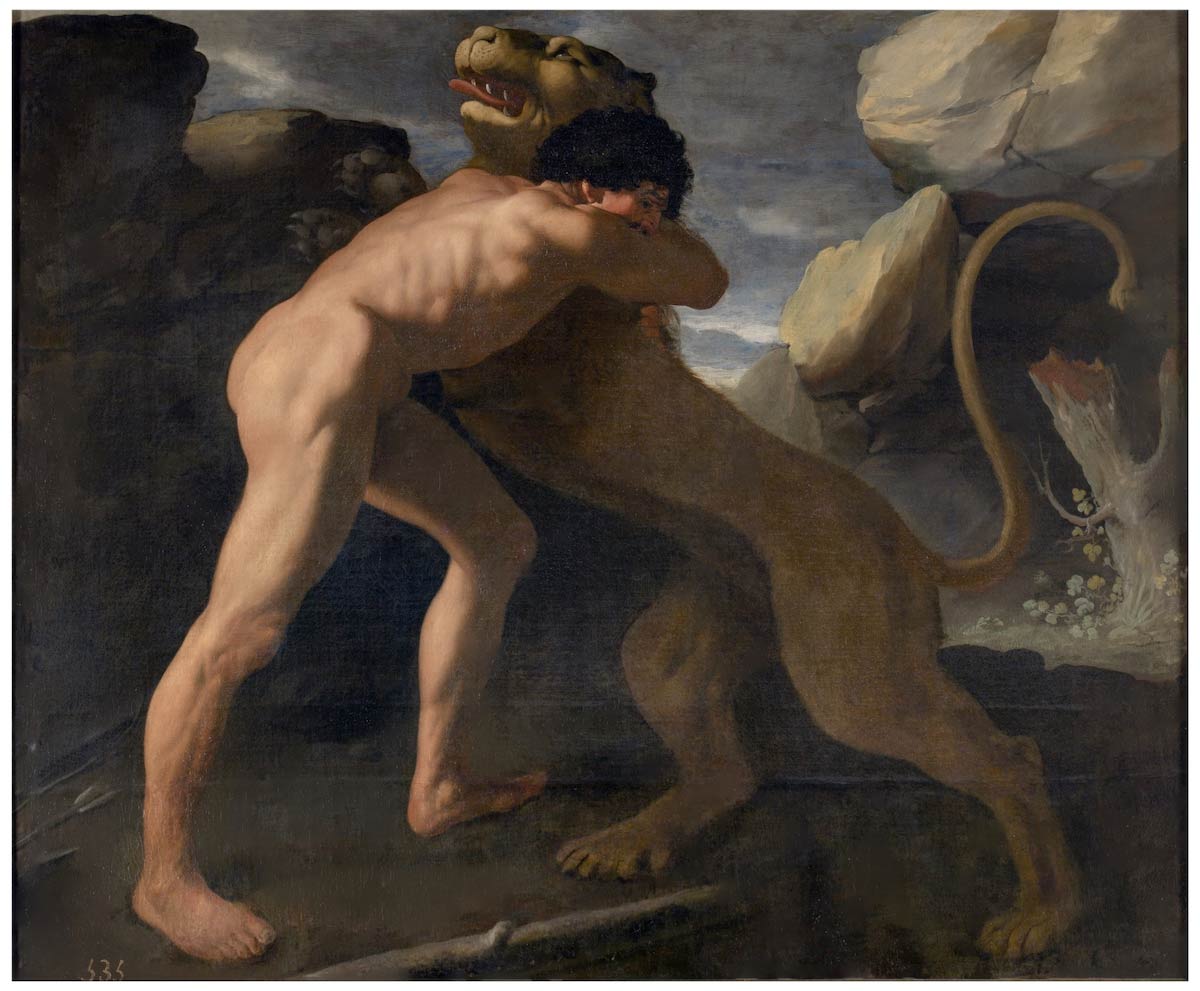
An idea originating in the ancient faith of Zoroastrianism continues to offer insight into life today. Dualism suggests everything has two sides: truth and lies; order and chaos.
The implications of this belief for daily moral decision-making are profound, an activity that adherents think has both personal and cosmic importance. Human beings can change the world (they have to accept they might make it worse as well as better). It is also possible to view Zoroastrian dualism in a different way, as a metaphor. We all face internal battles between hope and fear, honesty and selfishness.
When we look around, we can see society at work: compassion fighting corruption, peace battling violence. These are daily struggles that ancient Zoroastrian texts say are part of an ongoing cosmic battle between good and evil. If we recognize this, it may give our lives meaning, and we can choose which side to be on.
Despite the ongoing environmental crisis, individuals continue to uphold principles of Zoroastrianism. They believe that by imposing order on disorder, it is possible to look after our planet, show consideration for living things, and prevent rapacious powers from damaging objects needlessly. This is not only a faith urging action on such fronts, but also a moral code. In a world turned upside down, dualism provides an elegant escape route: instead of being impotent, there is scope for making a difference, which makes sense when everything is taken into account. One can choose truth over lies, have a clear purpose in life, and help the cosmos become what it should be.