We often view controversy and internal strife as a sign of weakness, but conflict can also make us look inward to more firmly define our beliefs. Such was the case with early Christianity, and it was one of the reasons the New Testament was written.
What Were the Earliest Christian Theological Controversies During the Biblical period?
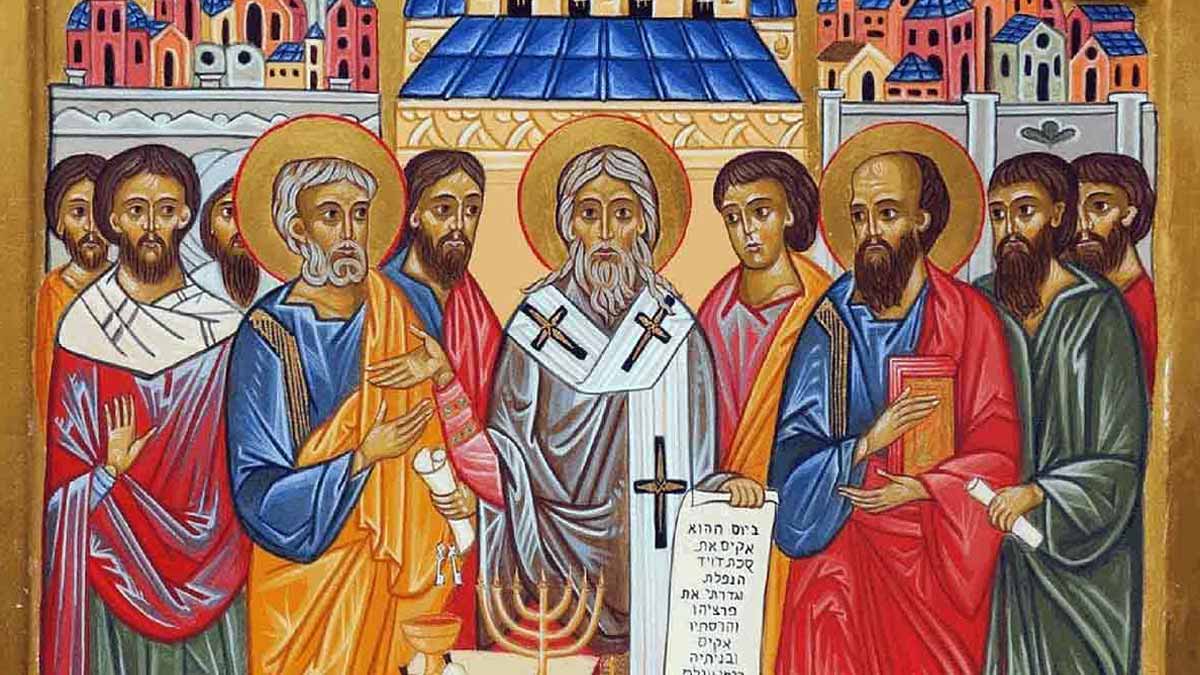
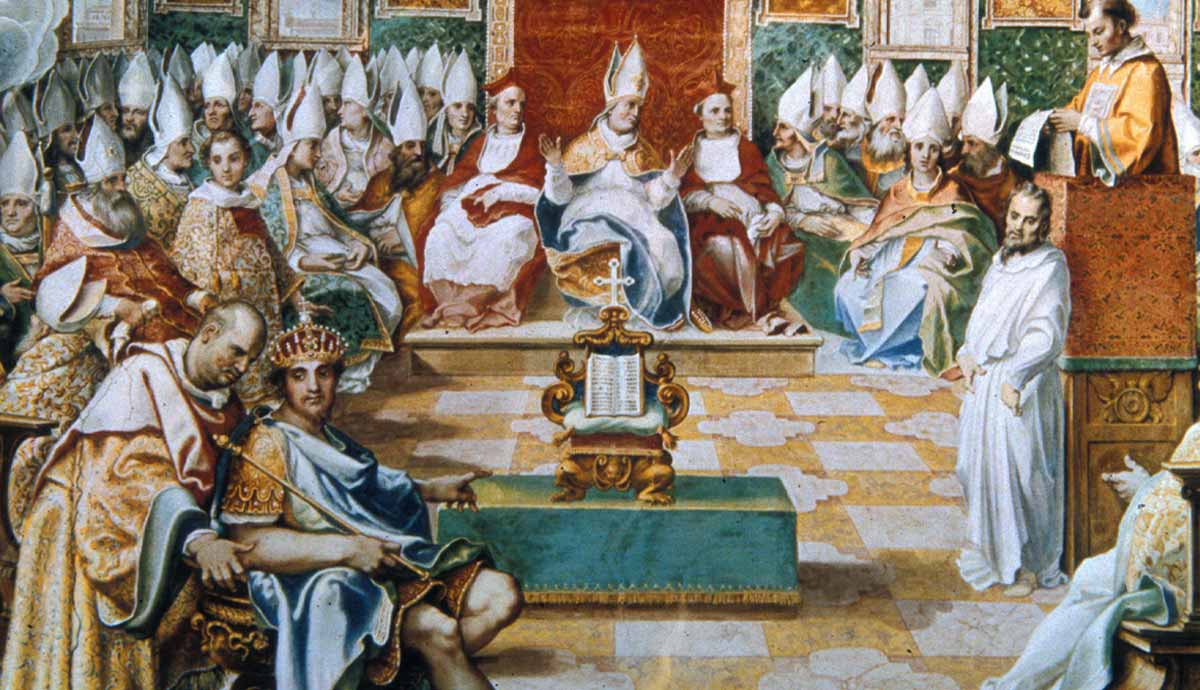
In the first century, controversies among Christians were behind why much of the New Testament was written, and the reason behind the first recorded church council in the book of Acts. The Apostle Paul addresses various controversies in new churches in several of his epistles, particularly the influence of Judaism among believers and the growing effects of what became known as Gnosticism.
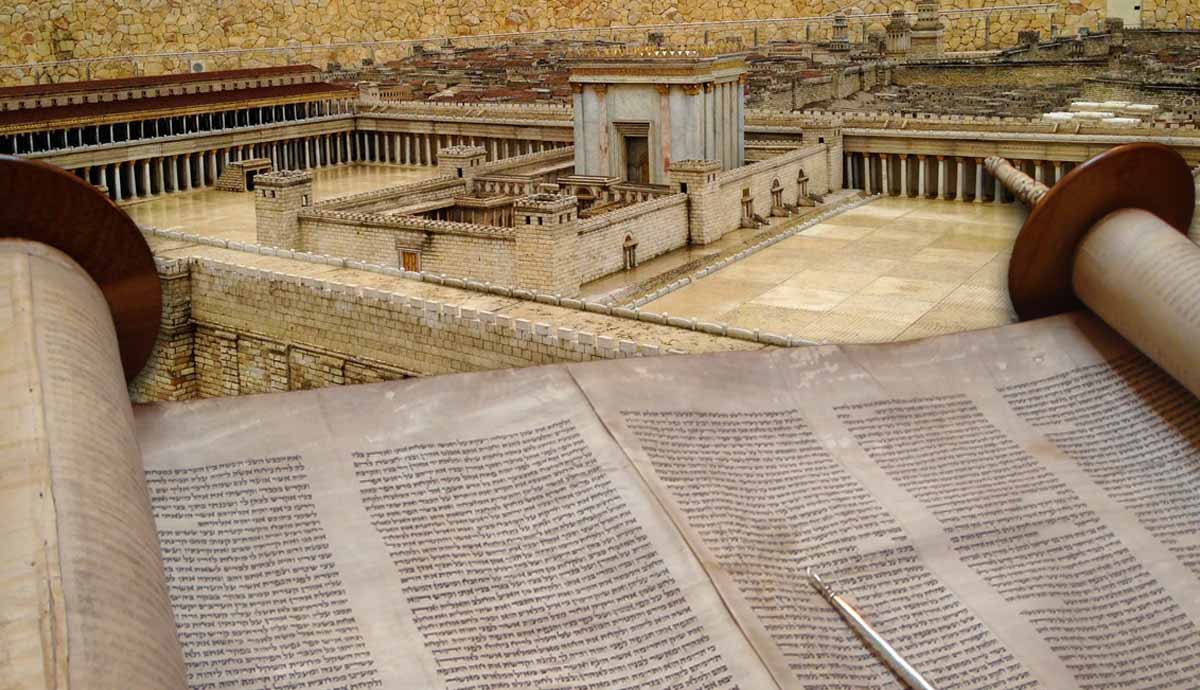
In Acts 15, Paul and Barnabas come into conflict with Jewish believers who believed that circumcision was necessary for Gentiles (non-Jews) to come into the new faith. At its conclusion, James announced:
“19 Therefore my judgment is that we should not trouble those of the Gentiles who turn to God, 20 but should write to them to abstain from the things polluted by idols, and from sexual immorality, and from what has been strangled, and from blood.” —Acts 15:19-20
Paul, Barnabas, and others were then sent out to deliver the judgment to the new churches that were springing up, many of which were in Jewish synagogues.
The Rise of Gnosticism
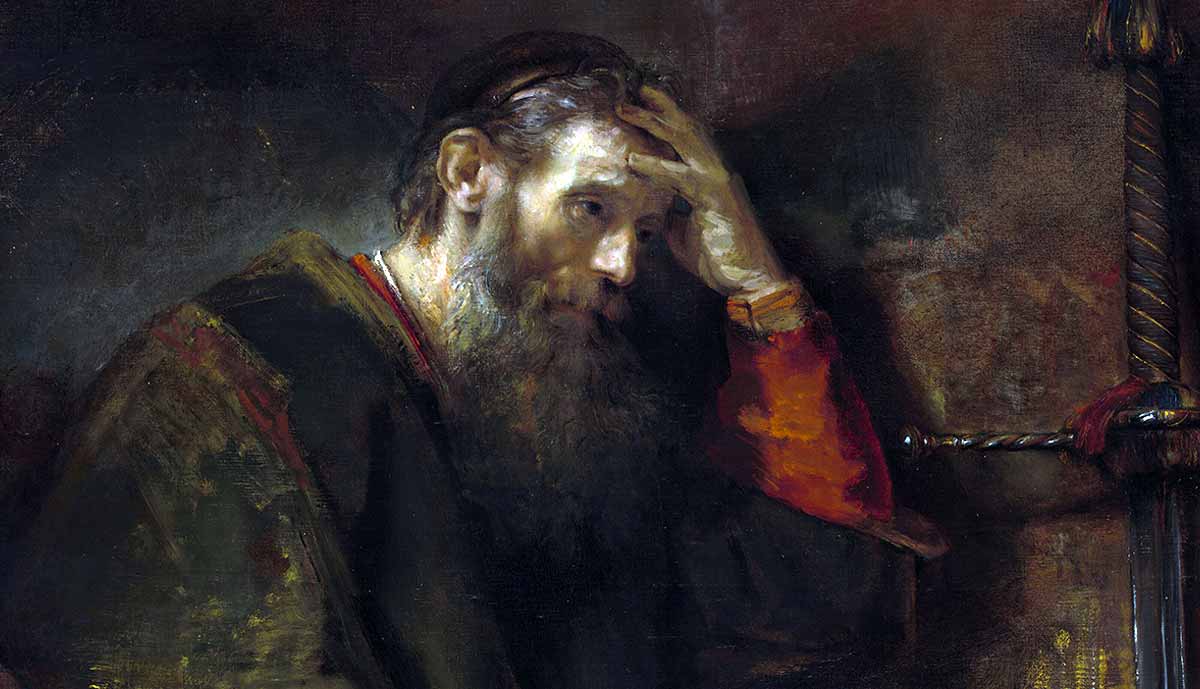
Gnosticism is a general description of beliefs that arose around the same time as Christianity (if not before), heavily influenced by Greek philosophy. Primarily, it is the thought that the physical world is inherently evil. When applied to Christianity, it takes on the belief that Jesus Christ, the Son of God and God incarnate, did not come in a physical form, because the physical world is evil.
The Apostle Paul confronted proto-Gnosticism in several books, affirming that the physical world was not evil and that Jesus Christ came in the flesh:
I Tim 3:16 “Great indeed, we confess, is the mystery of godliness: He was manifested in the flesh, vindicated by the Spirit, seen by angels, proclaimed among the nations, believed on in the world, taken up in glory.”
While various groups in early Christianity, following the New Testament period, attempted to use some of Paul’s writings to prove their point, they were often either misquoted or out of context
What Controversies Followed the Biblical Period?
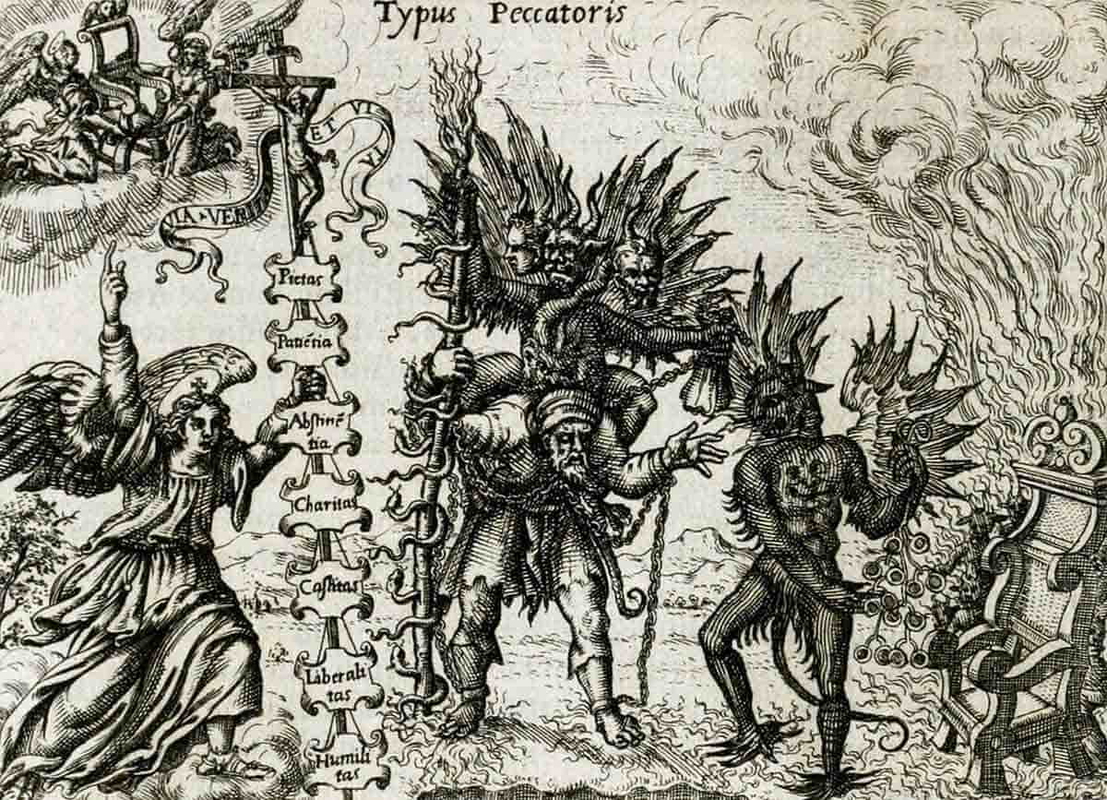
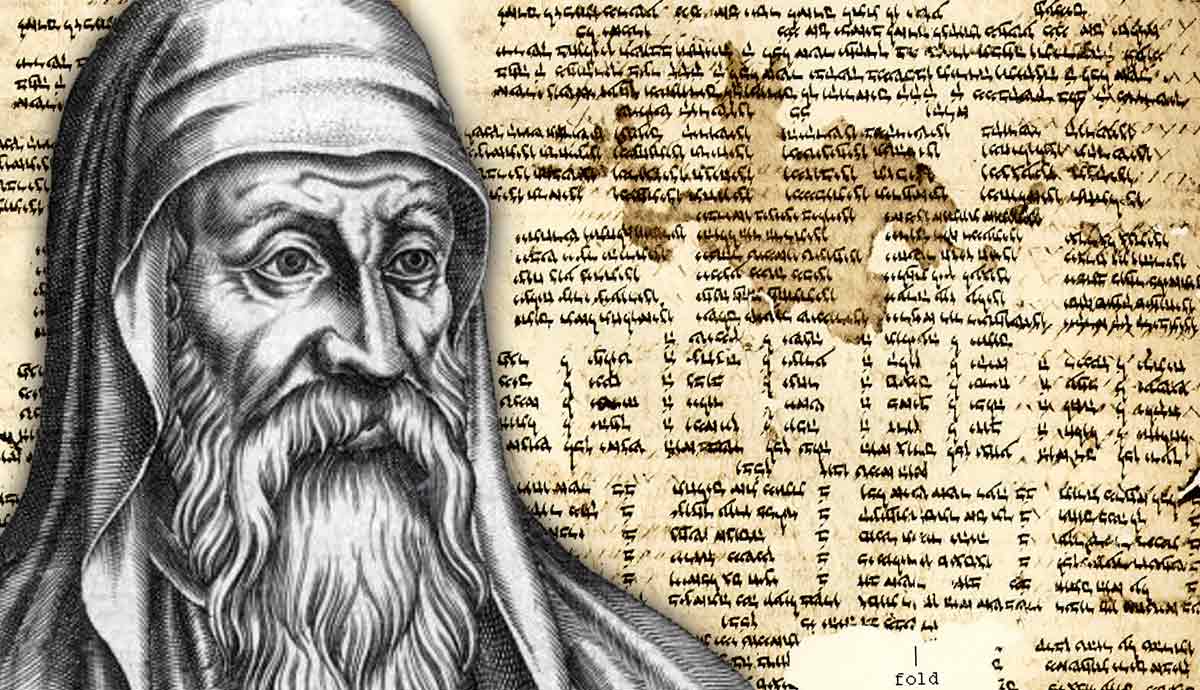
After the New Testament was completed, various controversies arose regarding the meaning behind what many apostles wrote. Various forms of Gnosticism also came into more prominence following the New Testament period. Valentinianism and Marcionism were among the most prominent and well-defined forms of Christian Gnosticism, which church fathers such as Irenaeus wrote against.
Many of the “lost gospels” often promoted by conspiracy theorists come from the period following the New Testament. Few, if any, were written during the lifetime of any of the Apostles, and many directly contradict New Testament writings. The Gnostic writings often oppose the idea that Jesus Christ came in physical form, and reject his humanity.
How Did the Church Resolve the Controversies?
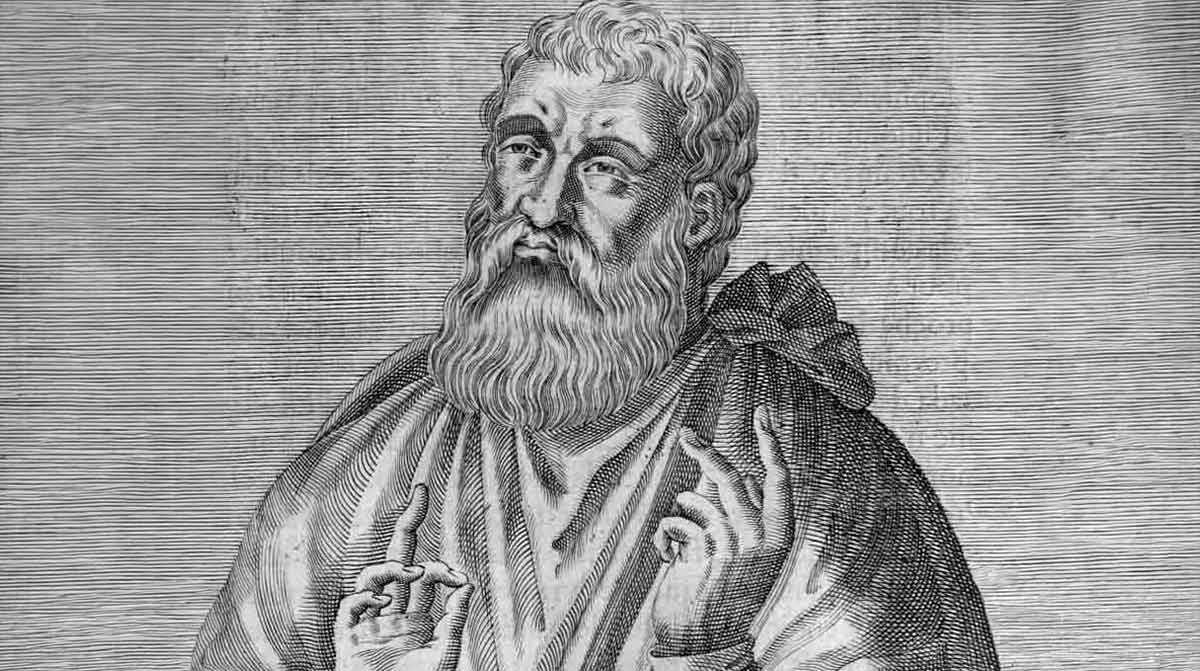
Many of the writings of early church fathers were against Gnosticism. Irenaeus wrote Against Heresies opposing Valentinian around 180 AD. He joined Justin Martyr and Tertullian in opposing Marcionism in the second century as well. Church leadership was effective in refuting the Gnostic heresies and removing much of its influence in the early church.
The writings opposing Gnosticism helped Christianity cement the concept that Jesus Christ was both human and divine. By the end of the second century, most of the Gnostic ideas had lost their serious influence within Christianity, and many of the Gnostic works were destroyed or hidden.