
Donato di Niccolò di Betto Bardi (c. 1386-1466), better known as Donatello, produced many splendid works that advanced the principles and aesthetics of the Renaissance. The famous artist revolutionized sculpture by emulating antique models and announced a new era in art. Donatello’s David can be admired today in Florence’s sculpture museum, Museo del Bargello. Let’s explore how he came to develop his vision for this famous work of art.
1. David Was the First Free-Standing Nude Statue Since Ancient Rome
Between Donatello’s David and the Renaissance, Europe went through a millennium of very different artistic expressions: the Middle Ages. In fact, the language that we still use today to describe the Dark Ages was coined during the Italian Renaissance. The artistic style that defined the Middle Ages placed emphasis on spiritual aspects of man, choosing to express those over corporeal particularities.
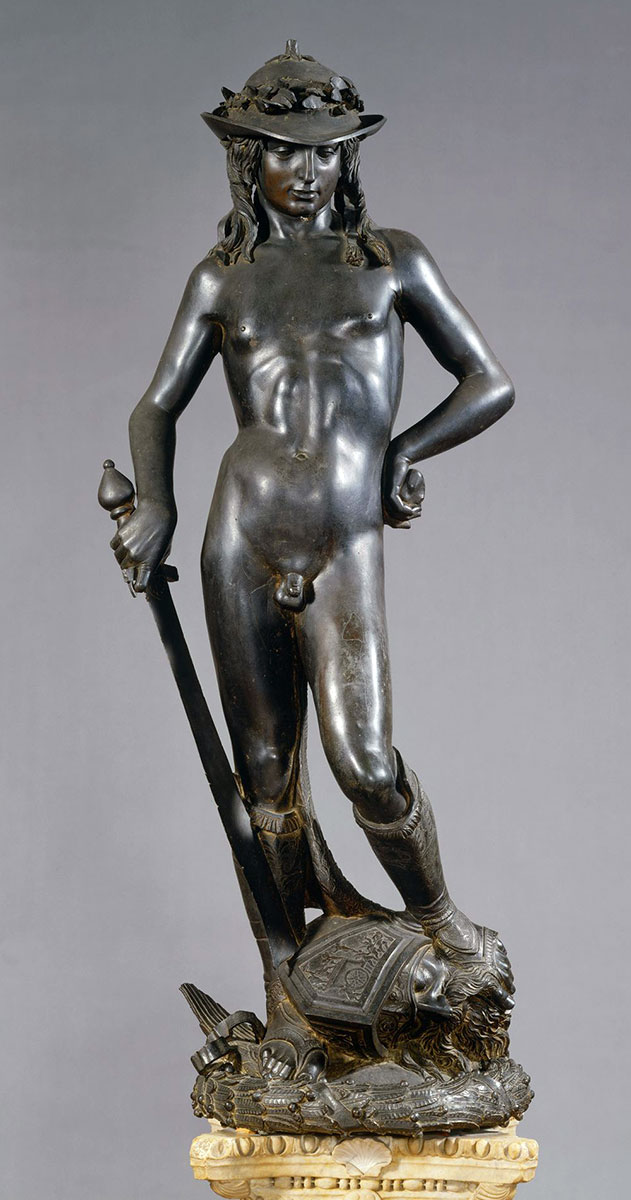
What Donatello achieved in his David was the merging of a Judeo-Christian story with a pagan visual codification. In a way, he attempted the impossible: rendering a foundational story of Christianity, which traditionally shunned physicality, by referencing ancient Classicism, which displays it shamelessly.
Donatello has a defining role in the history of Western art because he was the first to attempt the marriage of these previously disparate elements. Some art historians, perhaps in a bid to humanize the artist, like to point to Donatello’s hesitating handling as he was shifting sculpture’s history from the Gothic Middle Ages to a new era of the Renaissance.
2. Donatello Made Use of a Bronze Casting Technique
Donatello achieved many firsts with this statue. One of them was related to the casting technique that he opted to use: the lost-wax casting method.
The wax was used during the building process and added to the outer shell of the statue’s mold. The cast would then be baked in a kiln, and the wax would melt and then leak out, leaving behind the outer shape of the future bronze. The molten alloy would then be poured in, allowed to cool, and then it would be revealed from under the outer mold.
This technique required massive skill and metallurgical know-how, because any wrong move could lead to the formation of hollow bubbles inside the bronze pour. The losses would not only be the wasted time and effort, but also the spoiling of the bronze, a pricey prime matter. Considering the risks of this method, Donatello’s David was made from several cast components. The other Medici commission, Judith Beheading Holofernes, was made out of no less than 11 separate casts.
3. It Was a Very Costly Artwork
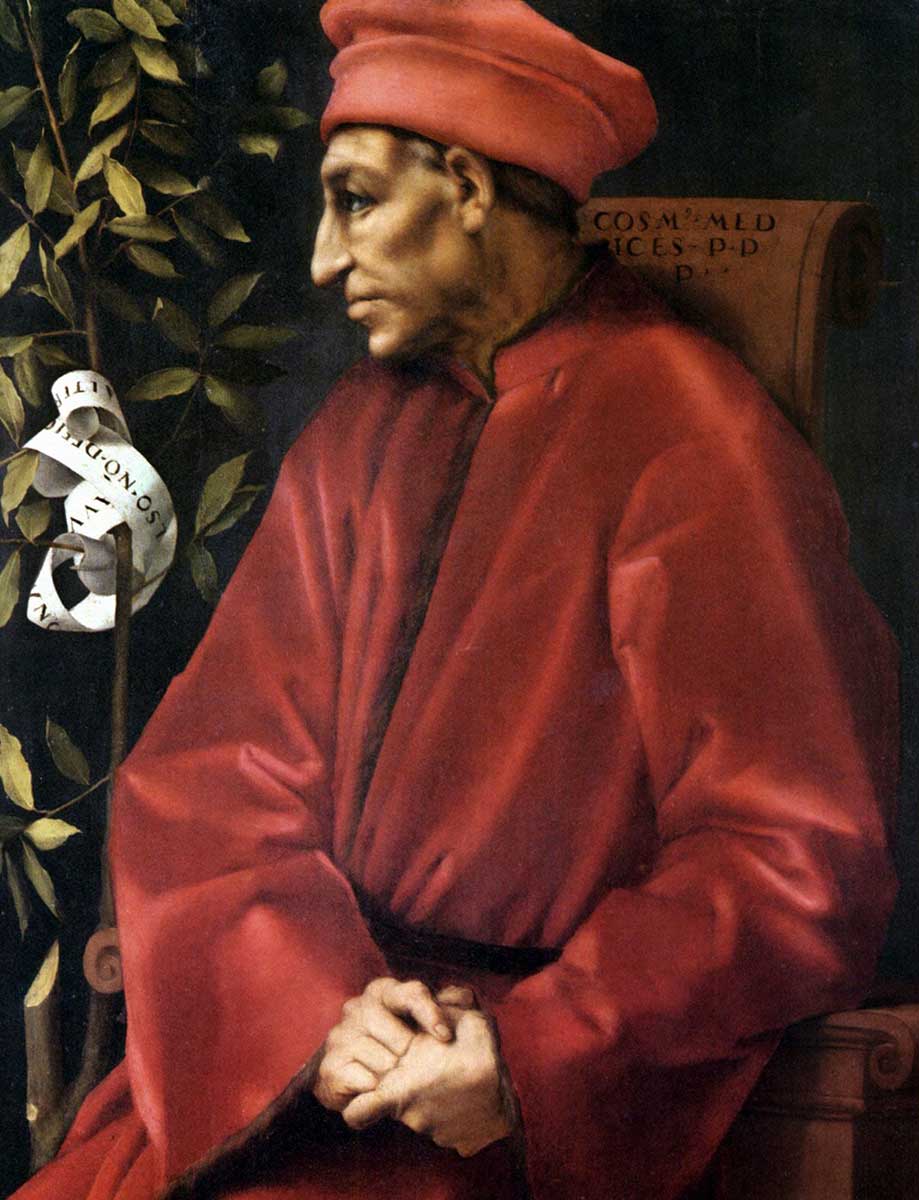
Hiring Donatello to produce a statue for them was a reason for pride for his patrons. What the Medici counted on was also showing off their material fortune, since not many could afford an extravagant bronze statue. The costly casting process that Donatello steered was a lavish display of financial potency on the side of the Medici bankers.
Bronze was deemed to be the most expensive of all sculpting materials during the Renaissance. Producing a life-sized statue required a large amount of bronze alloy, and it also promised more complex connotations. A figure cast in bronze promised eternity and a type of authority. Before the Renaissance, private commissions were rarely executed in bronze. This material was broadly reserved for prominent Church commissions. Picking it for a private project was by any means an extravagant gesture.
4. David Has Political Connotations Connected to the Medici Family
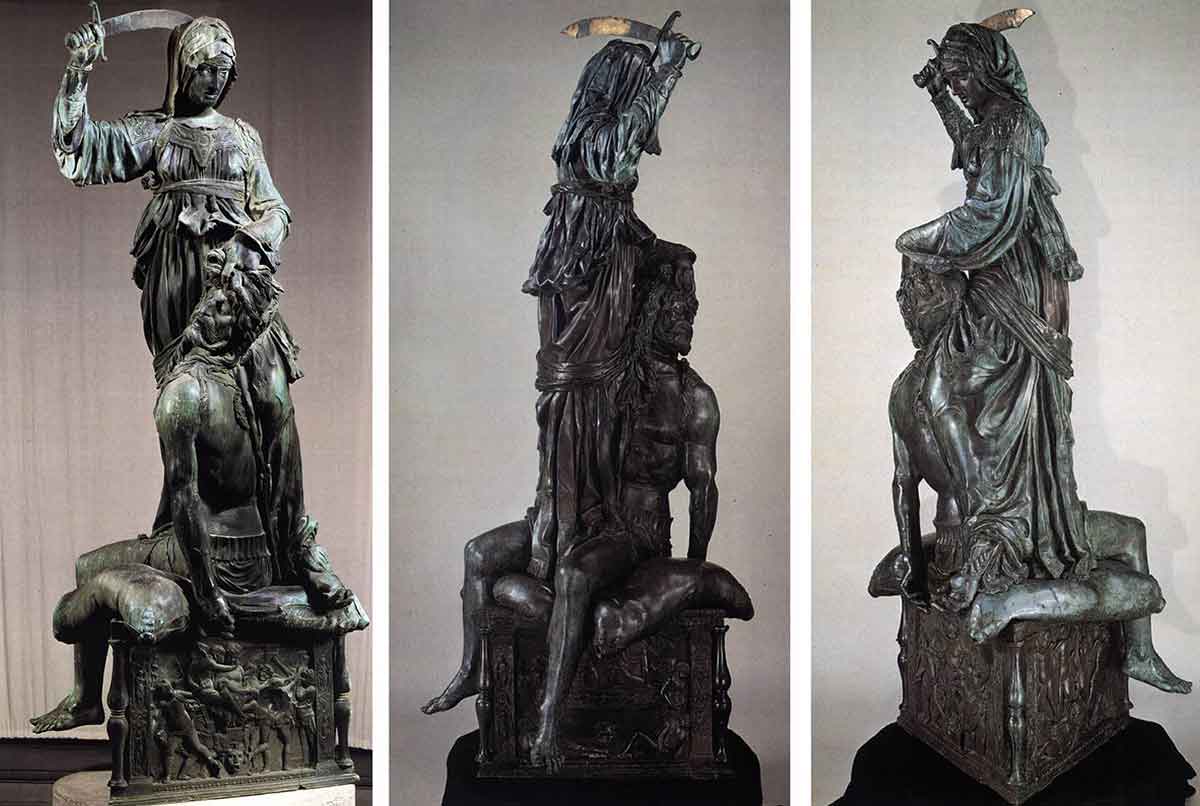
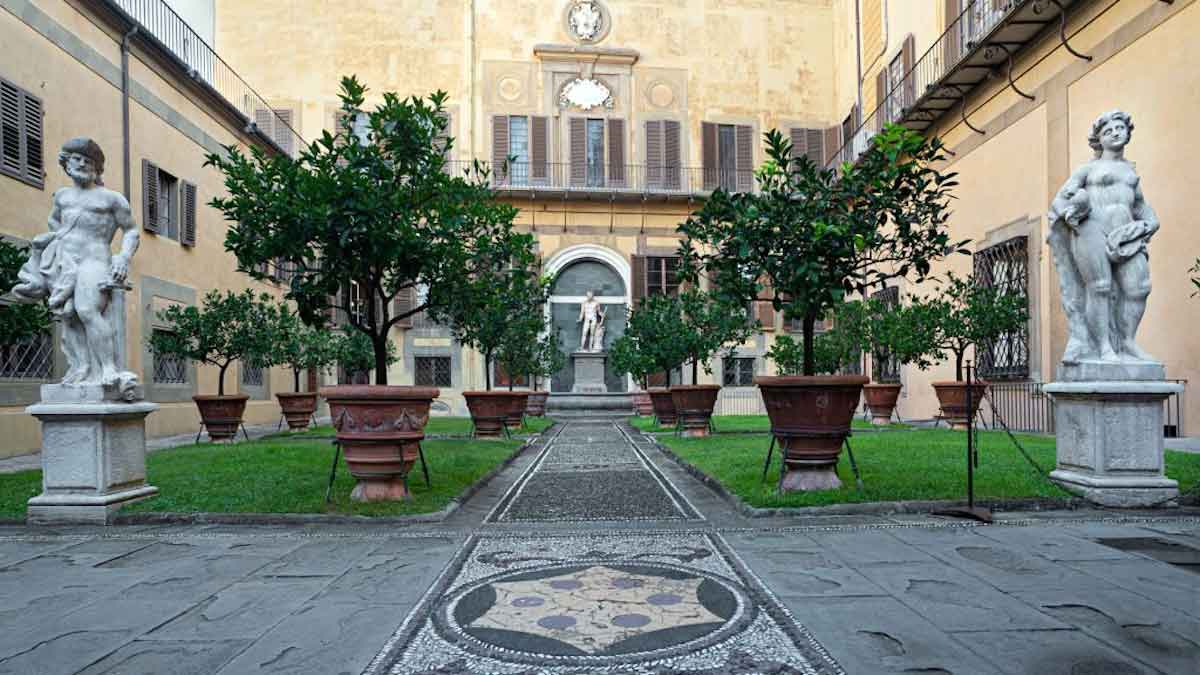
Considering their initial spatial presentation, Donatello’s two bronzes, David and Judith Beheading Holofernes, might have been conceived as pendants, intended to evoke republican themes that the Medici dynasty always tried to project.
Displayed in a coordinated outdoor location in the Medici Palace, the two statues stood in the courtyard from the 1460s until 1494, when the Medici were expelled from Florence by a new regime. A recent discovery offered evidence to both the identification of the figure as David and to the Medici’s interpretation of this myth.
The sculpture once carried the inscription: The victor is whoever defends the fatherland. God crushes the wrath of an enormous foe. Behold! A boy overcame a great tyrant. Conquer, O citizens!
The text, written in Latin, was inscribed on the column or pedestal that once supported Donatello’s bronze. The discovery was made in 1992 on an archival record of Gentile de Becchi, an author and a poet, which described the verse as attached to the plinth in the house of Piero de’ Medici.
5. The Sculpture Was Long Interpreted as Homoerotic
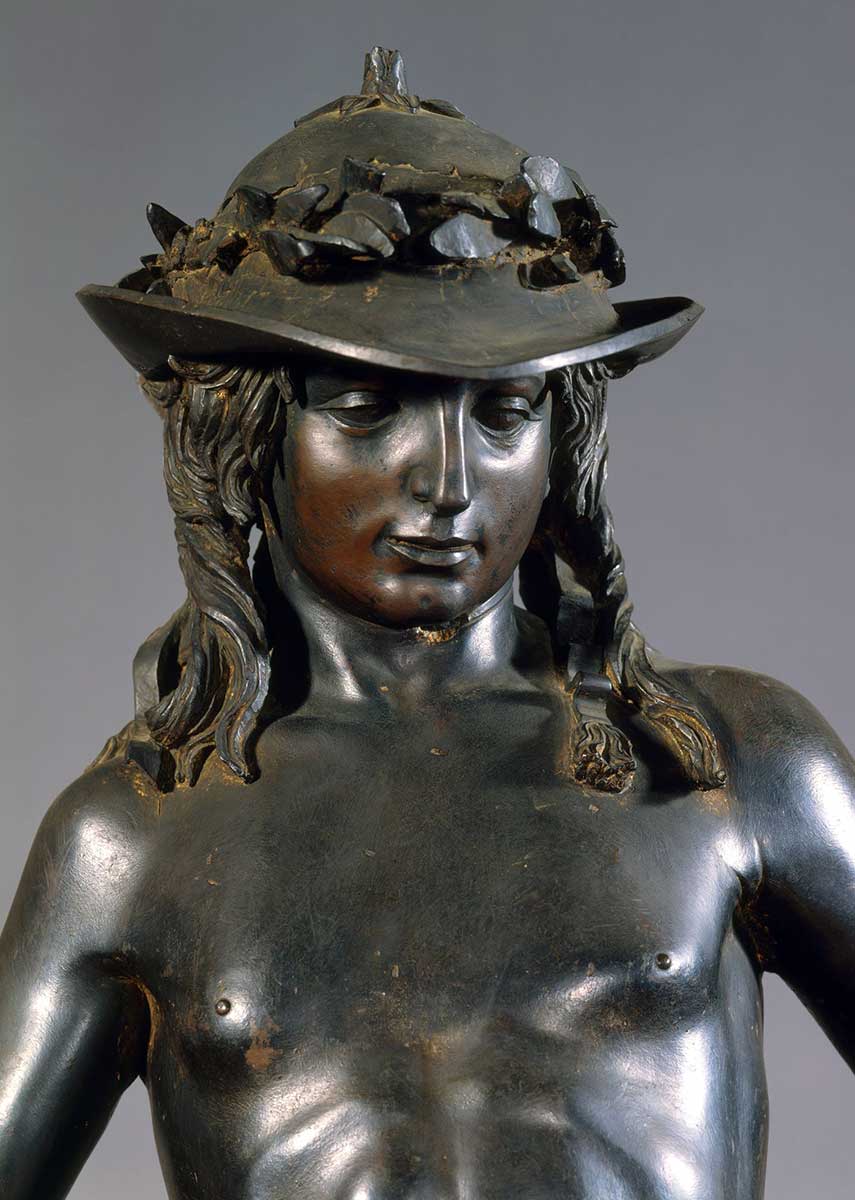
The sensual character of the young David portrayed by Donatello has led some art historians to assume it was meant to be a homoerotic work of art. Up until recently, art history has left this idea unchallenged, and that was largely due to the fact that, indeed, depicting David naked marked a unique iconographical choice.
Previous renderings of the Old Testament hero show him clothed, and so does a previous version produced by Donatello himself.
Starting from the observation that David’s adolescent body displays his nudity in a suggestive way, the arguments connecting it to homoeroticism are mostly connected to two aspects. One is in relation to the hat David is wearing, described by a historian as linked to the hat game, a ritual of homosexual solicitation in Renaissance Florence.
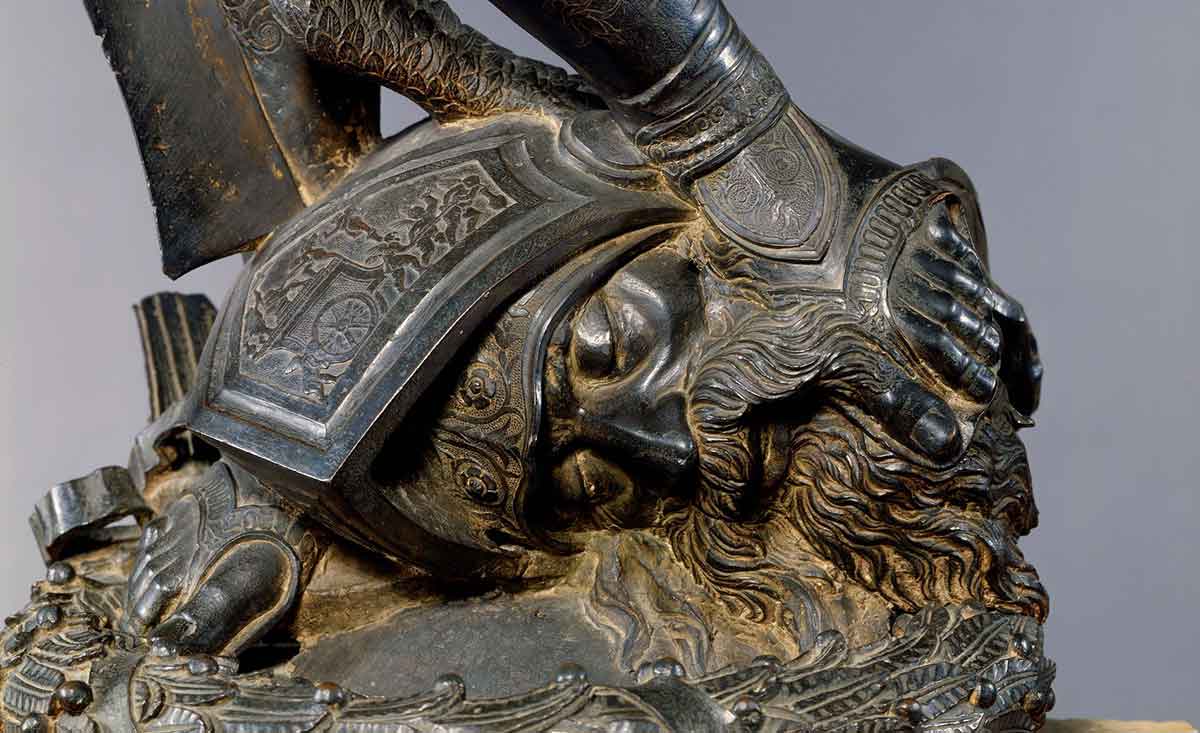
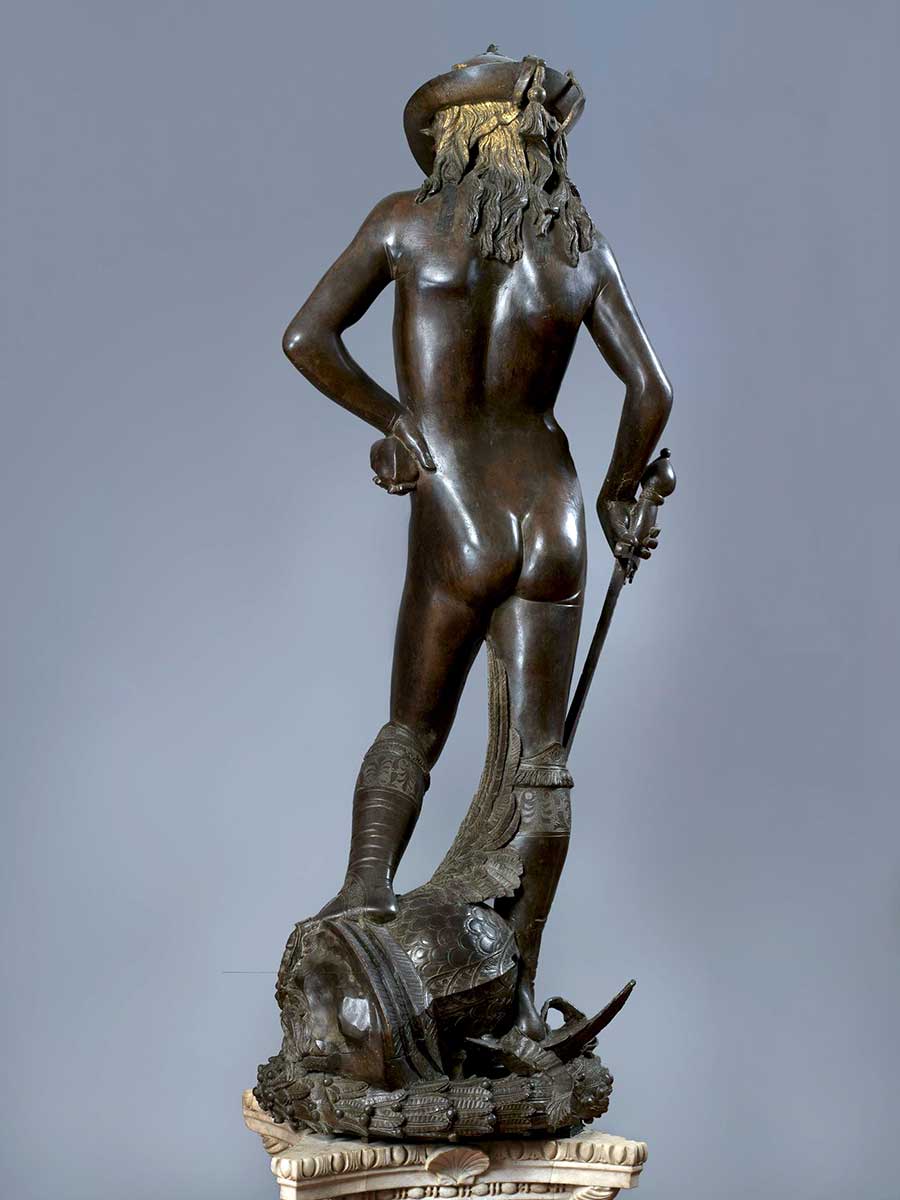
The other element that bears a certain charge is the feather of Goliath’s helmet, which seems to caress the young boy’s thigh, as if pointing to his buttocks.
The counterargument rests on the indecorousness of addressing a religious subject in parallel with homoerotic elements. Another contention is that this would have been incompatible with the political messaging the sculpture was meant to transmit in its intended spatial presentation in the Medici Palace.
6. David Is Wearing Boots and Barely Anything Else
Commissioned by either Cosimo de’ Medici the Elder or his son, Piero, the sculpture, which was displayed in a place full of public scrutiny, bore strong political propaganda. When seen from a distance, as was originally intended, the stance of the adolescent David starts looking like a confidence strut.
1 Samuel 17 notes that David tried on Saul’s armor but removed it prior to battle, finding it too cumbersome. Donatello’s choice to depict David unarmored aligns with scripture, though rendering him completely nude reflects classical artistic influences.
7. The Pose Transformed the History of Art
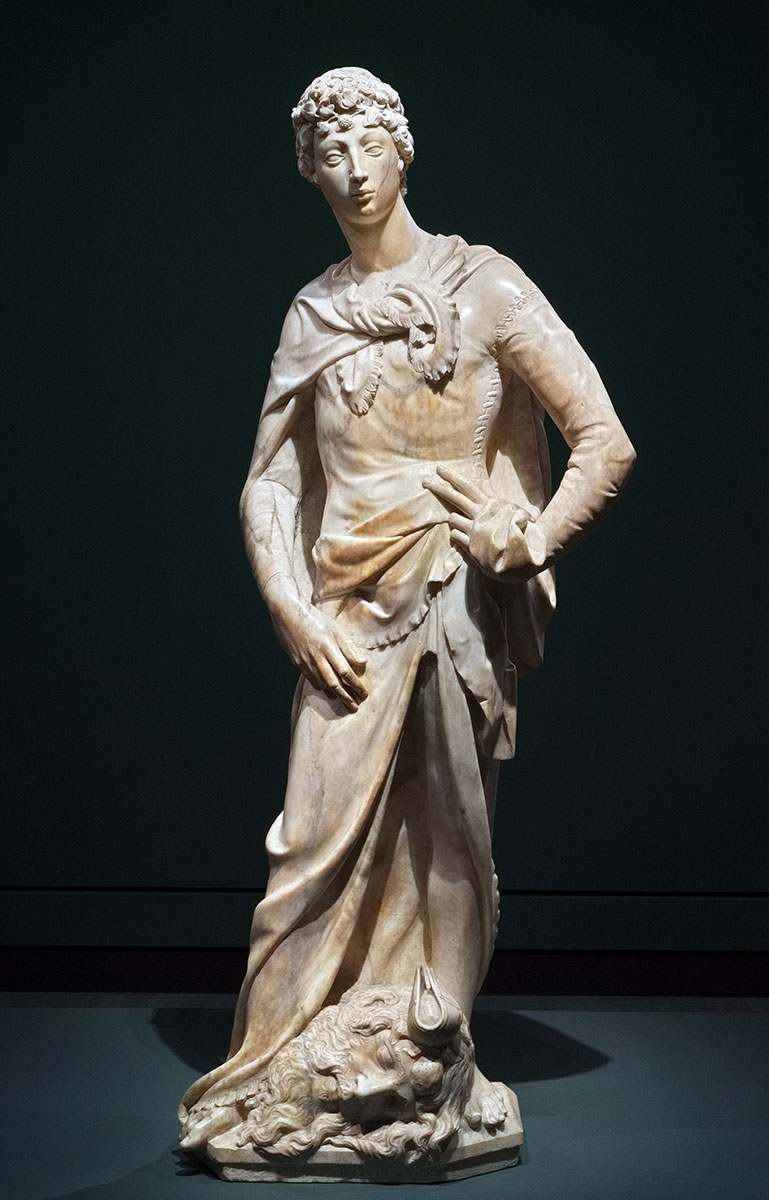
David’s laid-back standing pose that makes his body look like an S was inspired by ancient sculptures. The stance, defined as contrapposto, refers to a human figure standing with most of its body weight on one leg. This pose was a naturalistic artifice that conveyed a relaxed and anatomical dimension to any human figure. Donatello’s decision to render David as such was part of his divorce from Gothic anatomy, which was characterized by stiff and column-like depictions of human figures.
Choosing contrapposto was not just a wink to classical antiquity; it was equally a means of adding drama and a new layer of narrative tension to the representation of David’s slaying of Goliath. The immense innovation of Donatello’s bronze is intimately connected to his use of the contrapposto stance. This bronze is free-standing and unsupported thanks to the masterful crafting of the anatomy, which gives the sculpture balance without adding counterbalance elements.
The technical and narrative revolution that Donatello introduced through David, as well as other sculptures, led to further experiments during the Renaissance period. Contrapposto became a staple of anatomical grammar not only in sculpture but also in painting.
8. Donatello’s “David” Served as Inspiration to Michelangelo
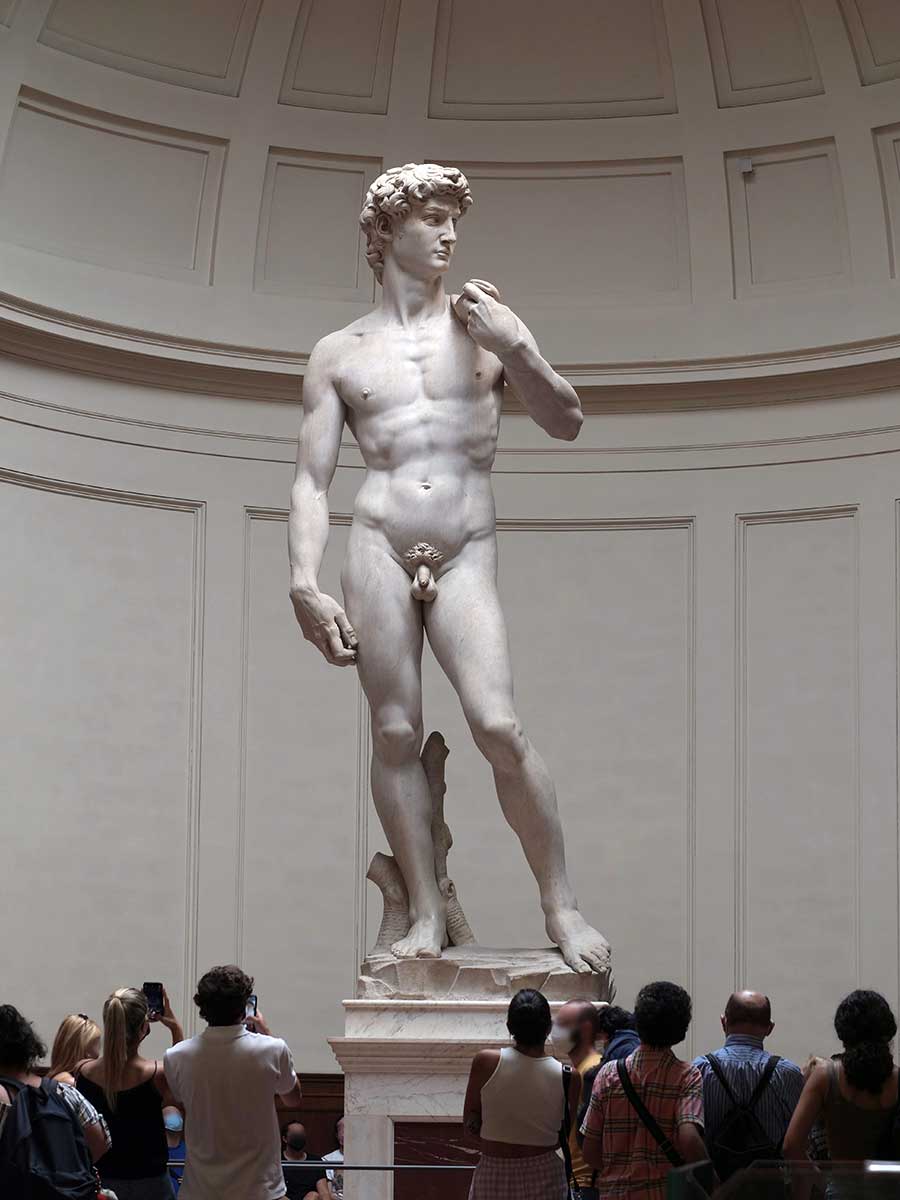
Once Donatello broke the taboos regarding David’s portrayal as a nude boy, Michelangelo could build on the legacy that his predecessor started more than half a century prior.
Though Donatello died before Michelangelo was born, his sculptures served as a vital masterclass. Decades later, the young Michelangelo studied under the patronage of Lorenzo the Magnificent in the Medici sculpture garden. The access to the Medici collection paved the way for his development as a sculptor, schooling him in the visual language of ancient and early Renaissance sculpture.
Lorenzo’s sculpture garden, known as Giardino di San Marco, was an open-air academy. Having access to it was a stepping stone for Michelangelo, since it illustrated both the lost ancient art and a modern reinterpretation of it, offered by Donatello.
Michelangelo built his understanding of classical proportions and the expression of the human body by observing Donatello’s all’antica reliefs and bronzes. The most explicit influence can be noted in Michelangelo’s citation of the same contrapposto pose.