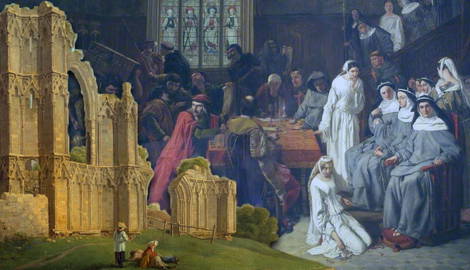
The English Reformation (c. 1527–1603) ushered in decades of turmoil and sectarian violence. Beginning with Henry VIII, each Tudor monarch adopted their own approach to enforce, reject, or restore Protestant beliefs. Many of these policies targeted the wealthy assets of Catholic institutions across England. The victims of this chaos were the bright murals, rood screens, and religious iconography that decorated English Catholic churches since the Medieval Period. After centuries of tradition, these art forms were defaced, dismantled, or destroyed.
Tudor Politics and the English Reformation
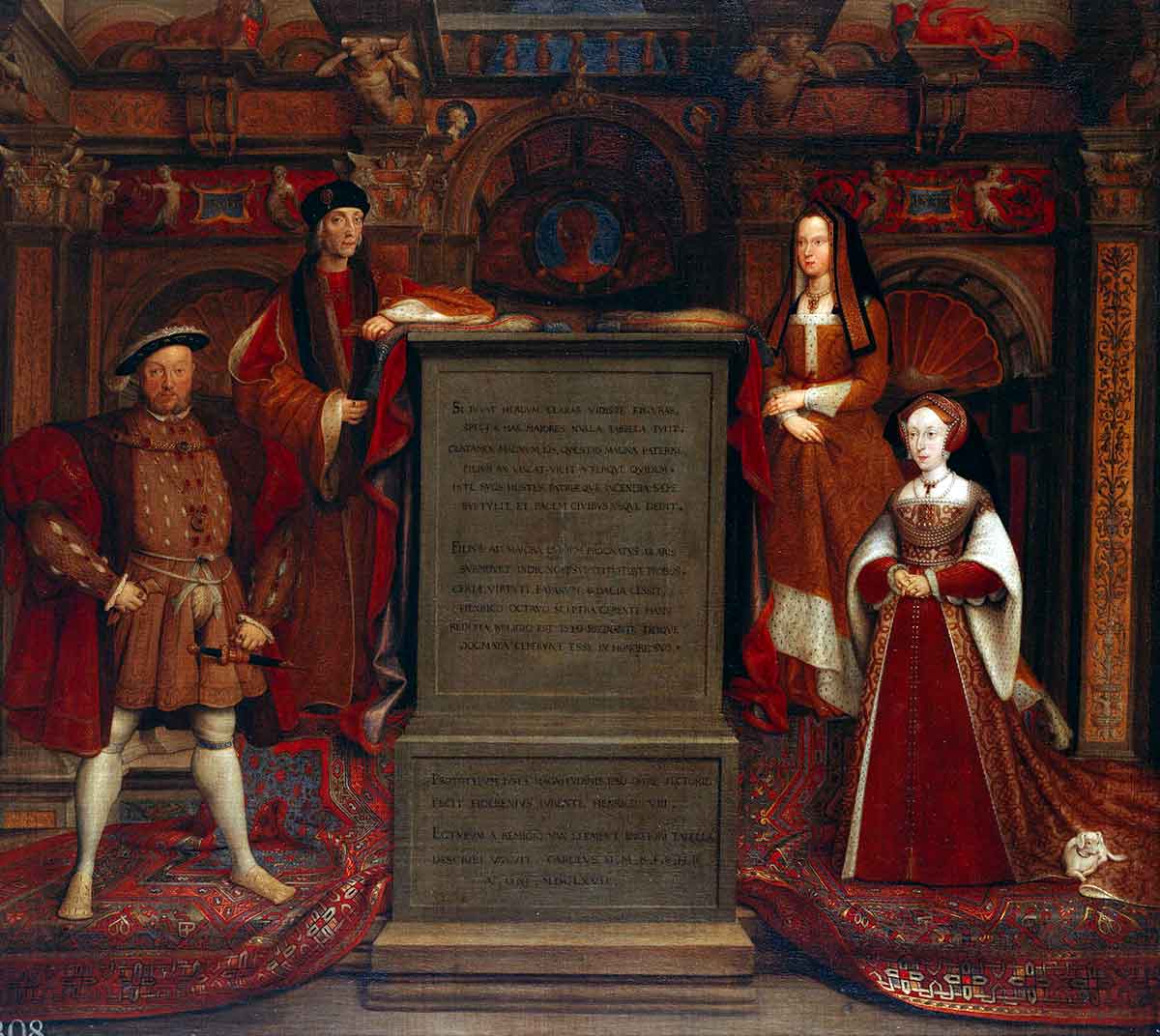
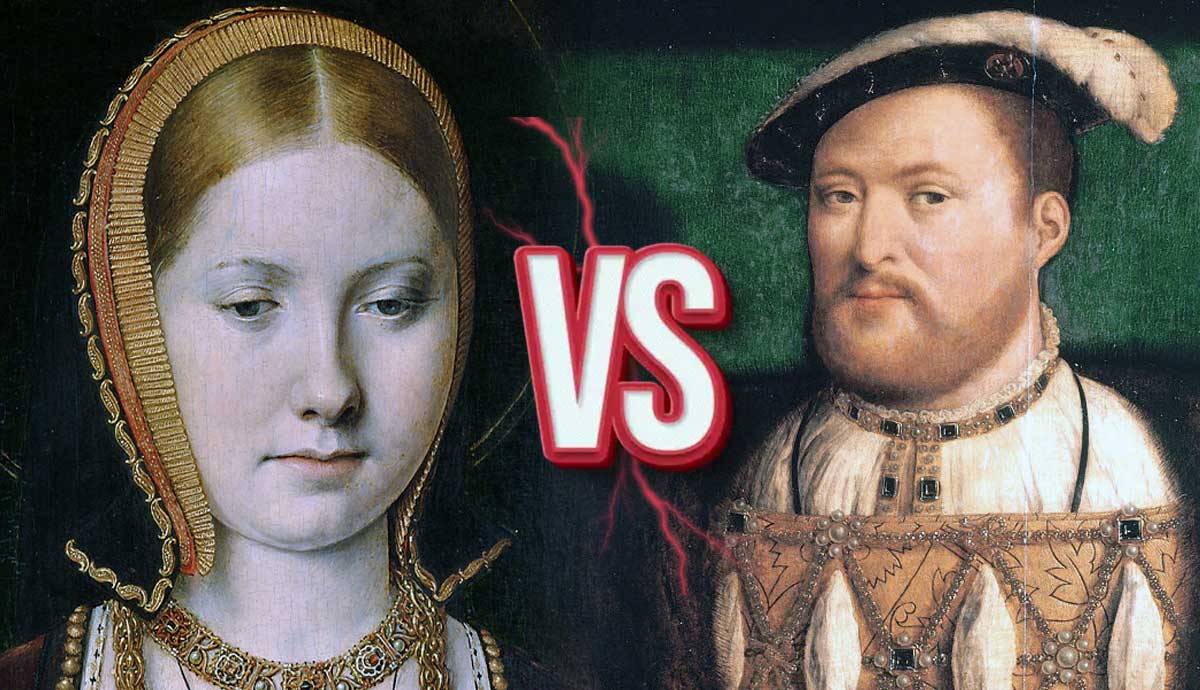
While the Protestant Reformation swept across Europe primarily due to theological disputes, Henry VIII broke with Rome to reject papal authority. All patience toward the Papacy was lost by 1530 when Pope Clement VII denied his request to annul his marriage to Catherine of Aragon in favor of marrying Anne Boleyn. Guided by his advisor, Thomas Cromwell, and the Archbishop of Canterbury, Thomas Cranmer, Henry VIII officially separated from Rome in 1534 with the Act of Supremacy. Under this act, he replaced the pope as the head of the Church of England.
Rejecting centuries of religious and institutional precedent sent shockwaves across England. Henry VIII began dismantling Catholic institutions, leaving countless monasteries, abbeys, and nunneries in ruin. His advisors later influenced his son, Edward VI, to enforce strict Protestant theological policies that targeted Catholic iconography and gutted church interiors. While Mary I attempted to resuscitate England’s relationship with Rome, Elizabeth I maintained her brother and father’s mission to standardize Protestant worship.
The haphazard application of Reformation politics throughout these reigns resulted in religious persecution and suppression that killed thousands. Up to 97% of all religious art in England was destroyed during the Reformation or in periods of sectarian violence that followed.
However, the English Reformation was only one chapter in the destruction of Catholic art and buildings. Many structures, statues, and paintings that survived the Tudor Period were once targeted, defaced, and destroyed only a century later during the English Civil War (1642-1651).
Dissolution of the Monasteries
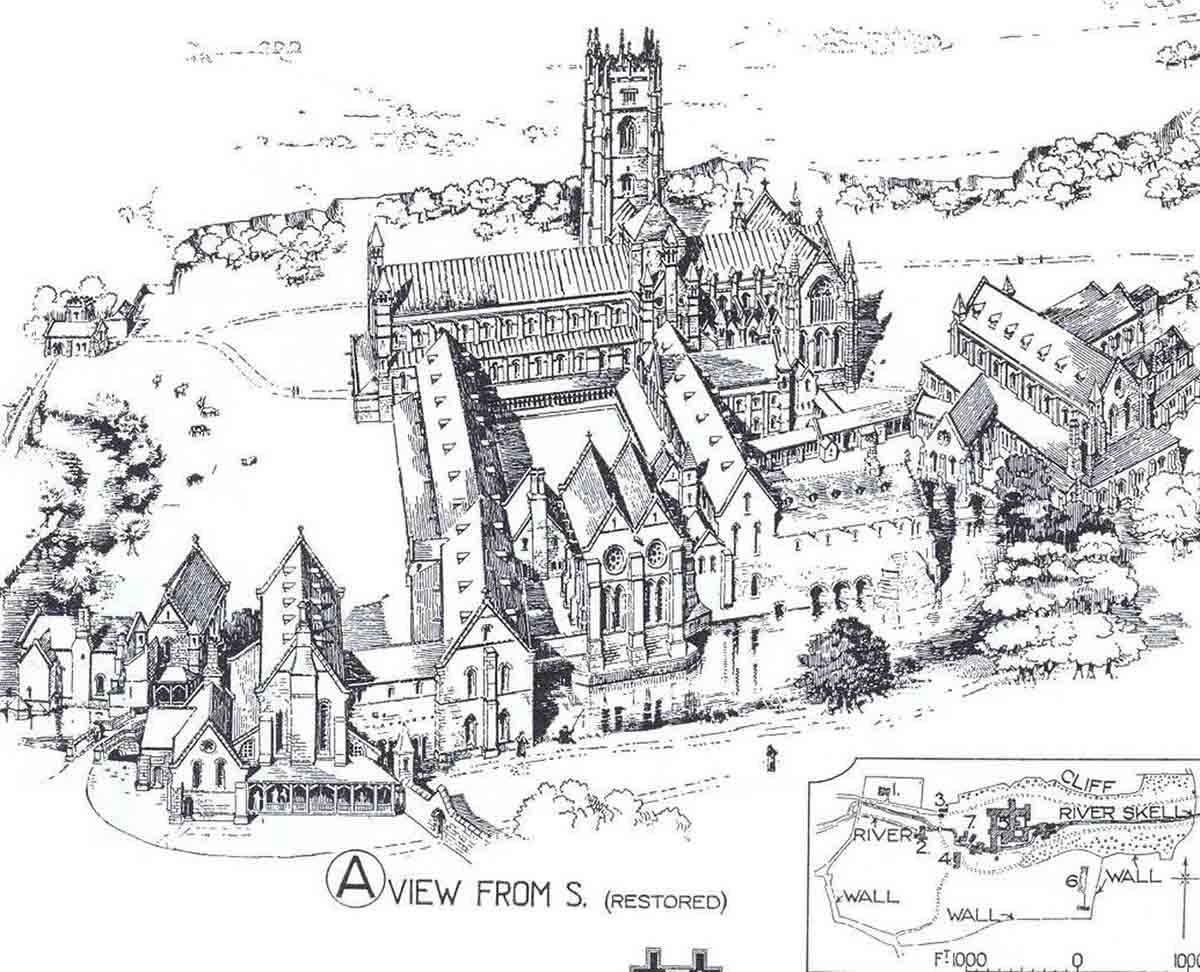
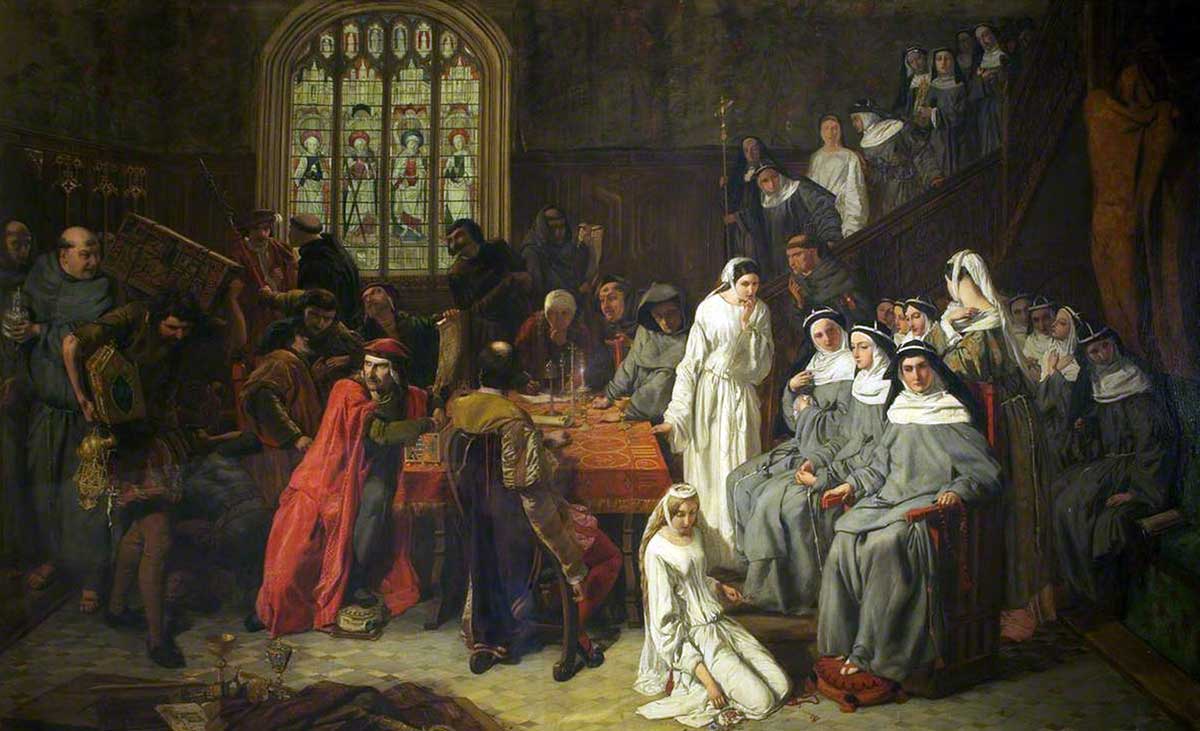
One of Henry VIII’s most controversial Reformation policies was the Dissolution of the monasteries. At the time, the Catholic church owned one quarter of all land in England. While Henry VIII battled debt issues throughout his reign, monasteries were one of England’s wealthiest institutions. Under the guise of thwarting papal influence and wealth hoarding, royal commissioners and local authorities forcibly seized monastic assets. The Act of Suppression in 1536 closed and dispossessed smaller monasteries. In 1539, the Second Act of Suppression targeted larger monasteries for their wealth.
By 1540, 50 monasteries were being dismantled per month. Abbots, friars, nuns, and priests were sometimes provided a small pension to cover the loss of their position, homes, and livelihoods.
Clergy who refused to comply while their monasteries were being sacked were arrested or executed. For example, the abbot of Glastonbury Abbey, Richard Whiting, was hanged, drawn, and quartered in 1539 on suspected treason charges for refusing to surrender his abbey. In late 1536, between 30,000 and 40,000 local gentry and peasants in Northern England revolted against these Reformation policies. Dubbed the Pilgrimage of Grace, these revolts became the largest rebellion in Tudor England. However, by 1537, their numbers were dispelled and the leaders were hanged.
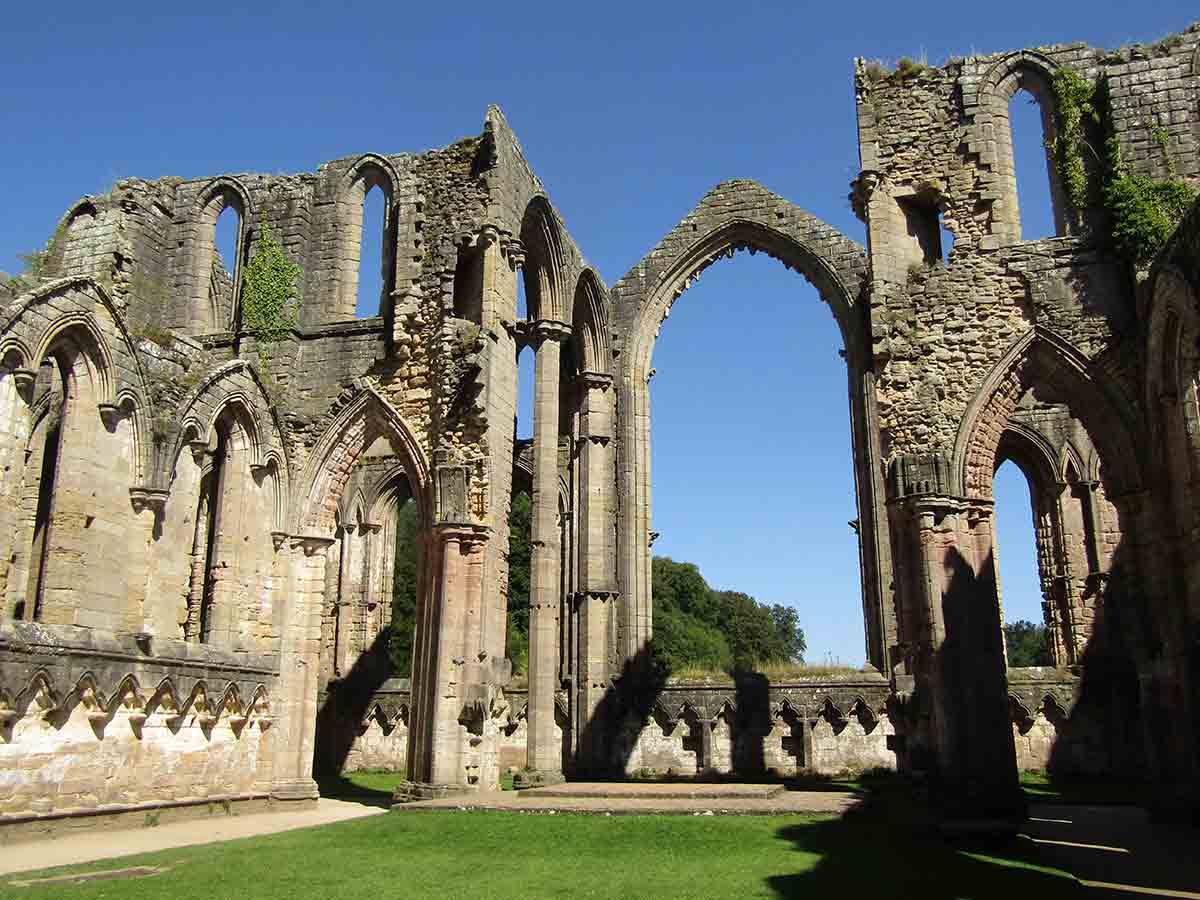
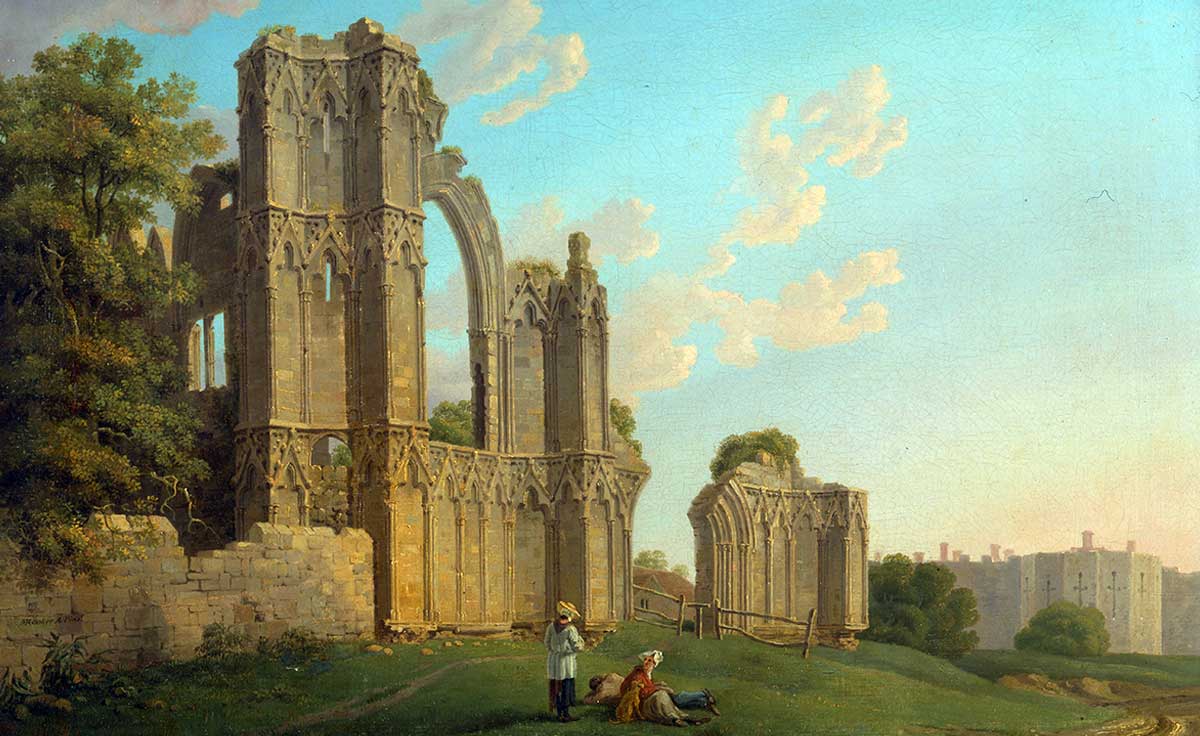
These seizures had a catastrophic impact on monastic properties. Anything that could be profitable was expropriated by local commissioners and representatives of the crown. Even the metal roofs of monasteries were seized. Lead roofs were stripped, exposing church interiors to the elements, causing early decay and ruin. Monastic treasuries were plundered. Gold, silver, relics, and precious stones were confiscated and used to line royal coffers and fund wars against Scotland and France.
Stained glass windows were smashed or taken. Most monastic libraries, archival collections, and illuminated manuscripts were lost, destroyed, or sold into private ownership. Monastic land was redistributed to local landlords. Other materials like timber, wood, and stone were sold to villagers. After a few years, some of the wealthiest monasteries had been ruined, converted into palaces, or made into stone quarries.
Protestant Iconoclasm
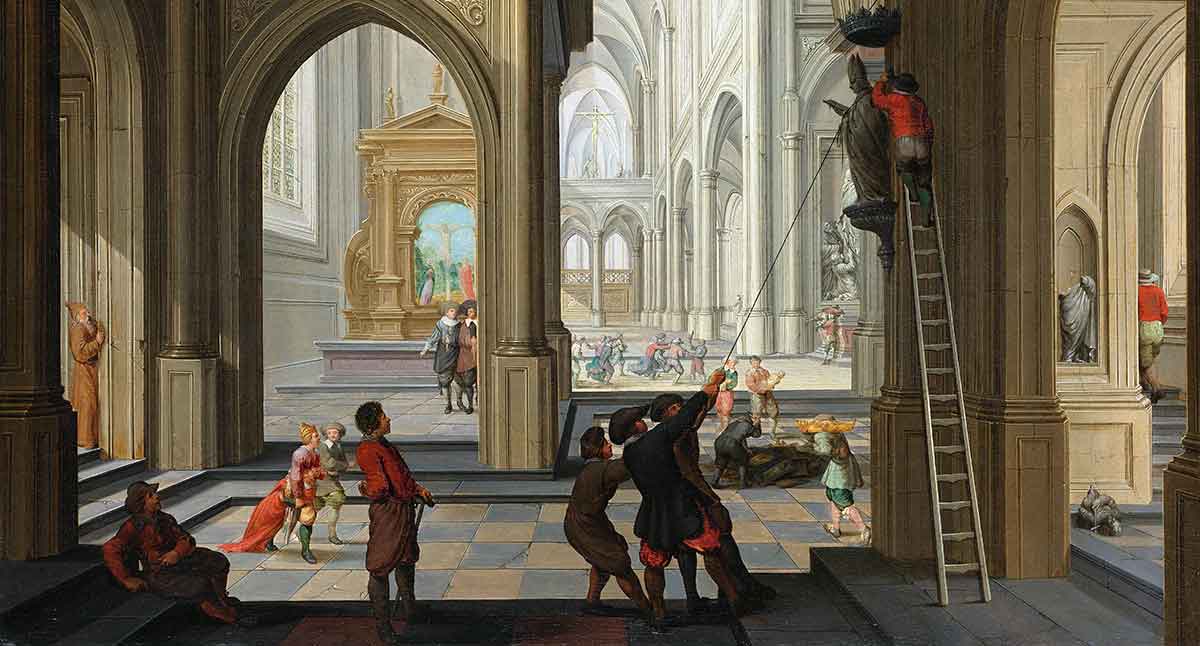
The Reformation triggered a new wave of iconoclasm in Western Christianity. Many Protestant reformist leaders condemned the use of religious iconography in worship and for the veneration of saints. They adopted a literal interpretation of the Second Commandment: “Thou shalt not make unto thee any graven image, or any likeness of anything that is in heaven above, or that is in the earth beneath, or that is in the water under the earth” (Exodus 20:4-5). However, tolerance toward pre-existing Catholic paintings, statues, shrines, and crucifixes varied.
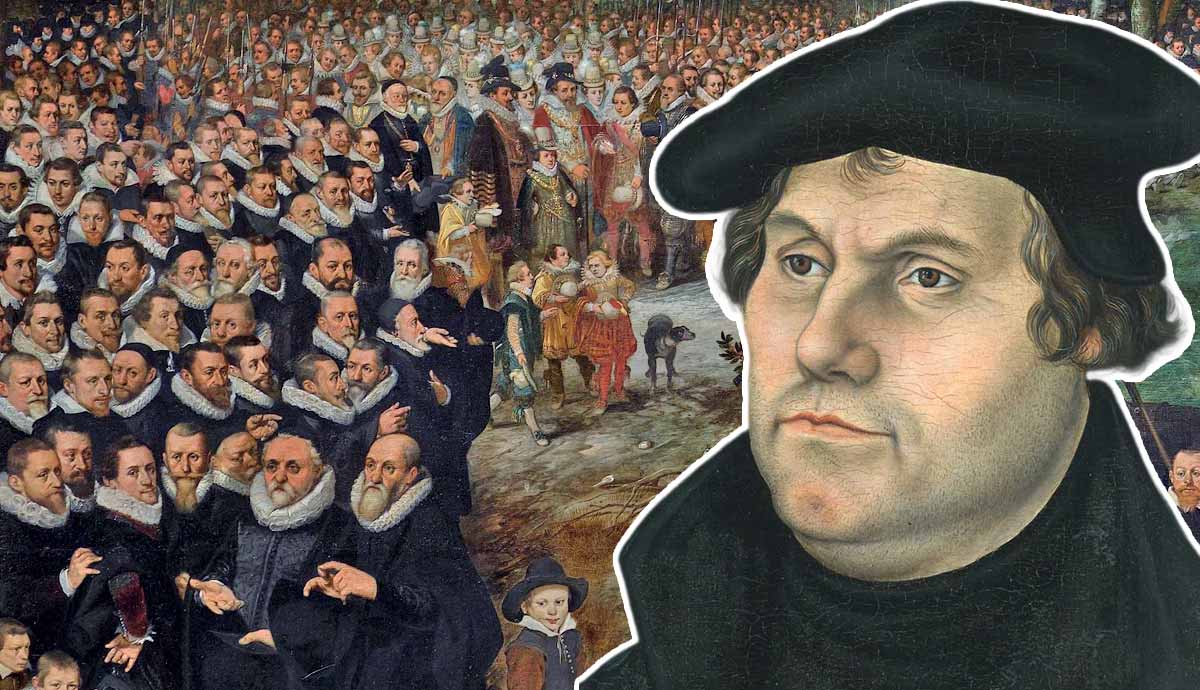
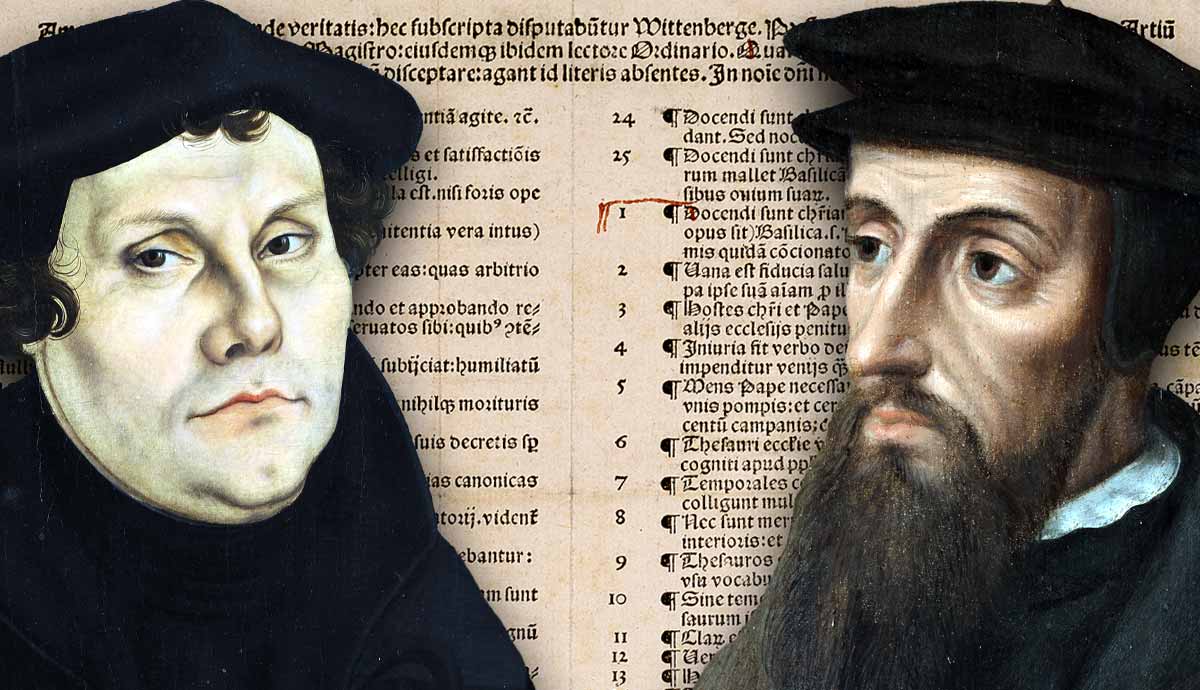
More radical reformers, like John Calvin, condemned these artworks as idolatrous and called for their destruction. Others, like Martin Luther, instead prioritized providing more accessible versions of religious texts for worship.
Henry VIII and Edward VI followed suit and rejected Catholic iconography and its use in devotional practices. In multiple acts, Henry VIII condemned the use of offerings, images, and pilgrimages, which he believed venerated saints in an idolatrous way. However, his son, Edward VI, shared a more radical approach with others like Thomas Cranmer.
During his short reign, a series of injunctions systematically removed and defaced Catholic iconography from paintings to glasswork. During these removals, many pieces were looted, stolen, or destroyed.
These policies had a detrimental impact on English Catholic religious art and culture. The veneration of saints was a core practice in medieval Catholicism. Congregations honored specific saints for their blessings and protection. In addition to praising God and the Holy Trinity, saints were honored through paintings, shrines, statues, pilgrimages, and relics like the bones or blood of saints like Thomas Becket. Over the centuries, Catholic religious art intertwined with these depictions of holy figures.
Considering many parishioners, especially in rural communities, were illiterate and had little access to Latin religious texts, these forms of religious art and iconography were instrumental for worship.
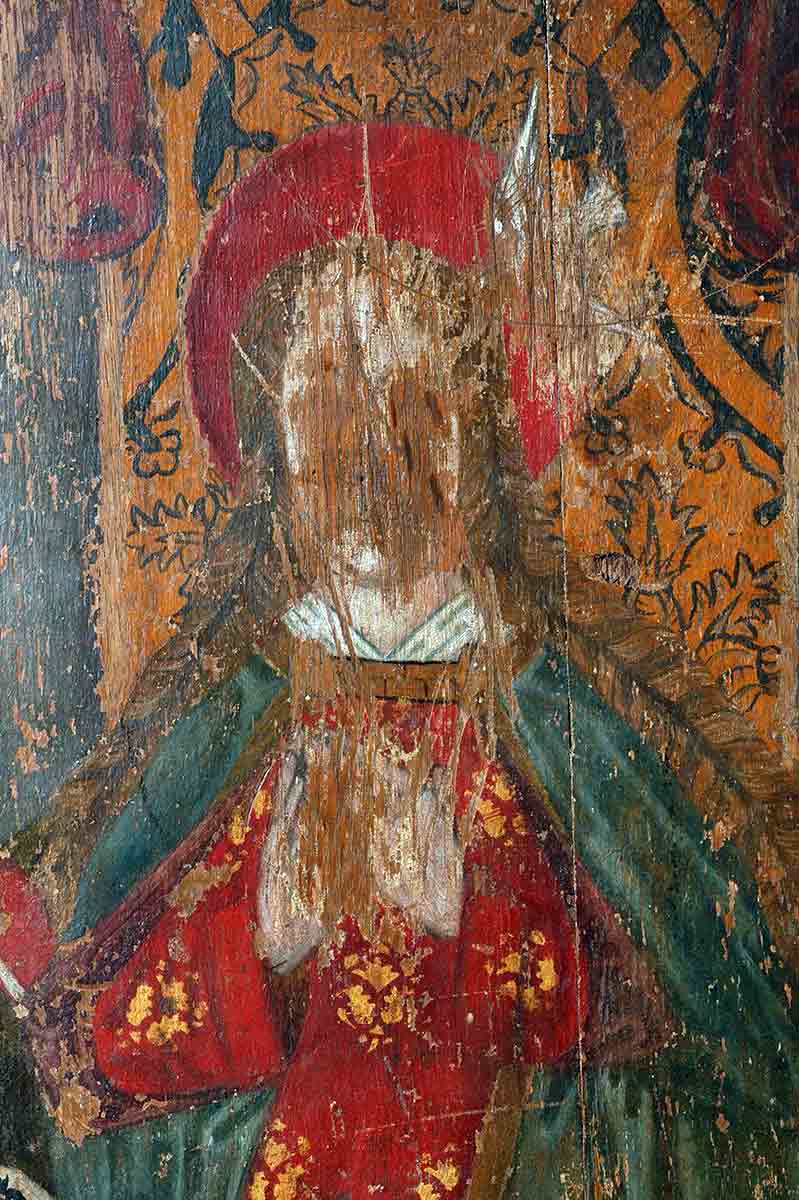
Denouncing religious iconography condemned most pre-Reformation religious art. Especially under Edward VI, artwork personifying saints, angels, the apostles, and even the Virgin Mary were torn down, destroyed, slashed, or defaced by royal commissioners and local authorities. Throughout England, shrines were closed, paintings were whitewashed, and decorative woodwork was torn down.
Pilgrimages were banned, and shrines were stripped of their gilded decor and jewels. Most relics, gold, silver, and precious stones were confiscated and appropriated on behalf of the Crown.
Whitewashing of Church Interiors
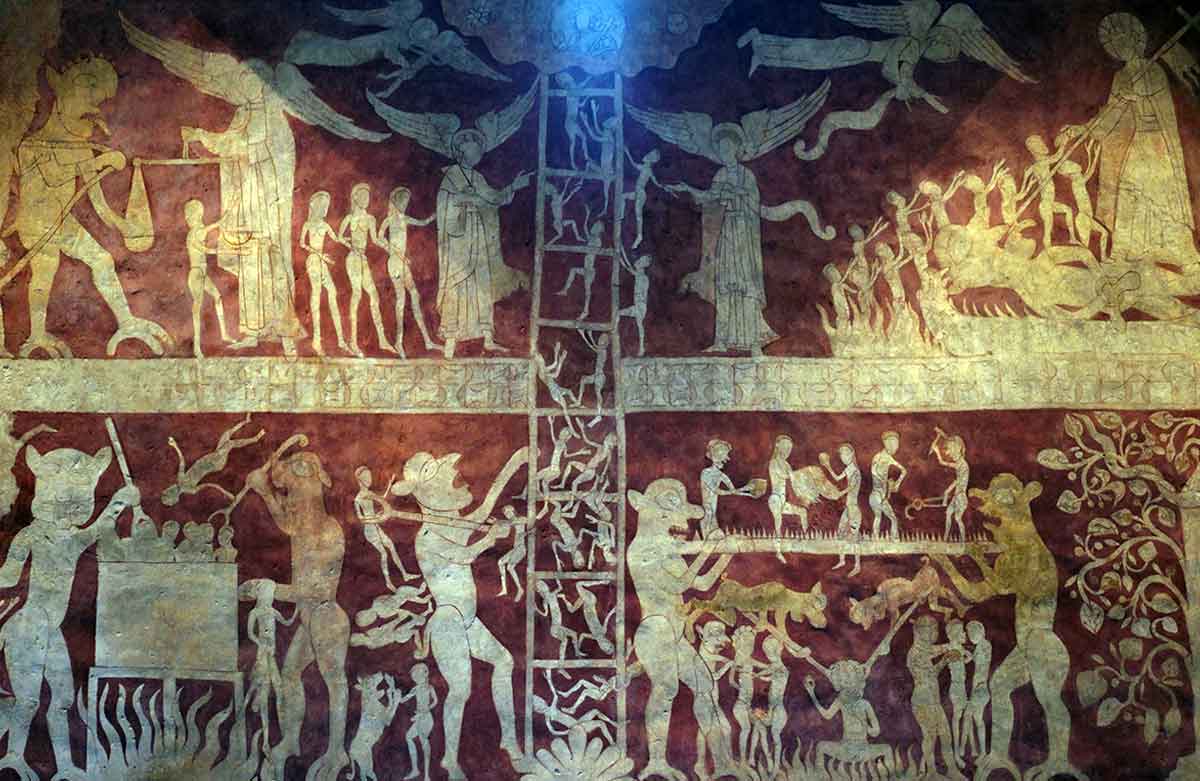
Vivid wall paintings were a major form of decoration in English Catholic churches centuries before the Reformation. Expansive artworks depicting biblical figures like Adam and Eve and evocative scenes like the Last Judgment covered church interiors. These artworks appeared all over England during the Medieval Period, from rural parish churches to wealthier monasteries and abbeys. Many of these murals also served as devotional pieces for saint cults. Popular pieces included the slaying of a dragon by St. George, the patron saint of England.
Most church walls were painted red, yellow, or charcoal tones from naturally sourced materials. Wealthier parishes used pigments from stones like azurite, malachite, and lapis lazuli for rarer green and blue colors. Traveling artists visited parishes throughout England to produce these murals for different congregations.
In some cases, allegorical symbols like the Wheel of Life were carefully painted onto stone, wood, and plaster. Floral and geometric patterns further filled these small church spaces with color and character.
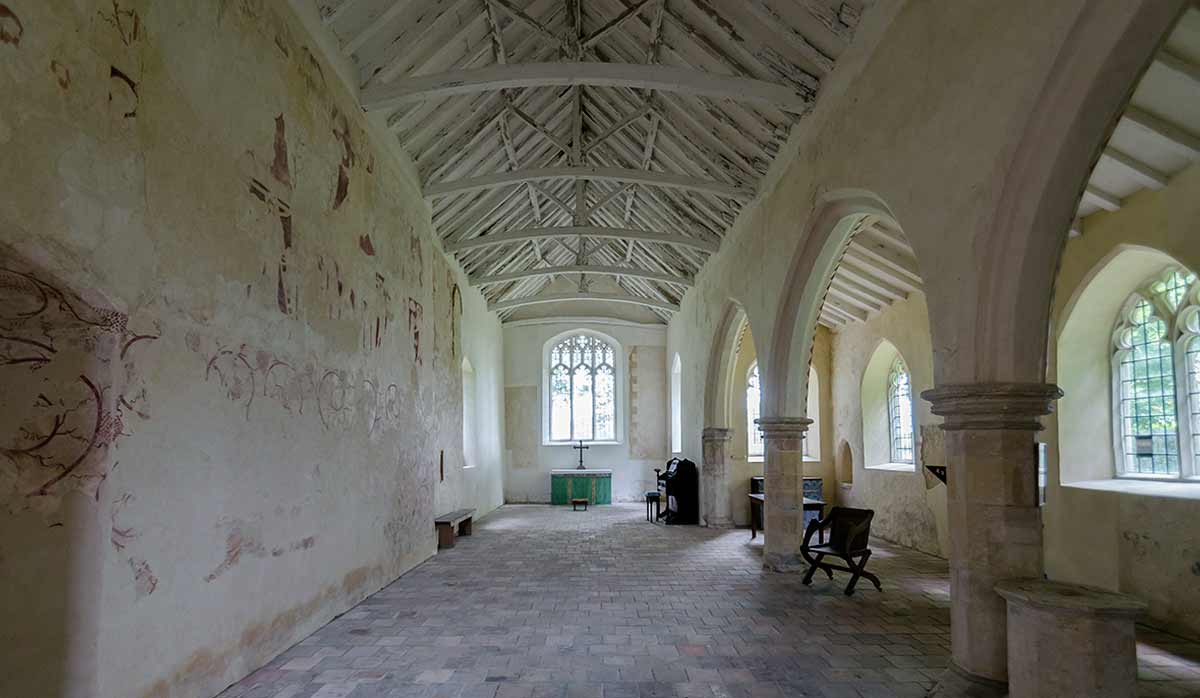
However, these artworks also fell victim to Tudor iconoclastic policies. Deemed idolatrous, royal injunctions called for their destruction, removal, or erasure. Most medieval interior paintings were whitewashed or limewashed. By the end of the Tudor period, most churches were stripped of their medieval opulence in favor of plain and humble interiors. Their walls were instead decorated with inscriptions from biblical passages or the Ten Commandments.
Color was also bled from pre-Reformation churches with the destruction of stained-glass windows. Countless handmade pieces depicting biblical scenes and sacramental imagery present in most English churches were removed. Paintings and glass that survived the Reformation suffered a similar fate during the English Civil War a century later.
Ironically enough, the plaster and whitewash used to hide these pieces preserved many medieval artworks. By concealing these fragile pigments, these paintings were protected from exposure and aging. Multiple were rediscovered in the 19th century during the reign of Queen Victoria. Inspired by the Gothic Revival, Victorian restoration campaigns sought to restore medieval churches. During plaster repairs, many pre-Reformation wall paintings were uncovered. Fragments of biblical scenes, red patterns, and mythological creatures can still be seen in English churches today.
Repurposing and Recycling of Catholic Art
Similar to the accidental preservation of medieval wall paintings, the dismantling and re-use of Catholic art and materials also conserved many of these pieces. Paintings, wood panels, rood screens, fabrics, and stained-glass windows were recycled into furniture, textiles, or used for repair work. A large amount of pre-Reformation art discovered today survived due to their repurpose over the centuries.
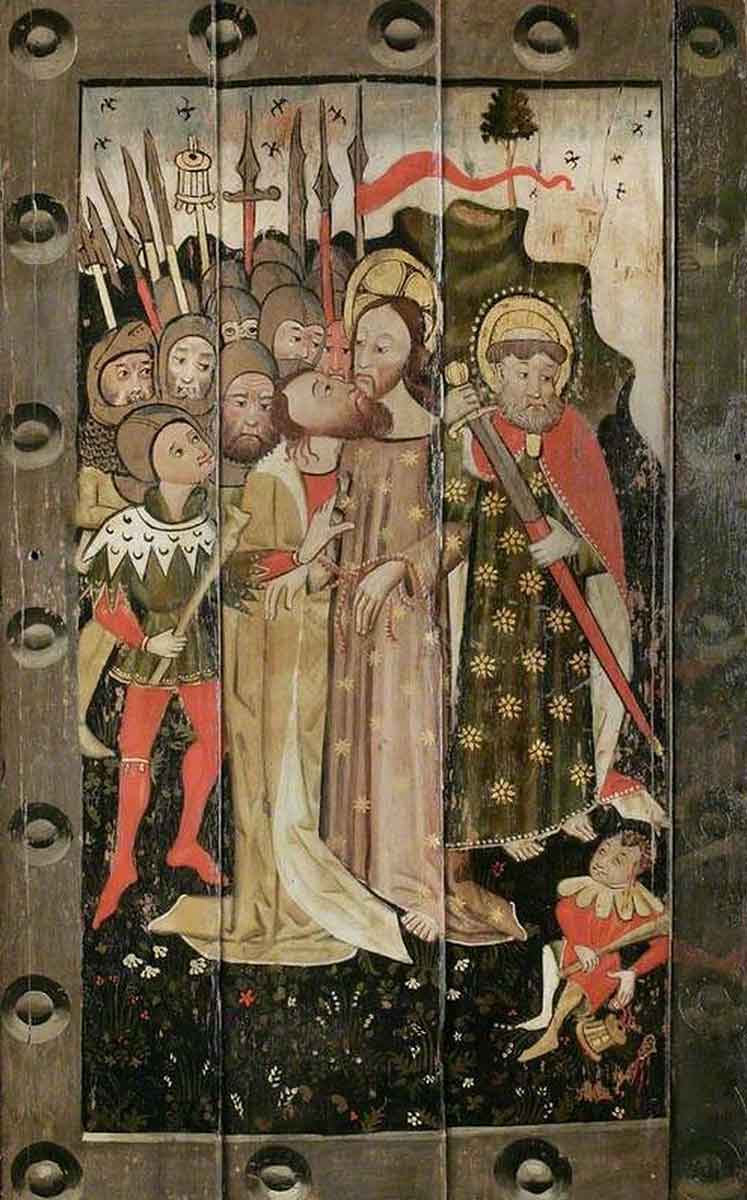
A recent case of Catholic art that survived the Reformation through recycling is the famous medieval painting, The Kiss of Judas. Dated to around 1460, this piece had already been targeted for defacement by medieval parishioners because of its depiction of Judas. A recent discovery in 2015 revealed how the painting survived the English Reformation. During conservation work at the University of Cambridge, Dr. Lucy Wrapson discovered lettering on the painting’s wooden paneling. Using infrared photography, the letters appear to be a Protestant inscription of the Ten Commandments. This suggests that the painting likely survived iconoclastic targeting because of its functionality as a church board.
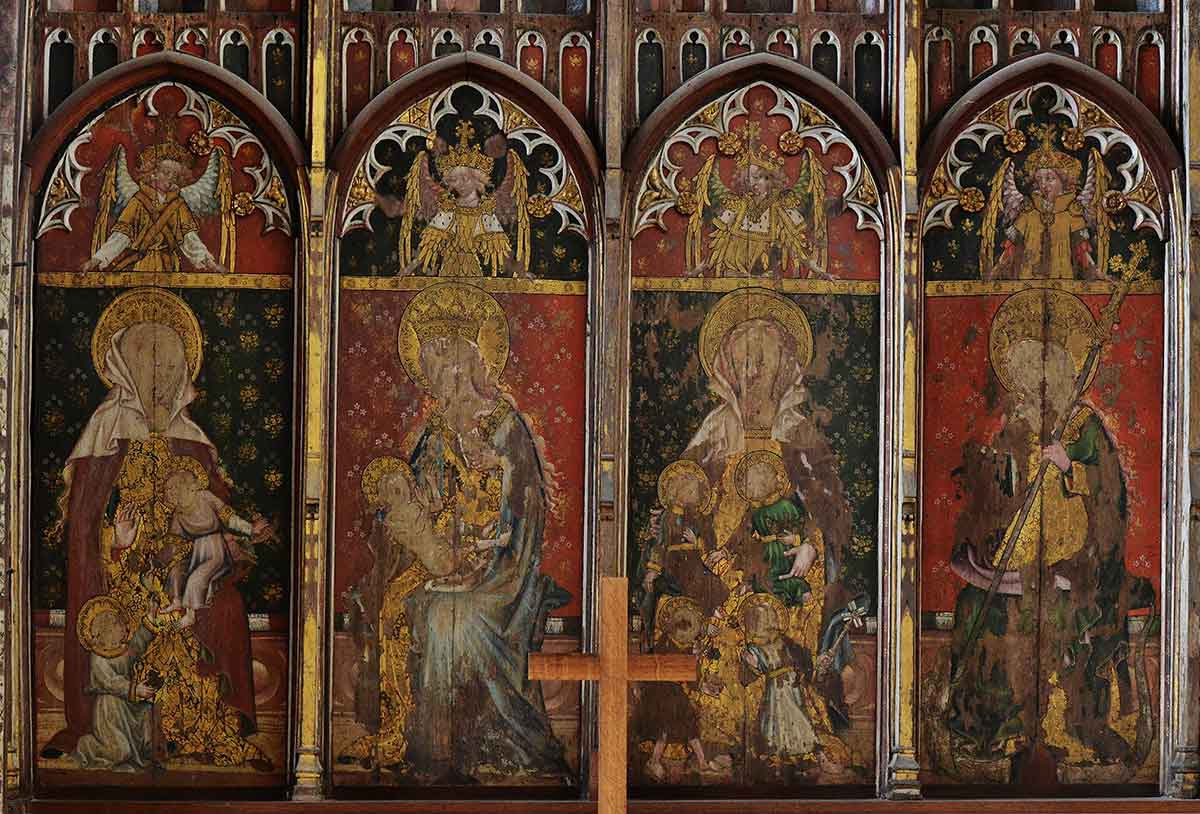
Pieces of rood screens were also often recycled and reused. These wooden structures were one of the most defining architectural features in medieval English churches. Built from wooden beams and panels, most English parishes used these structures to create a partition between the laity and the altar. They were typically decorated with statues, elaborate carvings, and paintings of Jesus, the Virgin Mary, apostles, and saints. While most were dismantled, defaced, and destroyed during the Reformation, some pieces survived. Those parts were repurposed into pulpits, pews, rails, or tables.
Pieces of Catholic vestments and altar cloths were also spared from ruin. These materials were in high demand for their rich Italian fabrics, unique embroidery, and durability. For instance, the Countess of Shrewsbury, Elizabeth Talbot, became known for her extensive textile collection that contained many recycled cloths from pre-Reformation religious fabric. These fabrics have been discovered throughout England in country homes, merchant shops, aristocratic estates, castles, and private collections. Most were turned into tapestries, carpets, curtains, and drapery.