Why the Temple of Artemis Was the Greatest Wonder of the World
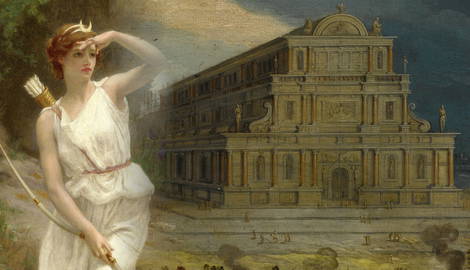
The Temple of Artemis at Ephesus was so magnificent that it was considered one of the seven wonders of the ancient world.
Published: Mar 26, 2026written by Kieren Johns, PhD Classics & Ancient History
Published: Mar 26, 2026written by Kieren Johns, PhD Classics & Ancient History
Summary
The Temple of Artemis in the Greek city of Ephesus was regarded as one of the Seven Wonders of the Ancient World.
The ancient temple was destroyed and rebuilt twice; it is the third temple, built in the 4th century BCE, that is considered a wonder.
It was damaged by Gothic raiders in the 3rd century and not restored as the Empire moved towards Christianity.
The 1st-century BCE Greek author Antipater of Sidon not only named the Temple of Artemis at Ephesus one of the Seven Wonders of the Ancient World, but also suggested that it was the grandest of them all. According to his poem: “When I saw the house of Artemis that mounted to the clouds, those other marvels lost their brilliancy.” There were actually three temples of Artemis at Ephesus, as the temple was destroyed twice, by flood and then arson, before the final grandiose temple admired by Antipater was built. The Ephesians were compelled to rebuild the temple on what was considered an ancient sacred site, and the city’s political importance and wealth provided them with the resources to do so on an epic scale each time.
The Temple Was Built on an Ancient Devotional Site
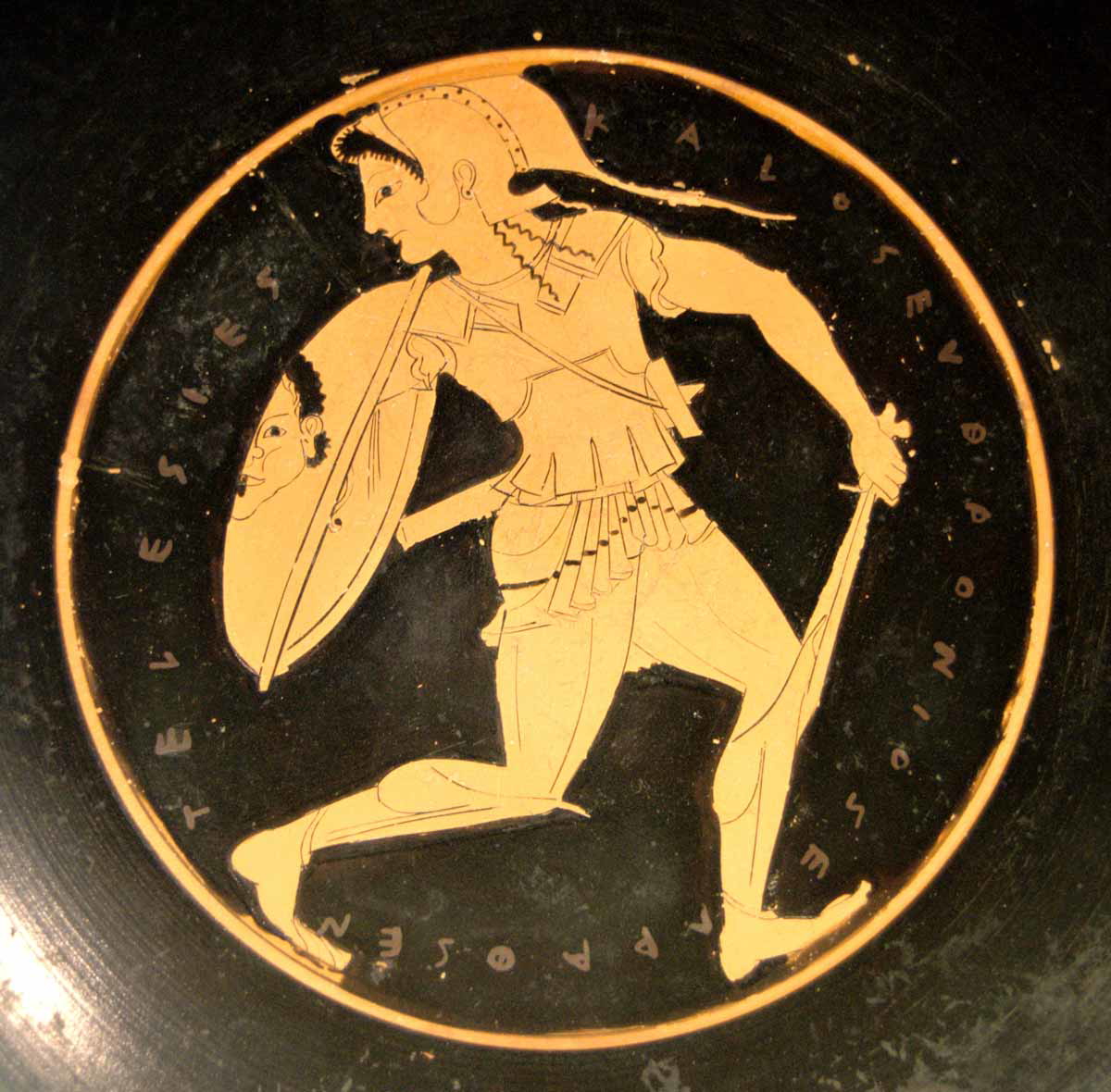
Fleeing Amazon Tondo of an Attic red-figure kylix, by Euphronios, 510–500 BCE. Source: Wikimedia Commons
The site of the temple, on the Ionian coast of Asia Minor (near the modern town of Selçuk), had long been associated with devotion. A sacred site, known as a temenos, appears to have existed at Ephesus for as long as anyone in the ancient world could remember.
Pausanias, the 2nd-century CE geographer, even suggested that it was older than the sacred site at Didyma. Also located on the Ionian coast, Didyma was famous for its oracular shrine and was associated with Apollo, the brother of Artemis, who was worshipped at Ephesus.
The Hellenistic poet Callimachus, who was active in 3rd-century BCE Alexandria, attributed the worship of Artemis at Ephesus to the Amazons, the legendary warrior women.
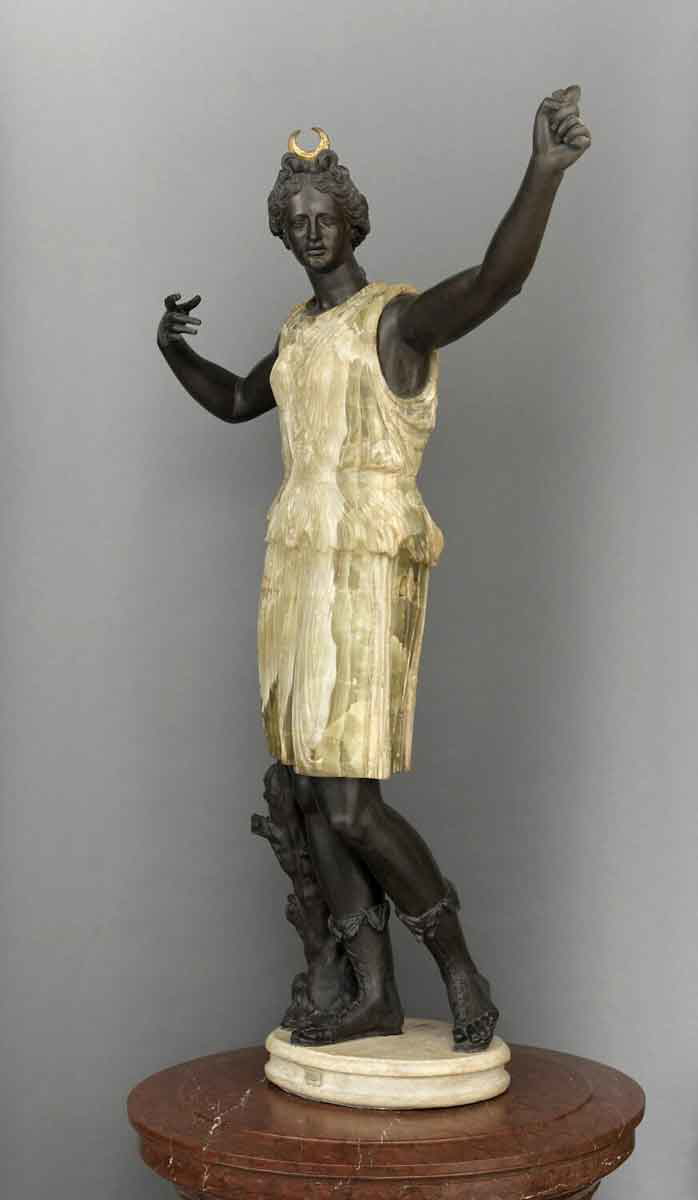
Statue of Diana-Artemis from Italy, c. 1st century BCE/CE. Source: Musee du Louvre
Modern archaeology supports the classical assertion that Ephesus was an ancient sacred site. It was occupied from at least the Bronze Age, and a temple was first built on the site in the latter part of the 8th century BCE.
While not as magnificent as the ancient wonder, this earliest temple was still innovative. It was probably one of the first peripteral Greek temples, meaning that it was surrounded by columns on all sides. This early temple was destroyed by a flood in the 7th century BCE.
The Importance of the Temple Within the History of Ephesus
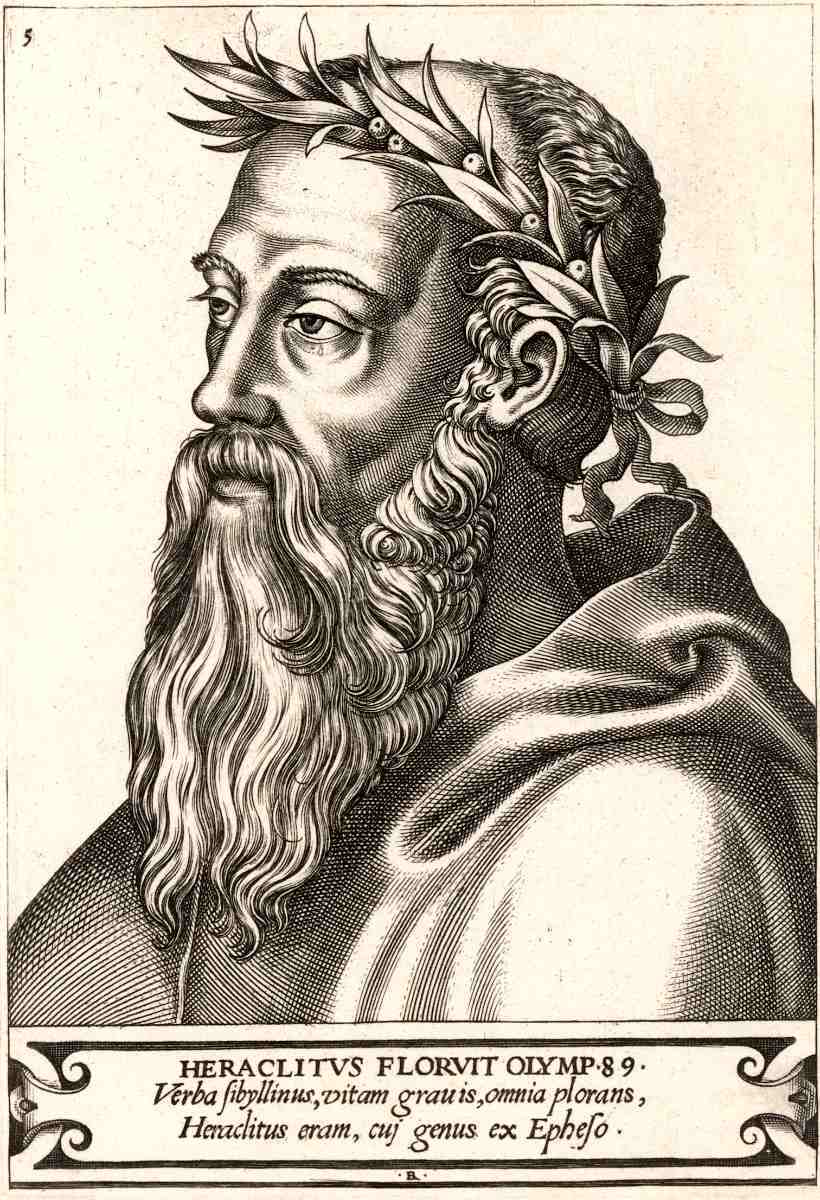
Portrait of Heraclitus, by René Boyvin, 1566. Source: Rijksmuseum
Ephesus was one of the most prominent cities in antiquity. It was founded on the site of an even older Greek settlement from around the 10th century BCE. According to one myth, the city was founded by an Athenian prince, Androklos. Another source attributes the city’s foundation to an Amazonian queen.
Ephesus and other Greek settlements on the Ionian coast, including Miletus, banded together as the Ionian League. In the 6th century BCE, the city was conquered by King Croesus of Lydia, who would have an important role in the restoration of the Temple of Artemis. Later conquered by the Achaemenid Empire, the Ephesians revolted at the start of the 5th century BCE.
Ephesus was also involved in the broader political affairs of the Greeks. It was dragged into their wars, siding first with Athens during the Peloponnesian War, before later switching to the Spartan cause.
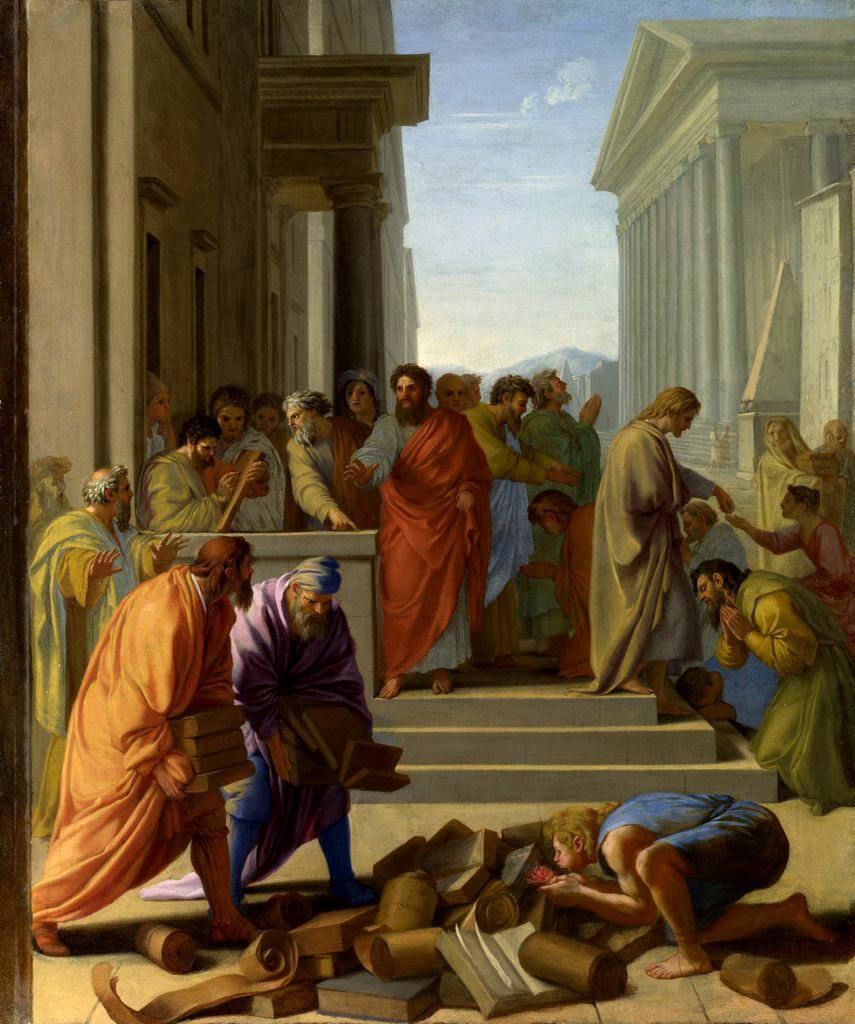
Eustache Le Sueur, Saint Paul Preaching at Ephesus, 1649. Source: National Gallery
Later, under Roman rule, Ephesus enjoyed a spectacular rise to prominence. Alongside the city’s status as a place of worship, it flourished as a provincial capital and as a center of learning and culture. Evidence for this can still be seen among the ruins of the ancient city today.
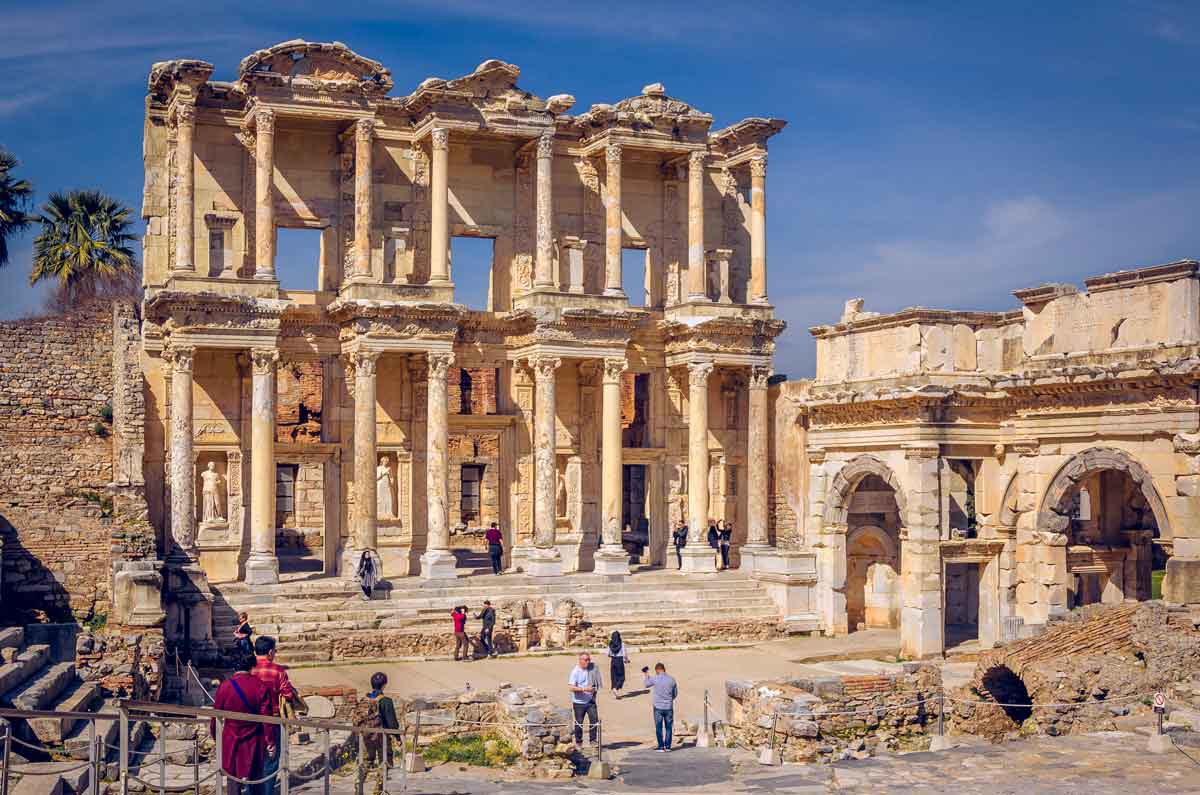
The Library of Celsus was built around 125 CE during the reign of Hadrian. It commemorated Tiberius Julius Celsus, a former governor, and likely once held over 10,000 scrolls. The library had an ornate façade reminiscent of a classical theater and decorated with statues. The city had a long tradition of education and intellect. It was the home of the philosopher Heraclitus in the 5th century BCE. Heraclitus was famous for the concept of impermanence: “no man ever steps in the same river twice”.
Ephesus was also an important center in the history of early Christianity. The Apostle Paul lived in the city during the 1st century CE. He wrote the Epistle to the Ephesians after being imprisoned in Rome. Ephesus is also one of the seven cities that feature in Revelations.
Ephesian Artemis
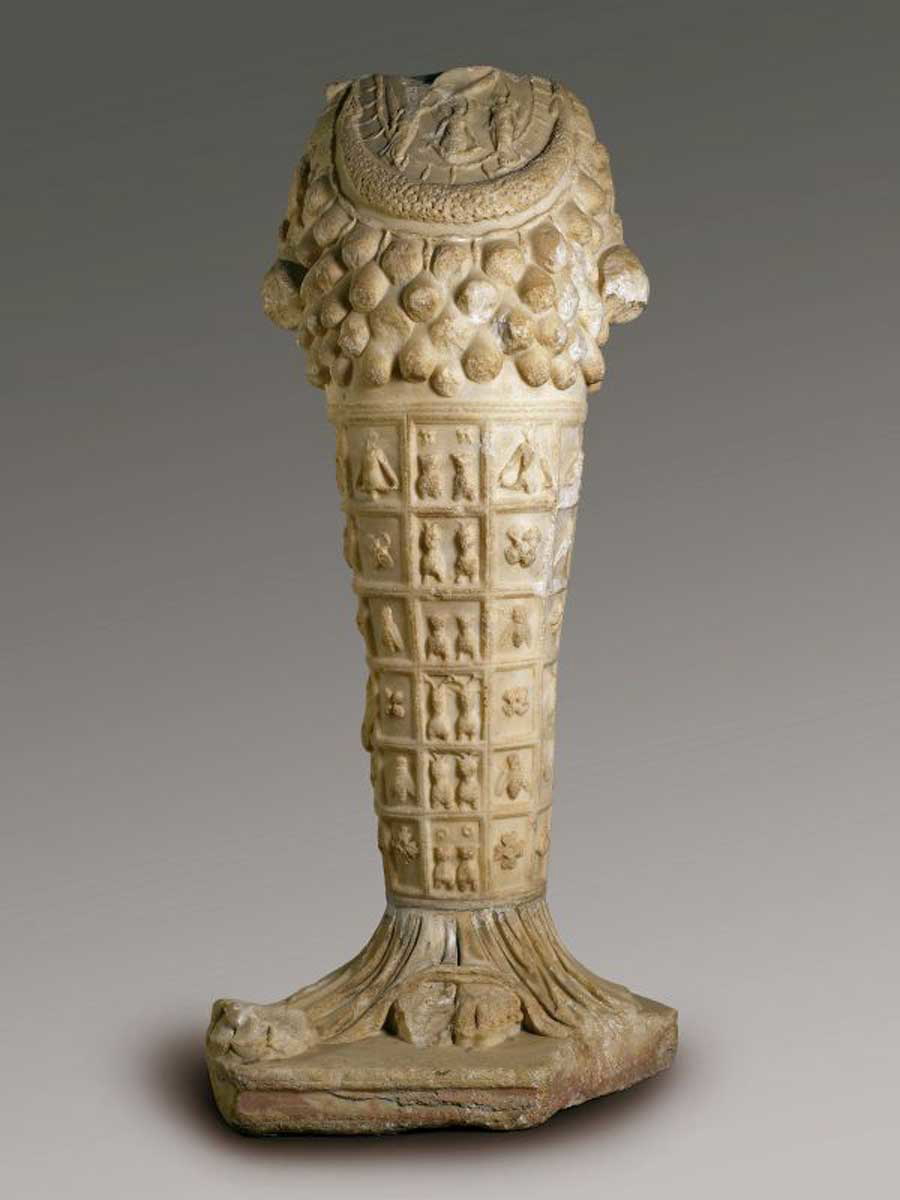
Statue of the Ephesian Artemis, 2nd century CE. Source: Israel Museum, Jerusalem
KEY FACTS ABOUT ARTEMIS
Artemis was the goddess of the hunt, wilderness, wild animals, the moon, and archery
She is the daughter of Zeus and Leto, and the twin sister of the god Apollo
Artemis is one of the three major Greek virgin goddesses (along with Athena and Hestia)
She is a protector of young girls, pregnant women, and aids in childbirth and healing
The cities on the west coast of Asia Minor sat where Greek and eastern culture met, and this is reflected in their culture and architecture, including the cult of their patron goddess. Artemis was the Greek goddess of the hunt, often depicted with her bow and accompanied by a stag. She was also the goddess of wild animals, forests, and, rather contradictorily, of both chastity and childbirth. The earliest temenos established for her worship at Ephesus may have been linked to the belief that her birthplace was nearby, on Delos (which was also sacred to Apollo).
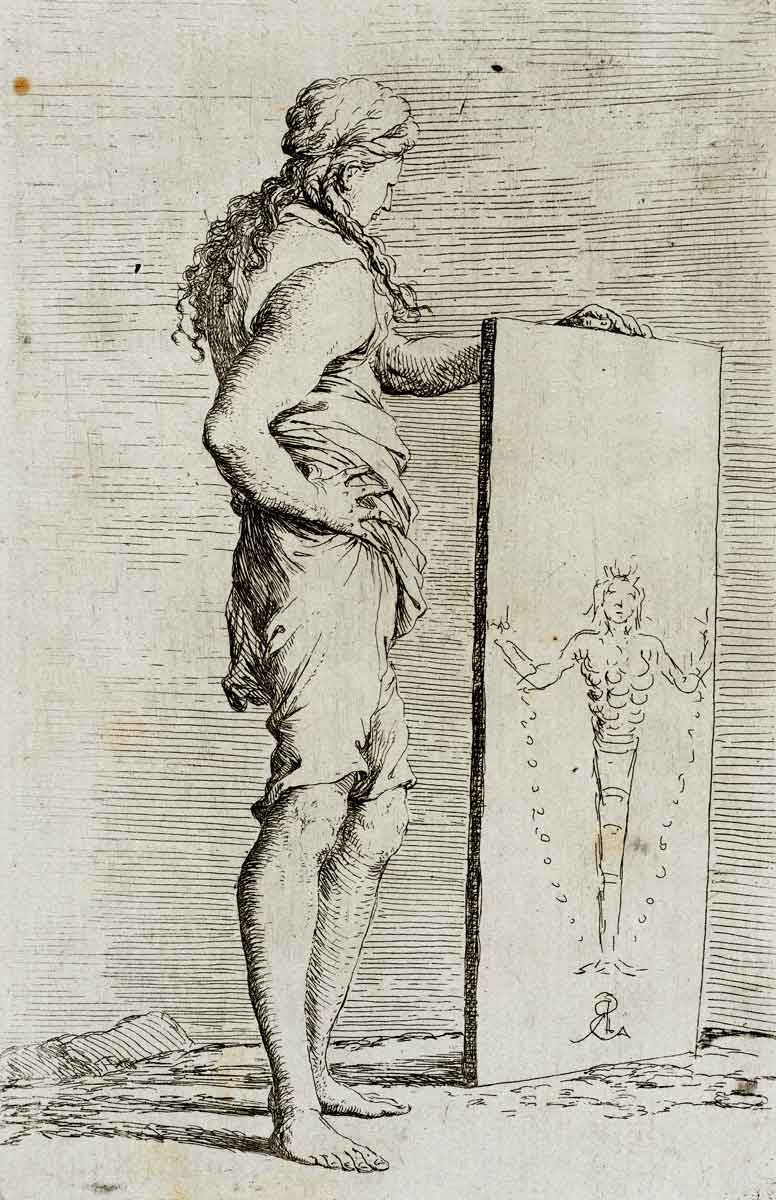
Youth with an Effigy of Diana of Ephesus, Salvator Rosa, c. 1656-57. Source: Los Angeles County Museum of Art
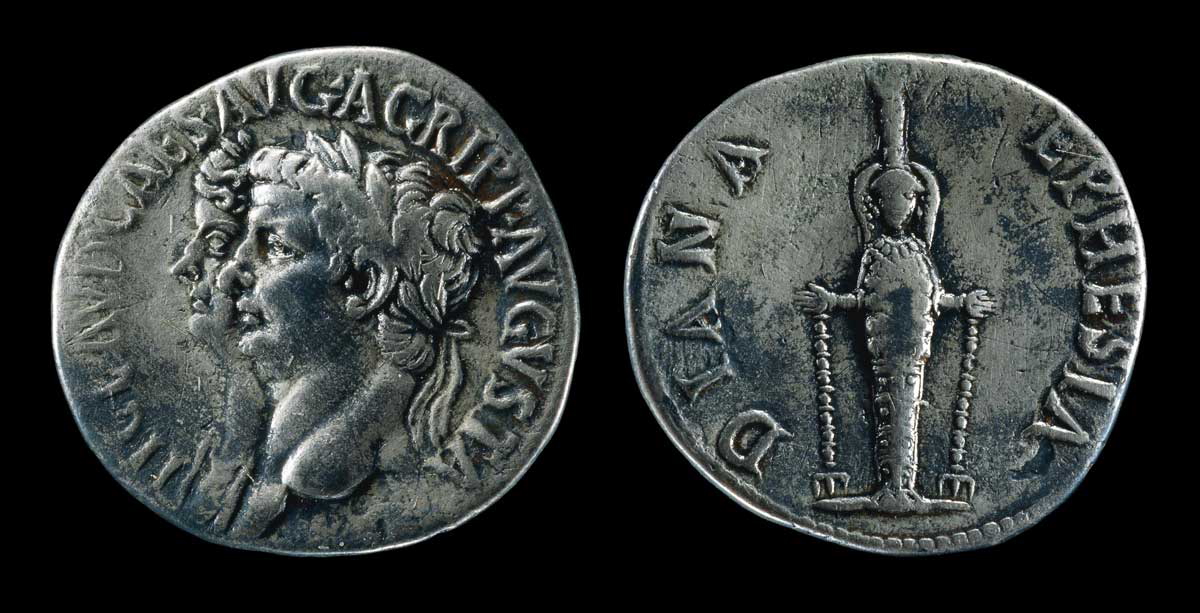
While Artemis was a Greek goddess, her cult at Ephesus showed eastern influences, borrowing features from eastern goddesses such as Isis and Cybele. On coins minted by the city, the statue of Artemis is depicted wearing a mural crown, representing the city’s walls. This is an attribute shared with Cybele, who was also viewed as a protector of cities. She was also sometimes shown covered in round objects, understood to be eggs or breasts, which identified her specifically as Ephesian Artemis. When the Romans incorporated her cult into their own religious system, as was their practice, she was often called Diana Ephesia.
The Temples of Artemis at Ephesus
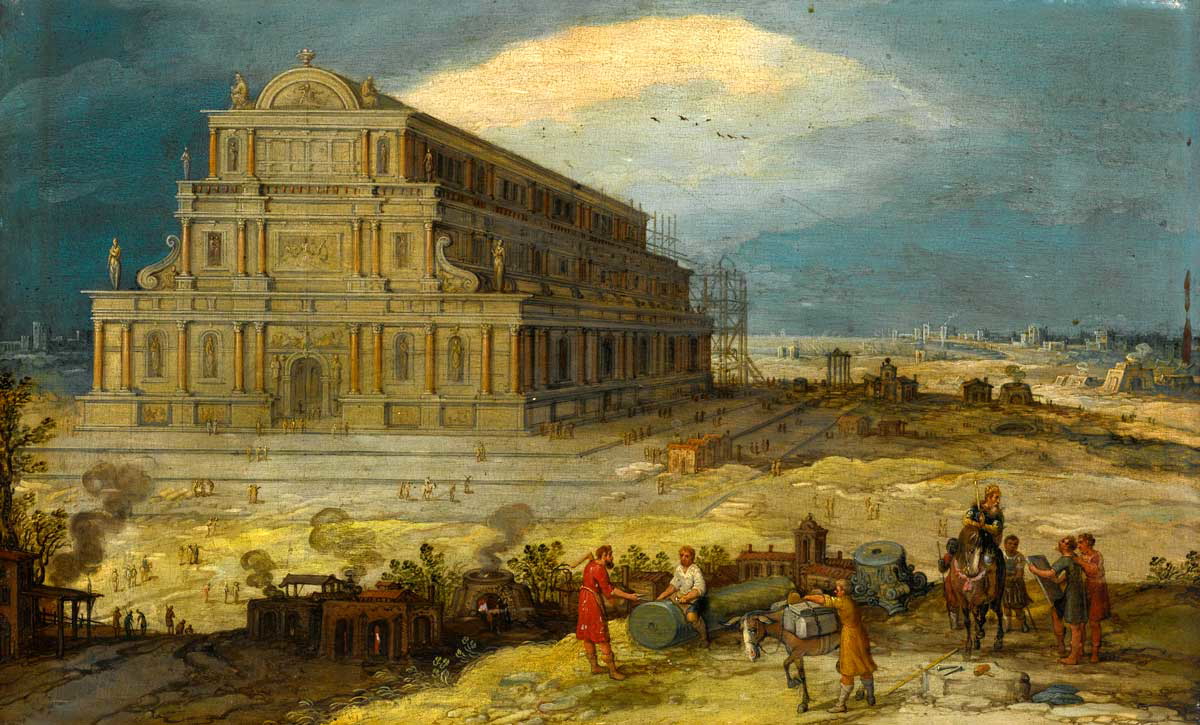
The Building of the Temple of Artemis at Ephesus, Hendrick van Cleve III, 16th century. Source: Wikimedia Commons
TEMPLE PHASES
FACTS
1st Temple
Built in the 8th century BCE by Greek colonists and destroyed by flooding in the 7th century BCE.
2nd Temple
Sponsored by King Croesus in the 6th century BCE and destroyed by fire in 356 BCE.
3rd Temple
Built by the Ephesians starting in 323 BCE and damaged by the Goths in the 260s CE.
End
Completely abandoned following the Edict of Thessalonica in 391 CE, banning pagan sacrifices.
While the first temple of Artemis at Ephesus was destroyed, her cult there was too important to lie dormant. A second temple was sponsored by Croesus, the Lydian King of notorious wealth, with work beginning from roughly the mid-6th century BCE. Archaeologists have uncovered a column drum from the site, which bears the inscription “dedicated by Croesus.” Strikingly, this appears to corroborate Herodotus’ account that the king was actively involved at Ephesus.
The new temple was of a level not yet seen in the ancient world. Croesus employed the services of the Cretan architect Chersiphron and his son, Metagenes, who oversaw the construction of a temple on an unprecedented scale. Measuring 115 meters in length and 46 meters across, it was, reputedly, the first Greek temple to have been built entirely of marble. A new cult statue was also housed within the temple. Replacing the earlier, more archaic form, this dark-wood icon was sculpted by Endaeus, according to Pliny the Elder.
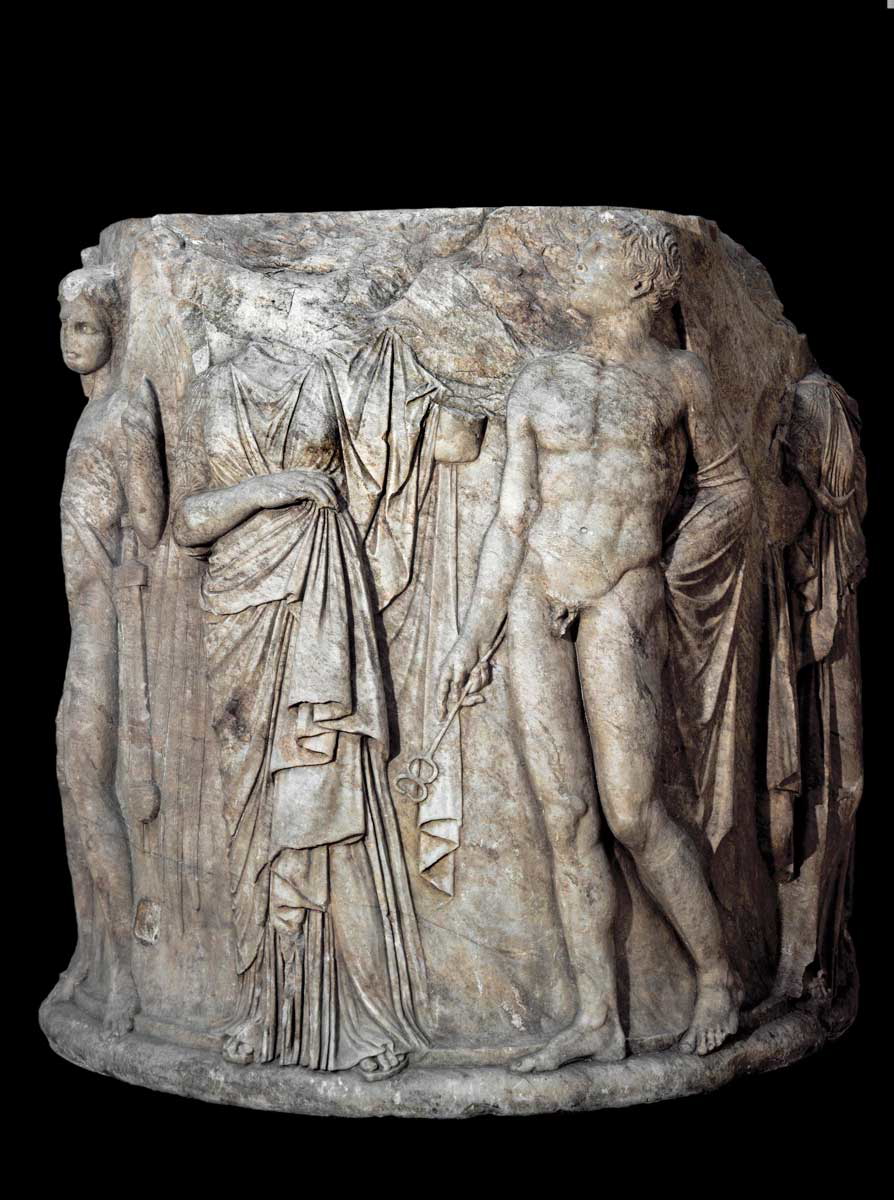
Marble column drum from the Temple of Artemis at Ephesus, perhaps showing Alcestis between Thanatos (Death) and Hermes, with Persphone (seated) and Hades, c. 340-320 BCE. Source: British Museum
This second phase of the Temple of Artemis was burned in 356 BCE, at roughly the same time as the birth of Alexander the Great. Some sources claim the temple’s destruction was caused by the gods being distracted by the birth of Alexander. Others claim that the arsonist Herostratus sought to commit a crime so great that his name would live on in infamy. He was successful in a way. Today, we have the term “herostratic fame,” which is fame won through crime and destruction.
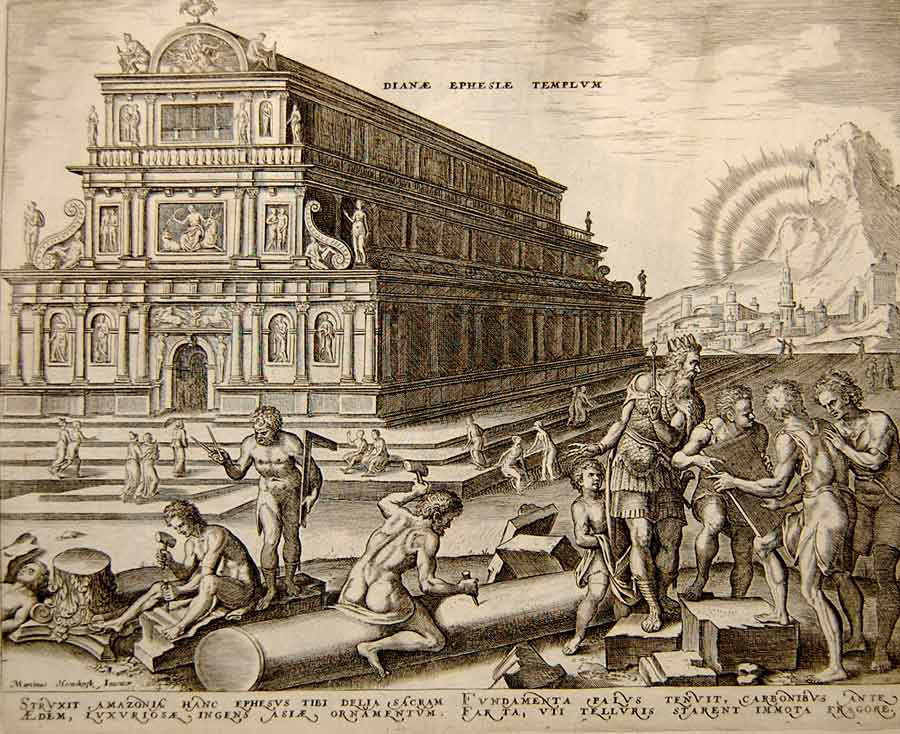
The Temple of Diana [Artemis] at Ephesus, Philip Galle, after Maerten van Heemskerck, 1572. Source: British Museum
Although Alexander the Great himself offered to fund the rebuilding of the temple in later years, the Ephesians tactfully declined. Instead, over time and at their own expense, they erected a third temple. Greater in size once again, it was this third phase that cemented the status of the Temple of Artemis at Ephesus as one of the Seven Wonders of the Ancient World. According to Pausanias, the Greek geographer of the Roman Empire, it surpassed all other buildings among men.
Emperors and Goths: Ephesus in the Roman Empire
Silver tridrachm (cistophorus) with obverse portrait of Claudius, laureate, and of Agrippina draped, with obverse image of cult status of Diana of Ephesus, 51 CE, via British Museum
Following the death of Alexander, his successors squabbled over his former territory, and Ephesus passed through several hands before the region was brought under Roman control in 129 BCE. The city’s early relationship with Rome was fractious, even siding with Mithridates during the First Mithridatic War in the early 1st century BCE, and enduring severe punishments from the dictator, Sulla, when Roman control was re-established.
View of the remains of the Library of Celsus at Ephesus. Source: Wikimedia Commons
However, the Romans favored Ephesus with Augustus, the first emperor, making the city the capital of Asia, and it became one of the largest cities in the Roman Empire. As typified by the Library of Celsus, as well as the vast theater erected in the city, Ephesus enjoyed a cultural flowering under Roman rule. An edict from 162 CE confirmed the continued importance of the Temple of Artemis, transforming her festival from a few days to a whole month over March and April. This importance persisted beyond the 3rd century CE, a period characterized by crisis.
The city and temple were ravaged by Goths in the 260s CE, but it was able to recover. In part, this was thanks to the efforts of Constantine, who instigated restorative work in the city, including the erection of new baths. Evidence for the city’s continued importance into the Byzantine period is found in the continued intervention of the emperors. In the 6th century, Justinian ordered the construction of the Basilica of Saint John, an apostle closely associated with Ephesus.
Rediscovering the Temple of Artemis
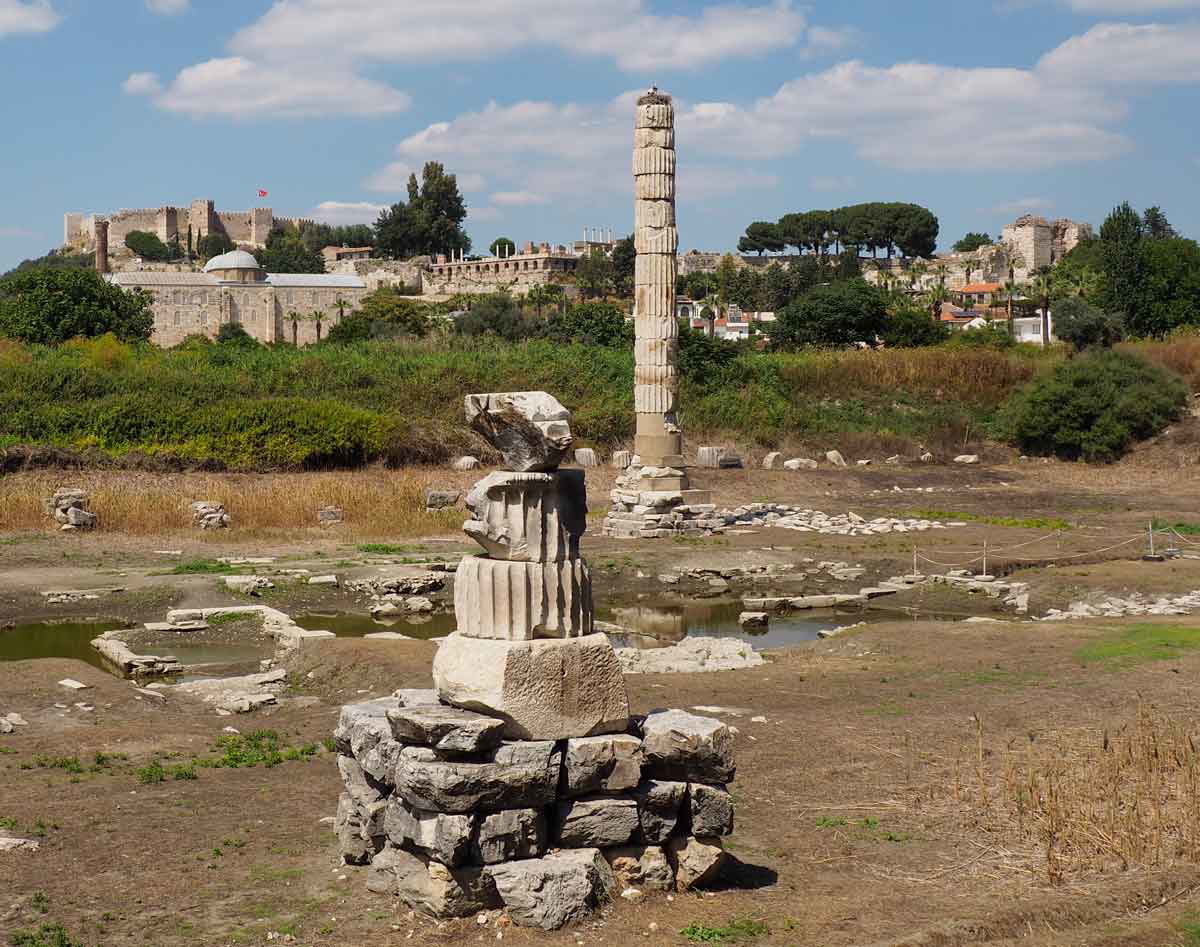
View of the temple’s site in the 21st century. Source: Wikimedia Commons
The third phase of the Temple of Artemis survived for several centuries and featured prominently in Roman and later accounts of the city. It is suggested by the 3rd-century historian Jordanes that it was burnt by a Gothic raid in 268 CE, but the extent of the damage is hard to establish.
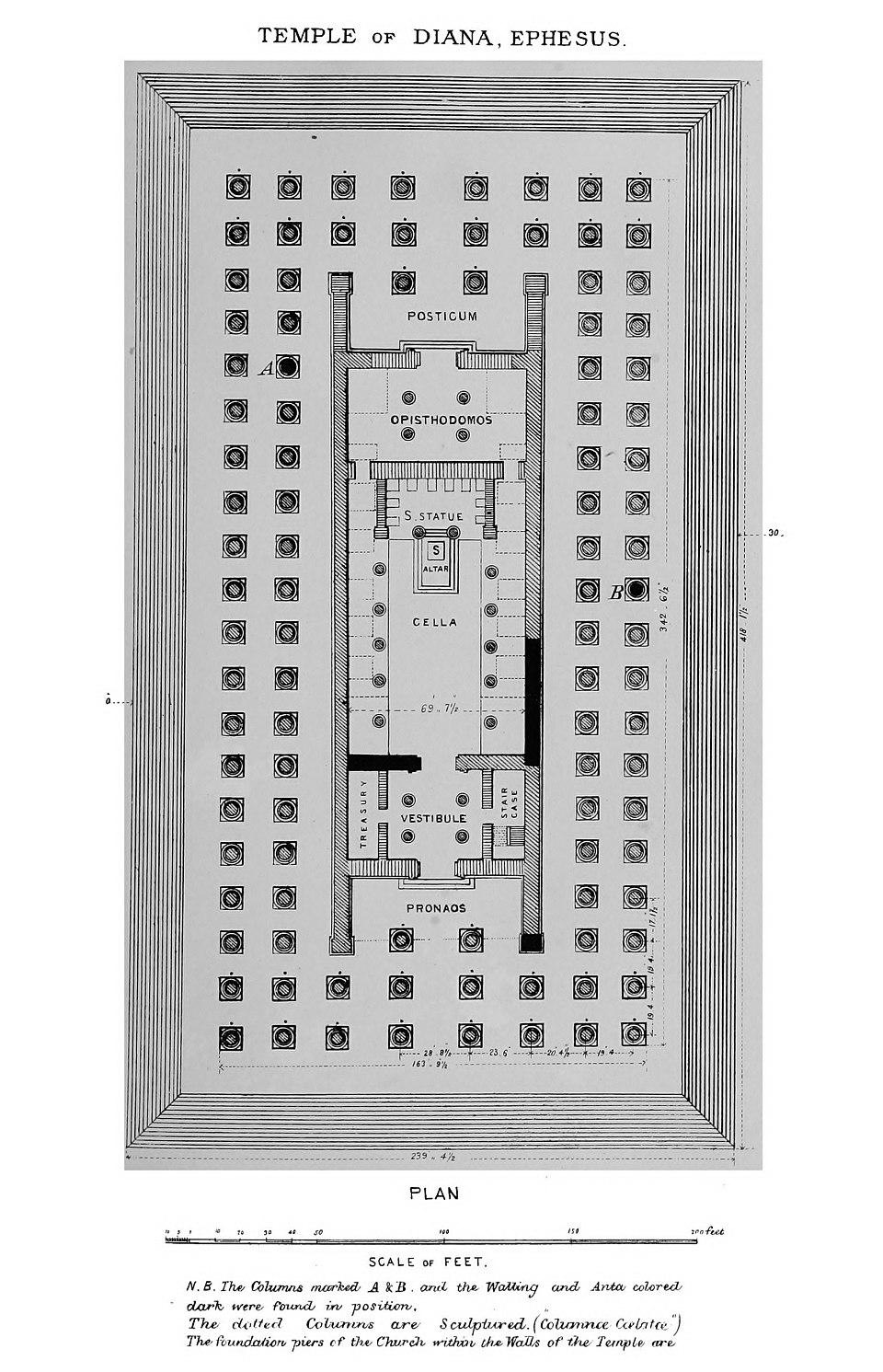
It seems that it was the Empire’s conversion to Christianity that sounded the death knell for the former wonder. Upon its destruction, much of the material from the temple was taken to be repurposed in new civic structures. In fact, certain legends even suggest that some of the columns from the temple were taken to be used in the Hagia Sophia at Constantinople, although this is surely apocryphal. It was not until the 19th century that a British expedition established the location of the temple.
Reconstructive plan of the Temple of Artemis at Ephesus according to John Turtle Wood (1877). Source: Wikimedia Commons
Today, all that remains of the once wondrous Temple of Artemis at Ephesus are its foundations. A single, rather mournful column rises over them. A composite structure, made from disparate remains, it is – in its own way – a fitting memorial to the ancient temple.
The Temple of Artemis at Ephesus was surely a wondrous structure, but to think of it as a singular temple would be to do a disservice to the rich, complex history of the monument and the wider city. Rather like the column that marks the spot today, the Temple of Artemis at Ephesus was itself a composite; an act of supreme architectural devotion, pieced together over the centuries, reassembled from destruction, and an amalgamation of disparate beliefs and cults.
FAQs
The final Temple of Artemis was supported by 127 massive Ionic columns, each standing 60 feet (18 meters) tall. According to the ancient writer Pliny the Elder, 36 of these columns were elaborately carved with reliefs at their bases, adding to the temple’s legendary grandeur.
The arsonist Herostratus was captured by the Ephesians, tortured to reveal his motive, and then executed for his crime. The Ephesians also passed a law forbidding anyone from ever speaking his name, hoping to deny him the fame he so desperately craved.
The temple housed a famous cult statue of Artemis, along with numerous valuable artworks, including paintings and sculptures by famous artists. It also functioned as a bank and a safe treasury, holding deposits for foreign kings and private individuals who sought its divine protection.
Kieren is a UK-based independent researcher with a PhD in Classics and Ancient History. His thesis explore the representation of imperial status during the reigns of the Severan emperors. He is passionate about sharing his interest in the ancient world. He is currently writing his first book.