
Angelica Kauffman was a legendary Neoclassical painter who made an astonishingly successful career at a time when women artists were barely allowed to do so. The daughter of a poor Swiss painter, she became one of the founders of the Royal Academy of Art in Great Britain and one of the most commercially successful artists of her time. She balanced her creative spirit with wise self-promotion, leaving a great legacy behind. Read on to learn seven facts about Angelica Kauffman and her work.
1. Angelica Kauffman Was a Child Prodigy
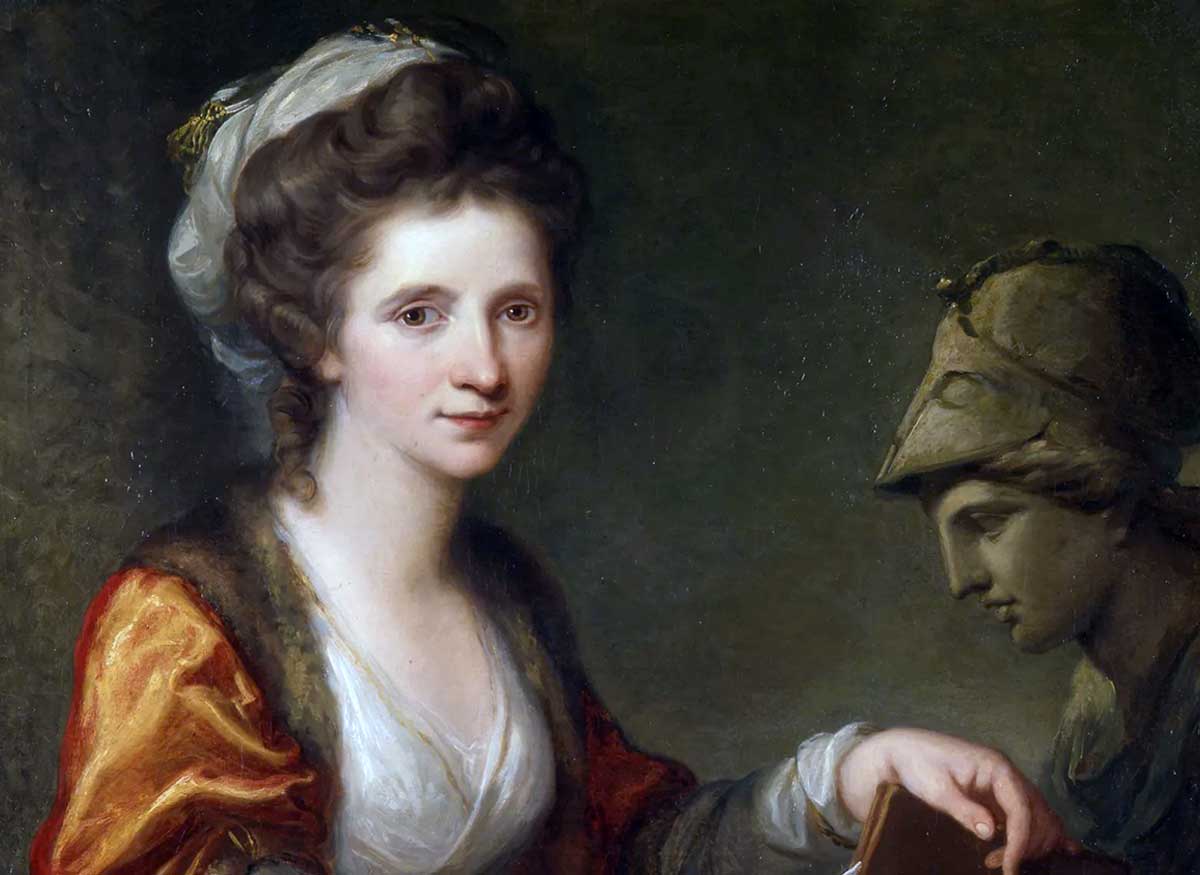
Angelica Kauffman, the legend of 18th-century painting, was born in Switzerland in 1741. Although her family was relatively poor, the environment was still perfect for her developing creative spirit. Her father was a provincial painter who recognized his daughter’s talent already in her early childhood. He took the girl to his studio, teaching her how to draw and paint. By the age of thirteen, Angelica Kauffman already created astonishing painted works, the level of which corresponded more closely with the works of mature artists. At the same time, she demonstrated great interest in music and was torn between the two possible careers. According to a legend, she consulted a local priest who warned her that a career as a performer could harm the reputation and morals of the young Catholic lady.
Kauffman’s father was eager to develop his daughter’s talent and took her to Italy to observe and copy the works of the Old Masters. She worked in Rome, Naples, Florence, and Bologna, attracting significant attention everywhere since women, let alone young girls, rarely had opportunities to learn in such a manner. In Italy, she started to earn her first painting commissions while still a teenager.
2. She Painted Innovative Self-Portraits
In the mid-1760s, the fame of the young and gifted woman artist traveled from the continent to Great Britain. Invited by the British ambassador to Venice, Kauffman soon moved there and established a studio. She quickly gained prominence and made important friends. One of her closest confidantes was the famous portrait painter Joshua Reynolds. Rumors spread about their possible romantic affair, but historians have no reasons to suspect anything other than a close friendship.
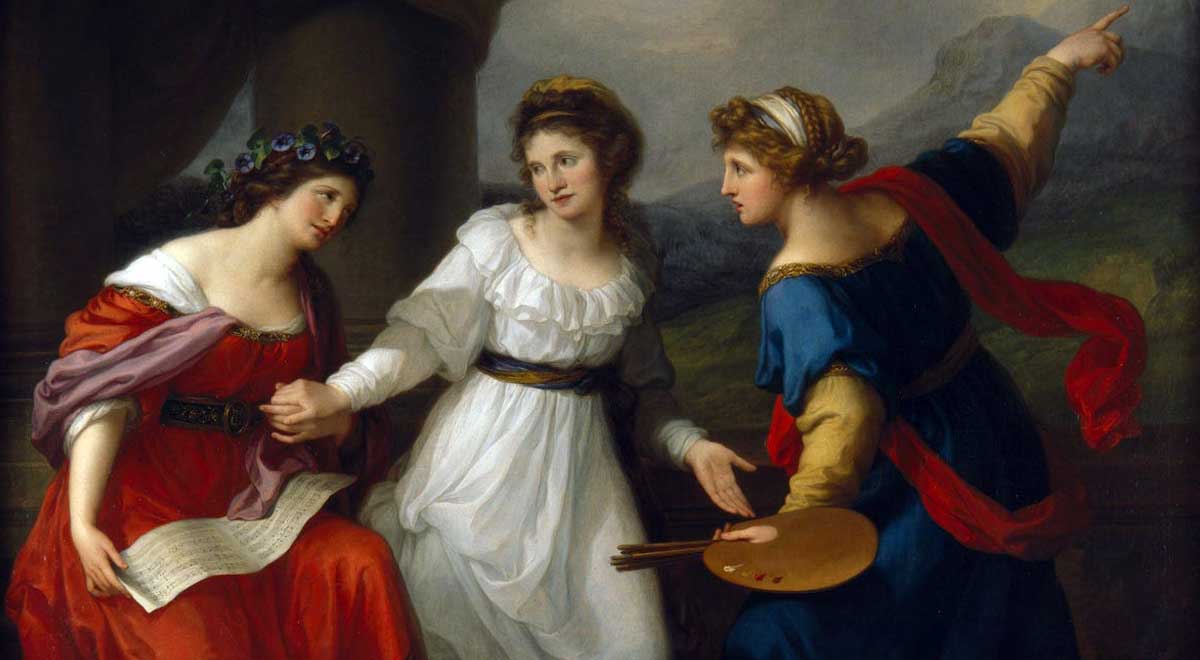
From the start of her career, she created a lot of self-portraits that depicted the development of her artistic skill and self-perception as an artist. She often painted herself with a portfolio and a brush or crayon in her hands. Such pose was often used to depict amateur women painters, but Kauffman had no intention to diminish her importance as an artist. Instead, she refused to distance herself from those women who were less lucky and did not manage to secure a full-time career due to restrictions and responsibilities. In her allegorical works, she often painted female characters as writers or artists at a time when such occupations were rarely available to them.
3. She Worked With Various Forms and Genres
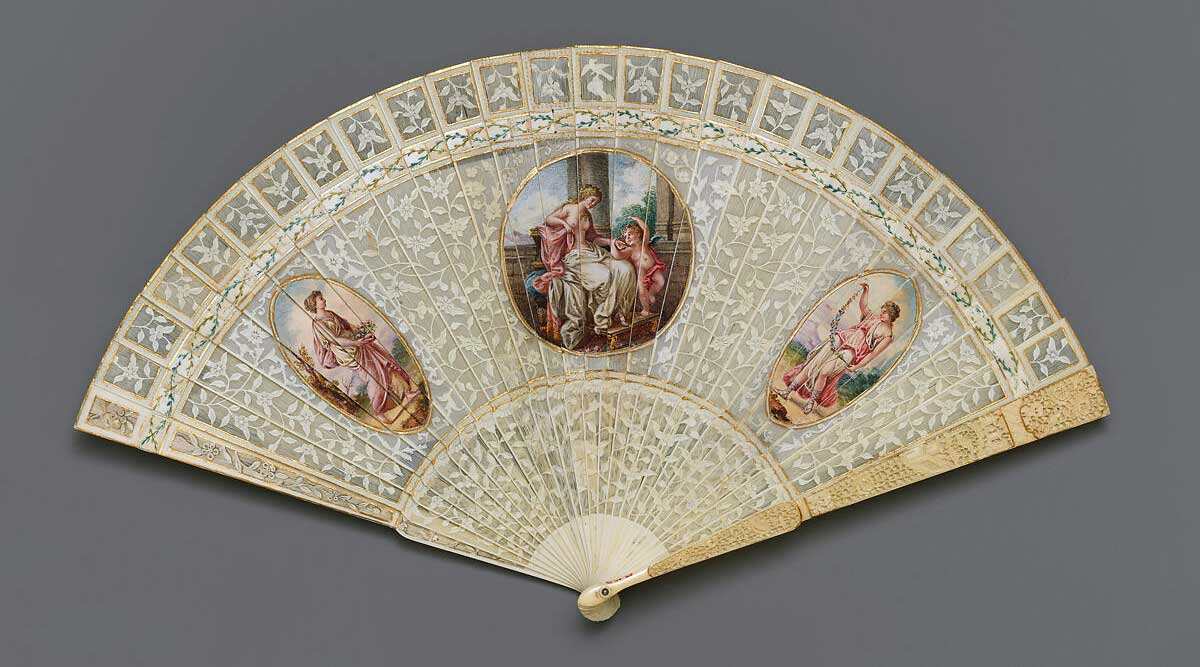
Unlike many other artists who specialized in one particular painting genre, Angelica Kauffman was a flexible painter, confident in her abilities. Although she was best known as a portraitist, she worked with allegories and mythological scenes. However, the boldest of her accomplishments was history painting—the most prestigious genre, reserved exclusively for men. Kauffman’s training in Antique and Classical art provided her with the perfect background to paint battle scenes and events of the past.
From a commercial point of view, she was also good at promoting her work. Kauffman worked closely with several printmakers and art dealers, creating wall decor, textile designs, and ceramics. She did not limit herself to her personal artistic ambition; she carefully studied the market and was ready to produce works corresponding to popular demand. Kauffman’s papers and receipts were kept in order first by her father, who worked as her manager, and then by her second husband, an older decorative painter who was eager to promote Kauffman’s career.
4. She Got Married Twice
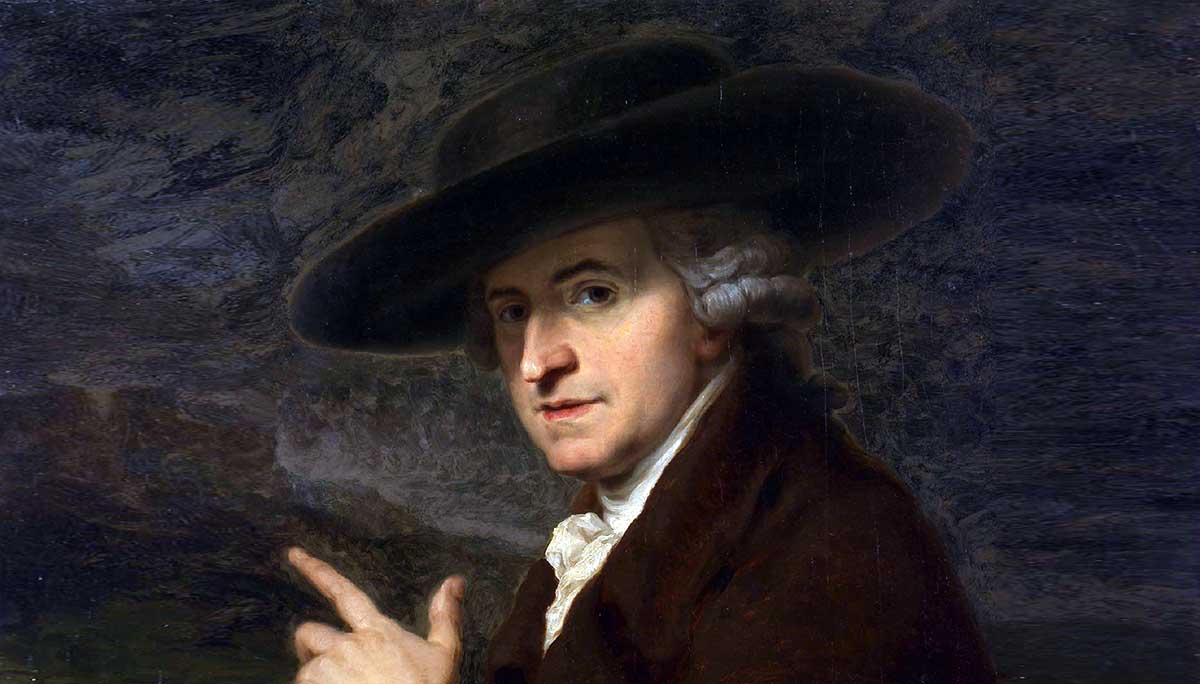
Kauffman’s personal life became the subject of many myths and rumors. Some art historians believe that the nature of her relationships and marriages was the reason for her status as a prominent artist. Many other aspiring women artists became trapped in the duties of household and motherhood.
Angelica Kauffman got married for the first time in 1767 when she was 26 and recently moved to London. The marriage was a disaster that quickly turned into a scandal: her husband, Swedish Count Frederick de Horn, was not a count but an imposter, married to another woman in Germany. His main motivation for marrying Kauffman was to secure legal reasons to remain in Britain.
Months after the marriage, the fake Count revealed his scheme to his new wife. Eager to get rid of the scammer, Kauffman’s father paid him to leave his daughter as soon as possible, and the marriage was soon annulled. The scandal of the illegal marriage allowed Kauffman to remain single for the following decade, focused on her career. Rumors of her affairs still lingered: some said she had a short-term relationship with the French revolutionary Jean-Paul Marat, and others speculated that her longtime friend Reynolds proposed to her but was rejected. In 1781, she married an Italian painter called Antonio Zucchi, who helped her manage her career.
5. She Was a Founder of the Royal Academy of Arts
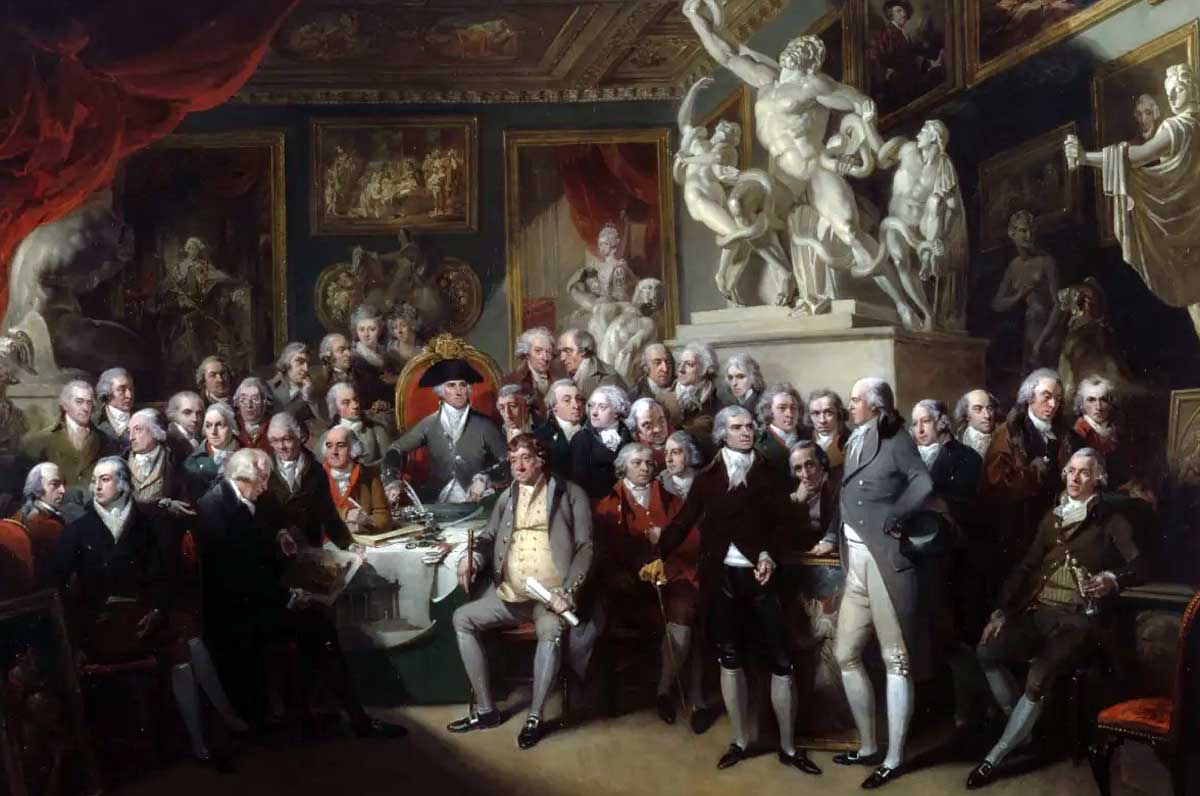
One of the most significant accomplishments of Angelica Kauffman was her role in establishing the Royal Academy of Arts. As an artist in high demand, Kauffman kept close ties with the Royal family—this connection for sure helped her maintain her social status after her messy and scandalous divorce. In 1768, she approached King George III with the idea of establishing an institution that would oversee artistic training and production to develop British art. In December of the same year, the King officially established the Royal Academy of Arts, with Kauffman and still-life painter Mary Moser being the only two women out of 34 founding members.
Joshua Reynolds was appointed the Academy’s president. Other founding members included Thomas Gainsborough (who would soon refuse to exhibit there after a scandal), Nathaniel Hone, Thomas Sandby, and others. Generally, the Academy was supportive and respectful towards Kauffman and Moser, yet glimpses of inequality and disrespect still occasionally sparked. The 1772 painting by Johan Zoffany featured 32 Academy founders in one room, surrounded by Antique sculptures and nude models. The two remaining founders, Mary Moser and Angelica Kauffman, were present only in the form of portraits hung on the wall, acknowledged but not allowed to be present.
6. Her Rome Studio Became a Tourist Landmark
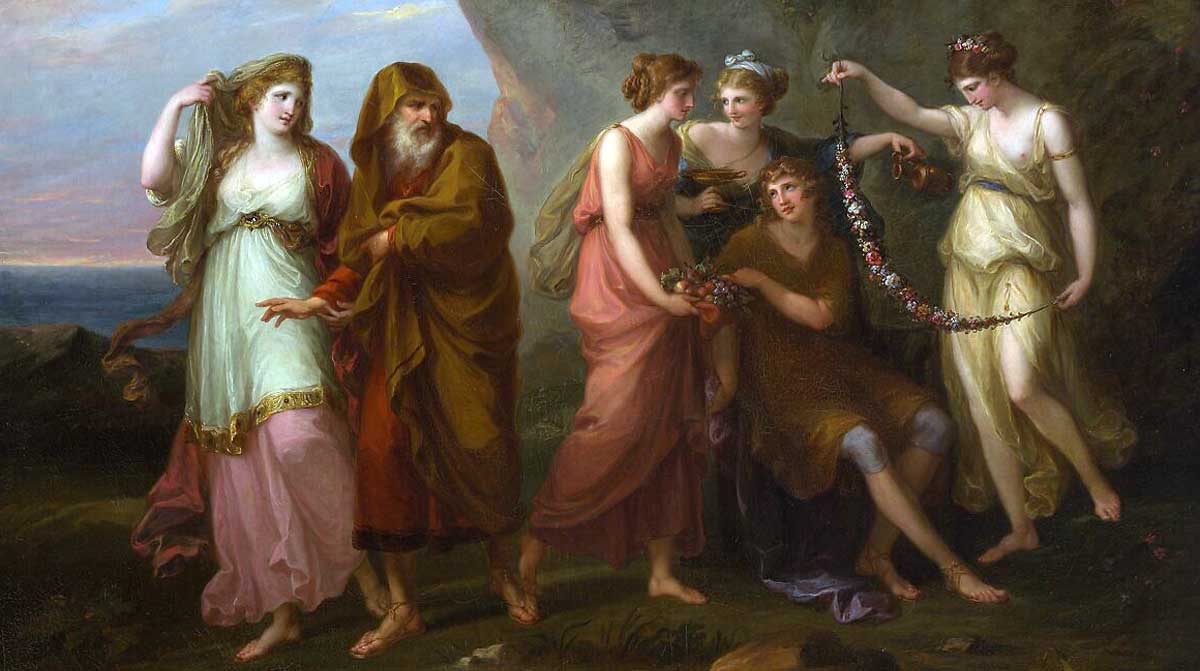
Kauffman’s popularity was astonishing not only for a woman painter but for any artist of her time. The only artist who was paid more than Kauffman was Joshua Reynolds, who also worked with portraits of the British elite. In the 1780s, she moved to Rome, hoping to attract more attention to her history paintings rather than portraiture.
During the 18th century, upper-class young men often went on the so-called Grand Tour to finish their education. The Grand Tour was a long trip through Europe that proved that the young man was sophisticated and knowledgeable enough to enter society. The trip itinerary varied slightly depending on the person, their financial means, and interests, but there was always the focus on Italy with its Roman ruins and Old Master paintings.
Kauffman’s studio in Rome became so famous and popular that it became one of the top Grand Tour destinations in the city. She still communicated with the Academy from Italy, sending works for their exhibitions. Known as an educated, smart, and charming woman, she led a busy social and cultural life, attending meetings at poets’ and artists’ societies. There, she befriended Johann Wolfgang Goethe and the famous architect Antonio Canova.
7. The Dark Side of Angelica Kauffman’s Fame
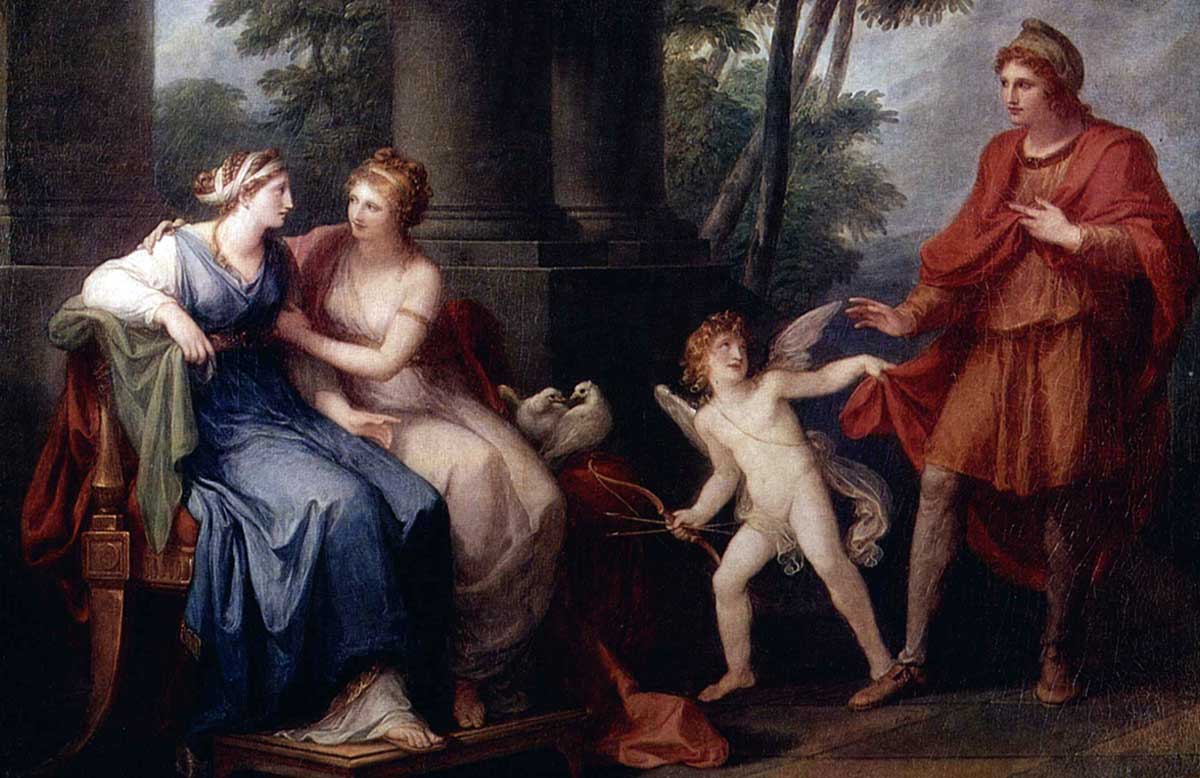
The artist passed away in 1807, and Canova directed her funeral and designed her tombstone. In the years following her death, Angelica Kauffman’s staggering popularity eventually became her downfall. After several years of universal appraisal of everything related to her, the mass obsession reached its peak and plummeted. The art market became oversaturated with cheap reproductions that did no justice to the original paintings.
After Kauffman became unable to fend for herself, her artistic accomplishments gradually diminished. Critics complained about the “feminine sentimentality” of her works and the lack of “masculine” assertiveness and a strong hand. While hardly anyone dared to question Kauffman’s abilities during her lifetime, she was dismissed as too gentle and amateur after her death. Her work was rediscovered in the 20th century, and Kauffman was finally appreciated as an innovative and talented artist once again.