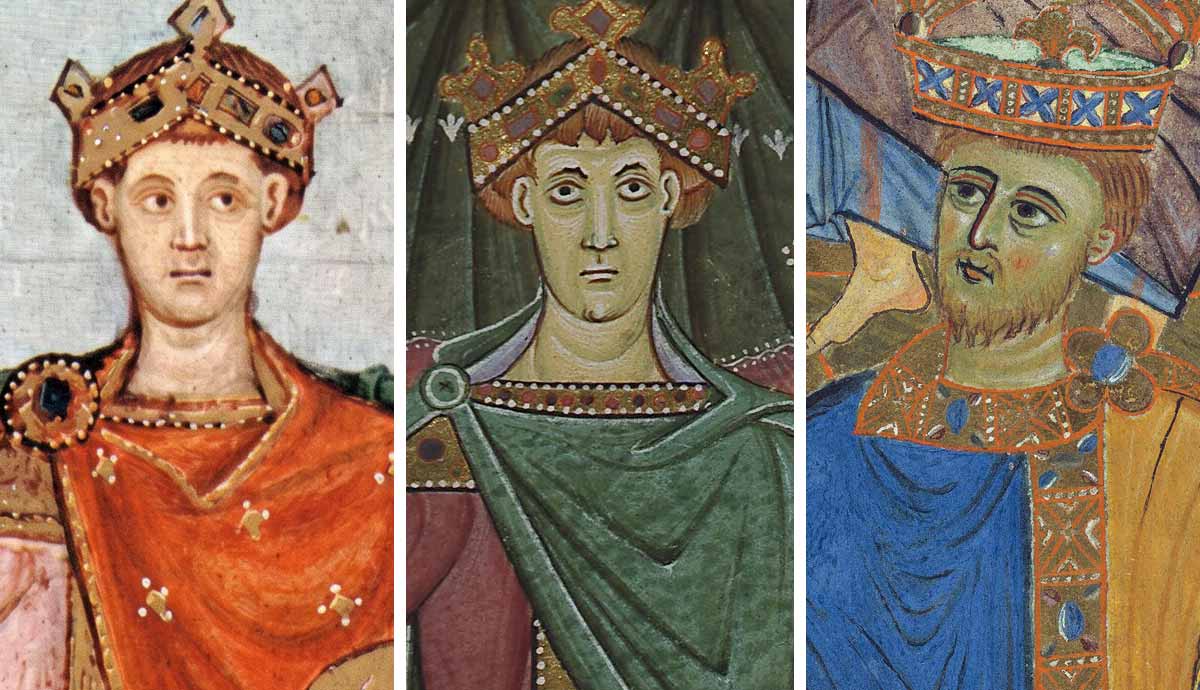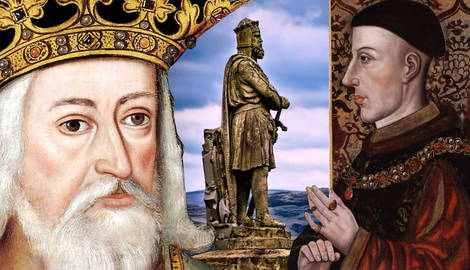

Throughout the medieval era, many factors determined how successful a king was. For instance, if a ruler was successful in warfare, he was guaranteed to be remembered as a great medieval king. In addition, if a king was pious, or deeply religious, he was also considered a success; speaking out against a senior religious figure would have been almost on par with blasphemy. These five medieval kings below fit the criteria, and that is why they have made the shortlist of the greatest medieval kings of all time.
1. The Medieval King Who Took the Cross: Richard I of England (1189-99)
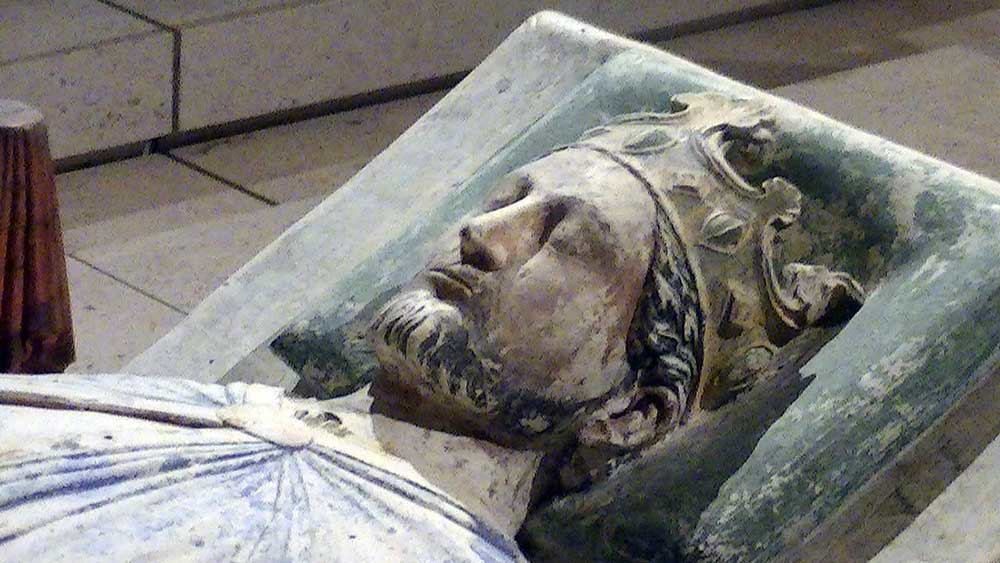
Richard I of England, better known as Richard the Lionheart, was king of England for just ten years, from 1189-99. Yet he is still one of the most famous medieval kings of all time. Born on the 8th of September 1157, Richard was the eldest surviving son of Henry II of England and his wife, Eleanor of Aquitaine. During his early childhood, Eleanor and Henry had become estranged from one another, and as a result, Richard spent the majority of his early years in France with his mother. Richard spoke French and became accustomed to French culture. In 1172, he was made Duke of Aquitaine and became acquainted with the French heir to the throne, Philip Augustus.
By 1180, Philip had been crowned as King Philip II of France, and just seven years later, the pair’s friendship would be put through a serious test: the onset of the Third Crusade. Richard was the first European noble to “take the cross” — a term given to those who had given their crusading vows to recover Jerusalem for Christendom and take it out of the Muslim Saladin’s hands.
However, Richard was unable to go out on crusade as soon as he wanted to. His father had died, and Richard was thus crowned as King Richard I of England — which delayed his crusading journey. He did not actually set out on crusade until July 1190 — ten months after his coronation as king of England. Both Richard and Philip set out on crusade together; two huge medieval kings going to fight for their countries was a sight admired by many in both England and France.
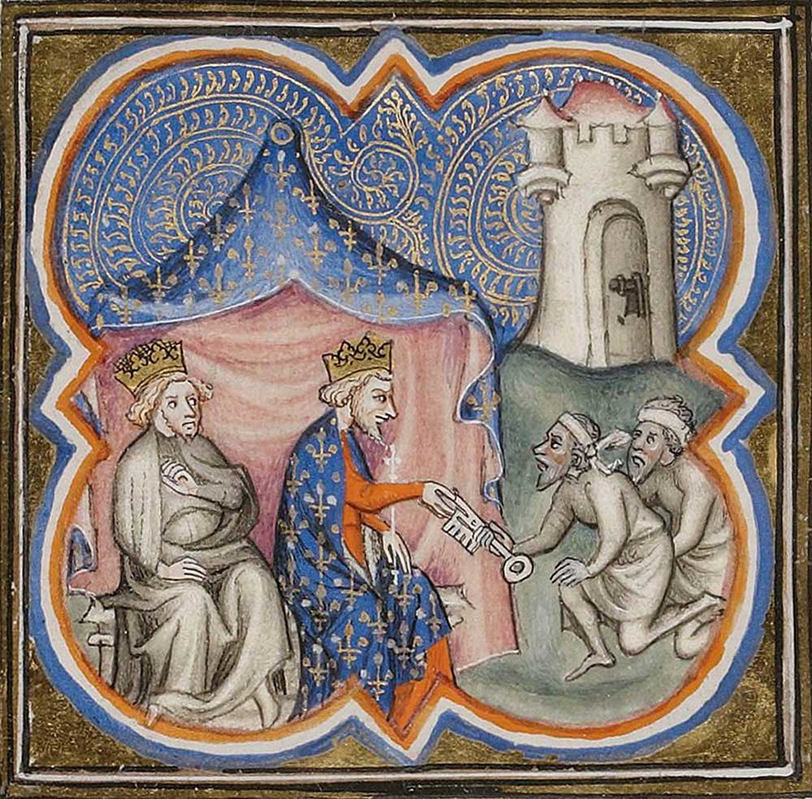
Richard also made important alliances across Europe on his way to the Holy Land — something pivotal to the success of any medieval king. Arguably the most important was his marriage to Berengaria of Navarre in Cyprus, in May 1191. She was the daughter of King Sancho VI of Navarre.
Upon arriving on the coast of Acre, Richard took part in the famous Siege of Acre, recapturing the coastal city for the crusaders. However, he never managed to recapture Jerusalem. Yet this does not mean that this crusade was not a success. The Treaty of Jaffa (which Richard signed with Saladin on the 2nd of September 1192) ensured that Christians would be granted safe access to Jerusalem, and granted all territory between Jaffa and Tyre. They may not have captured Jerusalem, but they captured huge amounts of important territory.
Richard was later captured by Henry VI, the Holy Roman Emperor, on his way back from the Holy Land and imprisoned in Trifels Castle in Germany between December 1192 and February 1194. Fortunately, in his absence, Richard had promoted Hubert Walter (a royal advisor) to Archbishop of Canterbury, and he ran England smoothly, even quashing a rebellion from Richard’s younger brother, John. Walter also managed to raise 100,000 marks — enough to pay Richard’s ransom.
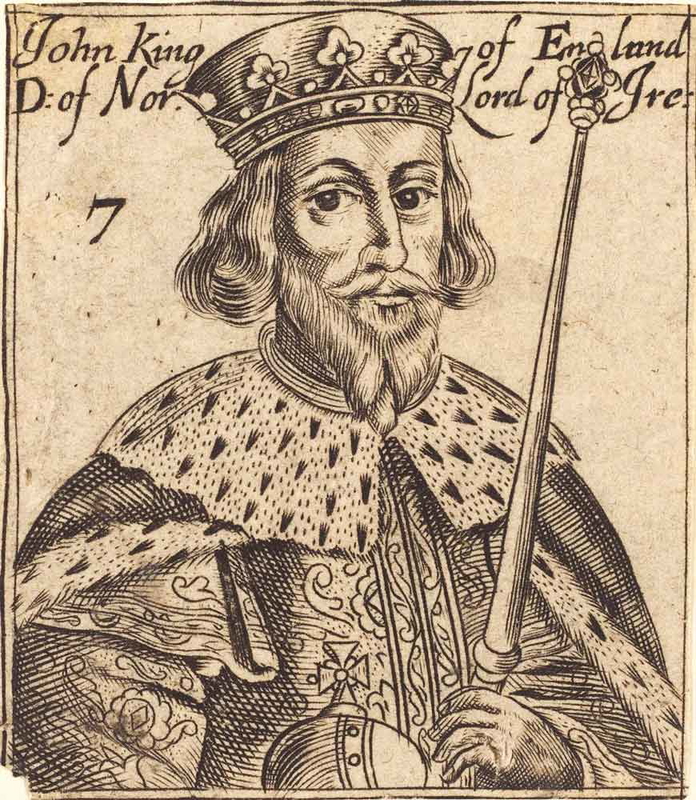
Richard returned to England in March 1194 and forgave John for his rebellions. However, he did not stick around and was back on the Continent by June of the same year. Unfortunately for Richard, just five years later, he was shot by an arrow in France, the wound became gangrenous, and he died on the 6th of April 1199.
Richard’s legacy as a king is certainly one of a crusader, rather than an English king. He may have been king of England, but that was in name only; he only spent 6 months of his 10 year reign in England. Richard definitely deserves a place on this list as he achieved far more in warfare and territory terms than many of his predecessors who are also regarded as good kings did, such as William I (r. 1066-88) and Henry II (r. 1154-89). Moreover, Richard’s reign was a period of relative peace with Scotland, something many of his successors failed to achieve.
2. The Saintly Ruler: Louis IX of France (1226-70)
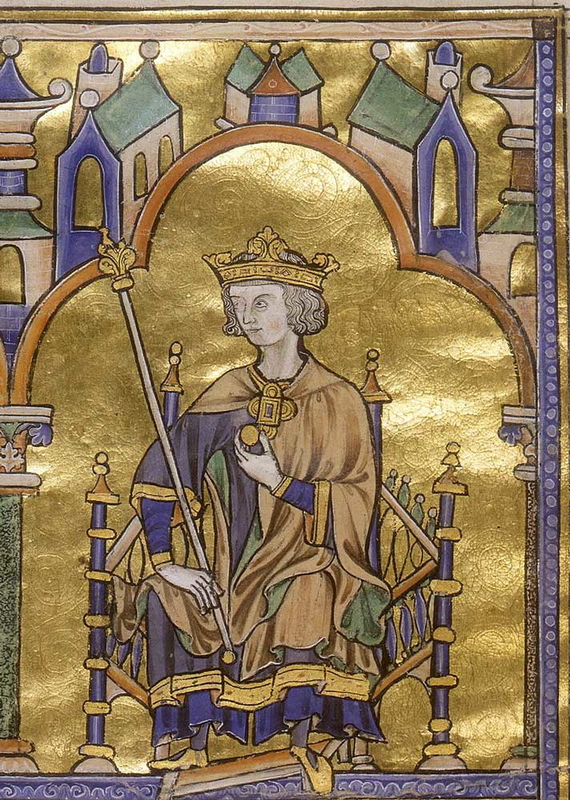
Louis IX of France is the only king on this list who was canonized. He was canonized by Pope Boniface VIII in 1297, and was the only French monarch to become a saint. He is often regarded as the ideal Christian monarch.
Born on the 25th of April, 1214 near Paris, Louis was the son of King Louis VIII of France (also known as Louis the Lion) and his wife, Blanche of Castile (who was a daughter of King Alfonso VIII of Castile). Louis was only two years old when his grandfather, Philip II, died, and only 12 when his father died. He was crowned that same year, and it is thought that his deeply religious nature came from his mother, who, while ruling in his minority, was reported to have told him:
“I would rather see you dead at my feet than that you should ever commit a mortal sin.”
It is thought that Louis started ruling in his own right by about 1234, which was when he married Margaret of Provence. It was also at this time that Louis’ mother became jealous, and tried to keep the couple apart as much as possible. However, this was not very successful as the couple reportedly had a happy marriage, producing 11 children together.
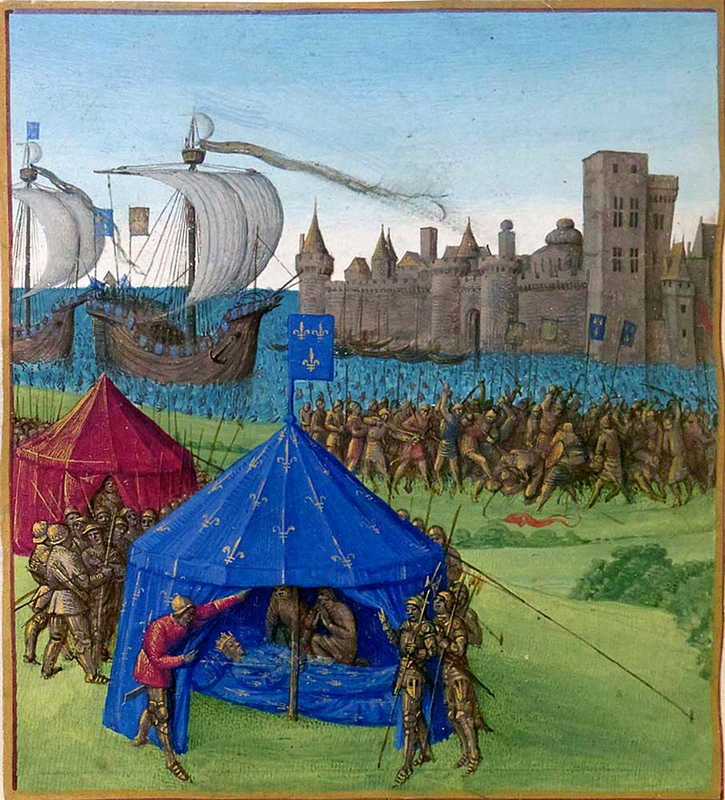
The main feature of Louis’ reign was that he was heavily involved in crusading, going on two separate crusades: the Seventh Crusade in 1248 and the Eighth Crusade in 1270. The former was a disaster for the crusading movement. Arriving in Egypt in early June 1249, the crusaders began their campaign with the capture of the port of Damietta. Unfortunately, the Ayyubid Sultanate knew the territory much better than the crusaders, and the seasonal rising of the Nile River and scorching hot summer temperatures made it impossible for the crusaders to advance. However, on 8 February 1250, Louis lost the Battle of Al Mansurah, where he was captured by the Egyptians.
His release was negotiated, and he spent the following four years in the Kingdom of Jerusalem. It was during this period that Louis used his wealth to help rebuild the crusader states which had been damaged by previous crusading ventures. In addition, he also conducted diplomatic missions with Islamic representatives. He returned to France in the spring of 1254. Throughout the late 1240s and 1250s, Louis was in contact with the Mongol Khans, including Güyük Khan, a grandson of the legendary Mongol leader, Genghis Khan.
On the 24th of March 1267, at a parliament held in Paris, Louis and his three sons took the cross to set out on the Eighth Crusade. The crusaders arrived at Carthage on the 17th of July 1270 but disease had already broken out in the camp. Louis himself died of dysentery on the 25th of August 1270.
Saint Louis certainly deserves a place on this list: he was the only French king to be canonized, and his pious nature did not stop him from going on a crusade. It is also important to note that success in warfare does not necessarily denote a successful medieval king — Louis was the epitome of a Christian medieval king.
3. Hero of the Scots: Robert I of Scotland (1306-29)
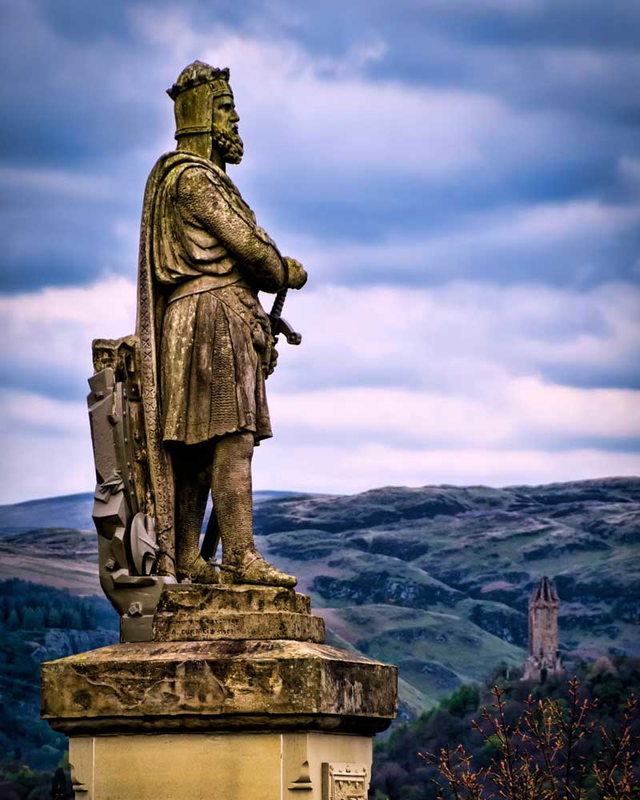
You may be forgiven for thinking you have not heard of Robert I of Scotland, but that is because he is much better known as Robert the Bruce. Robert’s claim to the throne came from the fact he was the fourth great-grandson of King David I of Scotland (r. 1124-53), and his claim came about during the period of Scottish history known as “the Great Cause” — when Margaret, the Maid of Norway, had died aged just 6 in 1290 and there was no direct heir to the Scottish throne.
Bruce had been heavily involved in the First War of Scottish Independence against England, which had been raging on since the English invasion of Scotland in 1296. Initially, the war had been fought with William Wallace (known as Braveheart) until his capture and eventual execution by King Edward I of England (who was known as the “Hammer of the Scots”).
After submitting to Edward I in 1302, Robert Bruce inherited his family’s claim to the throne upon his father’s death, but moved quickly and seized the throne for himself in 1306. He was shortly after defeated by Edward I’s forces at the Battle of Methven in 1306, and was forced to go into hiding. However, this did not last for long. Edward I died a year later and was succeeded by his militarily incompetent son, Edward II. Bruce re-emerged from hiding and soundly defeated English forces at the Battle of Loudoun Hill on the 10th of May 1307. This was just the beginning of Bruce’s victories against the English.
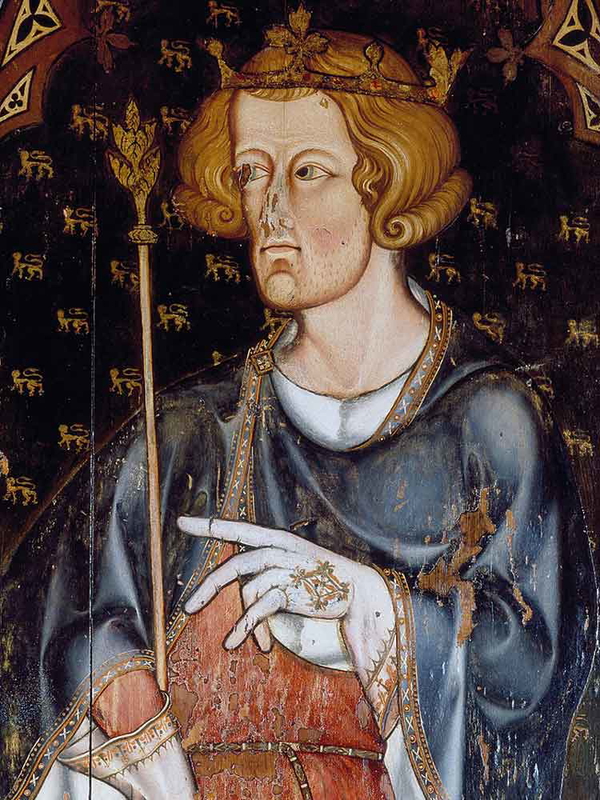
However, it was not until 1314 that Bruce really established himself as a true Scottish national hero, and one of the greatest medieval kings of all time. Facing a far numerically superior English force at Bannockburn on 24 June 1314 (Bruce’s force of approximately 6000 soldiers was up against Edward II’s army of 20,000), something had to go in his favor. The Scottish forces successfully forced the English army back into the Bannock stream, where many of them drowned in their heavy armor. The result was a disaster for Edward II, but a huge morale boost for Scottish forces and Bruce.
In 1320, the Declaration of Arbroath was submitted to Pope John XXII, which acknowledged Robert as King Robert I of Scotland, king of an independent kingdom. Two years later, Bruce raided England again and defeated English forces at the Battle of Byland Abbey. This was a turning point in Scottish warfare, as they had formally surpassed the English with their military techniques; they had ditched the traditional warhorse for more footsoldiers, resulting in a quicker and more efficient victory.
By 1324, Pope John XXII had acknowledged Robert as king of Scotland, and Scotland as an independent kingdom. Edward II died a broken man in 1327 after being deposed in favor of his son, Edward III. The new king recognized Robert’s independence, and concluded it in the Treaty of Edinburgh-Northampton in 1328, by renouncing all claims over Scotland.
Robert the Bruce died the following year, to be succeeded by his son, King David II. Not only is Robert I recognized as one of Scotland’s greatest medieval kings (or greatest king, in fact), but he is generally recognized as one of the greatest medieval kings of all time. To this day, he is still regarded as a Scottish national hero and has been portrayed in numerous books, films, and stage adaptations, most recently in the 2018 film, Outlaw King.
4. Military Mastermind: Edward III of England (1327-77)
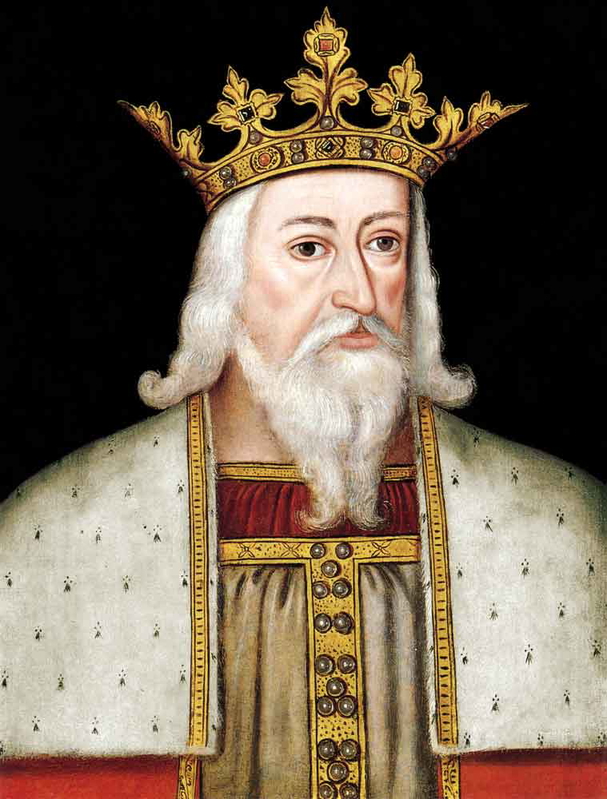
Although only briefly part of Robert the Bruce’s reign, King Edward III really came into his own from the 1330s onwards. Born to Edward II and Isabella on the 13th of November 1312, Edward grew up under the protection of his mother and her lover, Roger Mortimer. Upon Edward II’s deposition, Isabella and Mortimer had seized power for themselves, and Mortimer clearly saw the teenage Edward as a threat to what he deemed his rightful seat. However, by 1330, Edward and a band of trusted companions snuck into Nottingham Castle via an underground tunnel on the night of the 19th of October, surprising Mortimer and having him arrested. He was then executed, and Isabella was sent to live in relative comfort but essentially under house arrest for the rest of her life. Edward III was finally ruling in his own right.
Like his father, Scotland greatly concerned him. However, with the young David II sitting on the throne after the death of Robert the Bruce in 1329, Edward had the upper hand. He defeated David’s forces at the Battle of Dupplin Moor (11 August 1332) and then at Halidon Hill (19 July 1333), thanks to the introduction of the longbow into English warfare. Before the majority of the Scottish army had even reached the English forces, they had been slaughtered thanks to the archers with longbows.
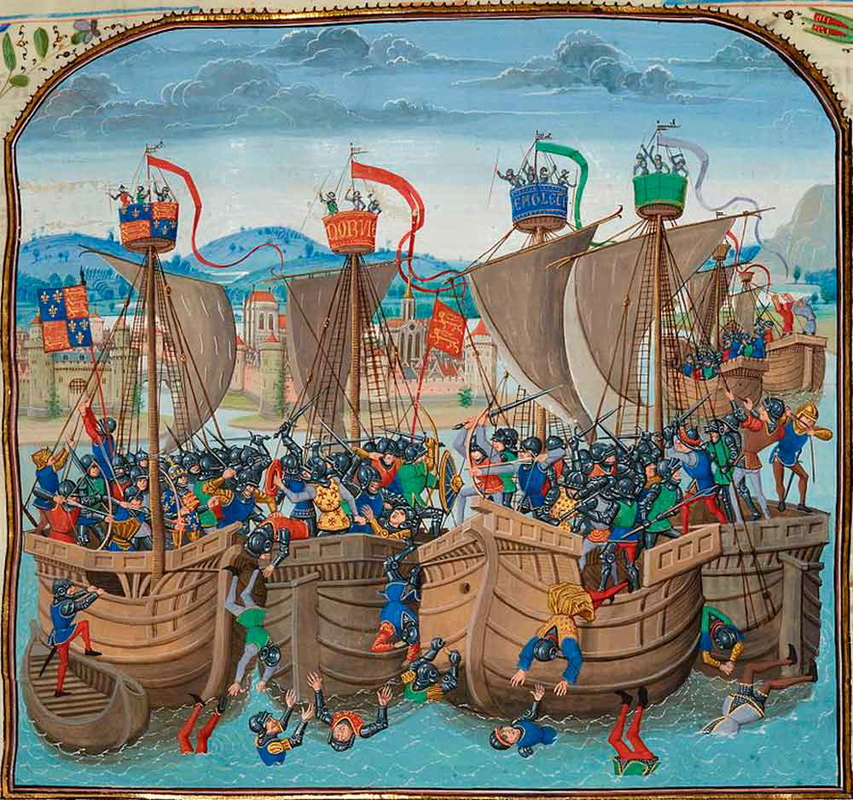
The longbow would also play an important role in the Hundred Years’ War against France, Edward having already calmed the Scottish threat from the north. One of the biggest battles of the Hundred Years’ War was a naval battle at Sluys, fought on the 24th of June 1340. Edward’s navy outmanoeuvred French forces, capturing all but 23 of the 213 French ships. In addition, all the admirals of King Philip VI (of France) had been either captured or killed.
By 1346 however, Edward had war on two fronts — yet he managed to come out victorious on both occasions. At Neville’s Cross near Durham, England, David II had sent a force down from Scotland, but they were defeated, and David was captured. He would remain in English custody for the next eleven years. Meanwhile, at Crécy in France, the longbows showed their superiority once more; the English were outnumbered by 8 to 1 yet still won the battle.
But it was not just French and Scottish aggression that Edward III had to deal with: his reign saw the arrival of the Black Death in 1347. Edward did not close English borders, as this would have meant closing down trade for England. Nevertheless, he did introduce some legislative measures: the unpopular Statue of Labourers (1351) which put peasant wages back to pre-plague levels (a catalyst for what was to become the Peasants’ Revolt in 1381).
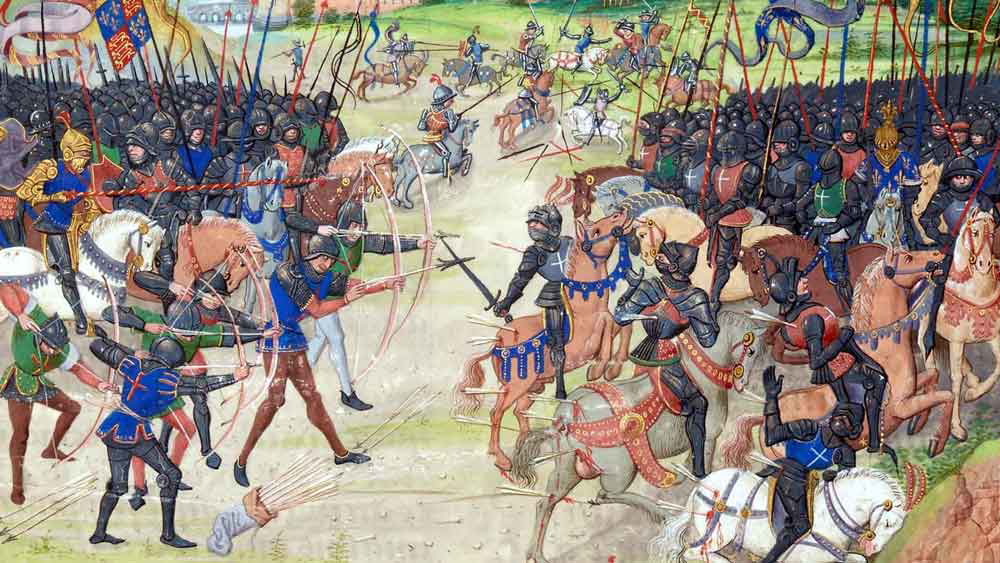
By the time the biggest wave of the Black Death had been and gone by the early 1350s, Edward once again focussed his attention on France at the Battle of Poitiers (19 September 1356) one of the finest military victories in English history. He cemented his place as one of the greatest medieval kings although it was largely his son, the Black Prince, who won the battle.
During the battle, the French king, John II, was captured and sent to England and Edward began to slow down throughout the 1360s and 1370s. His son and his eldest grandson had both died by 1376, so Edward’s grandson Richard succeeded him as King Richard II of England when Edward himself died a year later, on the 21st of June 1377.
As well as witnessing numerous military victories against both Scotland and France during his reign, Edward III also saw England through the Black Death, established English as the primary language of England, and cemented England’s position as victorious in the first half of the Hundred Years’ War. To this day, Edward III’s reign is the fifth-longest of any English monarch, coming in at 50 years and 147 days.
5. The Medieval King Who Beat the French: Henry V of England (1413-22)
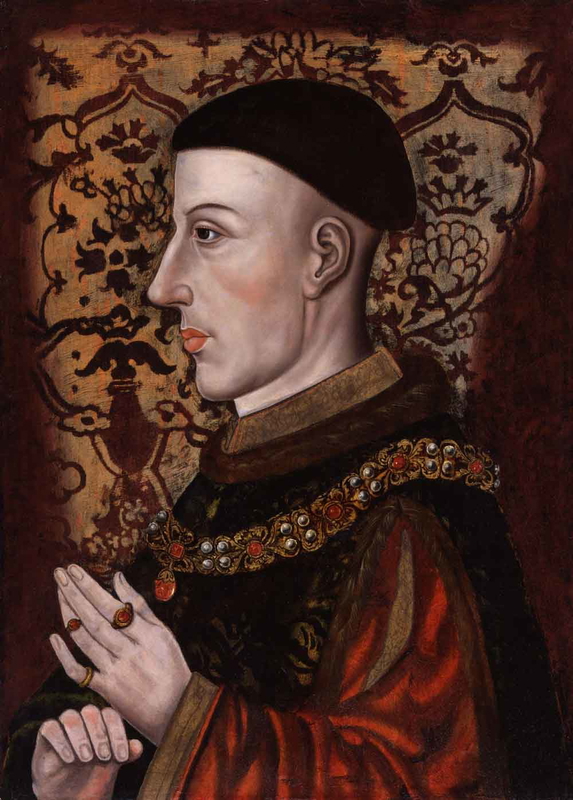
Having a long reign is not necessarily a factor for getting a place on this list. Our final monarch, King Henry V of England, ruled for less than a decade, but achieved notable successes in his short tenure as a medieval king.
Henry was born on the 16th of September 1386 in Monmouth Castle, Wales, the eldest of six children between King Henry IV of England (r. 1399-1413) and his first wife, Mary de Bohun.
When the future Henry IV was exiled by his cousin King Richard II of England (r. 1377-99), the young Henry was taken into Richard’s care, and reportedly treated very well. He even joined Richard in Ireland, and it was while he was in Ireland that news had traveled that Henry’s father had usurped the throne, and been crowned as King Henry IV of England. Upon his coronation, the young Henry was recalled back to England. He was created Prince of Wales and Duke of Lancaster. He also served as High Sheriff of Cornwall at the turn of the fifteenth century.
Henry was involved in the military before he was crowned king, helping to supress Owain Glyndwr’s revolt. However, when his father died, Henry was immediately crowned King Henry V of England. Carrying on the Hundred Years’ War, which had been started by his great-grandfather, Edward III, Henry turned his attention to France. On the 12th of August 1415, he sailed to France, capturing Harfleur on the 22nd of September. Next, despite warnings from his council, he decided to march his army across France to Calais. However, his army was intercepted near the village of Agincourt, which ultimately led to one of the most famous battles in history: The Battle of Agincourt.
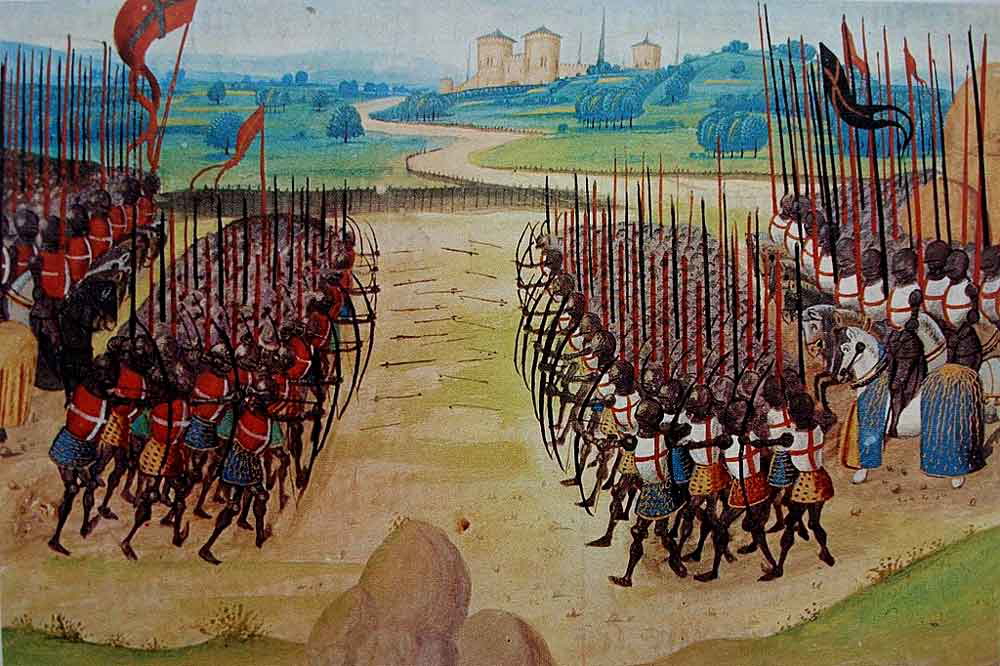
Despite the horrifically muddy conditions, and the exhaustion of the numerically inferior English forces, they decisively beat the French, in one of the greatest underdog stories of all time, in a victory which propelled Henry V’s legacy as one of the greatest medieval kings of all time. Agincourt is typically regarded as Henry’s greatest military victory, and in terms of English victories during the Hundred Years’ War, Agincourt ranks alongside Crécy and Poitiers.
Henry’s reign and victories were only short-lived, though. He had captured enough territory and had enough of a solid claim to crown himself King of France, though he never lived to see it through. Henry died (likely of dysentery) on the 31st of August 1422, aged just 35. He named his brother, John, Duke of Bedford, as regent of France in the name of his son, who would become the future King Henry VI of England, as he was only a few weeks old at the time.
Winning such significant victories in the Hundred Years’ War and solidifying English territory abroad cemented his position on this list. He was also romanticized in many of Shakespeare’s plays, and to this day is still seen as one of the greatest medieval kings of all time.
6. The Father of Europe: Charlemagne (768-814)
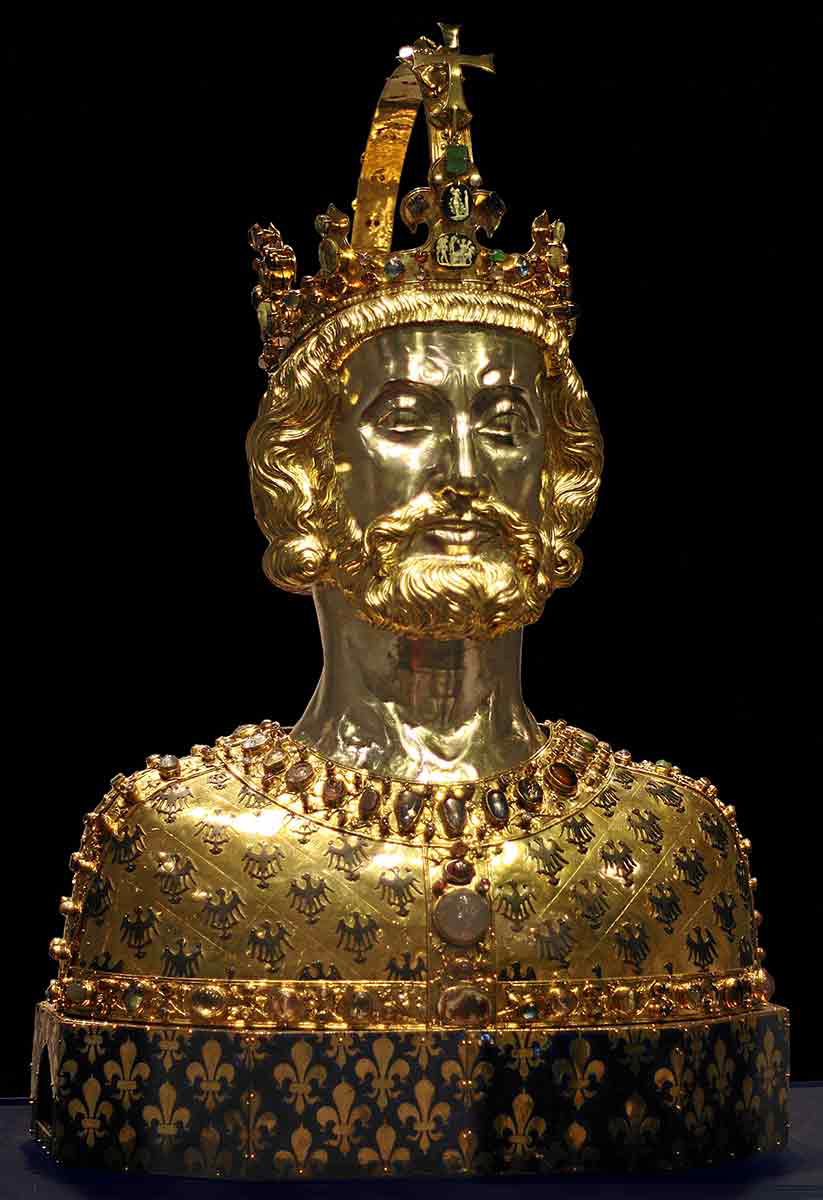
No list of the greatest medieval kings of Europe is complete without Charlemagne.
Born on April 2, 748, Charlemagne is best remembered for uniting most of Western Europe.
Following the collapse of the Western Roman Empire, Western Europe fell into a period which came to be known as the “Dark Ages”—the region was suffering an identity crisis. After centuries of Roman rule (or oppression, depending on how you view it), Western Europe became lost.
That was until Charlemagne came along.
Born to Pepin the Short (the first Carolingian king), Charlemagne’s first taste of being a future king came shortly before his father’s death, when he had decided to split his empire between his two sons. Interestingly, Carloman, Charlemagne’s brother, died after three years of quarrelling with his brother over territory, under unusual circumstances. Some suspected foul play, but either way, Charlemagne ended up becoming king of the Franks in 768.
From the 770s onwards, Charlemagne began to focus on expanding his territory, so after taking the territory of his two nephews, he moved south toward the Italian border. By 774, he had taken Lombardy and was crowned “king of the Lombards.” But that was still not enough for Charlemagne.
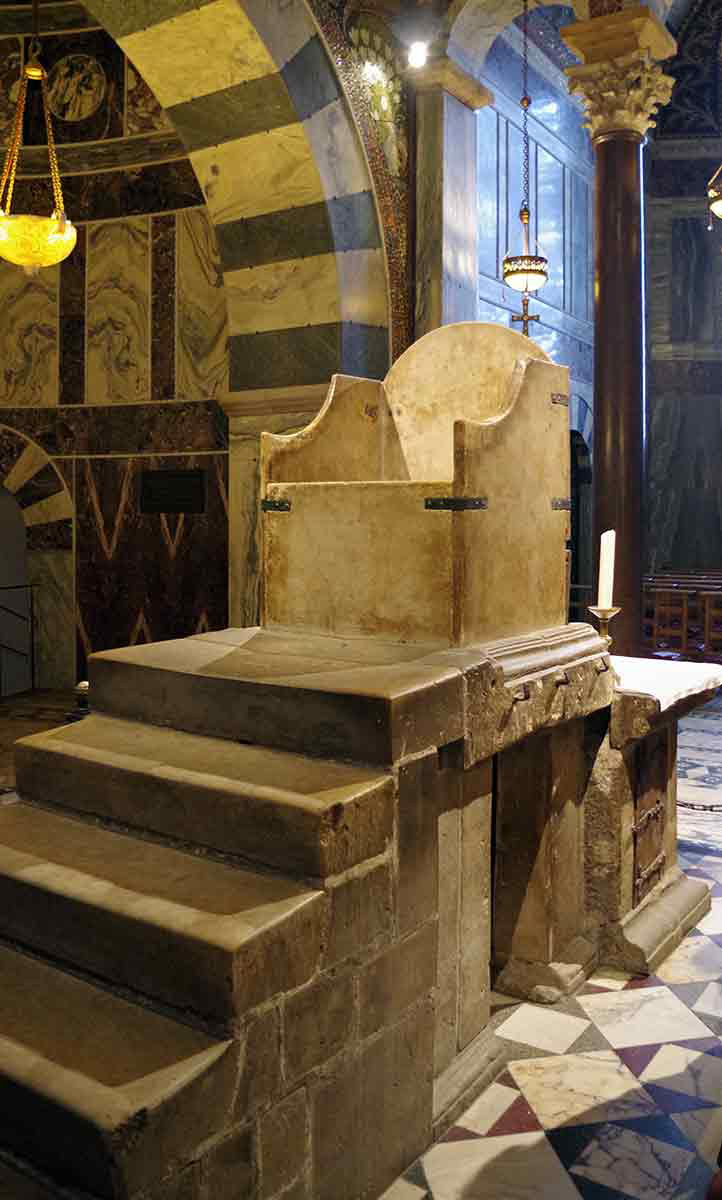
Throughout the 770s and 780s, Charlemagne absorbed Saxony, Bavaria, and parts of northern Spain into his empire, and it was during these years that he began to spread Christianity—usually by force.
It was partly a combination of his constant spreading of Christianity and his power that led him to be crowned by Pope Leo III on Christmas Day 800. This was the pinnacle of Charlemagne’s reign: he was the very first person to be crowned Holy Roman Emperor.
Naturally, this led to conflict with the Byzantine Empire (the Eastern Roman Empire) as to who should have the most authority, plus the question of how legitimate his title was when the Pope was a personal friend of his.
While it would be easy to say that Charlemagne was the one who instigated this, records suggest that he was surprised or even shocked by this title. For the remainder of his reign, he referred to himself as the king of the Franks and the Lombards, rather than Holy Roman Emperor.
Charlemagne died in 814 and was succeeded by his son, Louis the Pious.
Charlemagne’s legacy is easily one of the strongest in Europe, and he is one of the most famous names in the history of the continent. A national hero in France and a revered figure for the Catholic Church, Charlemagne was more than a missionary with weapons—he was a skilled statesman, a quick-thinking leader, a talented warrior, and a man who unified Europe at a time when it needed it the most.
7. The Universal King: Alfonso X of Castile and León (1252-84)
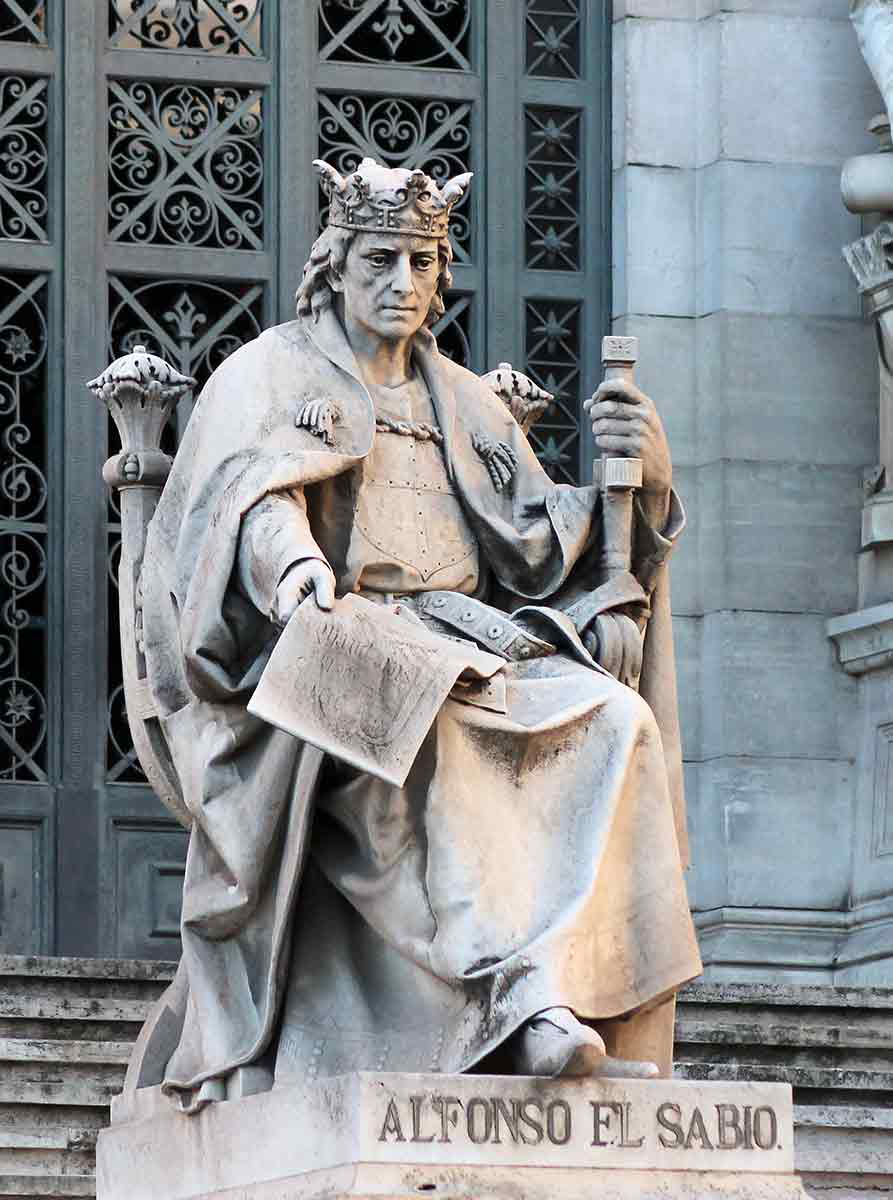
Many medieval monarch compilations focus primarily on English, Scottish, and French kings. One nation that is often hugely underrepresented is Spain.
However, under the rule of King Alfonso X in the latter half of the 13th century, the Spaniards more than deserve their place on this list.
While many medieval kings made their contributions through successful military campaigns. Alfonso was different. He made his name through various cultural, social, intellectual, and legal reforms, proving that to be classed as a successful medieval king, one need not be judged on military prowess alone.
Born to King Ferdinand III and Elizabeth of Swabia (a paternal cousin of Holy Roman Emperor Frederick II) on November 23, 1221, Alfonso grew up as heir to Castile until his father united the two kingdoms following his grandfather’s death. Upon turning 16, he started out life as a soldier.
When his father died in 1252, Alfonso succeeded him to the throne, and the same year, captured the Algarve (in modern-day Portugal), forcing King Afonso III to surrender. Two years later, Alfonso signed a treaty with King Henry III of England in his campaigns against Louis IX of France. That same year, Alfonso’s half-sister Eleanor married Prince Edward of England (the future Edward I), making valuable connections across the continent.
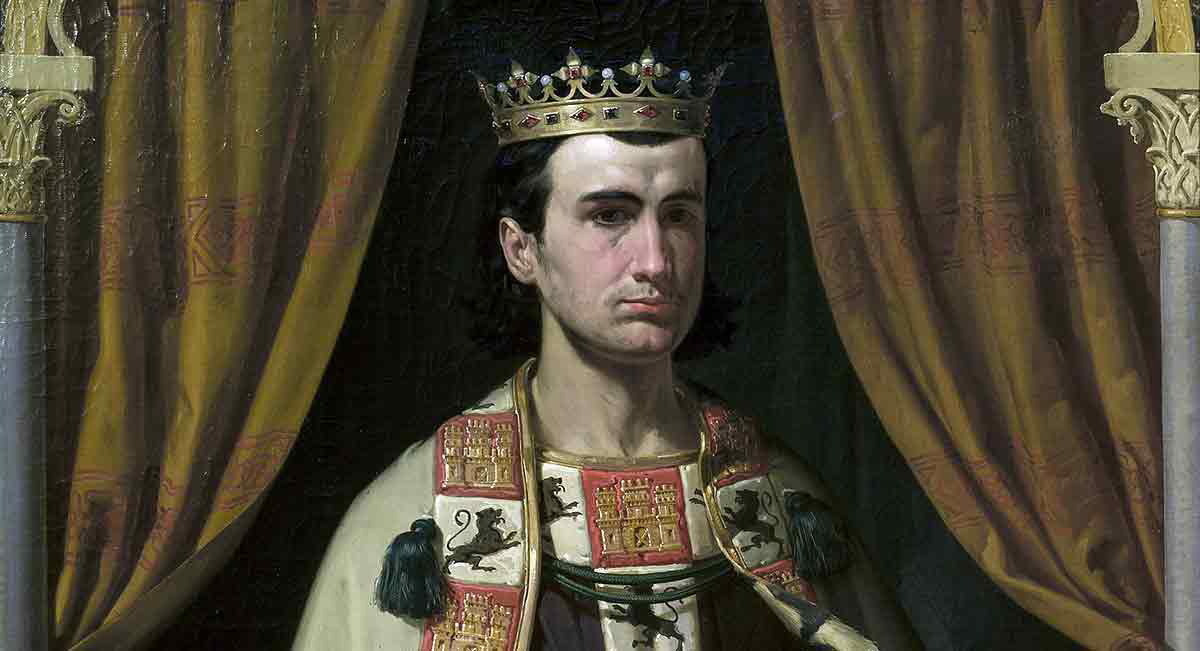
However, it is his diplomacy and cultural efforts that Alfonso X is best remembered for. He was temporarily elected king of Germany in 1257—largely thanks to his presence across the continent—but he would ultimately renounce this claim by 1275.
One of the most significant aspects of Alfonso X’s reign was his support for the School of Translators of Toledo. Alfonso had grown up in Toledo, and during his reign, he commissioned Muslims, Christians, and Jews to work together to translate historic texts from Arabic, Greek, Latin, and Hebrew for the modern-day reader. In doing so, this would later inspire the Renaissance in years to come, but this also contributed to Spain’s great literary golden age.
Alfonso was also a keen astronomer, and he personally compiled the Alfonsine Tables, astronomical tables that were influential across Europe at the time and were used by Copernicus centuries later.
Sadly, Alfonso’s later years were marred by conflict with his eldest son and successor, Sancho IV, and he died aged 62 on April 4, 1284. Nevertheless, he deserves a place on this list because of his contributions to the medieval golden age of Spain.
8. The Naval Norseman: Haakon IV of Norway (1217-63)
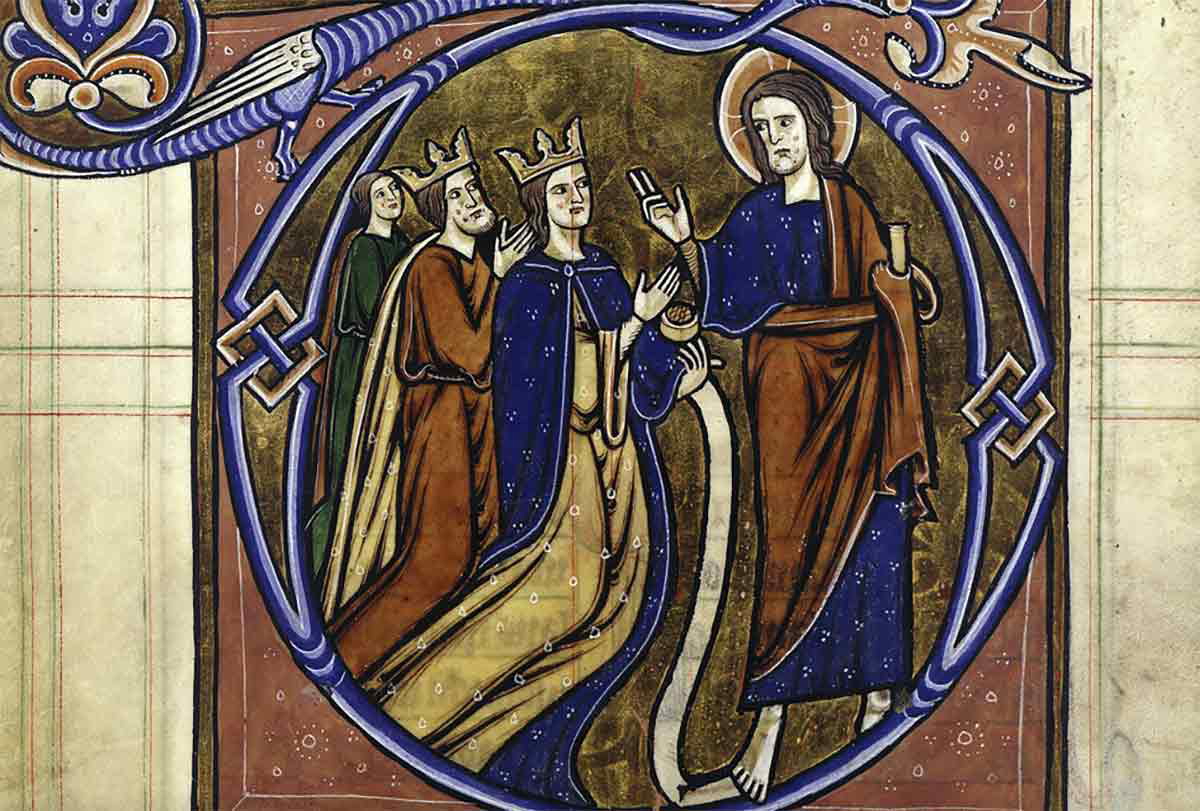
Another nation that is seldom mentioned when it comes to great monarchies is Norway, but Haakon IV certainly deserves a place on this list.
Born in the Spring of 1204 to King Haakon III of Norway and his wife Inga of Varteig, Haakon came to the throne aged just 13. He would reign for an incredible 46 years, in the process becoming one of Norway’s greatest-ever rulers.
Haakon was born during the civil war period, which had been raging since 1130, and would not formally end until 1240, when he ended it. His tumultuous start to his reign undoubtedly strengthened his character and his leadership skills.
Early in his reign, in 1227, while still aged just 23, he defeated a pretender to the throne called Sigurd Ribbung, cementing his authority and becoming a king that many would be proud to serve. Similar to Alfonso X, he also used his diplomatic skills as well as his knowledge of warfare and superiority to establish relations across Europe, involving Norway more and more in medieval European geopolitics.
To strengthen his own rule, he appointed his son Haakon the Young as his co-regent, after disposing of (sic: killing) his father-in-law, Skule Bårdsson, in 1240, after he attempted to crown himself king.
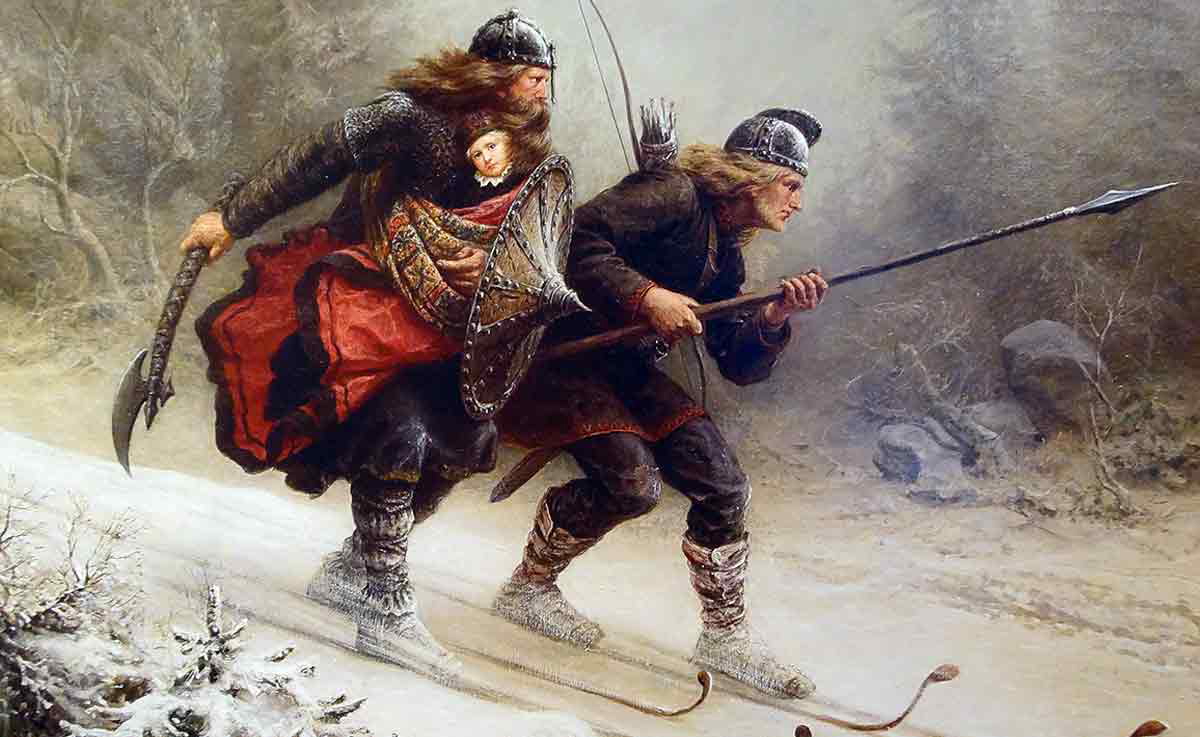
Norway is considered to have reached its golden age under the rule of Haakon IV, and this was largely due to Haakon’s insistence on a strong navy. Not only did this strengthen Norway’s position at sea, but it also enabled it to communicate with others across the continent. Norway and the Holy Roman Empire had an excellent relationship during this period, too.
The strong Norwegian navy also enabled Haakon IV to expand Norway’s territory, adding parts of Greenland and Iceland to the country’s ever-growing kingdom. Culturally, Haakon was hugely respected across Europe. He received invites to the Irish court by Irish kings, was offered the role of Holy Roman Emperor by several Popes, and the command of the French crusader fleet by the French king. In turn, Haakon ensured that his people were kept up to date with literature and art by having European texts imported and translated into Old Norse for his citizens to read.
Following an established relationship with the Kingdom of Scotland, Haakon IV sailed to Orkney for the winter, but fell ill while he was there, and died aged 59 on December 16, 1263. He left behind the legacy of a powerful and culturally sensitive leader, one who valued art and literature as much as power and warfare.
9. Louis the Great of Hungary, Croatia, and Poland: The Central European Powerhouse (1342-82)
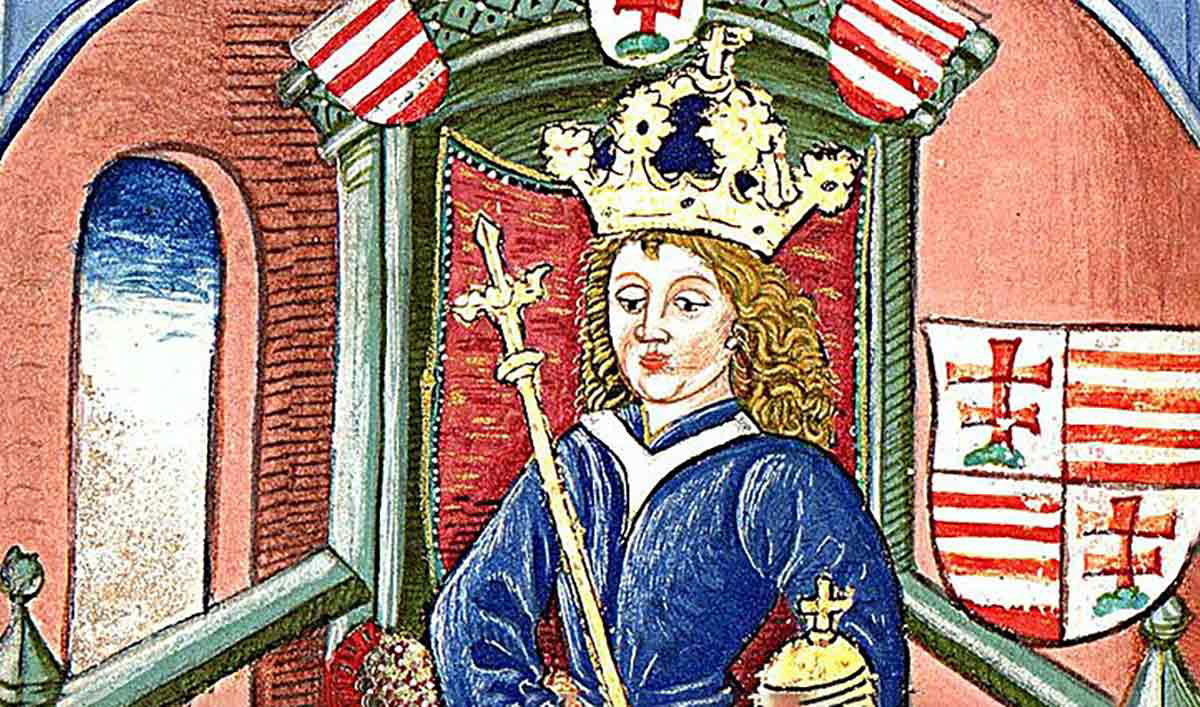
Surprisingly, this famous King Louis was not French—he was instead based in Central Europe, ruling Croatia, Hungary, and Poland at various stages during his kingship. He is easily one of the most underrated medieval monarchs.
Louis was born on March 5, 1326, to Charles I of Hungary and Elizabeth of Poland. He was well educated in his early years, learning to speak French and German, and he had a keen interest in both history and astrology. Louis was involved in politics from an early age, stamping a treaty between his father and John of Bohemia when he was just 9.
Upon his father’s death in 1342, Louis was crowned Louis I of Hungary. However, a 1338 treaty between Charles I and Casimir III of Poland (Louis’s paternal uncle) meant that if Casimir died without any male heirs, Louis would also inherit the Polish throne. In exchange, Louis would help his uncle reclaim lands that Poland had lost.
Louis’s father had left behind a rich treasury, and while Louis was of age by the time he came to the throne, his mother was never far away, often exerting her overly religious influence on him.
Early in his reign, Louis managed to restore royal power in Croatia following a crusade against the Lithuanians—this then gave him the title of king of Hungary and Croatia—a title which he bore until his death in 1382.
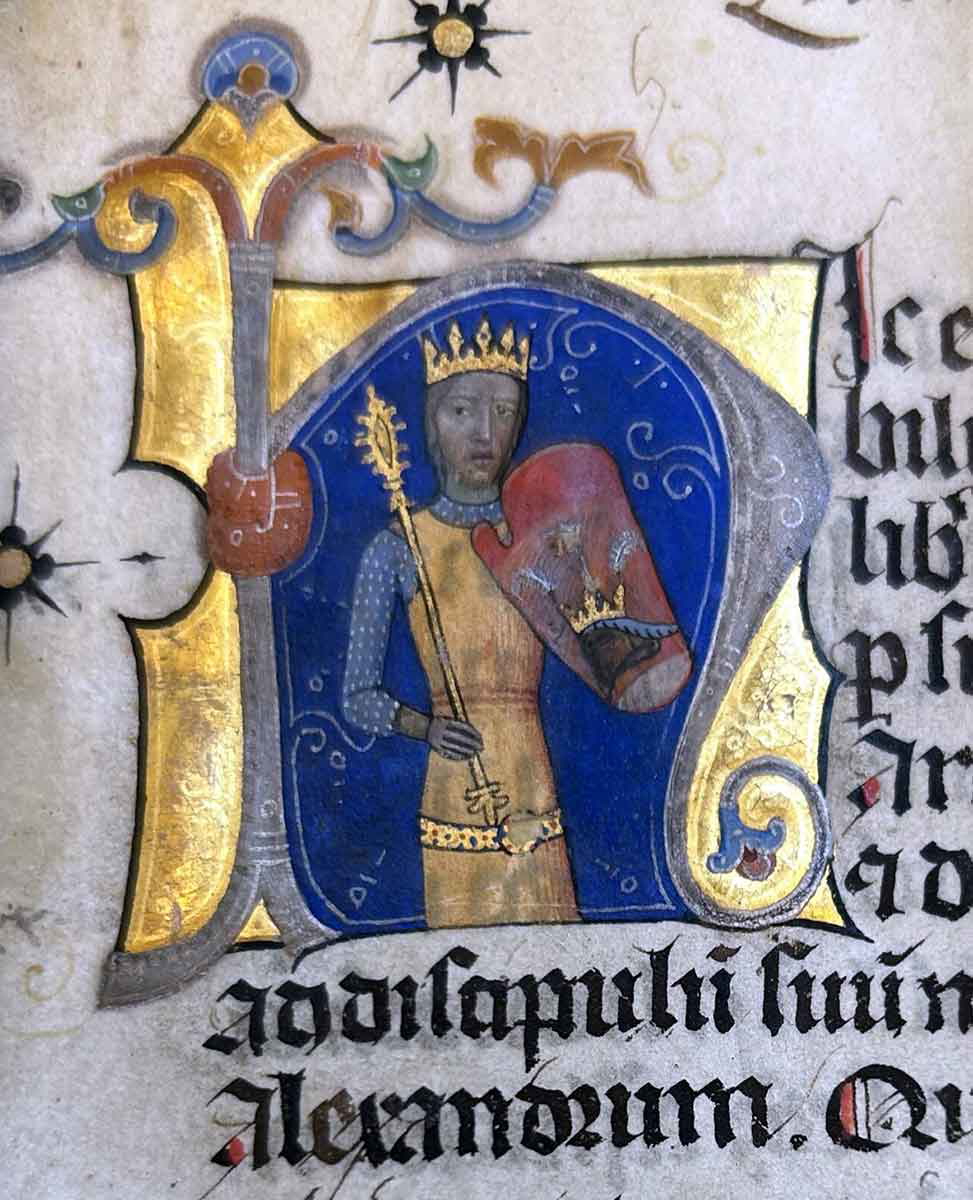
Louis was also seen as a defender of Europe to an extent. He successfully defended his territory against the Golden Horde (Mongol troops from the Asian steppes) and prevented what would ultimately have become a Mongol takeover of Europe. While he was unsuccessful in other colonization attempts—particularly in the Balkans—he was nevertheless a successful defender of European culture at the hands of the Mongols.
Louis’s uncle died in 1370, without a male heir, so Louis also added king of Poland to his ever-expanding list of titles. While he was deemed unpopular in Poland at the time, he was forward-thinking in his ambition to have his daughters become legitimate heirs, in an age when a male heir was the only way to guarantee succession to the throne.
Louis suffered from a skin disease in his later years, eventually dying in 1382, aged 56, in what is now modern-day Slovakia. Louis was a firm but fair ruler, and one who should be discussed more frequently. While he was unpopular in Poland, he was still, nevertheless, regarded by contemporaries as the most powerful Hungarian monarch, “whose shores were washed by three seas.”
10. Independence and Exploration: John I of Portugal (1385-1433)
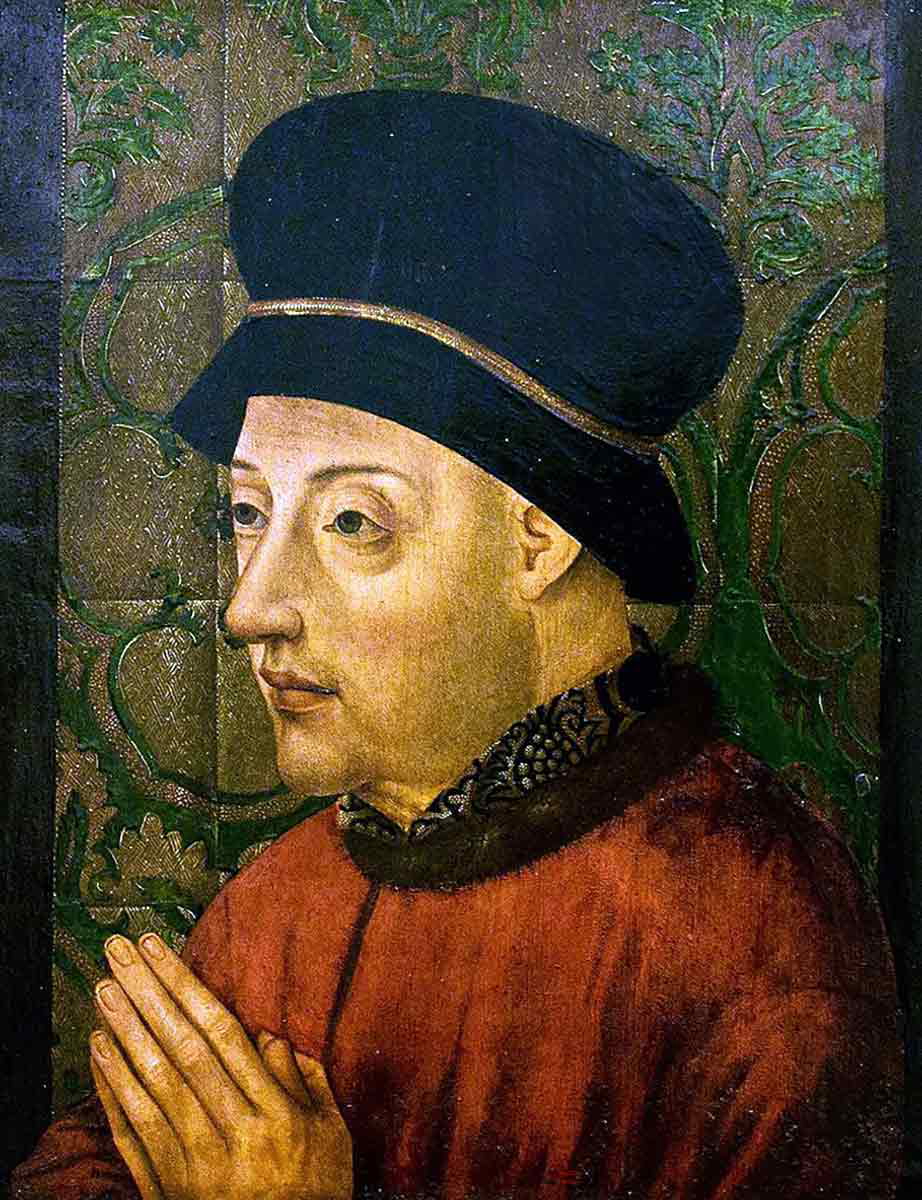
As far as strong monarchs go, John I of Portugal was one of the all-time greats. A success in everything from his military prowess to his enthusiasm for exploration, the man who was acclaimed king of Portugal in 1385 would go on to have one of the longest reigns of any Portuguese monarch, ruling for 48 years.
John’s route to the throne was not orthodox. When King Ferdinand I of Castile died in 1383 without a male heir, his throne was claimed by his daughter, Beatrice, and her husband, King John I of Castile. This move threatened to absorb Portugal into the Kingdom of Castile. As such, John of Aviz rose as a potential successor to the Portuguese kingdom.
In 1385, Aviz engaged the much larger Castilian forces at the Battle of Aljubarrota, and, with help from an English alliance, defeated the Castilians. This victory cemented Portugal’s independence and secured John of Aviz’s position on the Portuguese throne—a position he would hold uncontested for almost the next half-century.
A grateful monarch, John solidified his alliance with the English the year after the battle in 1386, signing the Treaty of Windsor, which, to this day, is still the oldest active diplomatic treaty in the world. The treaty was honored by Portugal following Britain’s entry into the First World War in 1914, and is still upheld to this day, which is a huge part of John I’s legacy.
As part of the Treaty, John married Philippa of Lancaster, a daughter of the powerful English nobleman, John of Gaunt.
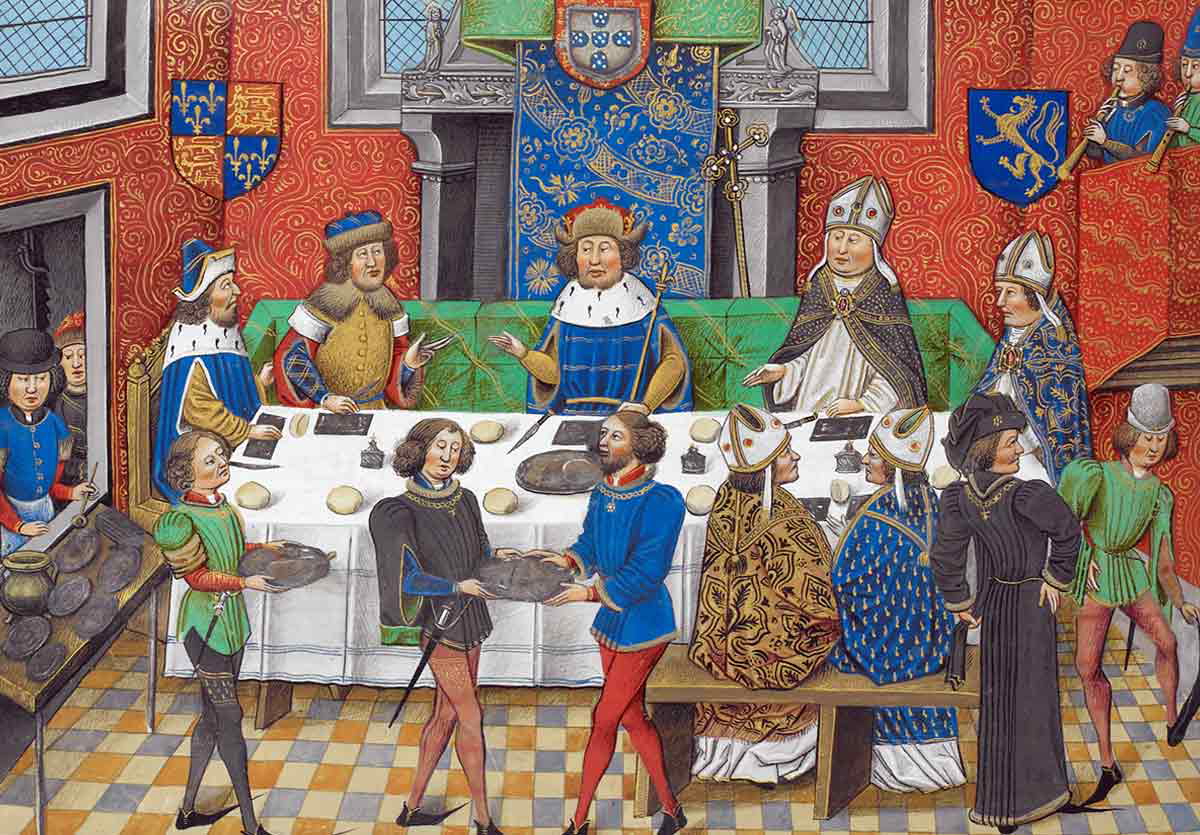
Following the death of his rival, John I of Castile, in 1390, John I of Portugal was able to rule in relative peace for the remainder of his reign, and he put this time to good use. He put lots of money and effort towards exploration, and one of the prominent figures who arose during his reign was Henry the Navigator, the man who sparked Portugal’s “Age of Exploration.”
Territories such as the Azores and Madeira were absorbed into the Portuguese kingdom, and John also commissioned for West Africa to be explored. In fact, towards the end of the century, another Portuguese explorer—Vasco da Gama—would sail to India and round the Cape of Good Hope, all thanks to inspiration from John I’s initiatives. In 1415, the trading city of Ceuta in North Africa was captured by Portuguese forces, and it became an important trading post for the Portuguese Empire in the years to come.
At home, John I was regarded as a fair king; his energy was not all spent on military conquests, and he was actually regarded as a learned and well-educated man. His love of literature was passed on to his sons: Edward (his successor) would become a poet and a writer as well as king of Portugal, and his younger son Peter was known as one of the most educated men in the kingdom. Again, John characterized himself through education as well as military prowess, making him one of the most important kings of the Middle Ages.
John died aged 76 on August 14, 1433. To this day, John I is admired in Portugal, and without him, it is highly unlikely that Portugal would have succeeded in their golden age of maritime exploration.