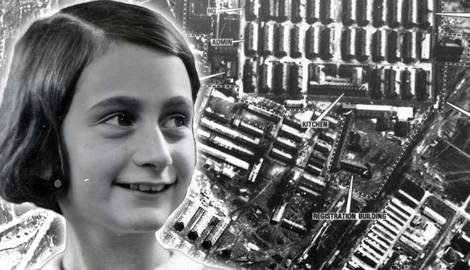

The one thing most people know about Anne Frank is that she wrote a diary documenting her experience during the Holocaust. Such a one-dimensional understanding of her life downplays the tragedy of the loss of a young girl. Most, unfortunately, do not even know the cause of her death. Anne and her sister, separated from their parents, persevered through the harsh conditions of the concentration camp yet were ultimately taken by typhus, contracted as a direct outcome of the conditions in which they were forced to live.
Who Was Anne Frank?
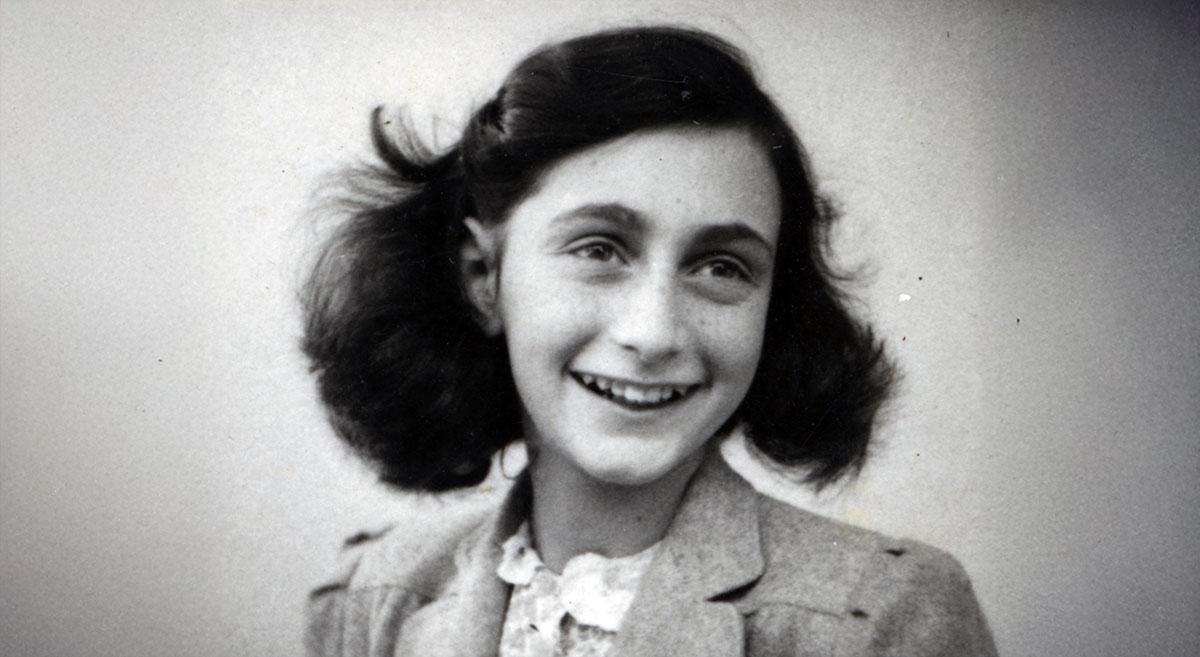
Anne Frank was born in Frankfurt am Main, Germany, on June 12, 1929, to parents Edith and Otto Frank. The pair also had one daughter before Anne, Margot. Despite the hardships facing Germany, Otto was a successful, experienced businessman who owned his own business.
As Adolf Hilter started to gain power in Germany, everyday life began to change for Jewish people. Hitler and the Third Reich adopted and repurposed ancient symbols like the swastika to harken back to their Aryan past and present themselves with an air of invincibility. Through widespread violence like Kristallnacht, the Nazi regime raided Jewish communities across Germany, from large cities to small villages. In October 1938, thousands of Jews living in Germany were rounded up and expelled in what was known as Polenaktion.
The Frank family chose to move to Amsterdam, where Otto could find work. As time went on, Anne and the rest of the family felt at home in Amsterdam. She went to school and made friends while her father continued to work. Anne learned Dutch and lived a normal life.
Why Did Anne Frank Go Into Hiding?
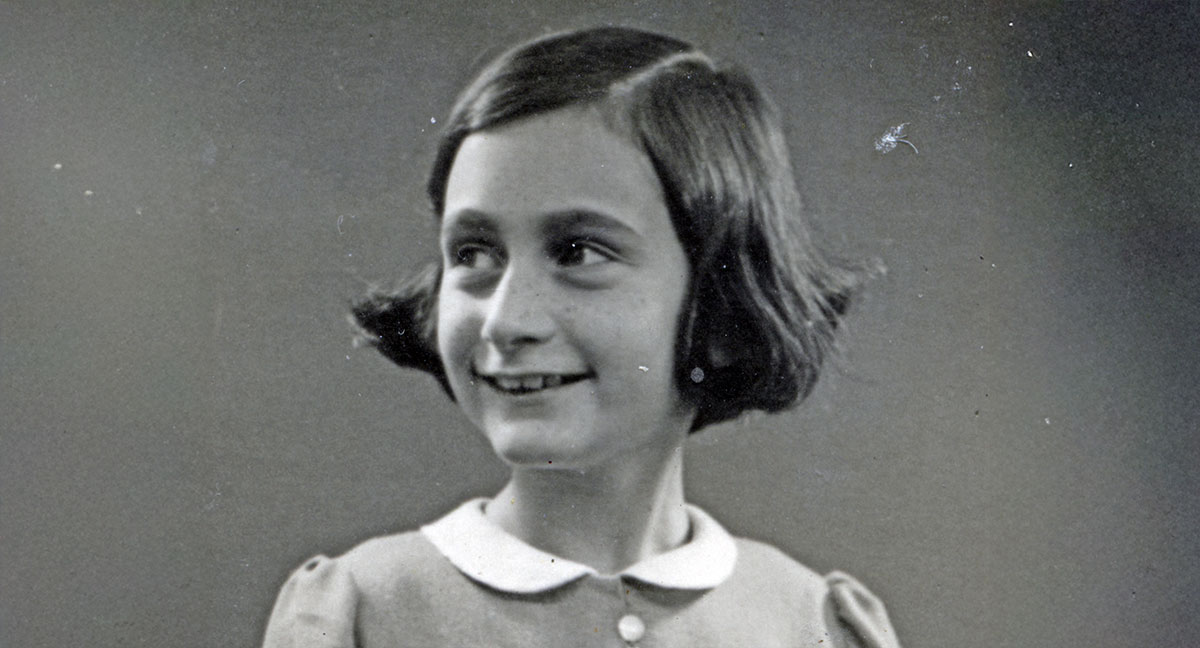
World War II started when Anne was 10 years old; by 1940, Nazis had invaded the Netherlands. On May 10, Queen Wilhelmina fled to London, and within five days, Nazis overtook the country. The same restrictions that the Frank family had fled in Germany were now implemented in Amsterdam.
Anne began to lose her freedoms; for example, she had to attend a segregated Jewish school. Her life became more insular as she began to lose common, everyday liberties like going to parks or the movies. As a Jewish man, Otto was suddenly barred from owning his own business.
By 1942, Jewish citizens had to wear the Star of David, and there were whispers that they would soon have to leave Amsterdam. When Anne’s sister received a call to report to a German labor camp in July 1942, they chose to go into hiding to protect themselves.
What Was the Secret Annex Like?
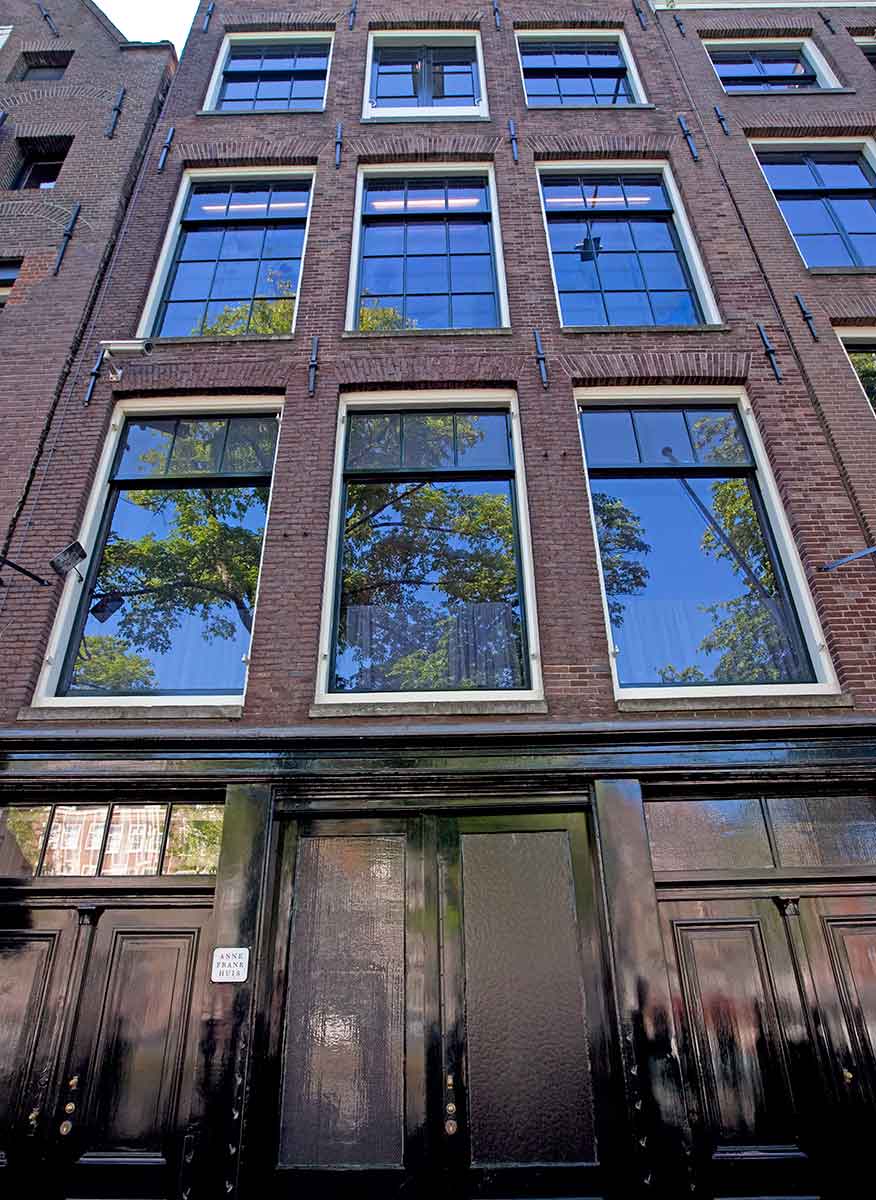
Anne, her sister, mother, and father went into hiding in July of 1942, where they would remain for the next two years. They stayed in a hidden apartment on Prinsengracht Street.
Otto used to work at the business where this secret apartment was located. Friends of Anne’s father helped create the space for them to stay. The apartment got its name from Anne’s diary, in which she referred to it as the Secret Annex.
The Franks were not alone in the small, cramped Secret Annex space. Four other Jewish people stayed with them: Auguste, Hermann, and Peter van Pels, and Fritz Pfeffer.
The Diary of a Young Girl
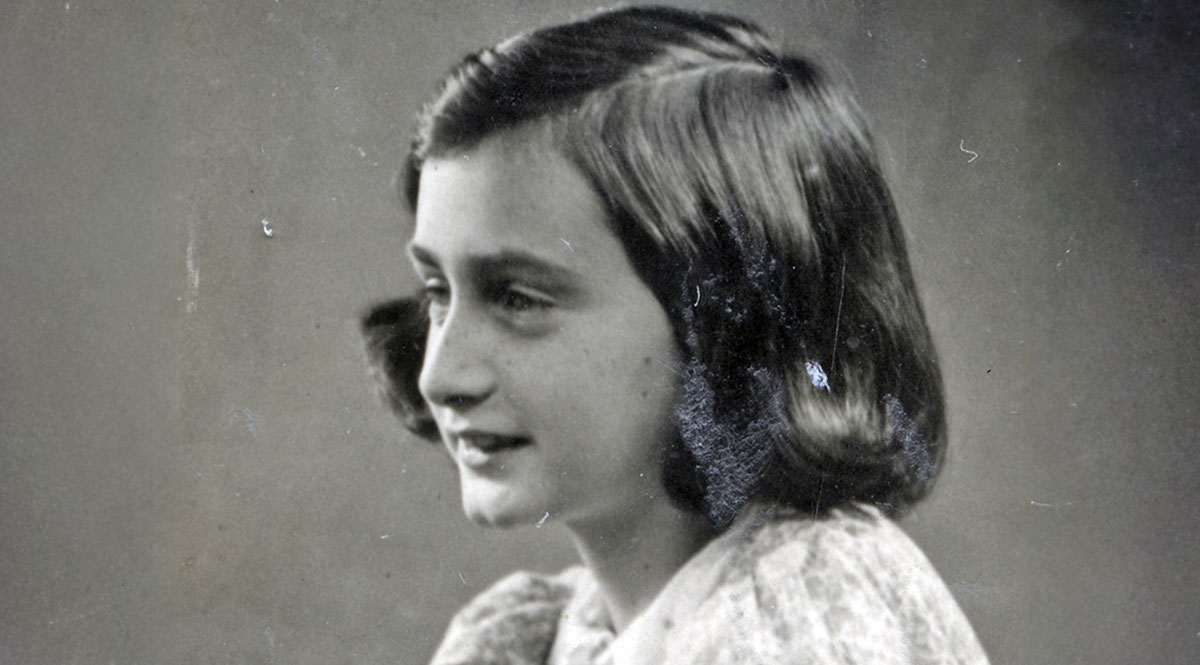
Anne documented what her life was like while living in the Secret Annex in her diary. Anne addressed her diary entries to a fictional person named Kitty, and this character seemed to portray the person with whom Anne would have liked to share all her struggles.
In just over 300 pages, Anne chronicles what life was like for Jews living in Amsterdam and for Dutch Jews overall. This likely was not her goal at the time of writing, but her diary became one of the best, most thorough firsthand accounts of what life was like during the occupation and the Holocaust.
Anne could talk about her fears and hopes for the future as well. Writing was one of the few things that Anne was able to do to pass the time—she could not move around, make noise, or play as a normal child of her age might.
Anne, however, was unable to finish her diary.
When Was Anne Frank Caught?
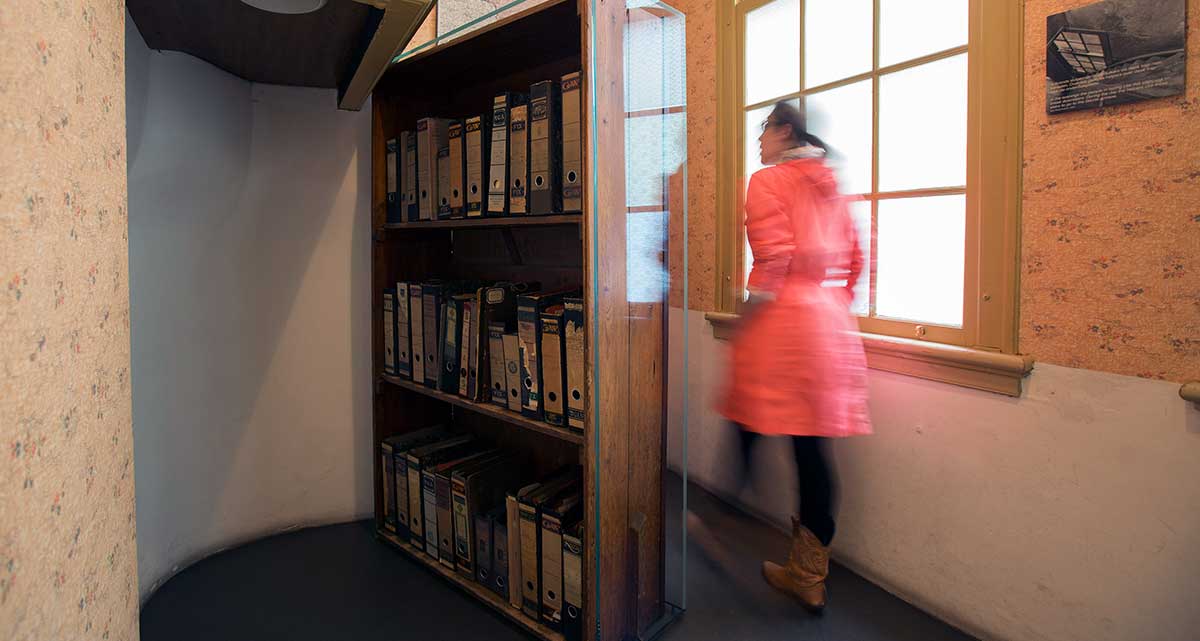
Anne and the others in the Secret Annex were discovered and captured on August 8, 1944. Two men who helped hide the Franks were also taken.
Anne and her family were first taken to prison in Amsterdam, then to the Westerbork Transit Camp. In early September, nearly one month after they were captured, everyone was taken to Auschwitz.
Auschwitz is one of the most well-known concentration camps due to the number of people killed there. Men like Heinrich Himmler made killing efficient with the introduction of the first gas chamber at this camp. While some contend that concentration camps actually helped both sides of the war effort because the human experimentation conducted within ultimately allowed scientists to learn to treat soldiers on the front lines, it is difficult to acknowledge advances in science drawn from such evil.
Where Was Anne Frank Taken?
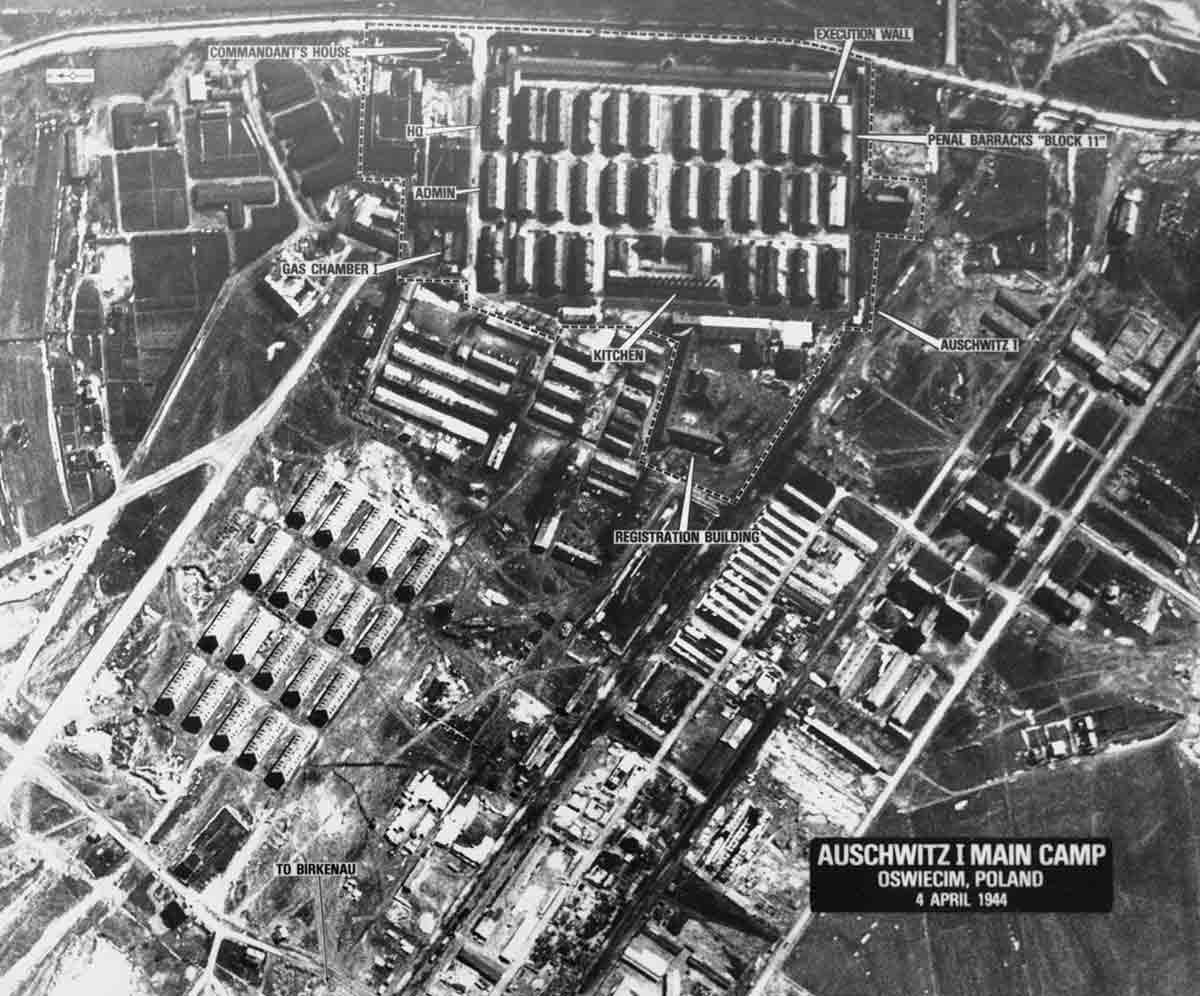
Anne and her family were first taken to Auschwitz, where they were then separated, men from women. Ultimately, the family did not stay together in Auschwitz either. Anne and her sister were transported to the Bergen-Belsen concentration camp in November 1944, about two months after they first arrived at Auschwitz. They would remain at Bergen-Belsen until their deaths in early 1945.
Otto Frank did not leave Auschwitz, and their mother, Edith, also remained at Auschwitz until her death in January 1945. She died of starvation and exhaustion.
What Did Anne Frank Die From?
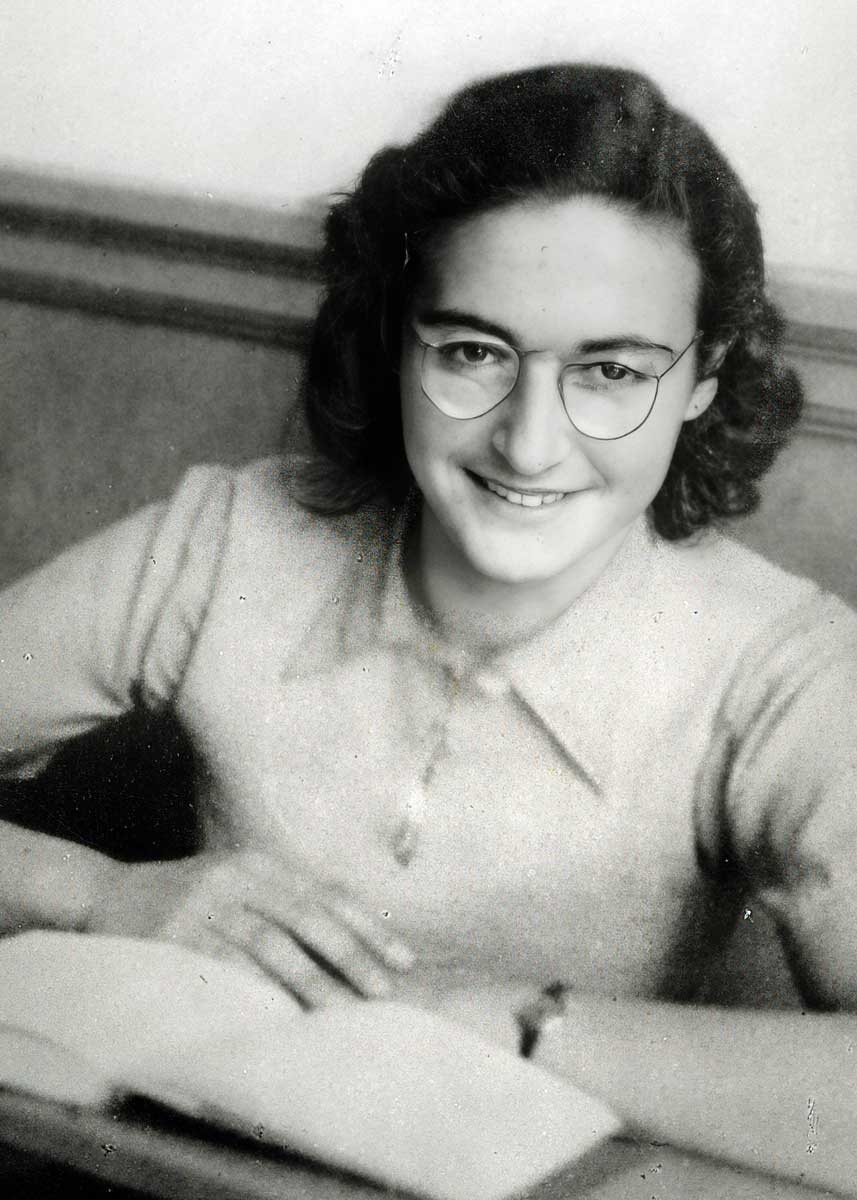
Perhaps surprising to some, it was not the outright slaughter carried out at the camp that killed her. She was not one of the unfortunate victims of the gas chambers. She also did not pass from other common causes, like starvation. Instead, Anne and her sister both died from typhus. Anne was only 15 years old when she passed away.
Historians disagree about when specifically Anne died; it is estimated to be somewhere between February and March, 1945—just weeks before the Allies would liberate the camp.
What Is Typhus?
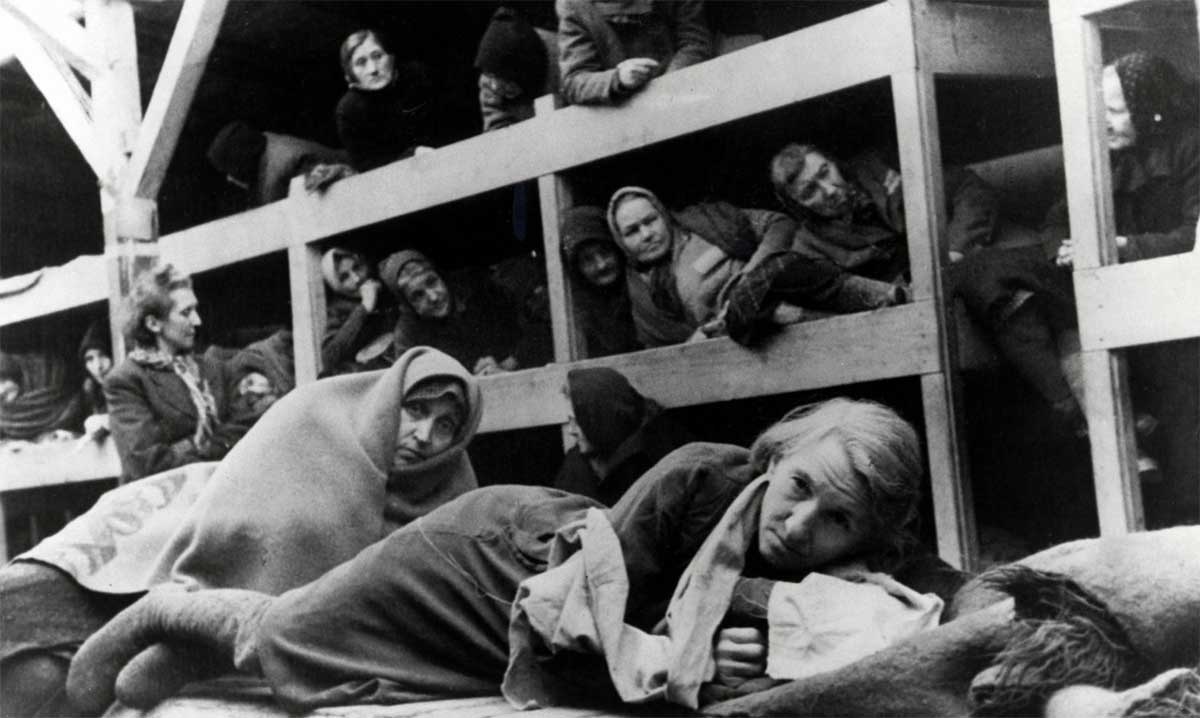
Typhus is caused by the Rickettsia prowazekii bacteria. While typhus had many different names over time—often based on the locations in which it occurred—it was frequently found in the same conditions: filth and starvation.
Typhus is spread by body lice, made worse in poor living conditions, such as those Anne and other Jewish people faced in the camps. Lice often live in clothing, bite their host, and lay eggs. The lice multiply at a frenetic pace, leaving behind feces. Once a person with lice scratches themself, the wound creates an entry point for the feces, which carry the Rickettsia prowazekii.
Once infected with typhus, the victim suffers muscle pain, headaches, nausea, and a fever well over 100 degrees. The fever often causes the person to become delirious. They also get a rash all over their body. The infection can stay in the body for up to three weeks. Without antibiotics, typhus kills about 1 in 5 people and is more fatal among persons weakened by other conditions, like starvation.
Did Anyone in Anne Frank’s Family Survive?
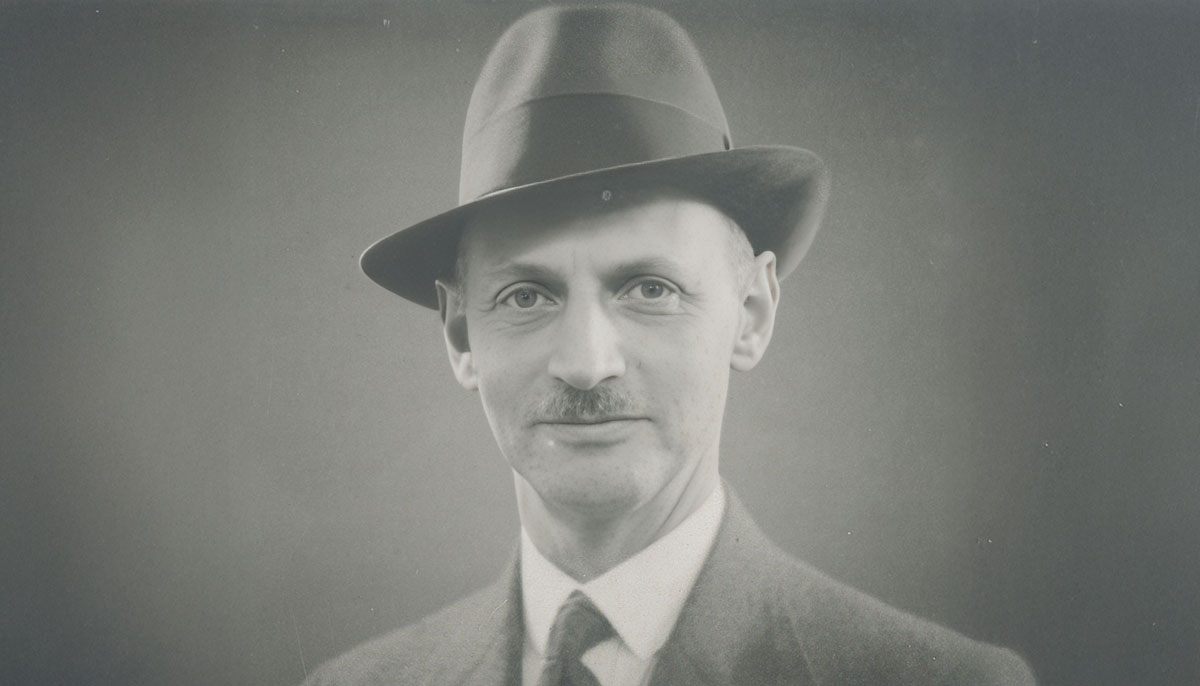
There was only one person to survive in the Frank family: her father, Otto. Otto was also the only survivor among everyone who was hidden in the Secret Annex.
There are estimates that as many as six million Jews were murdered during the Holocaust. The exact number of Jews liberated from concentration camps has proven difficult to determine, but it is not as high as one might hope. Some estimates suggest that just 7,000 Jews were liberated from camps like Auschwitz.
Anne Frank’s Lasting Legacy
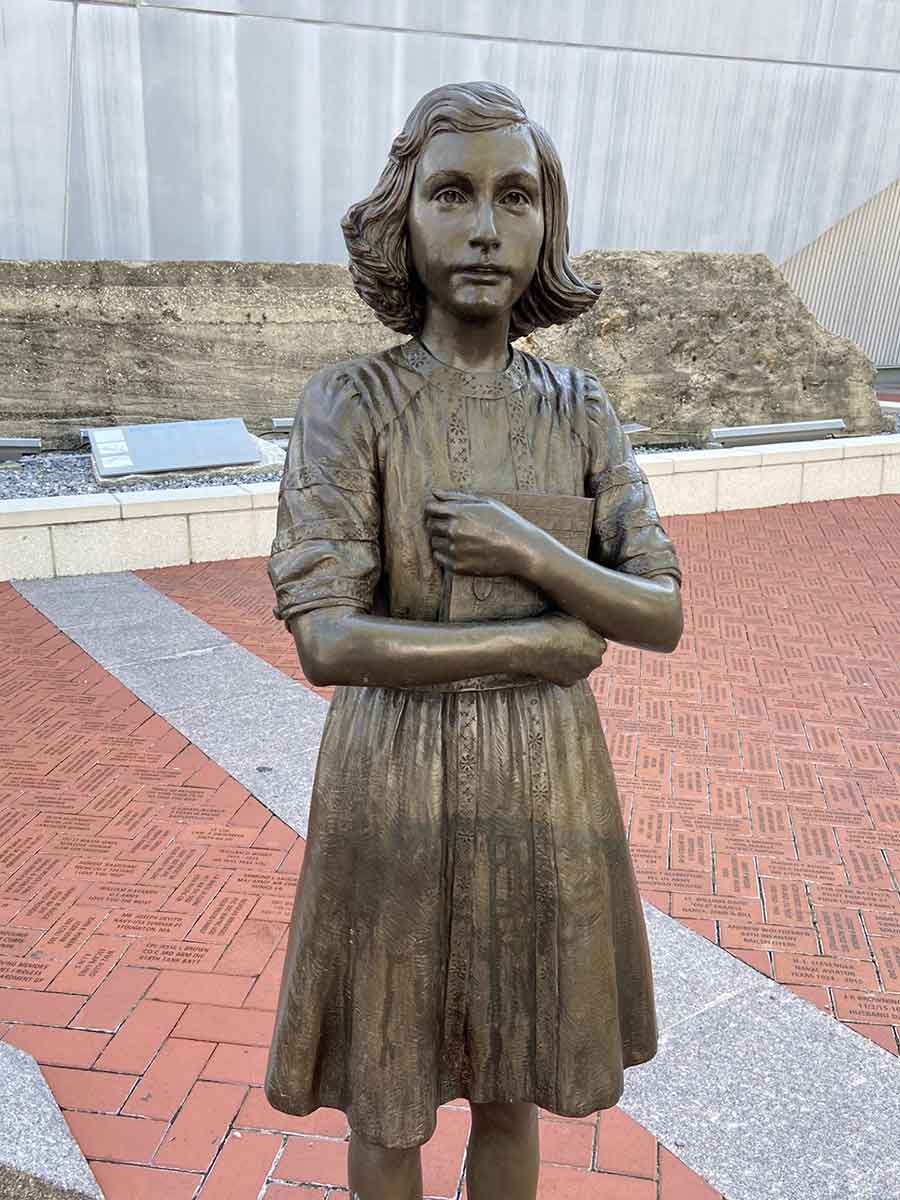
The Second World War officially ended just months after Anne’s death on September 2, 1945.
While Europe and the rest of the world reeled from the devastation of World War II, the Frank family would never be the same either. Otto survived but lost his wife and two daughters. He was given his daughter’s diary after his liberation by one of the people who helped hide his family in 1944.
Moved by what he read, he decided to publish his daughter’s writings in 1947, giving the world one of the best accounts of the Holocaust. Since its publication, the book has sold more than 30 million copies and has been translated into more than 70 languages.
Today, visitors to Amsterdam can step into the Secret Annex, which is now a museum that tells the story of both Anne Frank’s life and the Holocaust. Anne’s diary, as well as the Secret Annex, are lasting testaments to what can happen when discrimination and racism come to power.