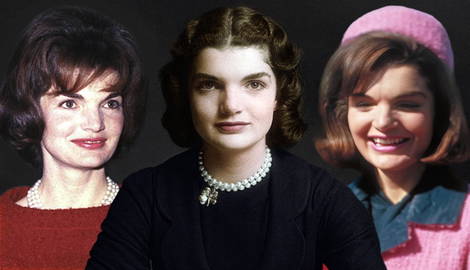

Jacqueline Lee Bouvier Kennedy Onassis served as First Lady from 1961 to 1963 as the wife of President John F. Kennedy. She quickly became popular among Americans for her love of family and dedication to preserving the country’s historical and cultural heritage. Jackie Kennedy redefined the role of First Lady through her education, diplomatic skills, and unique fashion choices.
Early Life of Jackie Kennedy
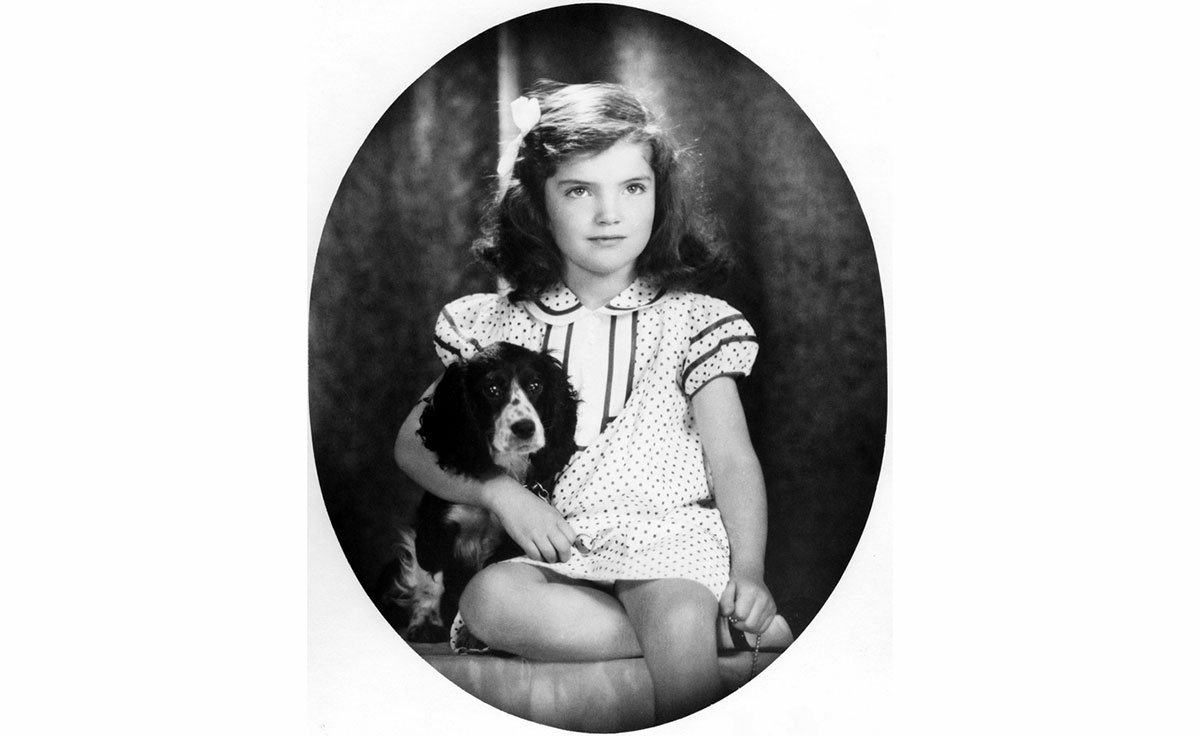
Jacqueline Lee Bouvier was born on July 28, 1929, in Southampton, New York. Her father, John Vernou “Black Jack” Bouvier III, was a famous Wall Street stockbroker. Her mother, Janet Norton Lee, was a prominent American socialite from a wealthy (or maybe even aristocratic) Irish background.
Jacqueline and her sister, Lee, were raised by their mother and stepfather, Hugh D. Auchincloss Jr., a wealthy lawyer.
From a very young age, Jackie enjoyed horse riding, successfully competing in various races. This hobby remained her favorite activity throughout her life. Besides horse racing, she took ballet lessons, enjoyed reading books, writing poetry, creating art, and learning foreign languages: French, Spanish, and Italian.
She excelled in her studies at Manhattan’s Chapin School but often got into trouble for “acting out of boredom,” as she finished her work ahead of her classmates, according to her mother.
One of her teachers described her as “a darling child, the prettiest little girl, very clever, very artistic, and full of the devil.”
In the fall of 1947, Jackie enrolled at Vassar College but did not enjoy it because of gender-biased rules about women and strict curfews. In 1949, through a study-abroad program offered by Smith College, she spent her junior year at the University of Grenoble and the Sorbonne University in France. In 1950, she returned to the United States and a year later graduated from George Washington University with a Bachelor of Arts in French Literature.
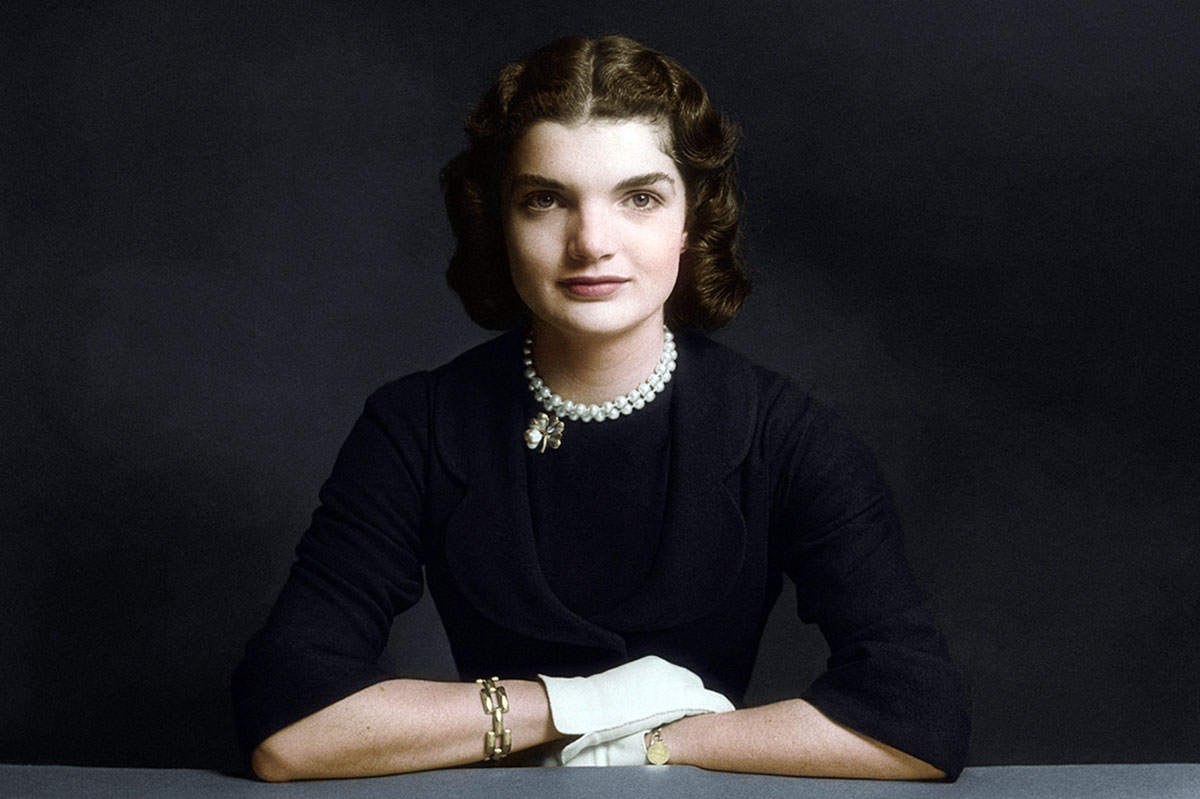
At the age of 21, in Paris, after winning the magazine’s Prix de Paris essay competition in 1951, Jackie started working at the journal Vogue. As part of the job, she should have spent six months in the French capital but quit on her very first day. According to Vogue, “a female-dominated environment would hinder her chances of meeting the marriage material she was looking for.”
After leaving France, Jackie met her future husband, then-Senator John F. Kennedy, while she was working as a reporter-photographer at the Washington Times-Herald in 1952. They got engaged a year later and married on September 12, 1953.
Serving as First Lady of the United States
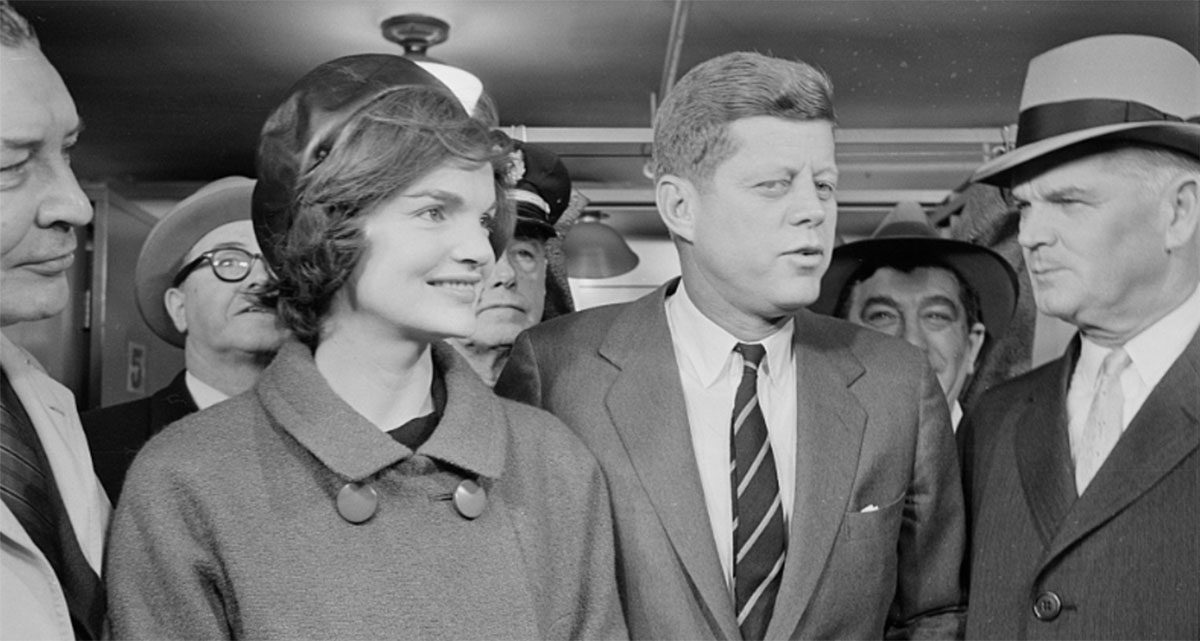
The marriage to John Fitzgerald Kennedy put an end to Jackie’s writing career. Instead, she began actively assisting her husband with his correspondence, translating, drafting speeches, and even acting as a coordinating editor for his Pulitzer Prize-winning book Profiles In Courage.
In 1960, John F. Kennedy entered the presidential campaign. During this time, Jackie was pregnant and had limited public appearances. Instead, she wrote a personalized column, Campaign Wife. In addition to television and press interviews, she privately helped her husband write speeches, often incorporating historical and literary references.
John F. Kennedy narrowly won the presidential elections of 1961, and Jackie Kennedy entered the role of first lady, declaring that she wanted to prioritize privacy due to her still young children. However, she took on an ambitious project to restore the White House. Jacqueline Kennedy first visited the White House as a tourist with her mother and sister in 1941. She noticed that the building’s interior lacked historical furnishings, and visitors were not provided with information about its historical and cultural significance.
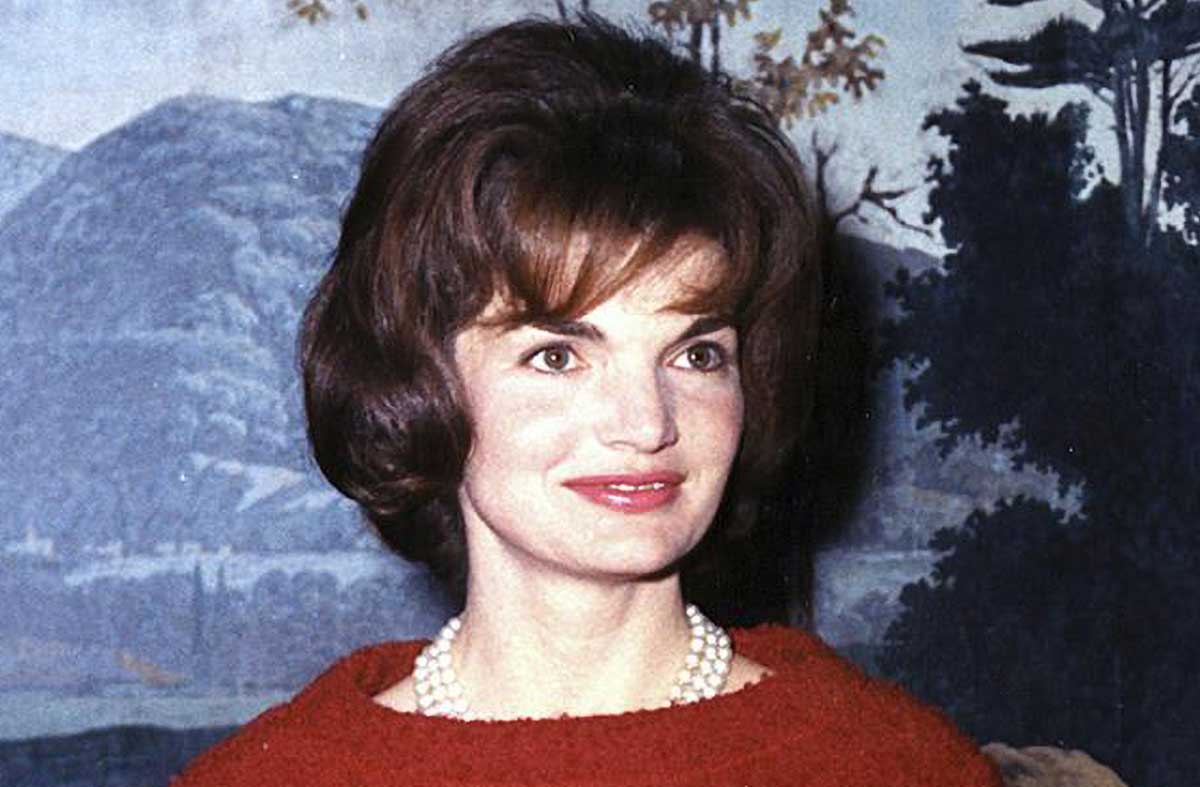
Upon becoming first lady, Jackie established a committee of advisors, as well as sub-committees, composed of experts in arts, books, and furniture. The committee was led by Americana expert Henry Dupont. By 1961, the governmental warehouses were being scoured in search of valuable furnishing for the White House. Besides her restoration efforts in the governmental building, Jackie initiated a public campaign and called for the donation of historical and artistic pieces.
With Jackie’s efforts, Public Law 87286 was passed, which made such donated items the inalienable property of the White House. The project acquired financial means through the newly established White House Historical Association, which sold The White House: A Historic Guide, a book Jackie conceived and edited. On Jackie’s demand, the position of White House Curator was created, tasked to maintain the mansion’s historical integrity.
As First Lady, Jacqueline Kennedy planned elegant state occasions, transforming the White House into a showcase for cultural and intellectual achievement. Authors, scientists, artists, musicians, and actors mingled with politicians, diplomats, and statesmen.
Jackie Kennedy’s Role in Diplomacy
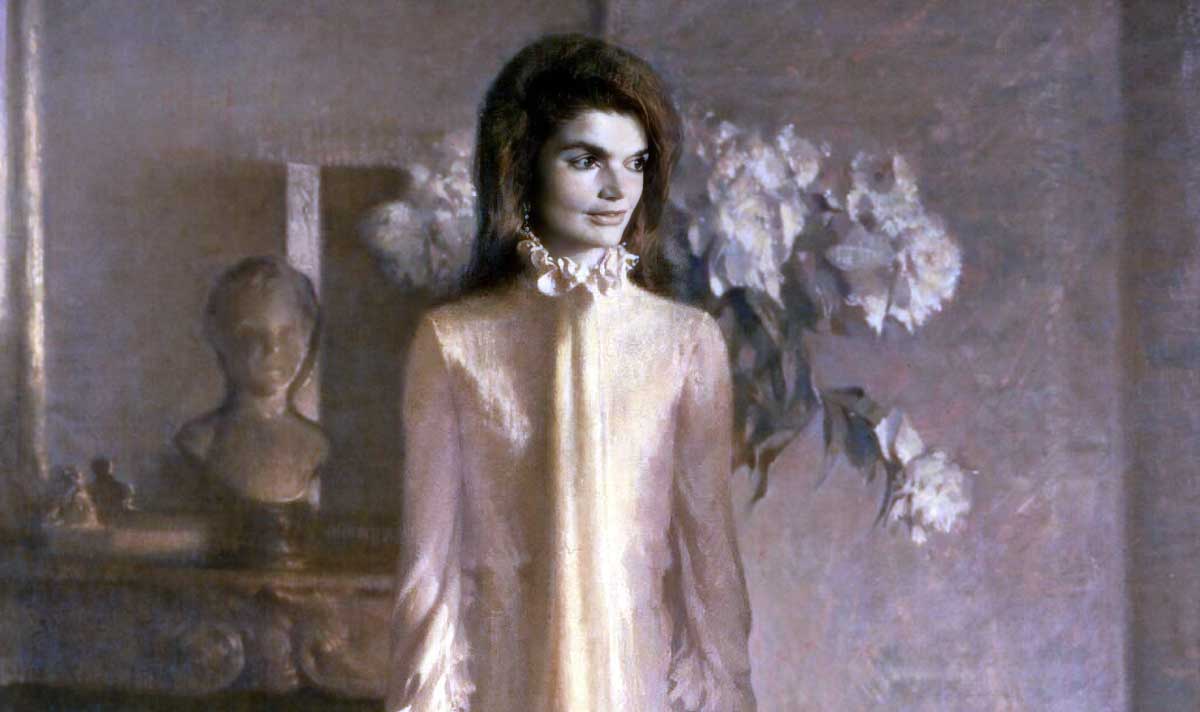
Even though Jackie Kennedy maintained a relatively low public appearance, she was reportedly actively involved in assisting President Kennedy in his political endeavors. She would provide assessments of the political figures the president had planned to negotiate with, including those from the Soviet Union.
When the Bay of Pigs operation was executed, she met with the brigade of Cuban fighters and delivered an inspirational speech in Spanish in Miami in December 1962. The Bay of Pigs Invasion, which took place in April 1961, was a failed United States-backed attempt by Cuban exiles to overthrow the communist government on the island of Cuba. In particular, Jackie’s speech sought to improve the morale of the CIA-trained soldiers tasked to overthrow Fidel Castro’s rule. Held a year after the unsuccessful operation, Jackie Kennedy’s speech was an effort to express solidarity and restore hope among the surviving members of the brigade.
During one of the most intense and strained international events, the Cuban Missile Crisis, when the whole world stood on the brink of nuclear war, Jackie refused to evacuate the White House and stood beside her husband, providing emotional support. After the resolution of the crisis, the president presented her with the same silver calendars commemorating the crisis that he had given to his military advisors.
During her tenure as First Lady, Jacqueline Kennedy also accompanied her husband on his overseas trips, making more international diplomatic visits than any of her predecessors. She visited Austria, England, Greece, Venezuela, and Colombia in 1961; India, Pakistan, Afghanistan, Italy, and Mexico in 1962; and Morocco, Italy, Turkey, Greece, and France in 1963.
During these trips, she formed close relations with several international political representatives and leaders, including France’s Charles De Gaulle, India’s Jawaharlal Nehru, Pakistan’s Ayub Kahn, and England’s Harold McMillan. During his visit to France in June 1961, President Kennedy famously remarked, “I am the man who accompanied Jacqueline Kennedy to Paris, and I have enjoyed it.”
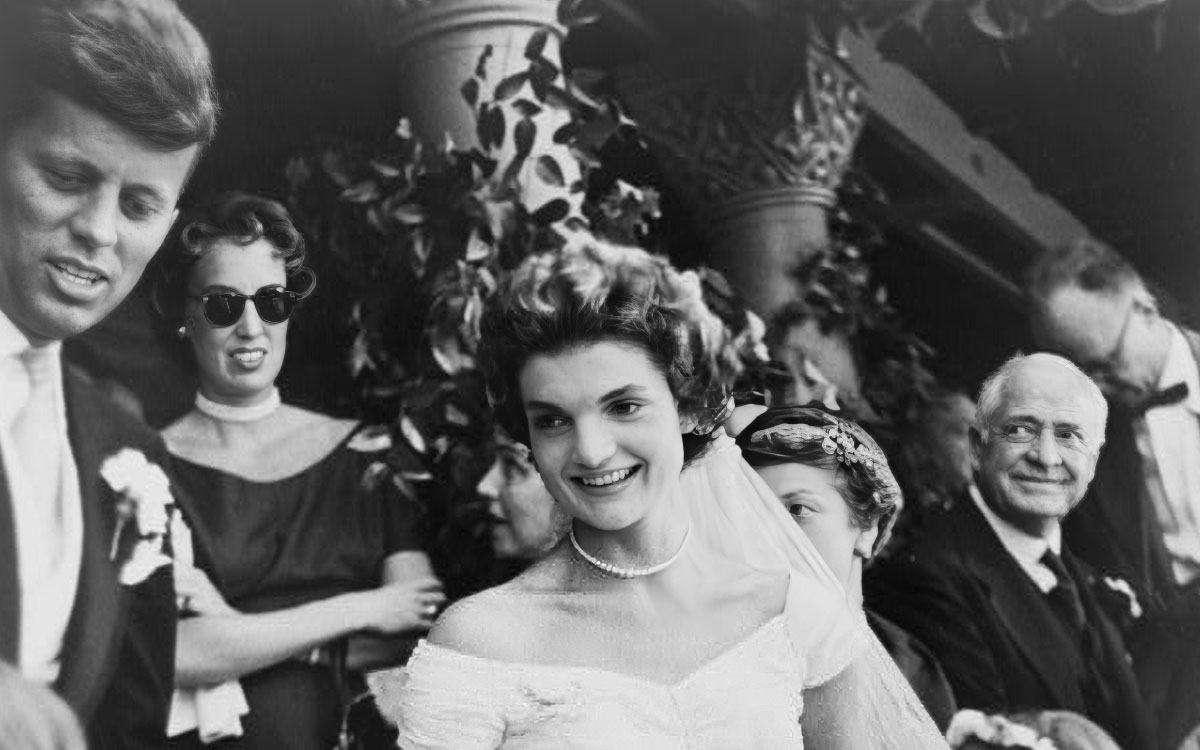
This comment illustrates Jacqueline Kennedy’s immense popularity in France. She was fluent in French and had a deep knowledge and apprehension of French culture. Her charm and fluency in French played a crucial role in improving American-French relations during the trip.
Amid the ongoing Cold War between the United States and the Soviet Union, forging close relations with foreign leaders proved crucial in advancing the interests of the president and the United States.
Preserving JFK’s Legacy
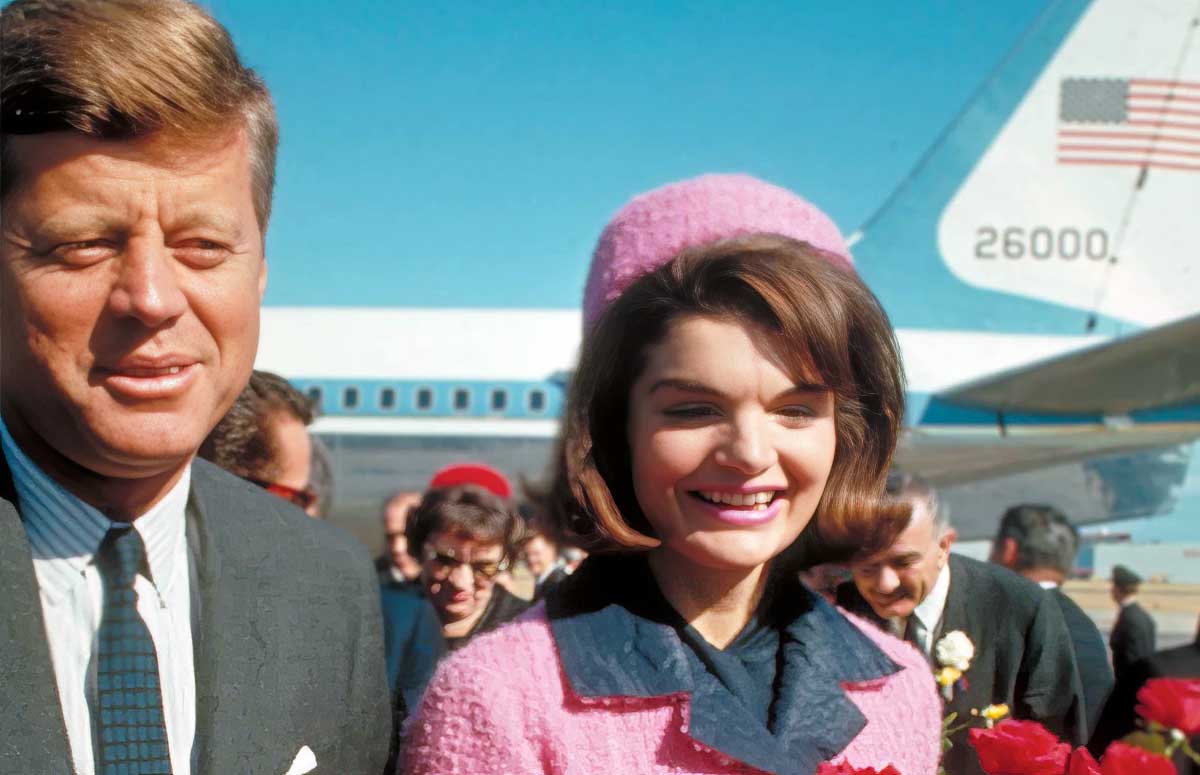
In the fall of 1963, President John F. Kennedy and his political advisers were touring across the United States for the next presidential campaign. Although not formally announced, it was obvious that the president would run for a second term, and the chances of his re-election were high.
On November 22, 1963, President Kennedy and the First Lady landed in Dallas. As they were moving through the Dealey Plaza, President Kennedy, while sitting next to Jackie on a limo, was lethally shot.
The assassination of President John F. Kennedy was both devastating and shocking for the whole world, and especially for Jackie. Through grief and trauma, however, Jackie managed to regain confidence and strength. In January 1964, to define and preserve her husband’s legacy, she embarked on completing the oral history of John F. Kennedy’s presidency and his extraordinary political career.
The project began in the first half of March 1964. With the assistance of historian Arthur Schlesinger Jr., Jackie recorded an eight-and-a-half-hour detailed account of her life with President Kennedy, providing important insights about the most significant events of his presidency, as well as retracing the decision-making process behind these crucial moments of their political career. The tapes are held at the John F. Kennedy Presidential Library and Museum in Boston.
Second Marriage With Aristotle Onassis
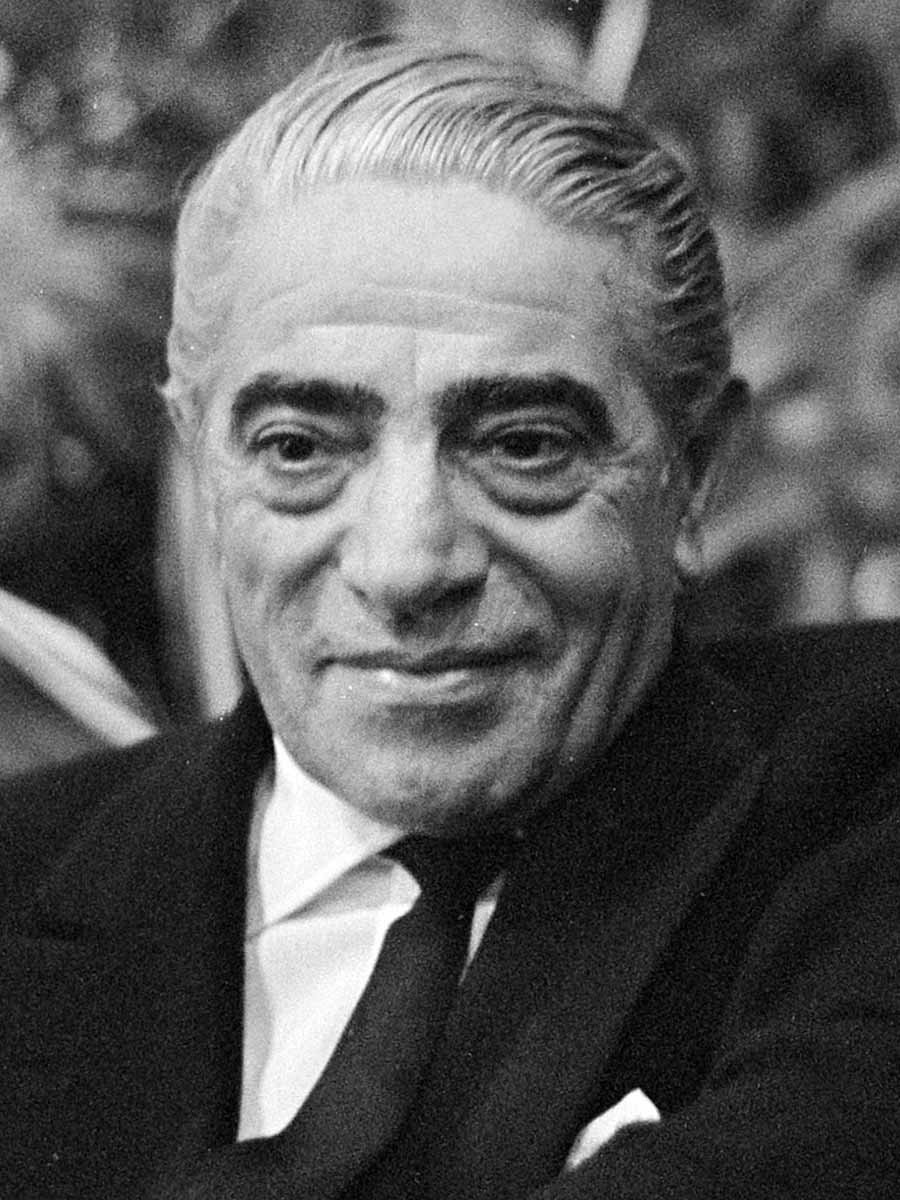
On October 20, 1968, Jacqueline Kennedy married Aristotle Onassis, a wealthy Greek shipping magnate who was 23 years her senior. Jackie and Onassis had known each other through mutual social circles before their wedding.
Their marriage, as professor of United States’ Gender and Women’s History at Ohio University Katherine Jellison told Time, was not the result of “great love.” While there was mutual respect and affection, Jackie saw the marriage as a source of security for herself and her children. For Aristotle Onassis, marrying the former American First Lady meant enhanced status and prestige.
The wedding took place on Skorpios, Onassis’s private Greek island in the Ionian Sea. Jacqueline took the legal name Onassis and was later often referred to as “Jackie O.”
The wedding dress Jackie chose was completely different from the one she wore during her first wedding. It was a more relaxed Valentino with a high-neck lace top and pleated skirt. Many perceived the choice as unconventionally short for a wedding. According to Marissa Speer, head of sales for designer handbags and fashion at Bonhams, “The dress is a stepping stone in her transition from the Queen of Camelot to Jackie O: style icon, where she was making her own choices and showing her independence through her style.”
The American public heavily criticized Jackie’s marriage to Onassis, especially since his romance with opera singer Maria Callas was widely known.
Their marriage lasted nearly a decade until March 15, 1975, when Aristotle Onassis passed away from respiratory failure.
Finding a New Path Through Grief & Legacy of Jacqueline Kennedy
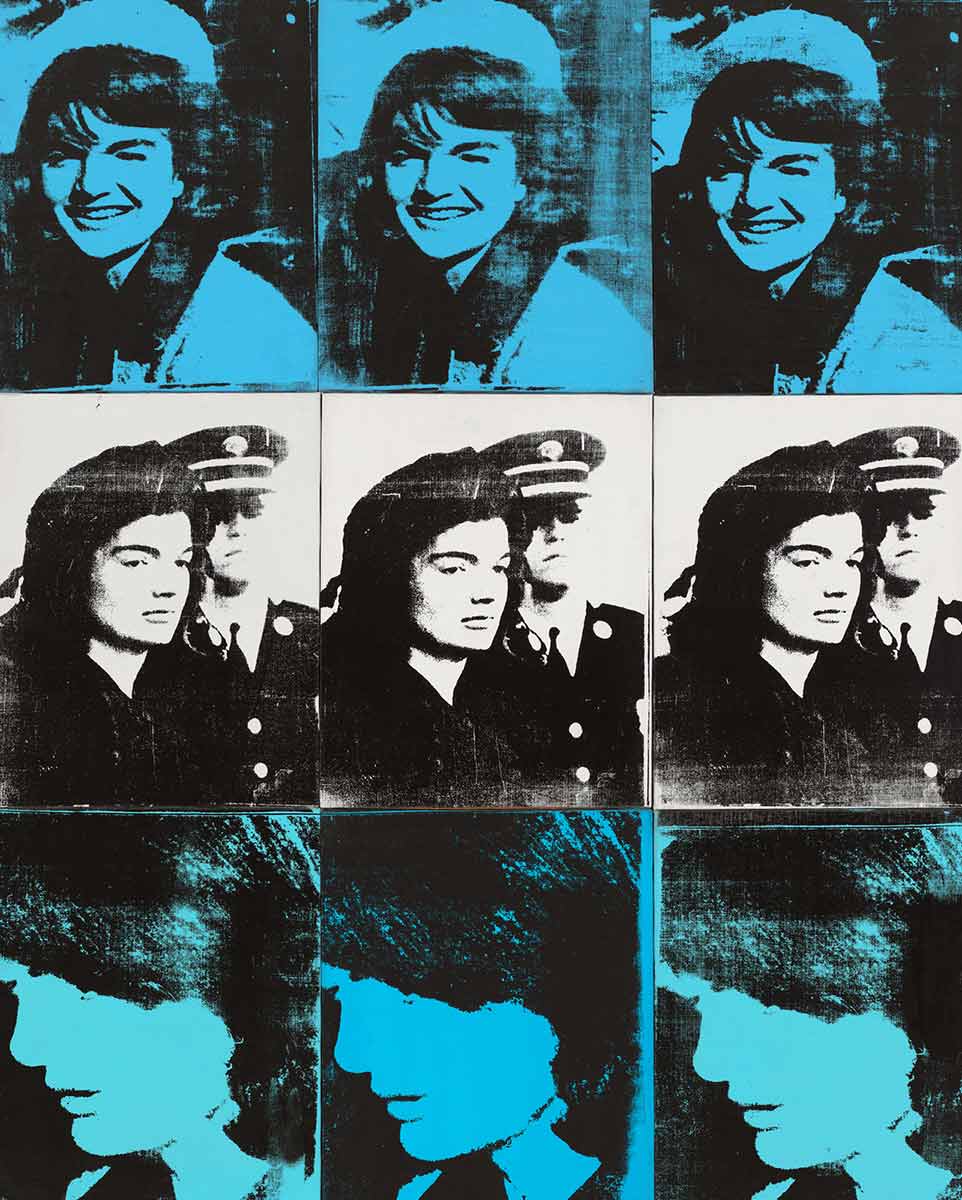
After Aristotle’s Onassis’s death, Jackie permanently returned to the United States to resume her writing career. She started working for Viking Press as an editor from 1975 to 1977 and later, from 1978, for Doubleday, where she worked until her passing in 1994. In addition to editing, she wrote introductions and helped select illustrations for books.
Jackie remained dedicated to preserving America’s historical and cultural heritage. As a member of the New York Municipal Arts Society, she led efforts to save New York’s Grand Central Station, lobbying for legislation that protected historic buildings from demolition. During the 1980s, Jackie was actively involved in preserving the Broadway theater district in the Central Park Conservancy, the Literary Lions of the New York Public Library, the Metropolitan Museum’s Egyptian wing and the Costume Institute, and the American Ballet Theater at Lincoln Center.
In the early 1990s, Jackie was diagnosed with non-Hodgkins lymphoma. Soon after her diagnosis, on May 19, 1994, aged 64, Jackie passed away in her New York apartment. She was buried beside her first husband, John F. Kennedy, in Arlington National Cemetery.
To this day, Jackie remains one of the most popular and glamorous first ladies of the United States and was listed multiple times on the Gallup top 10 most admired people of the second half of the 20th century.
Through her contributions to the arts, fashion, and cultural diplomacy, Jacqueline Kennedy Onassis left a permanent mark on American society, setting standards that many aspired to follow.