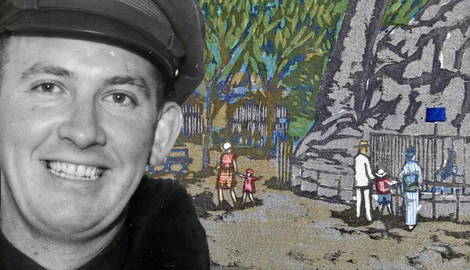

On January 27, 1945, B-29 navigator Raymond “Hap” Halloran was shot down over Tokyo; he was subsequently captured and interrogated. He was also used as a strange psychological propaganda tool to depict the differences between Japanese and European-American people.
A naked Halloran was imprisoned and put on display in the tiger cage at Tokyo’s Ueno Zoo. This story was dismissed as a wartime rumor, but Halloran’s story is a remarkable, true tale of survival and later reconciliation after World War II.
Shot Down Over Tokyo in the Shadow of the B-29 Raids
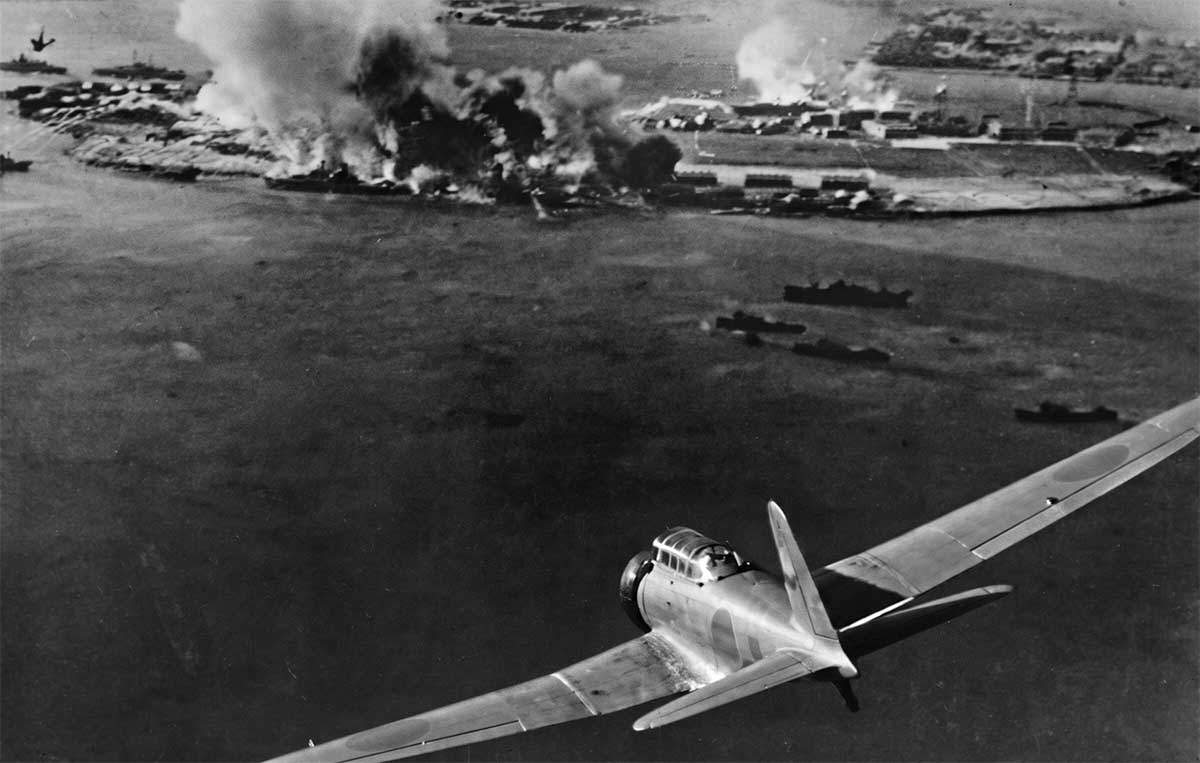
Raymond “Hap” Halloran was from Cincinnati, Ohio, and had always been fascinated by planes. He enlisted in the Army Air Forces after the attack on Pearl Harbor. He served in the Pacific Theater as an aerial navigator, where he and his B-29, aka the “Rover Boys Express” crew, were tasked with bombing the Nakajima Aircraft Factory. The B-29 was hit, and with little chance of survival, Halloran parachuted out of the plane. While plummeting to the ground, he encountered three Japanese fighters who left him alone.
Imprisonment at Kempei Tai Headquarters and Daily Survival
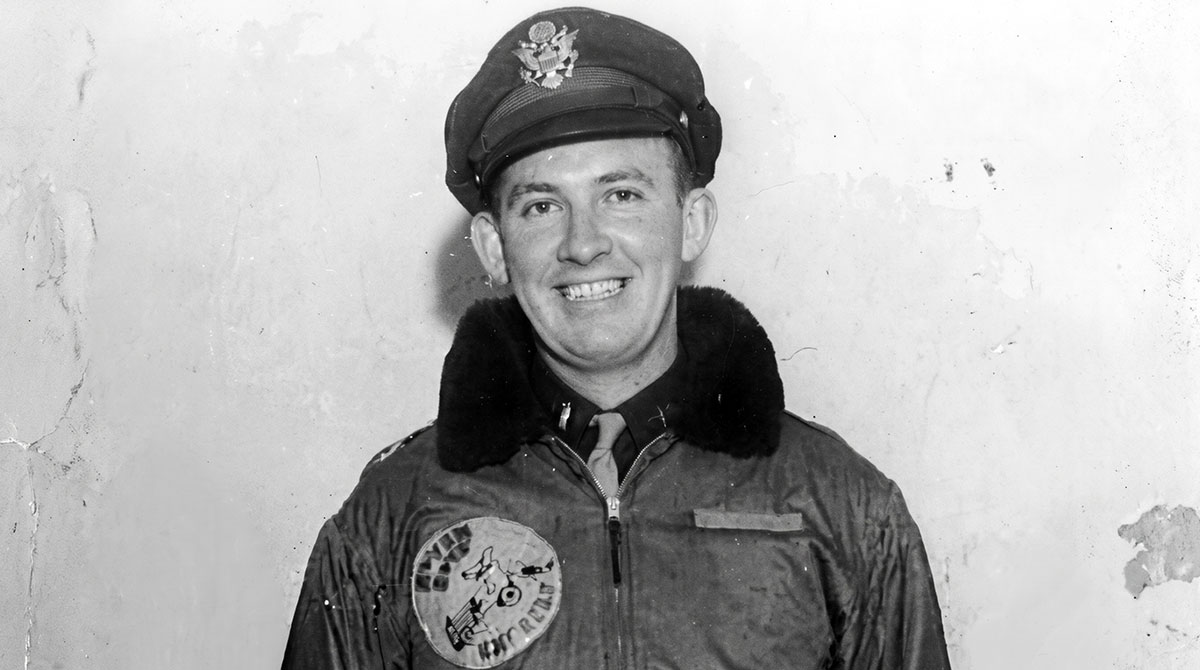
Halloran’s landing was witnessed by Japanese civilians, who nearly beat him to death. He was “saved,” albeit captured and beaten again by Japanese soldiers, who imprisoned and mercilessly interrogated Halloran at the Kempei Tai, a secret police torture prison. Halloran said the Kempei Tai people were the most brutal in the world.
They imprisoned him in a cage with inhumane conditions that included forcing him close to starvation, exposing him to pests and deadly cold, all the while being subjected to constant interrogation and torture. His only relief was praying and imagining family and friends. On March 9-10, Tokyo experienced devastating fire bombing, and Halloran survived with his hands and feet cuffed in the cage while the world around him was a raging inferno.
Caged Like a Wild Animal at Tokyo Ueno Zoo
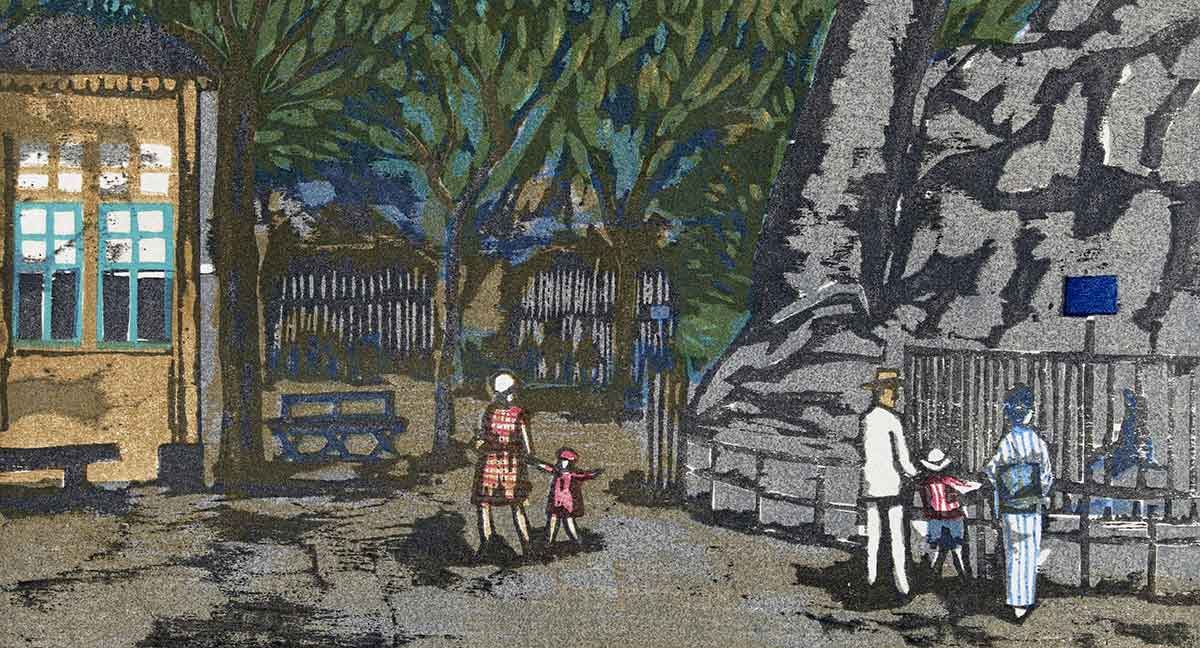
Halloran was kept at the Kempai Tai for 67 days. He was then taken to the Ueno Zoo in central Tokyo, where he was tied naked to the bars of the tiger cage for two days. The purpose was to use Halloran as a propaganda tool to demonstrate the might of the Japanese Empire and to show the differences between the Japanese people and European-Americans, the former regarded as “superior” during wartime.
During the spectacle of Halloran’s display, civilians were hostile, curious, and piteous. After the zoo ordeal, he was sent to the Omari prisoner of war camp with other American POWs. The camp’s conditions were arguably worse than the Kempai Tai, as illness, malnutrition, and human excrement plagued the prisoners. Halloran and his brethren did experience rare moments of kindness from civilians and soldiers.
Liberation and an Extraordinary Postwar Journey of Reconciliation
The atomic bombs were dropped in early August 1945, ending the war, and three weeks later, Halloran and his fellow prisoners were liberated. He spent two weeks on a hospital ship and five days at a hospital in San Francisco before returning to Cincinnati to reunite with his family. However, he still had to spend months at a West Virginia government hospital to recover.
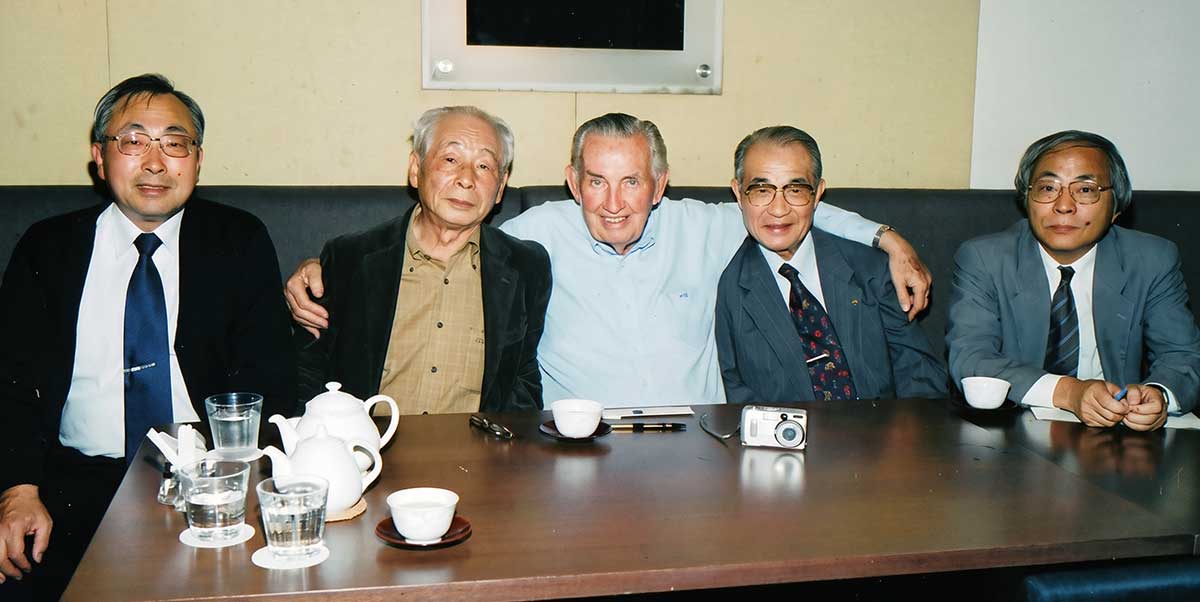
After his extensive medical care, Halloran dealt with post-traumatic stress disorder for 40 years. He suffered night terrors, and his family would often be forced to hold him down. Over time, Halloran decided to reconcile with the guards, civilians, and also the pilot who shot him down. He did this to promote peace and forgiveness, and to come to terms with his own fearful, terrifying past.